How to make baked beans

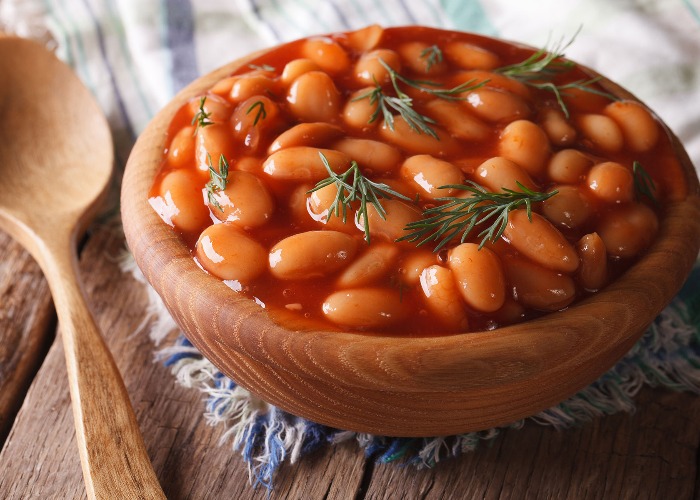
When HJ Heinz sold his first tin of baked beans to Fortnum & Mason in London in 1886, few would have predicted the start of a national love affair. Yet 135 years later, baked beans are a staple for millions of Brits and synonymous with cooked breakfasts and student suppers on toast.
These days, baked beans are often sold by supermarkets as a cheap item, actually sold at a loss to attract customers. But in 1886, Fortnum’s displayed Heinz’s tins proudly, as a pricey and exotic American import.
Where were baked beans invented?
 Brent Hofacker/Shutterstock
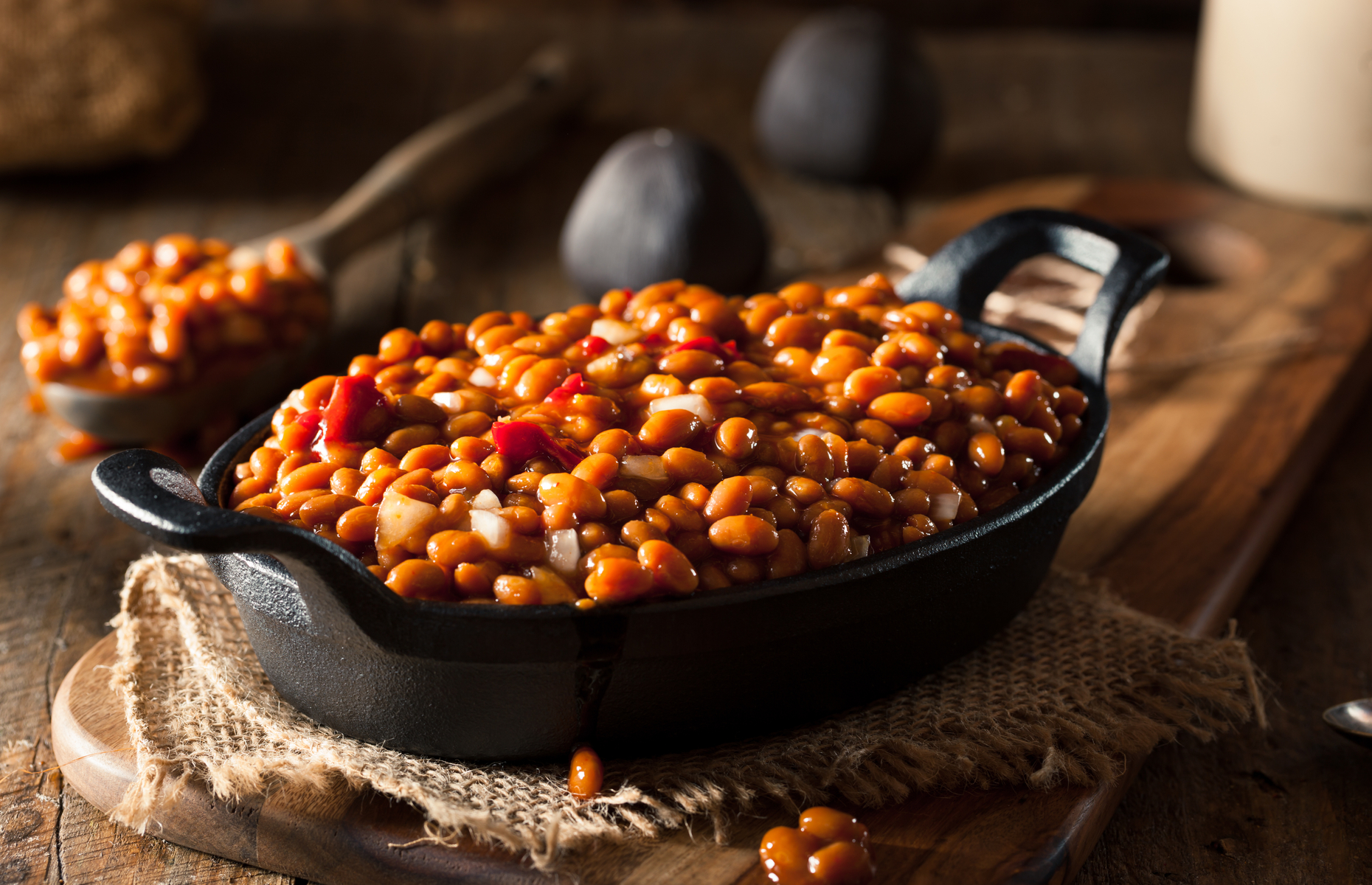
Baked beans began life in the USA. The navy beans (known in the UK as haricot beans) in the dish are native to the Americas and were a staple of the indigenous people's diet, sometimes cooked with bear fat, venison and maple syrup.
The pilgrims and other early immigrant groups adapted the dish, possibly incorporating the traditional flavours of their own dishes, such as French cassoulet. In New England, baked beans soon became so popular that Boston was nicknamed Beantown, an epithet still occasionally used today.
READ MORE: Make your own chilli oil
Boston baked beans were made with salt pork and enriched with molasses. Traditionally, they are served with Boston brown bread on the side – a dark, sweet loaf made with wholemeal or rye flour, molasses and buttermilk.
Beanz Meanz Heinz?
In the late 19th century, Henry J. Heinz entered the picture. Canned foods were still a new technology, first used in America in the 1860s. Heinz’s nascent company began by selling horseradish and tomato ketchup, and soon added tinned baked beans to its then small collection of products.
Heinz baked beans initially contained pork and were sold to curious Brits shopping at Fortnum’s at a high price. From that point onwards, baked beans became more and more a part of the British diet.
READ MORE: Make your own mayonnaise
Heinz baked beans continued to contain pork up until the Second World War when rationing meant this was no longer possible. The company’s famous slogan, Beanz Meanz Heinz, was coined in the 1960s.
The 1990s saw a baked beans price war among the big supermarkets, with own-brand beans selling for as little as 3p per can. These own-label beans, along with other brands such as Branston, have made a dent in Heinz’s market share, but for an estimated 65–70% of British baked bean eaters, Beanz still Meanz Heinz today.
READ MORE: The secret history of baked beans
How to make baked beans
 Tatiana Volgutova/Shutterstock
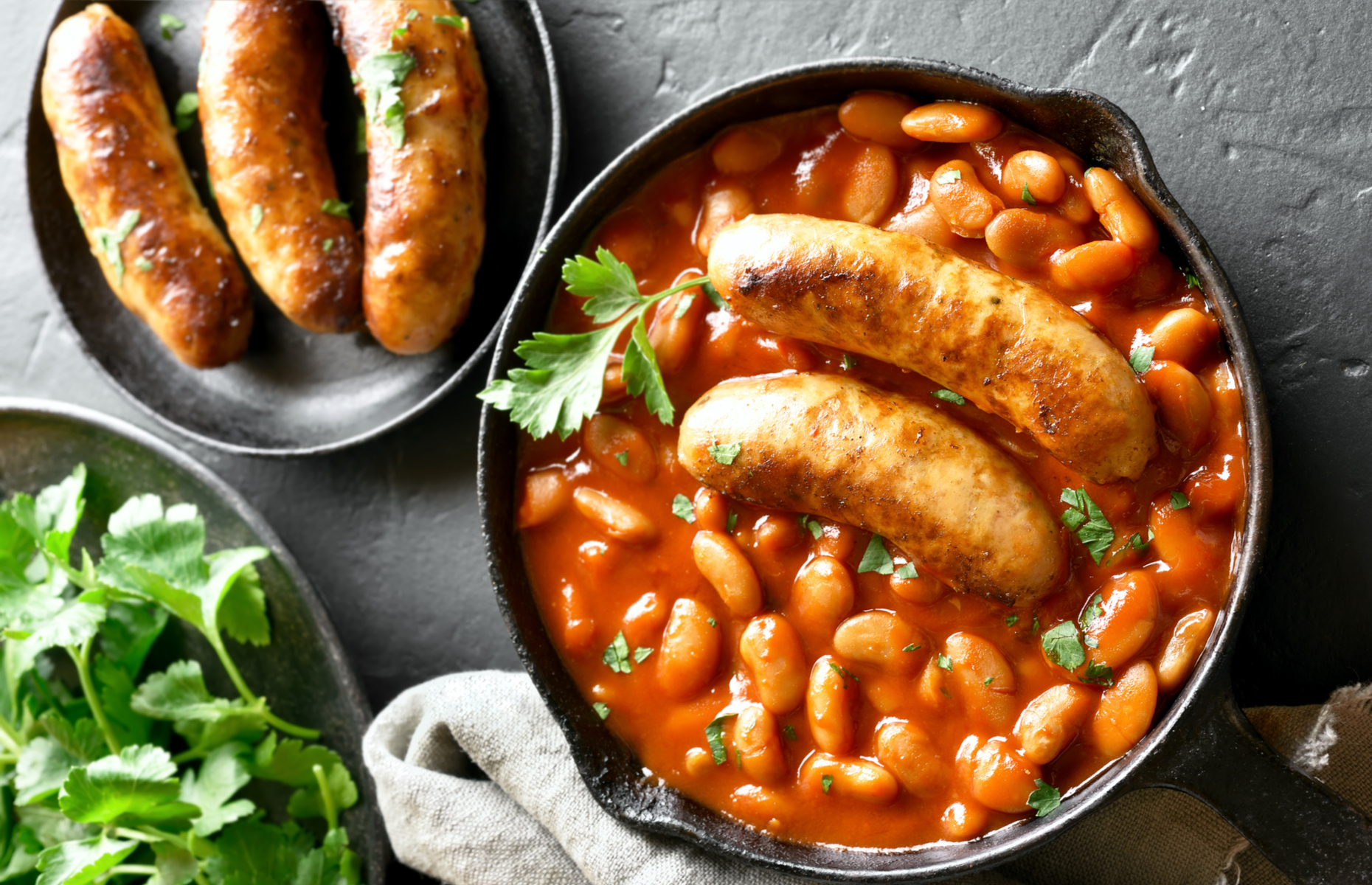
Homemade baked beans can’t compete with tinned on price, but it’s worth making your own once in a while. You’ll get a far tastier, more complex dish with the pucker of vinegar, the rich sweetness of brown sugar and the heat of mustard.
READ MORE: Make your own brown sauce
This baked beans recipe takes the dish back to its New England roots but with a British twist, adding English mustard, black treacle and Worcestershire sauce. For vegetarians, you could use soy sauce or 1tbsp yeast extract instead. Some cubes of pancetta or bacon lardons would make a tasty and traditional addition too. Remember to allow time for the beans to soak overnight.
Ingredients
- 250 g dried haricot or cannellini beans
- 2 bay leaves
- 1 tbsp olive oil
- 1 onion, chopped
- 1 clove of garlic, crushed
- 1 x 400g/14oz tin cherry tomatoes
- 1 tbsp cider vinegar
- 1 tbsp dark muscovado sugar
- 1 tbsp black treacle
- 2 tsp English mustard powder
- 1 tbsp tomato purée
- 2 tbsp Worcestershire sauce
- 8.8 oz dried haricot or cannellini beans
- 2 bay leaves
- 1 tbsp olive oil
- 1 onion, chopped
- 1 clove of garlic, crushed
- 1 x 400g/14oz tin cherry tomatoes
- 1 tbsp cider vinegar
- 1 tbsp dark muscovado sugar
- 1 tbsp black treacle
- 2 tsp English mustard powder
- 1 tbsp tomato purée
- 2 tbsp Worcestershire sauce
- 8.8 oz dried haricot or cannellini beans
- 2 bay leaves
- 1 tbsp olive oil
- 1 onion, chopped
- 1 clove of garlic, crushed
- 1 x 400g/14oz tin cherry tomatoes
- 1 tbsp cider vinegar
- 1 tbsp dark muscovado sugar
- 1 tbsp black treacle
- 2 tsp English mustard powder
- 1 tbsp tomato purée
- 2 tbsp Worcestershire sauce
Details
- Cuisine: British
- Recipe Type: Beans
- Difficulty: Easy
- Preparation Time: 10 mins
- Cooking Time: 120 mins
- Serves: 4
Step-by-step
- Put the beans in a bowl, cover with cold water, around 5cm (2in) above the surface, as the beans will soak up the water and plump up. Leave them overnight.
- Drain the beans, put into a saucepan with the bay leaves, cover with water and cook for 30 minutes. Drain and set aside.
- Heat the oil in a large saucepan, and gently cook the onion until softened, about 15 minutes. Add the garlic, stir for a minute, then add all the remaining ingredients and the beans. Season with sea salt and black pepper, bring to the boil then simmer, partially covered, for 1 hour 30 minutes, stirring occasionally. Check the seasoning before serving.
This recipe is by Jane Curran. Lead image: AS Food studio/Shutterstock.