Genius pasta and sauce combos for delicious dinners
All shapes and sizes
Long ribbons: tagliatelle
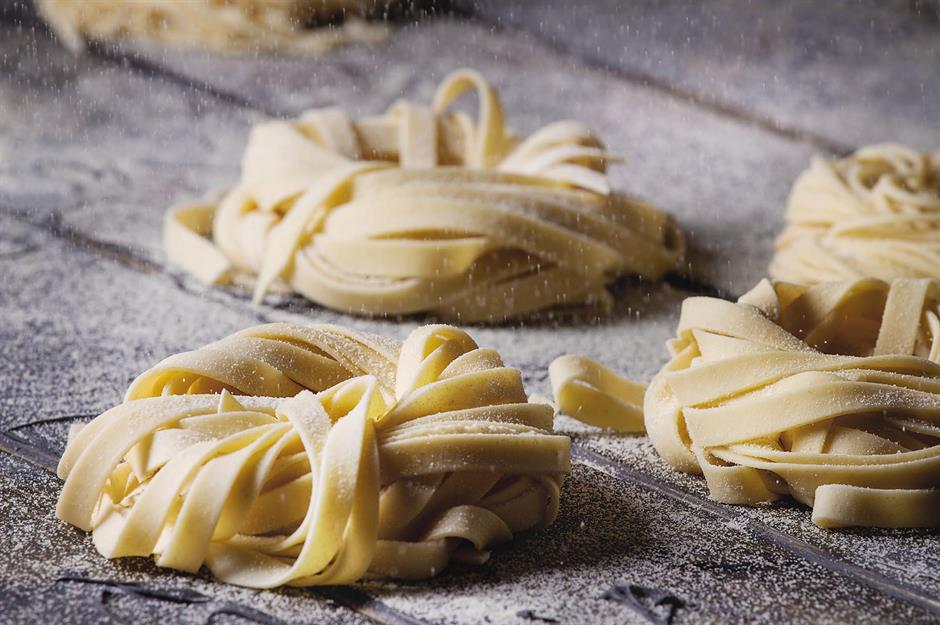
Tagliatelle sauces
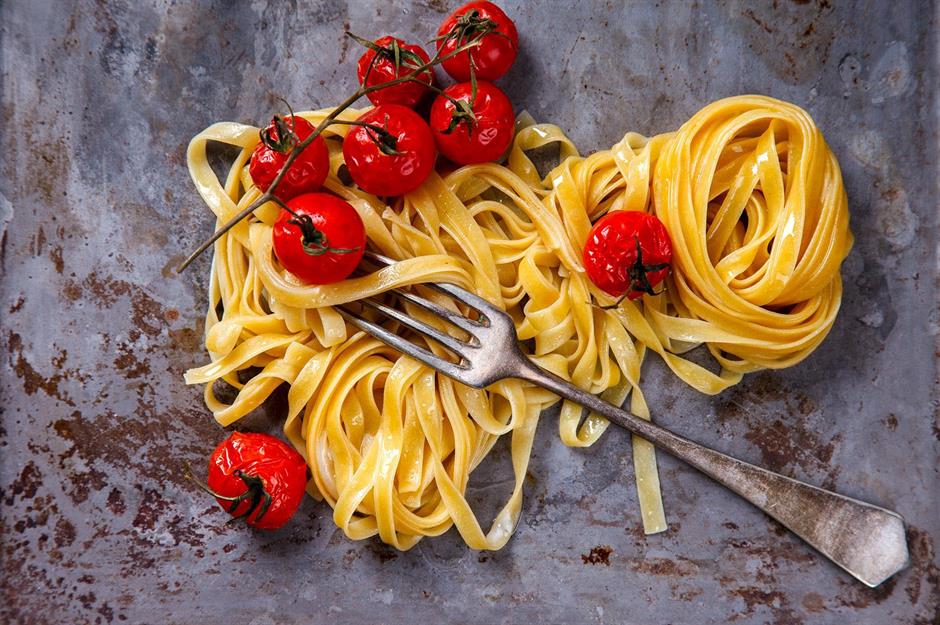
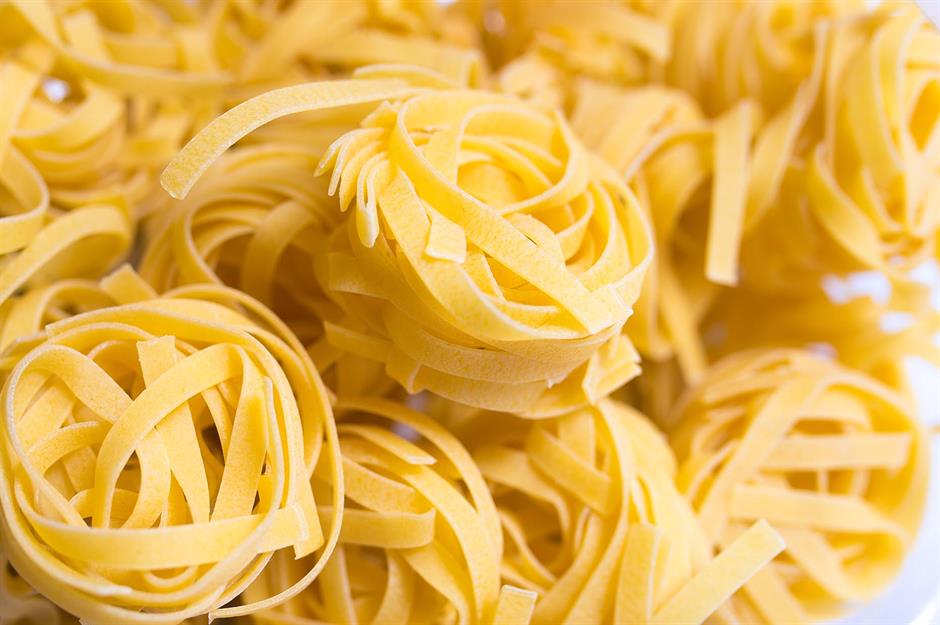
These pasta ribbons have a wide, porous surface so they’re perfect served with thick and creamy sauces as well as shaved hard cheeses. That said, with the right recipe they can also work well with lighter sauces as long as there is some liquid for the pasta to soak up.
Sponsored Content
Long ribbons: pappardelle
Pappardelle sauces
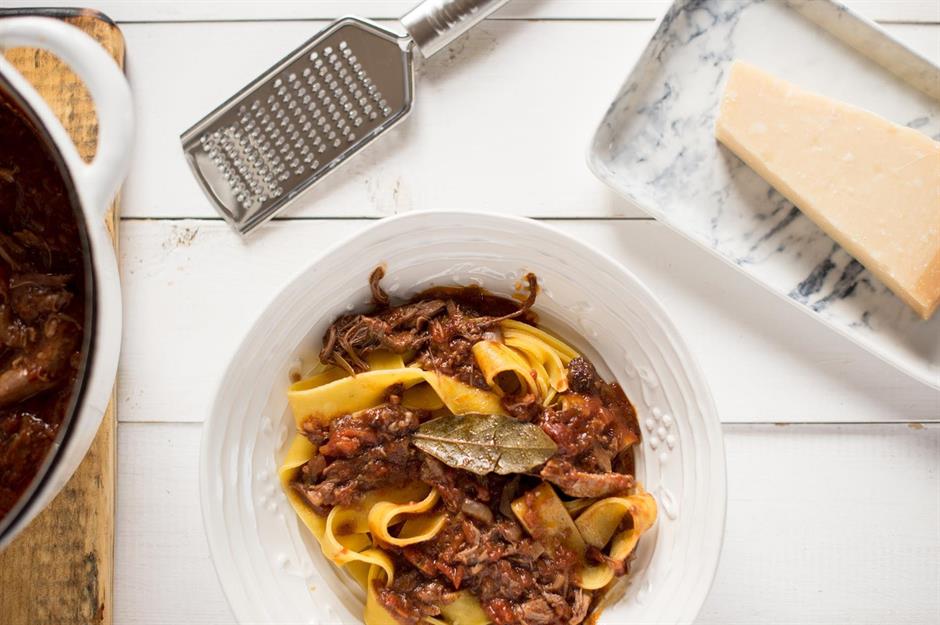
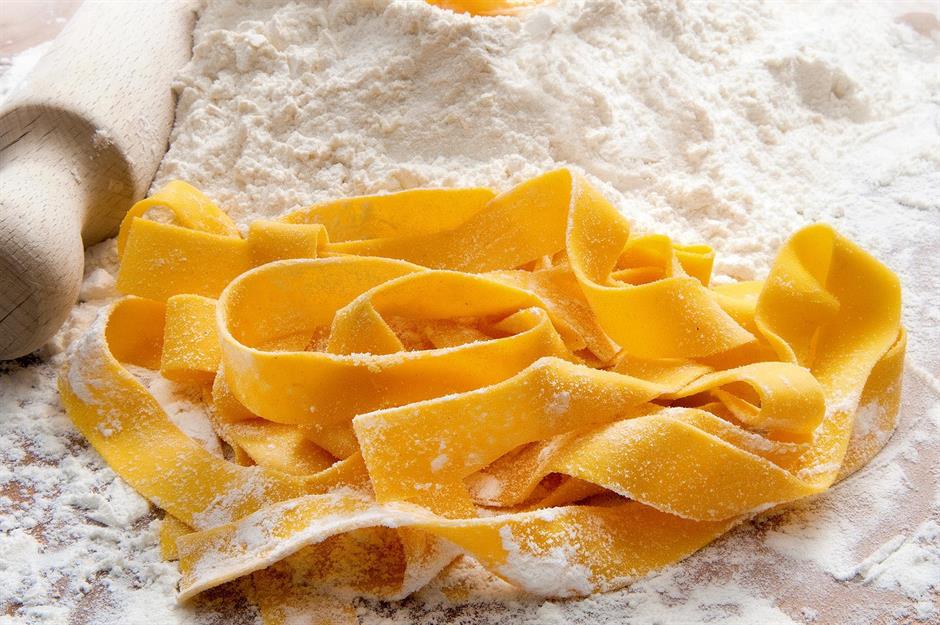
These weighty pasta ribbons do well with a heavy and rich meat sauce known as ragù. The meat is usually slow-cooked in a heavily seasoned tomato (and often wine) sauce to ensure a soft texture that melts in your mouth. Any cream-based or oily roasted vegetable sauce will also be a good combination, as you want the pasta to absorb as much of the sauce as possible.
Long ribbons: fettuccine
Sponsored Content
Fettuccine sauces
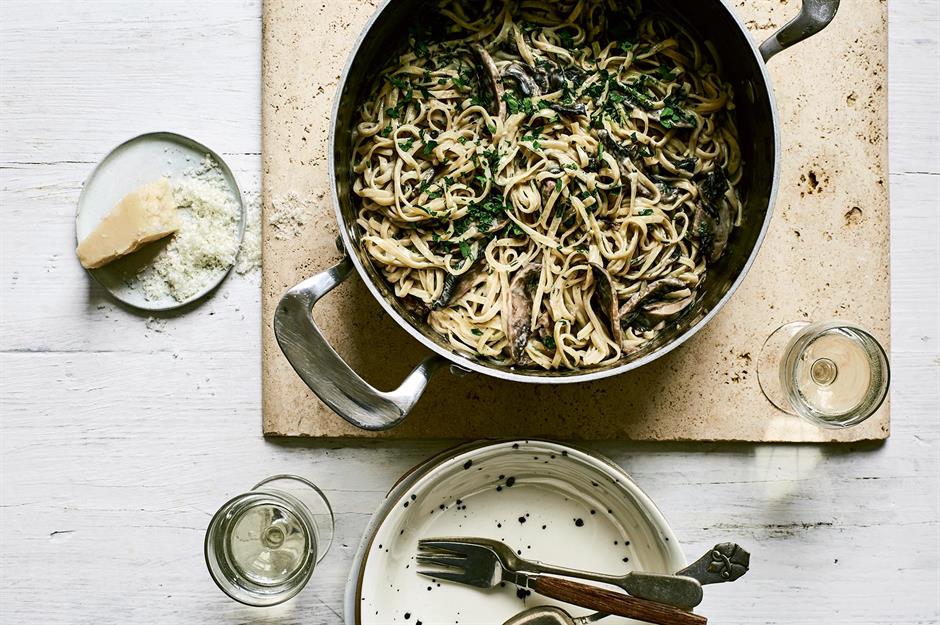
As the pasta is quite thin, it needs an oily or buttery sauce to prevent it from sticking together. Although it’s also great paired with lighter ingredients like seafood or spring vegetables, there’s nothing more classic than fettuccine alfredo. A simple sauce of butter and Parmesan (and double cream in the Americanised version), it's a simple yet comforting dish.
Long and skinny: spaghetti
Spaghetti sauces
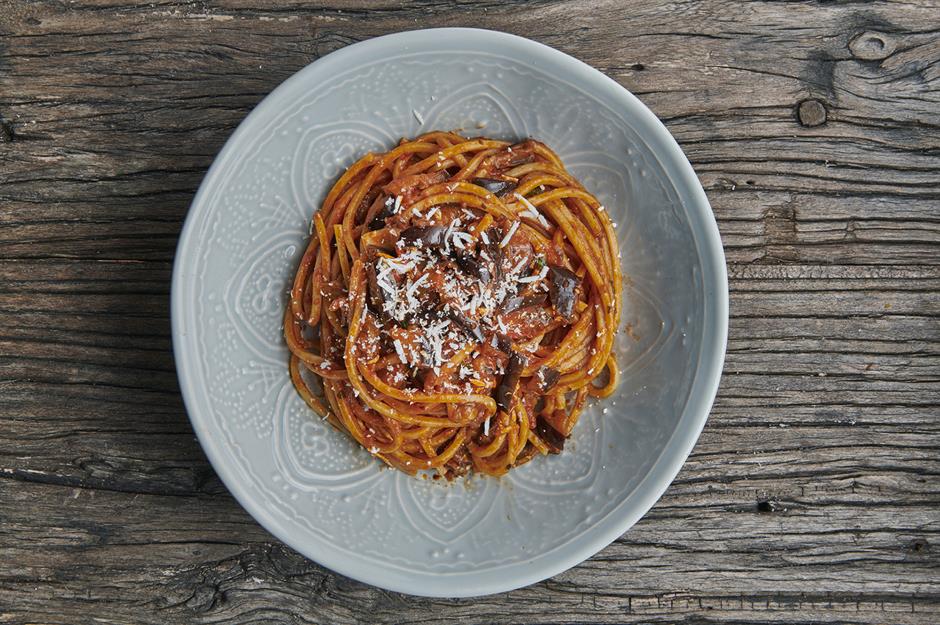
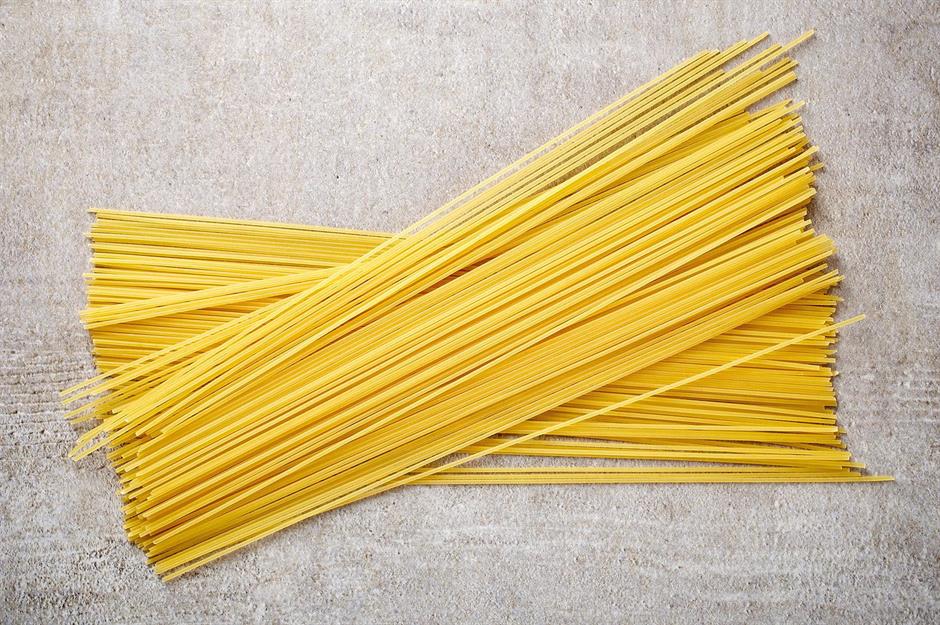
Spaghetti's round shape makes it perfect for twirling around a fork, so it’s usually served with an oily or buttery sauce. Traditional options include vongole (clams), carbonara (egg, pancetta and a hard cheese) and a simple, yet incredibly delicious aglio e olio (olive oil, garlic and chilli).
Sponsored Content
Curved pasta: conchiglie
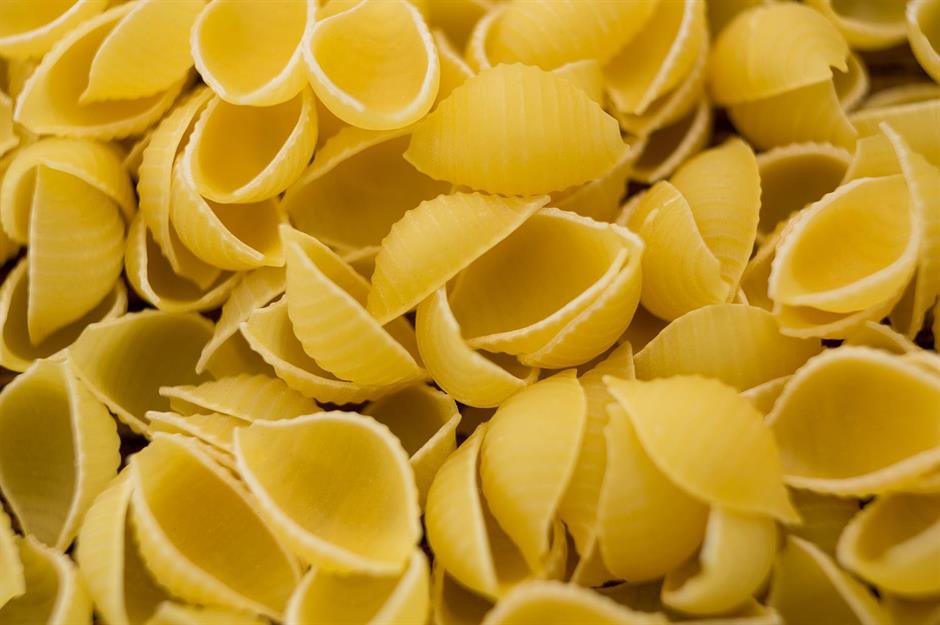
The name of these pasta shells – conchiglie – is derived from the Italian word for a seashell. They're popular for their ability to hold a lot of sauce. These pasta shells are often available in various different natural colours, including red (tomato powder), green (spinach extract) or even a dark grey/purple (squid ink).
Conchiglie sauces
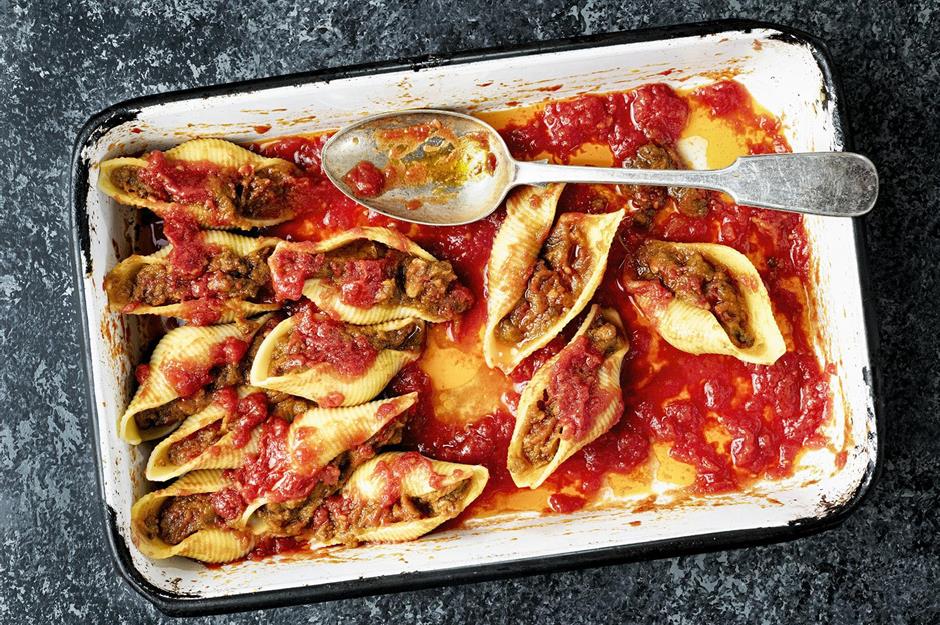
This shape is well suited to thick and chunky sauces, which collect inside the shell and stick to the ribbed outside surface. Pair conchiglie with an ample serving of pesto or tomato sauce, and cheese, vegetables or meat.
Curved pasta: orecchiette
Sponsored Content
Orecchiette sauces
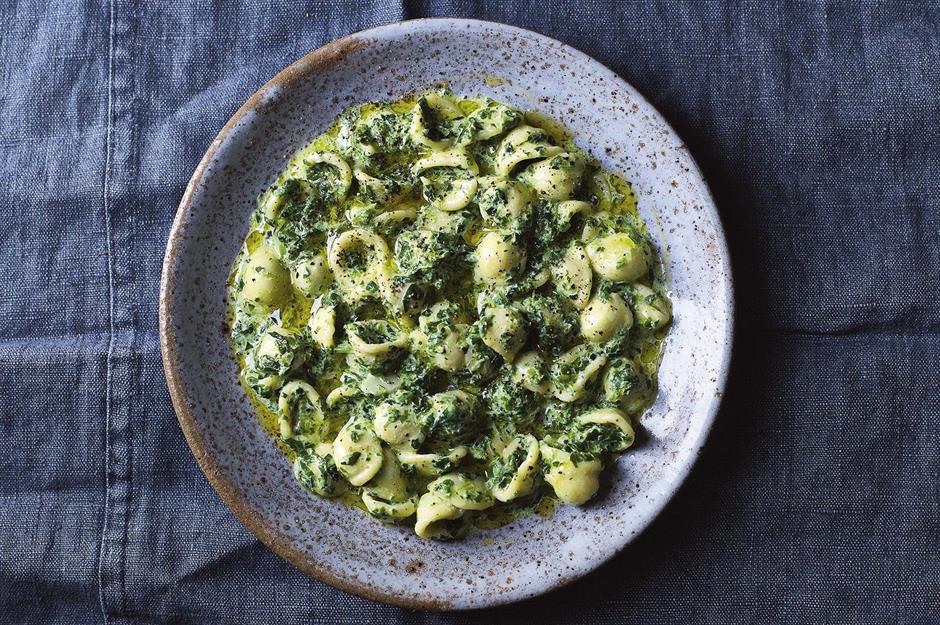
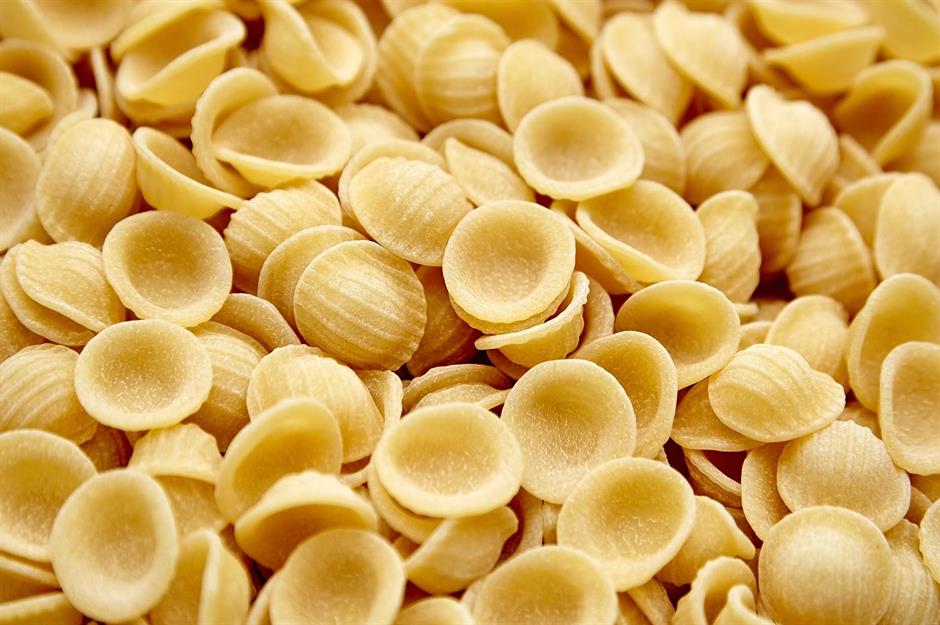
The little dents in orecchiette are great for holding little bits of meat or vegetables, and is where a bit of sauce always pools. In Apulia, these little ears are traditionally served with a variety of vegetables, like broccoli or cauliflower, and in some regions they're dressed with a tomato sauce and mini meatballs.
Tubes: penne
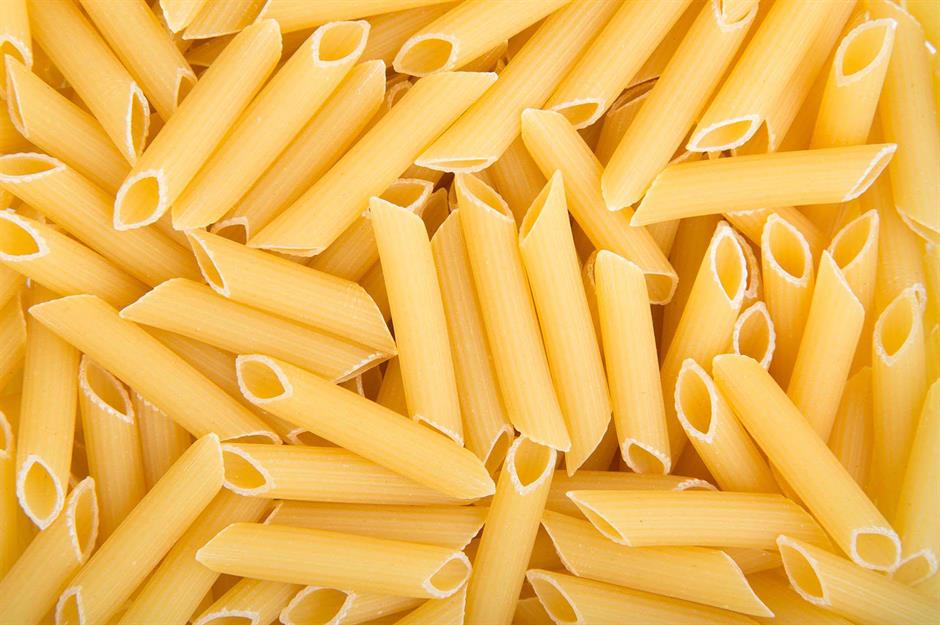
One of the most commonly used shapes for pasta bakes, penne can be lische (smooth) or rigate (furrowed). Traditionally cooked al dente, they’re easily recognisable due to their tube-like shape and diagonal cuts at each end.
Penne sauces
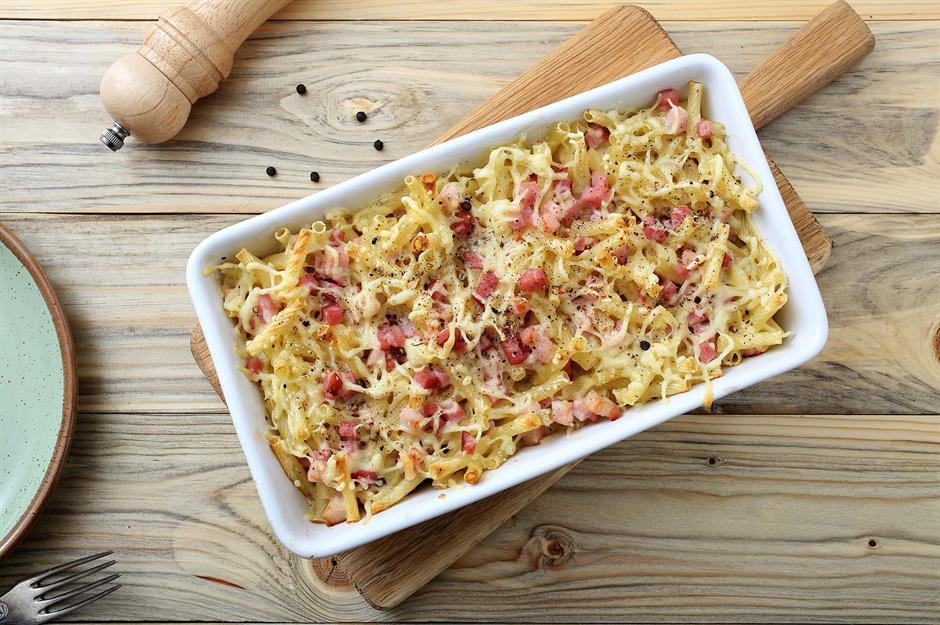
The smooth-surfaced penne is great in chunkier sauces, while rigate’s bumpy surface is brilliant at picking up more silky sauce. It’s especially popular with marinara and arrabiata sauces, and is great in pasta bakes as it holds its shape well.
Sponsored Content
Tubes: rigatoni
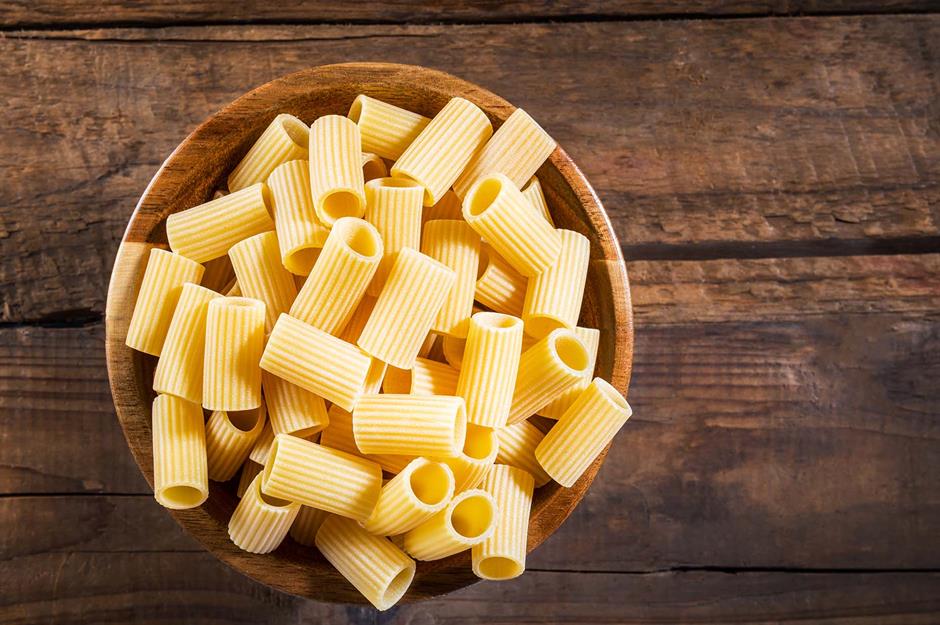
Rigatoni sauces
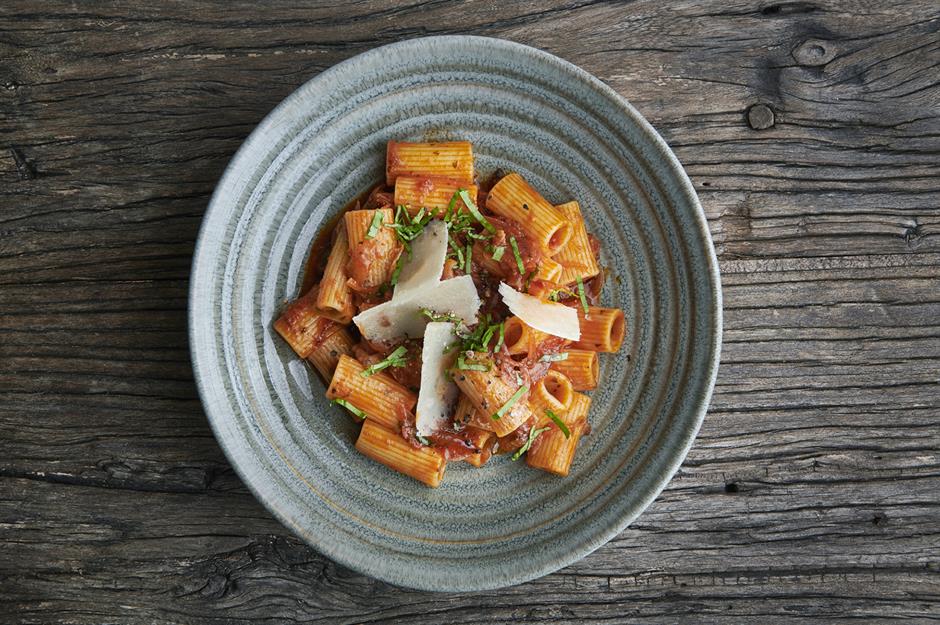
Rigatoni is a sturdy pasta so it pairs well with heavy, meaty sauces and those with a rich tomato base. It also works great in baked pasta dishes and for something completely different, you can try it in a mac 'n' cheese too.
Tubes: cannelloni
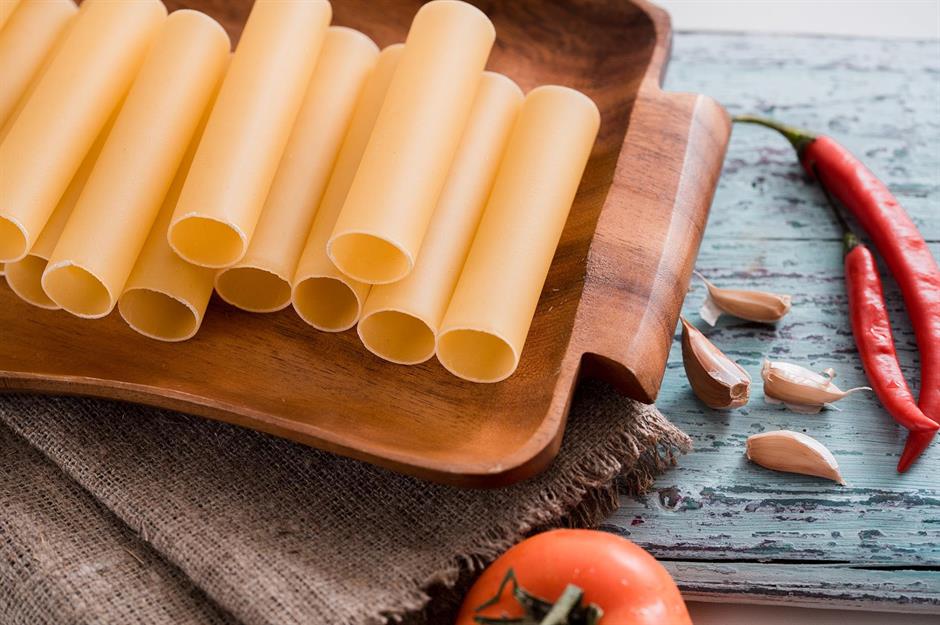
Excellent for stuffing and baking, cannelloni are usually made from fresh pasta sheets used for lasagne. The dried pre-rolled variety has gained popularity though due to its convenience – just make sure you pick good-quality pasta.
Sponsored Content
Cannelloni sauces
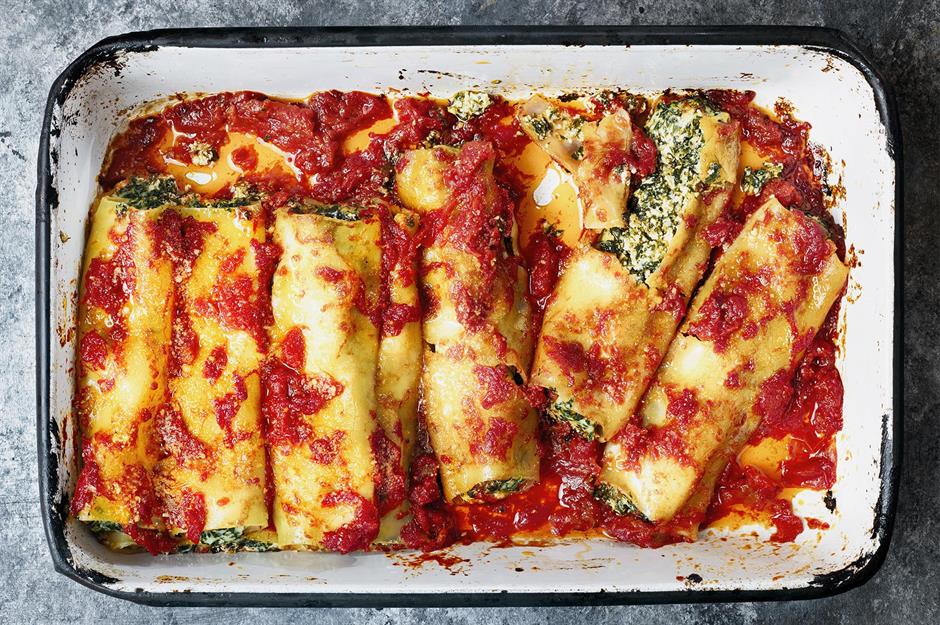
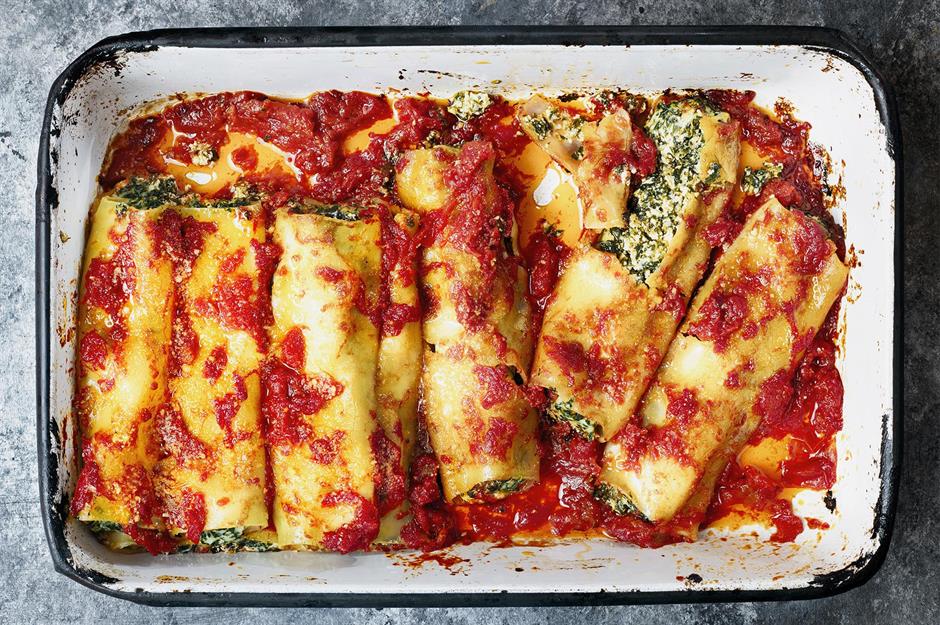
The most traditional cannelloni recipe calls for a ricotta and spinach stuffing smothered in a tangy tomato sauce with generous lashings of béchamel sauce on top. Don't feel limited by the classics though - try stuffing the tubes with a tomato meat sauce, then covering in béchamel and baking.
Tubes: macaroni
Macaroni sauces
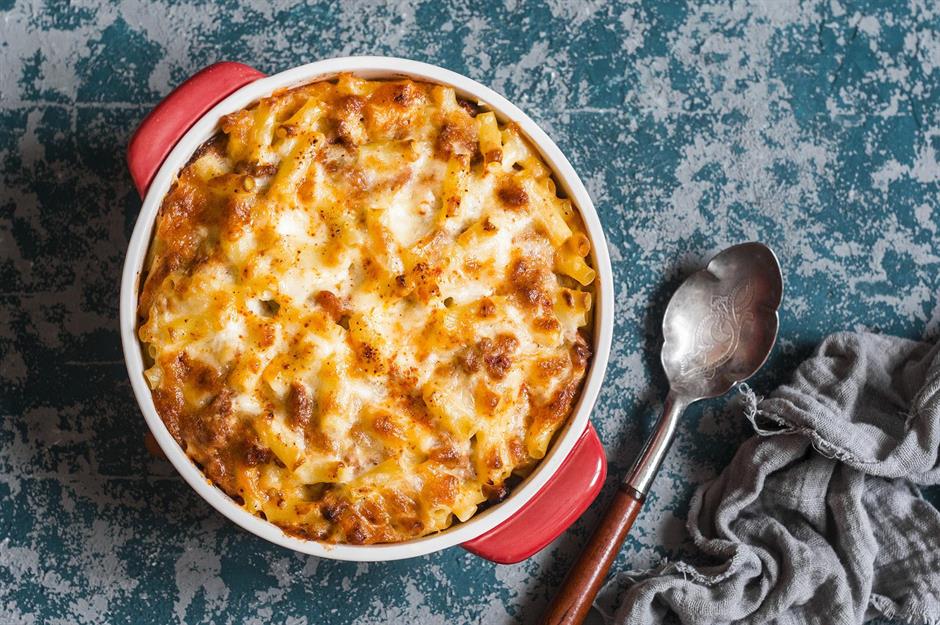
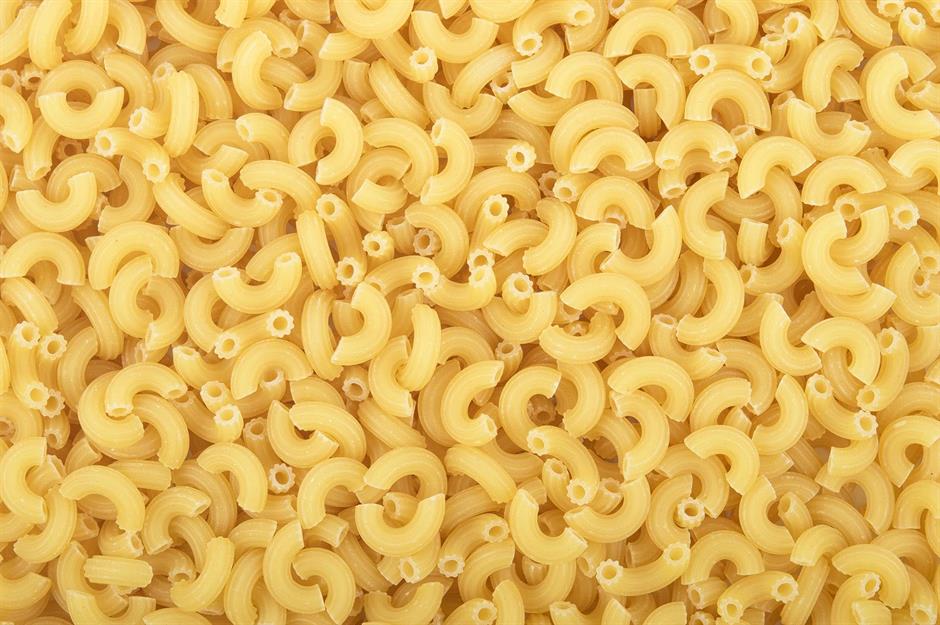
Italians use macaroni-like pasta in stews and casseroles, however there’s nothing quite like a macaroni cheese or American mac 'n' cheese. For a more adventurous and luxurious take on this comfort food classic you can add shellfish like lobster or crayfish – a recipe popular in steakhouses.
Sponsored Content
Twists: fusilli
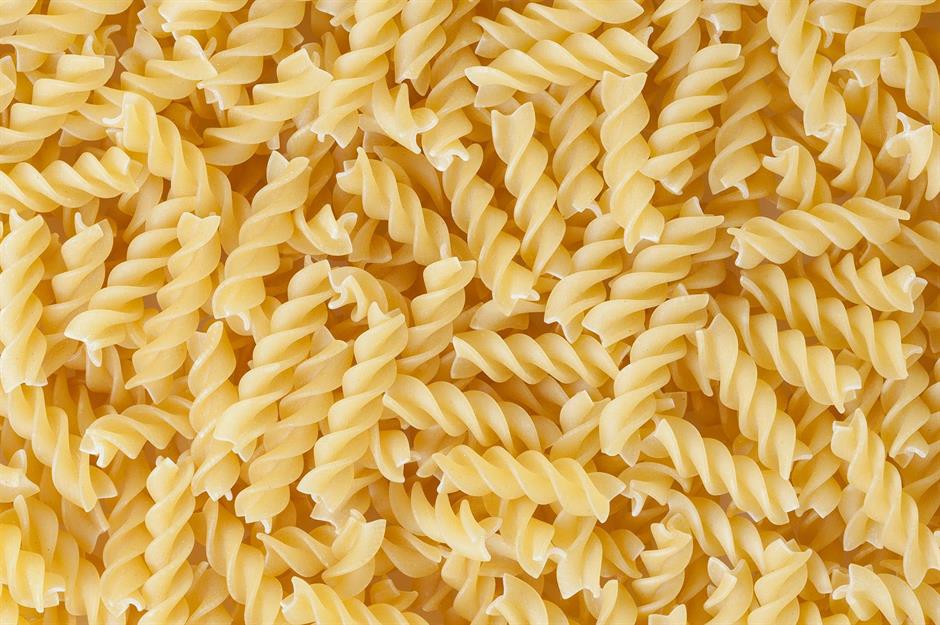
Fusilli sauces
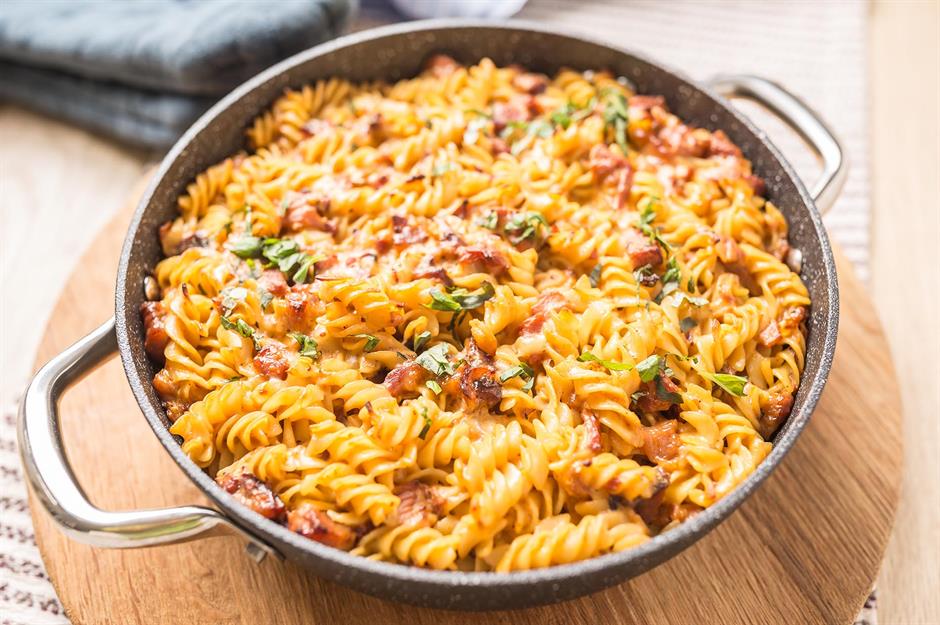
Fusilli’s twisted surface is perfect for sauce to catch on and slide down. It's great in pasta bakes as it holds its shape well and it also works nicely in pasta salads as the shapes stay intact. Any kind of creamy, thick white or tomato sauce will be brilliant with fusilli.
Twists: casarecce
Sponsored Content
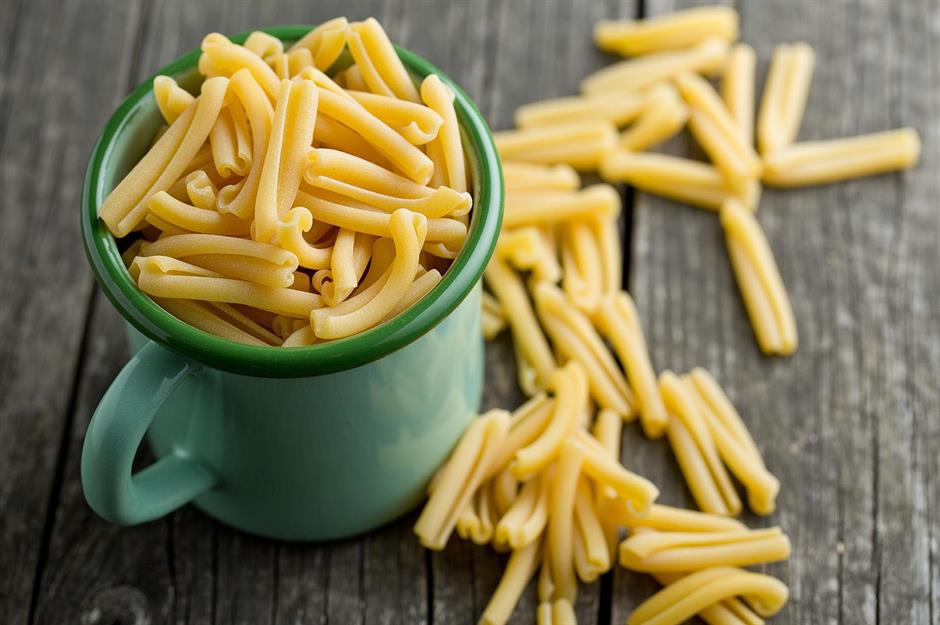
Casarecce sauces
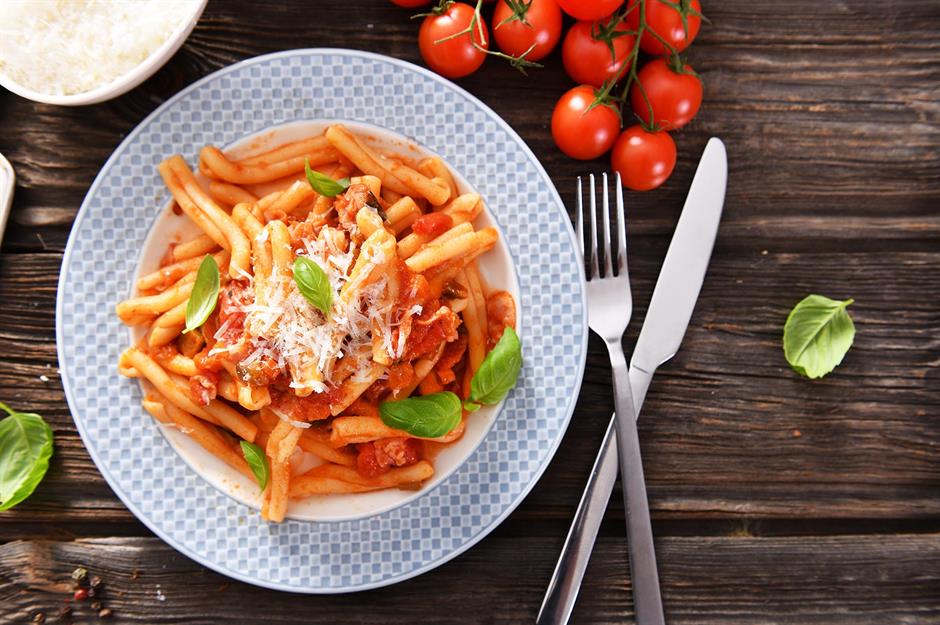
Twists: farfalle
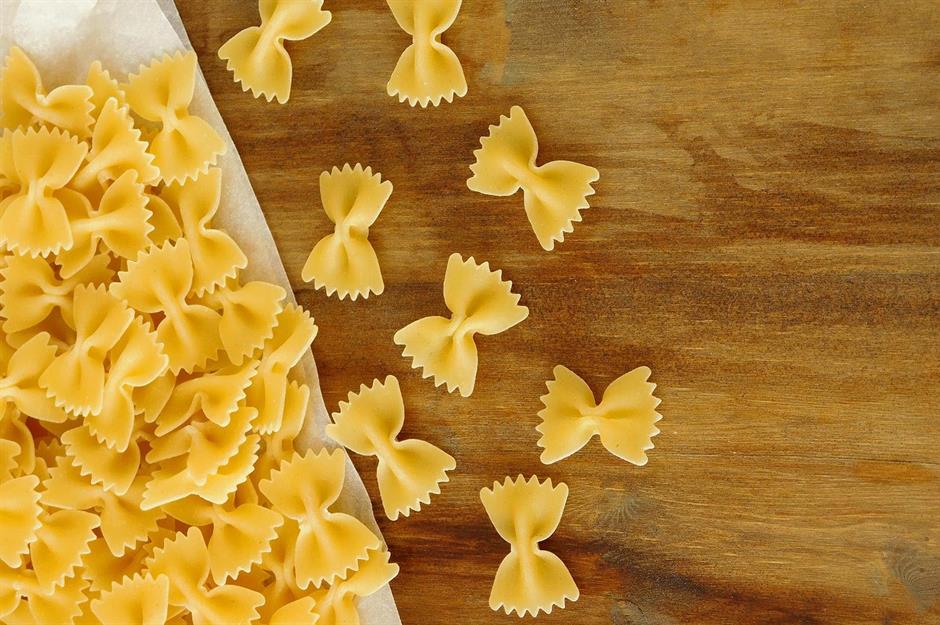
Farfalle sauces
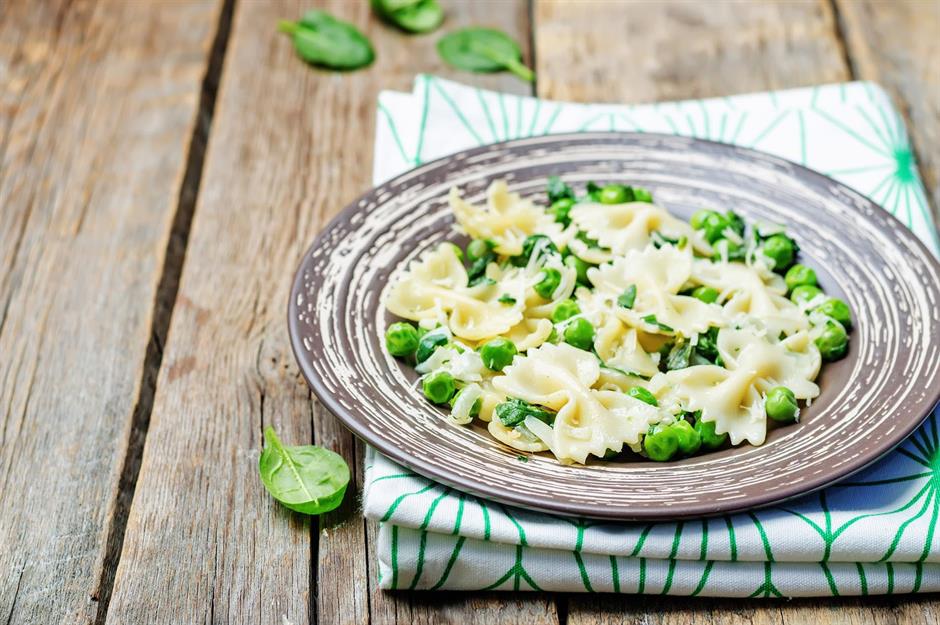
Farfalle is extremely versatile and can be used with a wide variety of sauces as well as in salads. It works especially great with lighter ingredients and meat-free sauces as the twisted centre of farfalle offers a meatier bite.
Sponsored Content
Filled pasta: ravioli
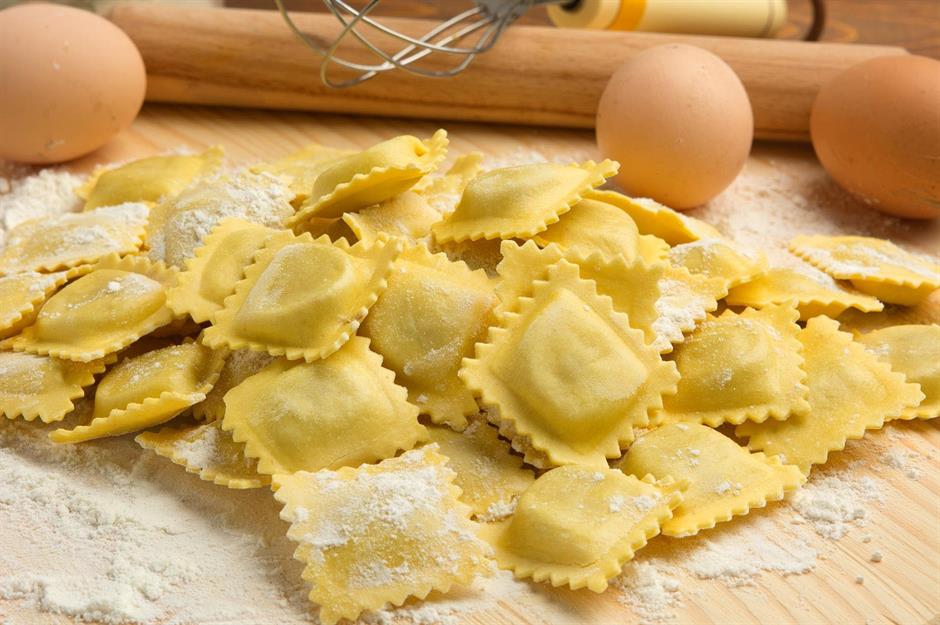
Ravioli sauces
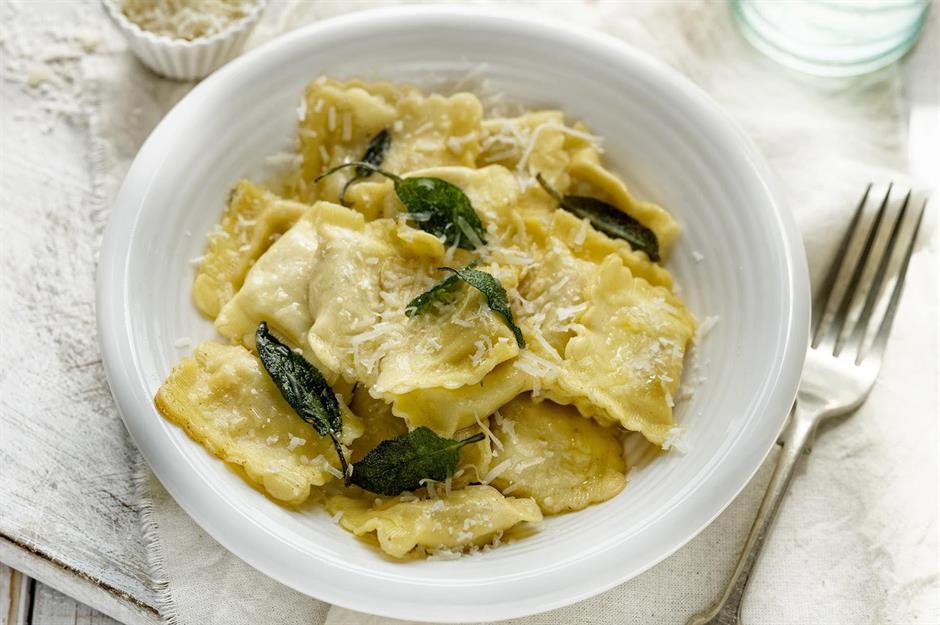
As traditional ravioli include hearty fillings like ricotta, butternut squash, meat ragù or seafood, it’s best to keep the sauce simple and serve these little parcels like originally intended – with browned butter and sage. Another recipe is filling the pasta with ricotta and egg yolk, which oozes out on the plate and covers the ravioli instead of a sauce.
Try this recipe of cheese and spinach ravioli with burnt butter
Filled pasta: tortellini
Sponsored Content
Tortellini sauces
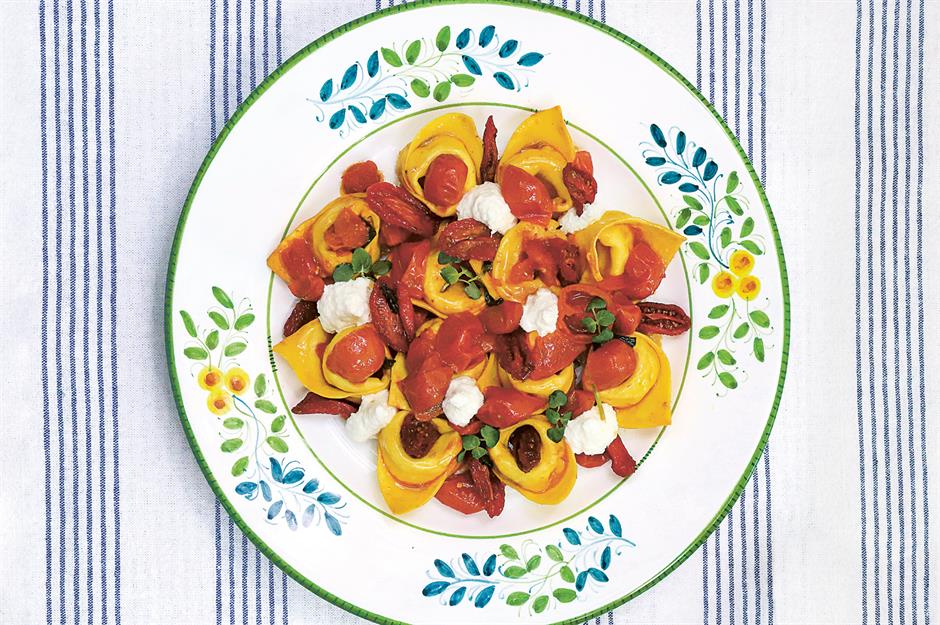
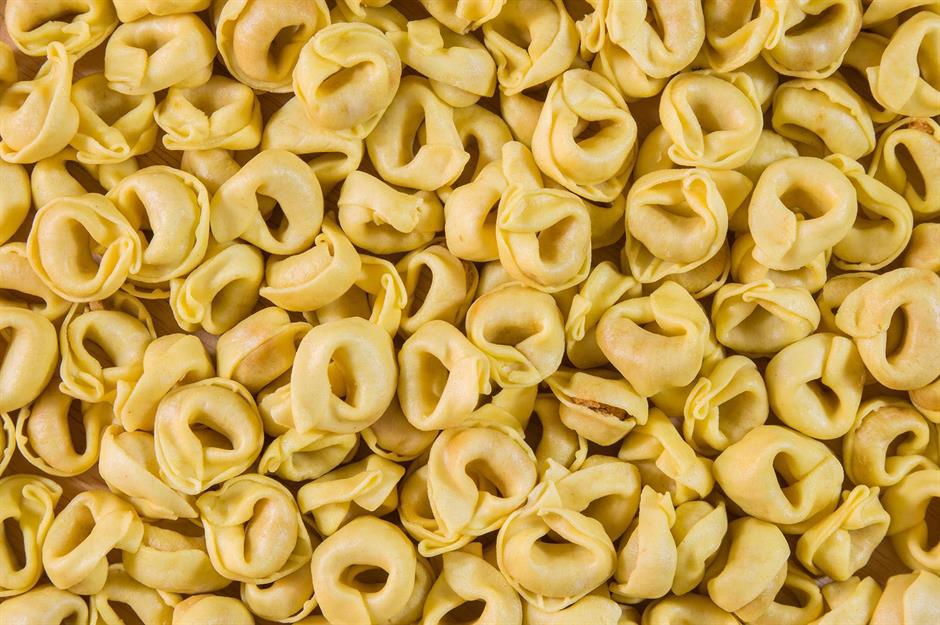
Typically stuffed with a mix of meat or cheese, or both, tortellini are traditionally served with a broth (brodo) rather than a sauce. The most popular options include vegetable or light poultry broths, but don't feel bound by tradition as these morsels are fantastic with tomatoes and cheese.
Mini shapes: orzo
Orzo sauces
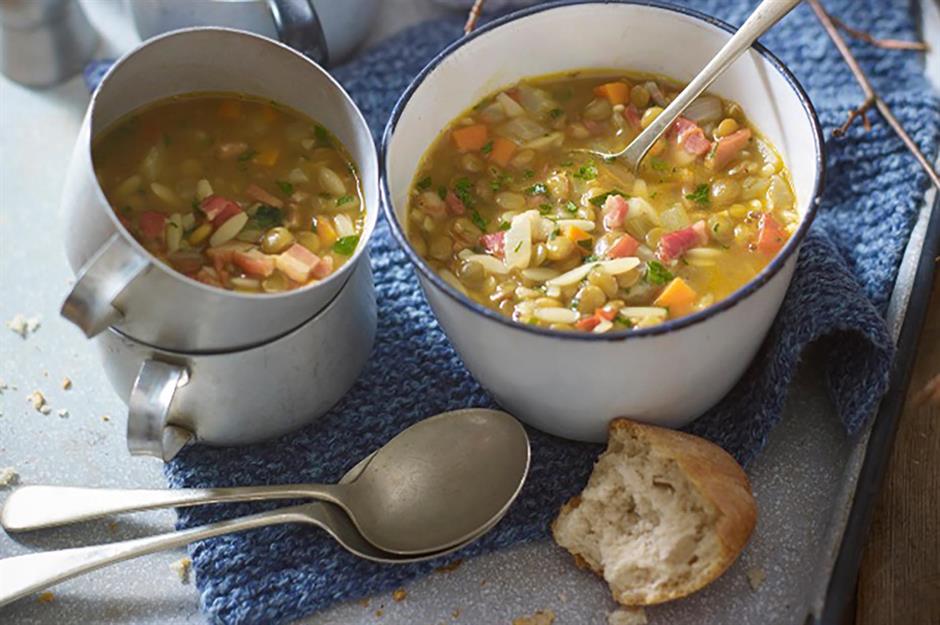
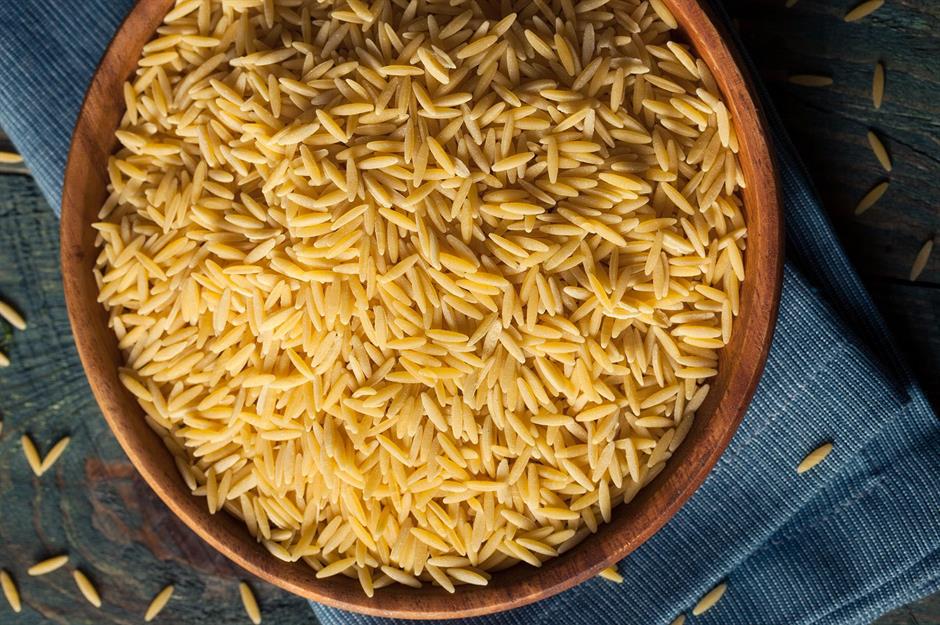
Orzo is brilliant for soaking up flavour so it’s great in soups and casseroles. You can also serve it in dressed salads, and it’s commonly used in the classic Italian soup minestrone. Other hearty and filling winter soups and broths will also benefit from orzo and it's great for bulking up dishes too.