30 delicious high-protein foods without meat
Protein-rich foods that aren’t meat
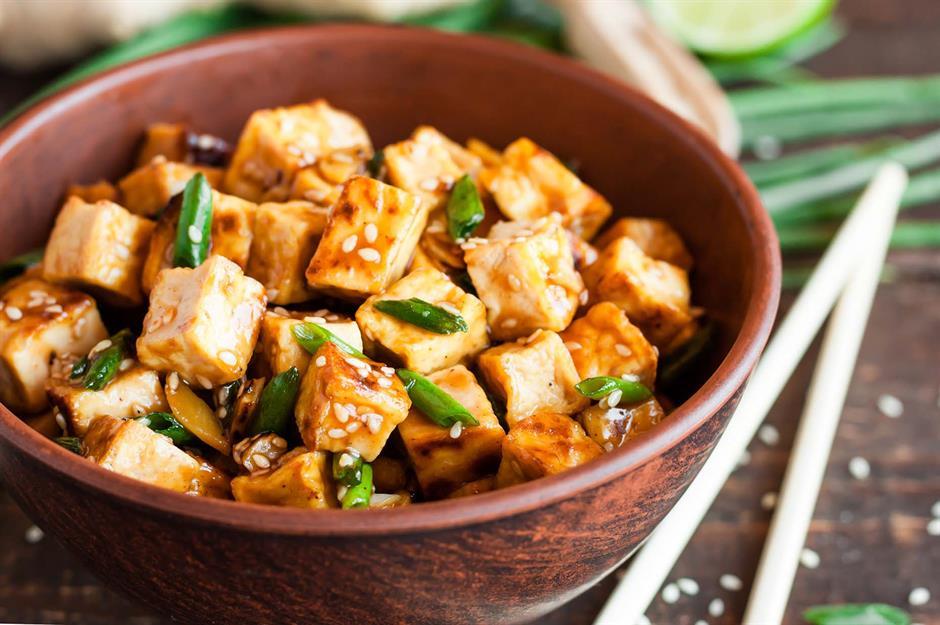
Think of protein and it's probably meat that comes to mind. But there are numerous alternative sources of this important nutrient, which your body needs to grow and repair cells. From tofu and yogurt to nuts and seeds, it’s perfectly possible to eat a protein-rich diet without relying on meat products.
Click or scroll through our gallery to discover 30 ways to pack more protein into your diet – without meat.
How much protein do we need?
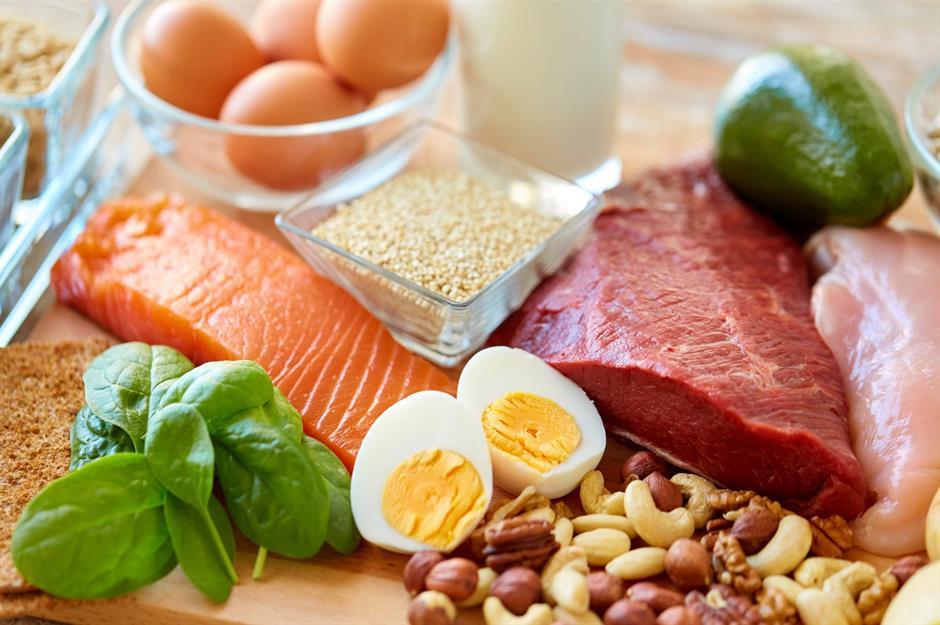
Protein is made up of amino acids – or chemical building blocks – which are essential to help build and repair muscles and bones and support hormones and enzymes. The recommended daily intake of protein for adults is around 0.03oz per 2.2lb of body weight in Australia and the UK, and ever-so-slightly more in Canada and the US. That's around 1.5oz for the average woman and 2oz for the average man.
Almonds
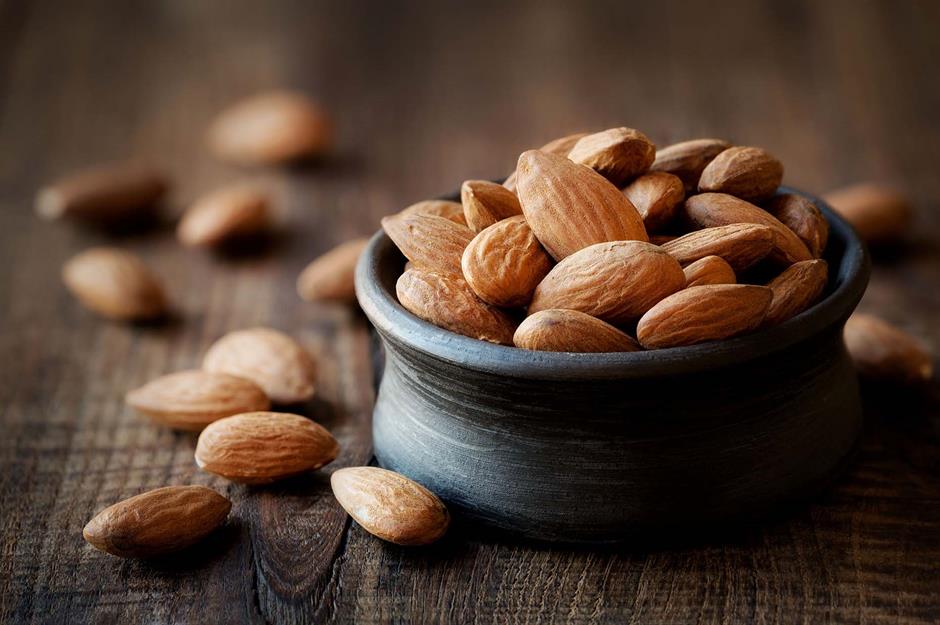
Almonds are an excellent source of protein, make for a tasty, heart-healthy snack, and can be incorporated into your favorite recipes with ease. Incredibly versatile, they're great in cakes and other sweet recipes, but they work just as well in savory dishes too. A 1oz serving of almonds provides 0.2oz of protein.
Sponsored Content
Black beans
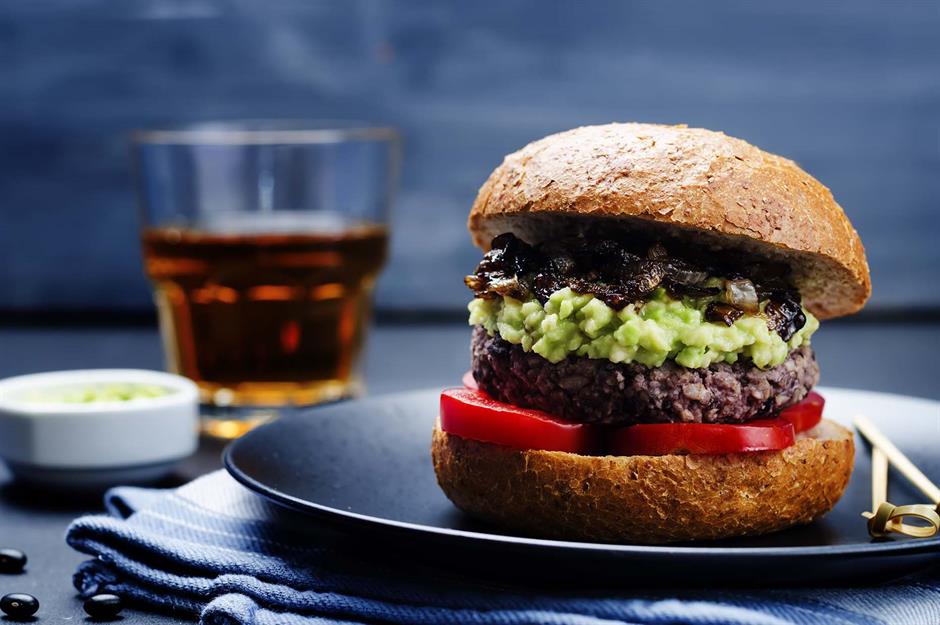
Few ingredients are as versatile as black beans, which are often used in vegetarian dishes such as chilies and burgers. Both dried and canned black beans have multiple health benefits and are remarkably high in protein – 6oz of cooked black beans contains 0.5oz. They have the added bonus of a long shelf-life, too.
Cashews
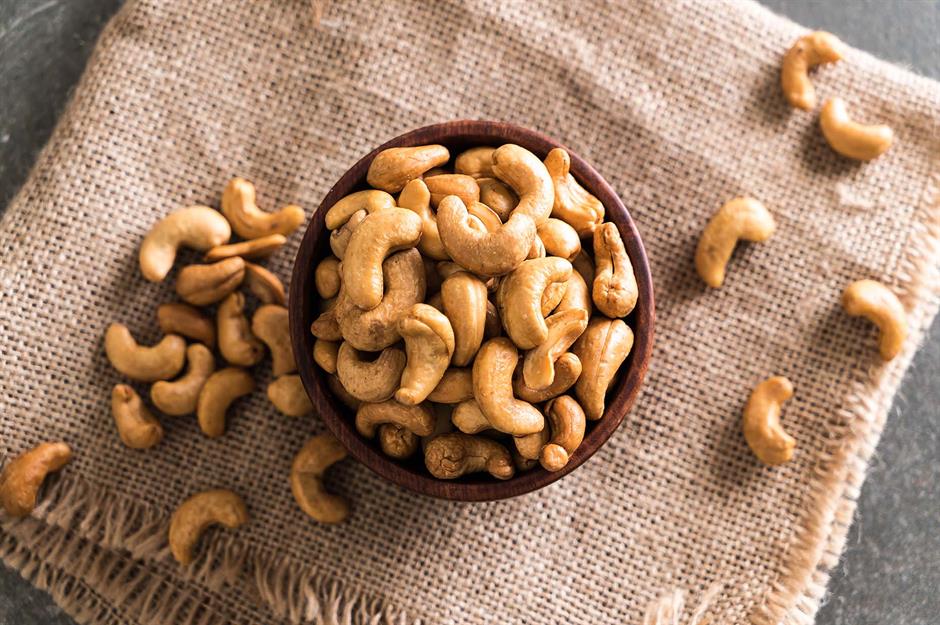
Looking for a tasty, healthy way to give your homemade trail mix a protein boost? Try adding cashews, which come with an impressive 0.7oz of protein per 5oz. Native to Brazil – and actually a fruit seed rather than a nut – cashews are also low in sugar and high in fiber.
Cheddar
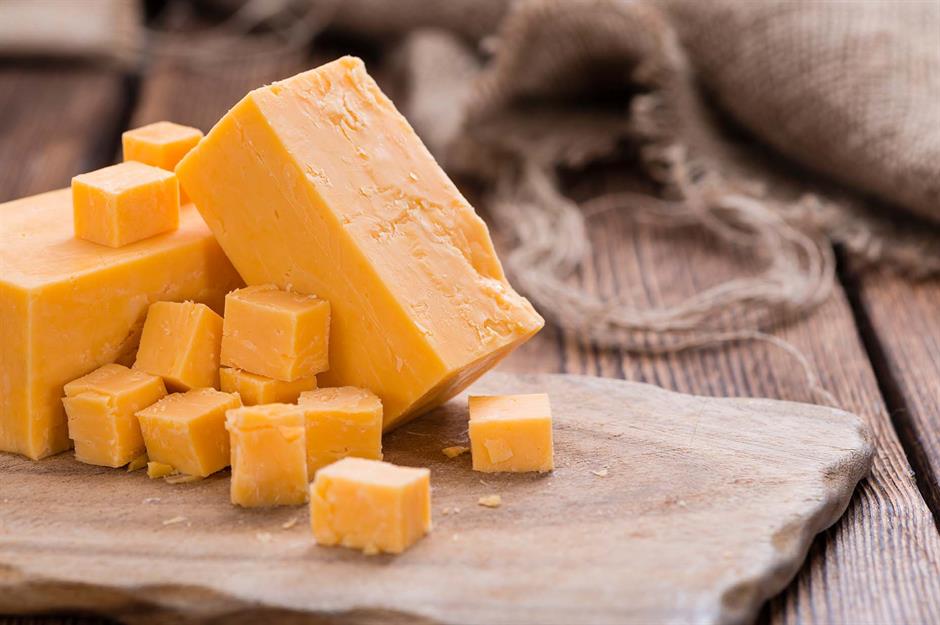
Good news for cheese lovers; although high in calories, Cheddar is a great source of protein. Nutritionally, 4oz of grated Cheddar contains around 1oz of protein. It should also keep you feeling fuller for longer than low-fat alternatives, so we say go ahead and enjoy that cheese toastie.
Sponsored Content
Chia seeds

High in antioxidants, minerals, and Omega-3 fatty acids, a 1oz serving of chia seeds also provides just under 0.2oz of protein and 0.4oz of fiber. They can be sprinkled over yogurt, salads, and cereals as they are. Or, when soaked in water, chia seeds take on a gel-like consistency perfect for making protein-rich desserts and puddings.
Chickpeas
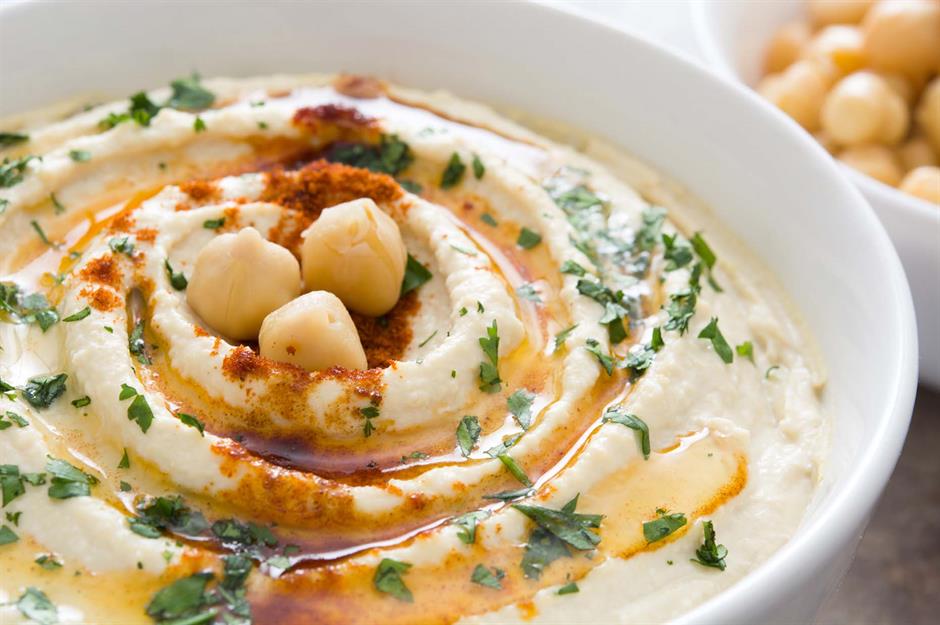
Chickpeas, also known as garbanzo beans, are buttery, nutty, and creamy and the main ingredient in everyone’s favorite Mediterranean dip: hummus. These nutritional powerhouses are packed with fiber, have a low glycaemic index (keeping you fuller for longer), and are high in protein, providing 0.5oz per 6oz. To add to the appeal, aquafaba (tinned chickpea water) can be used as a vegan egg-white substitute.
Cottage cheese
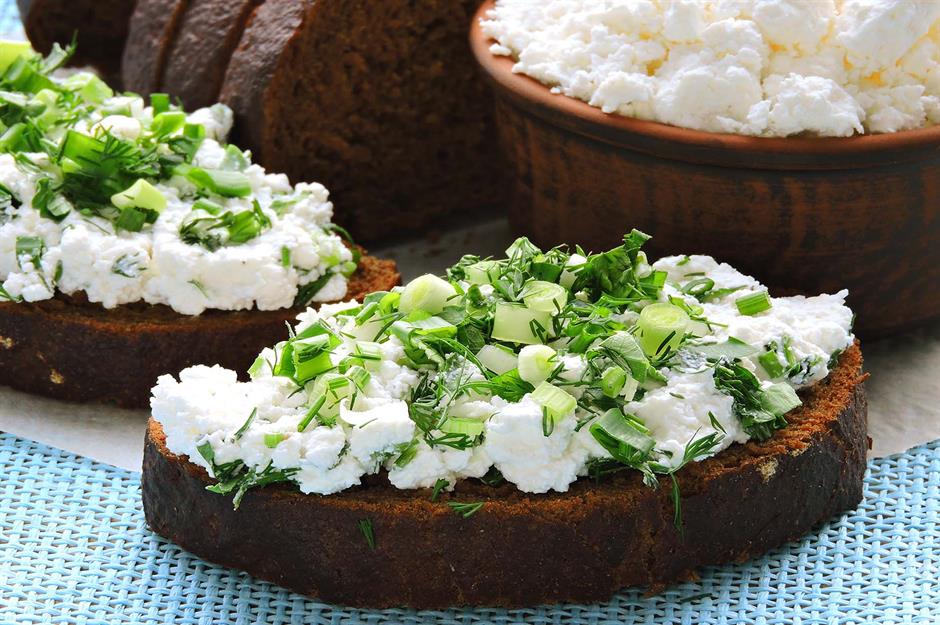
Cottage cheese boasts a whole host of health benefits, including being high in calcium, vitamins, and protein, as well as low in calories. A 7.5oz serving of cottage cheese provides around 0.8oz of protein, making it a great option for those who want to increase their protein consumption without adding extra fat and calories.
Sponsored Content
Edamame
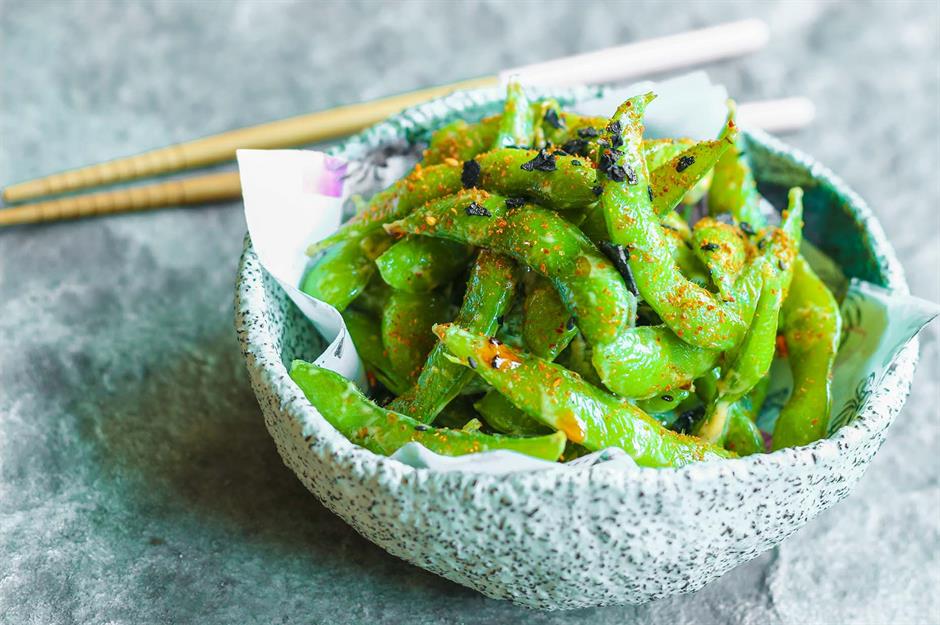
Is there anything more satisfying than popping juicy soya beans out of salt-sprinkled edamame pods? This Asian legume has become a popular snack and is as healthy as it is tasty, with around 0.6oz of protein per 5.5oz serving. Edamame are sold fresh or frozen and as pods or beans. To prepare, steam them until tender, season them with sea salt, and eat them as a snack, or add to a poke bowl.
Liking this? Click the Like button above. And click the Follow button above for more great stories from loveFOOD
Eggs
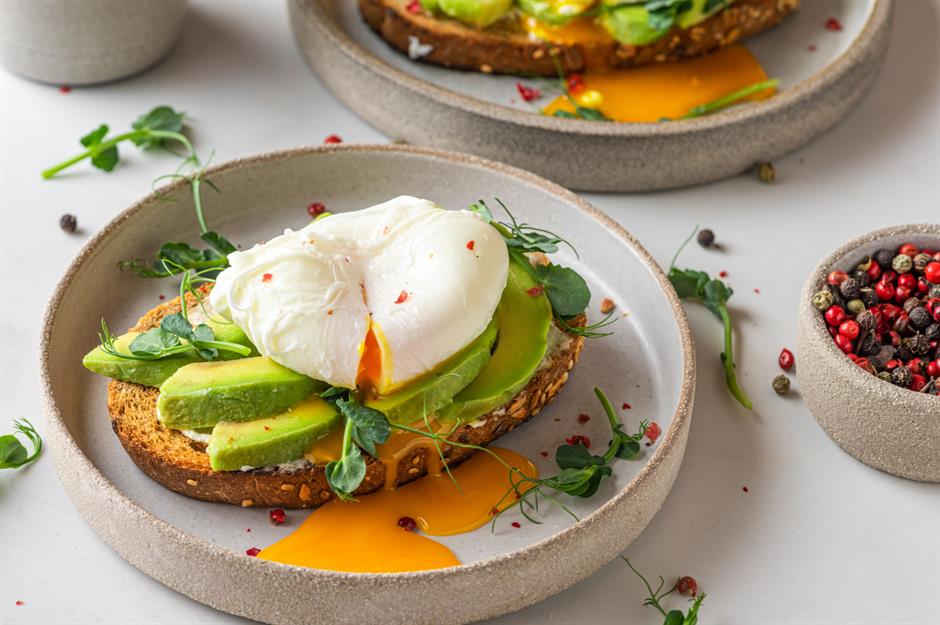
Eggs are packed with essential nutrients and vitamins and experts say that eating them as part of a balanced diet will provide great health benefits, provided you keep an eye on how they are cooked. For example, poached eggs are healthier than eggs fried in oil. Not every country has a recommended daily intake of eggs, but the American Heart Association suggests one egg (or two egg whites) per day. One large egg (around 1.8oz) supplies roughly 0.2oz of protein.
Ezekiel bread
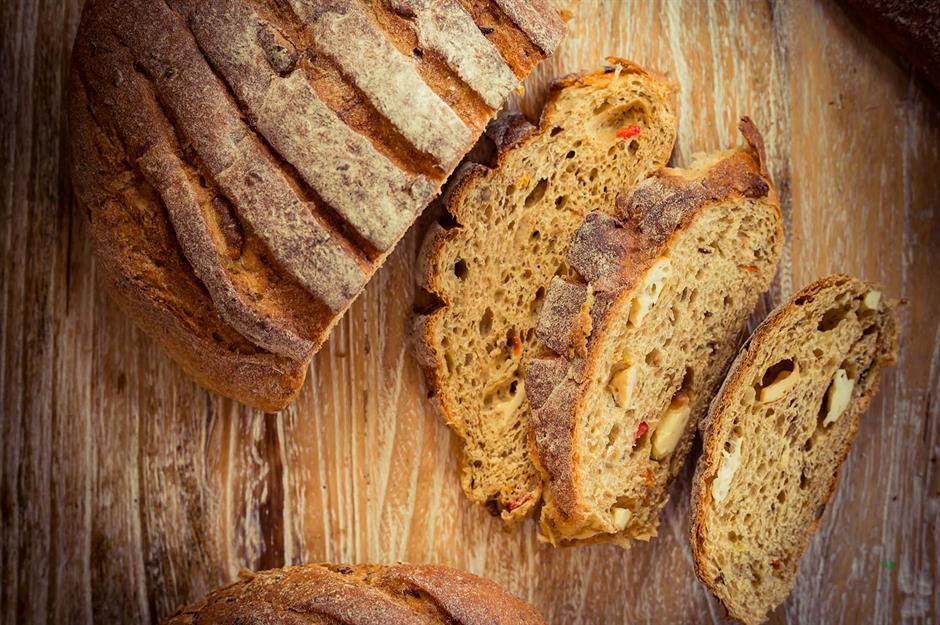
Instead of flour, Ezekiel bread is made from sprouted grains (such as wheat, millet, barley, and spelt) and legumes (including lentils and soybeans) that have begun to germinate. It's nutrient-dense, low-carb, full of protein, and doesn’t contain any added sugars. Bear in mind that it still contains wheat, though, so it’s not gluten-free. One 1.6oz slice of this bread provides approximately 0.2oz of protein.
Sponsored Content
Goji berries
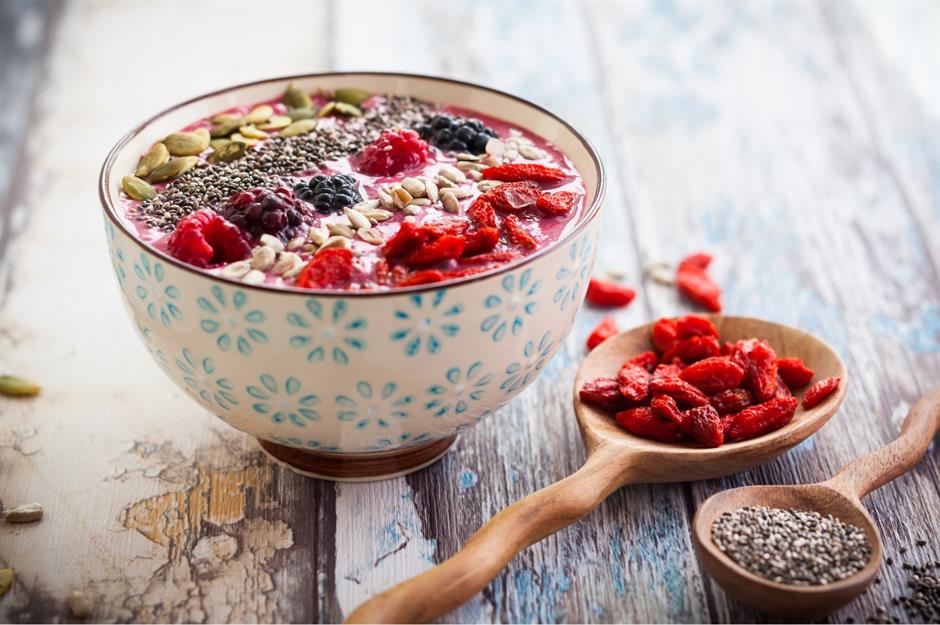
High in antioxidants, full of flavor, and with immunity-boosting properties, dried goji berries are perfect for adding to smoothie bowls, cereal, and granola mixes. They're also a fabulous source of protein; 1oz – around 5 tbsp – of goji berries provides 0.15oz.
Greek yogurt
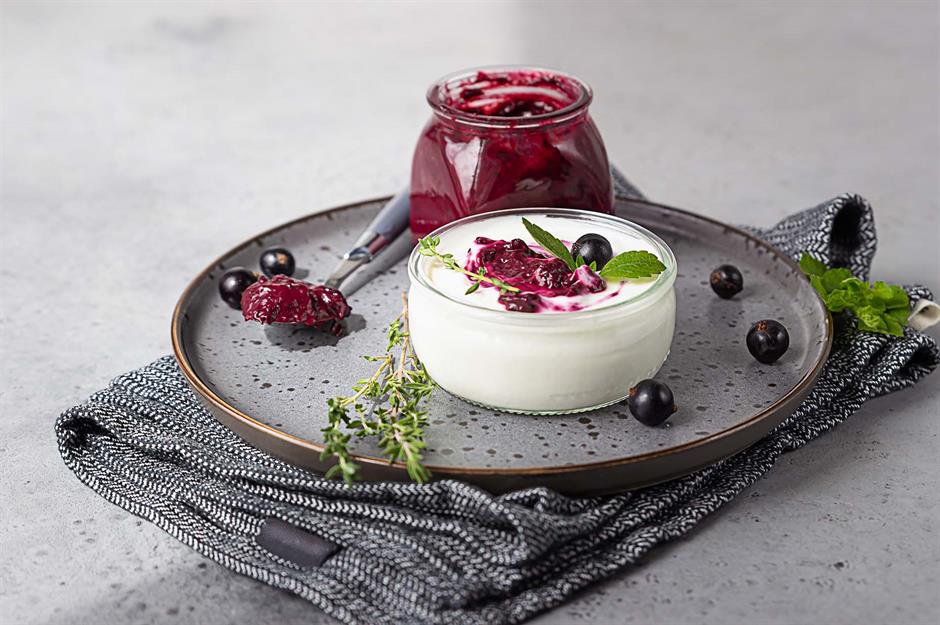
Greek yogurt is simply yogurt made from cows’ milk that has been strained to remove the whey, creating a lusciously thick consistency. Great served with granola and berries for breakfast, a 3.5oz serving of Greek yogurt provides 0.3oz of protein. It also works really well as a lower-fat alternative to mayonnaise or sour cream.
Lentils
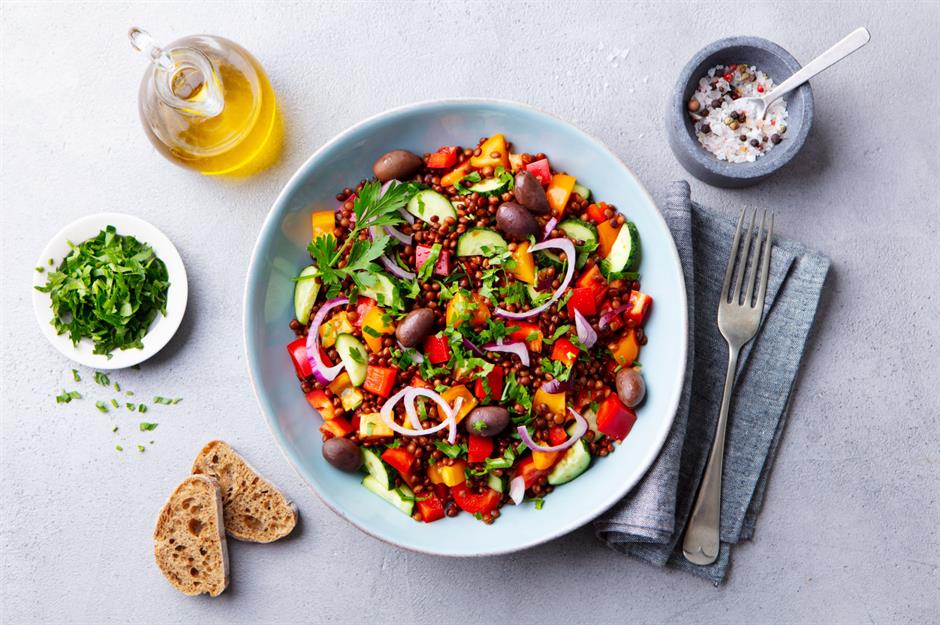
Cheap and versatile, lentils are an excellent meat alternative with a serious protein hit. They're also a rich source of iron, an essential mineral that can be hard to incorporate into a vegetarian diet. Around 7oz of cooked lentils will provide approximately 0.6oz of protein, though this may vary slightly depending on the type of lentil.
Sponsored Content
Mozzarella
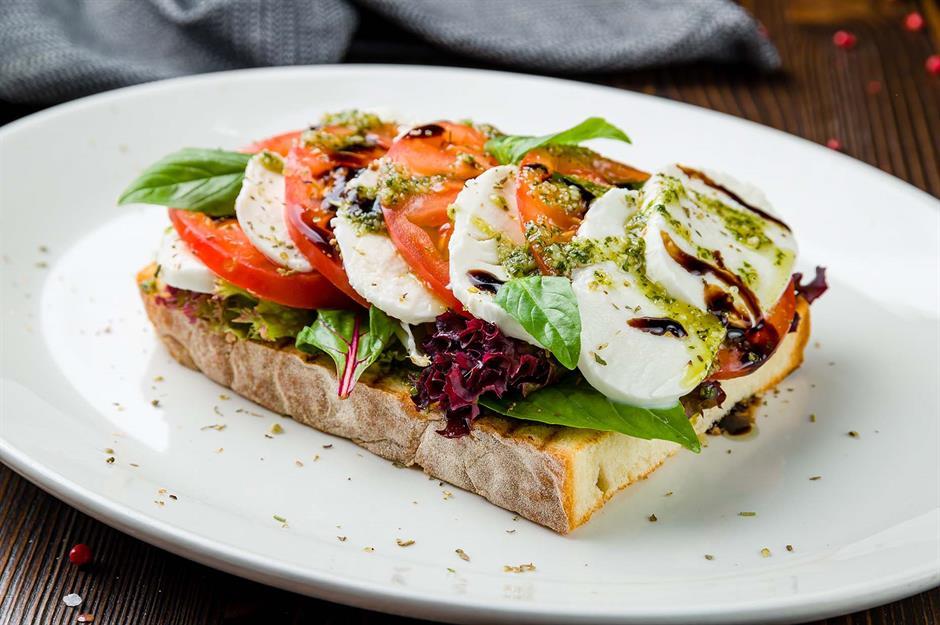
Lower in sodium and saturated fat than other cheeses, mozzarella is also brimming with essential proteins. Around 4oz of mozzarella provides roughly 1oz of protein. Just in case you needed an extra incentive to tuck into pizza tonight…
Oat bran
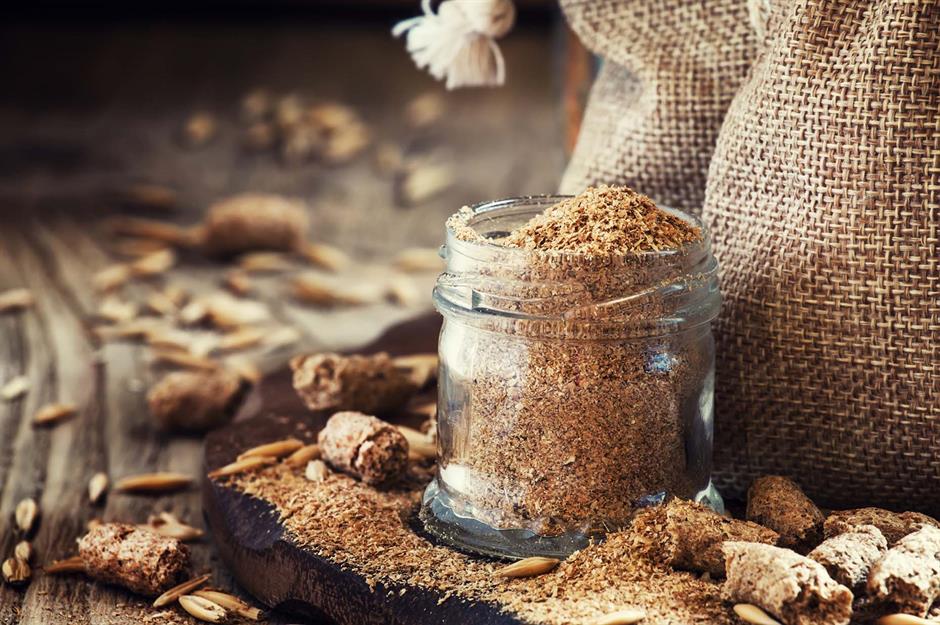
Packed with nutrients and soluble fiber, oat bran is known to reduce cholesterol levels. It's also high in protein, with a 3oz serving containing around 0.6oz. Do note that oat bran is different from oat flakes and ground oats because it's made exclusively from the germ and outer layer of the grain. Try it raw, in smoothies, as porridge, or in baked goods.
Peanuts
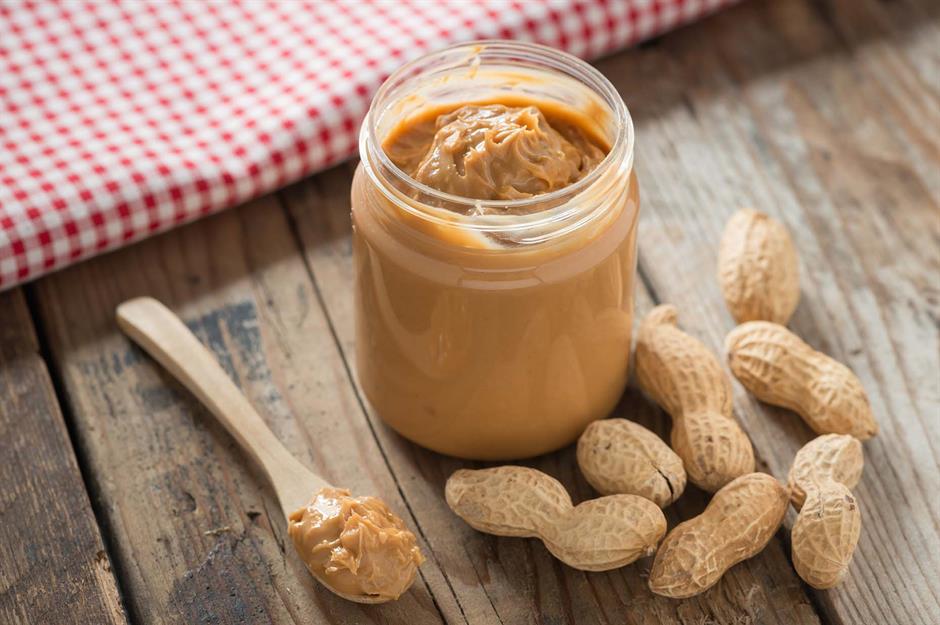
Peanut lovers, rejoice! Not only are they affordable, but peanuts are a good source of protein, whether you sprinkle them over your pad Thai or munch them as a snack. A 1oz serving of dry roasted peanuts provides 0.2oz of protein, while 2 tbsp of smooth peanut butter provides just over 0.2oz. However, peanuts and peanut butter are high in calories, so be mindful of how much you consume.
Sponsored Content
Pea protein
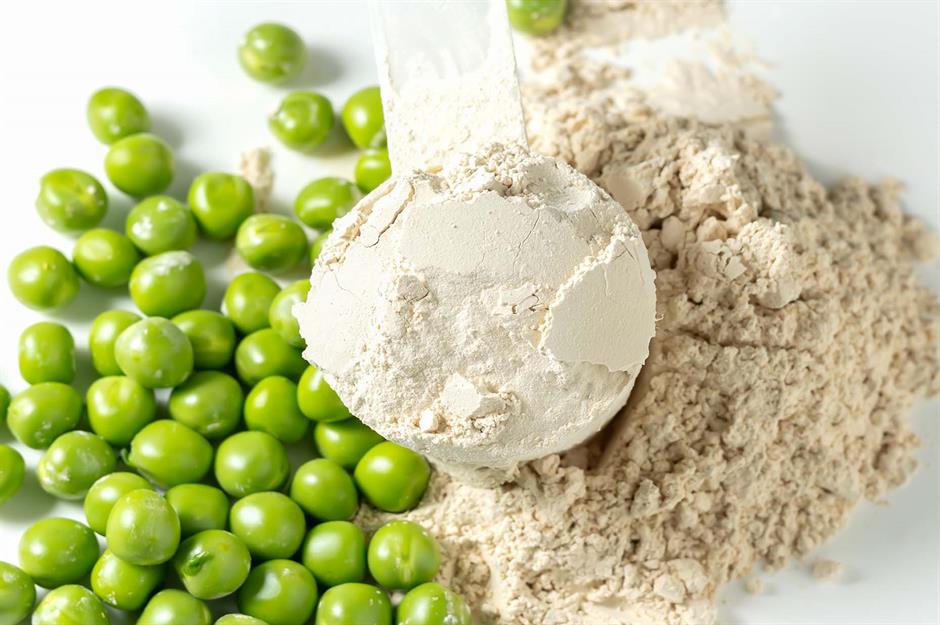
Pea protein is a food supplement derived from yellow peas. It's a good source of iron and also provides more than 0.5oz of protein per 1oz. It can be added to shakes, baked goods, smoothies, porridge, and homemade ice cream. As with all dietary supplements, it's best to seek advice from a professional to make sure you're taking the correct amount.
Pistachios
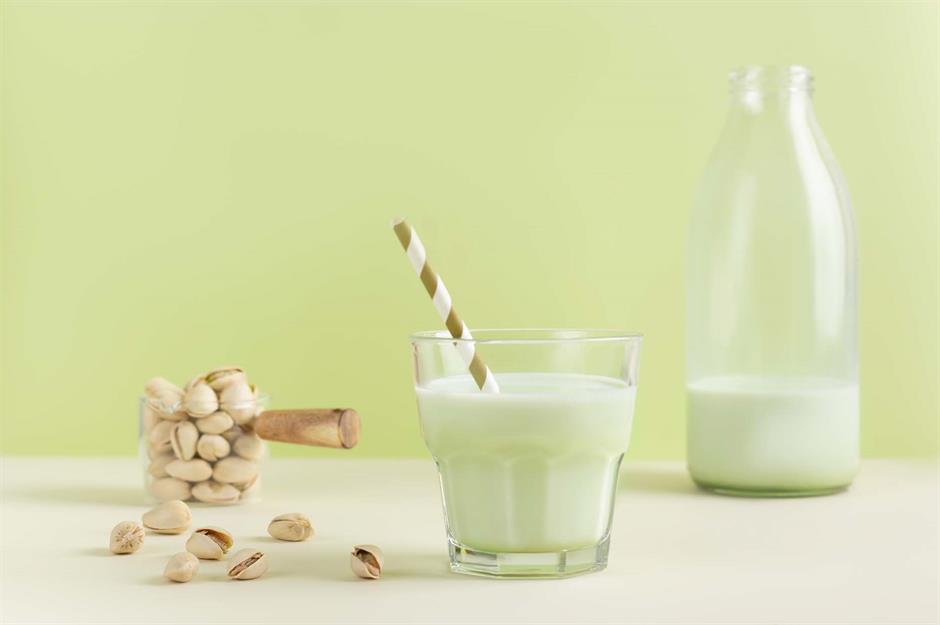
A 1oz serving of these moreish nuts delivers 0.2oz of protein, making them a tasty and nutritious treat. For something different, try using shelled pistachios instead of pine nuts when whipping up pesto – or give homemade pistachio milk a whirl. You can also blend them into smoothies or sprinkle crushed pistachios on salads and soups.
Plant-based meat substitutes
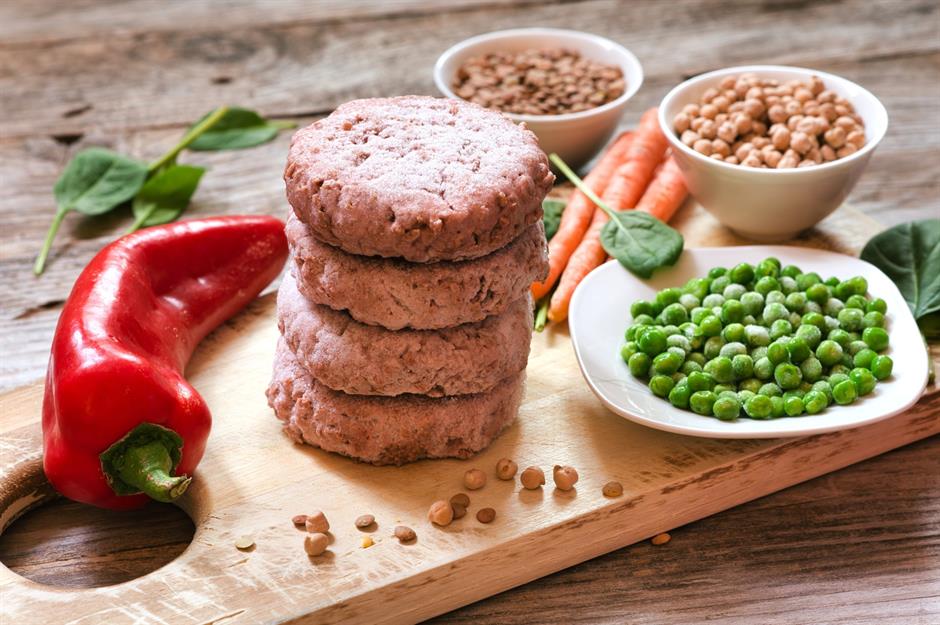
Most plant-based meat substitutes are high in protein, which is great if you want to reduce the number of animal-based products in your diet. Nutritional content will vary from product to product and brand to brand, so it's worth checking out what's available, examining the ingredients lists, and making your selections accordingly.
Sponsored Content
Protein bars
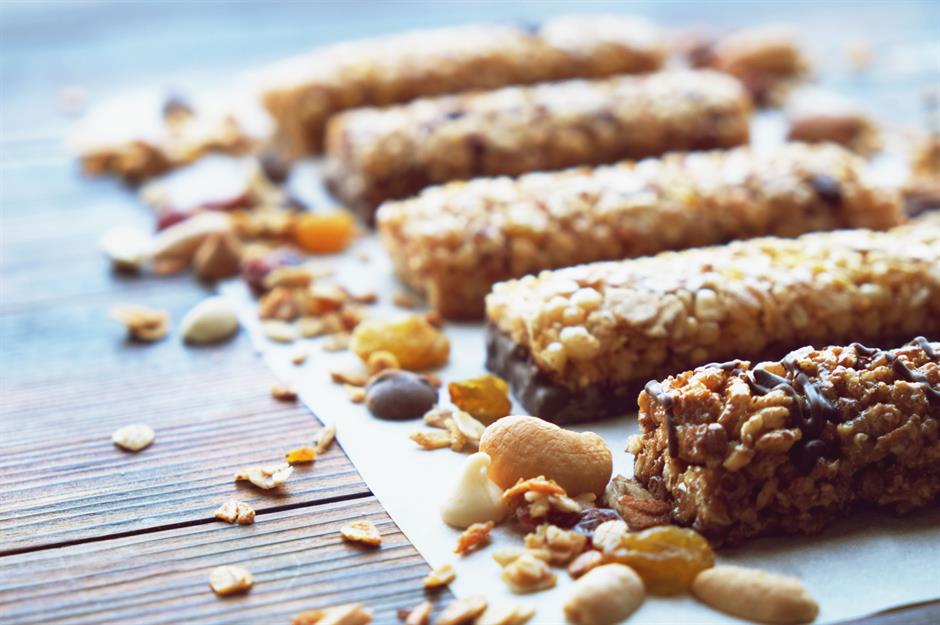
The ingredients and nutrient levels of protein bars vary, but they are a handy way to boost your protein intake when on the go. Typically, one bar will provide 0.4-0.7oz of protein but do be wary of calorie counts and fat content.
Quinoa
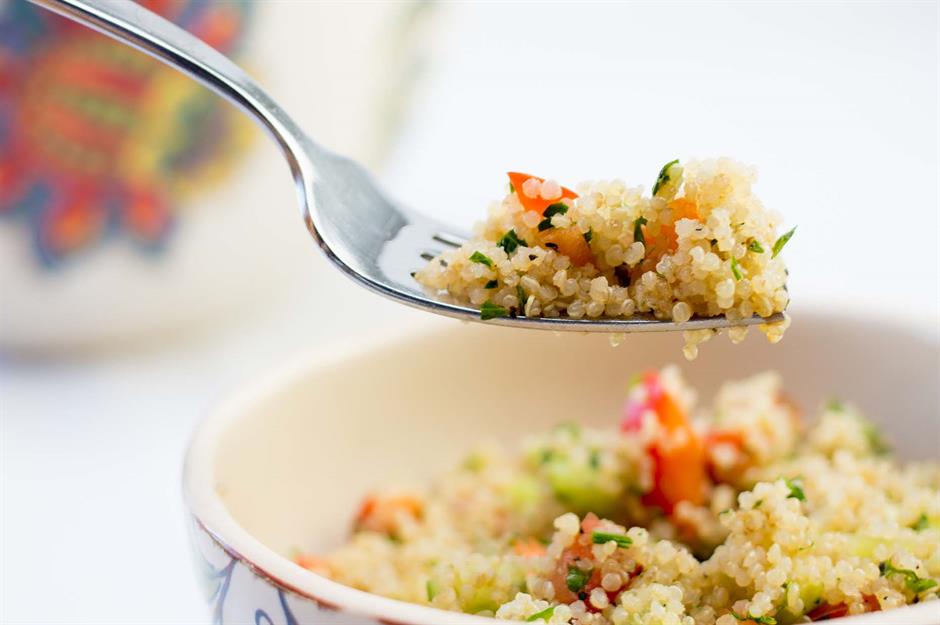
Quinoa is, botanically speaking, a seed, but is cooked and eaten as a grain. It's packed with vitamins, minerals, and fiber and is a good source of protein, with 7oz of cooked quinoa providing 0.3oz. Quinoa has so many health benefits, it's been recognized by the United Nations as a 'super crop.' Try mixing it into your salads, using it to stuff roasted vegetables, or serving as a replacement for rice.
Seeds
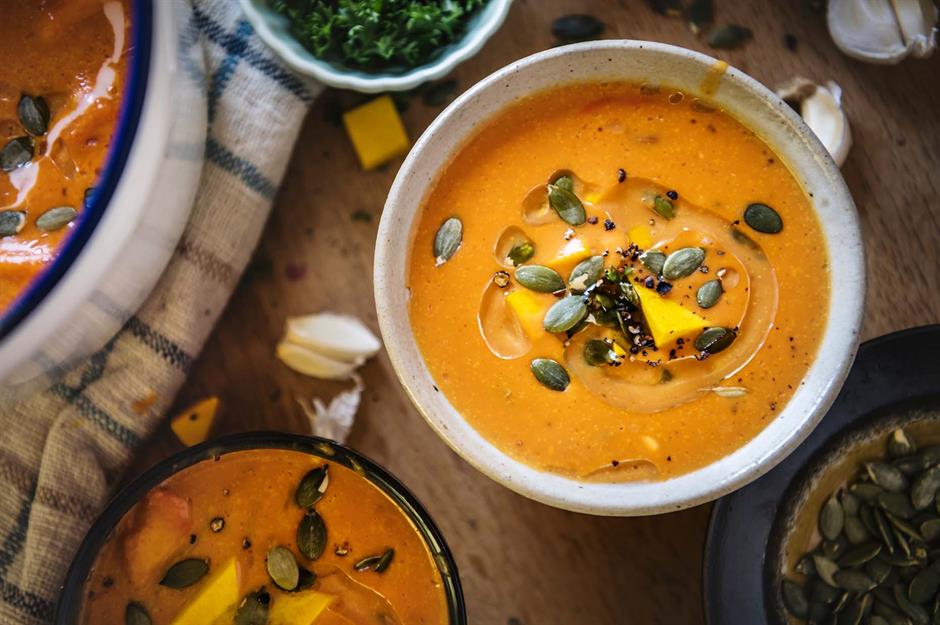
Adding seeds to your favorite dishes is an excellent way to up your protein intake, as well as providing a satisfying crunch. For example, 3.5oz of hemp, pumpkin, or squash seeds will provide more than 1oz of protein. Check out pre-packaged seed mixes, too – they’re great for sprinkling over soups, salads, yogurt, and porridge.
Sponsored Content
Seitan
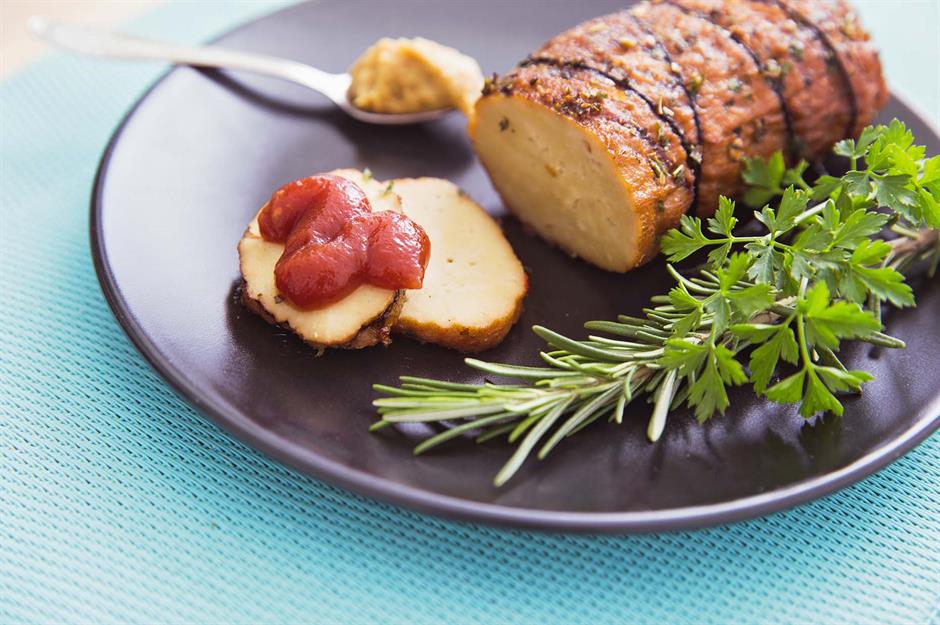
Seitan, also known as wheat gluten or wheat meat, forms the base of many meat substitutes. It's made by washing away all the starches from wheat dough, leaving just the high-protein, stretchy gluten behind. This results in a chewy product that resembles chicken. Its protein content is undeniable; there's about 0.7oz in 1oz of seitan.
Skyr
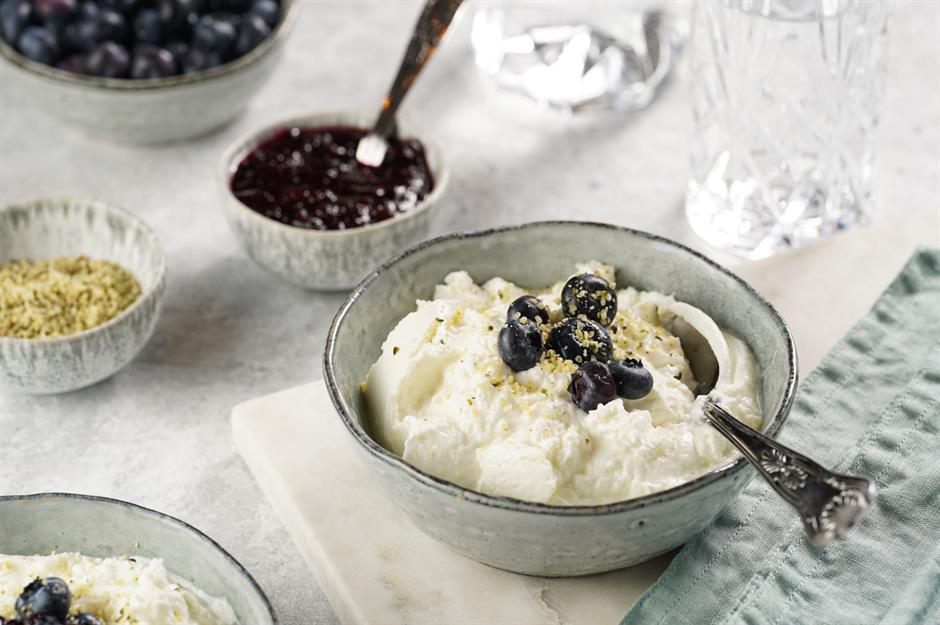
Skyr is an Icelandic style of yogurt which resembles thick, creamy Greek yogurt, but is higher in protein and lower in fat and calories. You can usually find plain or flavored varieties, with a typical 5.3oz tub providing 0.5oz of protein.
Soba noodles
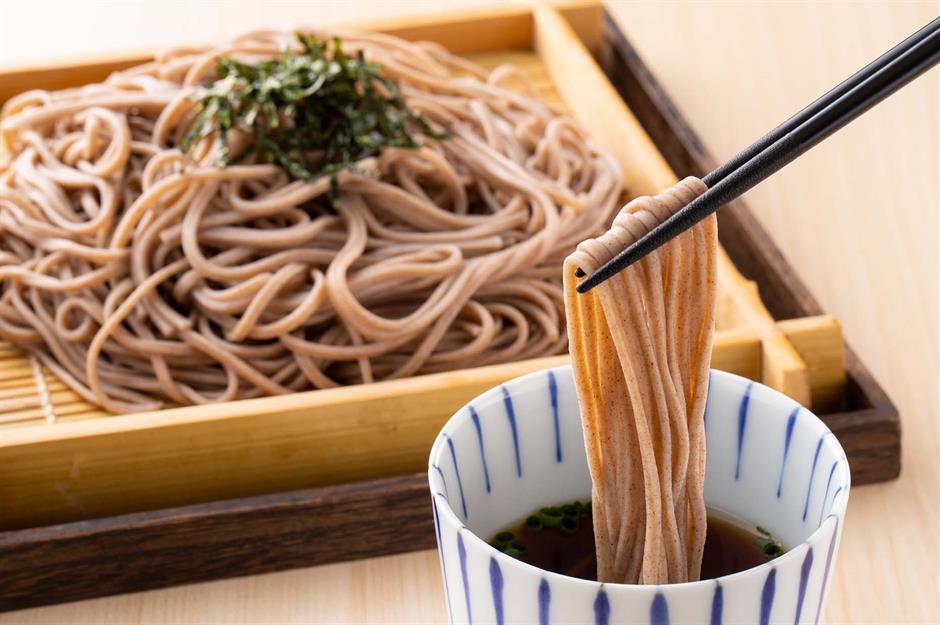
Soba noodles are made from buckwheat flour and deliver approximately 0.2oz of protein per cooked 4oz serving. As well as having a low glycaemic index (GI) rating, they're full of vitamins and minerals and are naturally gluten-free. However, do double-check the packaging for any added ingredients.
Sponsored Content
Spelt
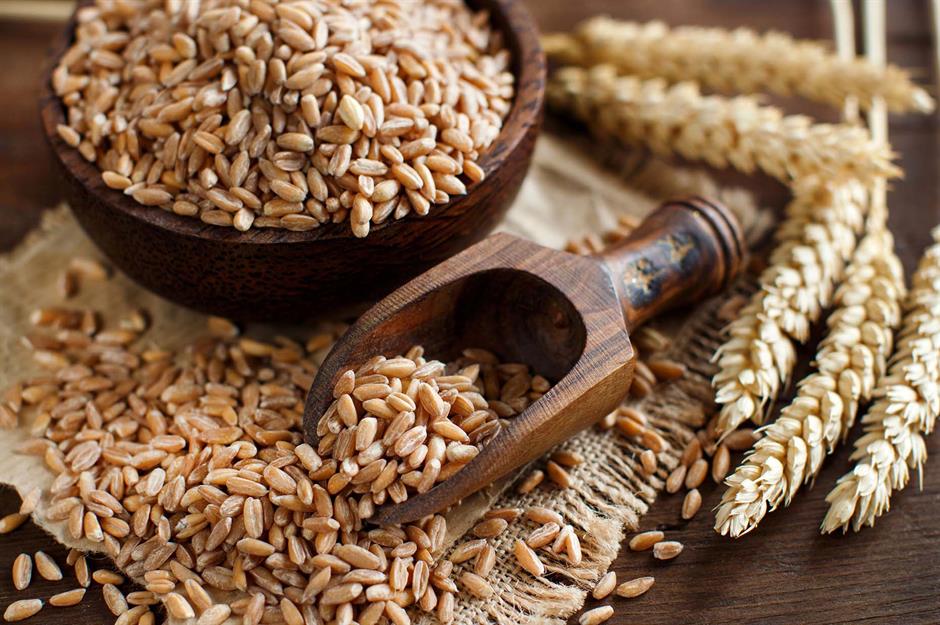
Spelt is a type of wheat that's rich in fiber, vitamins, and minerals. When cooked, 7oz will provide around 0.4oz of protein. Spelt can make a hearty addition to soups, stews, salads, and pilaf, while spelt flour can also be used in baking and as a base for homemade pasta dough.
Tempeh
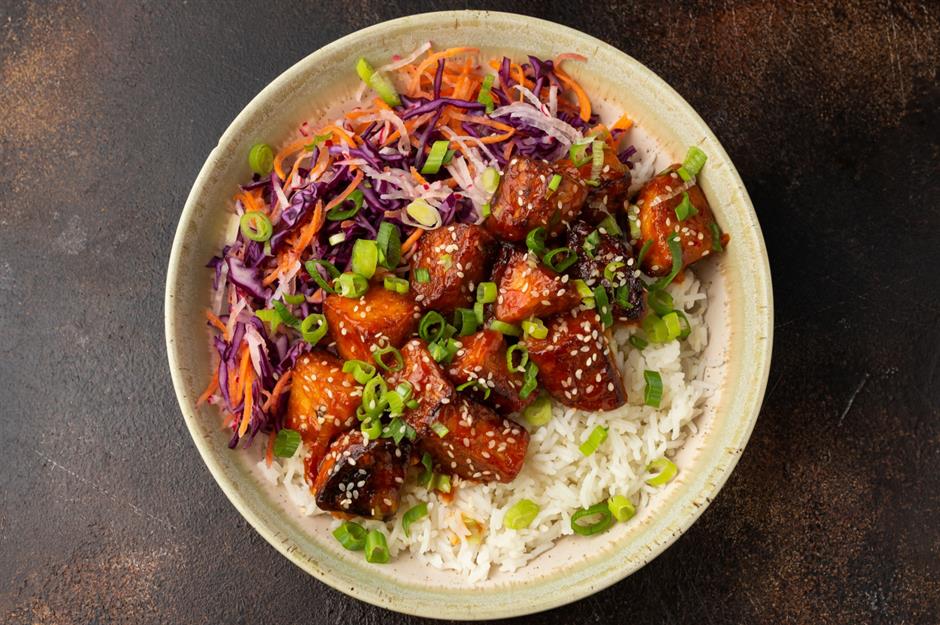
Tempeh is a fermented soya bean block that's often used as a meat substitute. Not only does it have a great texture that adapts well to many cooking techniques, 6oz provides almost just over 1oz of protein. Tempeh can be used in a whole host of recipes, from vegetarian tacos to stir-fries and healthy bowls.
Tofu
Tofu is a staple of many vegan diets for good reason. Incredibly versatile and nutritious, it's great at absorbing flavors and marinades, making it perfect to use in a wide variety of recipes. What's more, 9oz provides a substantial 1.5oz of protein.
Sponsored Content
Whey protein

Whey protein is a by-product of dairy-making processes like cheesemaking. It's commonly used as a powder that can be added to drinks, smoothies, and various foods to help boost protein consumption, and is popular among athletes. A typical 1oz scoop contains 0.6oz of protein.
Wild rice
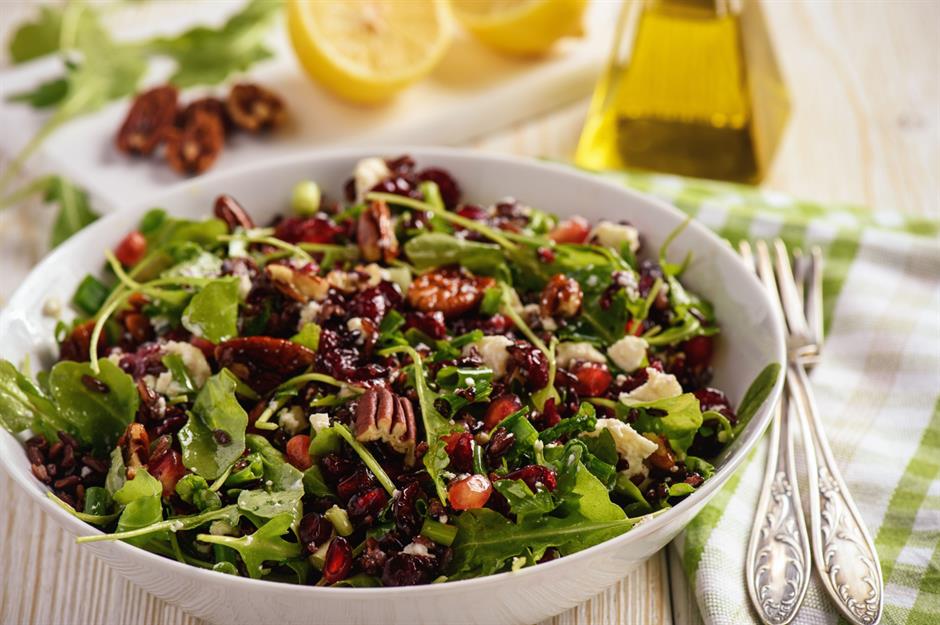
Wild rice is a semi-aquatic grass native to North America. It has a tasty, nutty flavor and is rich in nutrients including folate and magnesium. It also packs a decent punch when it comes to protein, with 6oz containing 0.2oz. Serve as a side instead of regular rice, add to salads, stir into warming broths, or try egg-fried wild rice finished with soy sauce and ginger.
Liked this? Click the Like button above. And click the Follow button above for more great stories from loveFOOD
Now discover these brilliantly quick and easy vegan recipes
Last updated by Dominique Ayling.