Top five British oil producers

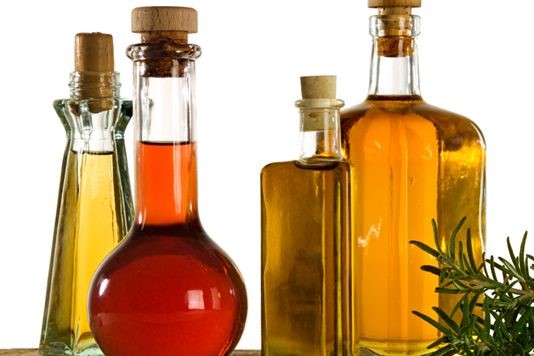
Let us leave olive oil to the Italians, and instead embrace the beauty of British oils! From Kentish cobnut to Northumberland rapeseed, here are our five favourite producers.
The Groovy Food Company
 The Groovy Food Company promises to sell only healthy food, including a range of nutritional oils. Their cold-pressed ‘virgin coconut oil’, which comes in a shoe polish-esque tub and smells divine, is bursting with natural goodness and can be used in everything from stir-fries to homemade curries. Plus coconut is good for your heart, fights off germs, and adds lustre to hair and skin.
There’s also ‘omega cool oil’, a clever organic blend of Omega 3, 6 and 9 which is pressed from flax, hemp, pumpkin and evening primrose seed oils. Drizzle over salads, blend into smoothies, or just dip your bread into it. There’s a ‘high five cooking oil’ too, which is a healthier alternative to other cooking fats, made as it is from a fusion of five cold pressed virgin seed oils.
£5.99 for a 500ml bottle of ‘high five cooking oil’.
Yellow Fields
 The rapeseed trend is still going strong, and it’s no surprise considering how healthy the stuff is (less saturated fat, and more of both omega 3 and 6 than olive oil). Yellow Fields, who make theirs from oilseed rape fields in Northumberland, pride themselves on the distinctive earthy and nutty flavour of their oil.
Yellow Fields sticks to simplicity when it comes to making their oils... they just squeeze the seeds (only once) and bottle the oil. There are no chemicals used, and the oil isn’t bleached, so whatever colour the crop is, that’s the colour the oil will be (the harvest last year, for example, gave a slightly greenish oil, but now they’re back to a rich golden yellow colour).
The softness of the rapeseed when mixed with balsamic vinegar makes a great salad dressing, and it can be used in cooking too – rapeseed oil arguably makes better roast potatoes than goose fat does. Check out the recipe section of their website for more ideas on what to do with your bottle.
£6.70 for a 500ml bottle, including postage.
Cotswold Gold
 Another outstanding rapeseed oil company, which was awarded a gold star at the Great Taste Awards in 2010 for their cold pressed rapeseed, and one more gold a year later for their rapeseed infused with dill.
Cotswold Gold is run by two young lads, Charlie and Lawrence, and is made solely from oilseed rape grown on their farm in the Cotswolds. It’s an extra virgin rapeseed oil, making it low in cholesterol, a good source of omega 3, and GM free. It also has less than half the saturated fat of olive oil.
They do an infusions range too, including basil, chilli, garlic, rosemary and smoked rapeseed oils. There’s also truffle oil, and a brand new selection of ‘drizzle’ dressings, available in red pepper, raspberry and tomato and basil flavours.
£4.95 for a 500ml bottle of extra virgin cold pressed rapeseed oil.
Kentish Cobnut Oil
 Roasted Kentish Cobnut Oil, made by Hurstwood Farm in Sevenoaks, won a whopping three gold stars in the 2012 Great Taste Awards, and was awarded the Supreme Champion mark too. Here's what the judge had to say about it: "A phenomenal aroma with massive cobnut flavours. Very aromatic. One of the best oils we've ever tasted." We've tasted it too, and would add: "The most awesome aroma of any oil we've ever tried, smelling as it does of Ferrero Rocher chocolates".
It’s solely cobnuts, a valuable source of nutrients, which are used to make their roasted cobnut oil, and their cold-pressed cobnut oil (the first oil they ever produced). It’s a labour-intensive product, as each nut is hand-picked before going through the process of drying, shelling and then pressing. It takes over a kilo of picked nuts to produce each 250ml bottle of oil.
As well as having all the usual health properties that come from eating nuts, cobnut oil is also secretly good for the skin and apparently has anti-ageing properties. Plus because it’s a light oil with a fine texture, it’s easily absorbed by the body.
It takes twice as many cobnuts to produce a bottle of roasted cobnut oil than it does regular cobnut oil, creating an indulgent oil which is deemed too good for cooking with. There's also a walnut oil available and you can buy all three via their online shop here.
£9.95 for a 250ml bottle of Cobnut Oil.
GOOD OIL, Hemp
 Oil made from hemp seed hasn’t quite taken off to the same extent as rapeseed; but we wouldn’t be surprised if it does in the not-too-distant future. GOOD OIL (who only use hemp grown in Devon) has a higher content of Omega 3, 6 and 9 than any other culinary oil, and just one tablespoon contains 94% of your omega 3 RDA.
Like rapeseed oil, it also has half the saturated fat of olive oil and it can contribute to the health of hair and skin, as well as improving cholesterol, the immune system, and joints. It also contains zero trans fats, and has been known to treat ADHD, cardiovascular disease, and rheumatoid arthritis.
It’s nutty in flavour and you can cook with hemp oil as you would with olive oil. It’s also great for dressings, and GOOD OIL claim that it’s the best oil to use for roast potatoes (you can view all of their recipe ideas here).
GOOD OIL makes an ‘original’ and ‘mild and light’ bottle, both of which are available in 250ml and 500ml bottles. They also do a range of other hemp products, including hemp milk and flavoured seeds. You can buy online and find your nearest stockist here.
£4.49 for a 250ml bottle of GOOD OIL original.
And one more for luck... Mr Hugh's cold-pressed rapeseed oil
 Another 100% British rapeseed oil, this time from the fields of Norfolk. It comes in two versions: Mr Hugh's Extra Virgin Rapeseed Oil (rich in vitamin E and omega 3, 6 and 9, and used for roasting, sautéing, drizzling and as a substitute for butter in bread, cakes and mashed potato), or Mr Hugh's Gourmet, which '...features a unique nutritional profile to create a distinctive light taste' and is perfect for creative cuisine, dipping and dressings. We found it refreshing, subtle and versatile in the kitchen, and used it for everything from roasting veg to salad dressings and stir-fries. It also has a smoke point of over 245C, the highest of all popular culinary oils, meaning it can be heated to extremely high temperatures without degrading or losing any of its anti-oxidants, colour or flavour.
The Mason family, who make the oil, have been farming in Norfolk for over 200 years. Hugh took over the running of the business from his father, Maurice, when he was 22 and even the combine harvesters and tractors are considered part of the family. Check out some of Mr Hugh's rapeseed oil recipes here.
You might also like