America’s oldest surviving food brands
Food brands older than you
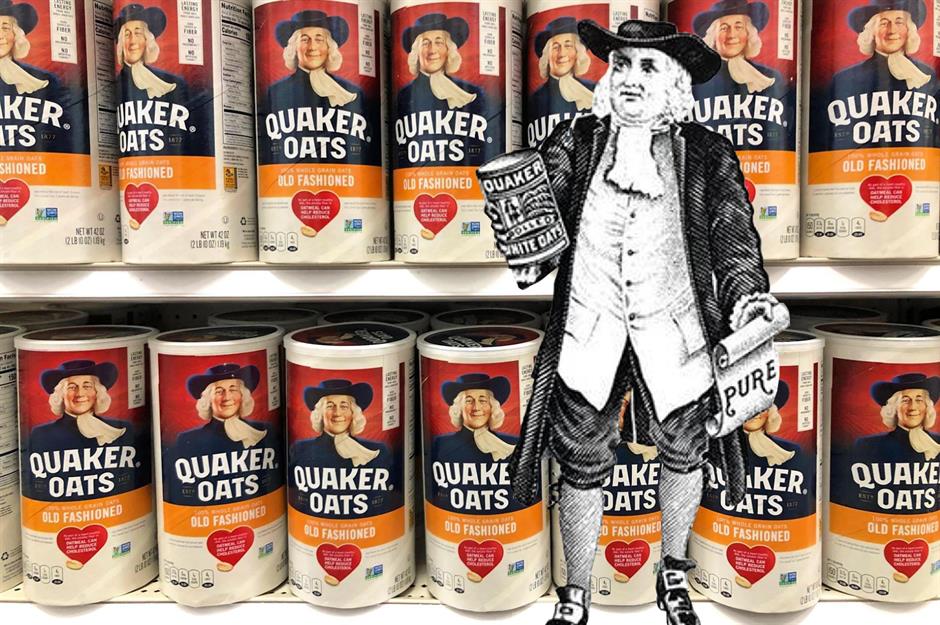
With so many products competing for shelf space at the grocery store, some food brands struggle to survive – in fact, many of them are lucky to last a year. But when the public takes a brand into its heart, the possibilities are endless. Here, we look at the US food giants that have managed to stay afloat (and adored by shoppers) for record lengths of time.
Click or scroll through our gallery to discover the brands that have been filling bellies for generations – counting down to the oldest of them all.
13. Lay’s
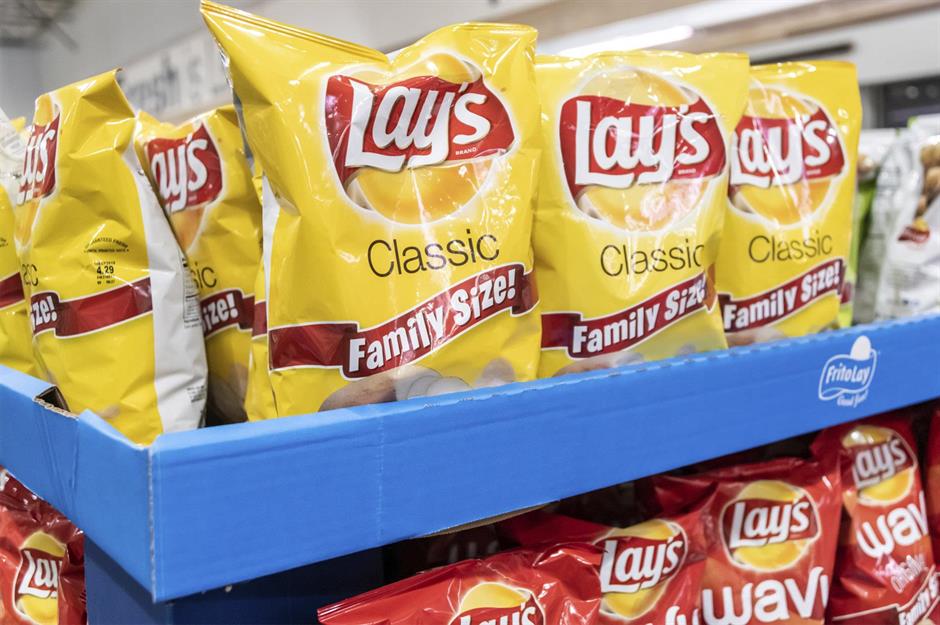
Herman Lay was a natural salesman; at the young age of 10, he started his first business selling sodas opposite the ballpark in his hometown of Greenville, South Carolina. However, Lay's first serious venture was in 1932, when he became a snack food distributor in Nashville, Tennessee. He believed in selling high-quality products at affordable prices and making them available to everyone.
13. Lay’s
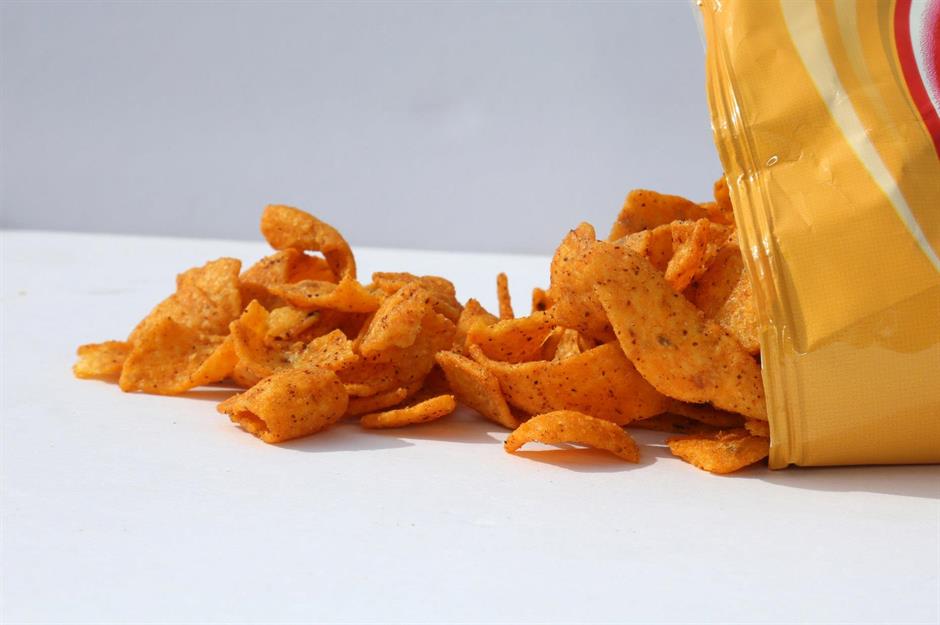
Soon, Lay had enough money to buy up another company – and he eventually turned Lay’s into a household name in the Southern States. Meanwhile, a second crisp purveyor, Charles Elmer Doolin, came onto the scene. After buying a corn chip recipe from a café in San Antonio, Texas, Doolin started selling Fritos in 1932.
Sponsored Content
13. Lay’s
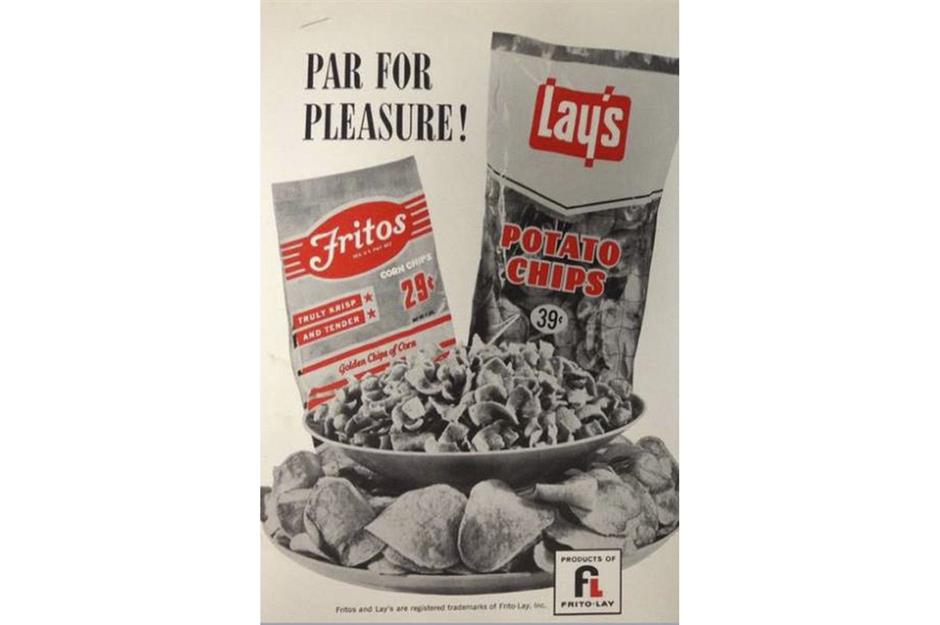
Three decades later, the largest names in snack production joined forces to form Frito-Lay. These days, the company's products include Doritos, Fritos, Cheetos, Cracker Jack, Funyuns, Ruffles and, of course, Lay’s. The company gets its potatoes from farms across 25 states, and they’re trucked to one of 30 manufacturing plants – where, on average, five potatoes go into every bag.
12. Kellogg’s
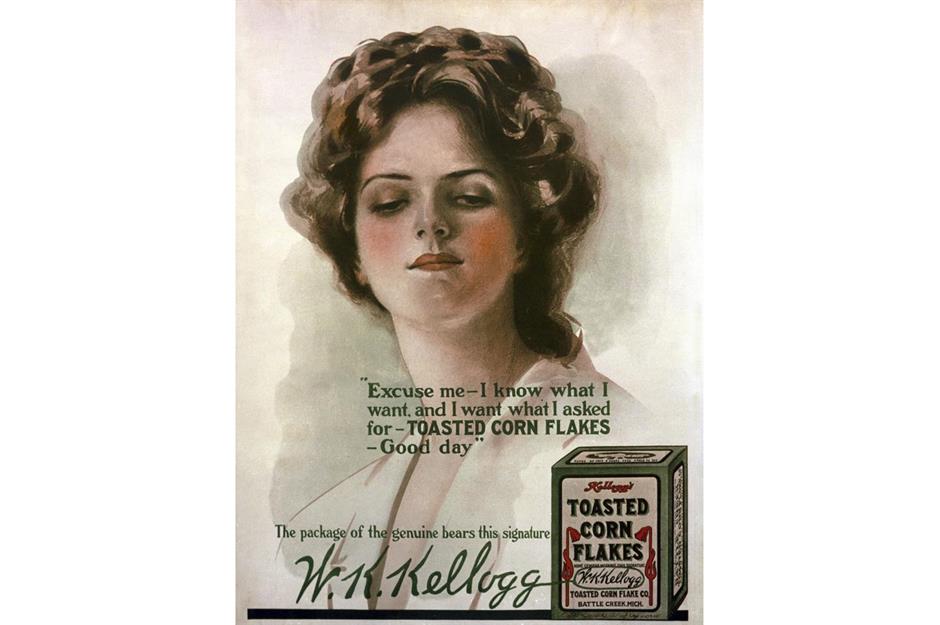
Cereal brand Kellogg's began life in Battle Creek, Michigan, in the 1890s. It was started by brothers John and Will Kellogg, who were both highly religious and believed that eating a healthy diet was the key to leading a pure life. The story goes that they were attempting to make wheat-based granola when they stumbled upon a method of flaking a day-old wheat-berry dough. Soon enough, corn flakes were born.
12. Kellogg’s
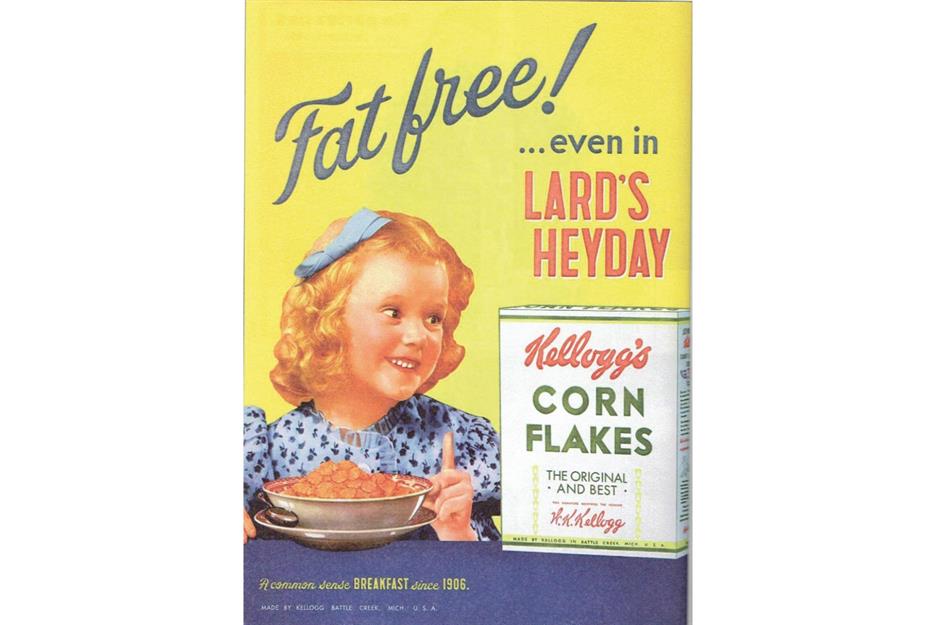
When the business officially started in 1906, it was called Battle Creek Toasted Corn Flake Company. The Kellogg brothers had fallen out by this time, and Will Kellogg launched the company on his own. Interestingly, it was one of the first food companies to have a dietician, Mary Barber, on board. During the Great Depression, Kellogg's helped out American citizens by reducing shifts so it could hire more people.
Sponsored Content
12. Kellogg’s
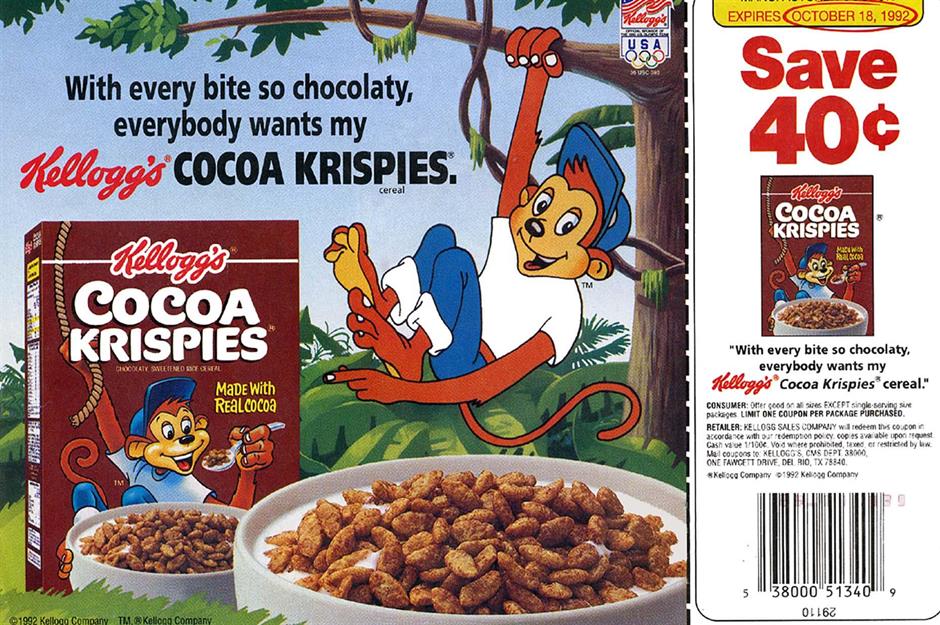
Over the course of a century, Kellogg's went on to launch varieties including Toasted Rice Flakes (corn flakes made with rice), Toasted Wheat Biscuit (giant Shredded Wheat), Toasted Bran Flakes, Pep (wheat flakes), Rice Krispies, Cocoa Krispies, Frosted Flakes, Special K, OKs (O-shaped cereal), Froot Loops, and Mini-Wheats. They had varying degrees of success, but none of them ever captured the hearts of consumers quite like Corn Flakes. Kellogg's revenue topped $12 billion in 2023.
11. Post
Post Consumer Brands isn’t just a competitor to Kellogg’s – its existence is directly linked to the other cereal brand. In 1891, founder C. W. Post was a patient at a sanatorium operated by John Kellogg; during his time there, Post was given a dry cereal developed by the Kellogg brothers. It wasn’t until 1897 that Post sold his first cereal. His original product was a cereal-based drink called Postum, first released as a brewed beverage and later as an instant powder.
11. Post
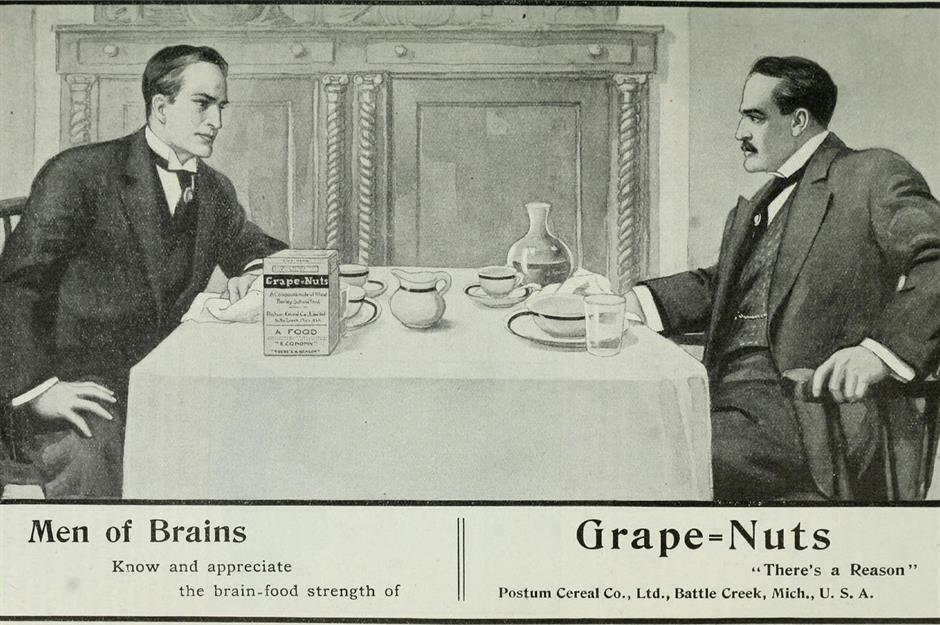
Post’s first cereal product was Grape-Nuts, a mix of wheat and barley which, confusingly, contains neither grapes nor nuts. Next came Post Toasties in 1907, a version of corn flakes that started out as Elijah’s Manna; they had to undergo a name change before they were marketable, as people objected to the biblical reference in the original name. Like many entrepreneurs of the time, Post developed a factory town for his workers. After his death, his daughter, Marjorie Merriweather, took the helm.
Sponsored Content
11. Post
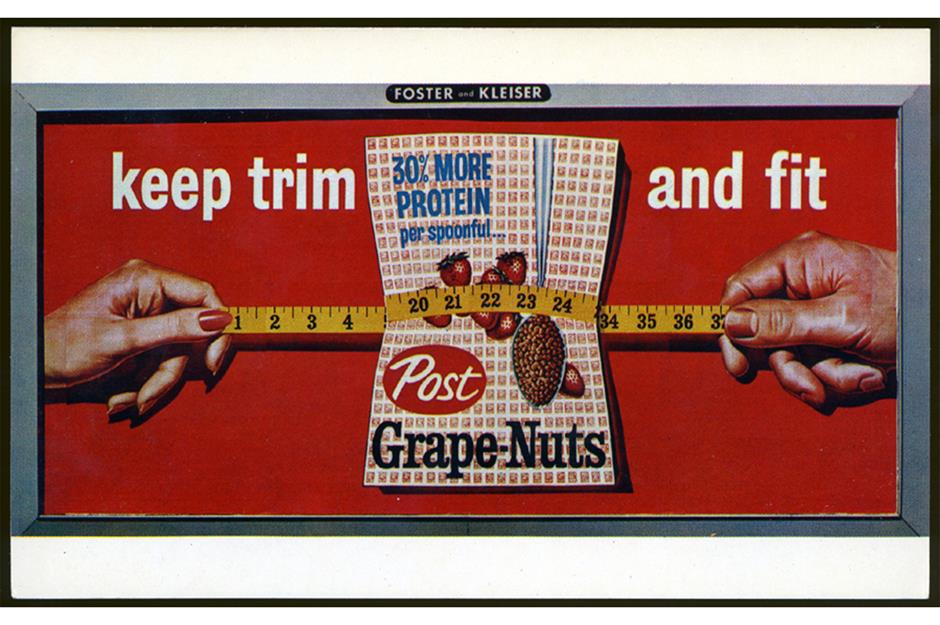
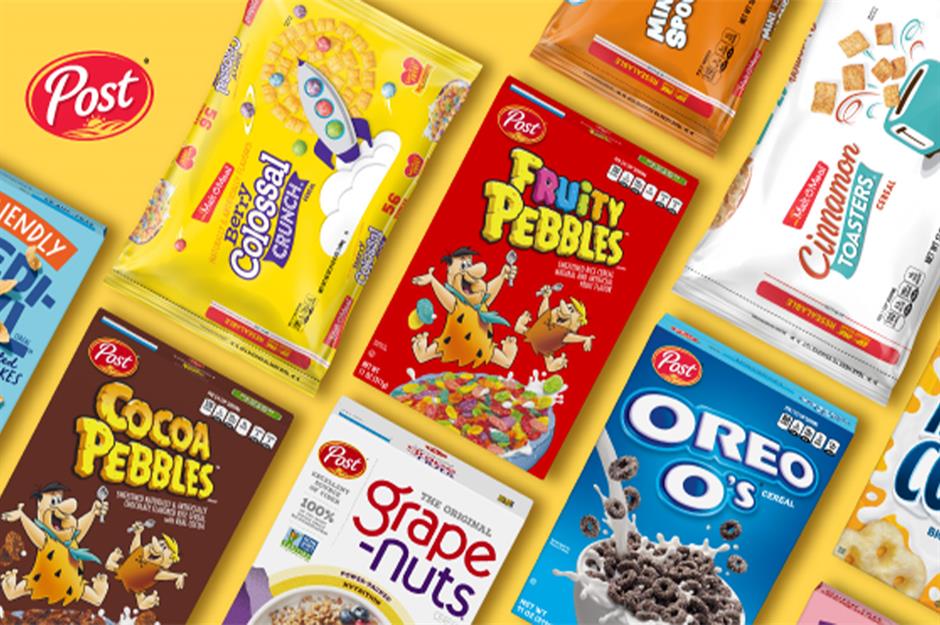
Post has created numerous iconic cereals, from Fruity Pebbles to Honey Bunches of Oats. After merging with General Foods and Kraft, Post Cereals (later Post Consumer Brands) once again became its own company in 2007. It went on to acquire brands such as Malt-O-Meal, Weetabix, Peter Pan peanut butter, and a number of pet food brands.
10. Hershey’s
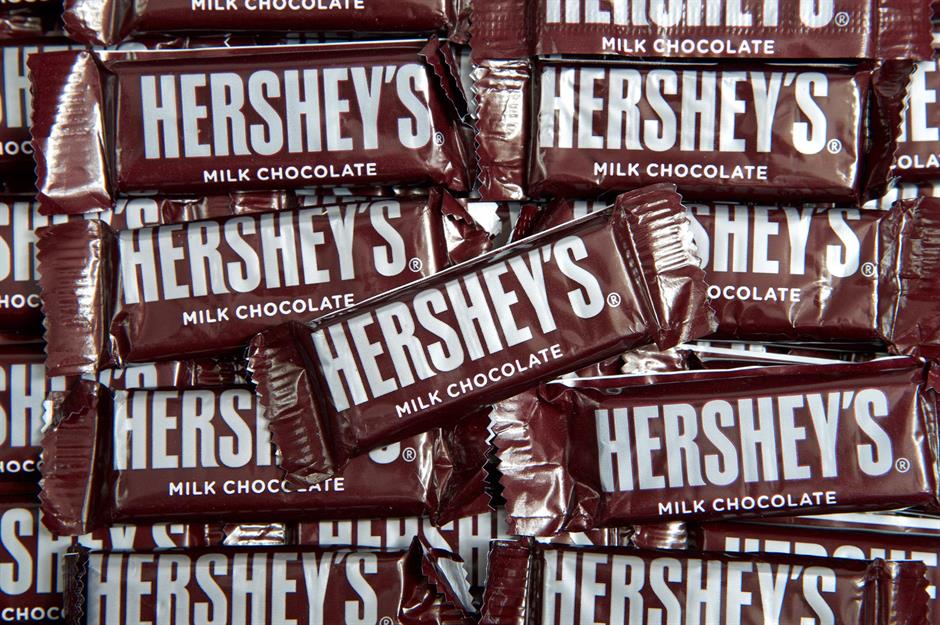
Though The Hershey Chocolate Company was set up in 1894, it wasn’t until 1900 that it sold its first chocolate bar. It began as a subsidiary of the Lancaster Caramel Company, a business established by Milton Hershey, but it soon grew to become much more recognizable. In 1907, one of Hershey’s most famous products launched: Hershey’s Chocolate Kisses, distinctive chocolate drops wrapped in silver foil.
10. Hershey’s
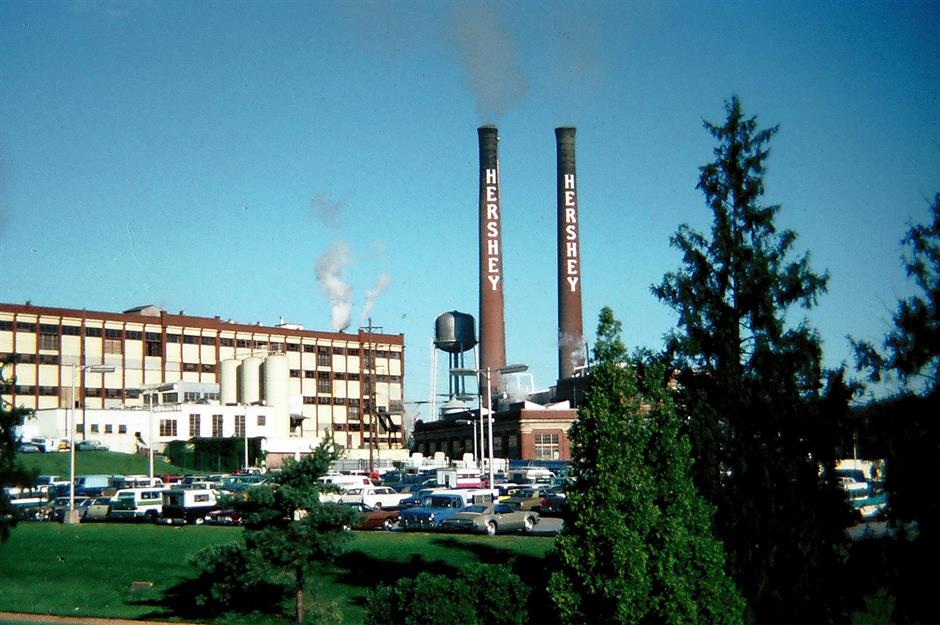
The original factory was located in what’s now the town of Hershey, Pennsylvania, where the company is still headquartered today. As well as founding the town in 1903, Milton was heavily involved in local philanthropy. He and his wife, Catherine, who couldn’t have children of their own, set up the Milton Hershey School for orphaned boys. There was also a free school for employees’ children, a public trolley system, and other amenities for residents’ use.
Sponsored Content
10. Hershey’s
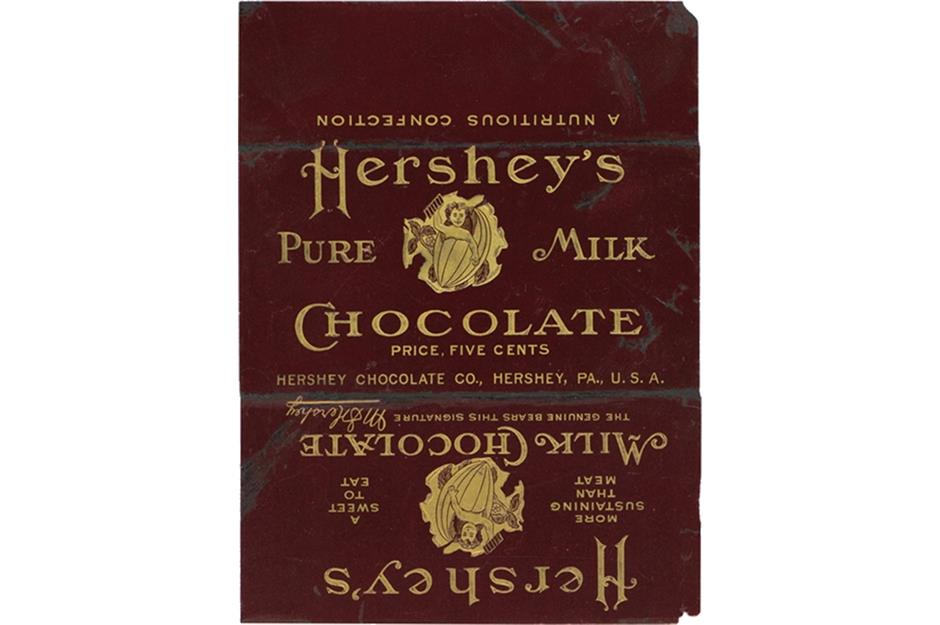
Over the next few decades, Hershey’s went on to release products that are still popular today, including Mr. Goodbar and Hershey’s Miniatures. The brand also acquired other products, such as Reese’s and Twizzlers. By 1979, the company had achieved over $1 billion in sales – the equivalent of almost $4.5 billion in today’s money.
9. Del Monte
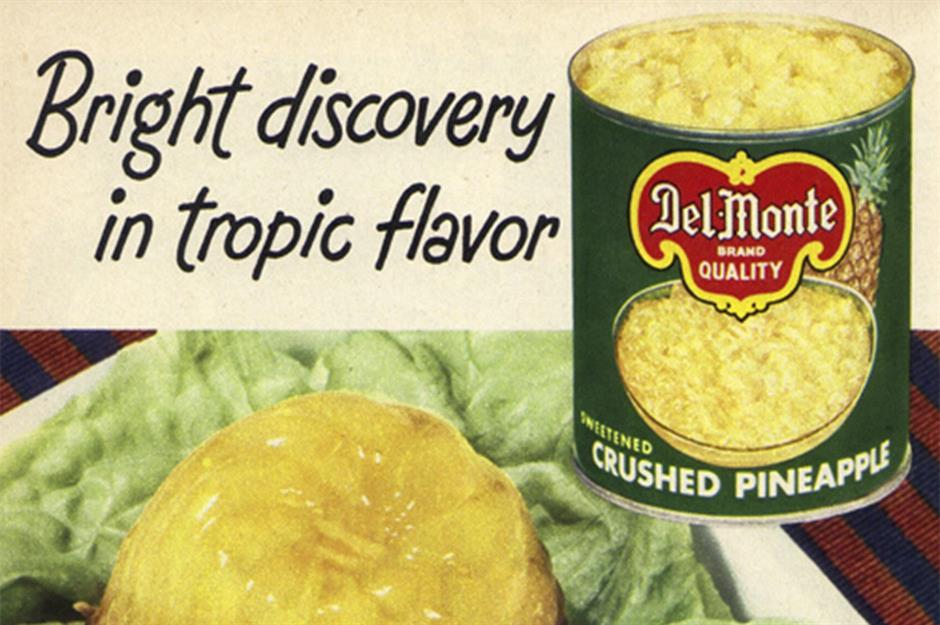
You may be surprised to learn that Del Monte’s first product wasn’t fruit cocktail, or even canned pineapple. It was coffee, supplied to the prestigious Hotel Del Monte in Monterey, California. That business began in 1886 – but Del Monte didn't start canning fruit until 1892. The first food it manufactured in this way was canned peaches.
9. Del Monte
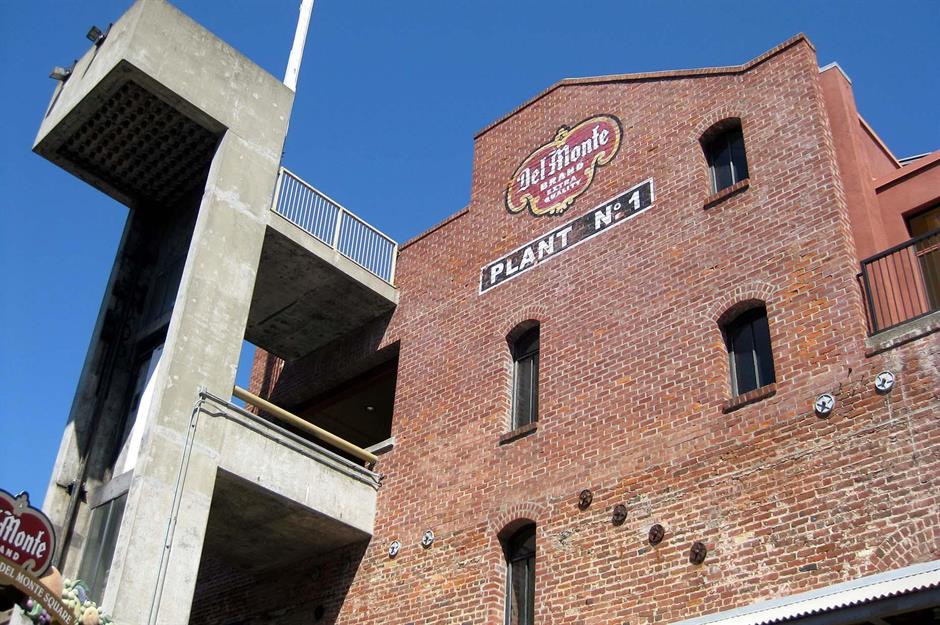
In 1907, Del Monte built what was to be the largest fruit and vegetable cannery in the world (at that time) in San Francisco. Called Del Monte Plant No. 1, it employed 2,500 people and produced more than 200,000 cans of food every day. The factory is no longer functional, but you can still visit the old building at Del Monte Square. Today, it houses shops and restaurants.
Sponsored Content
9. Del Monte
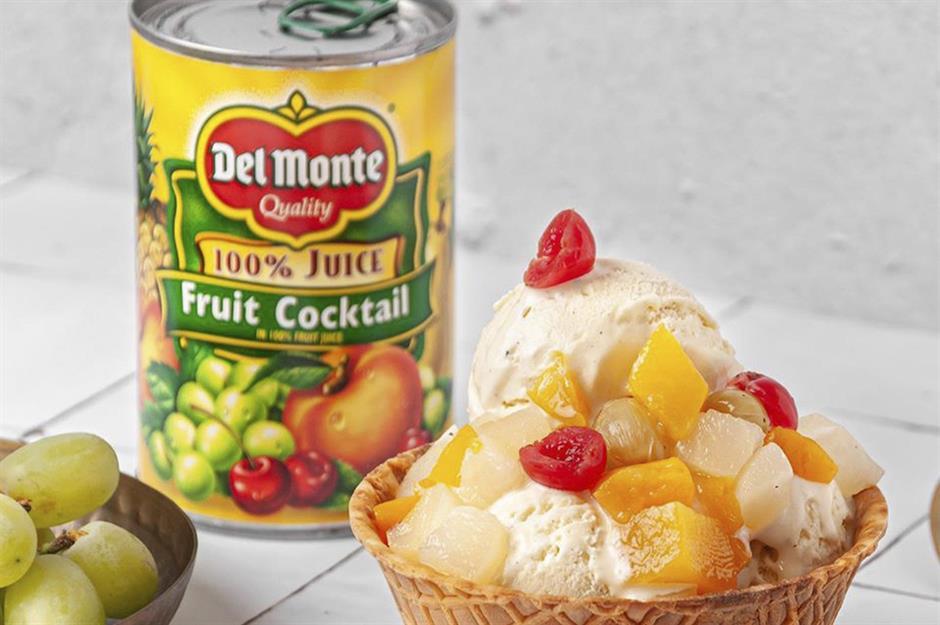
In 1971, Del Monte became the first major US food producer to voluntarily put nutritional values on its food products. Before that, it was difficult for consumers to assess pre-packaged foods, and most meals were prepared from basic ingredients at home. Today, Del Monte operates as a subsidiary of NutriAsia, and it's still one of the leading producers of premium canned foods.
8. Van Camp’s
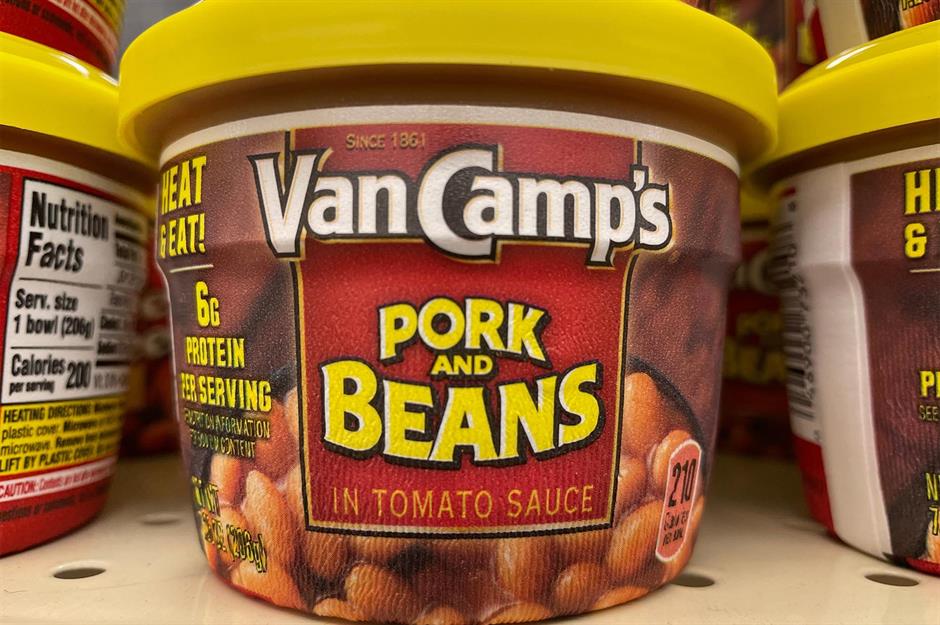
One of the best-known canned bean brands, Van Camp’s started out with the founding of a cold storage warehouse in Indianapolis, Indiana in 1861. Set up by Gilbert Van Camp and two business partners, the warehouse found success, and Van Camp began experimenting with canning fruits and vegetables. He was soon awarded a contract to supply Union troops during the Civil War, and his pork and beans became a wartime staple. As more people began to desire canned foods, the Van Camp Packing Company was founded in 1882.
8. Van Camp’s
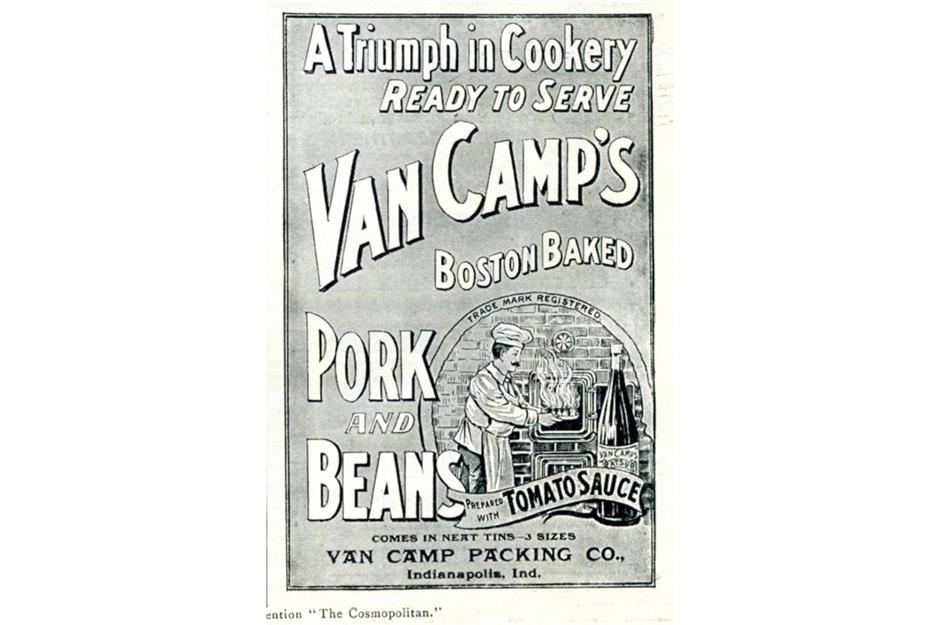
The brand’s famous pork and beans in tomato sauce first went on sale in 1894, produced by Van Camp's son, Frank. By 1909, Indiana had become the country’s top producer of canned baked beans, partly thanks to Van Camp’s. Frank Van Camp also set up Van Camp’s Seafood after purchasing the California Tuna Canning Company in 1914 – a brand that today is owned by Thai Union and still produces premium canned tuna. Acquired by James and John Stokely in 1933, Van Camp’s became Stokely-Van Camp.
Sponsored Content
8. Van Camp’s
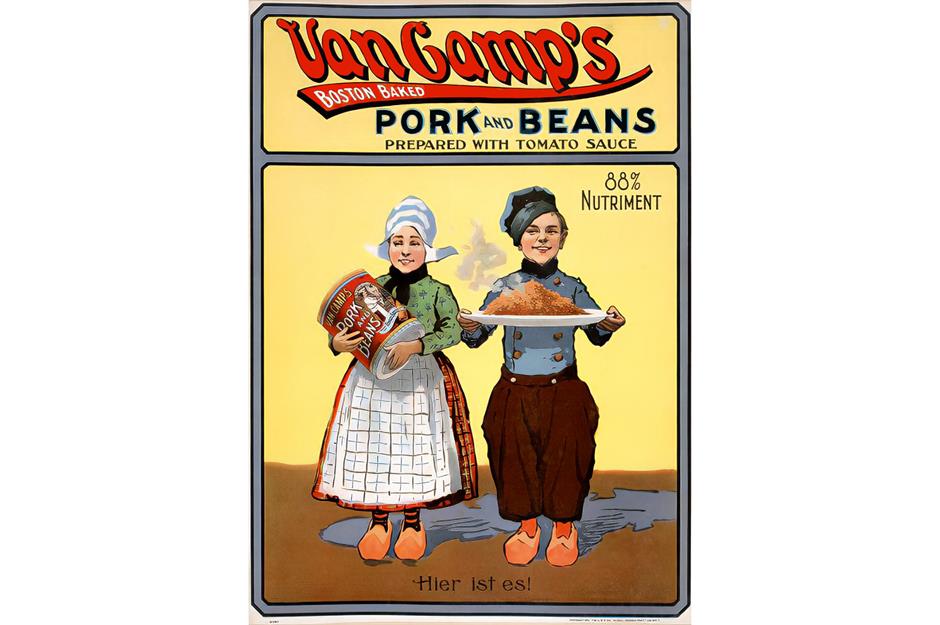
Another big change came in the latter half of the 20th century. Van Camp’s was owned by the Quaker Oats Company, another of America’s oldest food brands, from 1983 until 1995, when Stokely-Van Camp was purchased by ConAgra. Although it's sold various products over the years, including pasta, Van Camp’s has now gone back to its roots and only sells cooked beans – from its classic pork and beans (and a vegetarian version) to baked beans, kidney beans, and chili.
7. Pillsbury
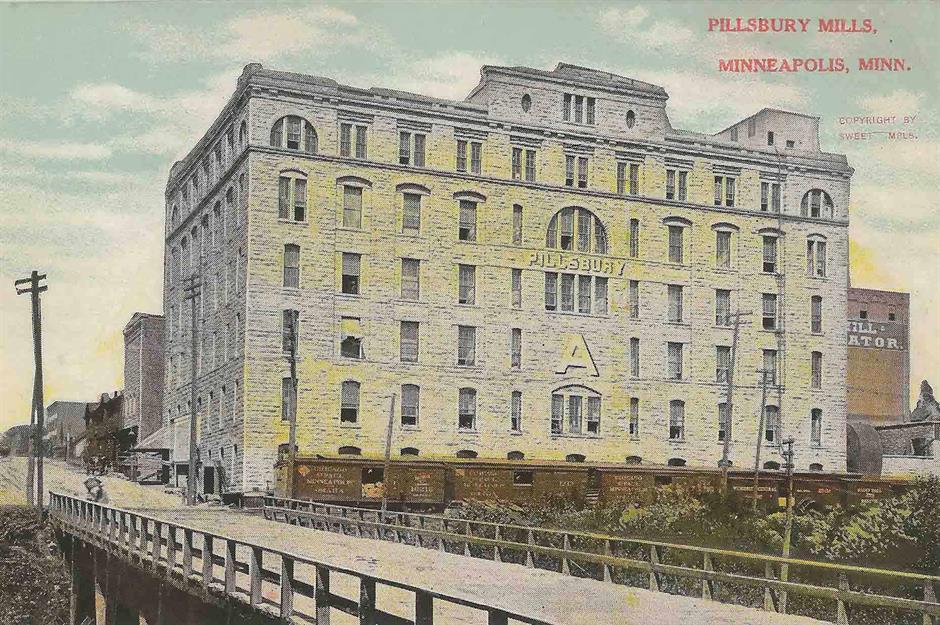
Pillsbury had humble origins, starting as a simple flour mill on the banks of the Mississippi River, Minneapolis. Charles A. Pillsbury bought into the mill in 1869 and decked it out with the latest technology. Within 20 years, it had become one of the largest, most successful mills in the world. Pillsbury even created a profit-sharing plan for the company’s employees.
7. Pillsbury
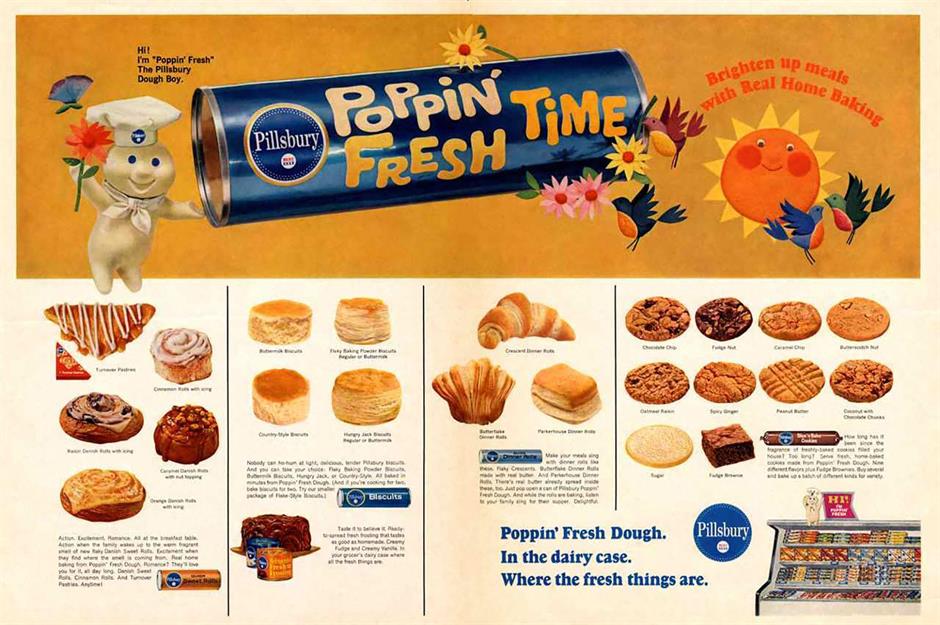
It wasn’t until 1965 that Americans got to meet the company's famous mascot, Pillsbury’s iconic Doughboy. Copywriter Rudy Perz from the Leo Burnett ad agency thought up Poppin’ Fresh (the Doughboy's full name) to market the company's ready-made dough. The idea came to him when he popped open a can and imagined the lovable character jumping out.
Sponsored Content
7. Pillsbury
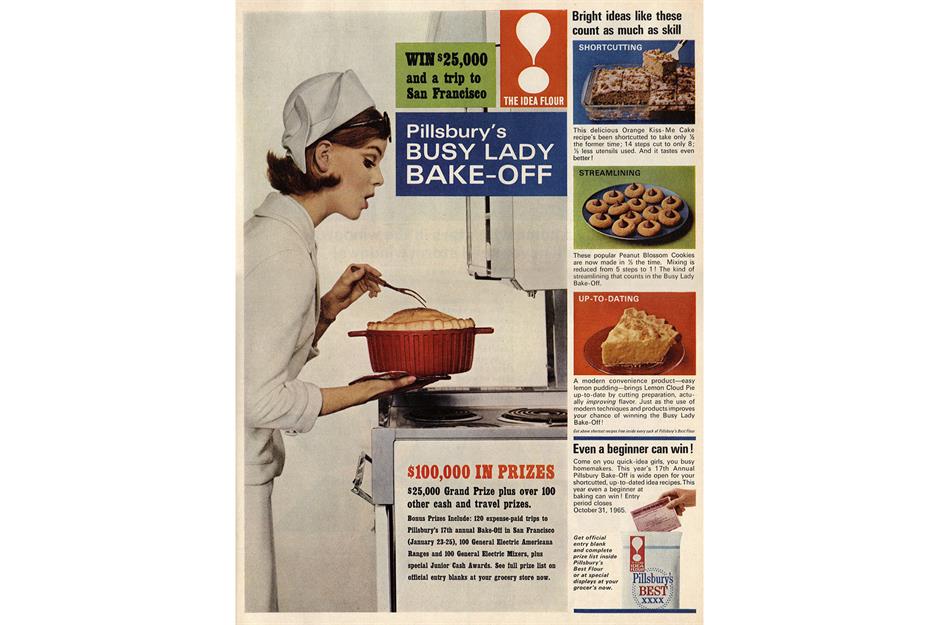
These days, Pillsbury is known not just for its flour, but also for being a cooking and lifestyle brand. It sells dough for biscuits, rolls, cookies, brownies, bread, pie crusts, and pizza. Need a recipe? It's got cookbooks, too. Want to enter a competition? Check out the Pillsbury Bake-Off, the contest famous for popularizing the Tunnel of Fudge cake.
6. Campbell's
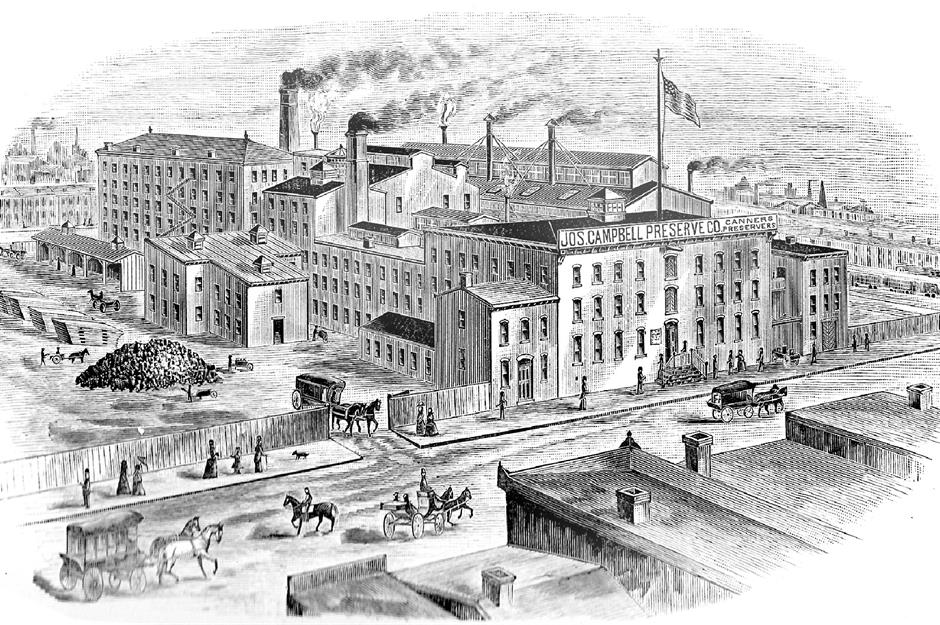
Considering the name of this food brand, it's surprising that Joseph Campbell was only with the company for 25 years. He was working as a fruit and vegetable seller when he joined forces with a commercial canner called Abraham Anderson. Together, they founded the Anderson & Campbell company in Camden, New Jersey, in 1869. Campbell served as president until his retirement in 1894.
6. Campbell's
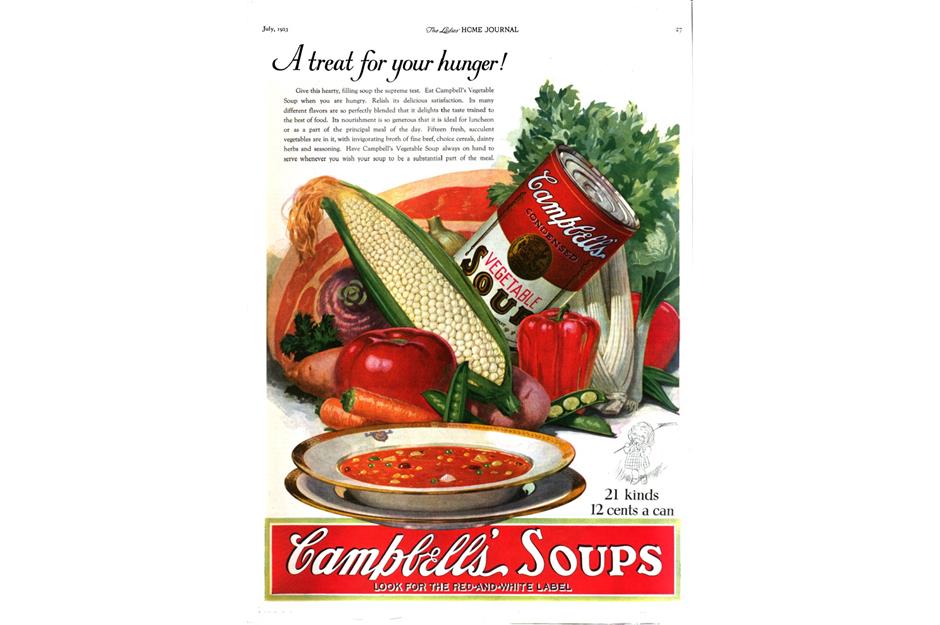
Campbell retired before the company produced its first jar of soup. Campbell's Beefsteak Tomato soup hit the market in 1895 – and its canned soup came just two years later. Its packaging proudly informed shoppers: 'When heated, the contents of this can are ready to use.' Red-and-white cans debuted a year later, after a company executive was inspired by the colors of Cornell University's football jerseys.
Sponsored Content
6. Campbell's
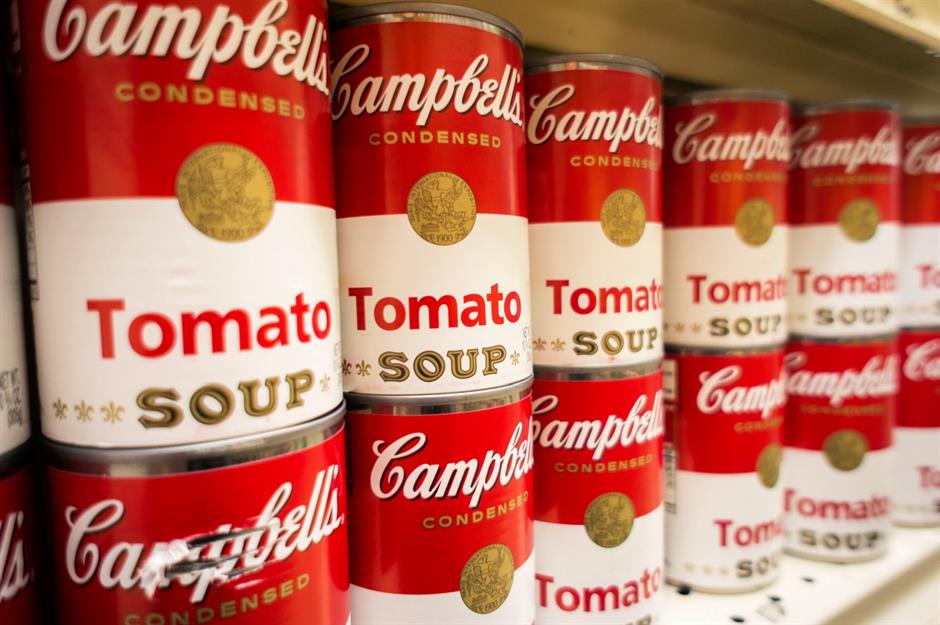
These days, Campbell's owns a myriad of brands, including Prego, Goldfish, Lance, Pacific Foods, and Kettle. The combined revenue of all its products came to $9.4 billion in 2023. However, thanks to its 150-year history – and perhaps with a little bit of help from Andy Warhol – the company will forever be known for its range of canned soups.
5. Heinz
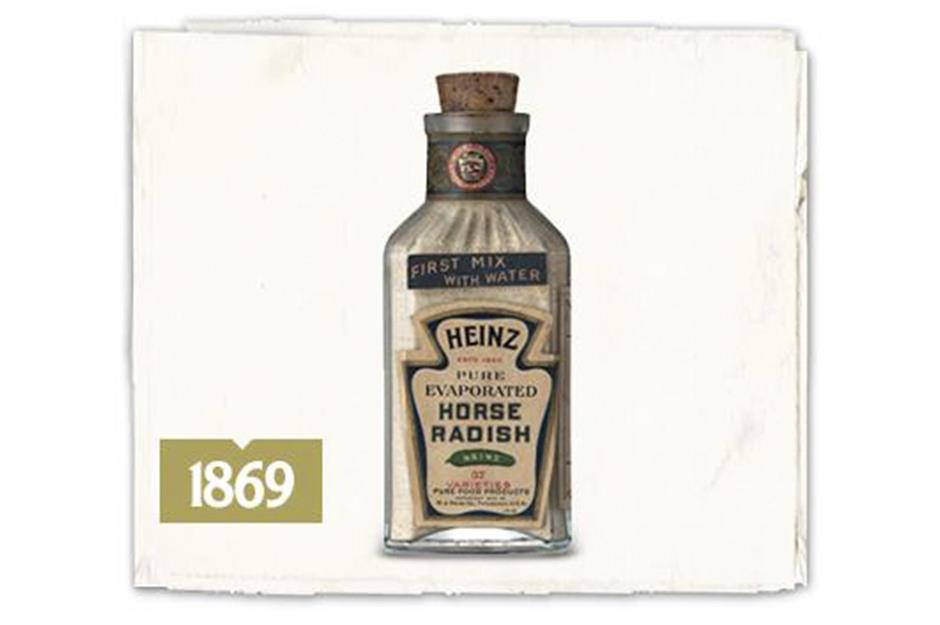
Believe it or not, 25-year-old Henry Heinz got his start making horseradish sauce. In 1869, Heinz was living with his parents, growing the pungent plant in the garden and following his mother’s recipe to make the condiment. The final product was different from other sauces on the market because it came in a clear bottle displaying its high-quality ingredients; other companies used brown bottles to disguise theirs.
5. Heinz
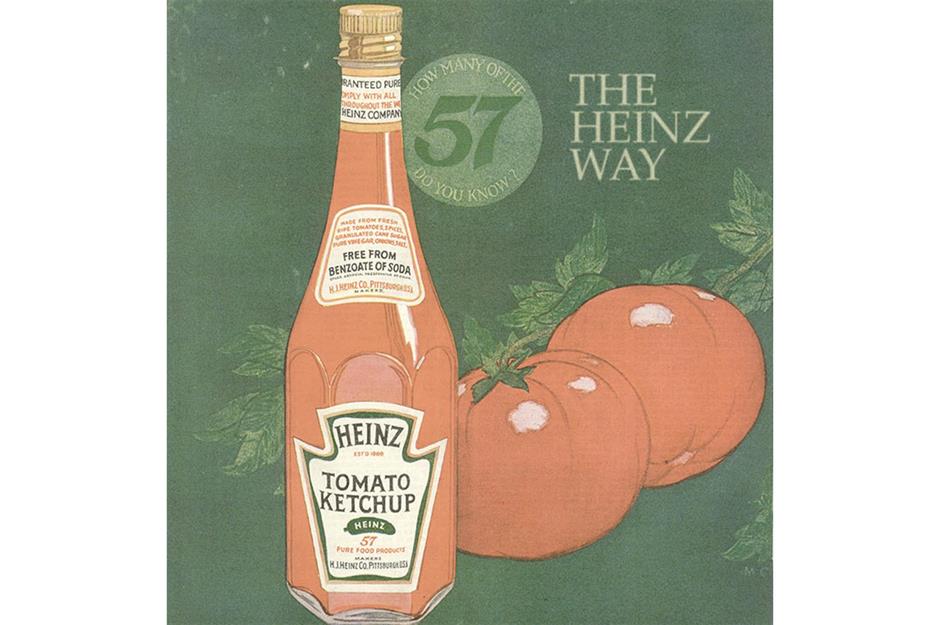
Next came pickles, vinegar, tomato ketchup (then called catsup), sweet pickle, and many more condiments – including Heinz Baked Beans, which were first sold in the US in 1895. By 1896, the brand had already sold over 60 different products. Arriving on shelves a little later, Beefsteak Sauce (now Heinz 57) was a ground-breaking product of the early 20th century.
Sponsored Content
5. Heinz
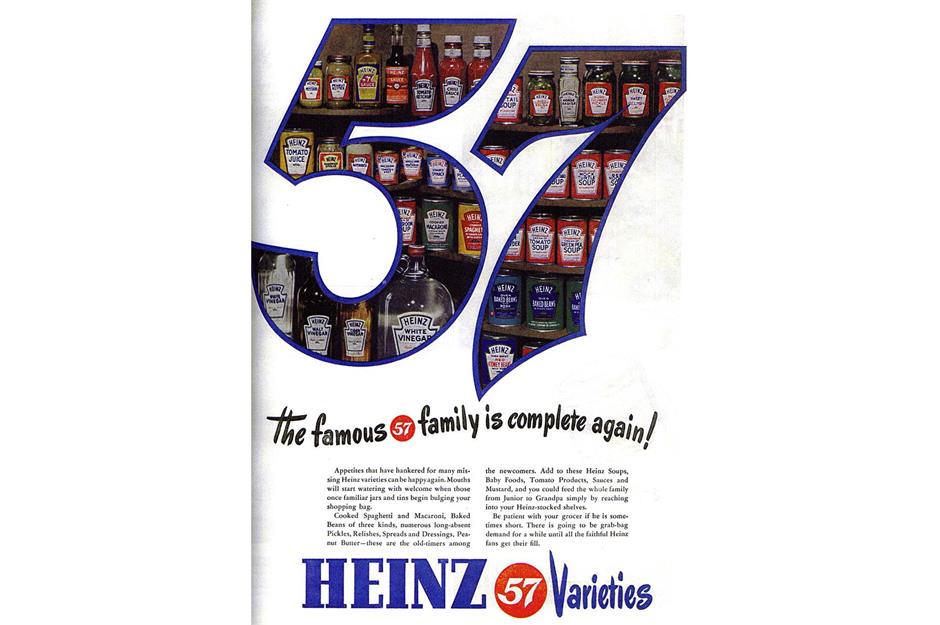
It turns out that Heinz’s '57 varieties' don't refer to its product count. One day, Henry Heinz spotted a sign advertising '21 styles of shoe' and simply liked the look of it. These days, the company reportedly sells over 5,700 sauces and pantry items, including many mash-ups of its classic condiments. In 2015, Heinz merged with Kraft to form the Kraft Heinz company – the third-biggest food and drinks business in the US. The company includes other old brands such as Oscar Meyer (founded in 1883), Philadelphia Cream Cheese (founded in 1872), and Baker's Chocolate (founded in 1780).
4. Tabasco
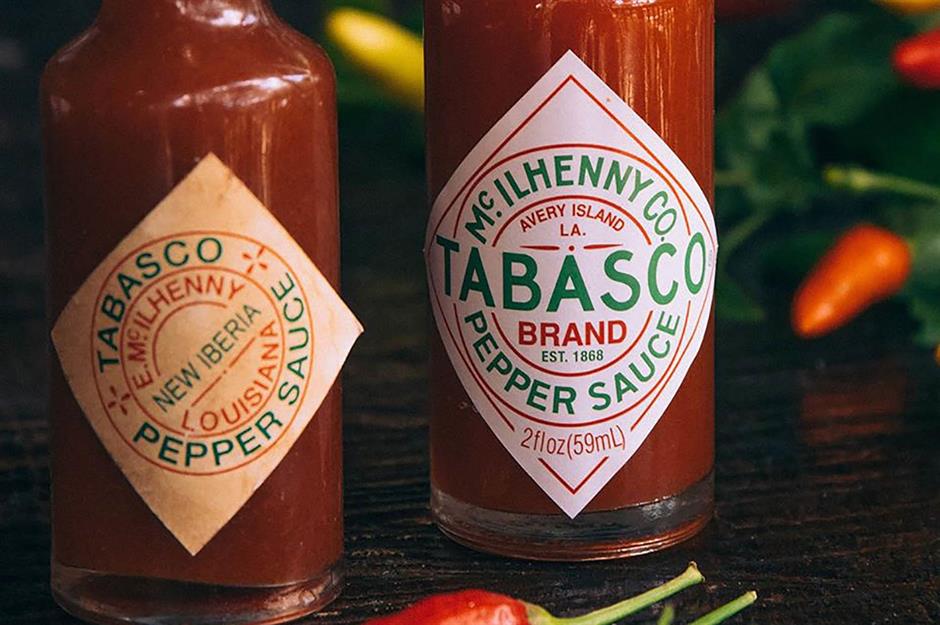
America’s most-loved hot sauce, Tabasco, has been around since 1868, and it's still produced in the same way – and in the same place – it always has been. That's Avery Island, a salt dome surrounded by marshland in Louisiana. It all began when Tabasco's founder, Edmund McIlhenny, grew a crop of capsicum frutescens peppers to start producing the spicy condiment.
4. Tabasco
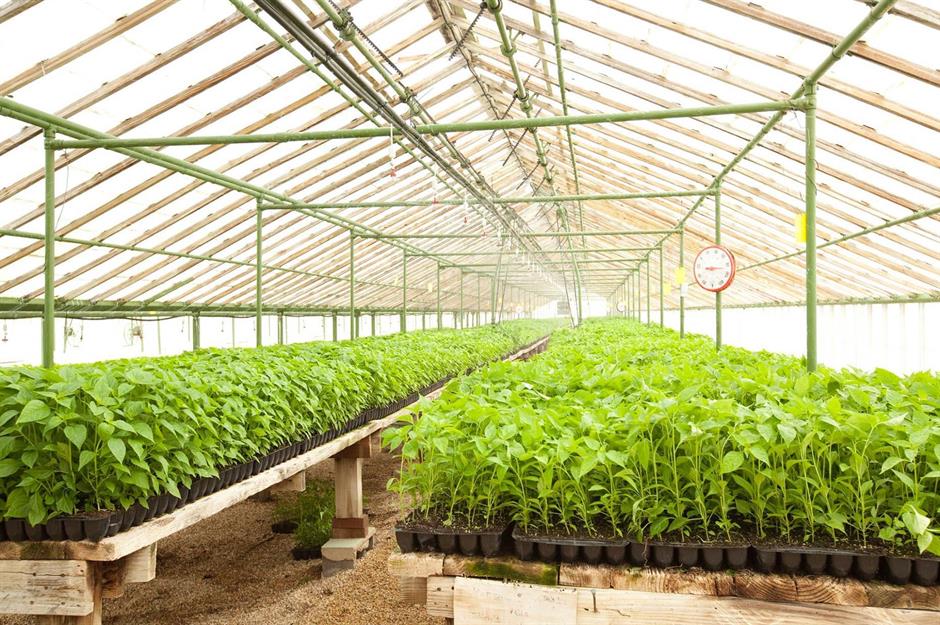
Once harvested, the chilies were pulped, aged in oak barrels, combined with salt and vinegar, then packaged into Tabasco’s famous little cologne bottles – complete with lids that only let you sprinkle, rather than pour. When Tabasco was first produced, the bottles were sealed with green wax and sent to grocers along the Gold Coast for one dollar each.
Sponsored Content
4. Tabasco
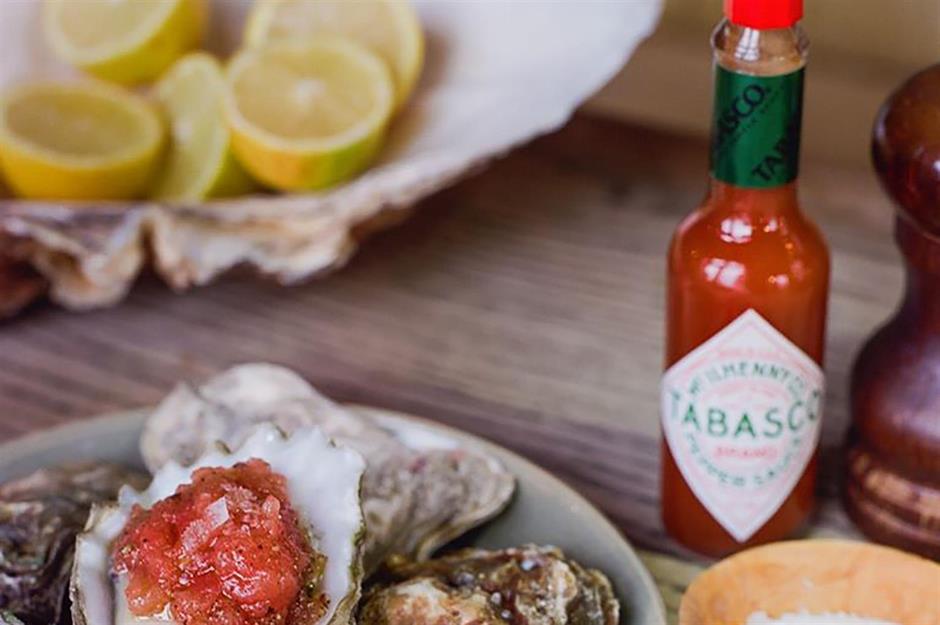
These days, the sauce is sold in more than 195 countries – and, as well as being farmed on Avery Island, the capsicum frutescens peppers are grown in South America and shipped back to keep up with demand. The factory pumps out some 700,000 bottles of the sauce each day, and there are nine varieties available for heat lovers everywhere.
3. Quaker Oats
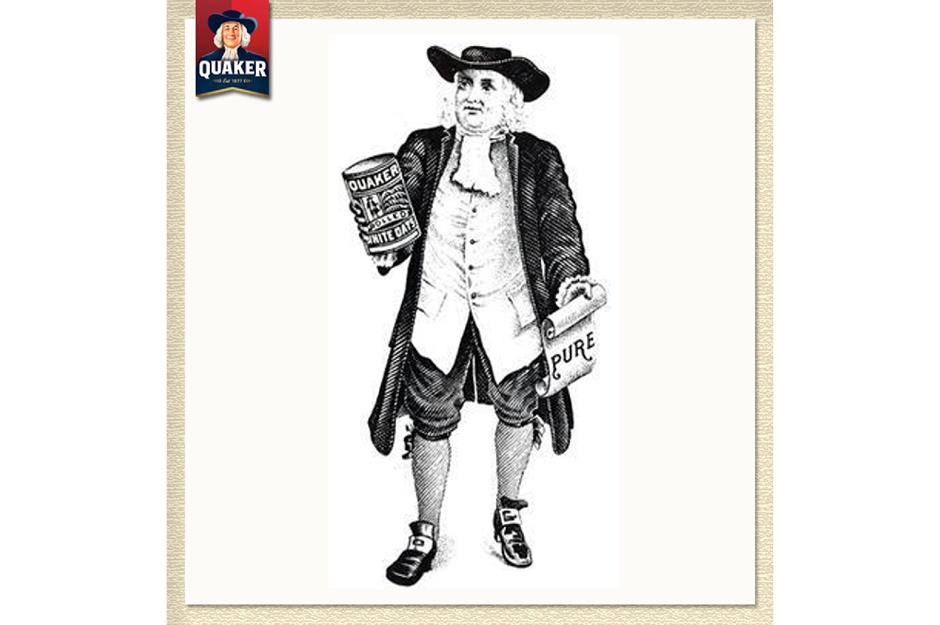
Quaker Oats first became the cornerstone of the breakfast table in 1877, after the US Patent Office approved a trademark for the cereal's famous mascot: 'a figure of a man in Quaker garb.' The brand's creators supposedly chose the name to give off a sense of quality and value. However, the company didn't start turning heads until it was purchased by Henry Parsons Crowell in 1881.
3. Quaker Oats
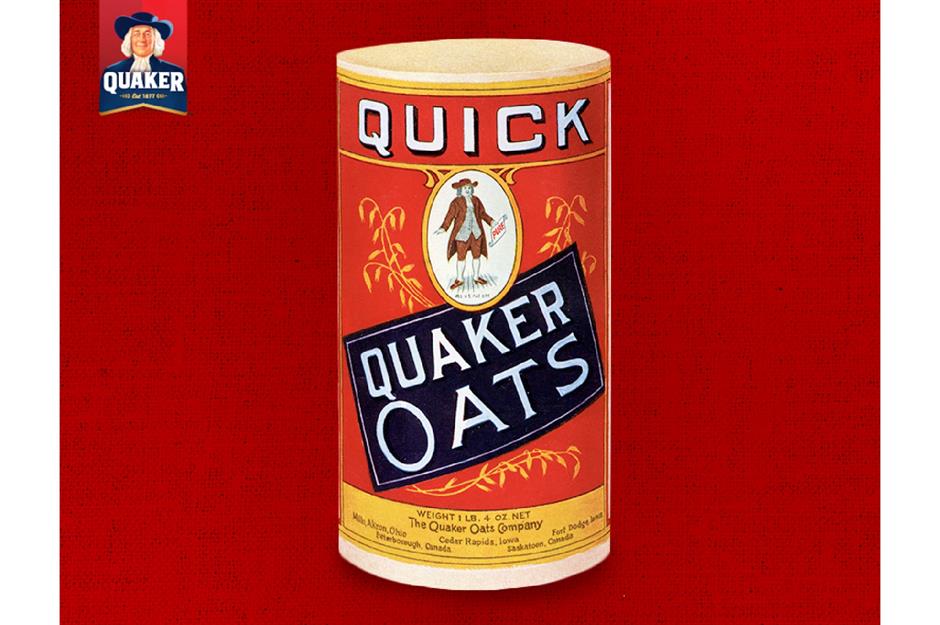
Quaker Oats' history is filled with innovations. In 1891, Quaker became the first company to put a recipe on a cereal box. In 1915, the brand introduced its eye-catching round containers. Seven years later, Quaker Quick Oats hit the market – and Quaker Instant Oatmeal appeared in 1966. Actor Wilfred Brimley later became almost as well known for his Quaker commercials (which told viewers 'It's the right thing to do') as he was for his many film and TV roles.
Sponsored Content
3. Quaker Oats
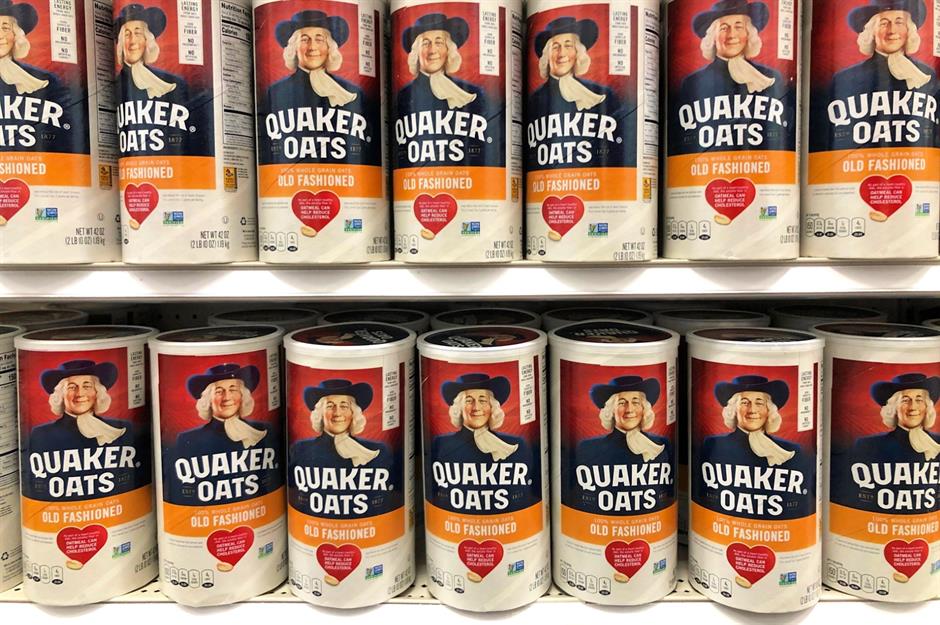
In 2001, PepsiCo purchased Quaker Oats for $14 billion. Rumor has it that the company was happy to spend this much money because it meant it'd also earn the rights to make the hugely popular sports drink Gatorade – a brand that was owned by Quaker at the time. Still, PepsiCo can't complain; Quaker Oats brought in revenue of $3.8 billion in 2023, more than 140 years after it was founded.
2. Keebler
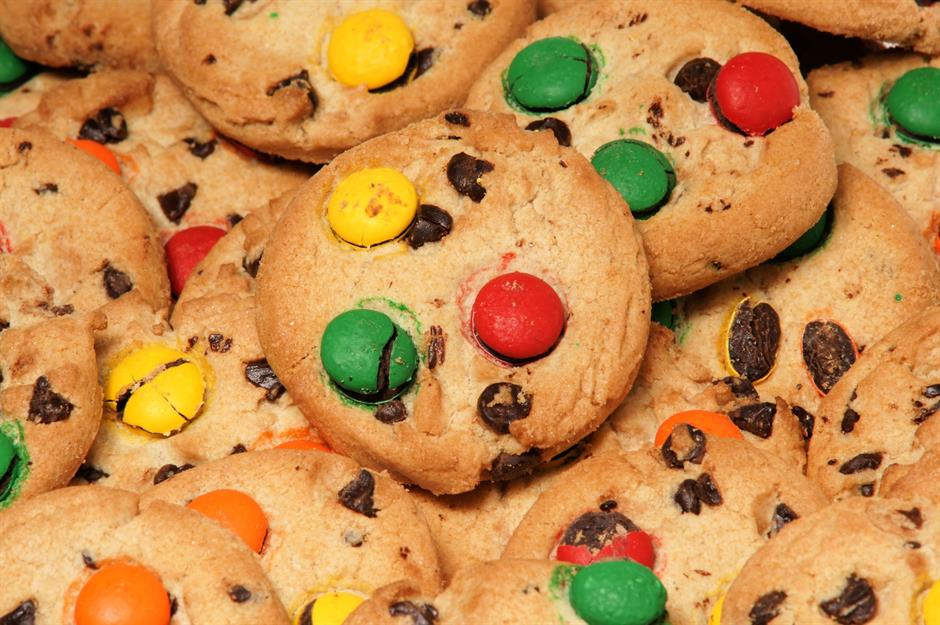
Keebler Cookies came from humble beginnings; the company started out in 1853 with one bakery in Philadelphia, Pennsylvania. The man in charge was Godfrey Keebler, and he gradually joined forces with other regional bakeries around the United States. This loose band of bakers became the United Biscuit Company of America in 1927 – and, eventually, the Keebler Company, in 1966.
2. Keebler
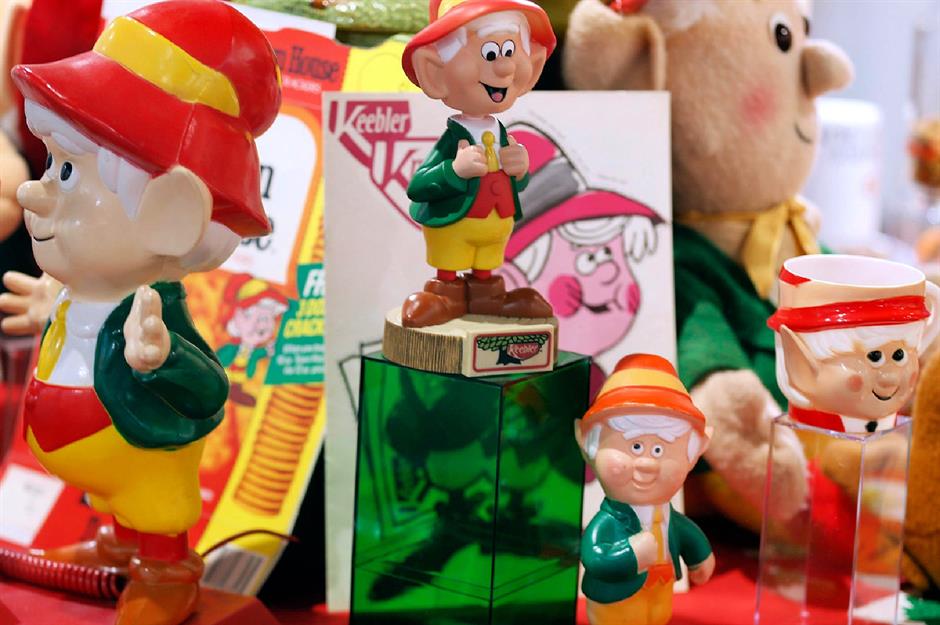
The famous elves that brought Keebler to further national attention through a series of TV commercials first appeared in 1968. The creation of the Leo Burnett Co., the elves came to the Hollow Tree Bakery for 'uncommonly good' cookies, and they've been doing so ever since. However, even though the cookies are still going strong, the company has had mixed fortunes in the 21st century.
Sponsored Content
2. Keebler
In 2001, Kellogg's bought Keebler for $4.4 billion. The company was in charge until 2019, when it sold part of the Keebler catalogue to Ferrero for $1.3 billion. These days, Ferrero is responsible for Keebler's cookies, crusts, and cones, while Kellogg's is still responsible for the crackers and chips. Still, there's no sign of those elves disappearing just yet.
1. King Arthur Baking Company
The King Arthur Baking Company opened its doors while the US was still figuring out what it was going to be. In 1790, there were only 13 states in the country, and George Washington had only been president for one year. But that didn't stop Henry Wood from setting up shop importing flour into Long Wharf in Boston. Henry Wood & Company – as it was known then – was the first flour company in America.
1. King Arthur Baking Company
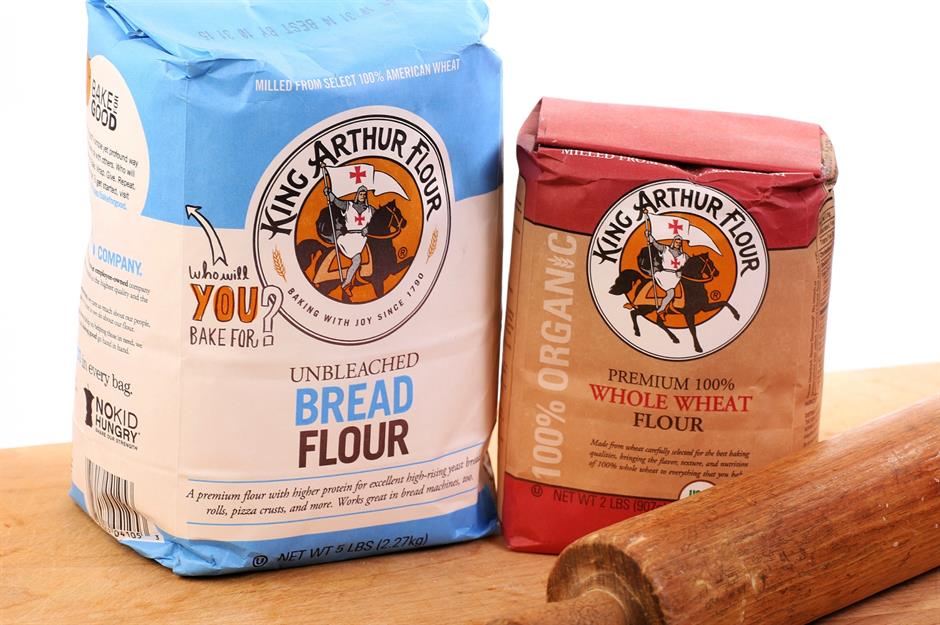
In the 1820s, Henry Wood & Company switched from importing flour from England to milling US-only wheat. Two things made this possible – the first being the expansion of the United States and the rapid growth in wheat farming. The second was the arrival of the Erie Canal midway through the decade. It was another 70 years before the brand became known as King Arthur, a name chosen for its pure and honest connotations.
Sponsored Content
1. King Arthur Baking Company
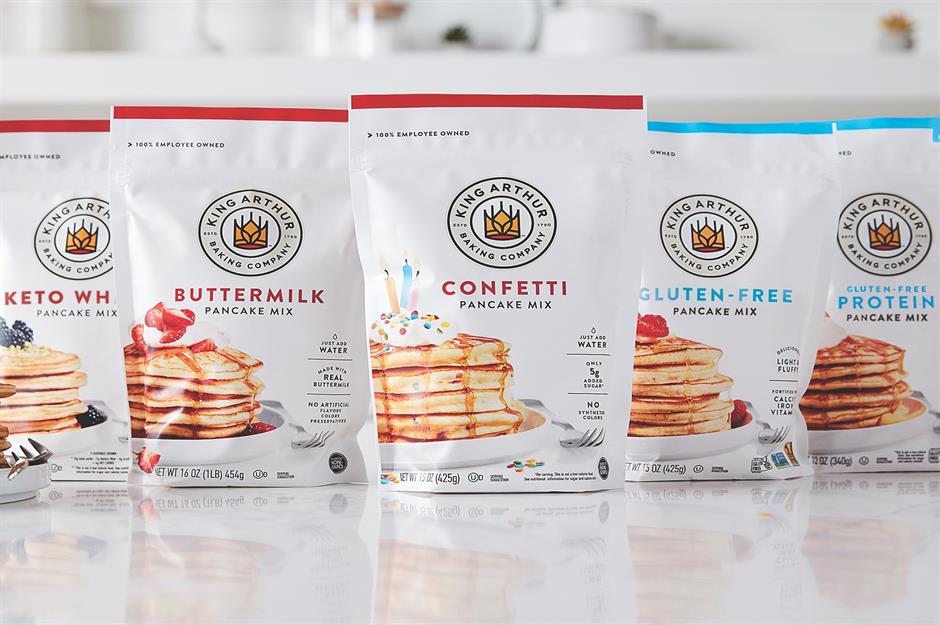
The 21st century brought a twist that's somewhat unusual for a centuries-old company. Instead of being sold to a competitor or a larger conglomerate, King Arthur sold itself to its employees. That's right: it's 100% owned by the people who work there. The business renamed itself the King Arthur Baking Company in 2020 to better reflect its varied portfolio.
Now read about the beloved American food brands that no longer exist
Last updated by Laura Ellis.