The new takeout rules you need to know
A guide to ordering food during a pandemic
Thoroughly wash your hands
Research your delivery app
Sponsored Content
Some apps are greedier than others
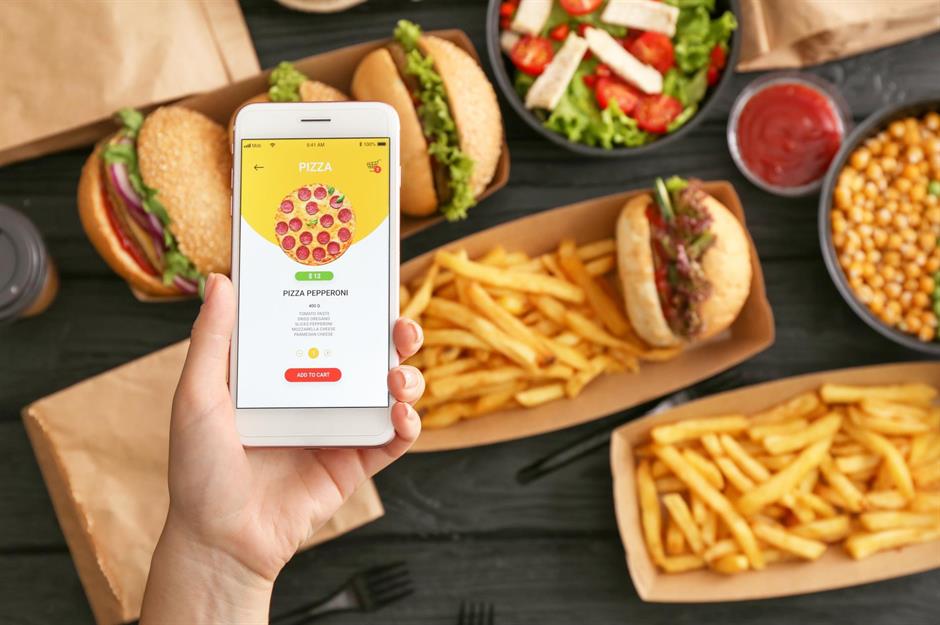
Delivery numbers have spiked amid the coronavirus crisis and some apps have upped their fees for either users, restaurants or both. In fact, New York City has now placed a cap on how much delivery apps can charge restaurants to use their services. And apps operating in Chicago must provide itemized receipts that show exactly where (and to whom) your money goes – although some restaurants have said that companies have largely ignored this mandate. In the UK, Deliveroo takes up to 35% commission on orders.
Order directly from restaurants if you can
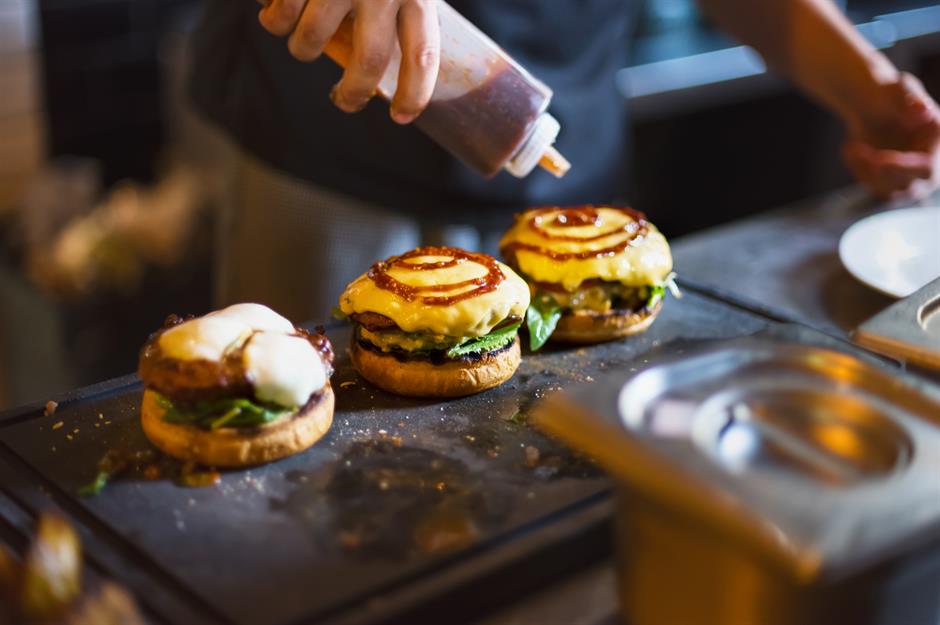
Ask about safety precautions
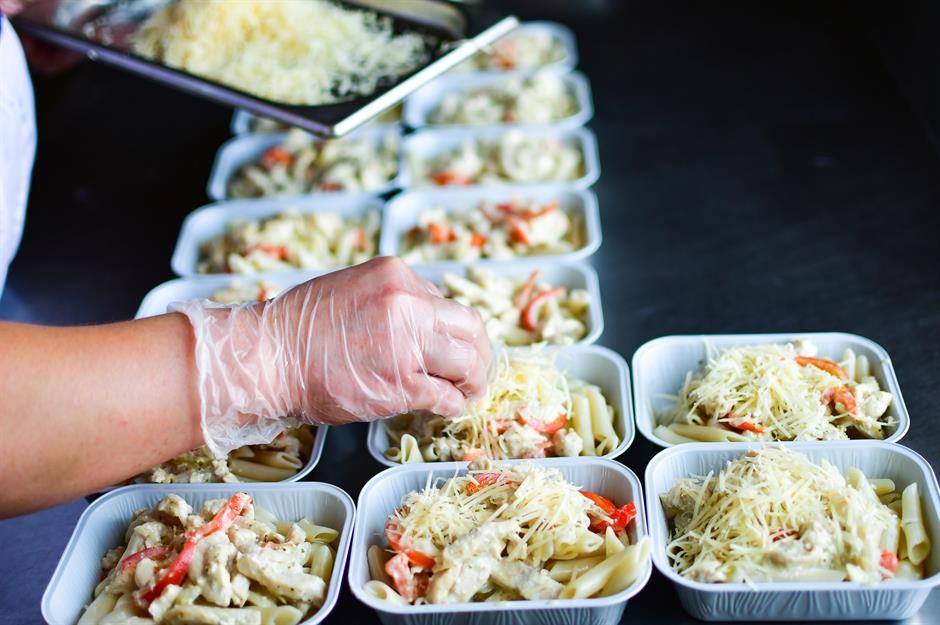
Before ordering, check with the restaurant and ask what precautions are in place when it comes to the people who are handling your food. Getting this kind of feedback can help you decide if you feel comfortable ordering food from them.
Take a look at these favourite takeaway dishes to make at home
Sponsored Content
Know the rules and recommendations
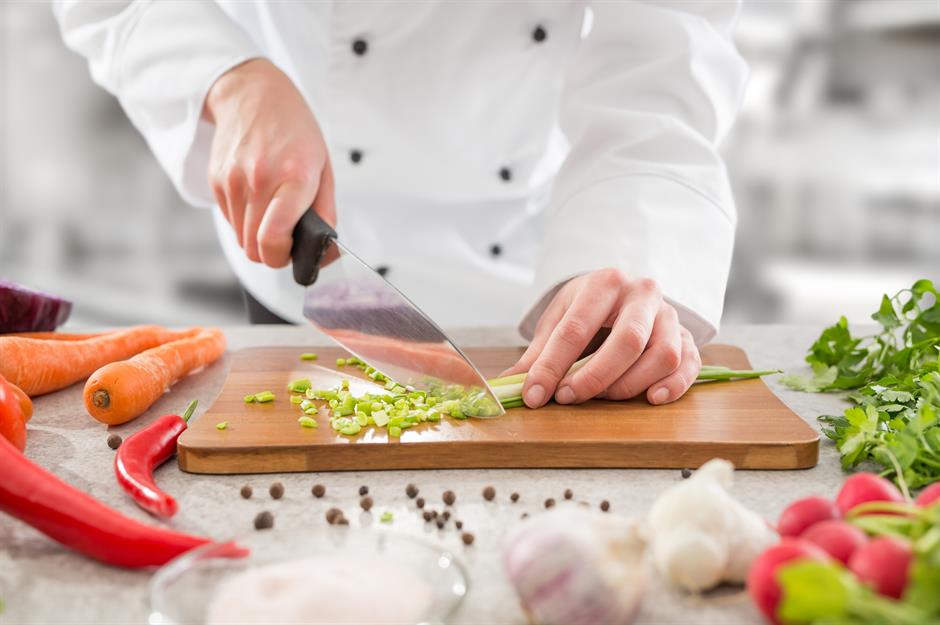
It may come as a surprise but the US Centers for Disease Control and Prevention advises food workers not to wear gloves when preparing or packaging food. Why? They found that workers tended to wash their hands less when they were wearing gloves. The specific rules and regulations will vary from city to city and country to country, so do your research and know the protocols they should be following before you call.
Ditch the disposable utensils
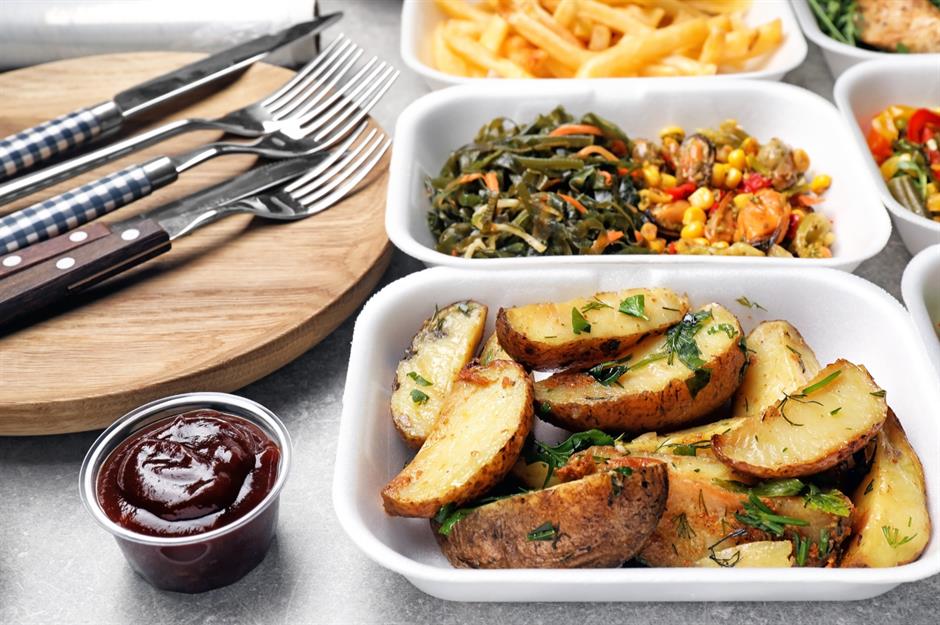
Tip your driver well
Sponsored Content
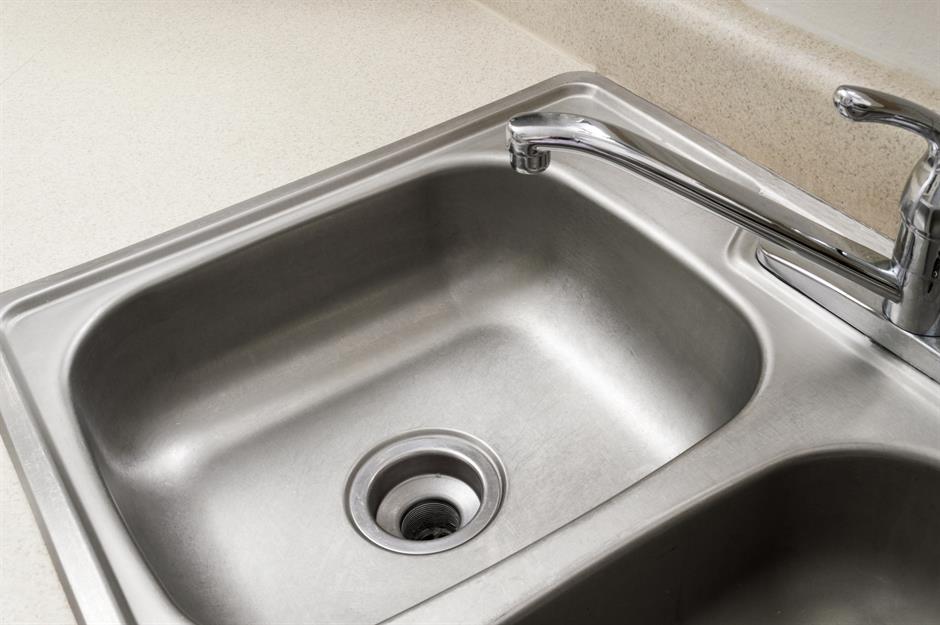
Put your delivery bag in the kitchen sink
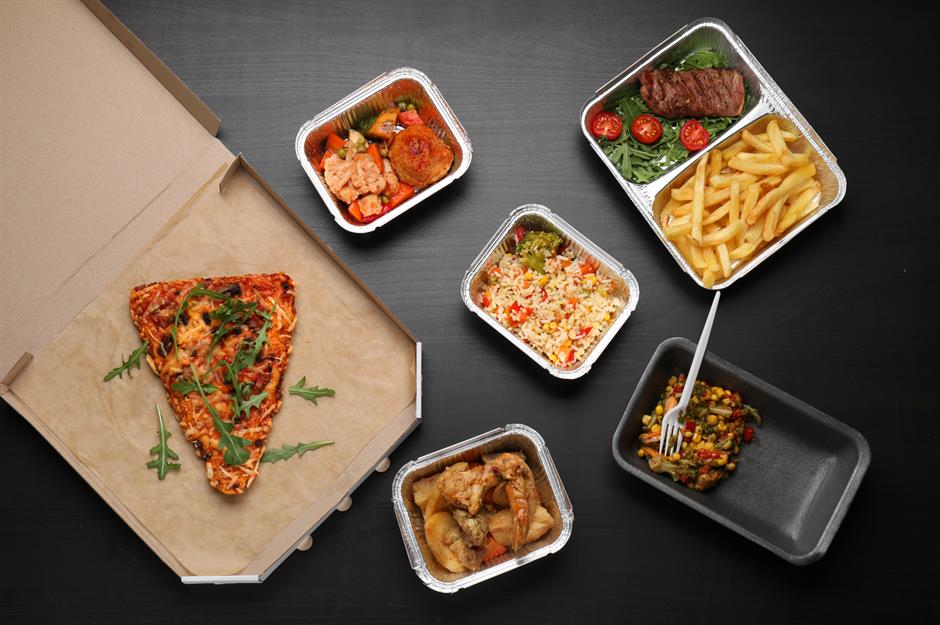
Clear an area to sort delivery containers
Re-plate food before eating
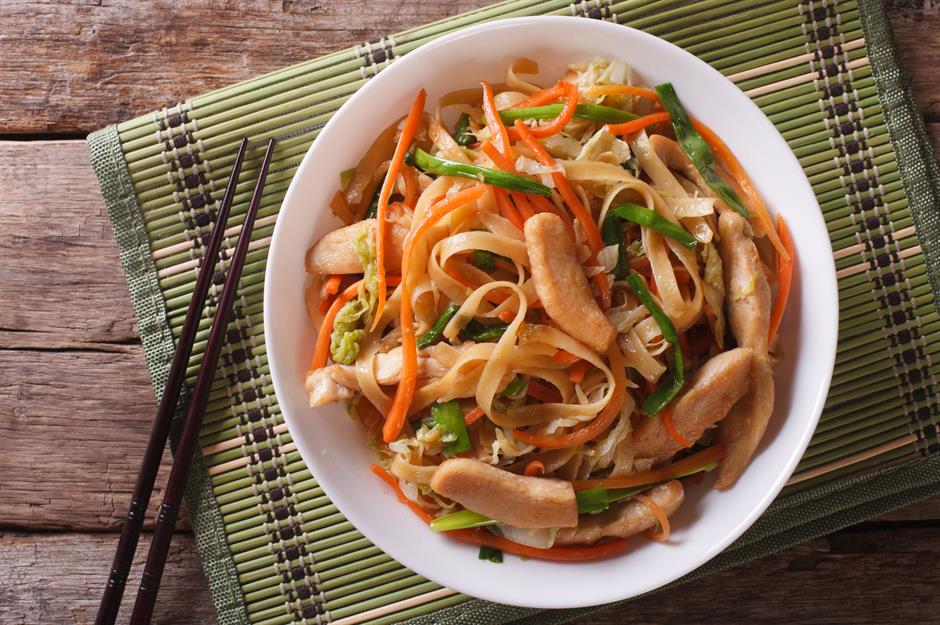
We know you're hungry but resist the urge to eat food straight out of the takeout container. Although the risk of infection from food packaging is thought to be very low, some studies have shown that the virus can live on cardboard for up to 24 hours and on plastic for several days. Stay safe and transfer food into a dish or plate you've got at home before eating it.
Sponsored Content
Wash or sanitise hands between each step
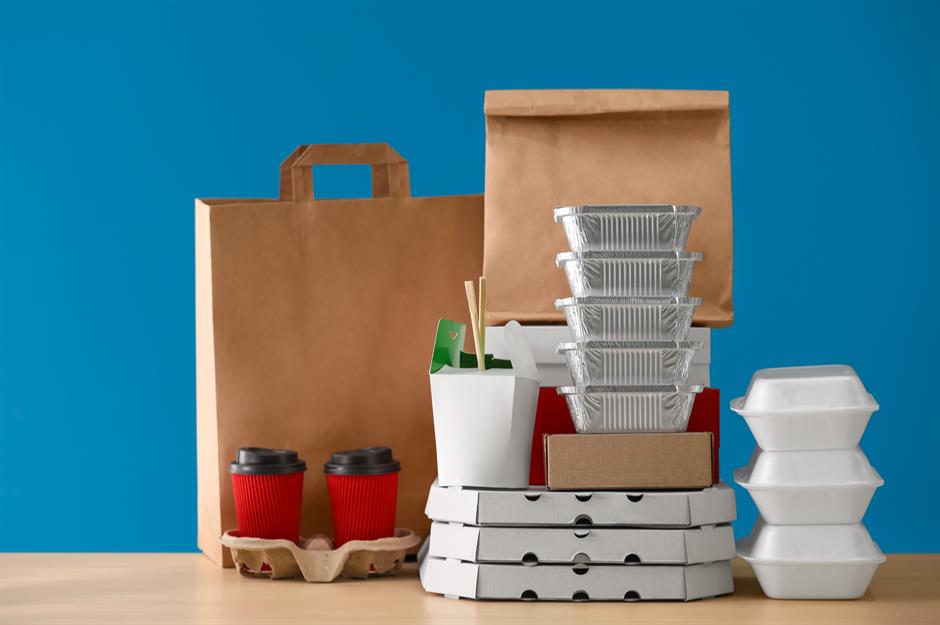
Throw away all delivery containers and bags
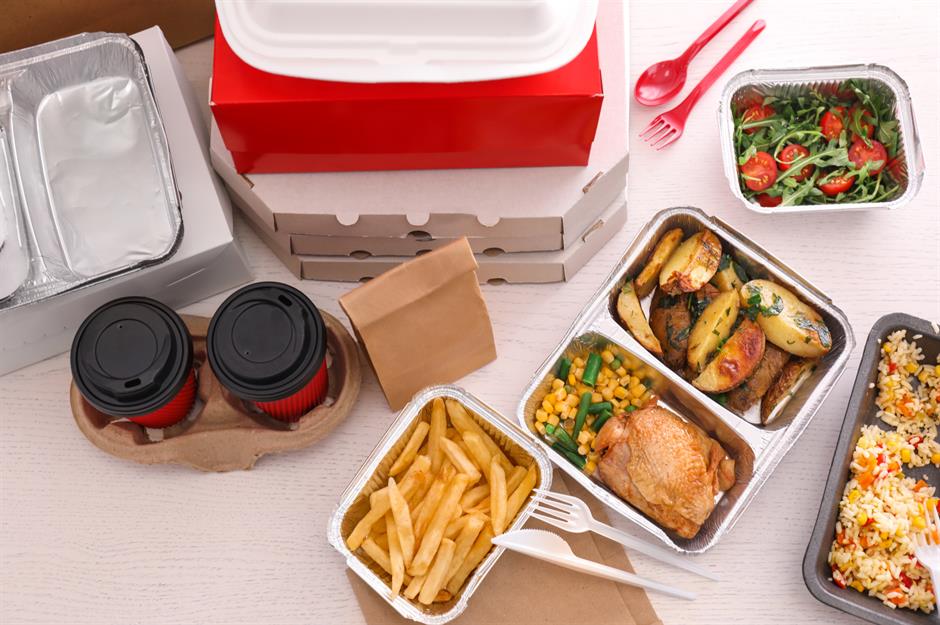
Wipe down the counter and sink
Sponsored Content
Store leftovers in your own containers
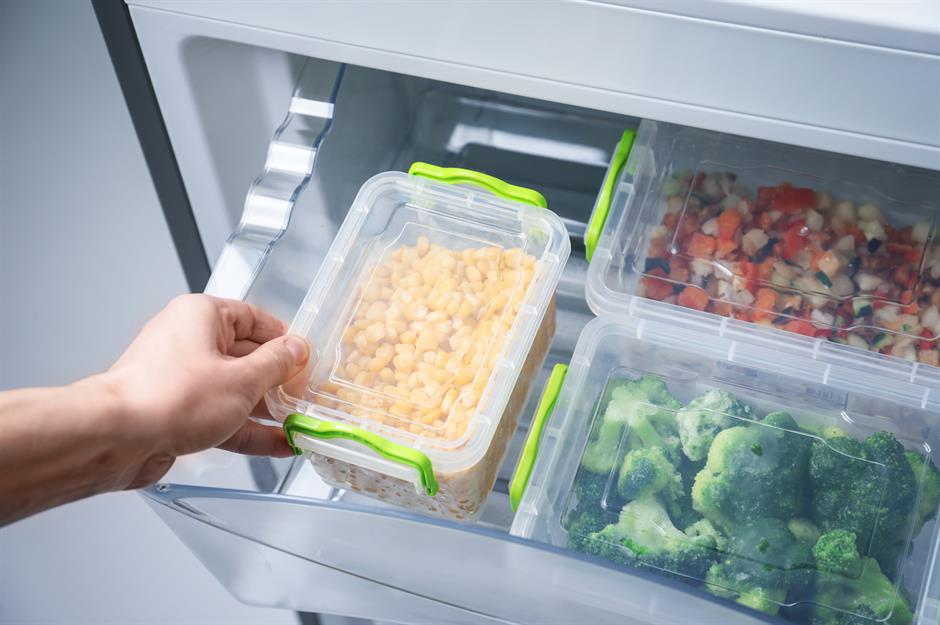
Didn't finish all your food? Don't store leftovers in their original delivery containers. Instead, pop whatever's left into your own food storage containers or plastic bags. This way you prevent any possible contamination getting inside your fridge and on the shelves.
You don't have to stick to hot food
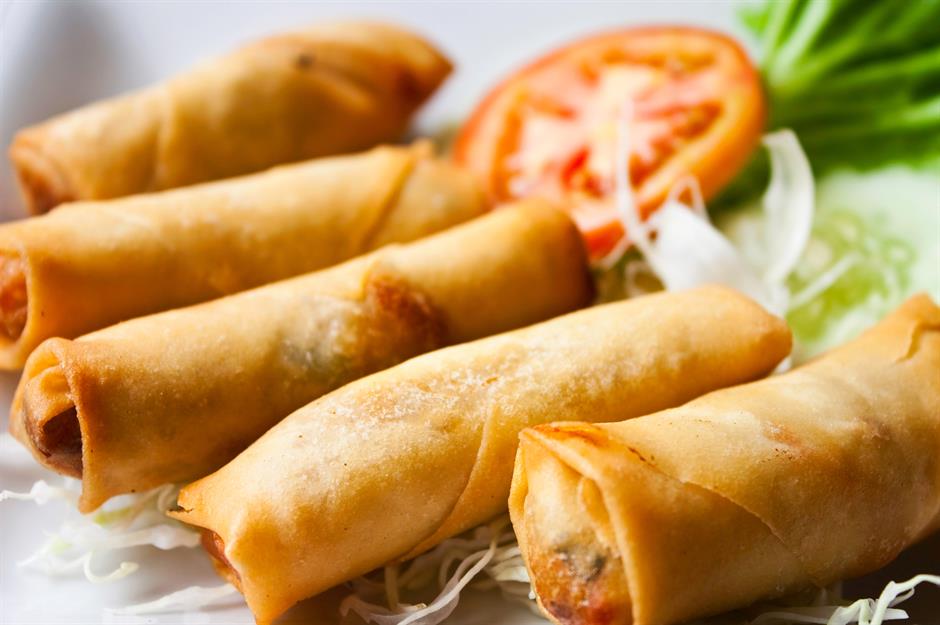
Many diners think ordering hot food is safer than ordering cold food since cooked foods have been exposed to high temperatures that could kill the virus. However, no evidence confirms that hot foods are safer. Besides, even if a food is cooked hot, it's handled by various people before reaching your dinner table.
The riskiest part of delivery is the drop-off
Sponsored Content
Choose contactless delivery whenever possible
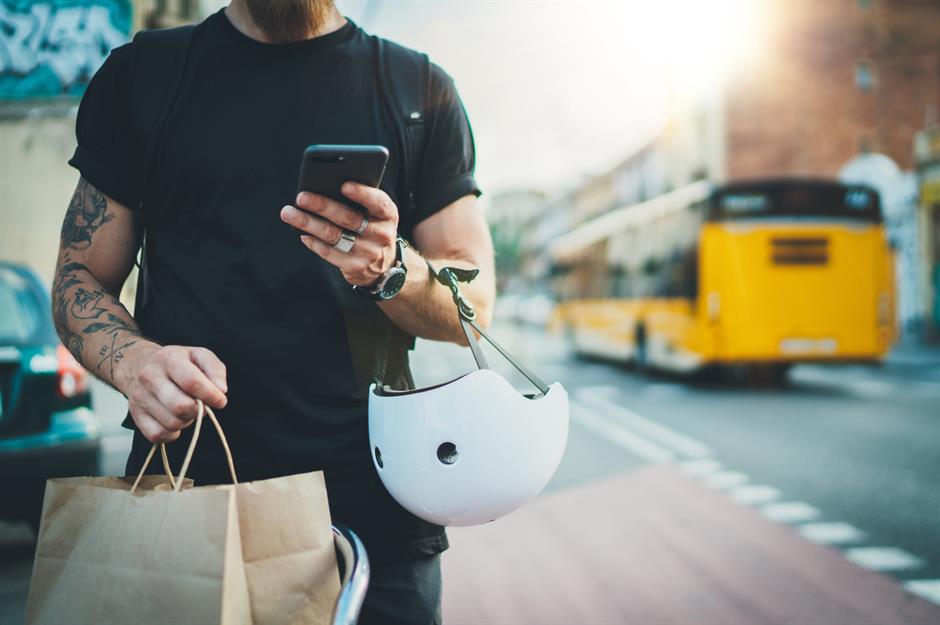
Pre-pay for your meal and the tip
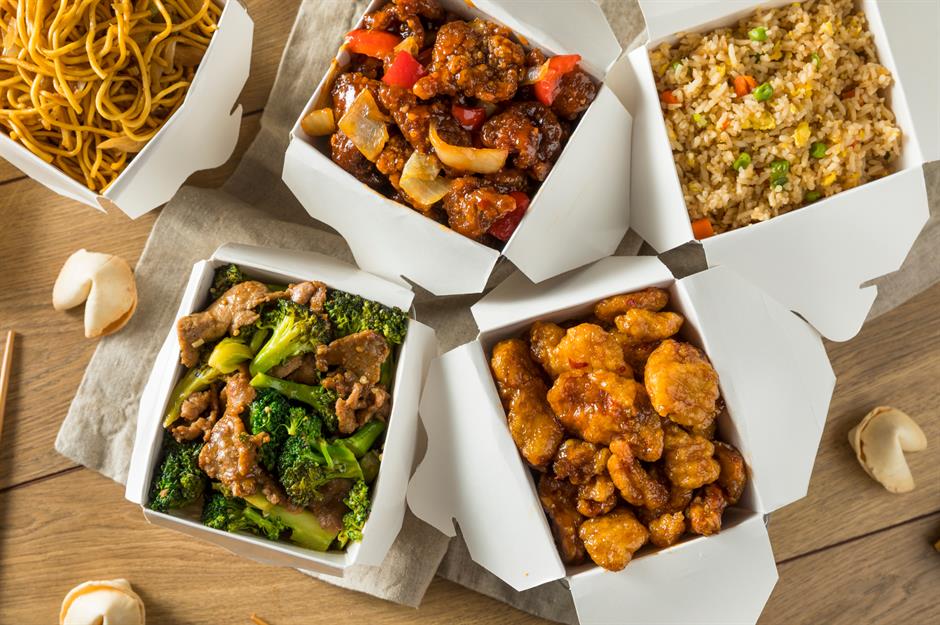
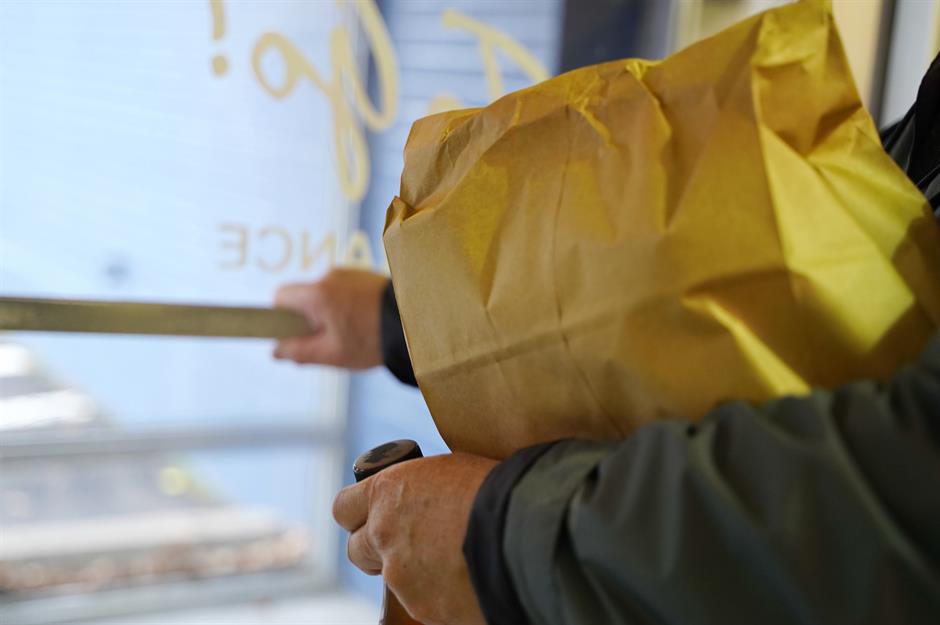
Wear gloves for food pick-up
Sponsored Content
Wear a mask at the drive-thru
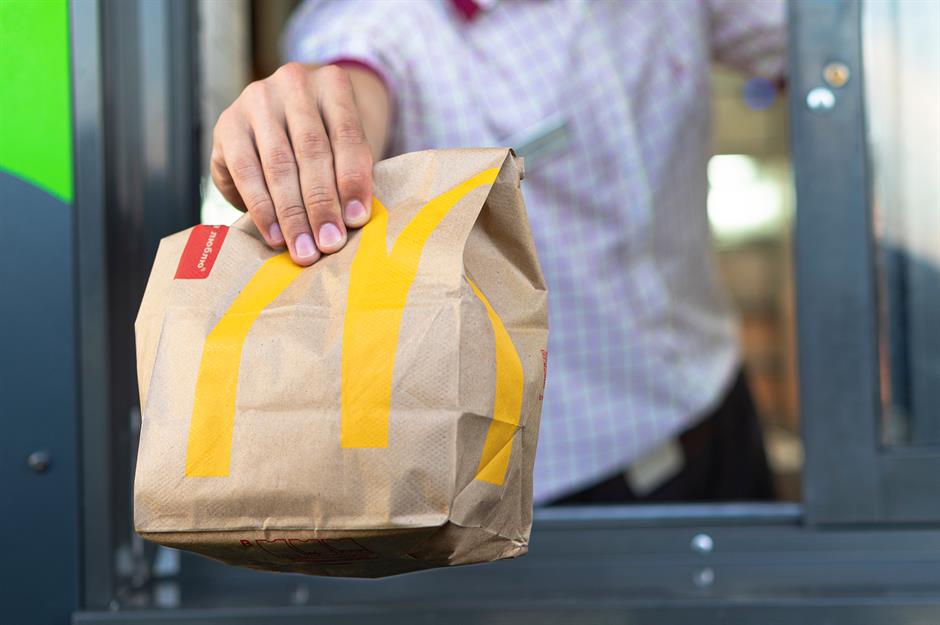
Getting your food from a drive-thru? Wear a mask when you approach the pick-up window to help protect you. Drive-thru pick-ups are a little riskier than delivery since you will have a direct handover, so be prepared and take precautions.
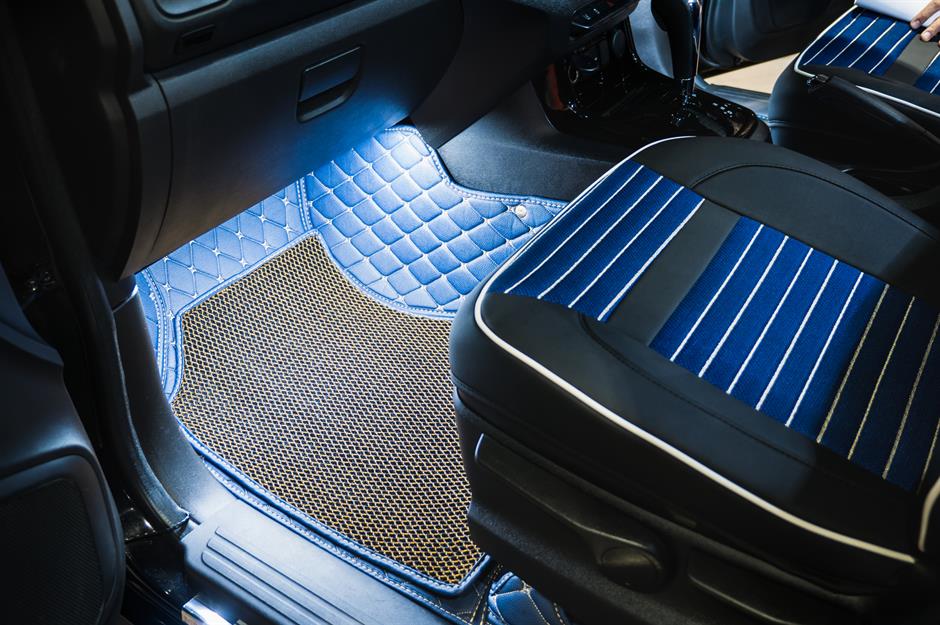
Place pick-up orders on the floor of your car
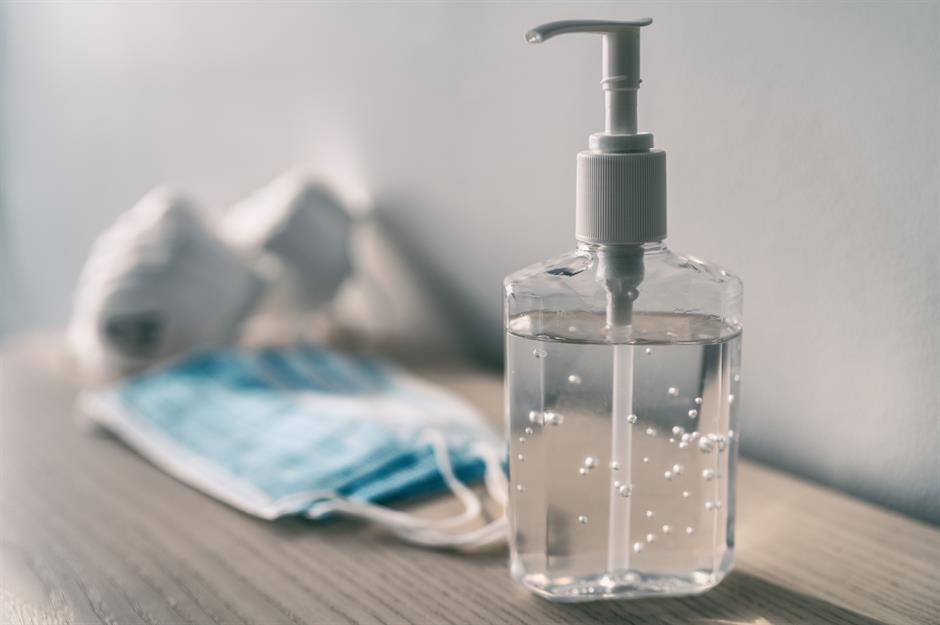
Have hand sanitiser at the ready
Sponsored Content
Be safe with mail-order meal kits, food and delivered groceries too
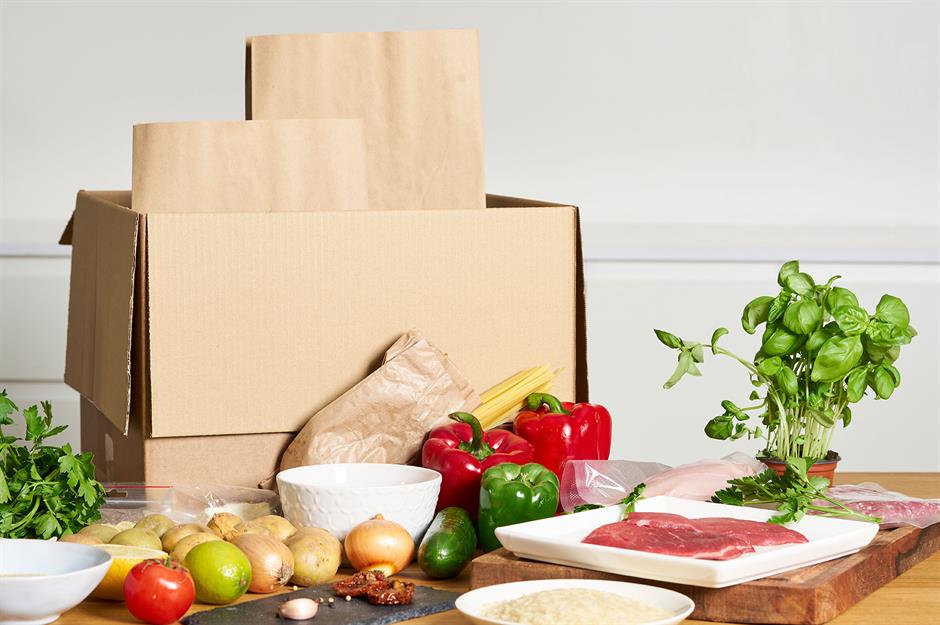
Mail-order meal kits, food and delivered groceries are convenient and can be another way to support restaurants and producers, who have pivoted to offer this option. But proper food safety during transit is paramount. Make sure the company uses insulated packaging and food is cold or frozen, if it should be. Ensure someone is at home to receive the delivery so it can be stored correctly straight away, instead of sitting out.
Food is safer than you may think
Worried that you might contract coronavirus from your food? According to experts, it's not likely. COVID-19 is mostly spread person-to-person through respiratory droplets, and there's currently no evidence to suggest that handling food or consuming food is associated with coronavirus. And, although it's not nice to think about a cook accidentally sneezing or coughing while preparing your food, the likelihood of catching the virus in this way is low.
Wash your hands before eating
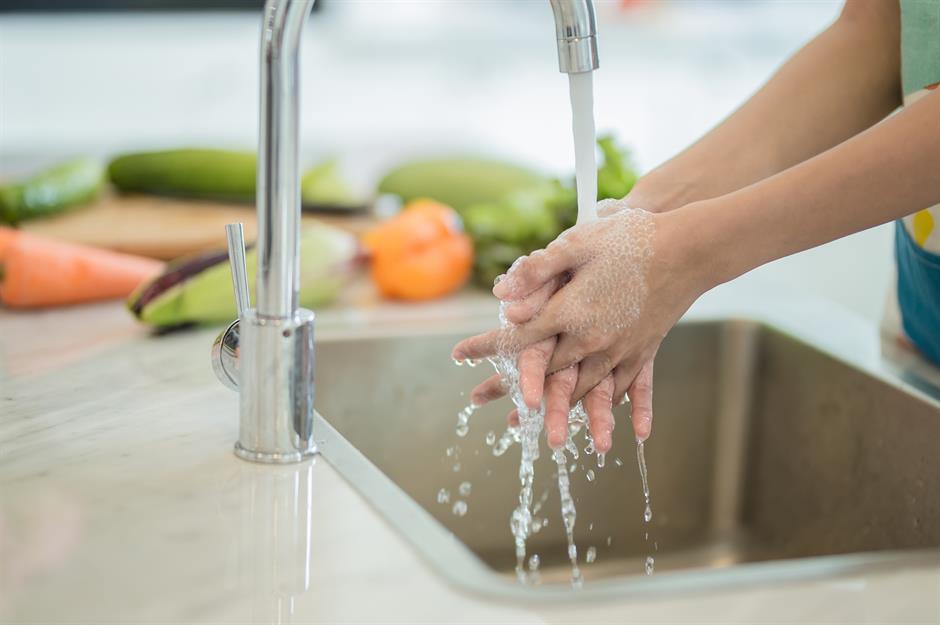
If there's only one thing you take away from this, let it be that you need to wash your hands before you eat. Use soapy water and lather up for 20 to 30 seconds. This will effectively kill any possible bits of the virus that you may have come into contact with on your food packaging. Now, relax, enjoy and eat.
These are the fast food failures we wish would make a comeback