Bananas and other favourite foods that could face extinction
Foods in danger
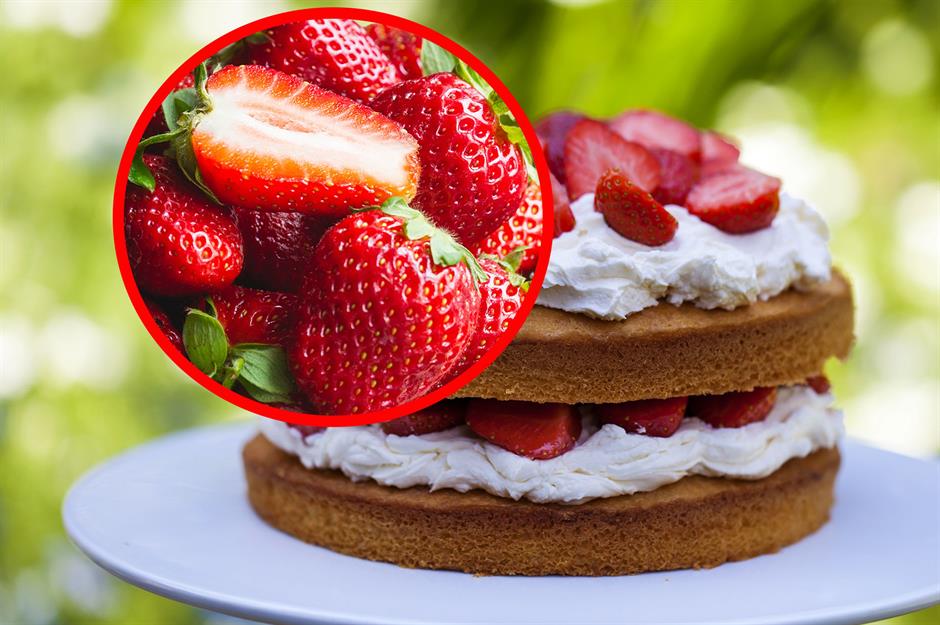
There’s nothing like relaxing with a chunk of dark chocolate to help you unwind after a busy day. Or perhaps you look forward to the smell of freshly brewed coffee in the morning, or love an energy-boosting banana to get you through a workout. But these little pleasures may be under threat. Global warming, extreme weather and deadly diseases could soon make some ingredients extinct – and some of our favourite treats are on the hit list.
Click or scroll through our gallery to discover the popular foods that could face extinction, counting down to the most endangered of all.
We've based our ranking on the perceived threat to each food, and on the opinions of our well-travelled (and well-fed) team. The list is unavoidably subjective.
26. Onions
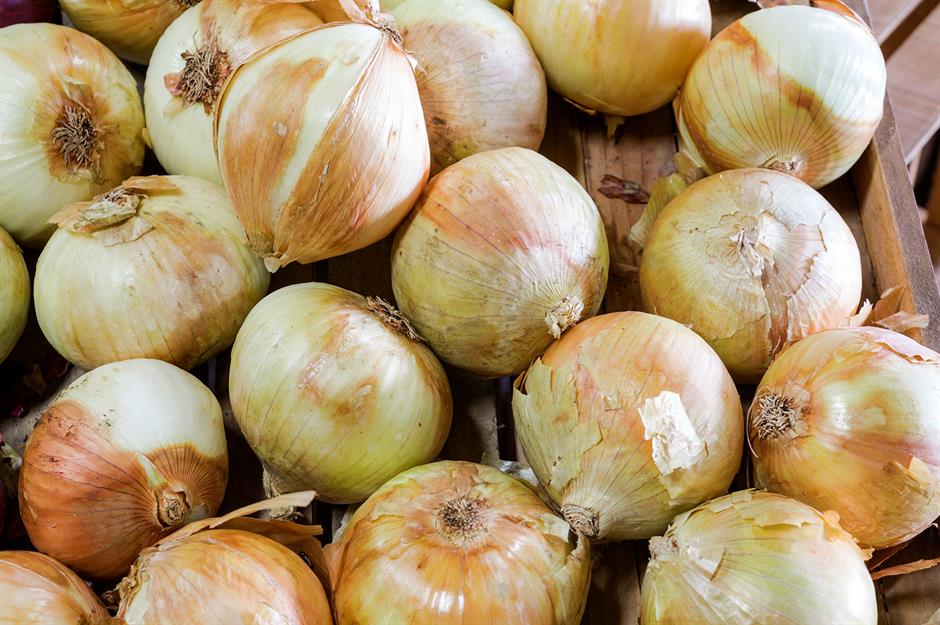
Onions are one of the most versatile vegetables to have in your kitchen, capable of everything from being the perfect base for a stew to becoming the star of the dish. They're also valued for the many health benefits they promote in our bodies. Yet despite how vital this crop is, it's becoming increasingly crucial to preserve it for future generations. The main threat is climate change, which is putting an overwhelming amount of pressure on sustainable agriculture.
25. Carrots
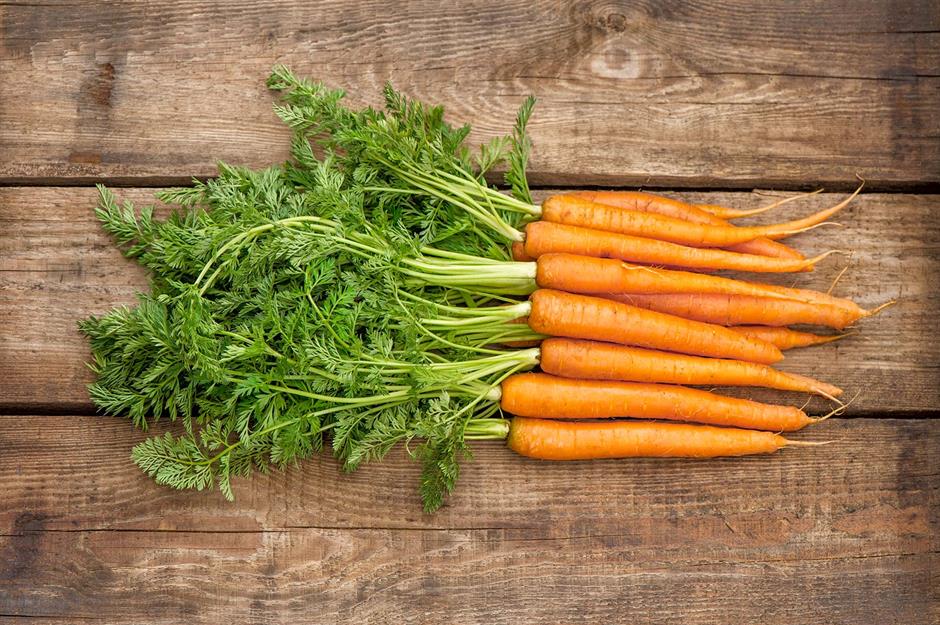
The UK alone produces around 700,000 tonnes of carrots every year – yet according to experts at Kew Royal Botanic Gardens in London, this vegetable is in crisis. There are no prizes for guessing the cause, as carrot crops can be easily destroyed by extreme weather and aren't especially happy during hot summers, either. One solution that Kew is experimenting with is growing wild carrots (as opposed to cultivated carrots) to see if they are more resilient to the effects of climate change.
Sponsored Content
24. Apples
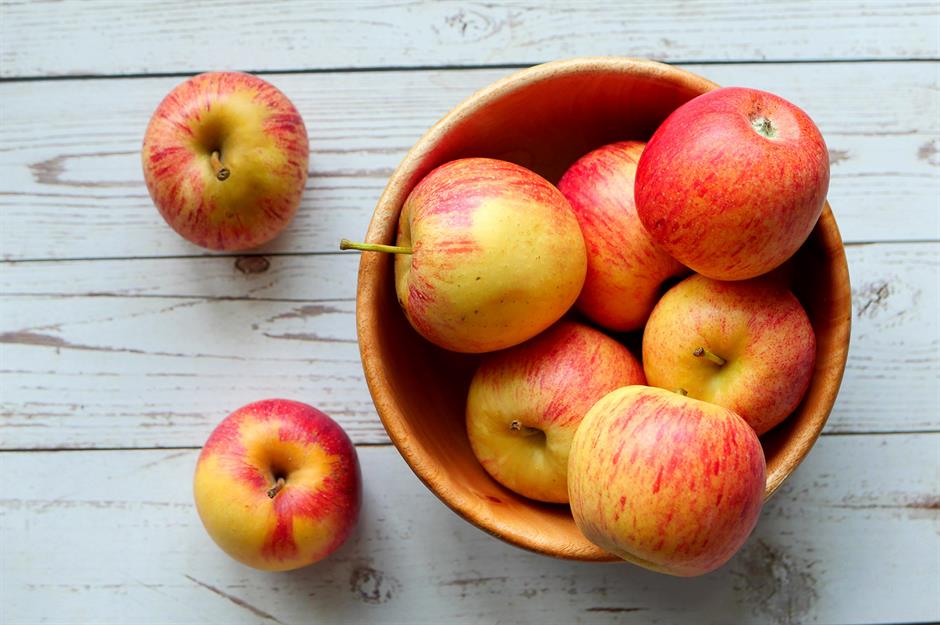
Apples as a whole aren't on their way out just yet, but thousands of varieties of apples could become extinct due to benevolent neglect. In Britain alone, there are more than 2,000 varieties of apple that aren't getting a look in because the likes of Gala and Braeburn are so popular. People around the country are doing good work by bringing back disappearing varieties, but if consumers don't start seeking out different apples regularly, some of them could disappear for good.
23. Salmon
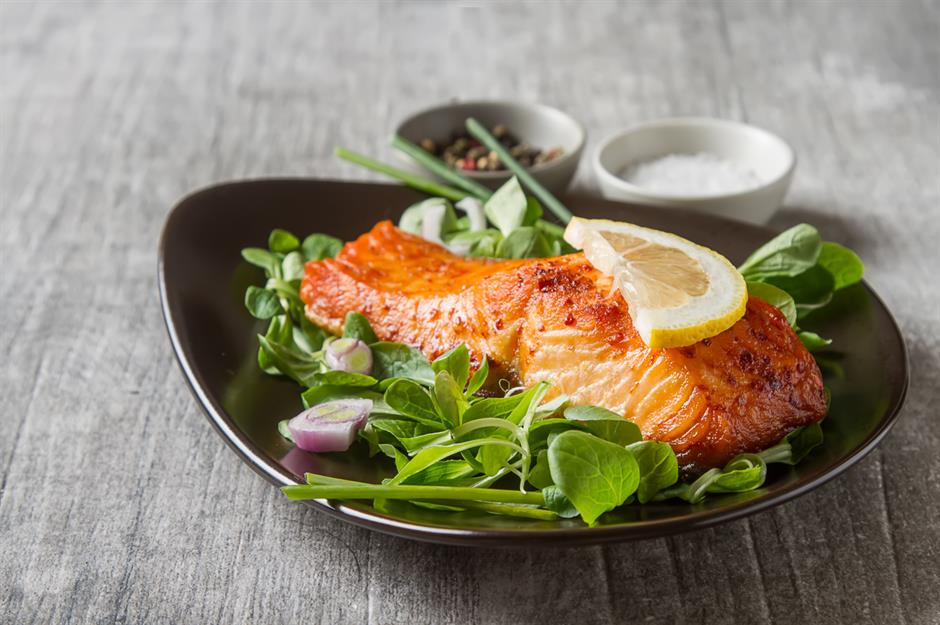
Salmon is one of the most consumed fish in the world, but experiments suggest that ocean acidification could have an impact on populations. As the world's oceans absorb carbon dioxide, the PH level of seawater decreases, causing them to become more acidic. This affects calcifying species such as oysters, clams and sea urchins, which use calcium carbonate minerals to build up their skeletons and shells. In turn, salmon – and other fish higher up the food chain that rely on these organisms for food – could struggle to survive.
22. Tabasco sauce

Did you know that rising sea levels as a result of climate change are a threat to your favourite hot sauce? Tabasco has been made from fiery red pepper plants on Avery Island in the US state of Louisiana, for more than a century, but according to a report by British newspaper, The Guardian, in 2018, the island's marshes are now retreating by around 30 feet (9m) per year. It's thought that a further sea-level rise of two feet (0.6m) could almost entirely engulf the isle in water. But the 150-year-old tradition of harvesting on Avery Island is still going strong, thanks to the company planting grass to keep its factory safe.
Sponsored Content
21. Oranges
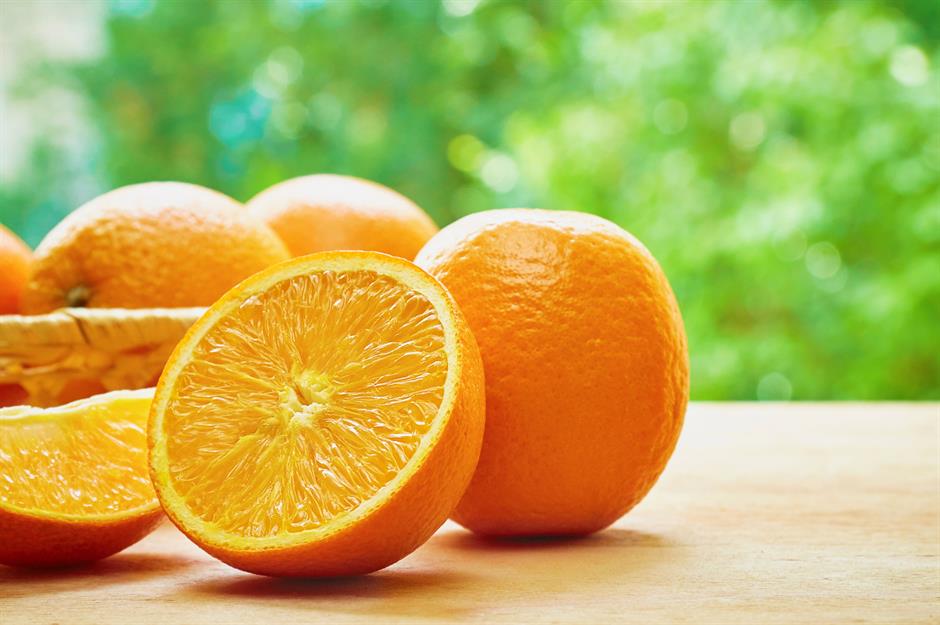
An orange makes for a refreshing snack, but these well-loved citrus fruits are at risk across the globe. Citrus greening disease, or huanglongbing, affected oranges in Florida so badly that the US Department of Agriculture said it's caused a 75% decline in the production of oranges since 2005. The disease, which causes yellowing leaves and eventually kills off the branches and roots of citrus trees, has also been detected in Bhutan, Brazil, China and elsewhere. But in 2023, researchers said they'd found a treatment to help the trees detect and fight the disease.
20. Maple syrup
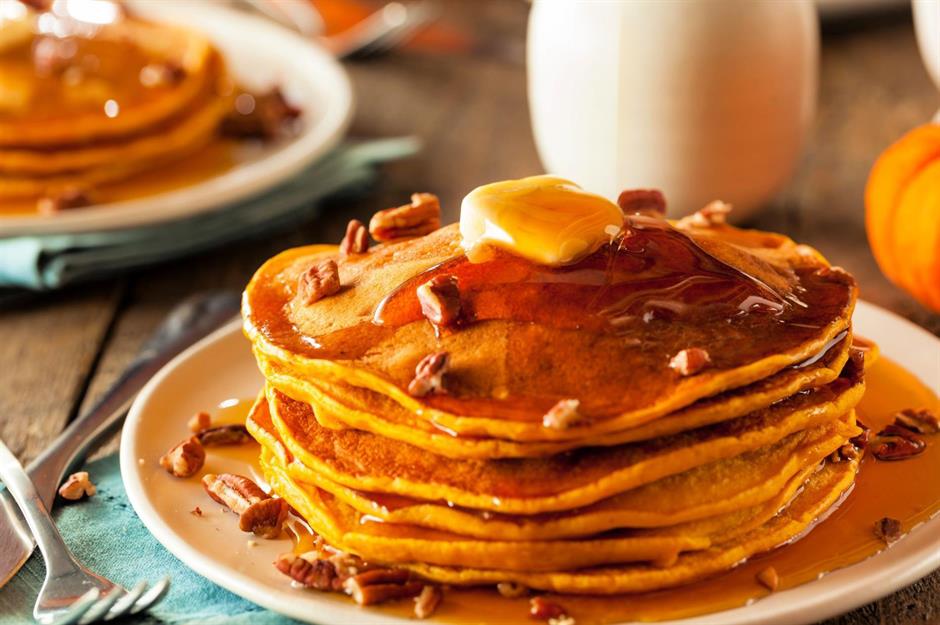
There's little better than pouring a glug of maple syrup over a generous stack of pancakes – but climate change could threaten your favourite weekend breakfast. Rising temperatures in US states such as Vermont and Michigan are impacting the growth of sugar maples and altering and shrinking tapping seasons. While producers are doing their best to mitigate the effects, maple syrup operations may be pushed farther north over the coming decades. A 2018 study in the journal Ecology suggested maple trees could die out in as little as 80 years.
19. Chickpeas
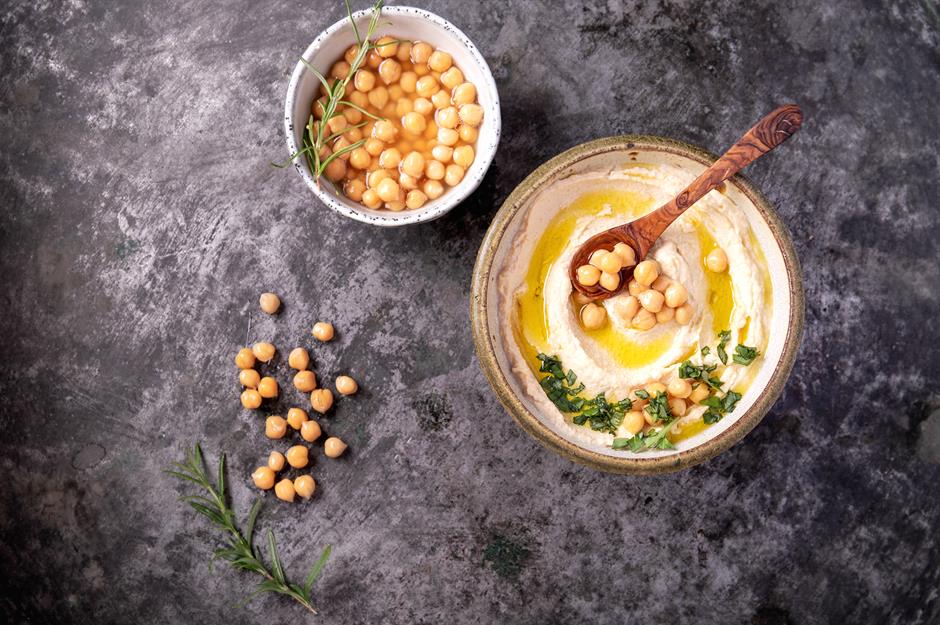
India is the largest chickpea producer in the world, and harvests here have been severely impacted by rising temperatures and droughts. As a result, it's been reported that chickpea production around the globe has been reduced by 40-50%. This is particularly bad news for vegetarians, as chickpeas can often be an essential protein for non-meat eaters. Fear not, though: researchers have had success testing 'drought-resistant' chickpeas as a response.
Sponsored Content
18. Peanut butter
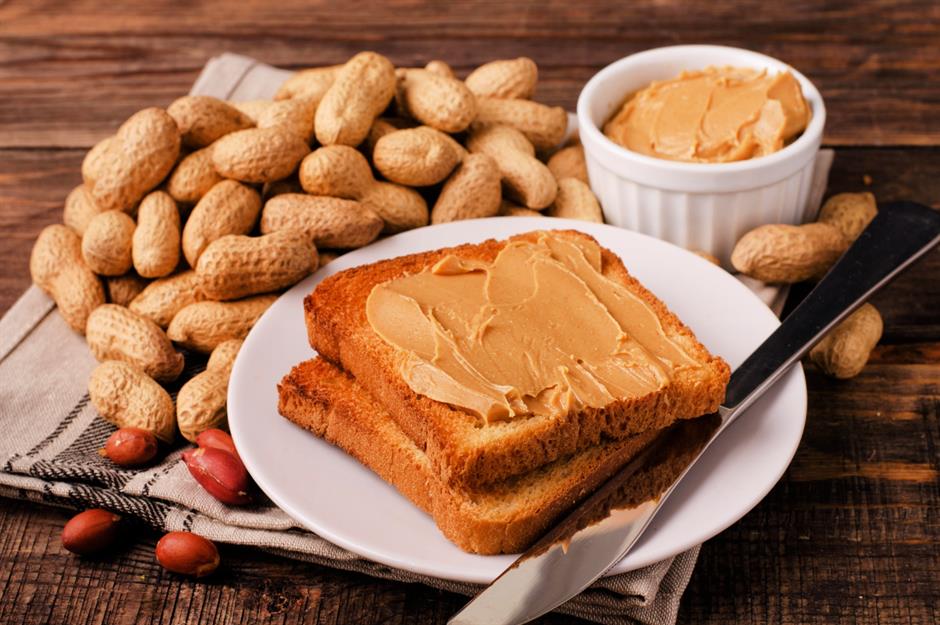
Love PB&J sandwiches? You might need to find an alternative. The National Oceanic and Atmospheric Administration in the US describes peanuts as 'fairly fussy plants' that require very specific conditions to grow, including 'up to five months of fairly consistent warmth, combined with about 20 to 40 inches of rain'. However, drought and heat waves across peanut-growing states in the US (including Texas and Georgia) are putting the future of peanuts, and by default peanut butter, at risk. In a bid to save them, experts are now researching drought-resilient peanut varieties.
17. Pasta
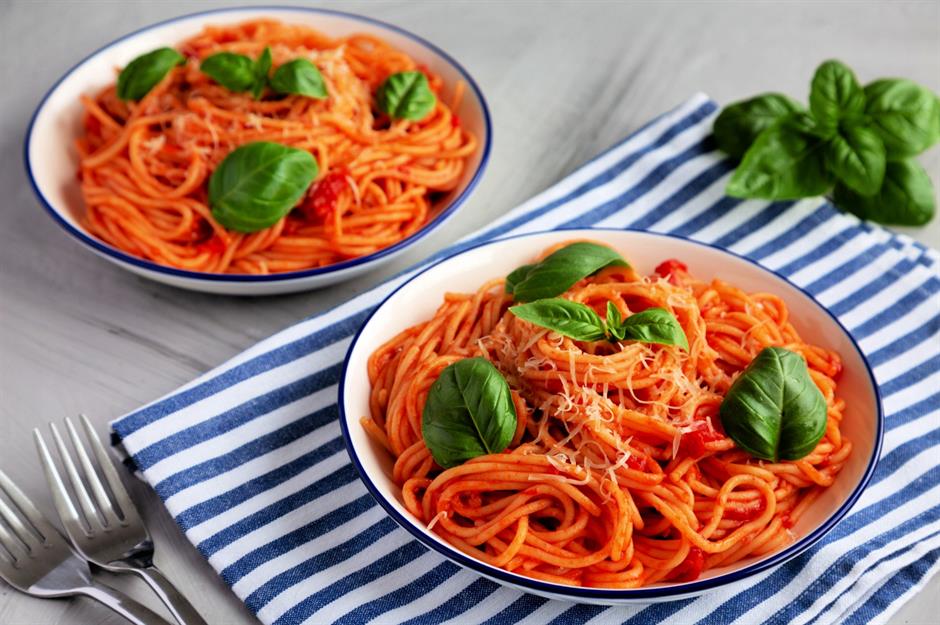
Pasta is made from durum wheat, a crop that favours cooler temperatures and can be negatively affected by too much (or too little) rainfall. Past reports have indicated that durum yields in Italy could see a steep decline from 2020, and the durum wheat harvest in the EU in 2022 was its lowest since 1997. It was a similar story in North Africa, where durum-producing countries are particularly vulnerable to climate change.
16. Avocados
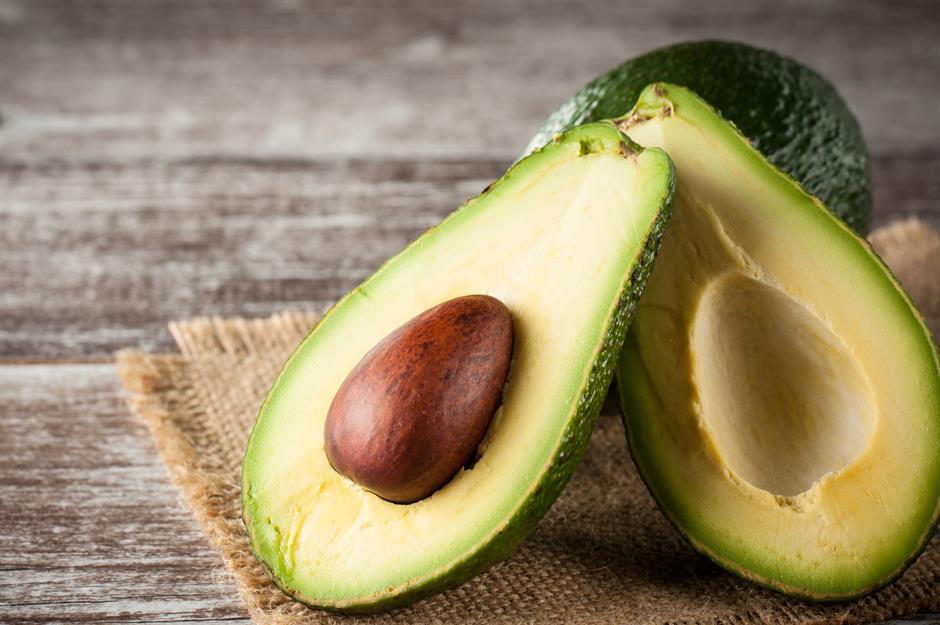
Favoured by trendy brunch spots across the globe, avocados have earned themselves a kind of cult status in recent years. But despite their popularity, their future remains uncertain. A massive 72 gallons (327l) of water is needed to grow just 1lb (450g) of avocados, and it's thought that available resources won't be able to sustain the mighty global demand. This is especially true given that California, a key avocado-growing state, has suffered severe droughts in the past decade.
Sponsored Content
15. Wheat
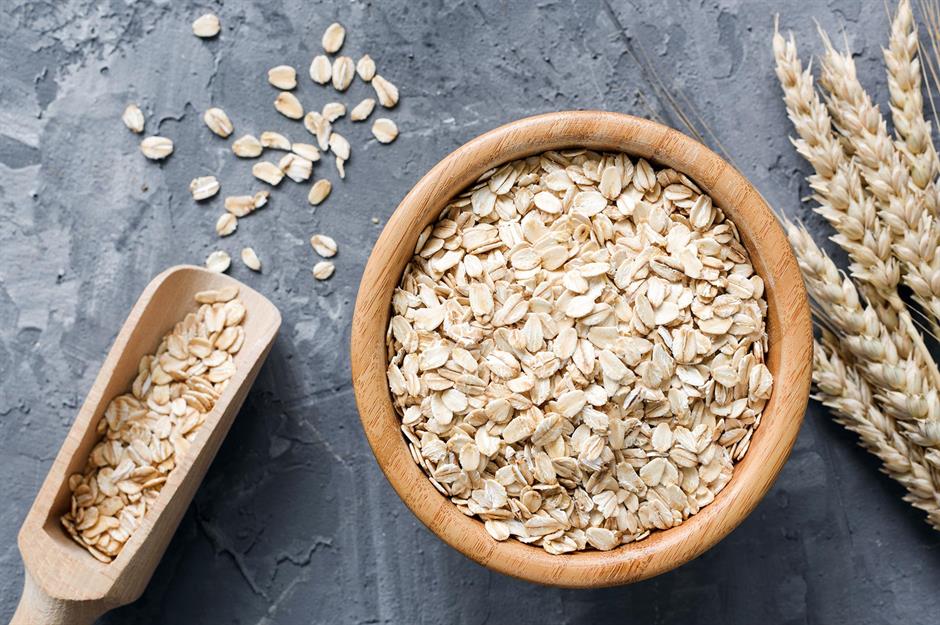
Wheat is a hugely important crop, but it’s also one of the most susceptible to the damage wrought by climate change. In the UK, the BBC reported that a particularly wet autumn in 2019, followed by a dry spring in 2020, resulted in the country’s wheat harvest falling 18% from the previous year. Farmers can try to combat this by rotating crops or thinking about growing other kinds of plant protein, such as beans and peas, while consumers could also look to beans and pulses to add variety to their diets.
14. Mussels

Mussels could be severely impacted by rising ocean temperatures. A 2015 study by Gothenburg University found that a temperature rise of just 2°C (3.6°F) could make mussels inedible as the warmer temperatures allow harmful bacteria and a type of toxin-producing plankton to thrive. Both can build up in mussels, making them poisonous to humans – and therefore swiping them from menus across the globe.
13. Coffee
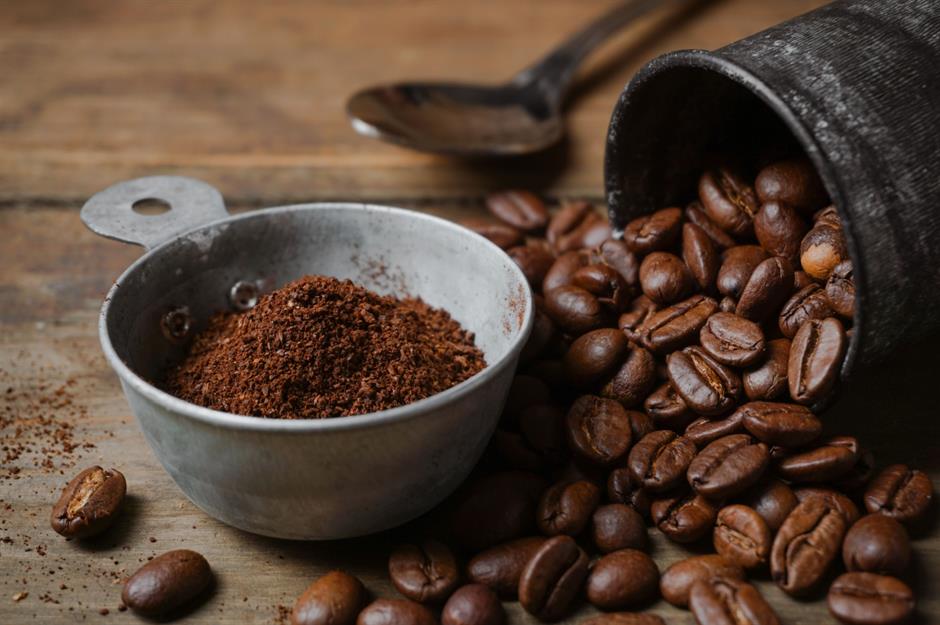
Many of us can't function without our morning brew, but according to a 2023 report by Christian Aid, climate change could reduce the land available for growing coffee by 54% by the year 2100. That's even if global temperatures meet the international targets outlined in the 2015 Paris Climate Agreement. Brazil and Vietnam, two countries that supply the UK with more than half of its coffee, are particularly vulnerable to climate change. There is some hope in stenophylla, a resilient coffee native to West Africa, that scientists say could help future-proof the drink.
Sponsored Content
12. Almonds
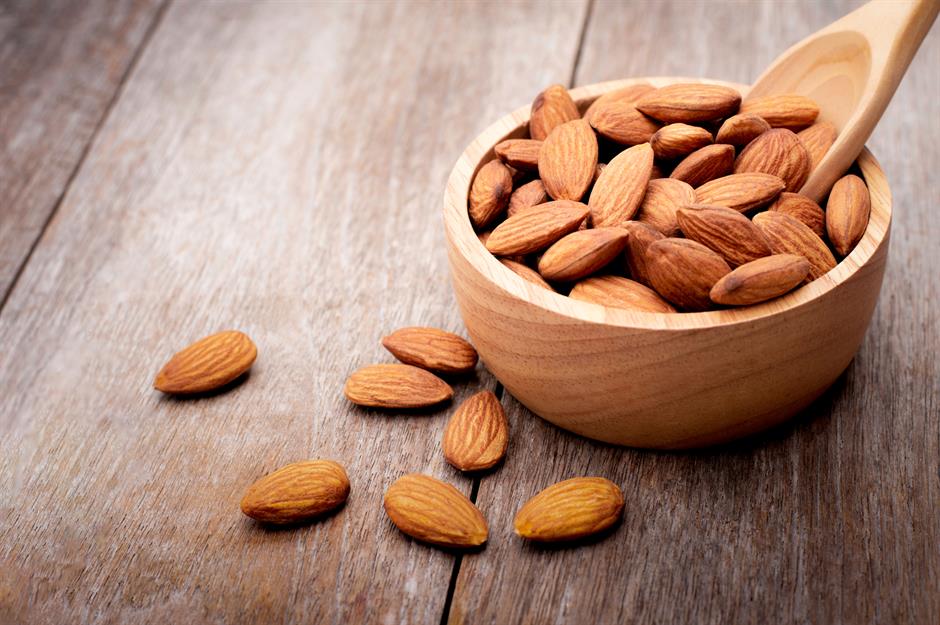
The demand for almonds and almond milk is ever rising, but there are questions over the sustainability of these items. The USA has a mammoth almond industry, and it relies on billions of bees sent to pollinate California's many almond trees. Sadly, though, billions of bees die in this process in part due to pesticides and parasites. The crops also have a significant water footprint. These large-scale agricultural methods pose a threat not just to your favourite healthy drink, but to the future of the honeybees themselves.
11. Chocolate
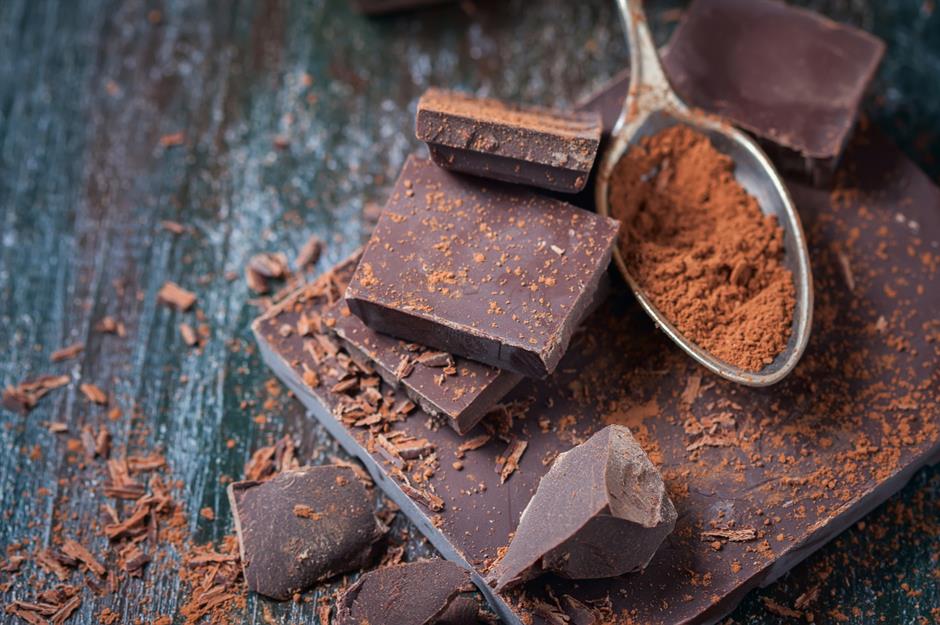
It might be hard to imagine a world without chocolate, but the sweet stuff is likely to be severely impacted by our changing climate, according to a study by the International Center for Tropical Agriculture. The report analysed plantations in Ghana and the Ivory Coast – two of the world's major cocoa producers – and concluded that, if temperatures were to rise by 2.3°C (4.1°F) by 2050, the land suitable for cocoa production here could reduce by a whopping 50%.
10. Peaches

Peaches and other stone fruits have already felt the impact of climate change. The main problem is fluctuating and unpredictable temperatures, leading to depleted crops and unpredictable harvest seasons. Early warm spells and intense cold snaps damaged yields in northeastern US states in 2016, and the same thing happened in 2023. The state of Georgia even lost roughly 90% of that year’s crop. If temperatures continue to rise, stone fruit won't get the time it needs to grow and develop the sugars it needs to taste delicious.
Sponsored Content
9. Blueberries
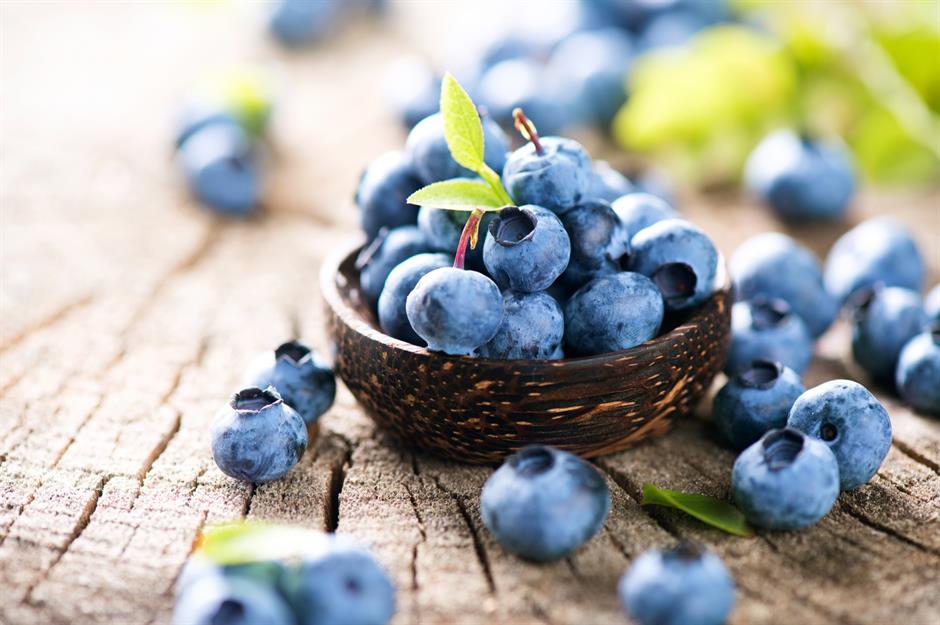
Three-quarters of the world's food crops depend on pollinators such as butterflies, beetles, birds and bees. But according to a report by the United Nations and others, insect pollinators are declining at an alarming rate. Factors including climate change and pesticide use mean many of these species could face global extinction. Devastating in its own right, this would also lead to the loss of fruits, including blueberries, which are insect-pollinated, mostly by honeybees.
8. Broccoli
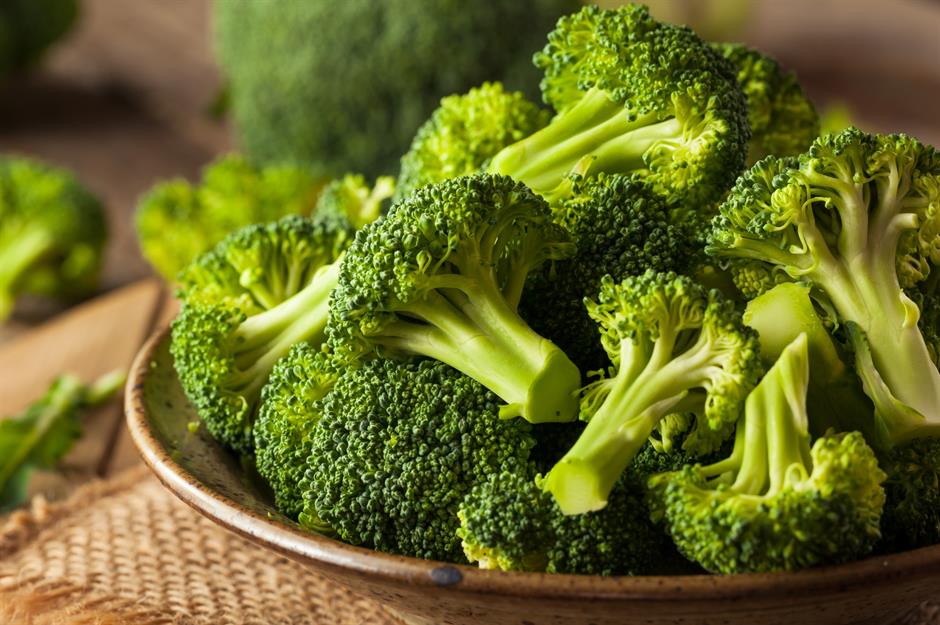
Broccoli is a staple veggie that relies on pollination from honeybees to exist. However, according to a 2020 report from the University of Ottawa, the rate of decline in the honeybee population is 'consistent with a mass extinction'. The lead researcher, Peter Soroye, told The Guardian newspaper that "these species could vanish forever within a few decades". Some studies say that broccoli has already been affected by inadequate pollination and reduced diversity in pollinators.
7. Honey
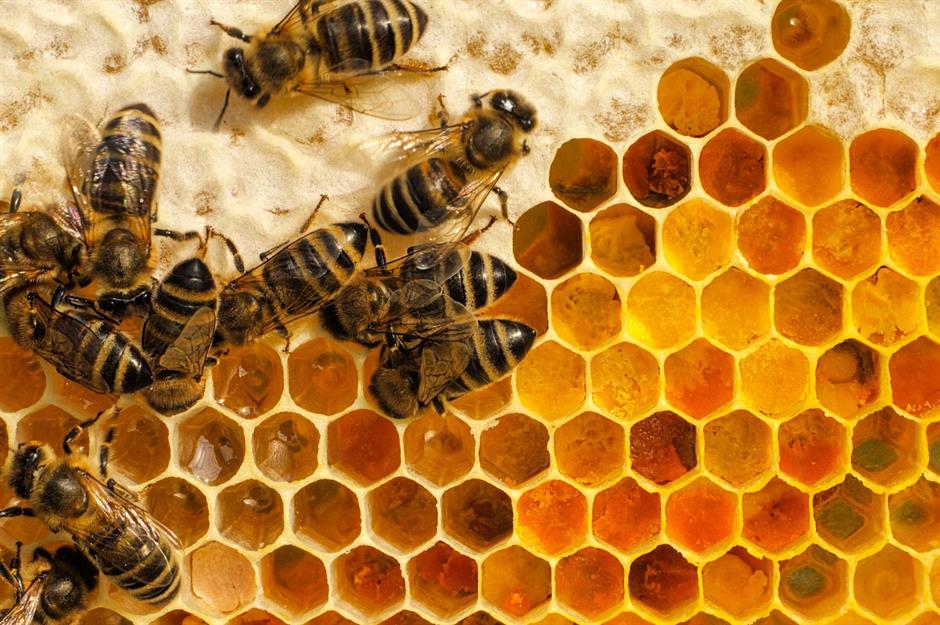
Of course, the production of honey relies entirely on bees. They collect flower nectar and break it down before depositing it into a honeycomb for their own use. The process of evaporation, spurred on by the honeybees' fanning wings, produces the final sweet, sticky result. Without bees, honey would be impossible to make. And if bee populations continue to decline due to a combination of climate change, habitat loss, disease and other factors, that could soon be a reality.
Sponsored Content
6. Vanilla
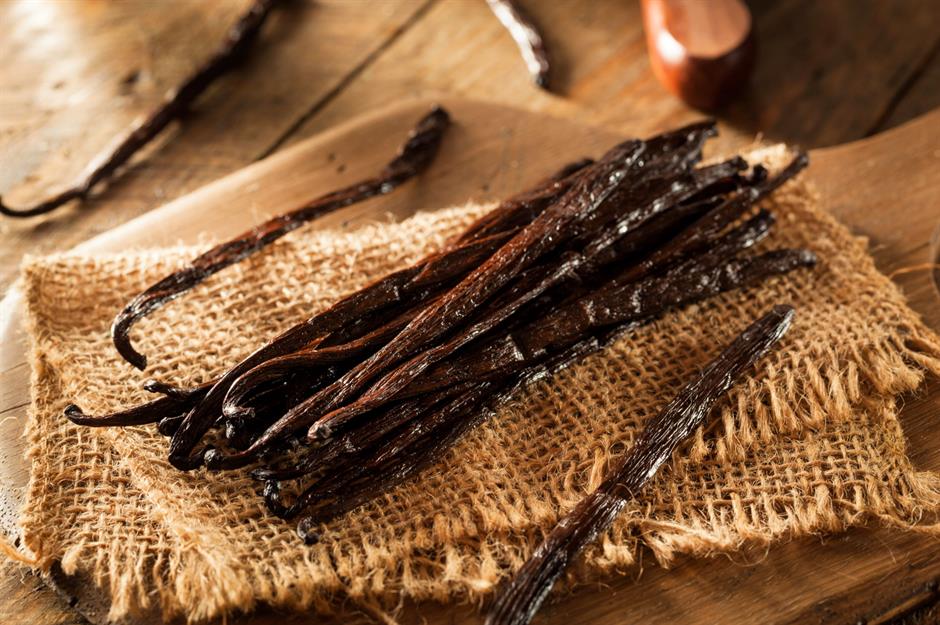
Vanilla ice cream, vanilla cupcakes, vanilla lattes – it's easy to take this common spice for granted, but the truth is, vanilla is not an easy crop to farm, and its future is at risk. Madagascar produces 80-85% of the world's vanilla, but according to the World Wildlife Foundation, a changing climate means the country's already unpredictable weather patterns are becoming all the more volatile. Intense tropical cyclones, such as the one in 2017, have the power to devastate vanilla harvests and have a severe impact on the Madagascan economy and its people.
5. Bluefin tuna
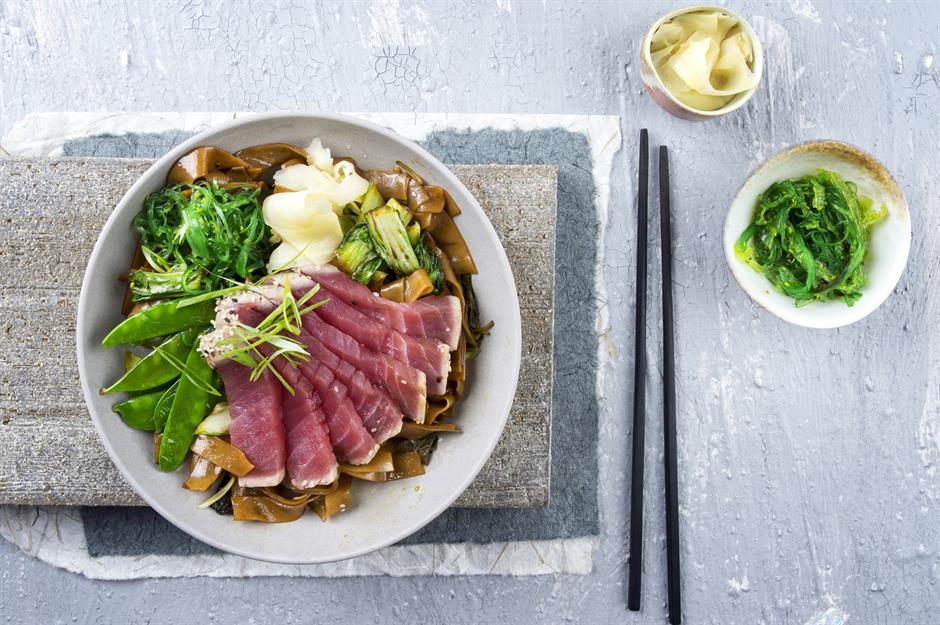
There are three species of bluefin tuna: Atlantic, Pacific and Southern. All three are used in sashimi and sushi, and all three are either vulnerable or endangered. The high demand for bluefin meat has led to overfishing (and illegal fishing) over the decades, and this has resulted in a severe decline in the populations of these tuna. If this continues, the species could be lost forever. Atlantic tuna is currently the largest and most endangered species.
4. Strawberries
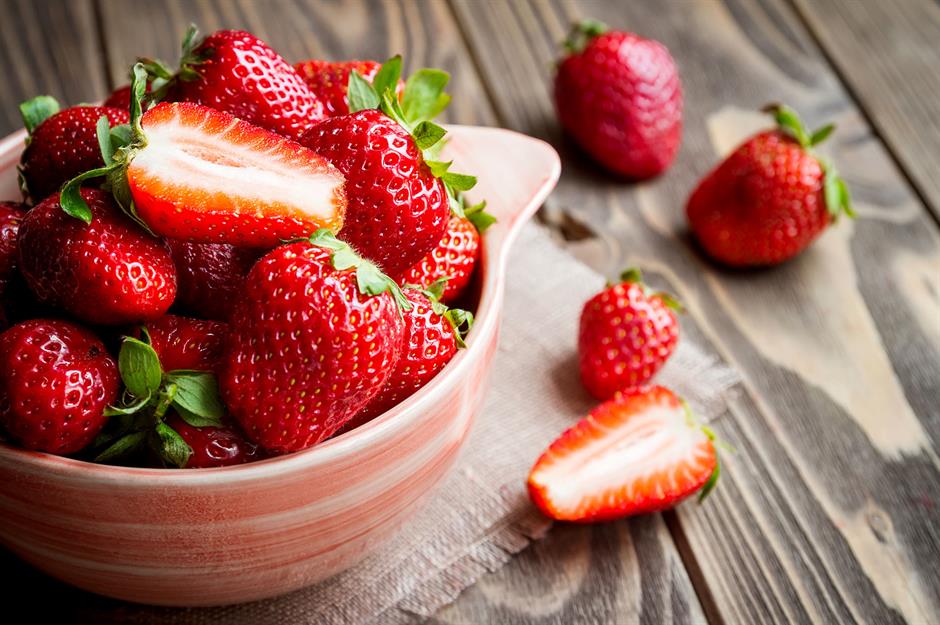
Strawberries are an essential part of summertime, but a 2021 report from ITV News in the UK claimed that the delicious berries could become extinct as soon as 2046. The cause is the rapidly falling population of pollinators, which are crucial to the fruit's well-being. Part of the problem is that pollinators have fewer places to rest while moving across the country, so one possible solution is encouraging people to fill their gardens with pollinator-friendly plants.
Sponsored Content
3. Tofu
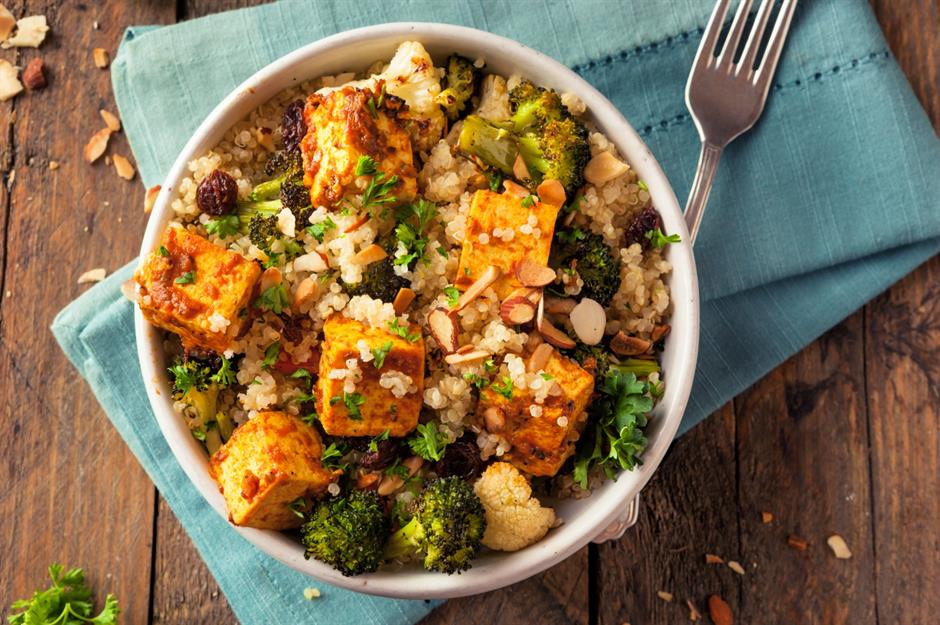
A 2017 study by the Potsdam Institute for Climate Impact Research warned of the impact of global warming on essential crops, including maize, wheat and soybean, which is used to make tofu. The report found that by 2100, soya bean crop yields could see a 40% reduction in the US. In a worst-case scenario, this kind of decline could cause massive increases in food prices and food shortages in all but the wealthiest countries.
2. Rice

A 2016 report by the Food and Agriculture Organization of the United Nations warned of the impact of rising sea levels on rice production in major river deltas, while dry conditions have affected yields elsewhere. If rice production is seriously depleted, this could lead to significant food shortages across the globe. US business magazine Forbes reported in 2024 that Italy's rice yield has dropped for two consecutive years – and Italy is responsible for half the rice in the EU. Researchers are now looking into flood-resistant rice.
1. Bananas

Bananas are the world's favourite fruit and a staple food for many across the globe – but they could be at risk. The Cavendish banana, the most produced kind, is under constant threat from a strain of the Fusarium fungus. This fungus leads to Panama disease, which causes bananas to blacken and spoil from the inside out. The spread of the disease in Latin America caused Colombia, a country whose economy relies heavily on banana production, to declare a national state of emergency in 2019.
Now discover 29 dangerous kitchen mistakes you need to avoid
Last updated by Luke Paton.