What America's favorite supermarkets looked like when you were growing up
30 historic photos of America's top superstores
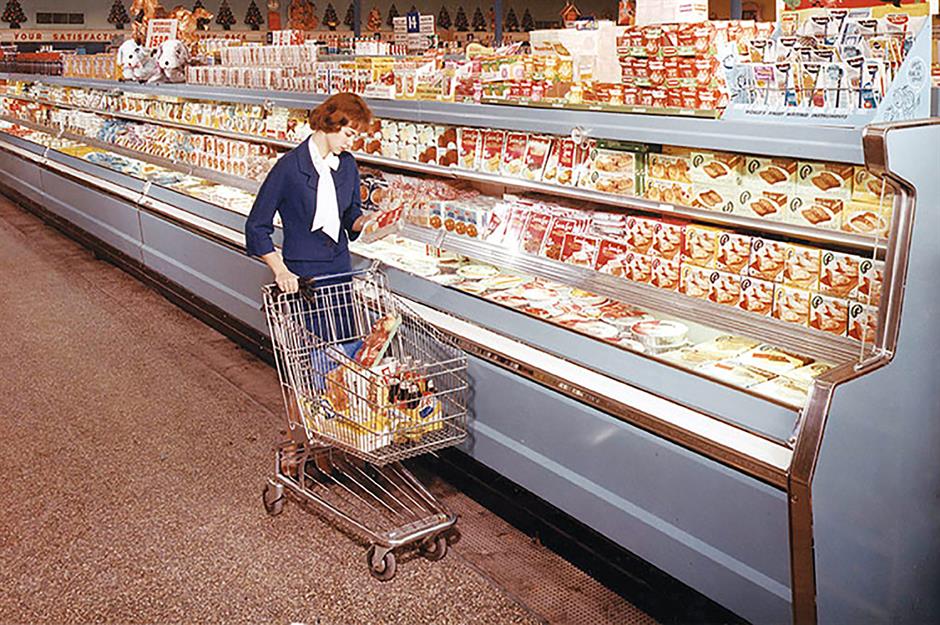
Piggly Wiggly: checkout lanes in 1918
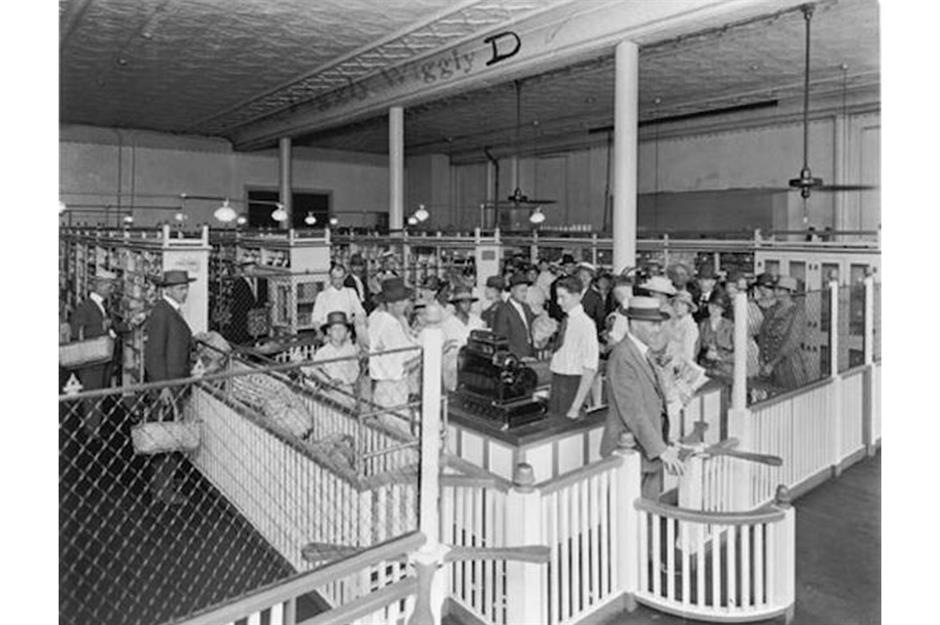
Piggly Wiggly: shop floor in 1942
Sponsored Content
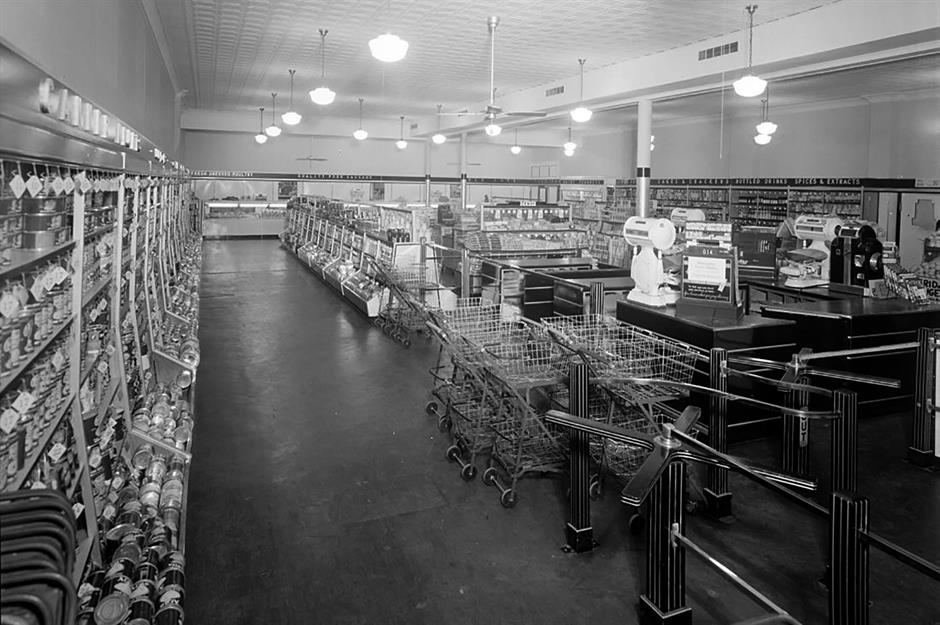
Piggly Wiggly: stacked shelves in 1942
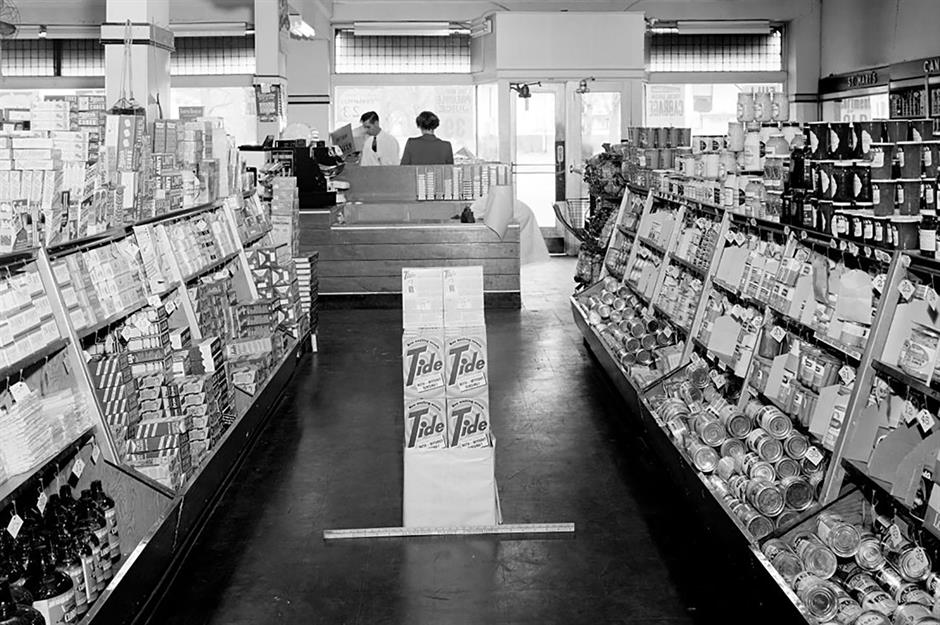
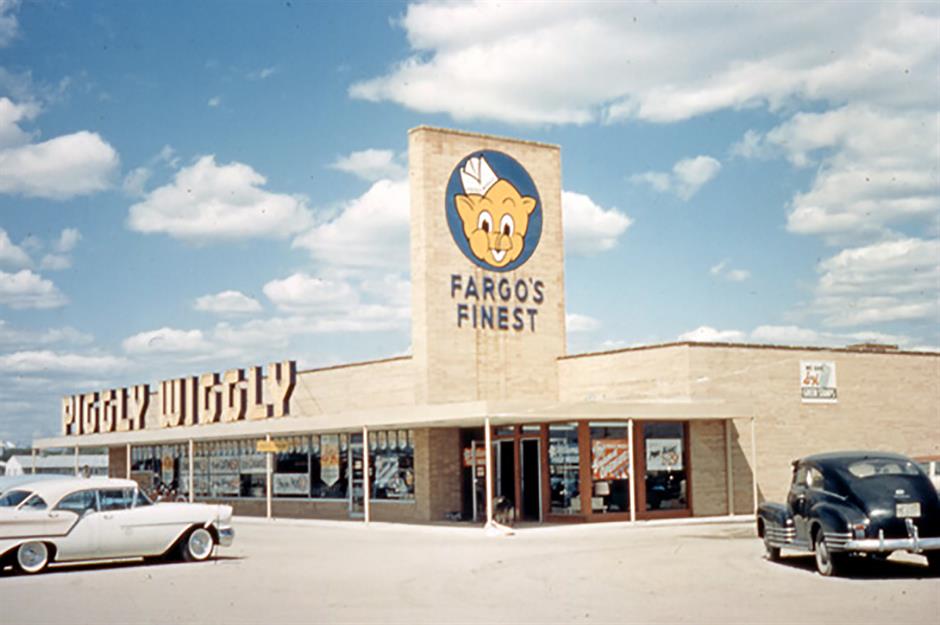
Piggly Wiggly: parking lot in 1950
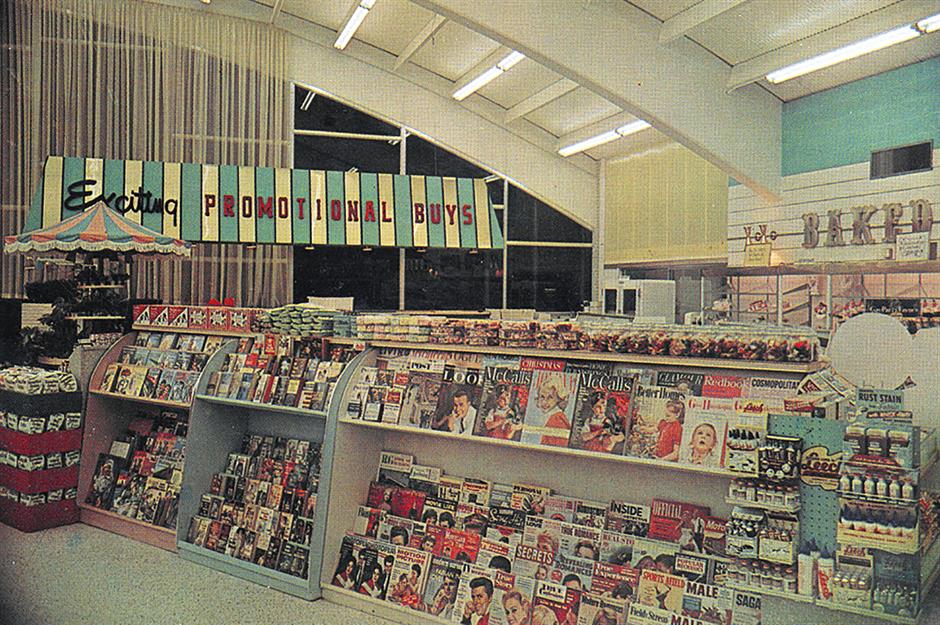
Piggly Wiggly: magazine stands in 1959
Sponsored Content
Kroger: 1940s storefront in Whitmore Lake, Michigan
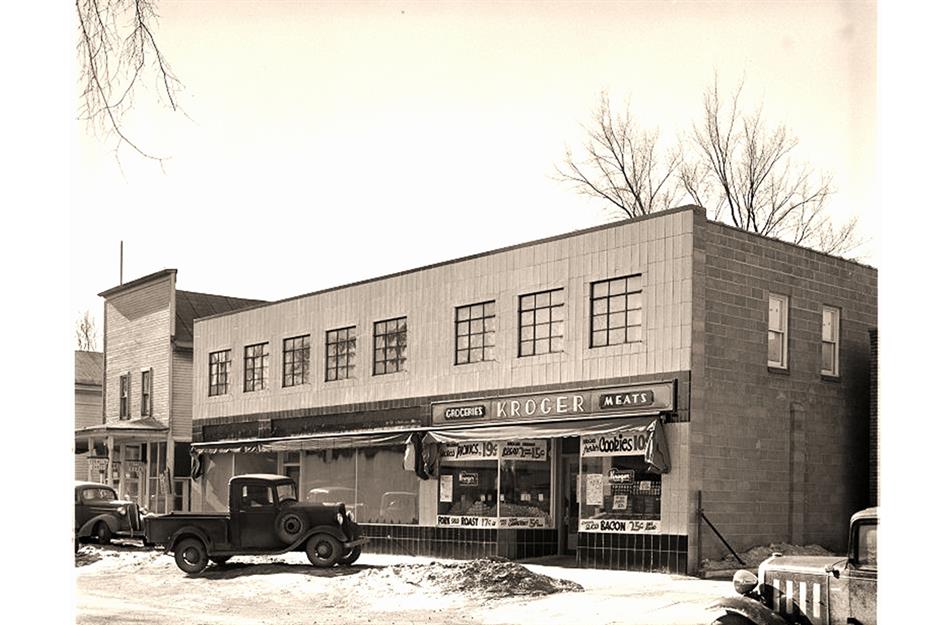
Kroger: 1940s storefront in Uptown Worthington, Ohio
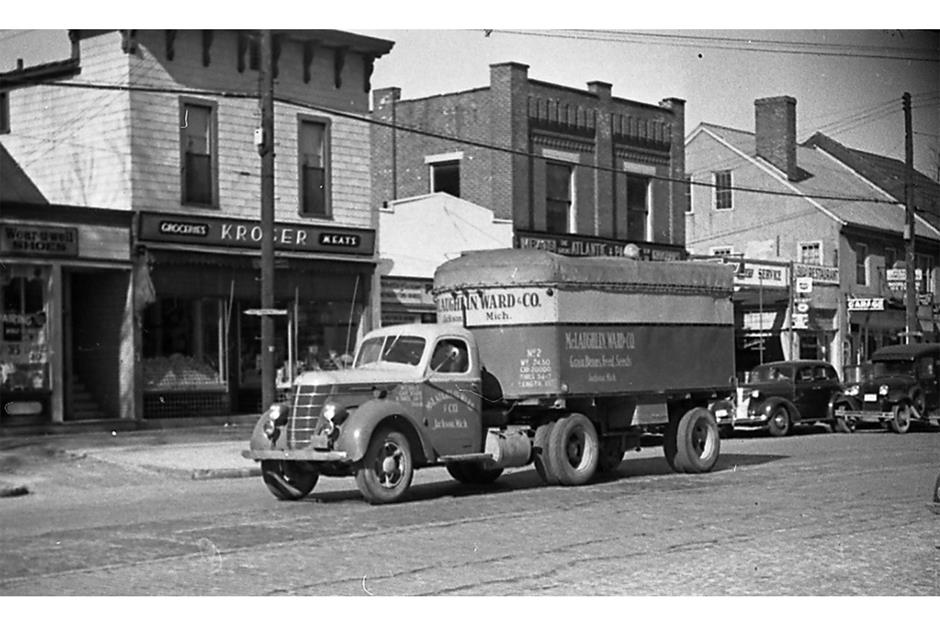
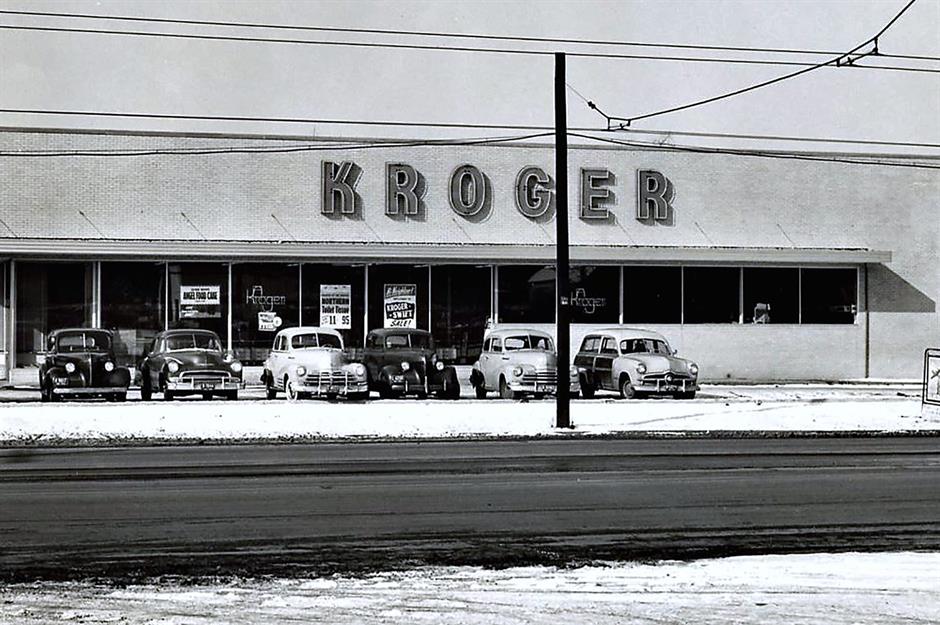
Kroger: cars outside the supermarket in 1950
Sponsored Content
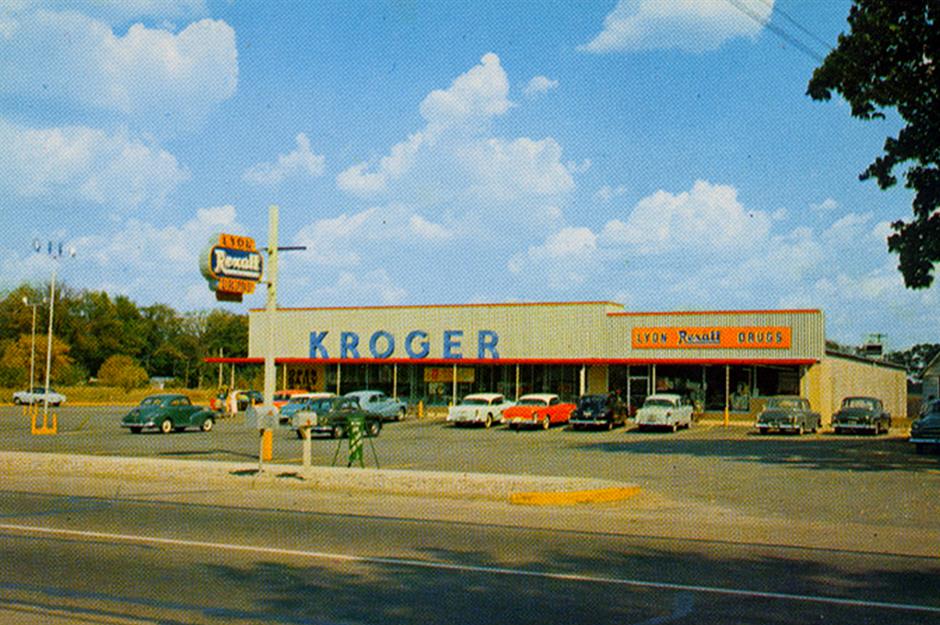
Kroger: 1950s storefront and parking lot
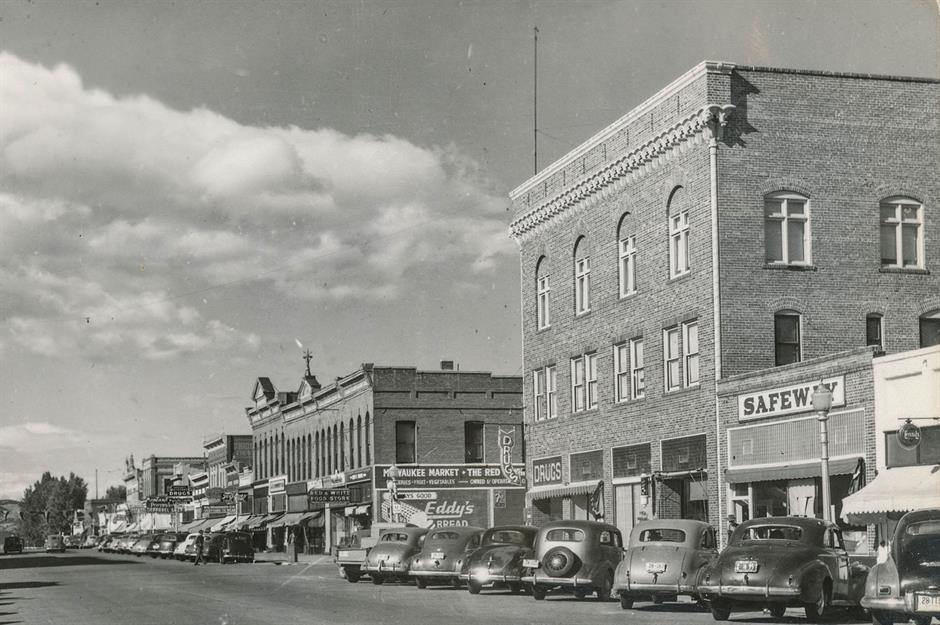
Safeway: Safeway in Deer Lodge, Montana c.1940s
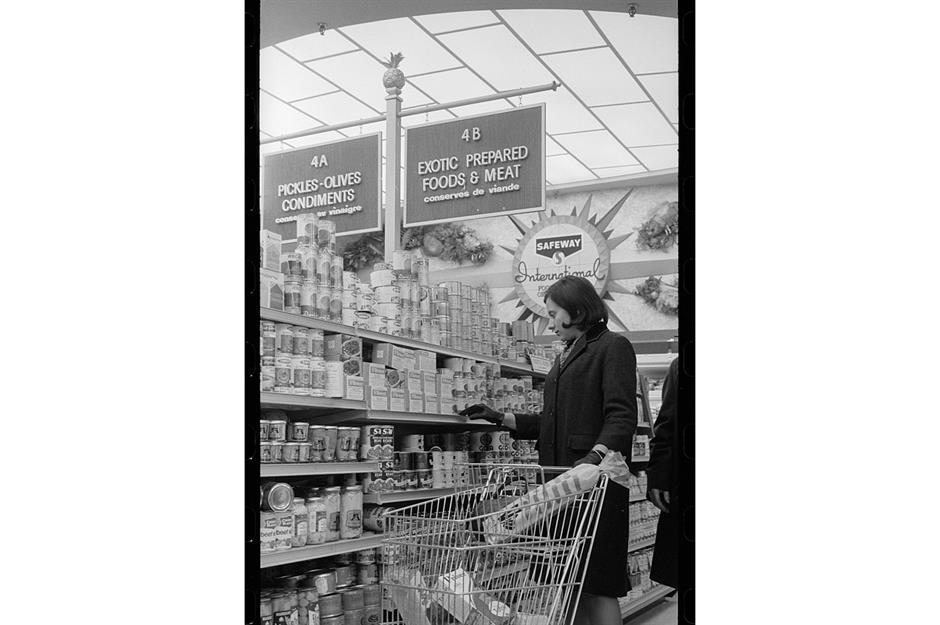
Safeway: woman shopping in 1964
Sponsored Content
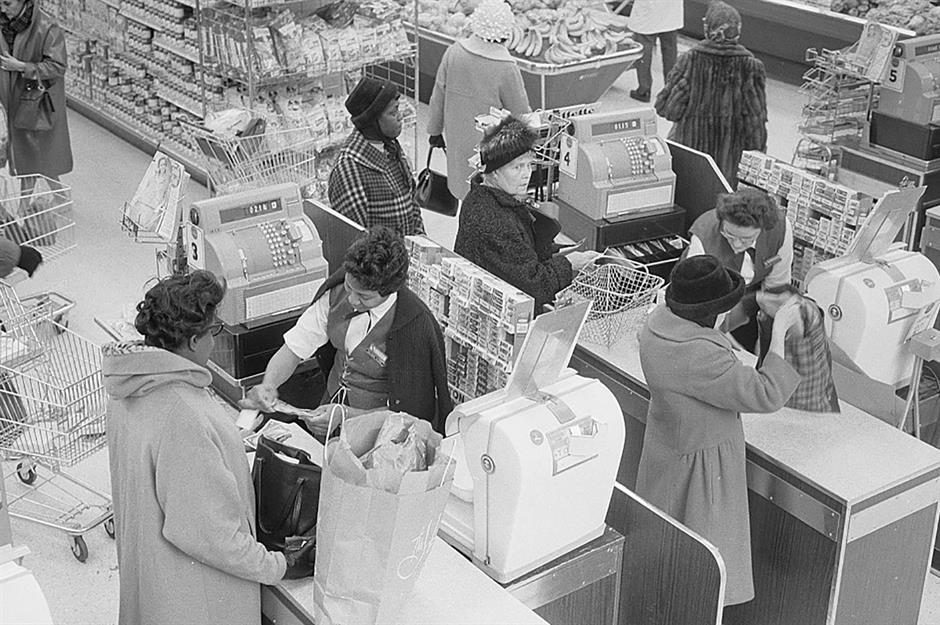
Safeway: busy checkouts in 1965
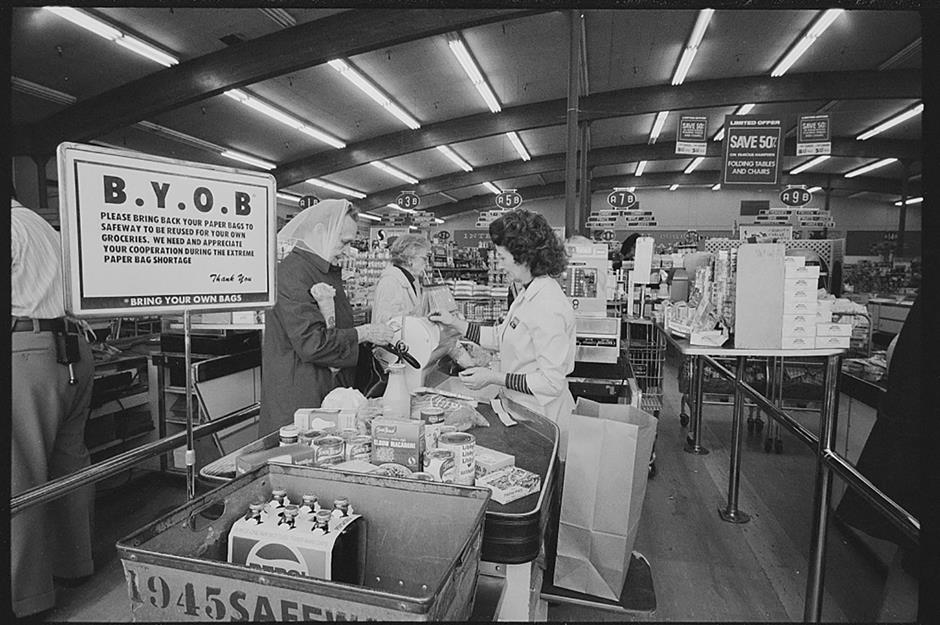
Safeway: checkouts in 1974
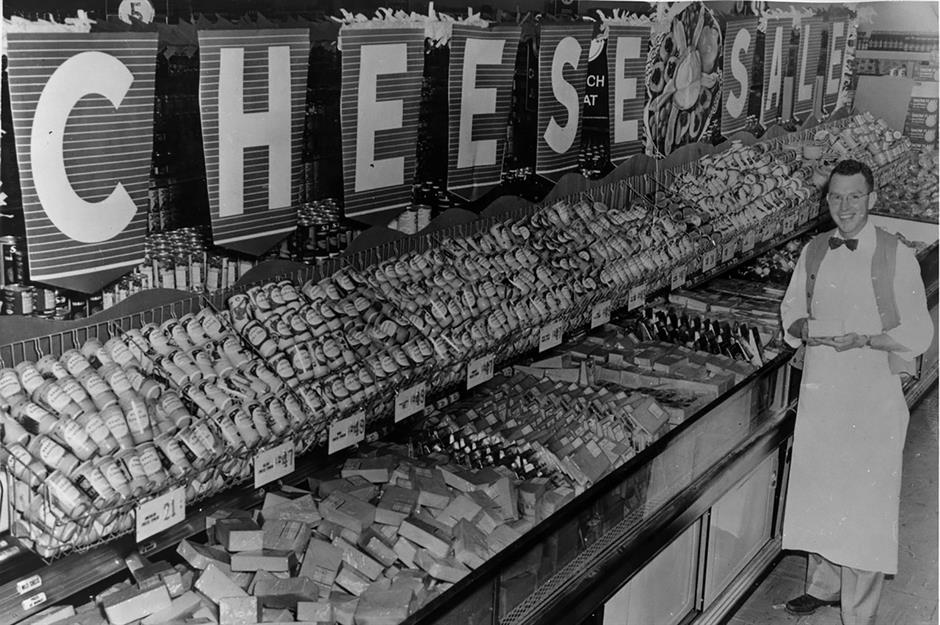
Albertsons: cheese department in 1955
Sponsored Content
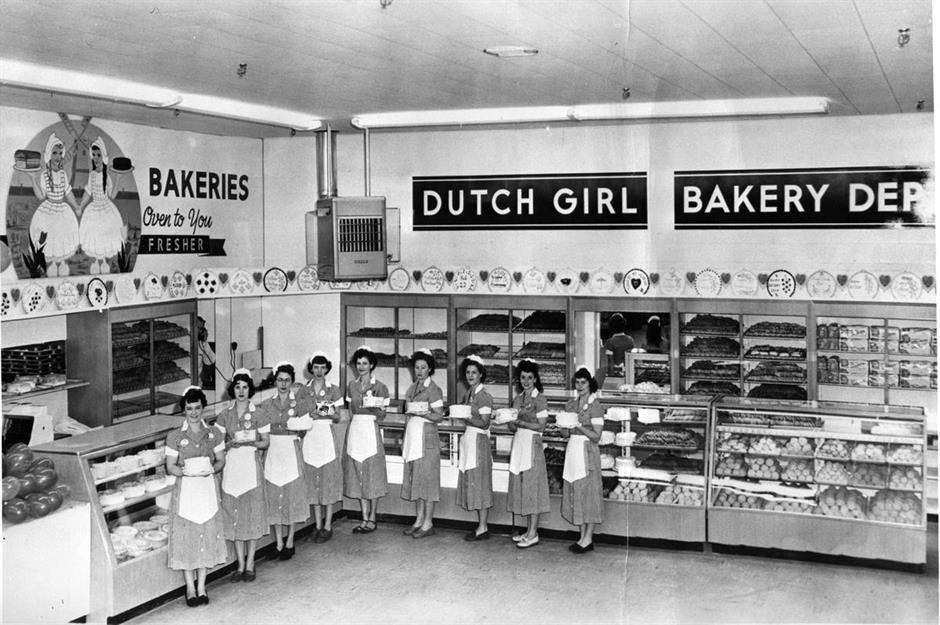
Albertsons: bakery in 1955
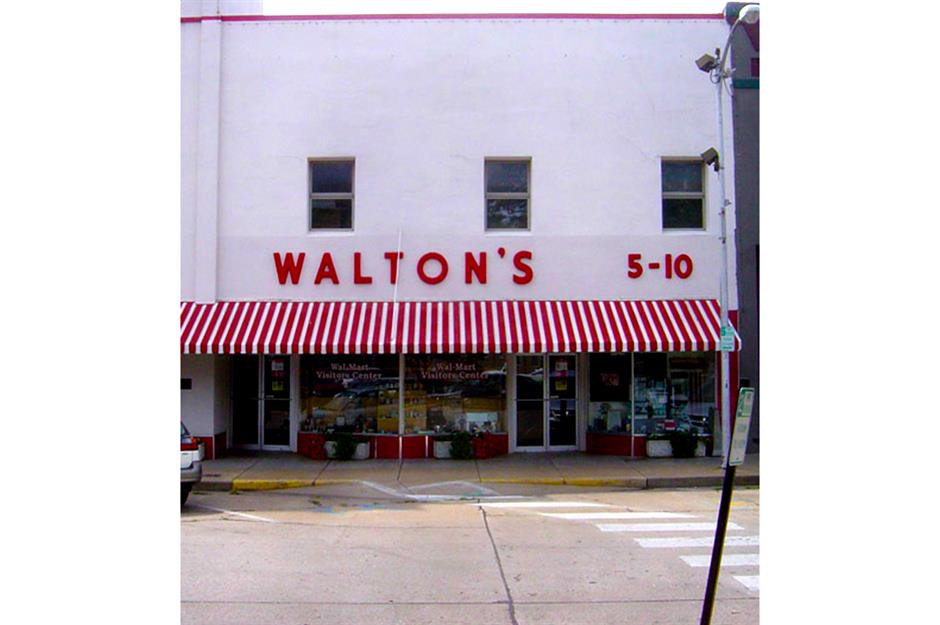
Walmart: Walton's 5&10 store
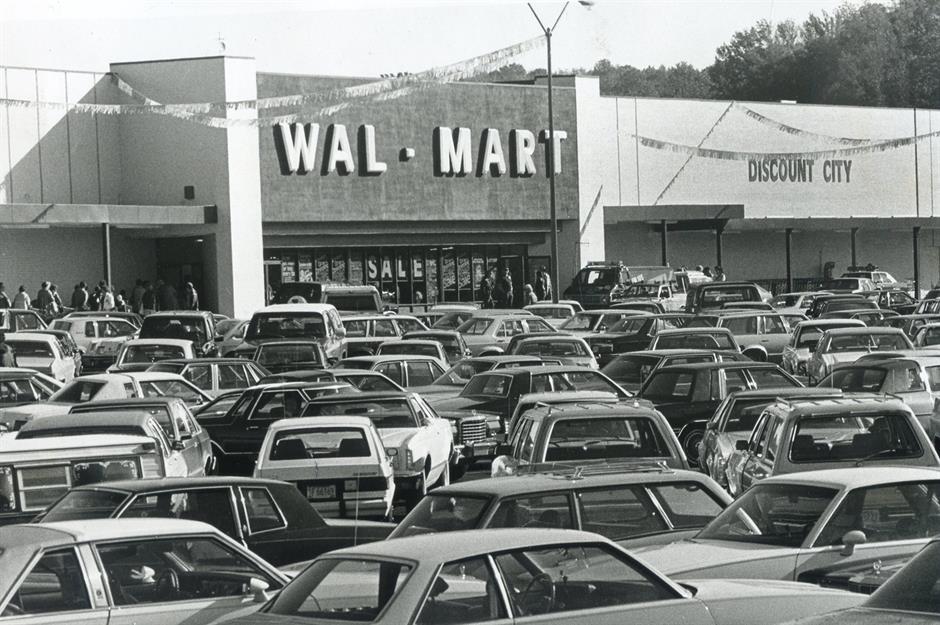
Walmart: storefront and parking lot in 1984
Sponsored Content
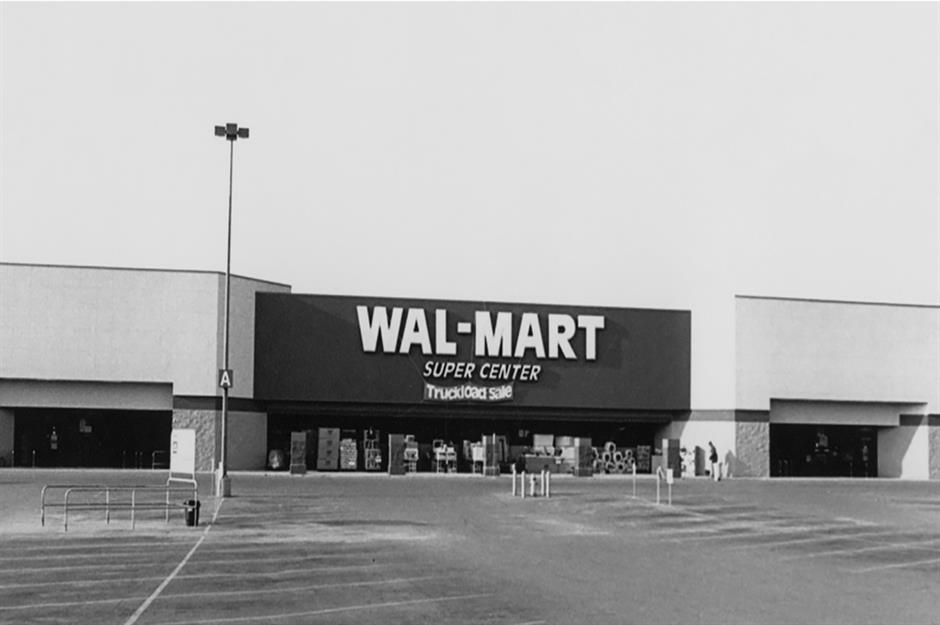
Walmart: the first Walmart supercenter in 1988
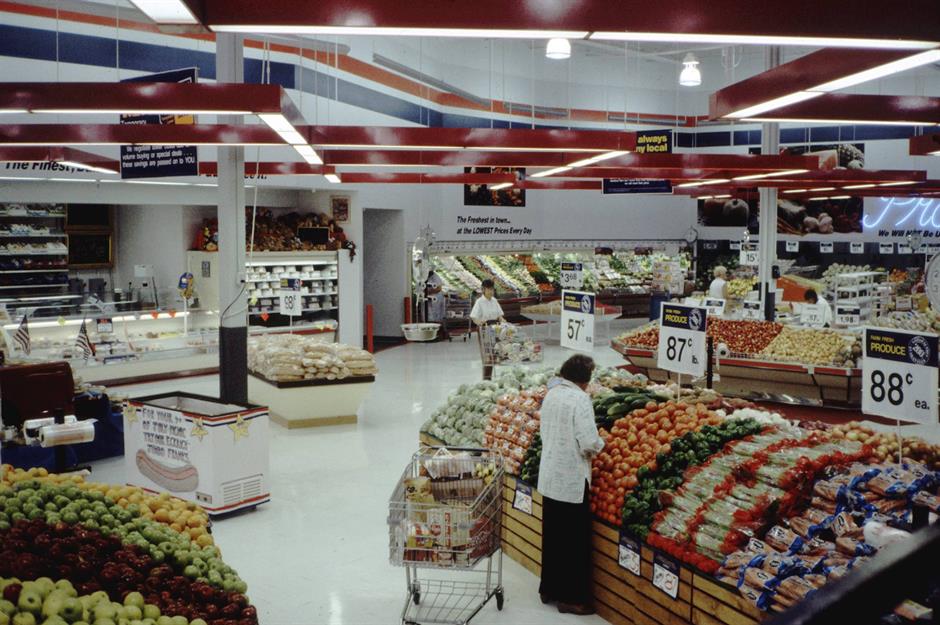
Walmart: supercenter shop floor in 1988
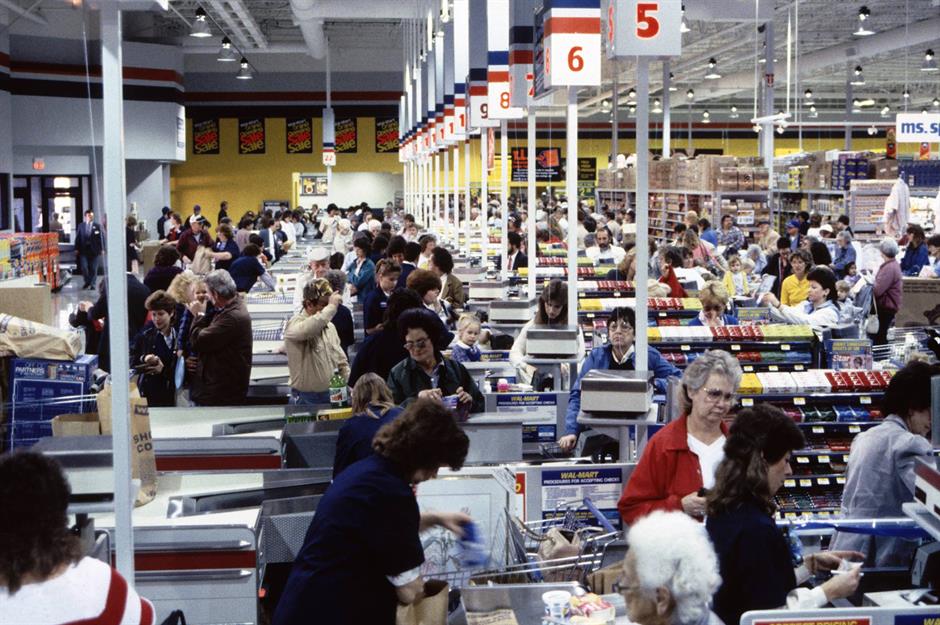
Walmart: supercenter checkout lanes in 1988
Sponsored Content
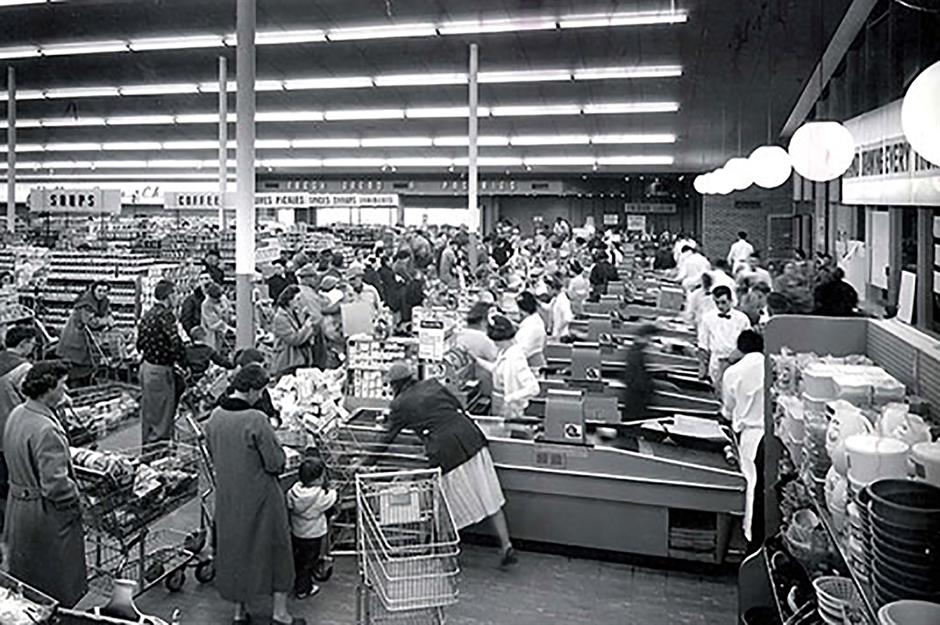
Wegmans: checkouts in the 1950s
Wegmans: woman shopping in the 1960s
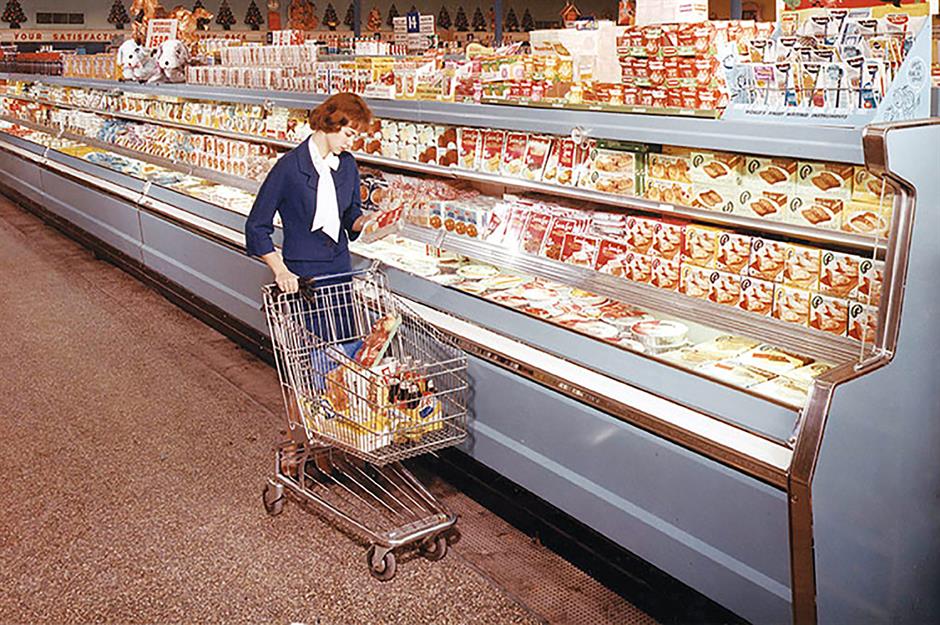
From the 1950s onwards, Wegmans developed with impressive speed. Various stores included mod cons such as air conditioning, cash registers able to complete calculations, automatic doors and children's play areas. By the 1960s "frosted" (frozen) goods and TV dinners were a staple of American life and Wegmans made sure their stores were stocked accordingly.
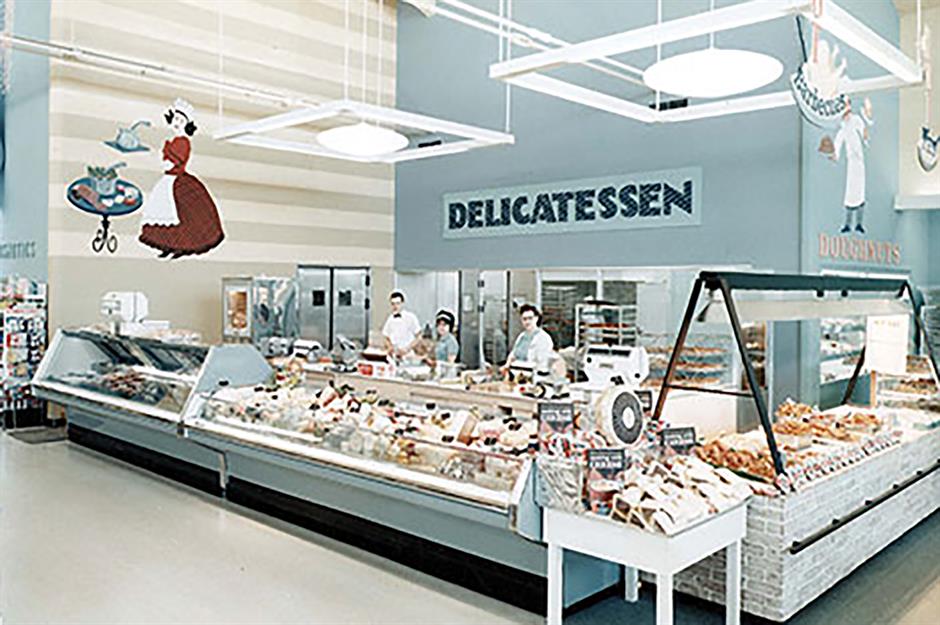
Wegmans: a deli counter in the 1970s
Sponsored Content
Wegmans: UPC scanning in the 1970s
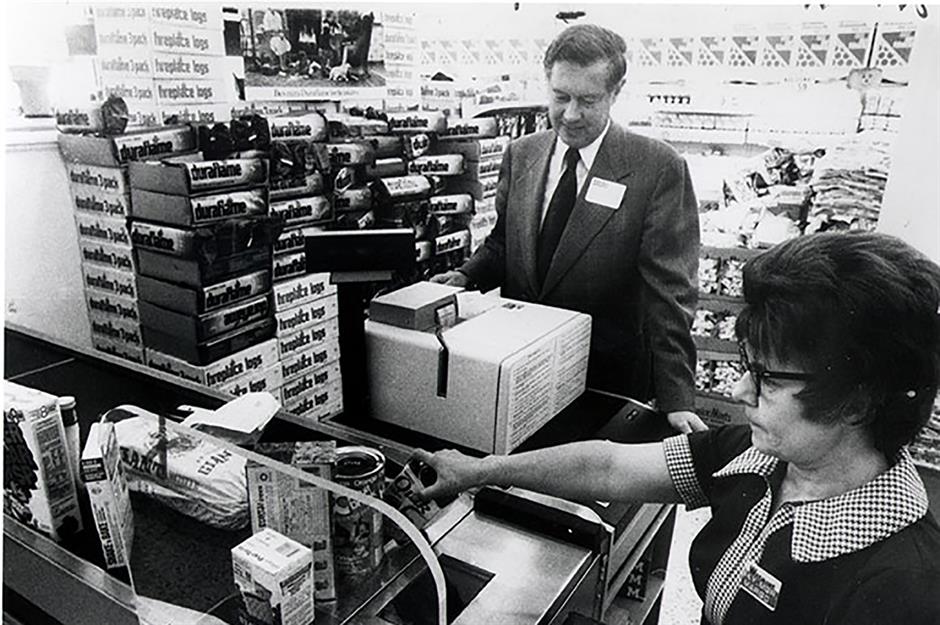
Publix: a storefront c.1940
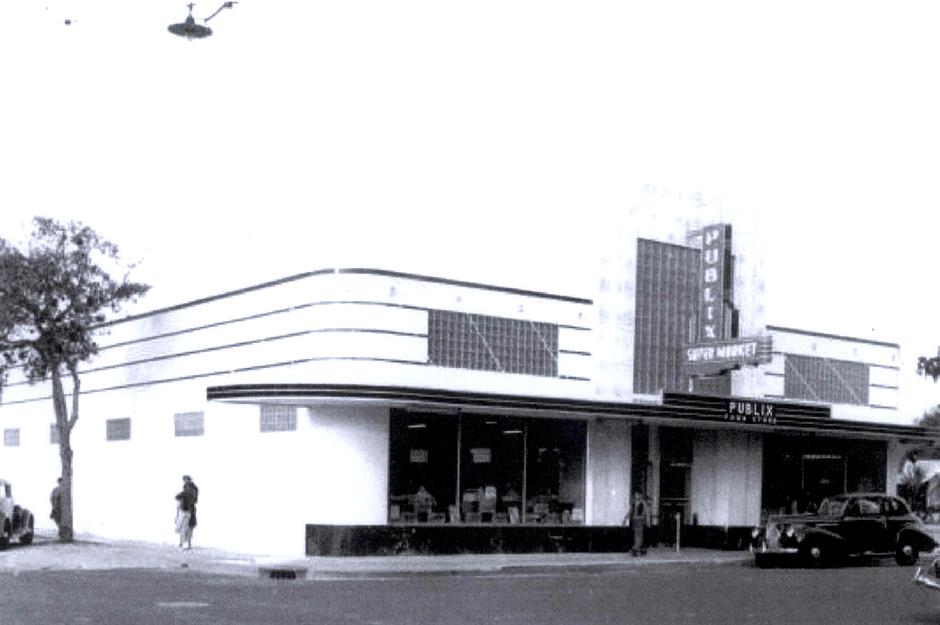
Publix: storefront in Venice East, Florida in 1961
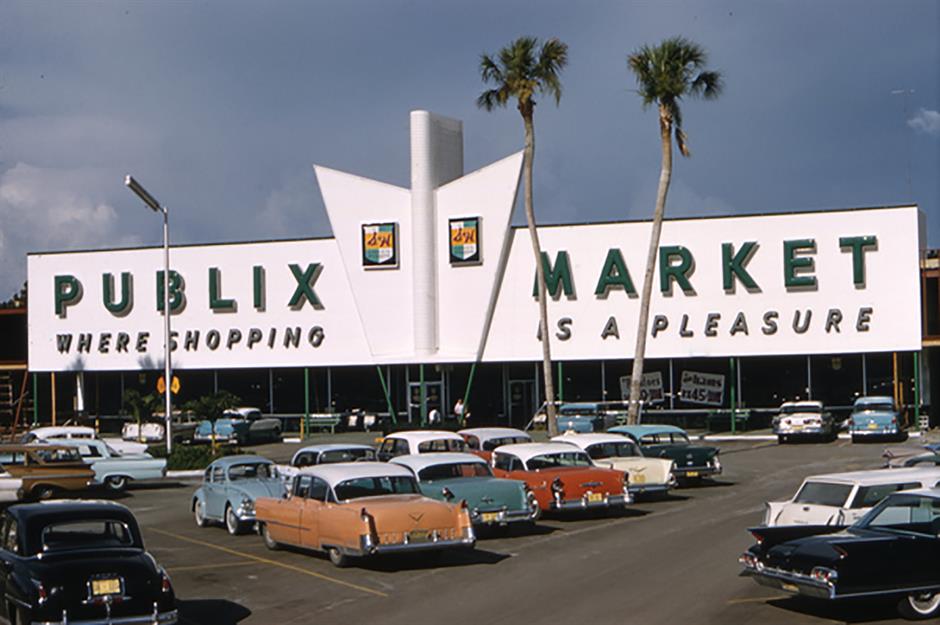
Sponsored Content
Publix: woman shopping in Tallahassee, Florida in 1971
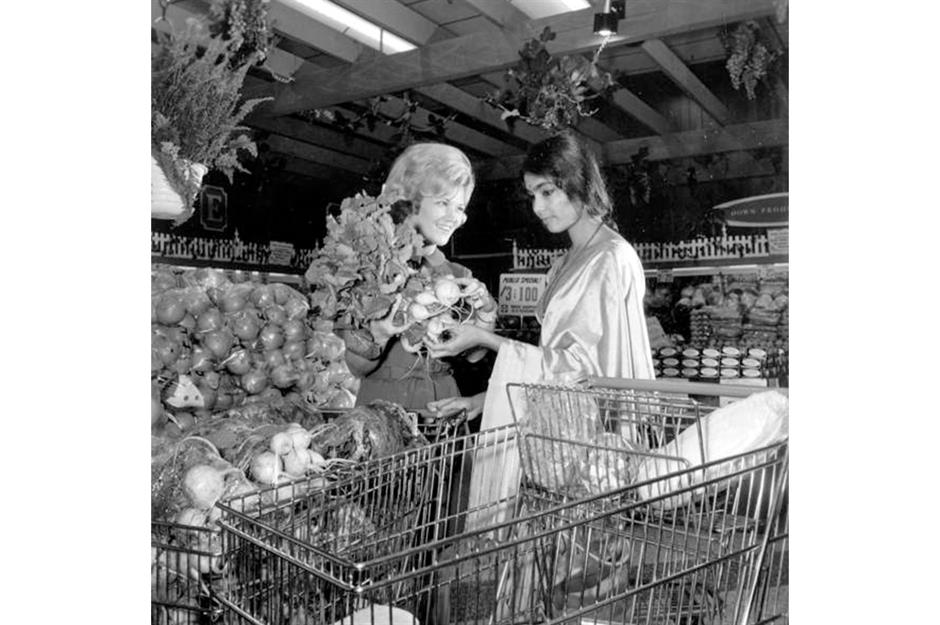
Winn-Dixie: Lovett's storefront in 1951
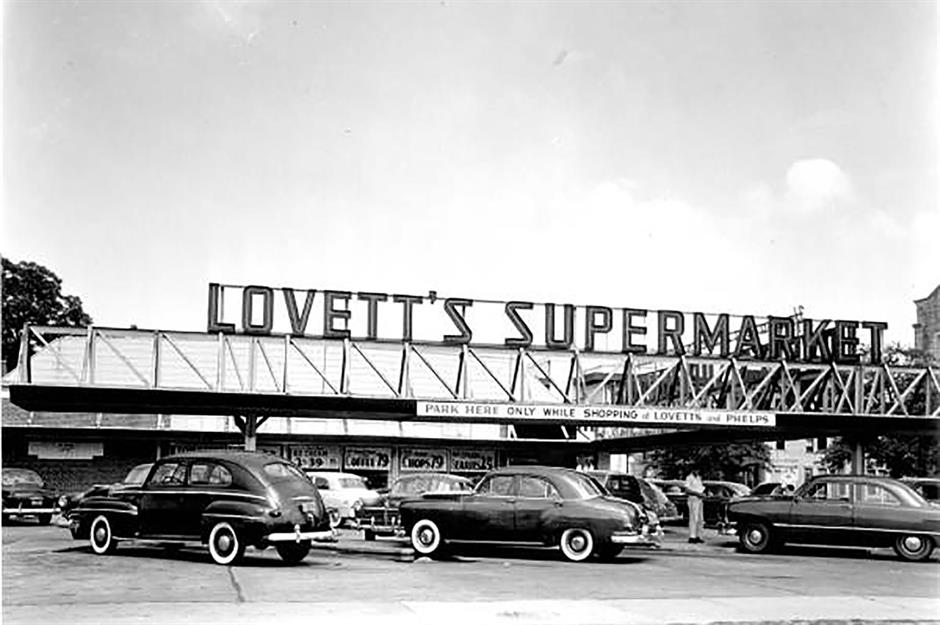
This black-and-white shot of Jacksonville's Lovett's Supermarket looks altogether different from the modern Winn-Dixie stores of today. But it has a lot to do with the history of the popular Winn-Dixie brand, whose origins lie with William Milton Davis, an entrepreneur who started an empire with a single store in 1914.
Winn-Dixie: Lovett's meat department in 1946
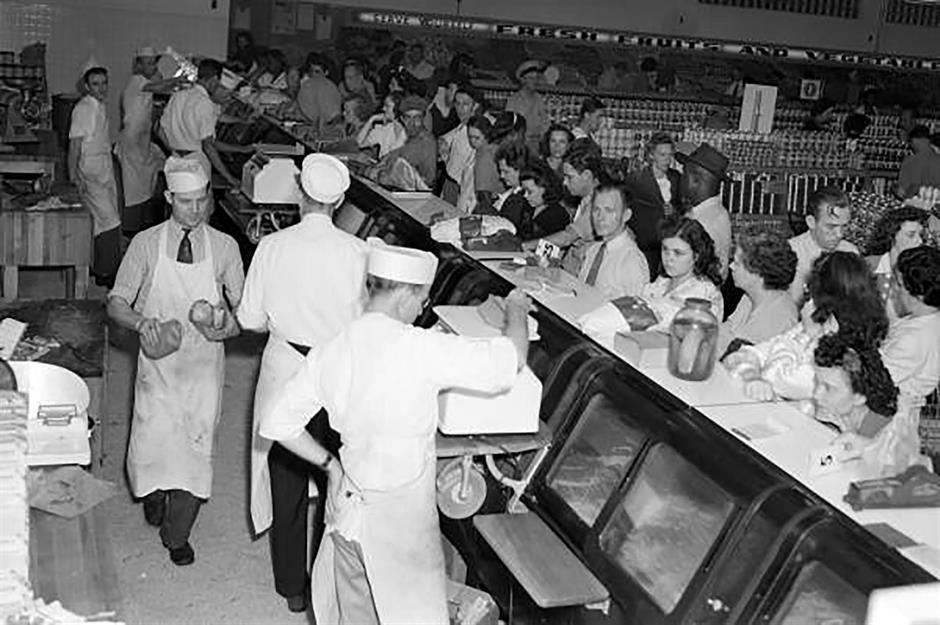
William Milton Davis passed away in 1934, leaving behind the small chain of stores he'd built up by this point to his four sons. The savvy brothers used their father's initial investment wisely, buying the existing 73-strong chain of Winn & Lovett stores, which included this bustling Jacksonville location, with its popular meat counter. The Winn-Dixie name was eventually taken on in the 1950s, when the brand added the large Dixie Home chain to their bursting portfolio.
Discover the foods we fell in love with when we grew up
Sponsored Content
Winn-Dixie: confectionery stands in 1972
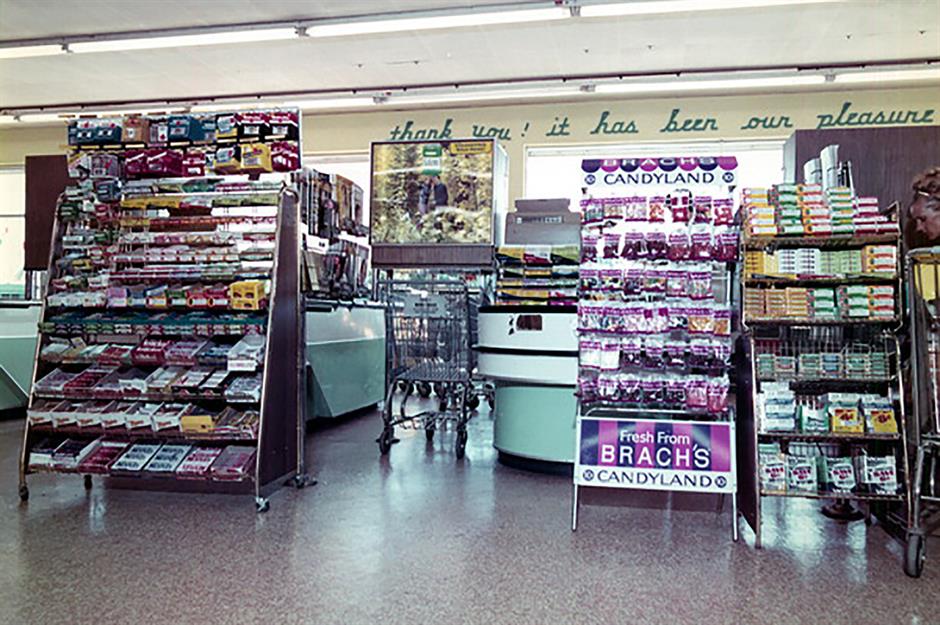
Though the brand has suffered financial difficulties and closures in its more recent history, through much of the 20th century, it went from strength to strength. Winn-Dixie snapped up numerous chains across many Southern US states, from Texas to Louisiana and Mississippi. Today just under 500 Winn-Dixie locations remain.
Read more: Iconic American restaurants we wish were still open