Hot dogs and other surprisingly dangerous foods
Hidden harm
Food is an essential part of our lives, but navigating what is – and what isn’t – safe to consume can sometimes be tricky. According to the World Health Organization (WHO), almost one in 10 people fall ill each year due to eating contaminated food. Certain ingredients are susceptible to contamination and require careful preparation, while others should be avoided altogether. Here, we reveal 39 foods with hidden dangers.
Click or scroll through our gallery to discover the foods you should approach with caution – counting down to the most potentially dangerous ingredient of all.
While all the foods listed in our gallery can be dangerous in some form, we’ve based our ranking on research and data specific to each ingredient or dish.
39. Kinder Surprise

Don’t worry – there aren’t any dangerous ingredients in Kinder chocolate. This popular sweet-and-toy combo has been banned in the US ever since it launched in 1974 – and it’s all due to what’s inside the chocolate shell. Having a non-edible object inside an edible one is classed as a choking hazard by the Food and Drug Administration (FDA), following the US Federal Food, Drug and Cosmetics Act of 1938.
39. Kinder Surprise

It’s illegal not only to sell Kinder Surprise in the United States, but also to import the sweet treat. A newer version, Kinder Joy, is now available there, with the chocolate and toy kept apart in separate halves.
Sponsored Content
38. Jelly sweets
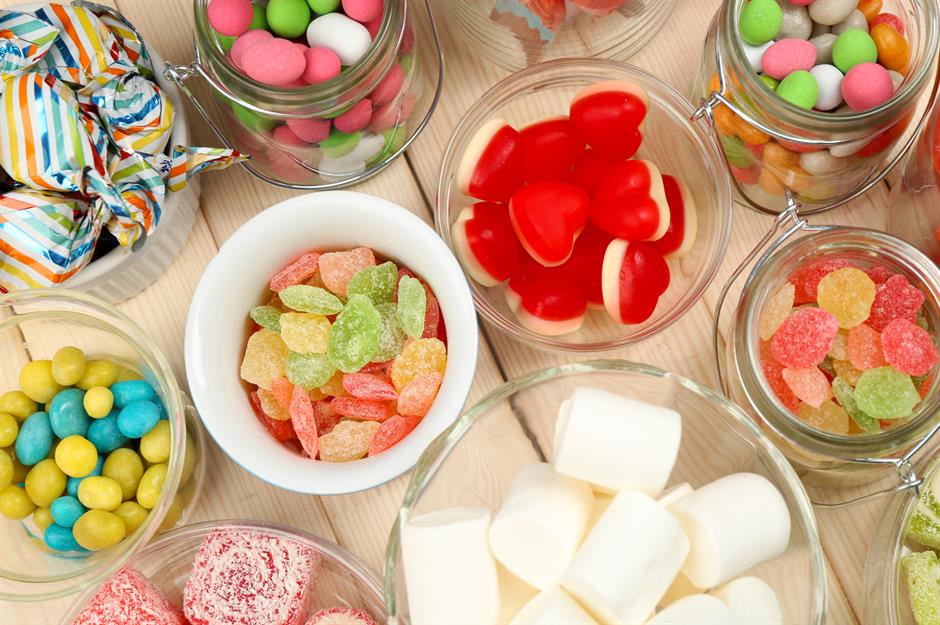
Don’t panic if you’re a fan of wine gums or fruit jellies – not all of these chewy, sticky sweets are dangerous. However, some contain a thickening agent called konjac, which creates a slippery texture and a hard shell, which can be considered a choking hazard.
38. Jelly sweets
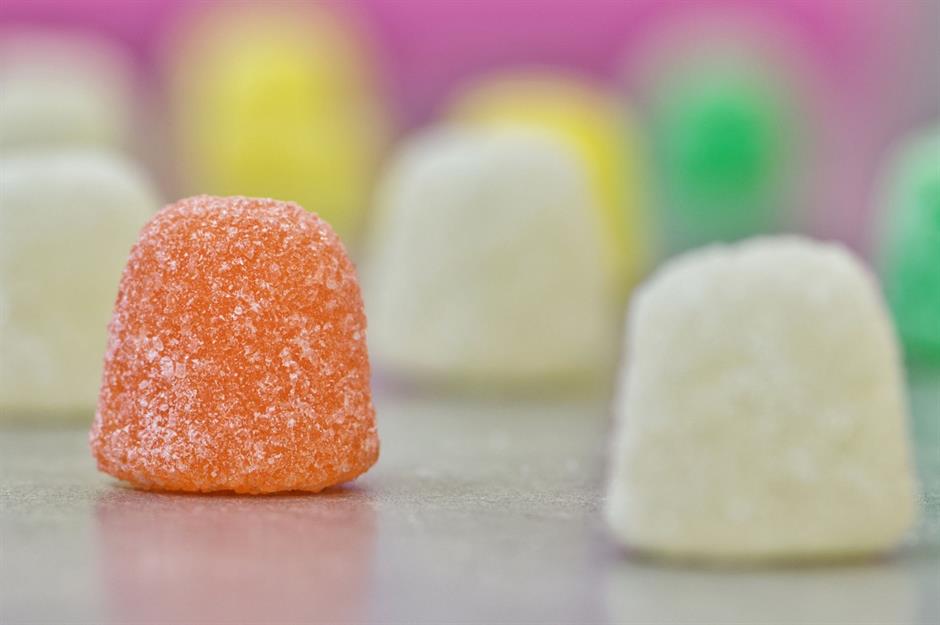
Several countries, including Australia, the UK and those in the EU, have banned sweets like jelly cups, which contain the substance. The ban came into place following the death of 18 children, who died from choking on sweets containing the food additive. However, Konjac continues to be used in sweets in other parts of the world.
37. Hot dogs

Eating the odd hot dog shouldn’t do you any harm – just take it slowly. Hot dogs are a common choking hazard, particularly for young children. The right size and texture to block the airway, the popular hand-held food is the number one cause of food-related choking in young children in the US, accounting for 17% of cases.
Sponsored Content
37. Hot dogs

Experts recommend not introducing hot dogs to children until they’re 12 months or older, and it’s best to cut them lengthwise into quarters (or halves, if the child is 18 months and over). Hot dogs are also classed as a processed food by the World Health Organization (WHO), linked to increasing the risk of certain cancers, so keep your consumption to the occasional cookout.
36. Chillies
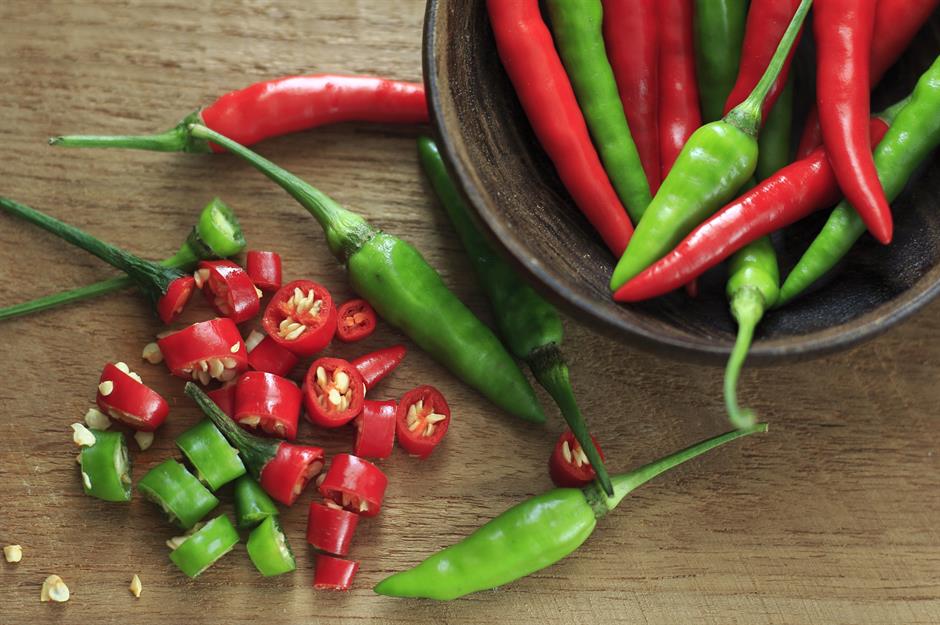
Everyone has a different level of tolerance when it comes to chillies. Some people can eat a super-hot Thai salad without flinching – while for others, a mild chicken tikka masala is enough to make their eyes water. Chilli peppers can cause other issues aside from a burning sensation, though.
36. Chillies
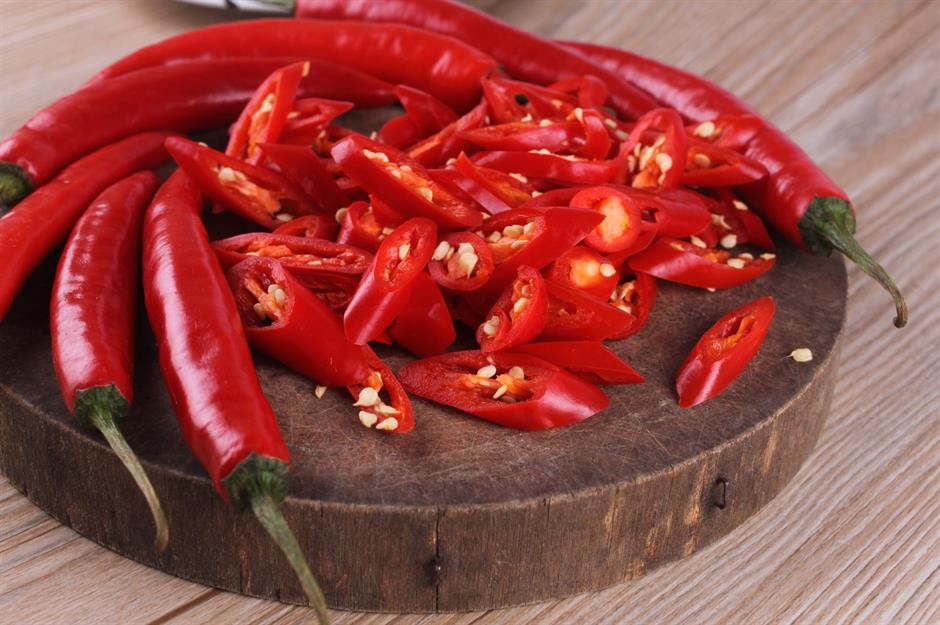
In some cases, eating chillies can cause abdominal pain, cramps and diarrhoea, especially in those who have irritable bowel syndrome. Some chillies are spicier than others, and in some instances, should be avoided altogether – this is the case for the Dragon's Breath, a fiery chilli pepper thought to be the world’s spiciest; experts warn that even the smallest of bites could result in an anaphylactic reaction, or even death.
Sponsored Content
35. Cookie dough

Licking the spoon may feel like a well-deserved treat when whipping up a batch of cupcakes or fresh cookies, but the Centers for Disease Control and Prevention in the US warn against it. Consuming raw dough can make you sick, as flour sometimes contains harmful bacteria and E. coli, and raw eggs can carry salmonella.
35. Cookie dough
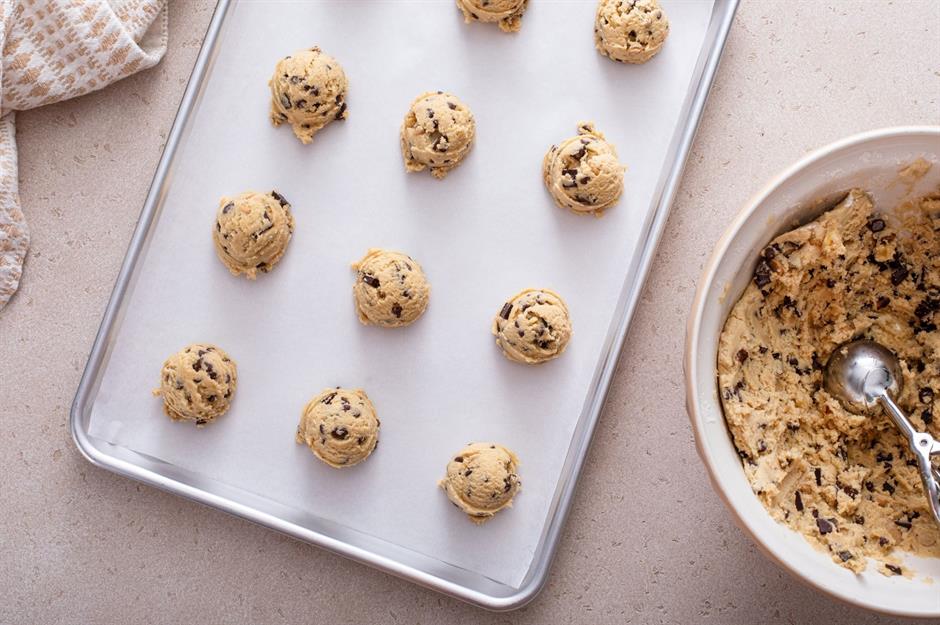
Consuming raw cookie dough is particularly harmful for children, older adults and those who are pregnant due to the potential risks of food poisoning. If you’re someone who loves the taste of it, there are some tasty cooked cookie dough products on the market that’ll satisfy that craving – but keep in mind, only cooked dough (or cookie dough ice cream) is safe to consume.
34. Bacon

Don’t panic – no one is planning to ban bacon sandwiches! However, consuming processed meats, including bacon rashers, has been linked to an increased risk of cancer, according to the WHO. Eating 2oz (50g) per day – the equivalent of two rashers of bacon – raises the risk of colon cancer by 18%. If you’re consuming more than that, the risk is said to be even higher.
Sponsored Content
34. Bacon

Further studies have shown a link between foods like bacon and sausages and an increased risk of breast cancer. That’s not to say you need to eradicate it from your diet altogether; lower your consumption and enjoy bacon as part of a balanced diet to help reduce the risk.
33. Unpasteurised milk

Drinking raw or unpasteurised milk has become more popular, as some view it as a superfood. However, the UK Food Standards Agency warns against drinking milk that goes 'straight from the cow to the bottle'. It suggests that we should only drink milk that has been heat-treated to kill potential E. coli, salmonella, campylobacter and listeria.
33. Unpasteurised milk
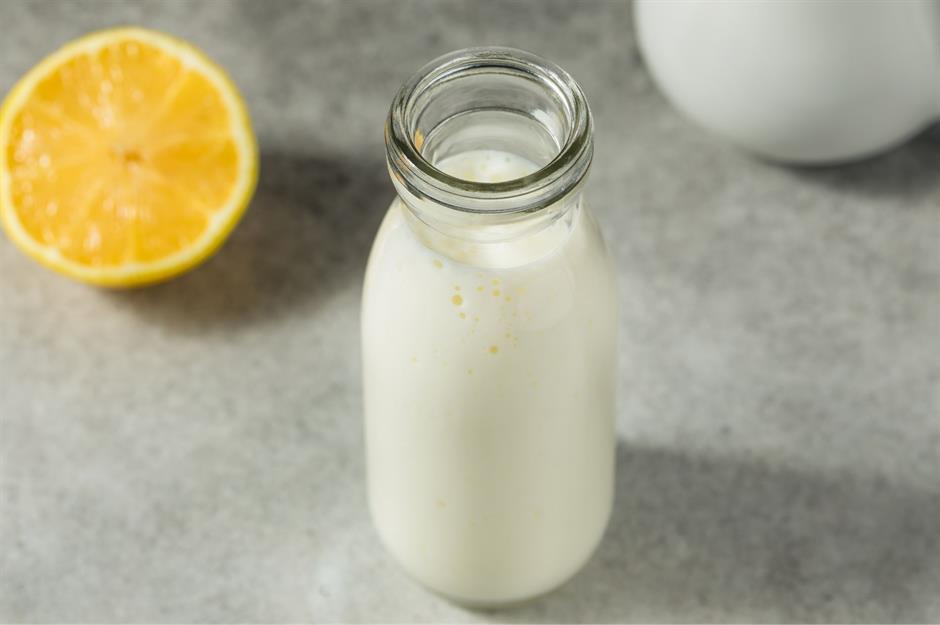
Records from the 2019 Public Health England review found that unpasteurised, raw milk was responsible for 26 outbreaks in England and Wales between 1992 and 2017, all of which were linked to intestinal infectious diseases. It’s advised that pregnant women, elderly people, young children and anyone with low immunity should avoid raw milk and cheeses altogether.
Sponsored Content
32. Detox tea
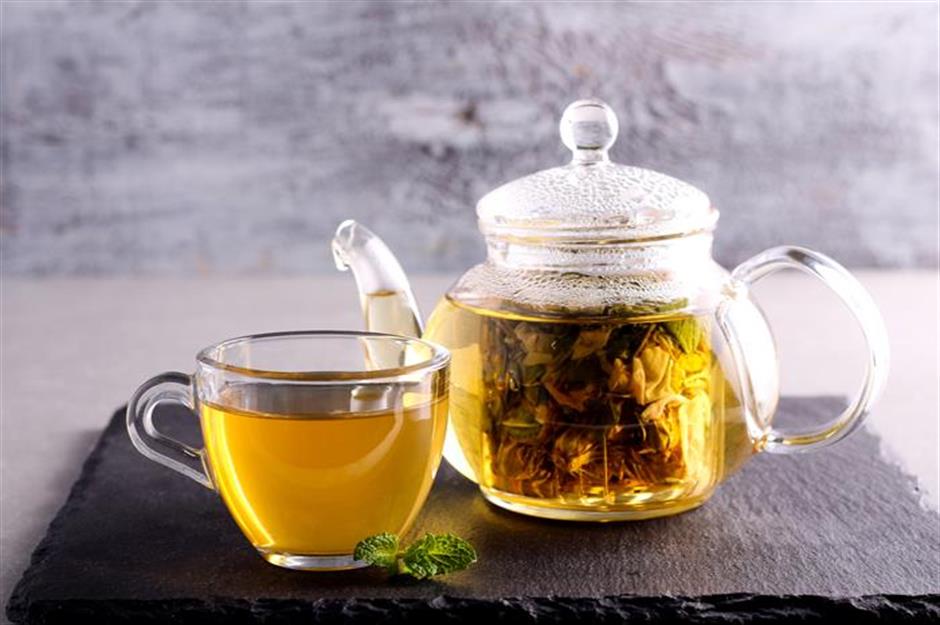
Detox teas – and other drinks that claim to bring about weight loss and additional health benefits – should be approached with caution, as some popular natural ingredients carry potential dangers. Many of these drinks contain senna and valerian, which are natural herbs, but can force unnatural weight loss by having a laxative effect.
32. Detox tea
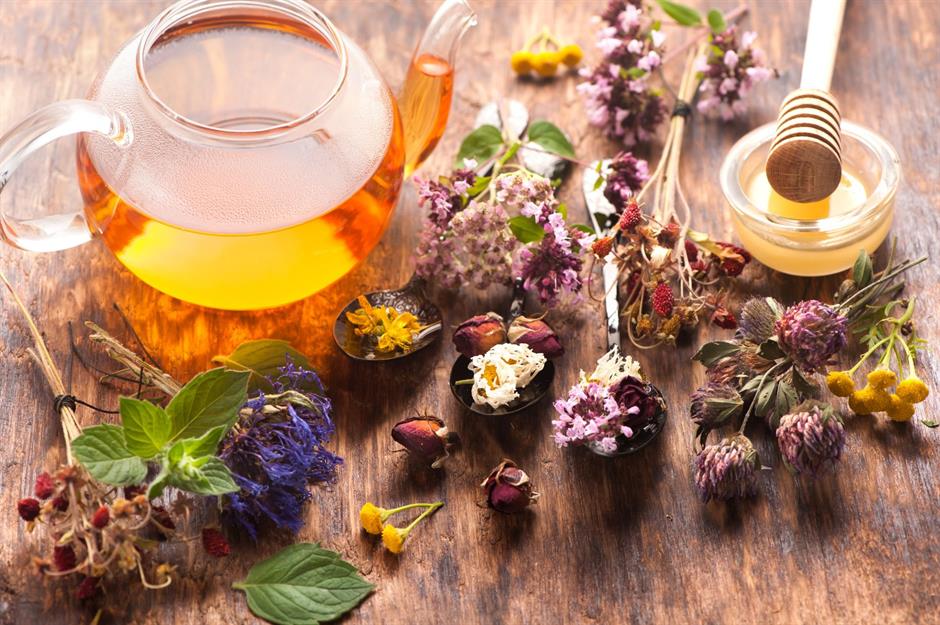
Senna can irritate the digestive system and cause chemical imbalances, and it can also have serious side effects if consumed over a long period. Medical professionals also warned of dangers after a woman became over-hydrated after taking valerian and collapsed with a seizure.
31. Raw sprouts
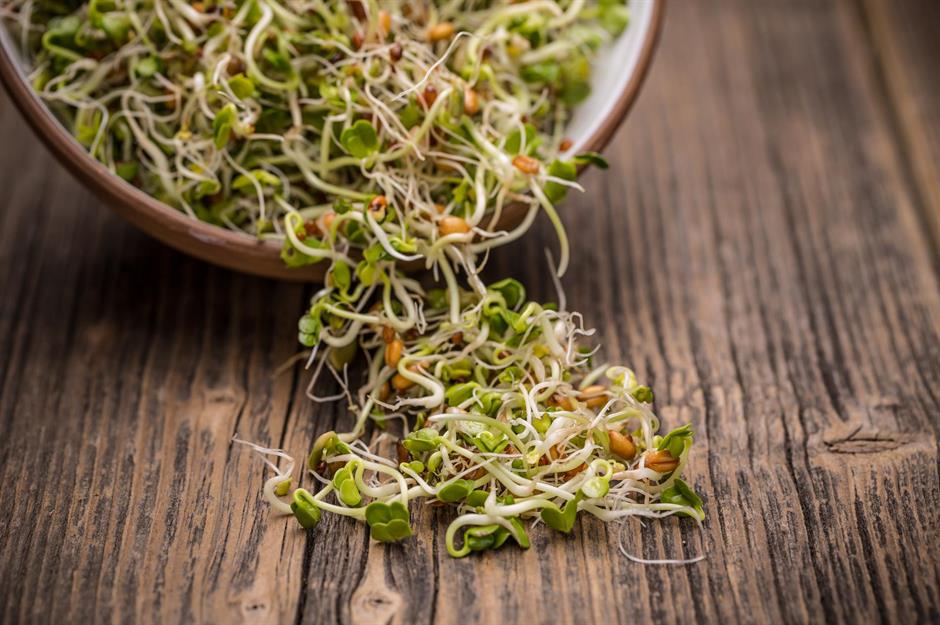
Brimming with nutrients and health benefits, sprouts such as clover and mung bean sprouts may seem pretty harmless, but they're grown in warm, humid conditions that allow bacteria to flourish. Bean sprouts have been linked to E. coli outbreaks across the globe, including in the US and Germany.
Sponsored Content
31. Raw sprouts
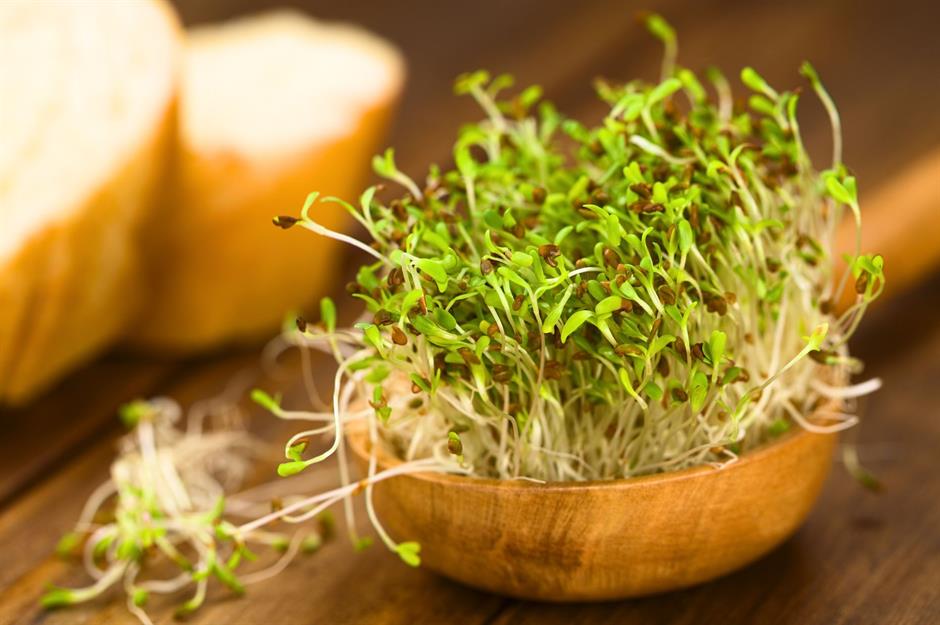
These foodborne illnesses are a huge problem; from 1996 to 2016, the US Food and Drug Administration (FDA) recorded 48 outbreaks of food poisonings linked with these sprouts. Only consume raw, chilled sprouts labelled 'ready to eat’ – all others should be cooked thoroughly. Children, elderly people and pregnant women should avoid them altogether.
30. Rare beef

Whether you love a rare steak or are partial to a beef tartare when eating out, consuming these meats comes with risks attached – especially for children, pregnant women and anyone with a weakened immune system that makes them more susceptible to food poisoning.
30. Rare beef
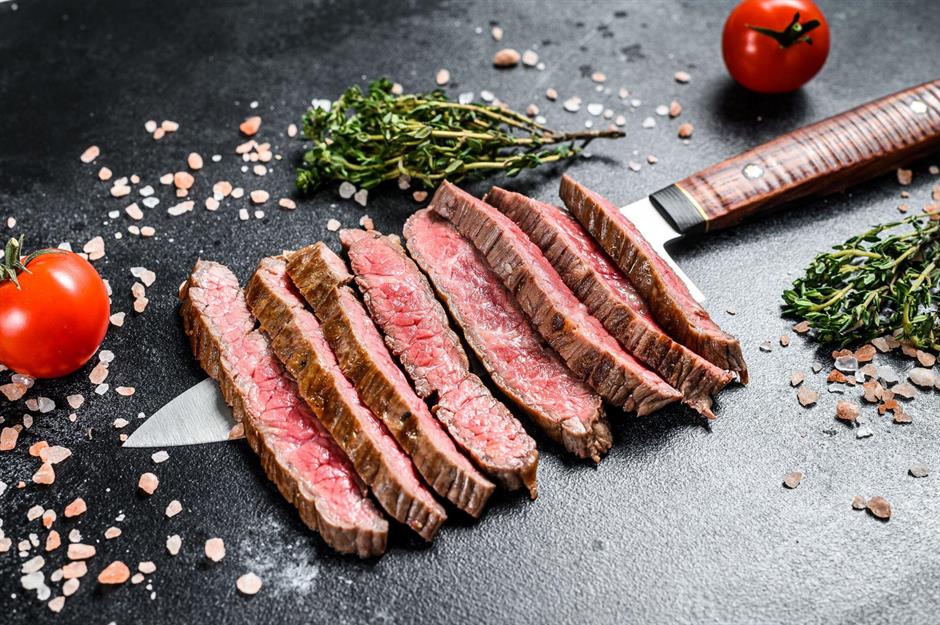
Beef can harbour bacteria such as E. coli and salmonella, so chops and steaks need to reach an internal temperature of 63°C (145°F) to kill any harmful bacteria, while minced beef should come up to 71°C (160°F). Use a meat thermometer to be sure.
Sponsored Content
29. Lunch meats
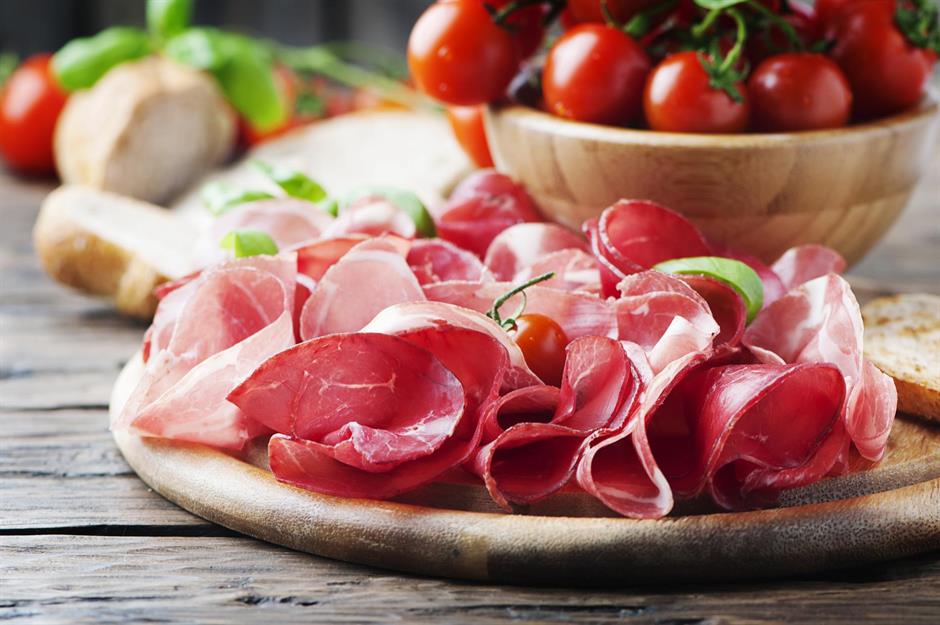
Most deli meats have a high fat content and are classed as processed foods – which are linked to an increased risk of heart disease, Type 2 diabetes and cancer. Some are even cured using nitrites, which are also believed to be carcinogenic. Not only that, but a serious issue can occur when harmful bacteria reach cooked meat before it’s packaged.
29. Lunch meats
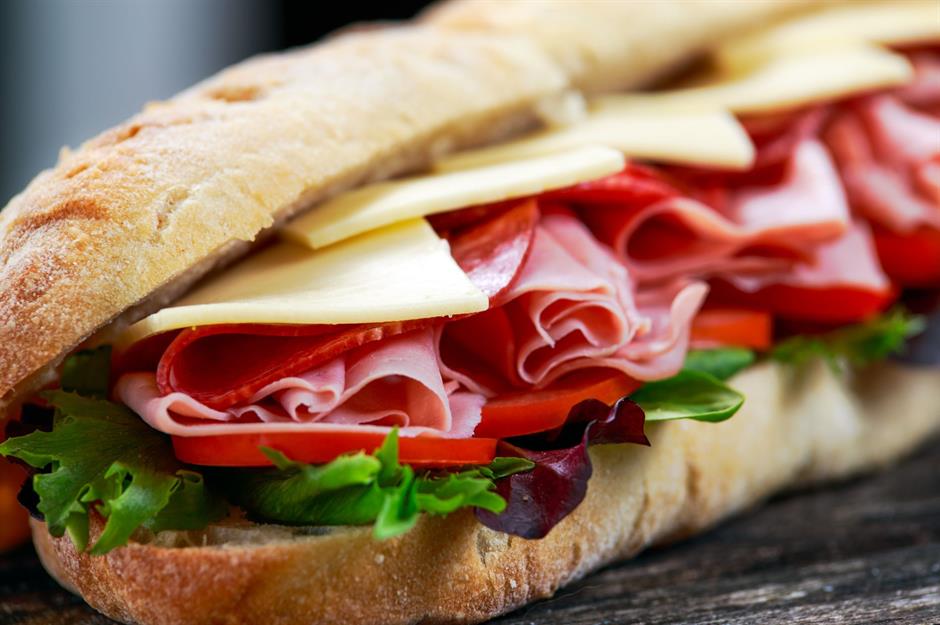
There have been several reported cases over the last few years, including one in 2018, when deli ham was recalled after a possible listeria (bacteria) contamination. Only consume cold cuts from shops with good food safety standards, and store them according to packet instructions.
28. Romaine lettuce
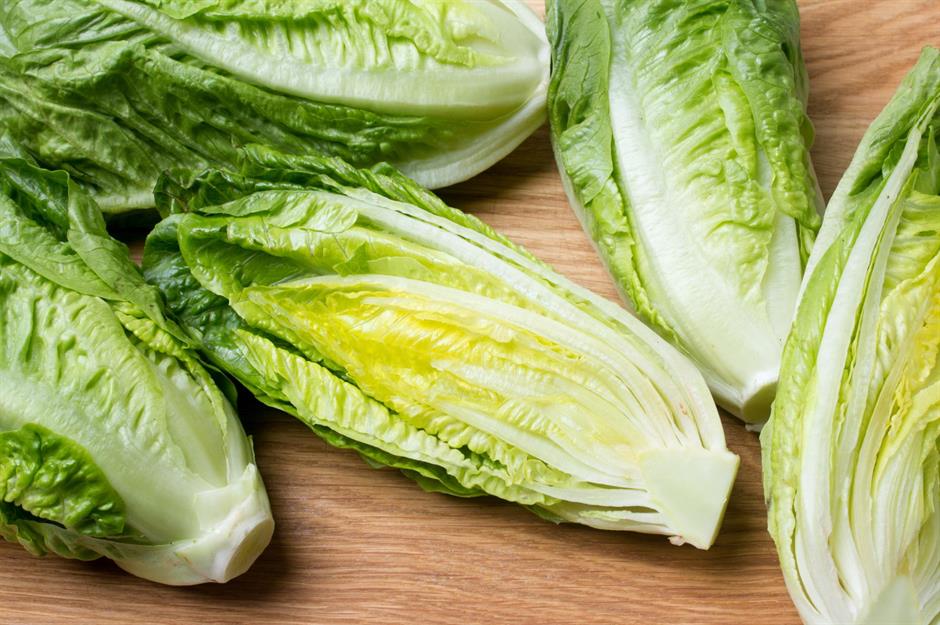
Forming the base of most salads and sandwich fillings, leafy greens don’t seem particularly threatening, but crinkly romaine lettuce has been identified as the culprit in a few E. coli outbreak cases, including one that affected people in several American states in 2018. The original contamination was thought to have been caused by animal waste in the soil.
Sponsored Content
28. Romaine lettuce
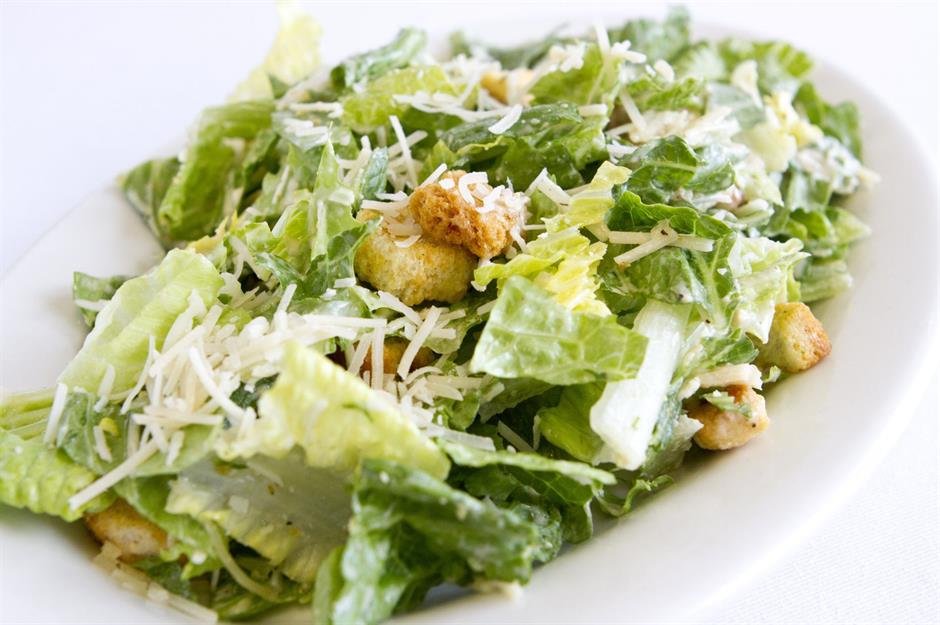
Another E. coli outbreak linked to crunchy lettuce affected 15 states in the United States in 2024, resulting in one death and leaving a further 88 people ill. While such cases are rare, it’s advisable to wash romaine lettuce thoroughly before eating.
27. Jellyfish
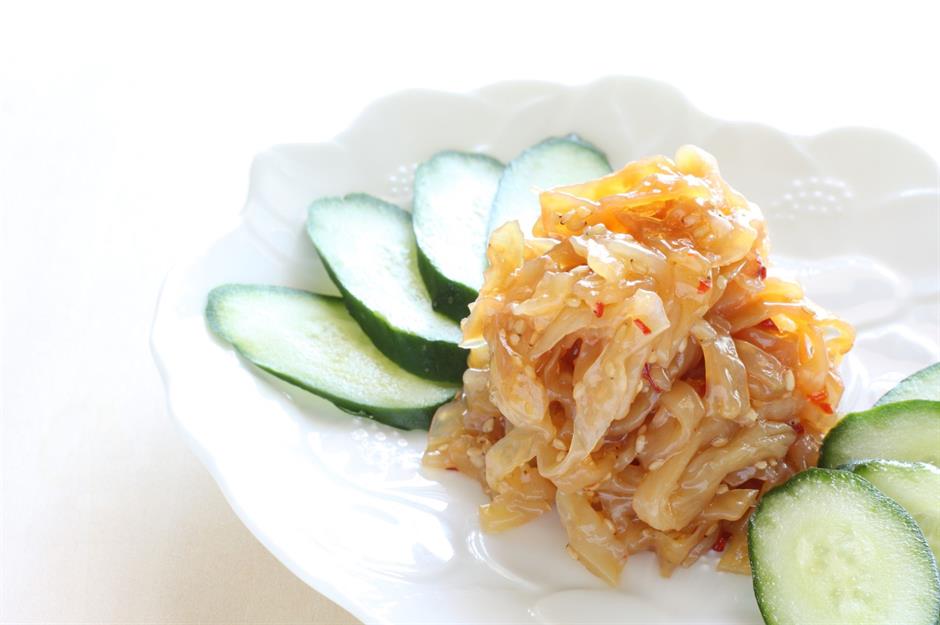
Did you know you can eat some species of jellyfish? While they might commonly be known for their painful stings, in some countries, jellyfish are a delicious delicacy. Care must be taken in preparing the dish though, because if it isn’t sliced correctly, the jellyfish’s poisonous venom can end up on your plate.
27. Jellyfish
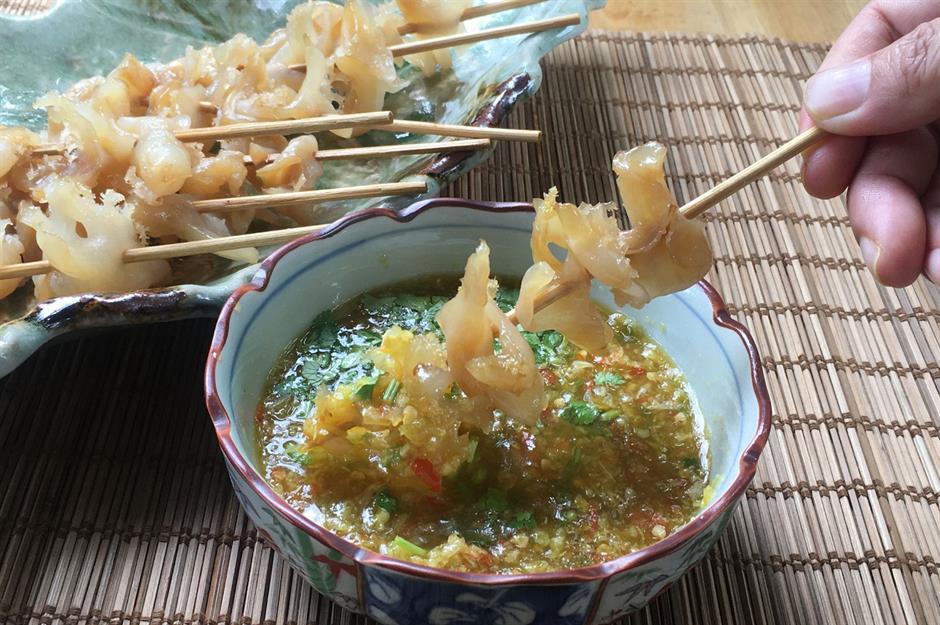
Similar to other seafood, edible jellyfish is prone to foodborne bacteria. If not cleaned and refrigerated soon after it’s caught, it can become dangerous for human consumption. Eager to try the dish while travelling? Make sure you go to a reputable restaurant specialising in the delicacy.
Sponsored Content
26. Eggs

Eggs are one of the most versatile foods around, but they can also pose a health risk. They can contain salmonella – and when several raw eggs are mixed together, the bacteria spreads. Served as soft scrambled eggs or poached eggs with runny yolks, or in a Hollandaise sauce or mayonnaise, they can make you sick.
26. Eggs
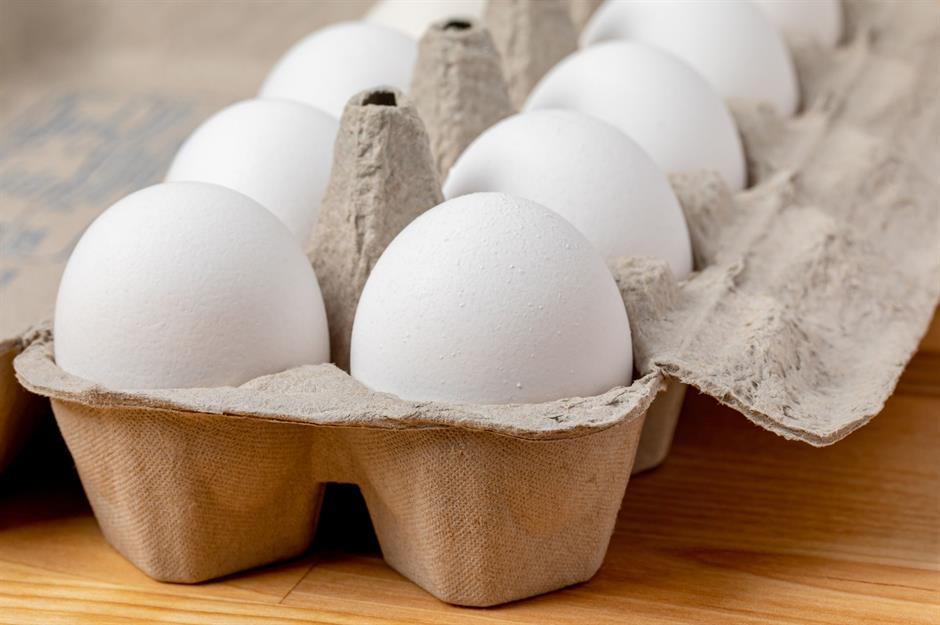
Cook them fully to be completely sure, and only consume salad dressings and raw egg dishes that contain pasteurised eggs. In the UK, there are several food safety schemes in place to help prevent the contamination of eggs with salmonella, including the British Lion Scheme.
25. Pink pork
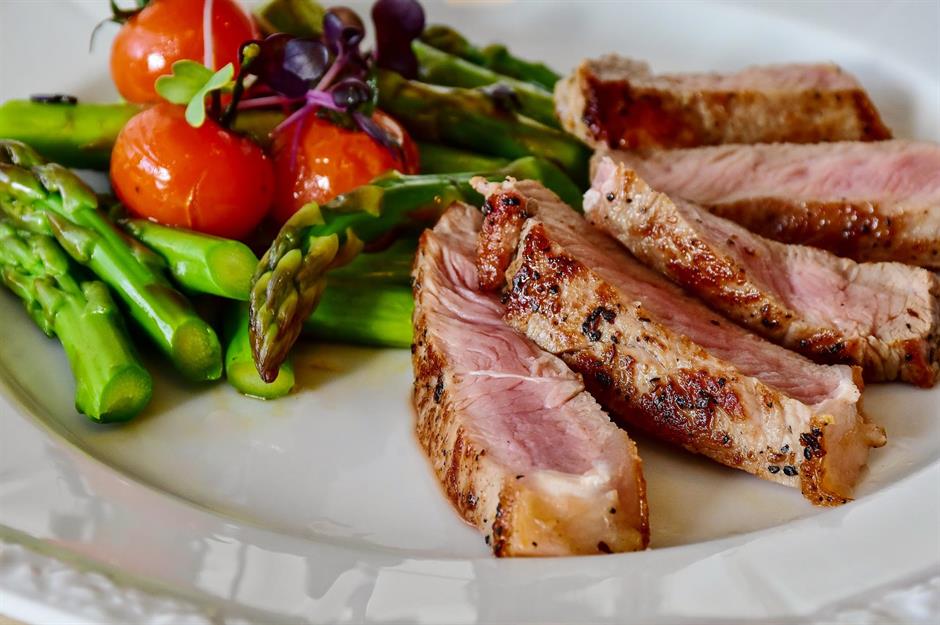
There's some debate around whether serving particular cuts of pork – like loin – pink should be considered safe. Raw pork can carry a host of risks and bacteria, including trichinosis (known as pork worm), which can cause stomach pain and vomiting, and hepatitis E, leading to inflammation of the liver.
Sponsored Content
25. Pink pork
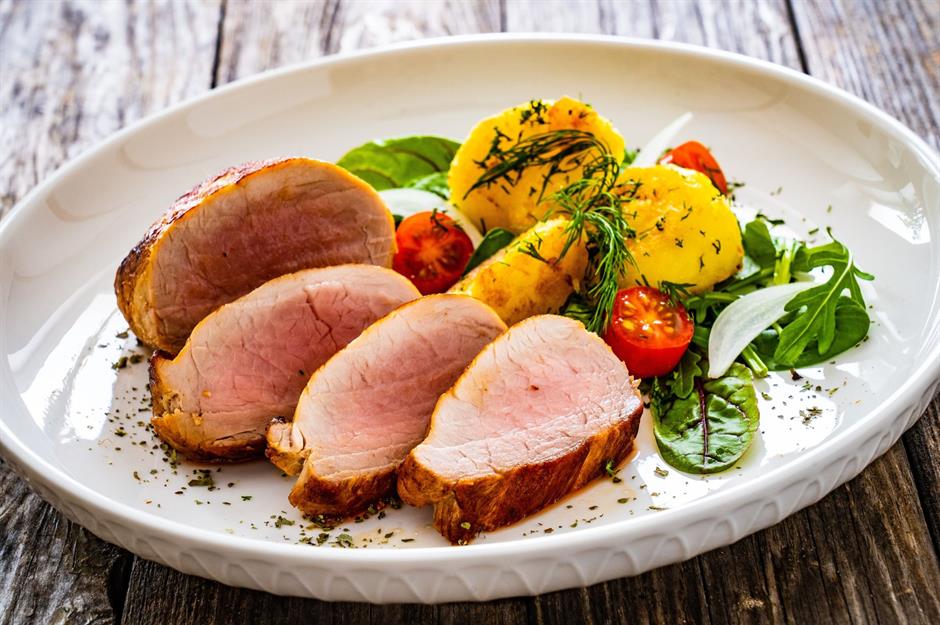
Ground pork should be cooked to 71°C (160°F) according to US guidelines, while cuts can be cooked to 63°C (145°F) to retain a hint of pink in the middle. The UK National Health Service (NHS) recommends cooking pork all the way through.
24. Raw cashews
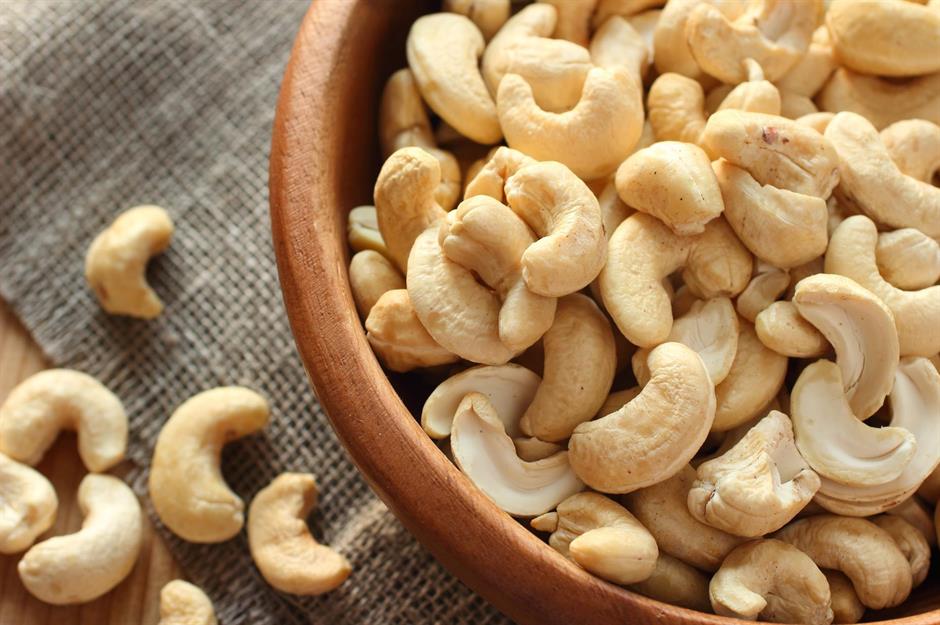
If you’re someone who enjoys a handful of salted cashews on a regular basis, don’t worry. The cashews you find in most shops have been shelled, steamed and roasted, which is just as well. Raw cashews – which are actually seeds harvested from cashew apples – on the other hand, contain urushiol, a chemical also found in poison ivy.
24. Raw cashews
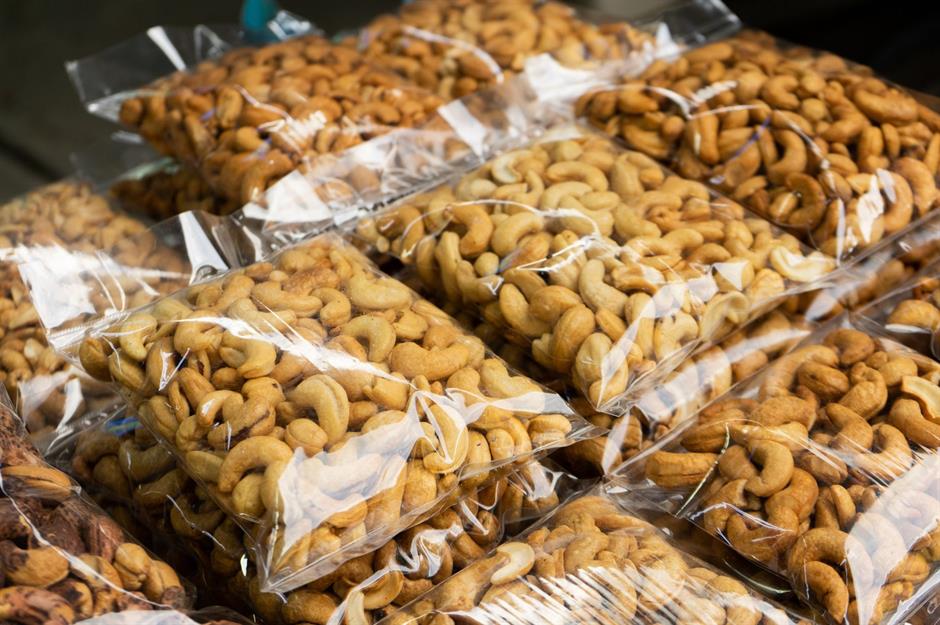
The substance, found in the shell, is toxic if ingested. When it comes into contact with the skin, urushiol can cause burns and rashes. In most cases, nuts sold in supermarkets have been treated and cooked at high temperatures to remove any traces of urushiol. They are then packaged and sold as ‘raw’, or roasted a second time.
Sponsored Content
23. Chicken
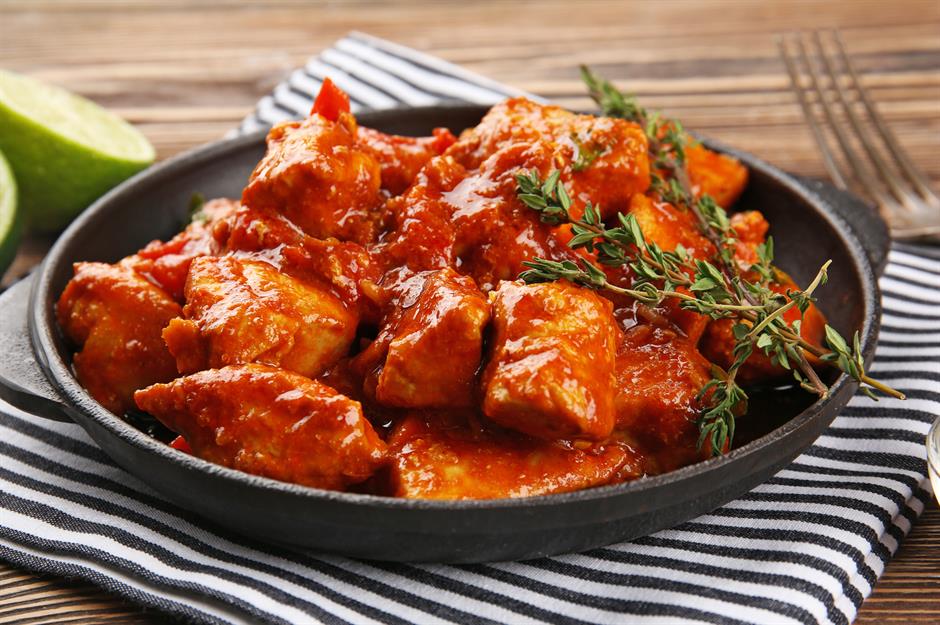
Chicken is one of the most popular meats in the world – but it’s also among those that are the most susceptible to contamination, and it can cause health problems if handled and prepared incorrectly. Raw chicken often carries salmonella and campylobacter, which can cause flu-like symptoms, nausea and vomiting.
23. Chicken
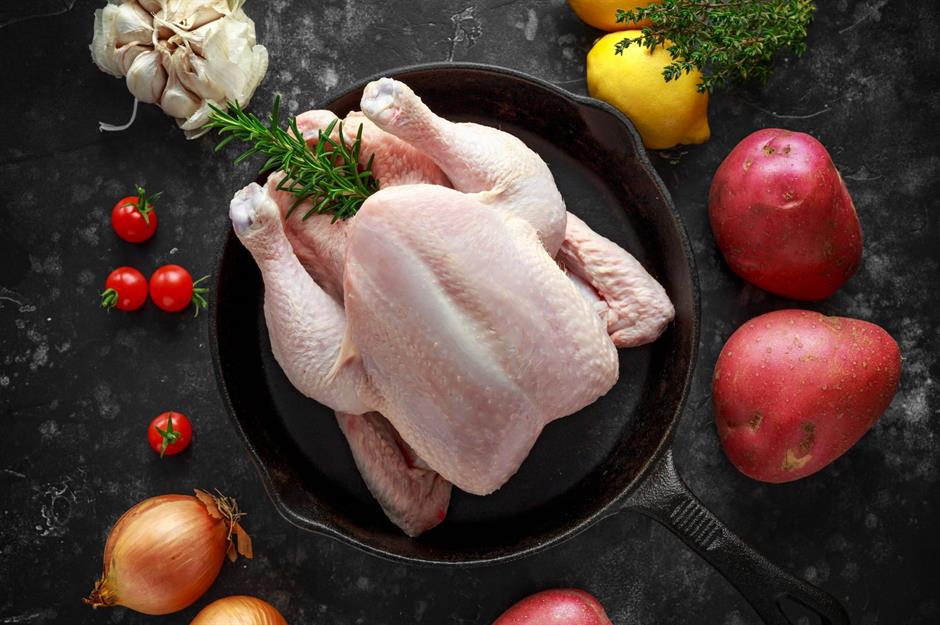
Thankfully, there are multiple ways you can minimise your risk of contamination. Experts recommend never washing raw chicken, as this can spread the harmful bacteria across the kitchen. Other ways to reduce the risk are by using a separate knife and cutting board when preparing it, and by cooking it to an internal temperature of 73.9°C (165°F) every time.
22. Mangoes
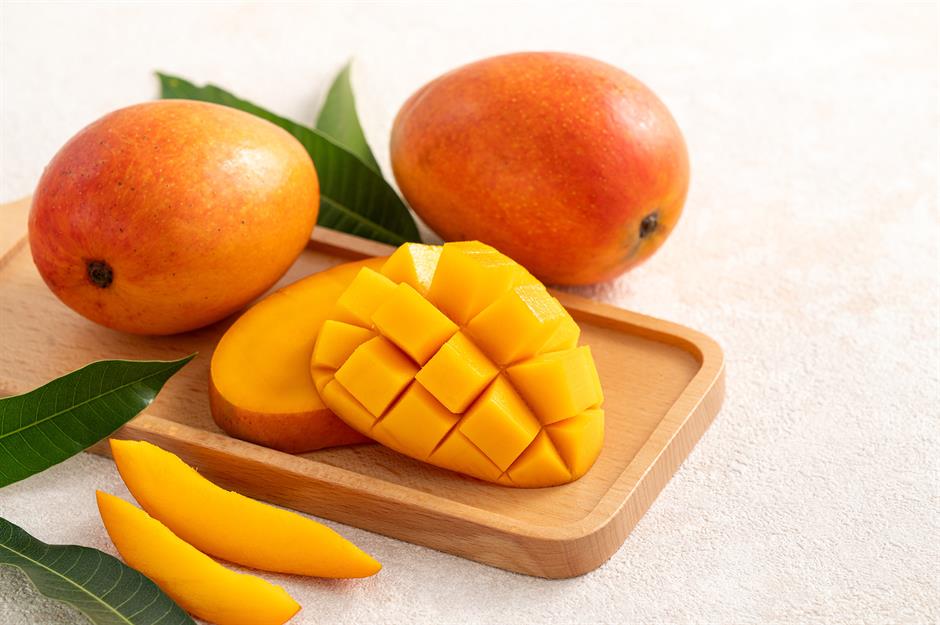
The flesh of a mango is perfectly safe to consume – but, just like raw cashews, the skin, bark and leaves of mangoes contain the chemical urushiol. If you're allergic to poison ivy, eating a mango without peeling it first can cause swelling and rashes, and can even lead to breathing difficulties.
Sponsored Content
22. Mangoes
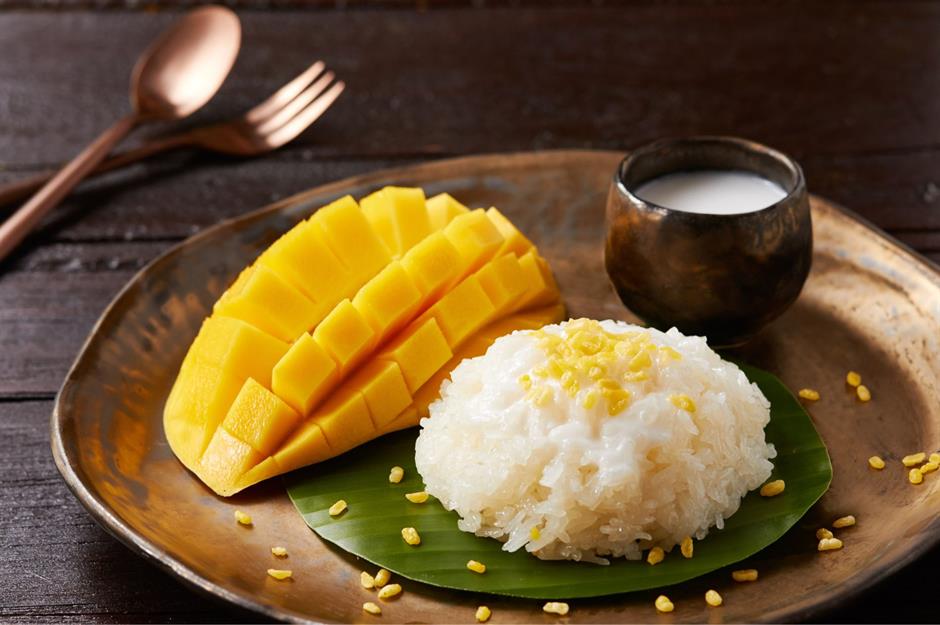
These tropical fruits are also sprayed with pesticides, and though these can be useful for keeping the mangoes as fresh as possible, they can be dangerous if consumed in large quantities; there have been links between pesticides and cancer and fertility problems. With that in mind, and given its leathery texture and bitter taste, it’s worth discarding the skin and sticking to the fruit within.
21. Oysters
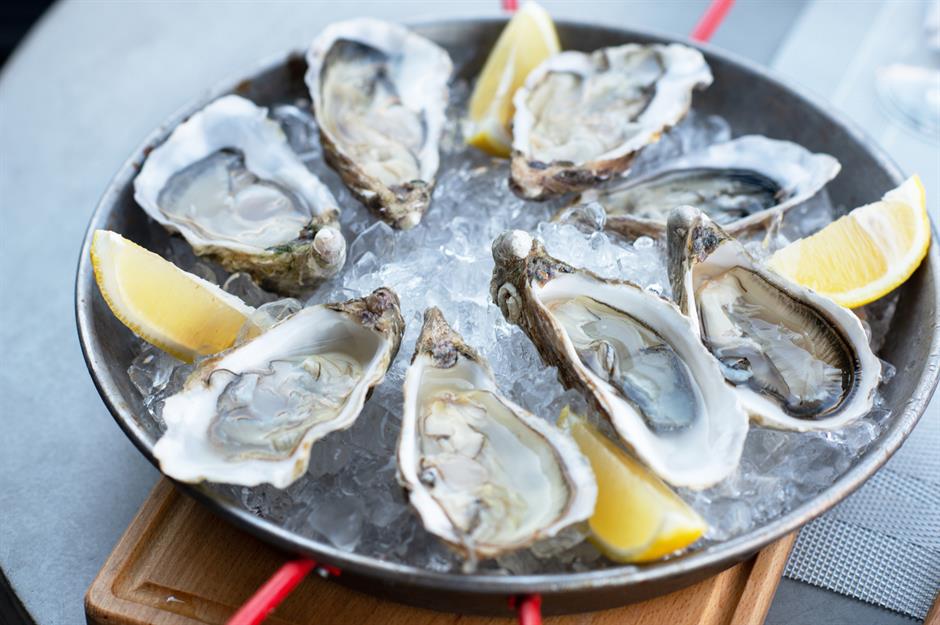
Raw is the default way to serve oysters – freshly shucked, on the half shell and with a generous squeeze of lemon. But they can carry harmful bacteria and viruses. In some cases, they can cause vibriosis, an illness with symptoms such as diarrhoea, cramping, nausea, vomiting, fever and chills.
21. Oysters
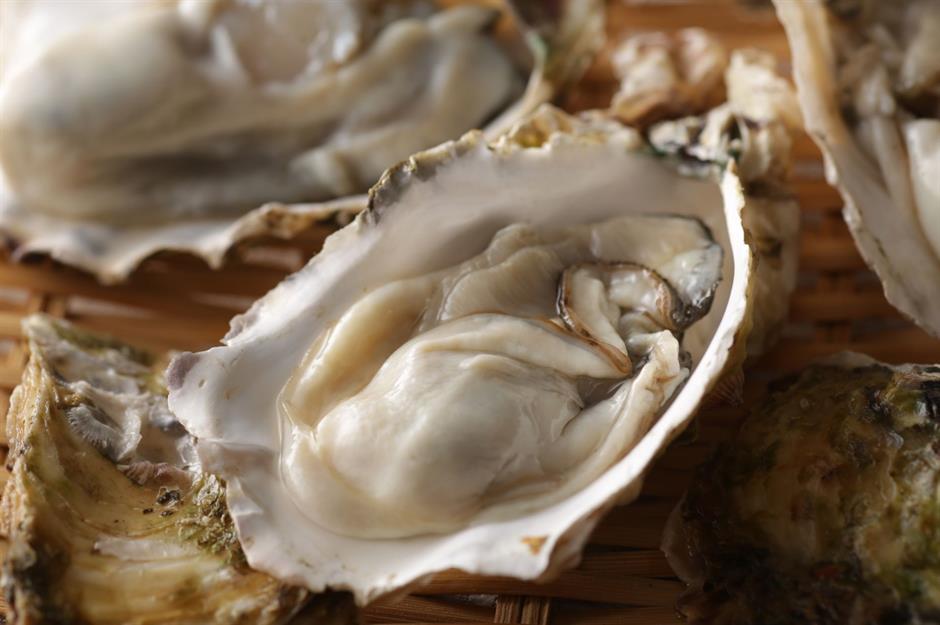
In the US, around 80,000 people get vibriosis annually – not exactly what you want after trying an oyster for the first time. Eat oysters at a reputable seafood restaurant – and if you’re serving them at home, trying cooking them; this will kill the bacteria and help reduce the risk.
Sponsored Content
20. Elderberries
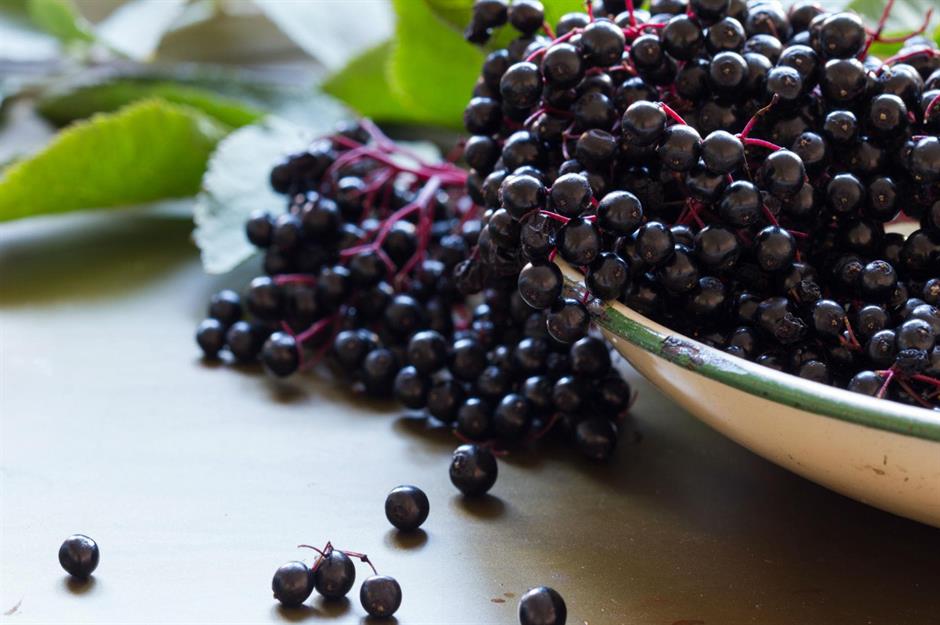
These deeply pigmented purple berries are believed to contain health-boosting antioxidants. However, the plant they grow from contains the far less desirable cyanide. It’s unlikely that you'd intentionally ingest the leaves, twigs, roots and seeds from an elderberry bush, but it’s worth taking the time to separate out the fruit.
20. Elderberries
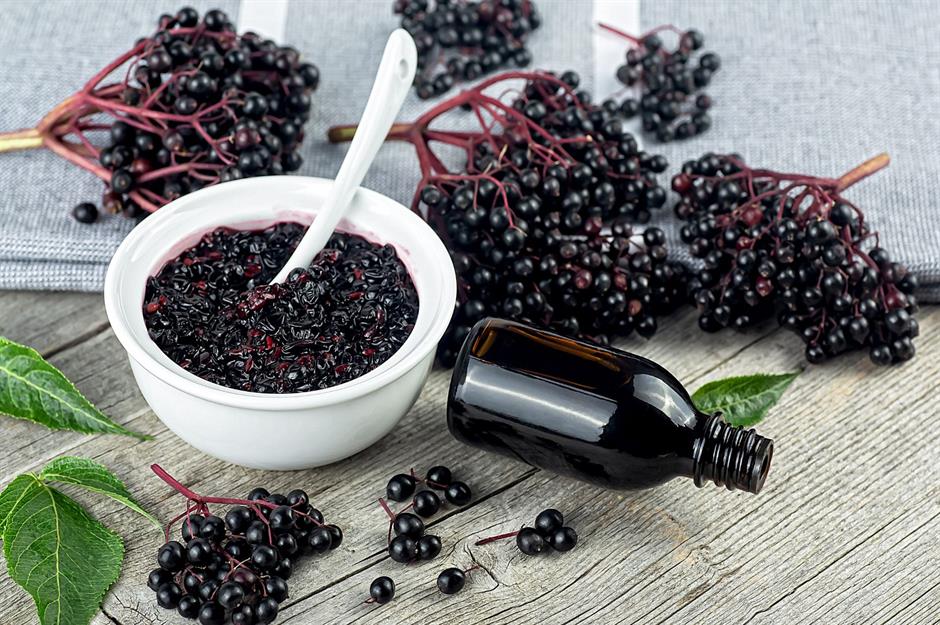
If you’ve got an elder tree in your garden and want to make the most of the berries, it’s vital that you know it’s a European or American elderberry tree – and if it is, make sure you cook the fruit first. These raw berries contain a toxic substance that can cause nausea and diarrhoea.
19. Raw butter beans
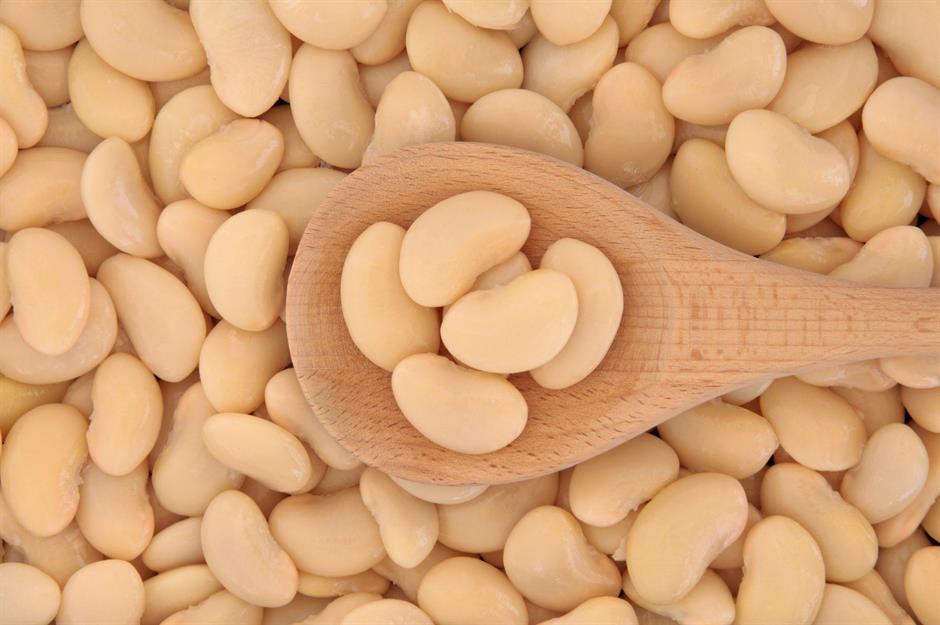
If you’re keen to get your beans into your diet, this giant variety is a great one to experiment with – but a word of caution. Dried butter beans contain the chemical linamarin, a compound known to release cyanide when digested. Symptoms of cyanide poisoning include headaches, dizziness, nausea and vomiting, and these can become more severe and lead to further complications.
Sponsored Content
19. Raw butter beans
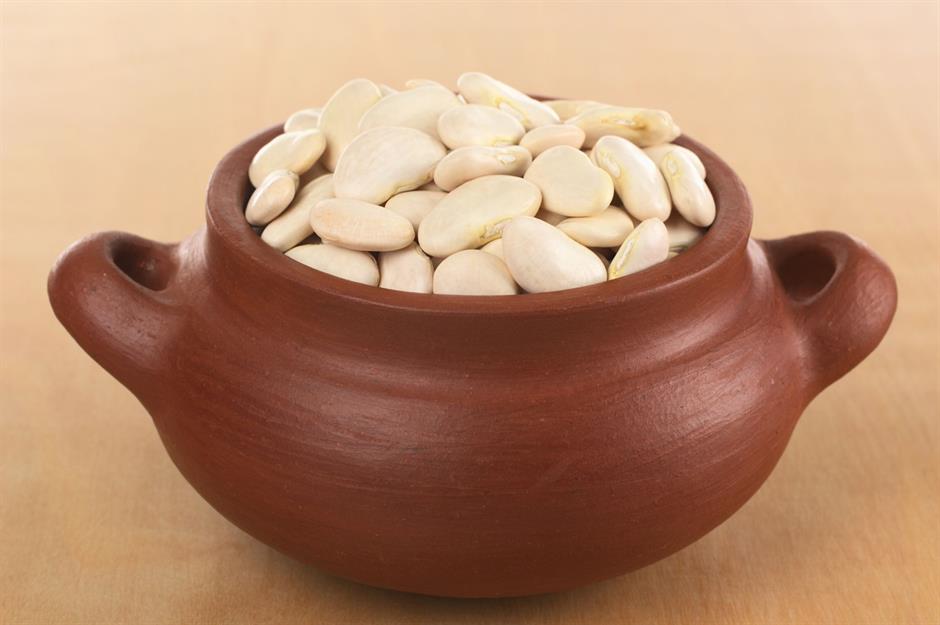
If you don't want to get sick, you'll need to prepare your butter beans properly before you dig in: soak them overnight, drain and rinse them, then simmer in water or stock for an hour. Alternatively, opt for tinned butter beans, which are precooked and safe to eat straight from the can.
18. Raw bamboo shoots
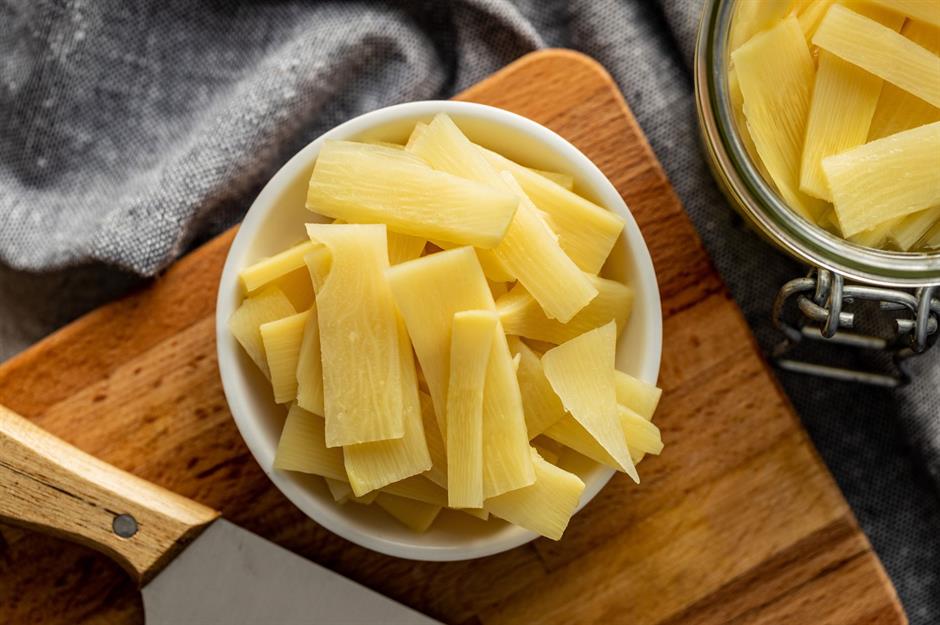
A staple ingredient in many Asian recipes, bamboo shoots are generally a great source of vitamins and minerals – and they've been shown to improve gut health and lower cholesterol levels, too. However, consuming them raw and fresh can be harmful; they contain high amounts of toxins, including cyanide taxiphyllin.
18. Raw bamboo shoots
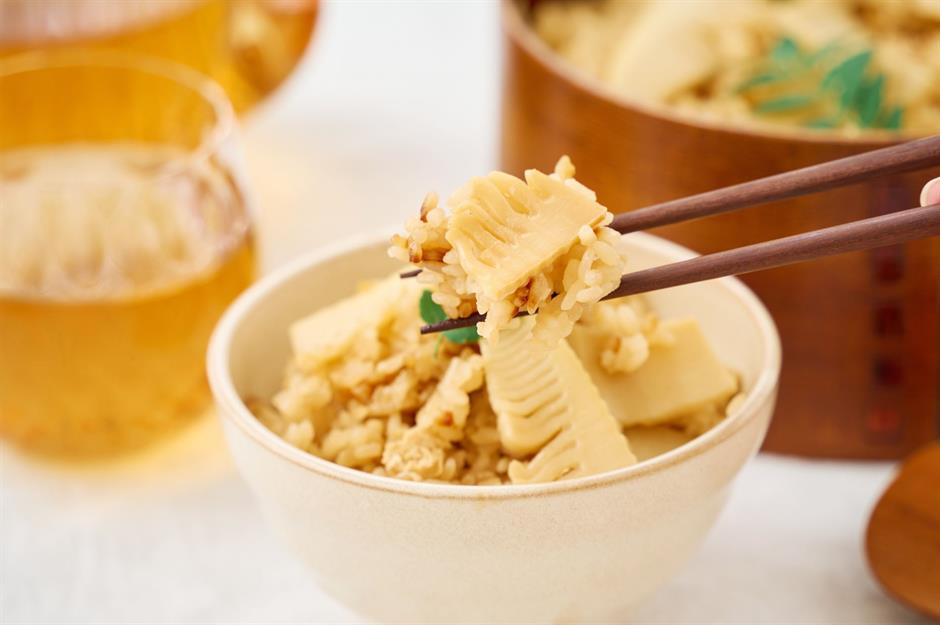
But, prepared properly, they can be a great ingredient to have on hand for quick stir-fries and curries. Boiling them or cooking them thoroughly helps to reduce these levels, making them safe for consumption. Meanwhile, canned bamboo shoots are perfectly safe to eat as they are.
Sponsored Content
17. Raw cassava
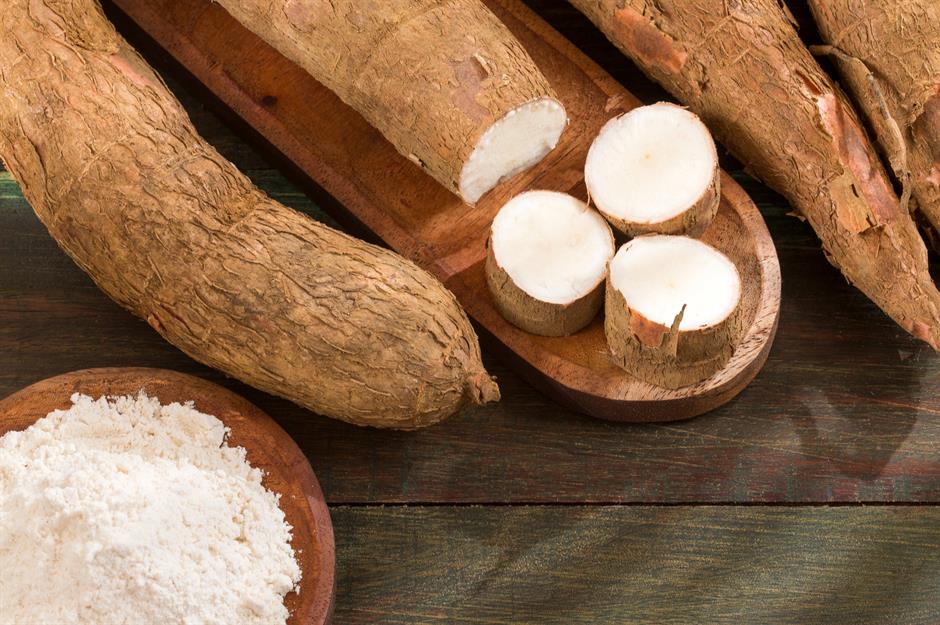
Nutty, starchy cassava is a staple in South America, prized for its versatility – it can be used to make anything from flour to chips. However, eaten raw or improperly prepared, these root vegetables can pose a risk. Like butter beans, the tubers contain a compound called linamarin, which turns into cyanide.
17. Raw cassava

There have been instances where incorrectly prepared cassava has caused fatalities and hospitalisations; in 2005, it was reported that 27 children died – and a further 100 were in hospital – due to consuming incorrectly prepared cassava that was sold from a vendor outside their school. It’s imperative that cassava is prepared and cooked properly, whether boiled, grilled or steamed.
16. Raw kidney beans
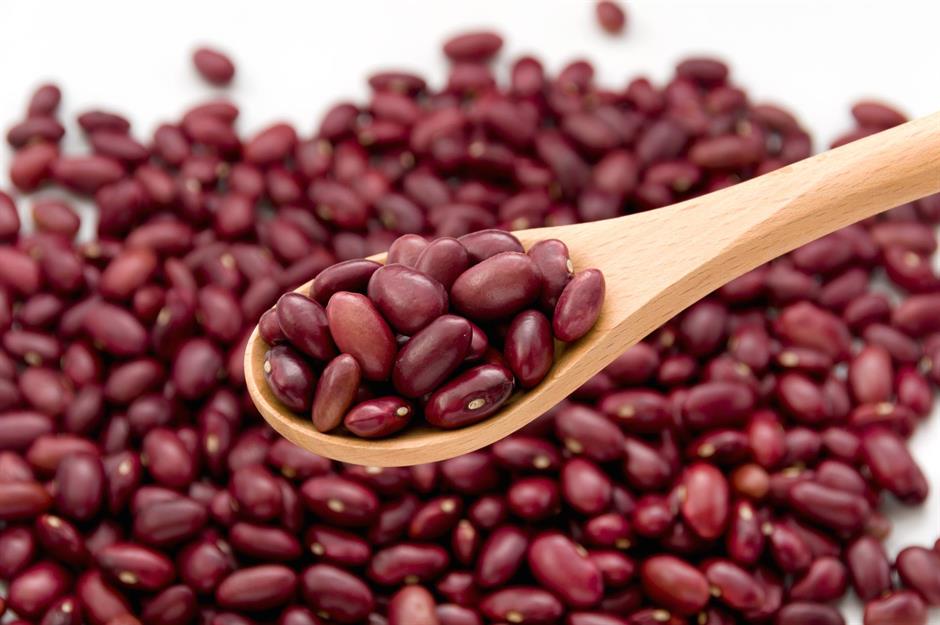
Raw kidney beans contain a toxin called phytohaemagglutinin (also known as kidney bean lectin), which is poisonous to humans. Research shows that eating just a few raw kidney beans can cause severe stomach pains, nausea and vomiting. Symptoms usually pass fairly quickly, but in rare cases, it can be more serious.
Sponsored Content
16. Raw kidney beans
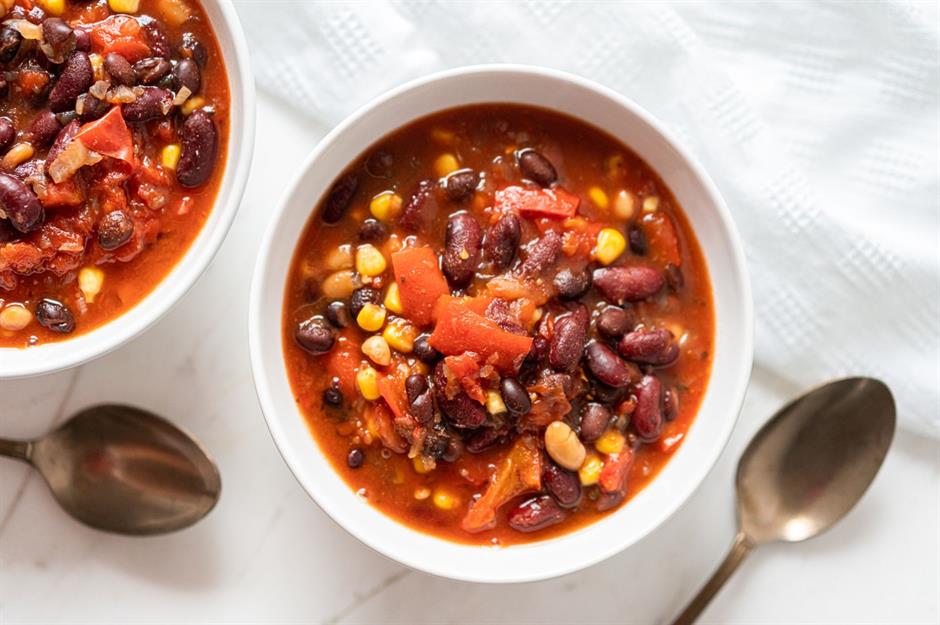
It’s easily avoided, though; soak the beans overnight, boil for at least 10 minutes to reduce the toxin levels to harmless, then simmer until cooked. Don’t want to risk it? Purchase them in cans, which are already cooked and can be drained and thrown directly into your meal.
15. Rice
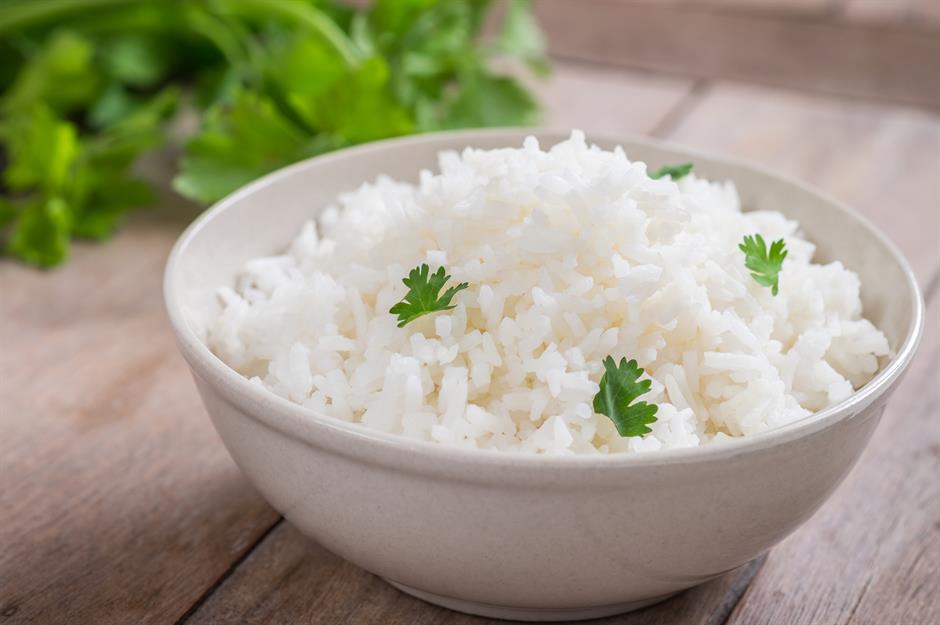
Rice is one of the world’s staple foods, but studies have revealed that it contains higher levels of arsenic (a cancer-causing toxin that comes from the soil) than many other crops. The effects depend on how much you eat; consuming rice a couple of times a week is unlikely to cause any issues.
15. Rice
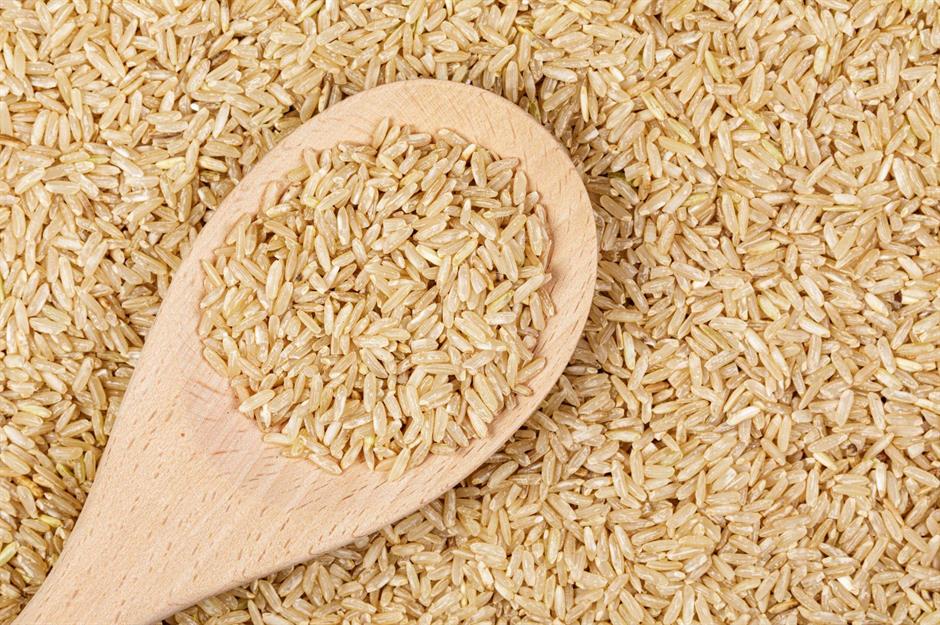
If cooked rice is left at room temperature or reheated incorrectly, it becomes a breeding ground for Bacillus cereus, which can produce harmful toxins and cause food poisoning. Allow rice to cool fully (no longer than an hour), and ensure you thoroughly reheat the grain before consuming. Never reheat rice more than once.
Sponsored Content
14. Tuna
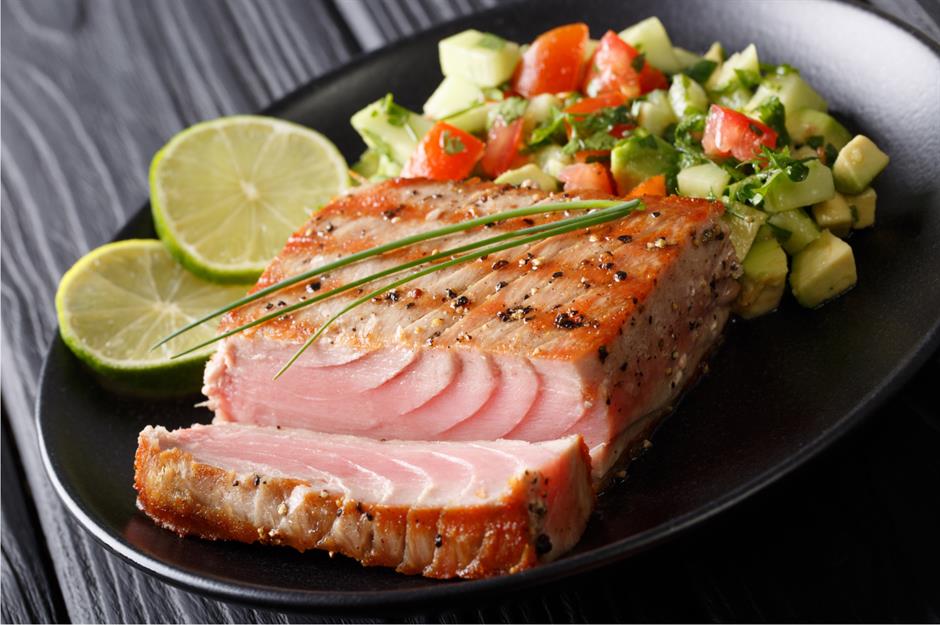
Packed with important nutrients and health benefits, fish is delicious, but cooking it properly is no sure-fire way to avoid sickness. According to the FDA, tuna and other dark-meat fish release a toxin called scombrotoxin at temperatures above 15.5°C (60°F), which can’t be killed by cooking, canning or freezing.
14. Tuna
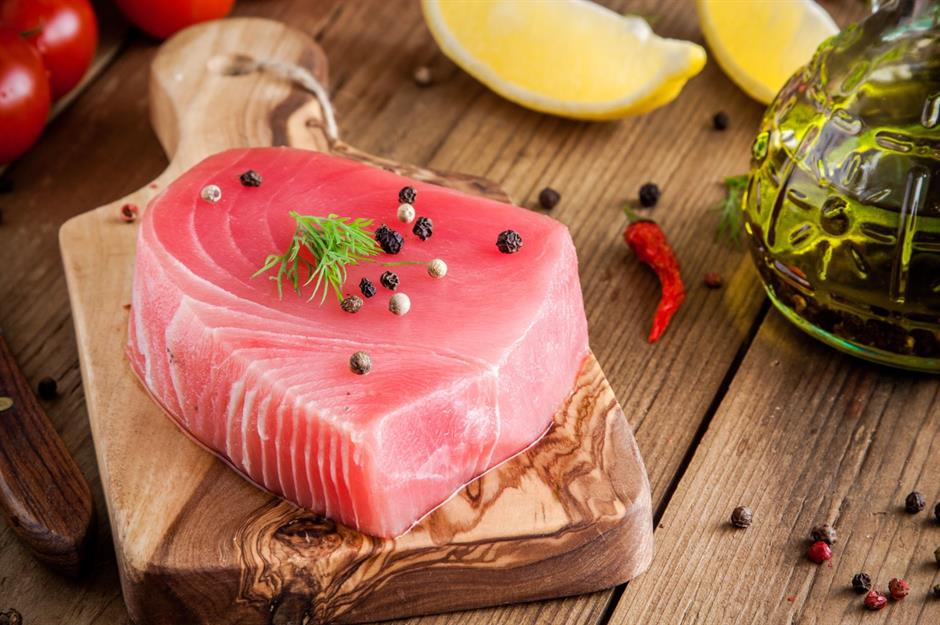
Symptoms of contamination can be similar to both food poisoning and an allergic reaction; you may experience tingling around the mouth, hives, a drop in blood pressure, dizziness and itchiness, followed by vomiting, diarrhoea, respiratory distress and heart palpitations. If you’re unsure how to prepare it at home, leave it to the chefs at a well-respected seafood restaurant.
13. Sushi
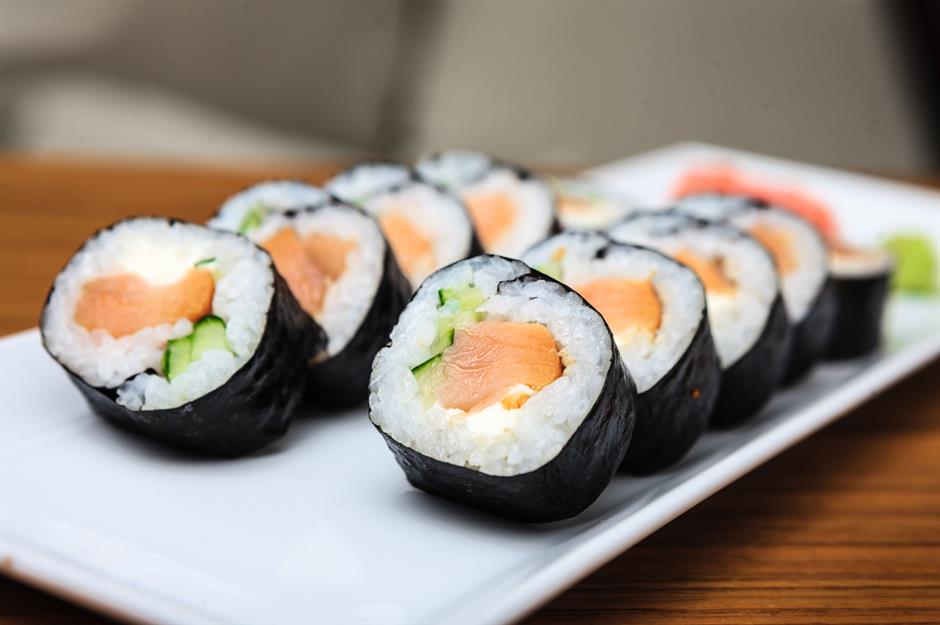
It’s rare that enjoying sushi, poke or ceviche will cause any health issues, unless you have allergies. However, the growing popularity of raw fish dishes has coincided with increased reports of sickness related to worm infections in the last few years.
Sponsored Content
13. Sushi
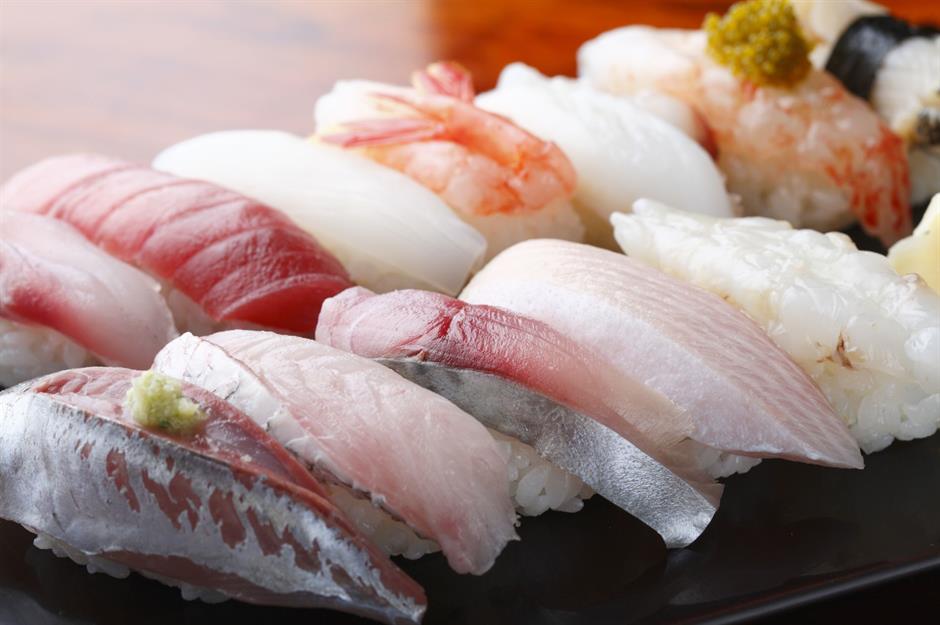
Eating raw, smoked or improperly frozen fish infected with anisakis (herring worm) can cause severe abdominal pain and vomiting, though the worm can’t survive in the human intestine. Reputable sushi chefs are trained to flash-freeze fish to kill parasites, helping to reduce the risk.
12. Casu marzu
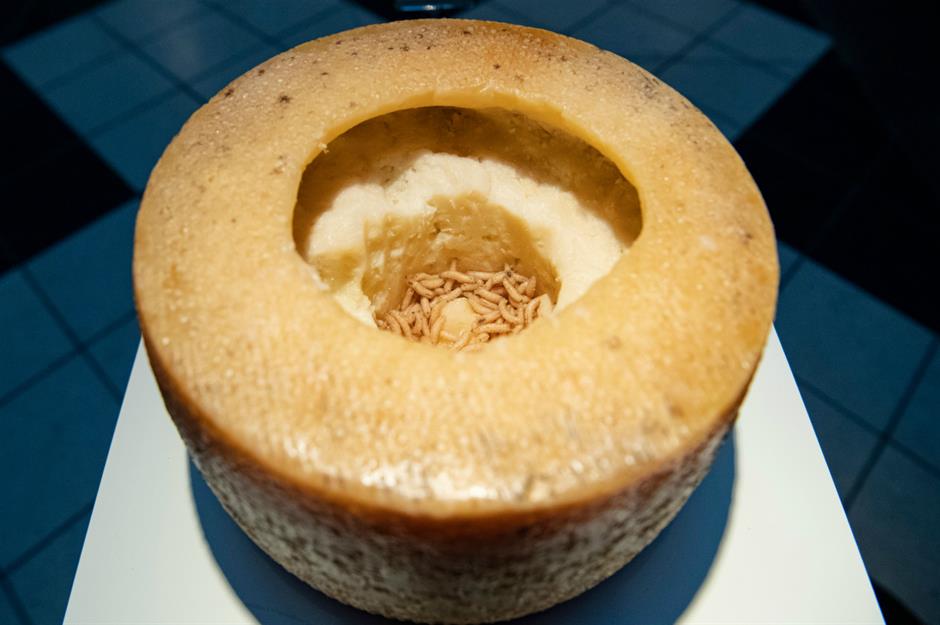
The name casu marzu translates as ‘rotten cheese’. If that isn’t enough to put you off, how about the fact that it contains fly larvae? This soft, gooey hunk is created by leaving sheep's cheese out for cheese flies, which lay eggs inside the rind. When the larvae hatch, they feast on the cheese and break down the fats.
12. Casu marzu
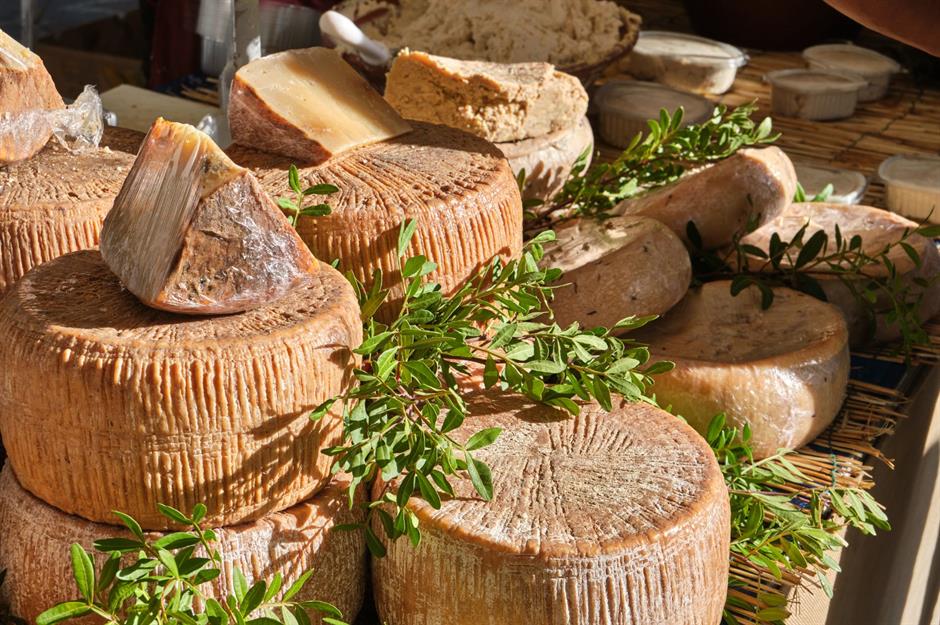
It's considered a delicacy on the Italian island of Sardinia, where it’s been made for thousands of years. It’s also considered dangerous to eat because the larvae can cause intestinal damage. A rather divisive cheese, it’s illegal to buy or sell the product.
Sponsored Content
11. Raw honey
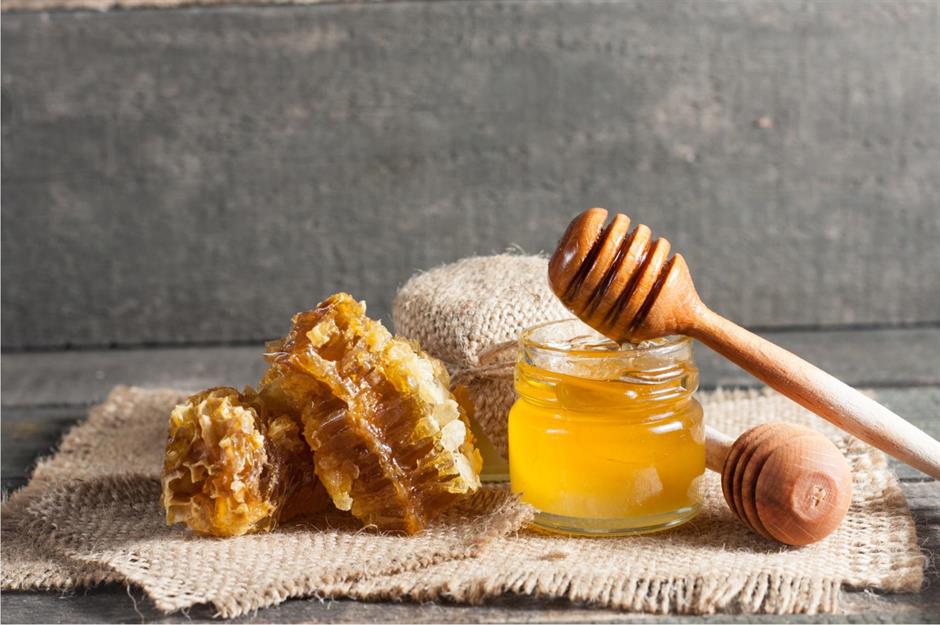
While most shop-bought honey has been pasteurised to kill bacteria, raw honey – pretty much straight from the beehive – is known to contain more antioxidants, vitamins and minerals. But the potential benefits need to be weighed alongside the risks, as raw honey can contain bacteria spores called clostridium botulinum, which attack the nervous system.
11. Raw honey
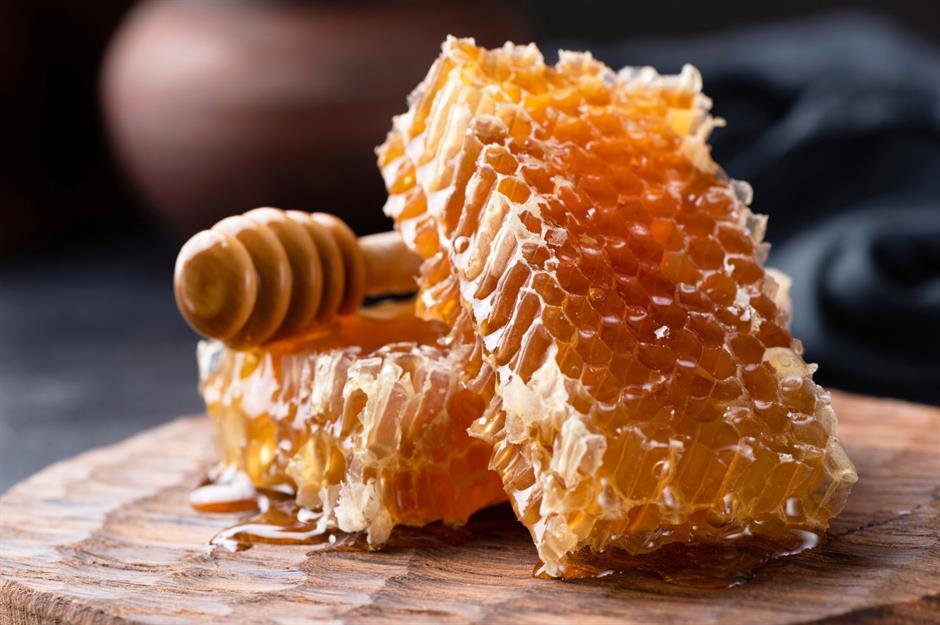
This type of harmful bacteria can lead to botulism, a rare type of food poisoning that can cause muscle paralysis and breathing difficulties. It can also lead to other symptoms such as nausea, vomiting and diarrhoea. While these cases are rare in healthy adults, raw honey can be particularly harmful for infants and shouldn’t be given to children under the age of one.
10. Nutmeg
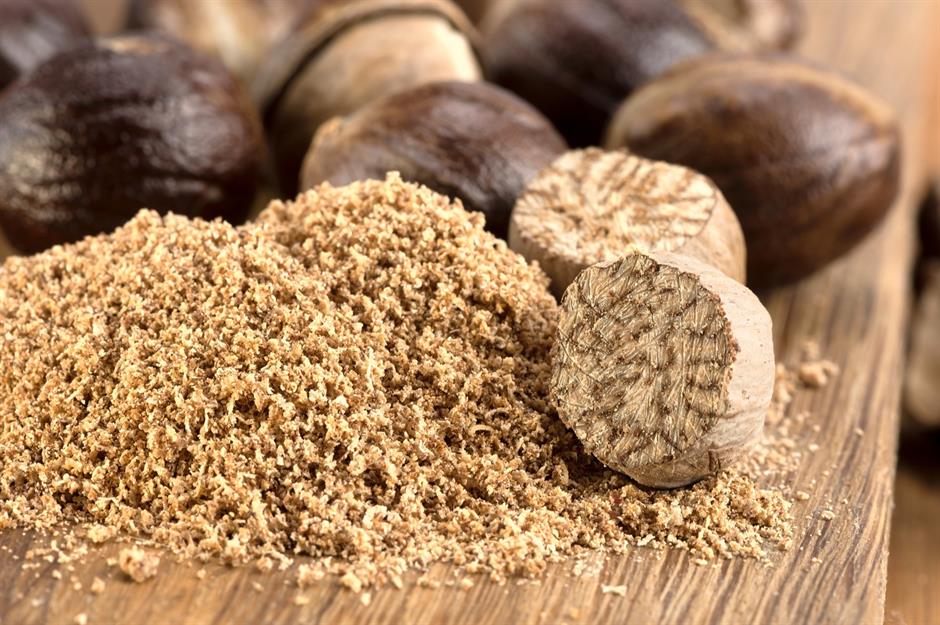
Grating a little nutmeg over your mac ‘n’ cheese, adding it to gnocchi dough or using it in your favourite mulled wine recipe is very unlikely to have any side effects (other than making things even more delicious). Nutmeg does, however, contain myristicin, a natural compound found in a few plants, which can lead to certain side effects if consumed in large volumes.
Sponsored Content
10. Nutmeg
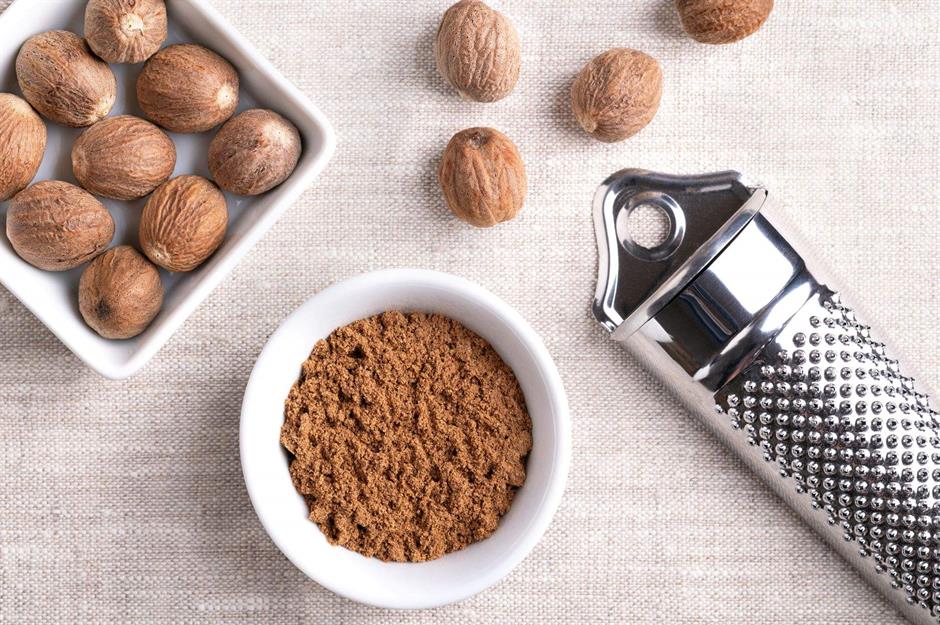
Symptoms include headaches, nausea, dizziness and hallucinations, and in rare circumstances, it can be fatal. Using no more than a tiny amount is recommended. Researchers at the Illinois Poison Center found that just 0.35oz (10g) or two teaspoons of nutmeg is enough to make someone ill, so it’s best to use it sparingly.
9. Rhubarb leaves
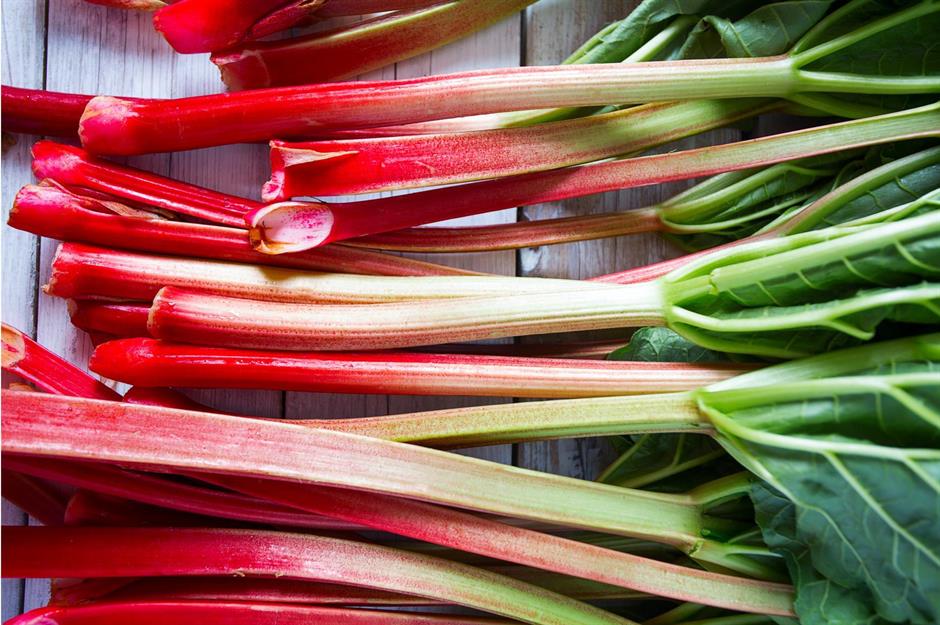
Some crops have surprisingly delicious greenery – pea shoots, for example, or radish tops (try blitzing them into a pesto). Rhubarb leaves, however, are not safe for human consumption. The leaves contain oxalic acid, which can form oxalate crystals in your kidneys.
9. Rhubarb leaves
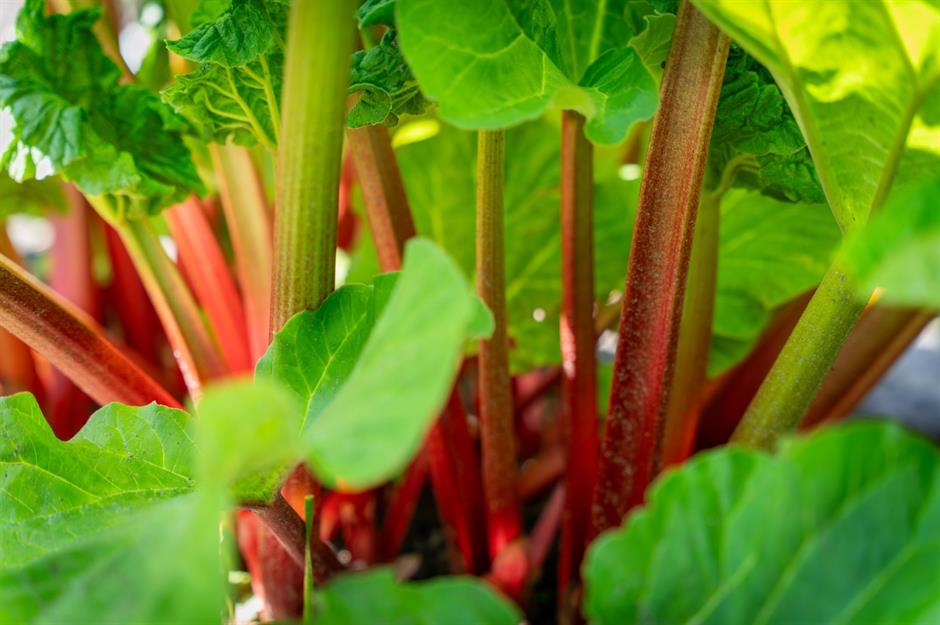
Eating those dark, rubbery green leaves can cause breathing difficulties, nausea, and a burning sensation in the mouth and throat – and, in severe cases, may even lead to kidney failure. Although you’d need to consume a very large amount for it to be fatal, it’s still best to stick to the tart stems instead.
Sponsored Content
8. Fruit stones
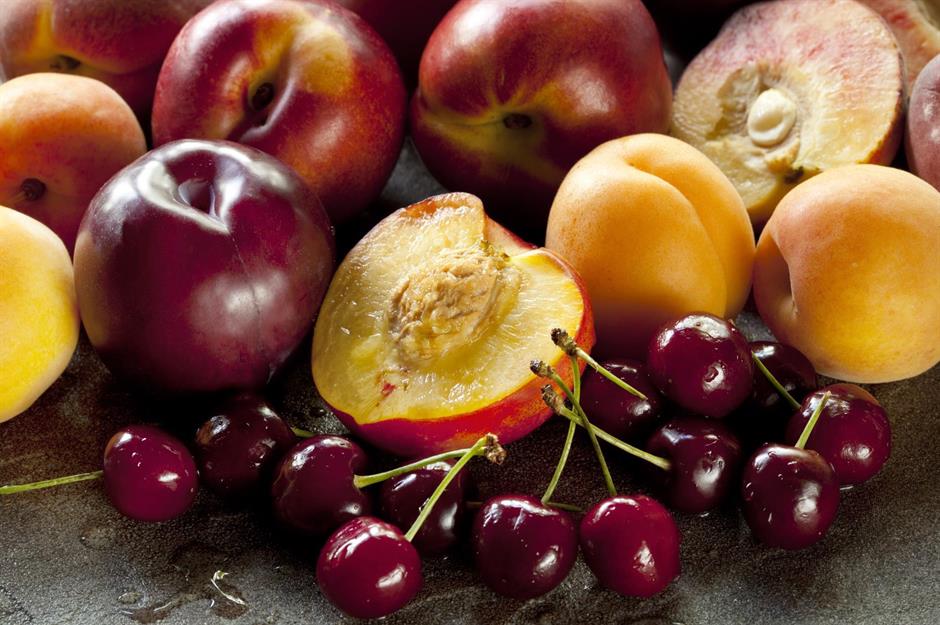
Sure, you probably don't tend to snack on apricot pits or apple pips, but accidentally swallowing or chewing on fruit stones can happen. These stones have been found to contain a compound that turns into hydrogen cyanide in the body – and there have been some cases linked to certain cyanide poisoning and fruit stones – including cherries – in recent years.
8. Fruit stones
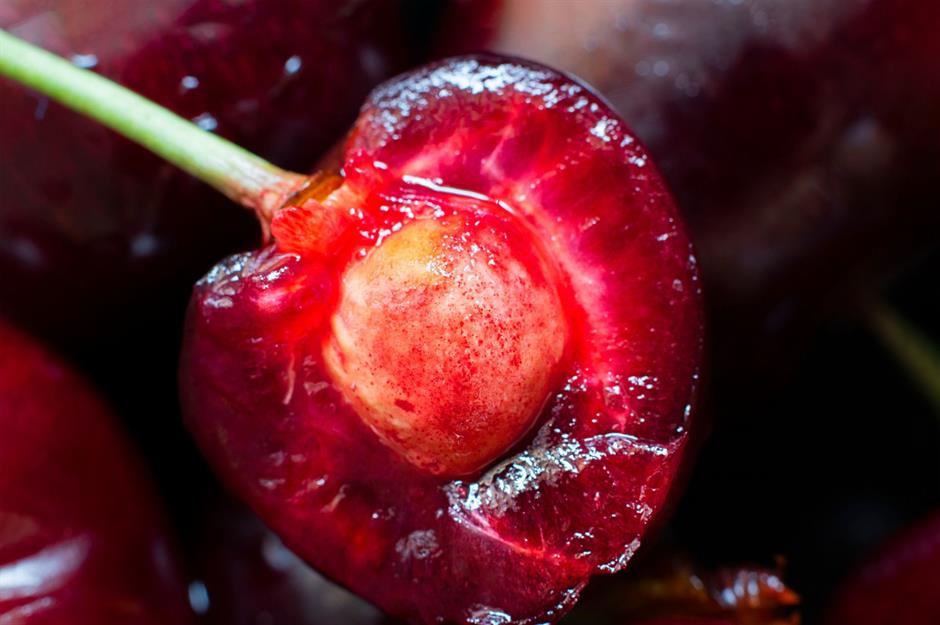
It’s important to note that in most instances, the doses are small, so unless you consume a large amount, the effects are unlikely to be fatal – but it’s worth knowing in case you’re tempted to blitz whole fruits, pips and all, into smoothies.
7. Bitter almonds
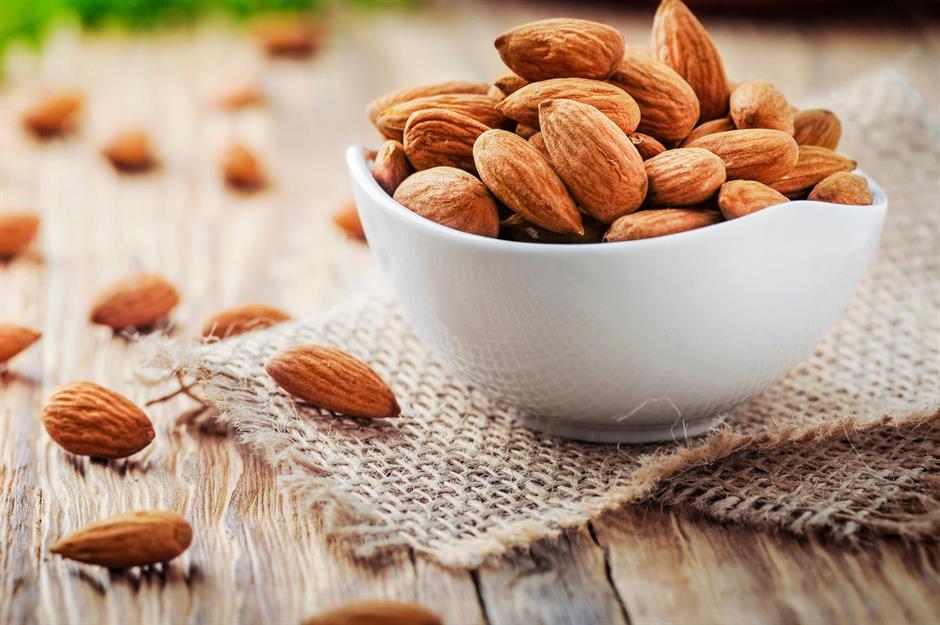
Bitter almonds can be used to make almond extract, marzipan and Christmassy stollen. They're also highly poisonous if eaten raw, as they contain glycoside amygdalin, which can turn into cyanide in the body. Consuming anything between six and 10 bitter almonds can cause light-headedness, nausea and abdominal cramps in an adult, and smaller numbers can be fatal for children.
Sponsored Content
7. Bitter almonds
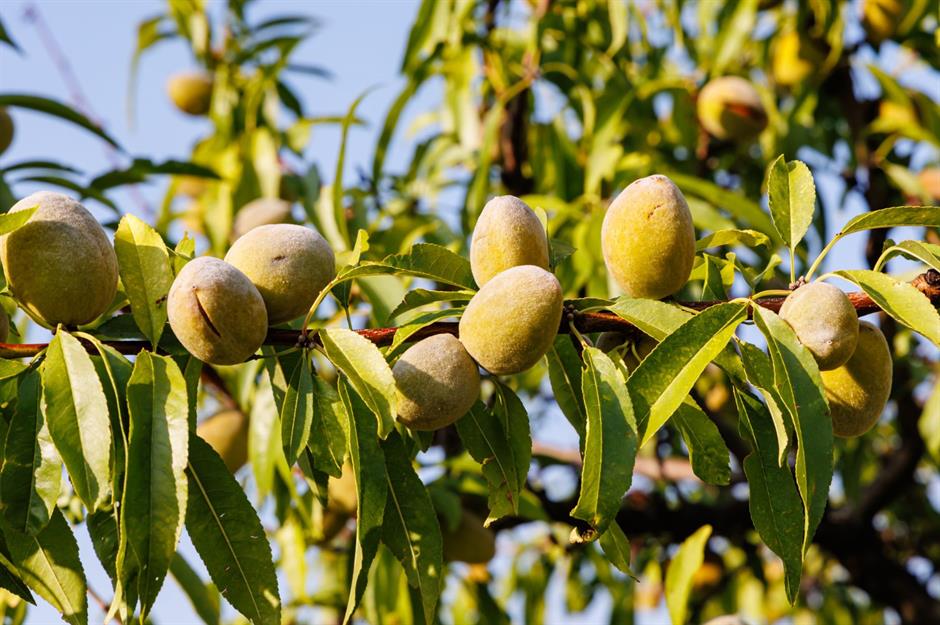
Thankfully, they are perfectly safe when cooked, as the heating process reduces the cyanide content – though they’re nevertheless illegal in certain countries. Fancy a nutty snack? You’re better off sticking to sweet almonds, the type of nut you typically find in supermarkets.
6. Star fruit
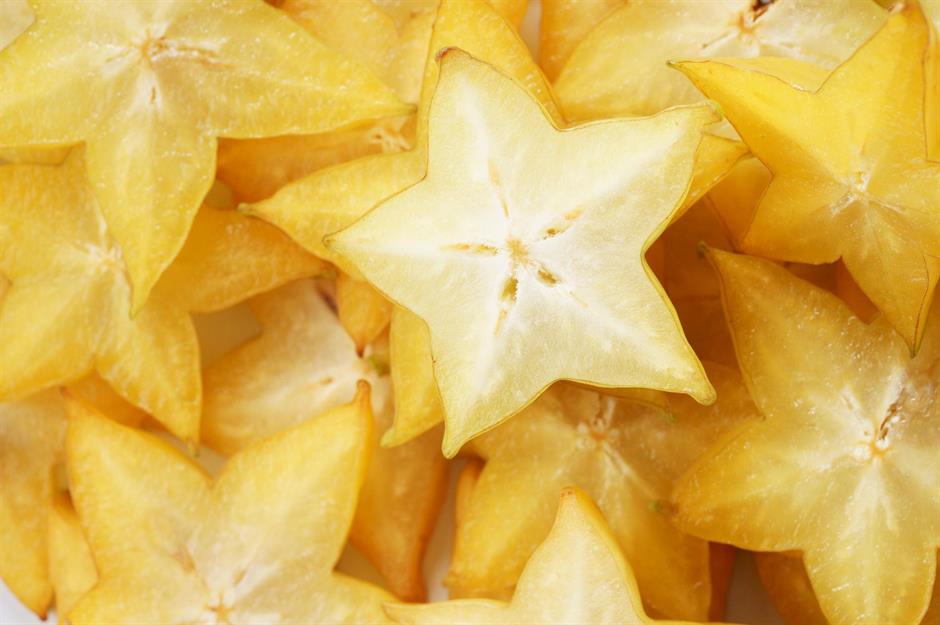
Bittersweet, apple-like star fruits are renowned for their five-point shape – but although eaten with gusto in many countries, they can be highly toxic for those with kidney problems. The fruit contains oxalic acid and caramboxin, which are safe for most of us to consume, but they cannot be processed normally if you have kidney problems.
6. Star fruit
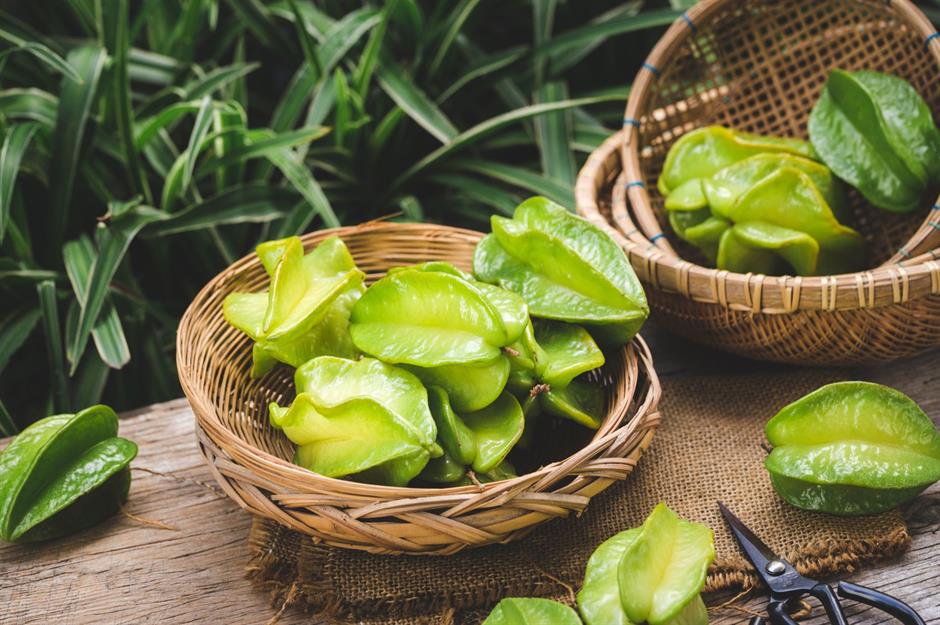
According to the National Kidney Foundation in the USA, consumption of the fruit by those with kidney disease can affect the brain, as caramboxin is a neurotoxin. Other symptoms include hiccups, confusion and seizures – and in some rare cases, it can also be fatal.
Sponsored Content
5. Green potatoes
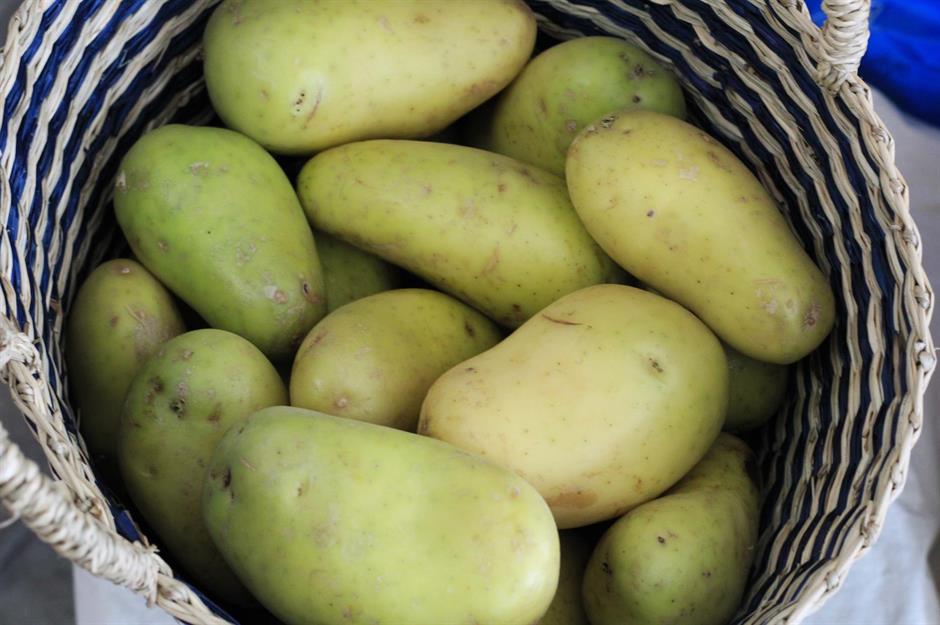
There’s a reason people say you should keep potatoes in a dark, dry place. When exposed to the light, potatoes can turn green due to chlorophyll – and this could signal a bigger problem than them looking a bit unappetising on your plate.
5. Green potatoes
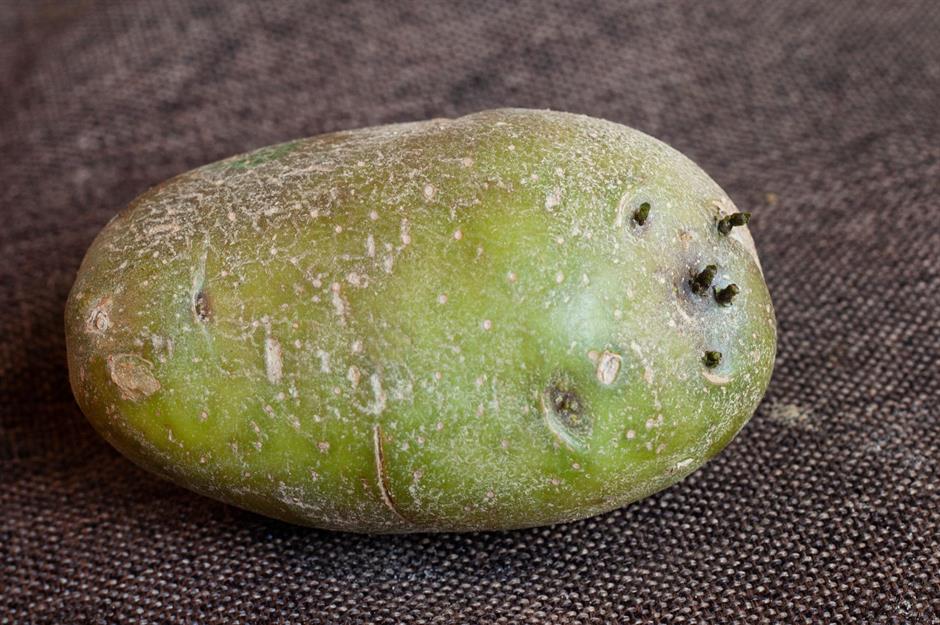
It can cause a build-up of solanine, a toxic alkaloid that can cause several side effects, including diarrhoea, nausea, cramping, headaches and, very rarely, life-threatening consequences. Cut away any small green areas before cooking, and completely avoid potatoes that are fully green.
4. Raw ackee
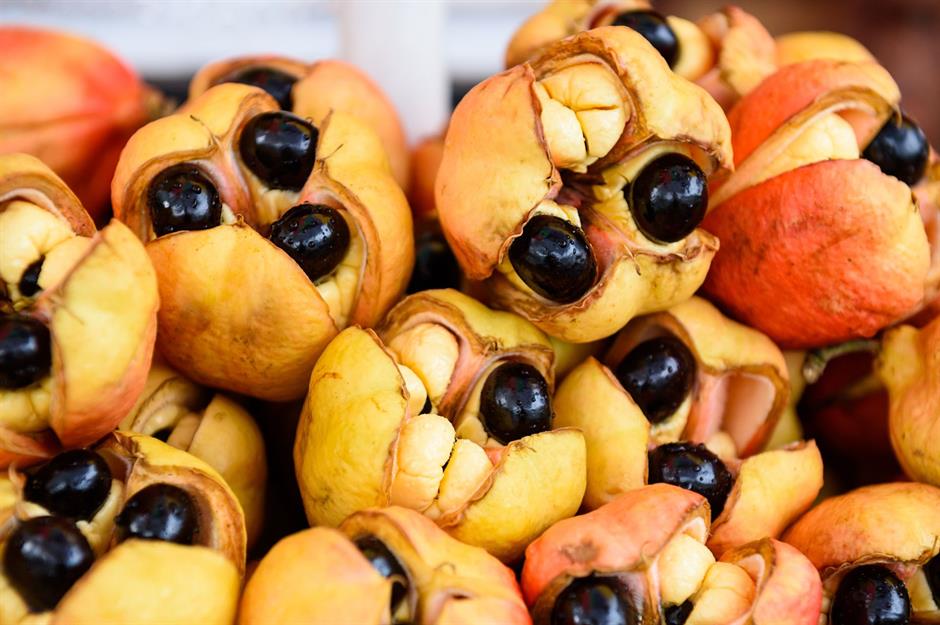
A popular ingredient in Caribbean cuisine, this tropical fruit works well as a meat-free replacement for scrambled eggs thanks to its consistency and flavour. It’s perfectly safe to consume ackee when it's fully ripe. However, unripe fruits (along with the rind and seeds) are highly dangerous if consumed.
Sponsored Content
4. Raw ackee
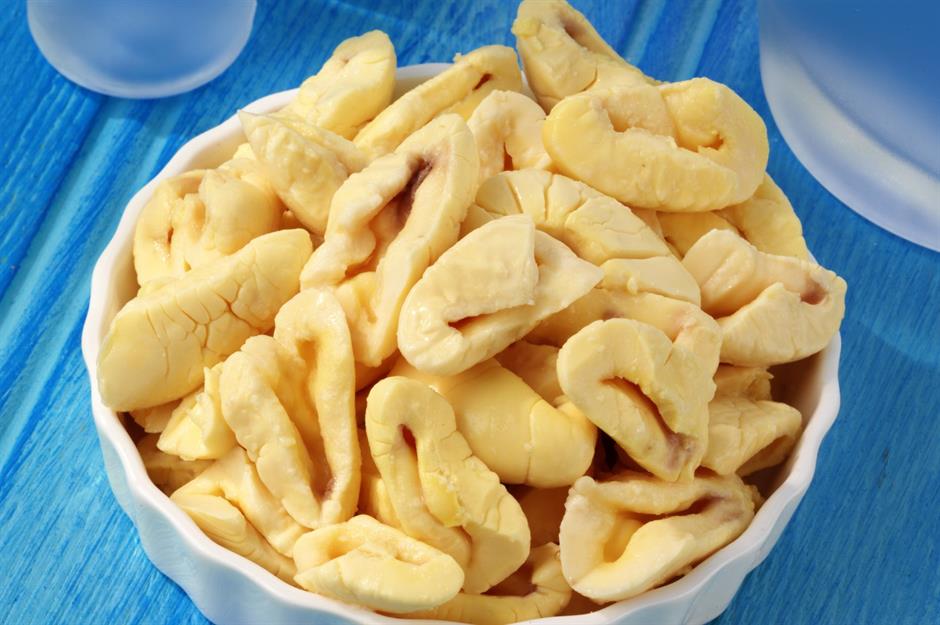
They contain high amounts of hypoglycin A, which can lead to serious food poisoning symptoms, including sickness and exhaustion. In extreme cases, consuming hypoglycin A can lead to a coma, or even death. In most of its raw forms, the fruit is banned in the US.
3. Wild mushrooms
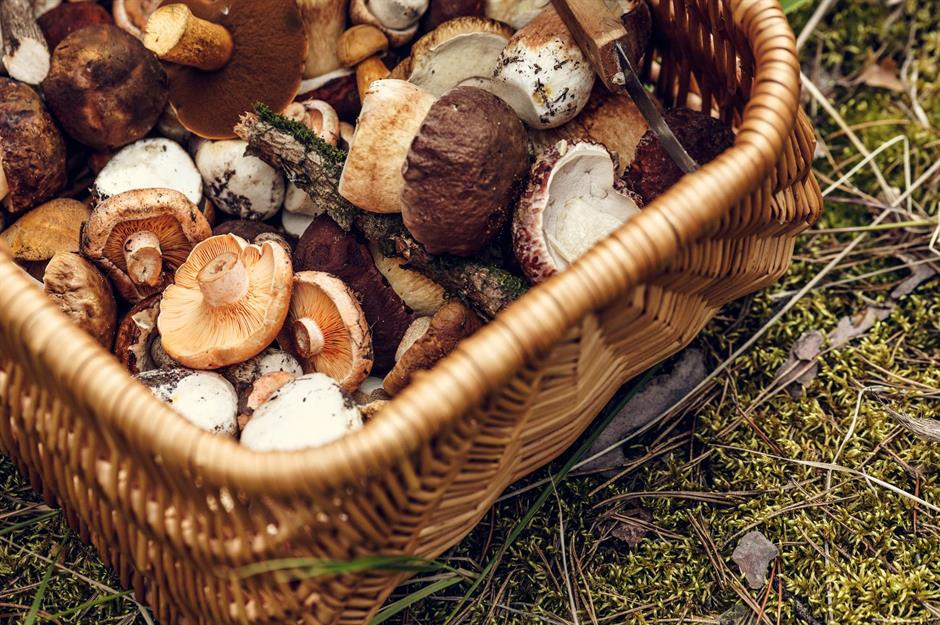
The last few years have seen a significant increase in the popularity of foraging, but it’s important to know exactly what you’re looking for – especially when it comes to wild mushrooms. Many wild varieties, including fool’s mushrooms and autumn skullcaps, can be harmful (and even deadly) to humans.
3. Wild mushrooms
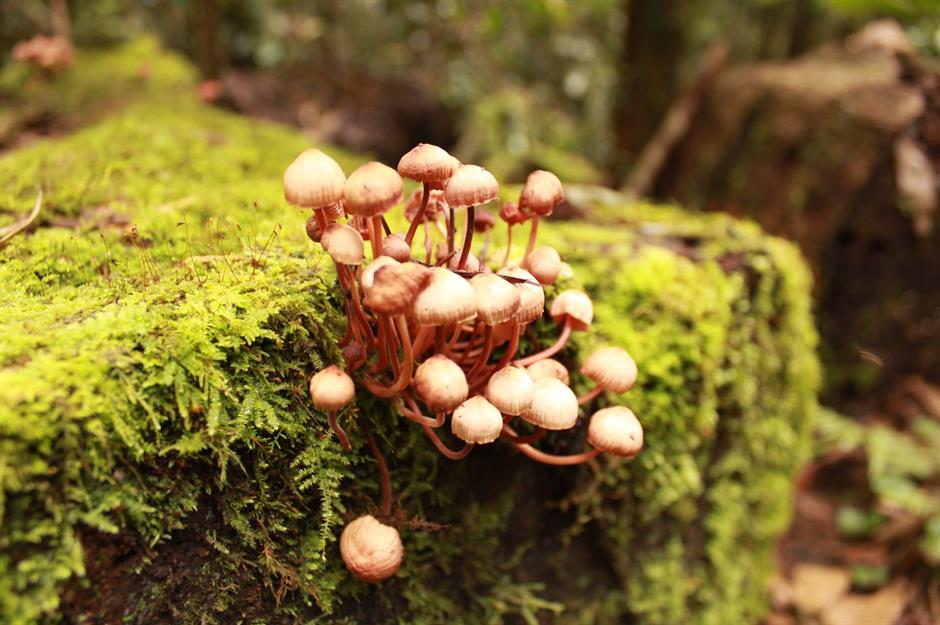
The death cap is particularly insidious, as it resembles edible varieties and smells good. It should be avoided, though, as it’s highly toxic and can cause kidney and liver failure. Studies have shown that approximately 90% of deaths related to mushroom poisoning can be linked to death cap mushrooms.
Sponsored Content
2. Peanuts
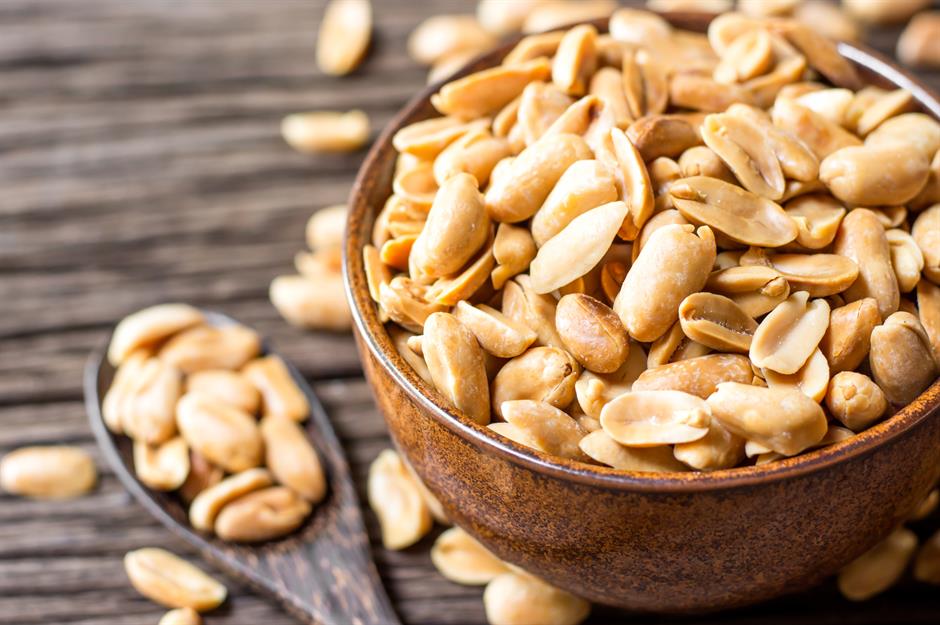
Peanut allergies are among the world’s most common, with as many as one in every 200 people having a reaction in some countries. While most of us are fine to enjoy chicken satay and a peanut butter–smothered sandwich, the consequences for those who do have an allergy can be lethal.
2. Peanuts
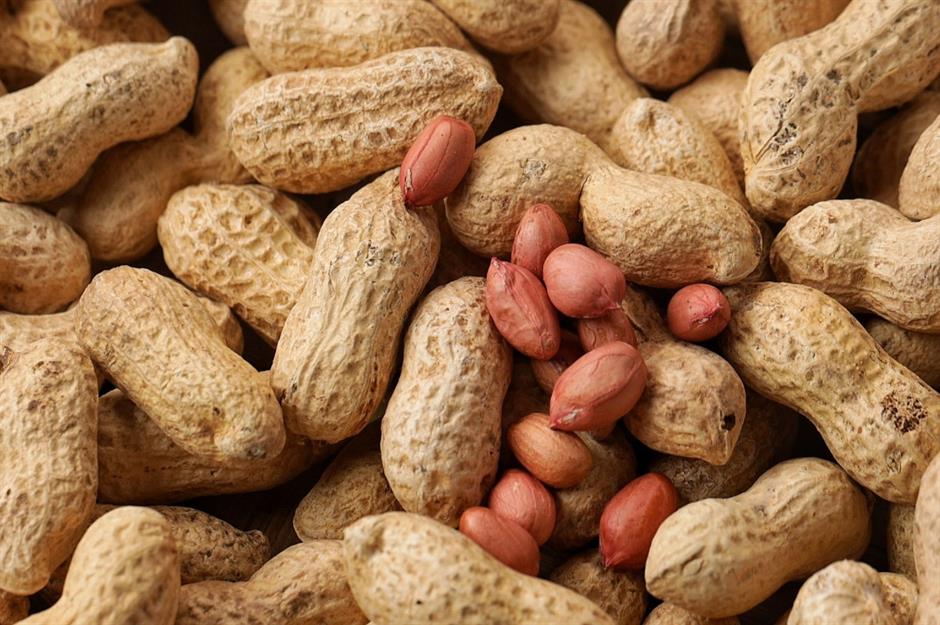
Even the tiniest exposure (including through the air) to peanuts can cause the throat to swell, to the extent that it’s impossible to breathe. Those with allergies should always read food packaging carefully, notify restaurant staff and carry the necessary medication.
1. Fugu
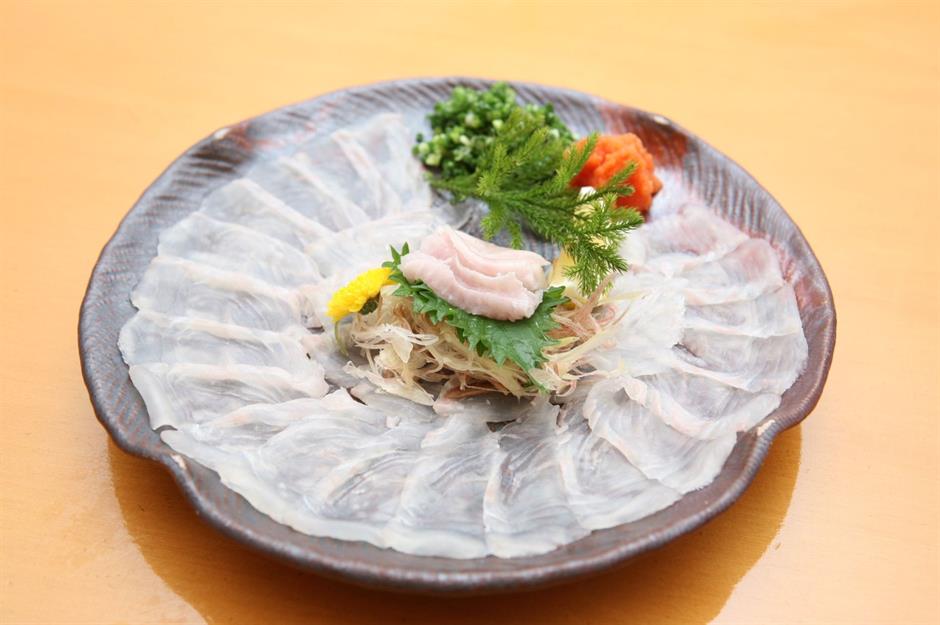
A type of pufferfish, fugu is a Japanese delicacy. You’ll typically find it served it as sashimi, but it could be eaten with caution. The fish is highly poisonous, containing a type of toxin called tetrodotoxin, said to be 1,200 times stronger than cyanide.
Sponsored Content
1. Fugu
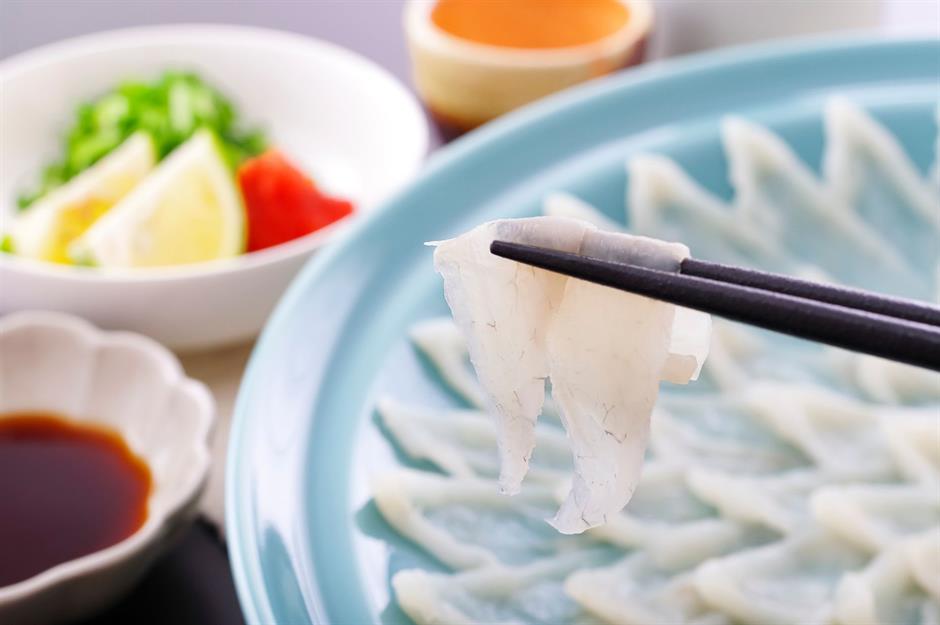
Symptoms can include dizziness, nausea, headaches and breathing difficulties – and in the worst-case scenarios, it can cause death. There are around 30 cases of pufferfish poisoning every year, according to Japan’s Ministry of Health, Labour and Welfare. If you do want to try the delicacy, leave it to the trained fugu chefs.
Now discover the foods you should never buy frozen
Last updated by Lottie Woodrow.