21 tips for cooking perfect pasta
How to make good pasta great
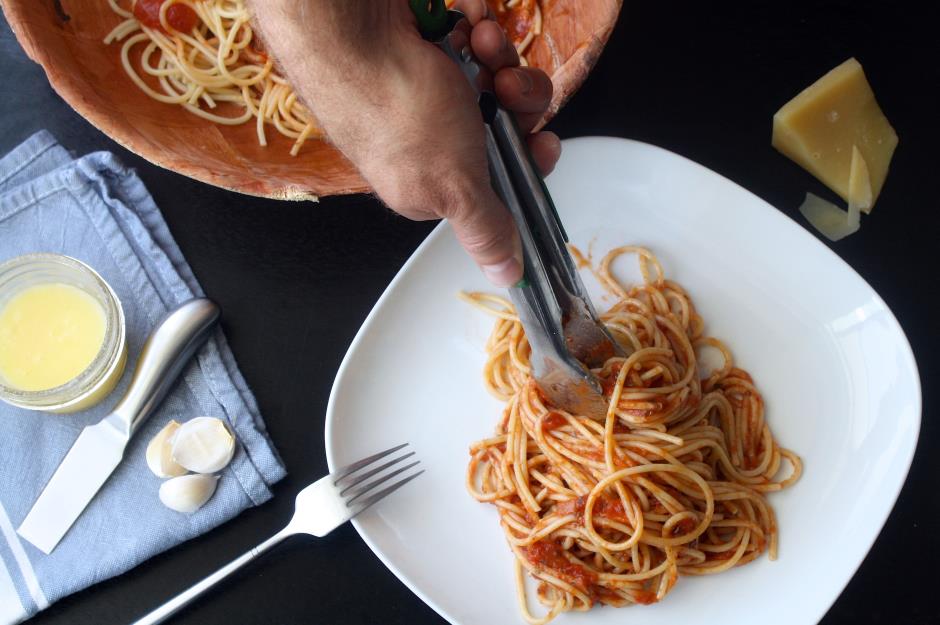
Salt the water
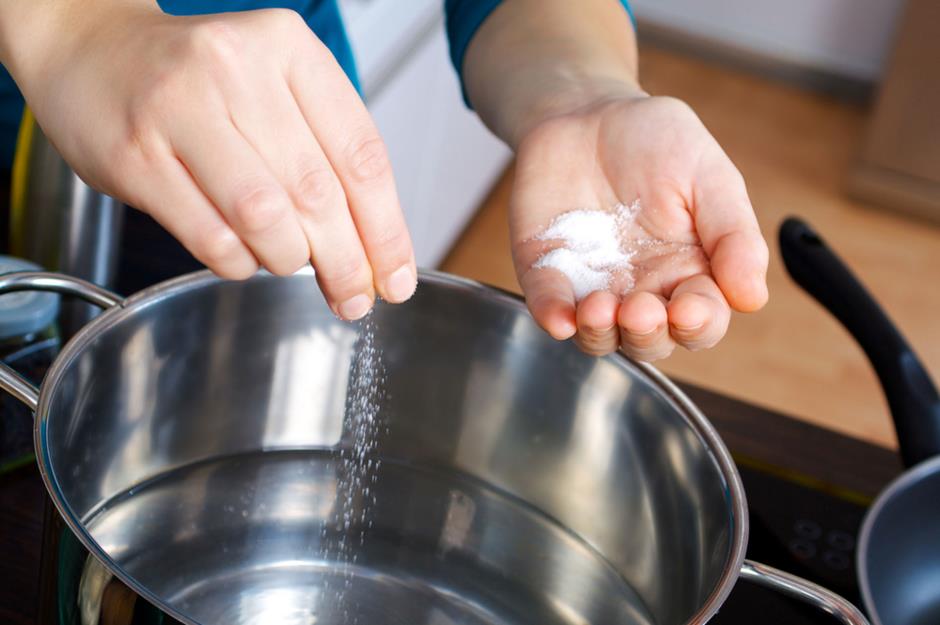
Salt helps to flavour the pasta, so be liberal with seasoning the water for cooking. You won't end up consuming all of the salt you add at this stage.
Enhance pasta water

As well as adding salt, throw some lemon or onion slices, peeled garlic cloves, herbs, chilli or spices into the boiling water, or cook your pasta in broth. You don’t want clashes though, so choose flavours that will complement the accompanying sauce.
Sponsored Content
Wait for the water to boil

Try giving dried pasta a pre-soak...
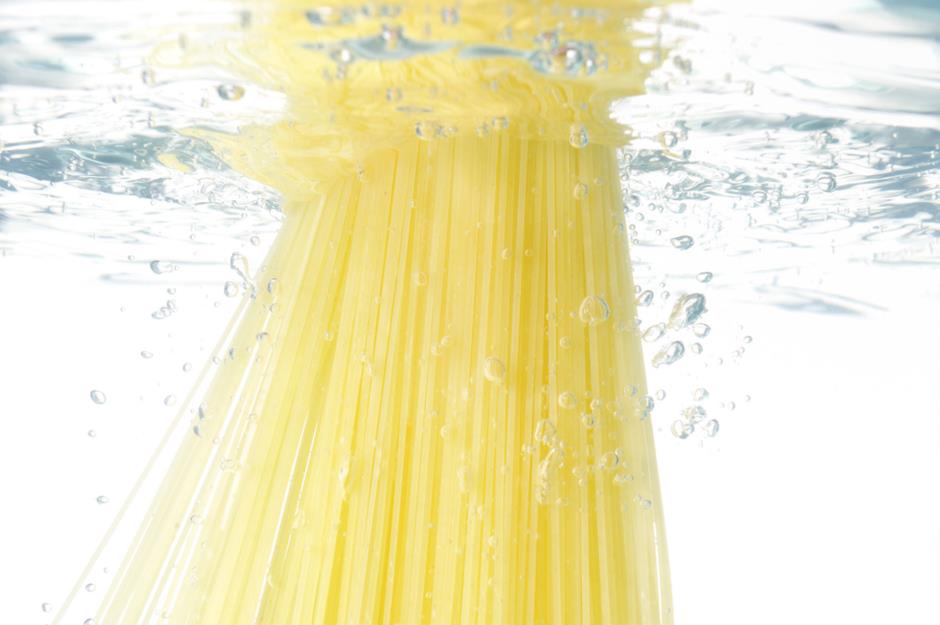
Soaking dried pasta in cold water for 60-90 minutes rehydrates it so it takes much less time to cook (60-90 seconds when added to boiling, salted water). Some people swear that dried pasta tastes more like fresh pasta when prepared this way.
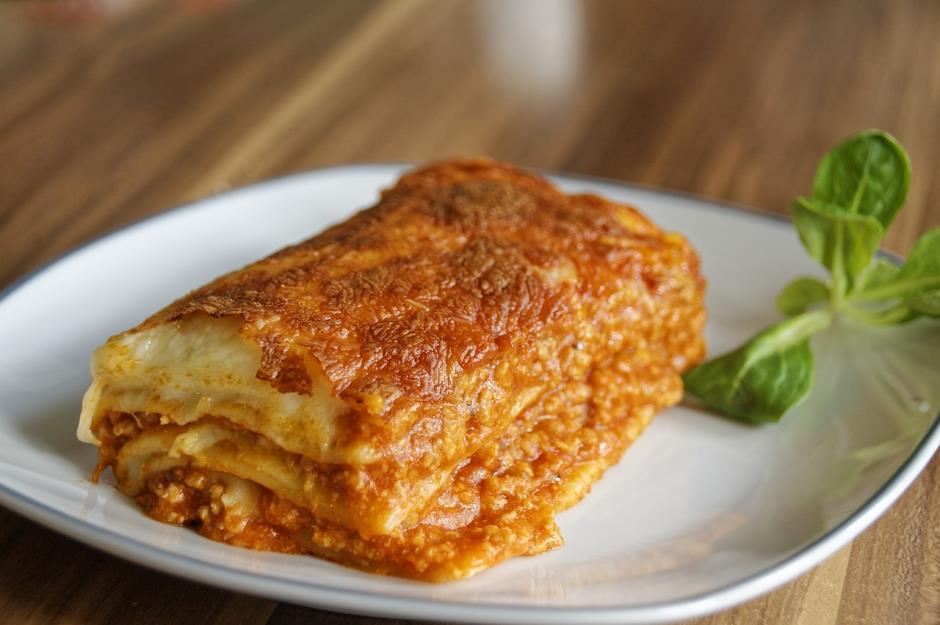
... but don't pre-cook your lasagna sheets
Sponsored Content
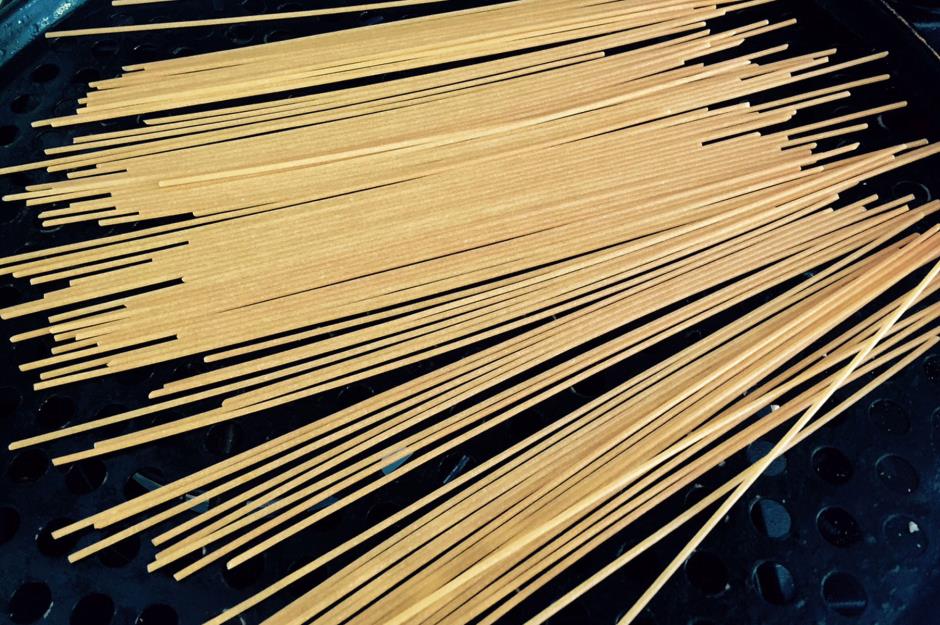
Try the toasting method
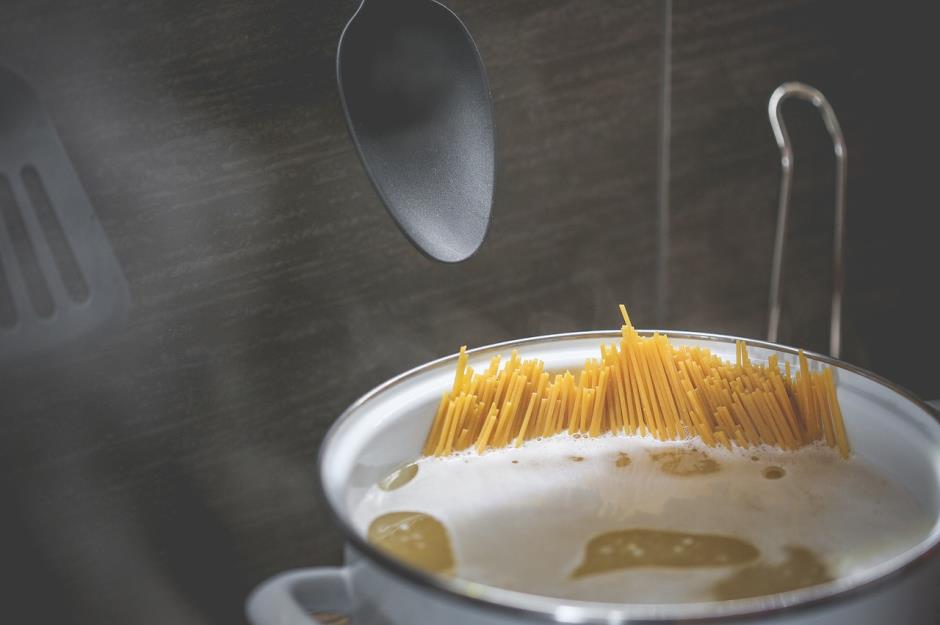
Stir your pasta
Get the measure of pasta
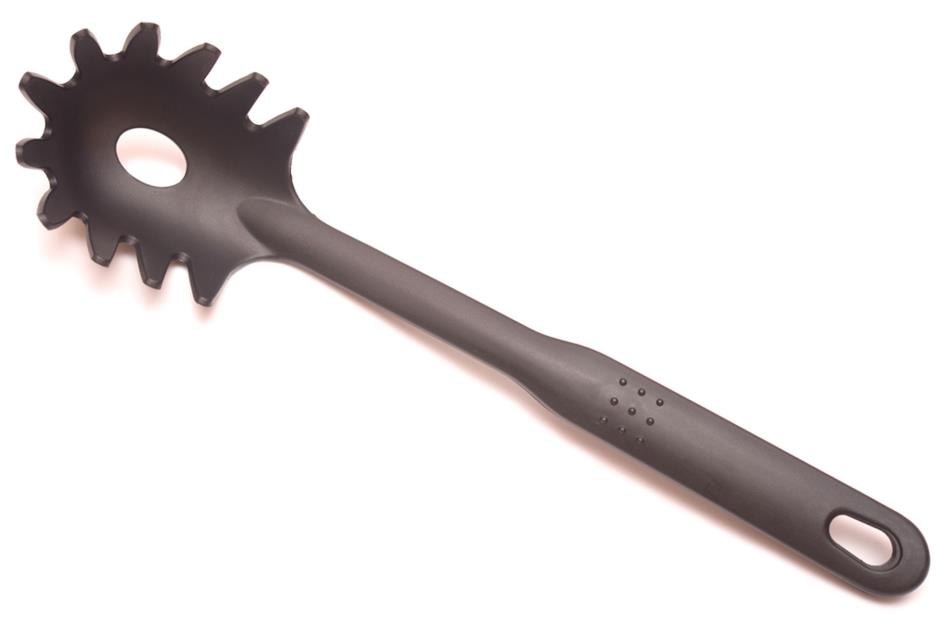
When measuring pasta there’s no need to drag out the scales or make a wild guess – the hole in a spaghetti spoon isn’t just for draining water, it holds enough dried spaghetti for one person.
Sponsored Content
Remember oil is a no-no
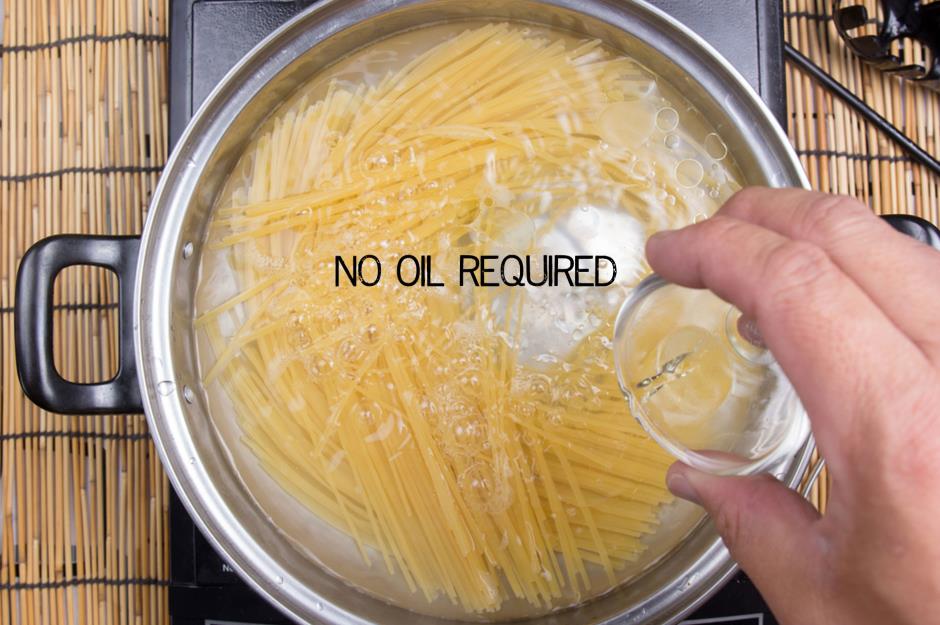
There’s a myth that olive oil stops pasta from sticking during the cooking process. However, not only is this an untruth, but oil can coat the pasta and stop sauce from sticking to it.
Don't throw away your pasta water
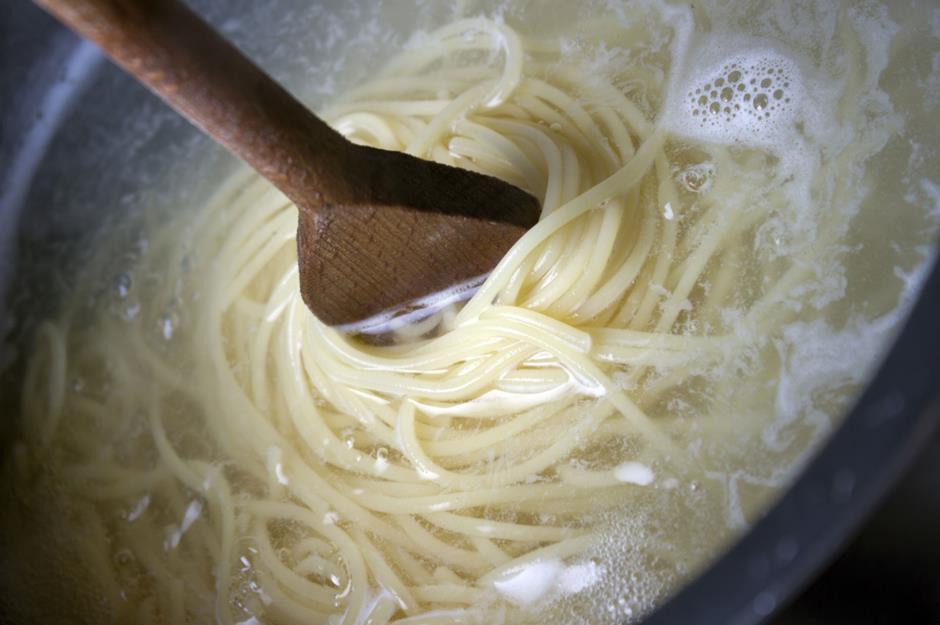
Add a couple of spoonfuls of the starchy liquid help to bind your sauce onto the pasta for a more satisfying finish.
Keep it simple
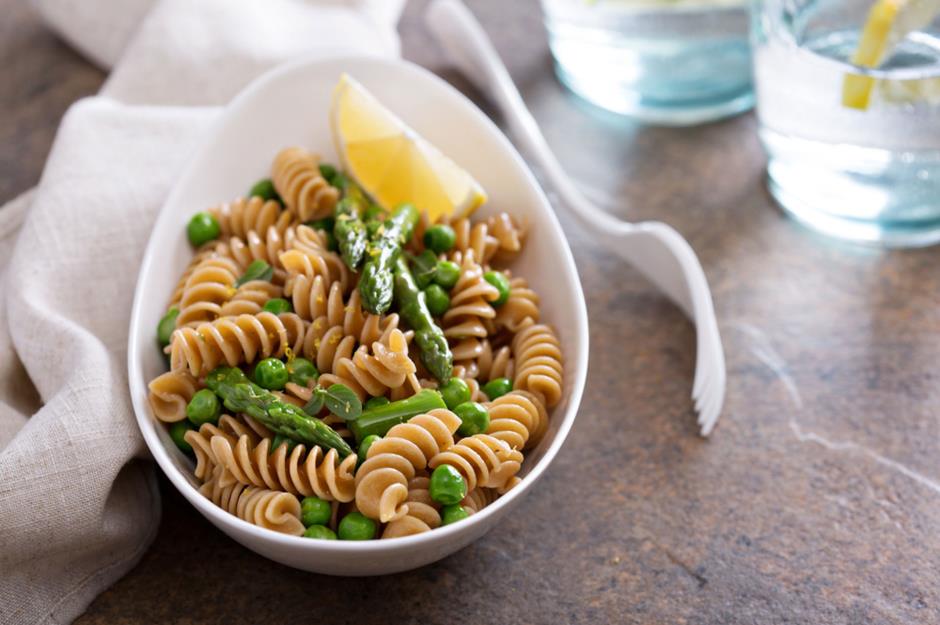
For a very simple pasta dish, add some vegetables (perhaps asparagus, peas, leafy greens, broccoli, sweetcorn or beans) towards the end of cooking. Drain the veg and pasta, stir in some olive oil or crème fraiche, add seasoning and you’ve got yourself a simple, healthy dinner – and only one pan to wash.
Sponsored Content
Make your own sauce
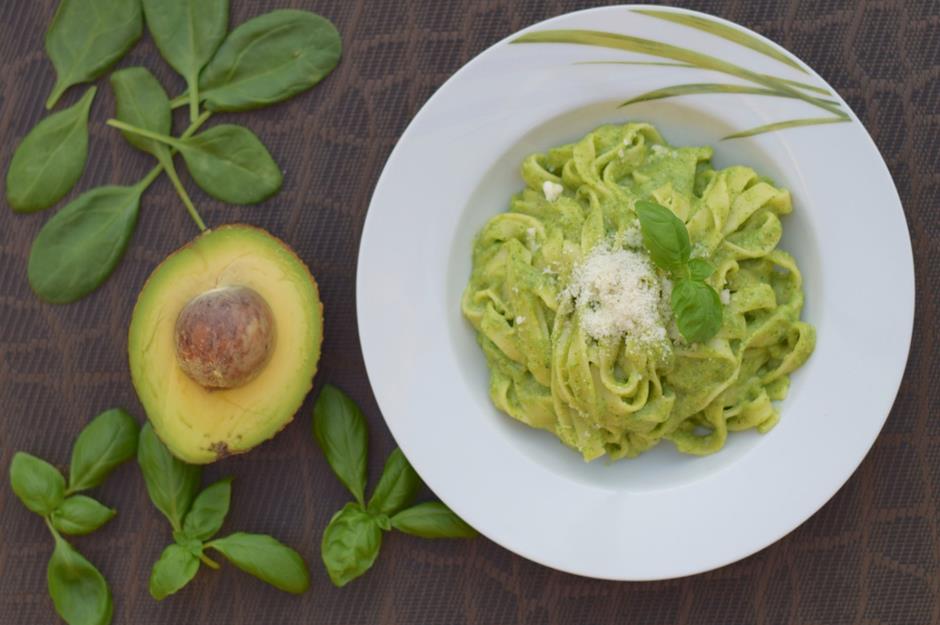
There’s no need to eat processed pasta sauces when a few tomatoes and garlic in olive oil, a handful of green vegetables, some herbs, or even a mashed avocado will serve you nicely. Keep a block of Parmesan on hand to grate over the top.
Remember pasta and chilli are the perfect pairing
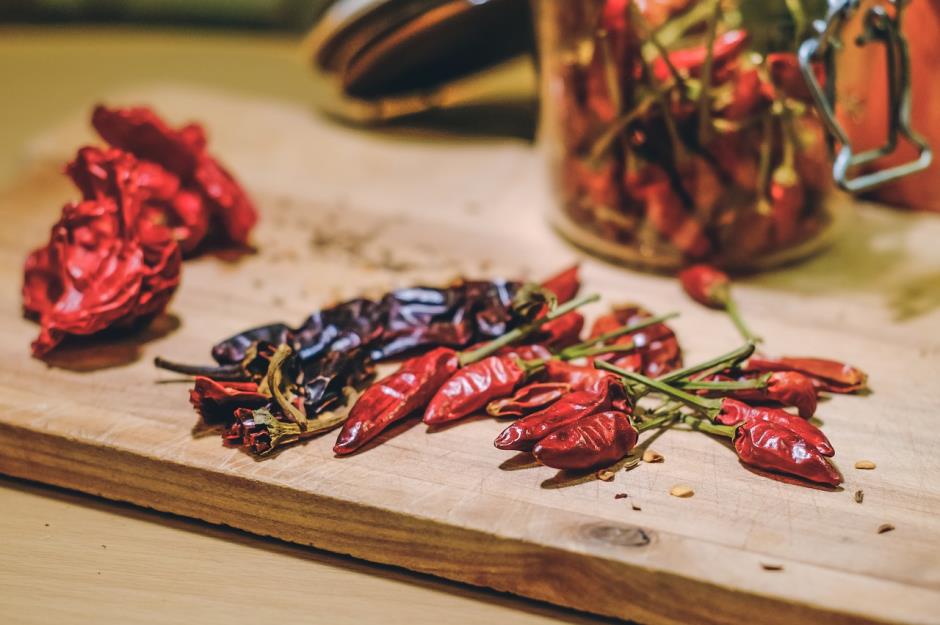
This recipe for pasta with garlic, chilli and olive oil requires just five ingredients and shows that pasta isn't just suited to gentle, family-friendly flavours.
Go slow
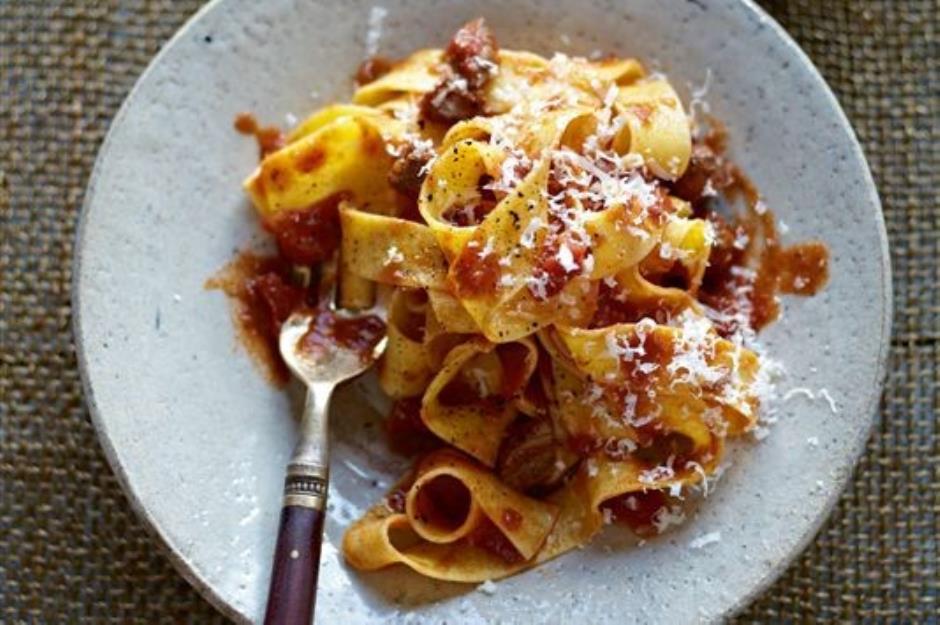
Slow-cooked pasta sauces are some of the best, imparting a richness and depth of flavour to the dish. This beef ragu is one of our favourites, and could easily be made in a slow cooker as well as in the oven.
Sponsored Content
Don't be afraid to sweeten your sauce
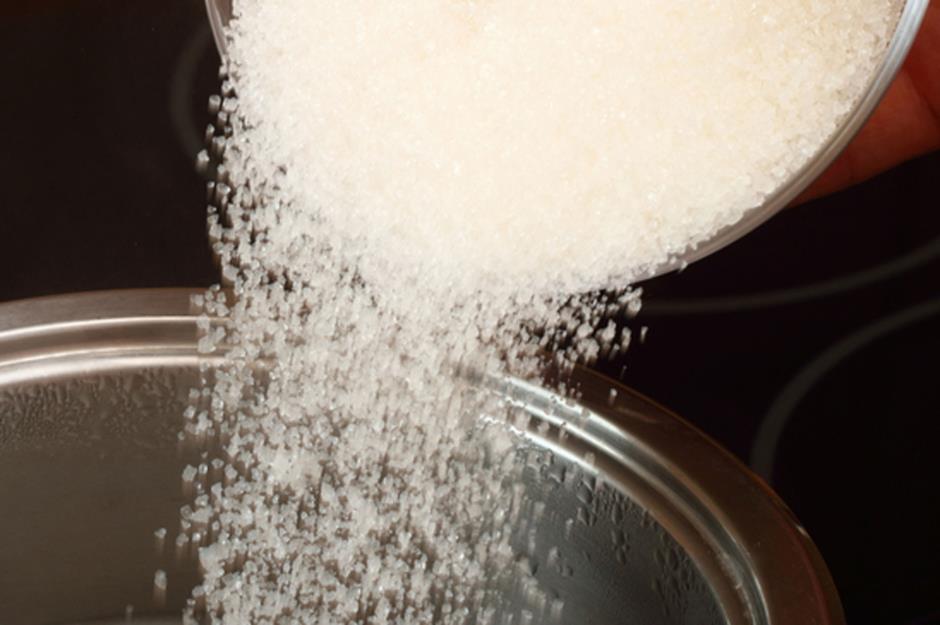
Adding some sugar to a salty or acidic sauce like tomato sauce balances the flavour, tones down sharpness and removes any hint of bitterness.
Explore your pasta options
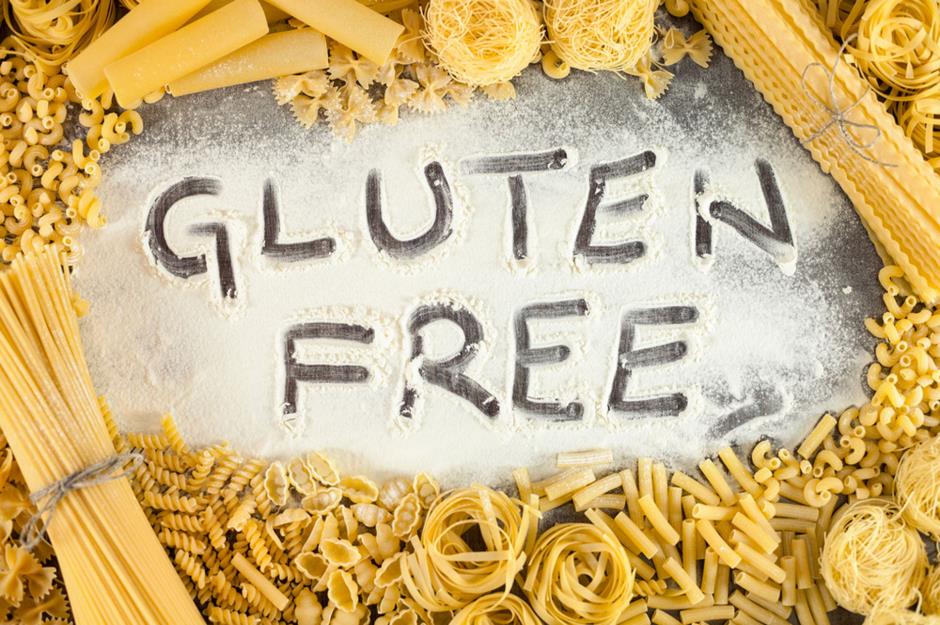
You might be surprised by the range of pasta available, from fibre-rich wholewheat to gluten-free. Even if you're catering to specific dietary requirements, pasta may no longer be off the table.
Experiment with soup

Add a handful of tortellini, orzo, risoni or macaroni to bulk up a simple soup into a substantial meal. This bean and pasta broth is ready in just 30 minutes.
Or you can try Deliciously Ella's one-pan veggie and butter bean orzo recipe
Sponsored Content
Learn the perfect pairings
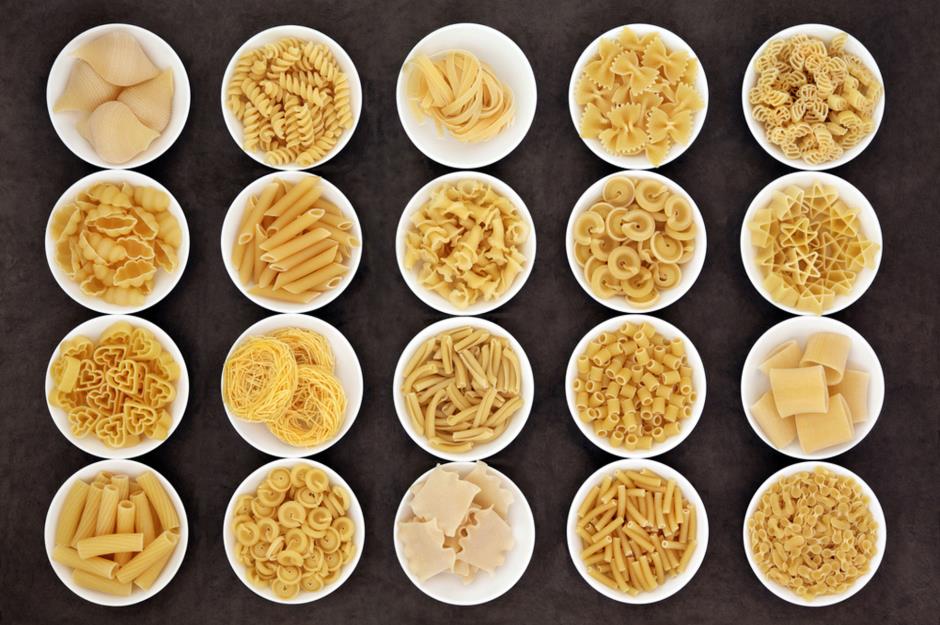
Certain pasta shapes go better with certain sauces. Long ribbons of pasta, like spaghetti, suit meaty sauces, tagliatelle works with creamy sauces, twists are ideal with pesto, and small pasta shapes, for example orzo, are best in soups and stews.
Check our handy guide to pasta shapes – and their perfect pairings
Don't rinse after cooking
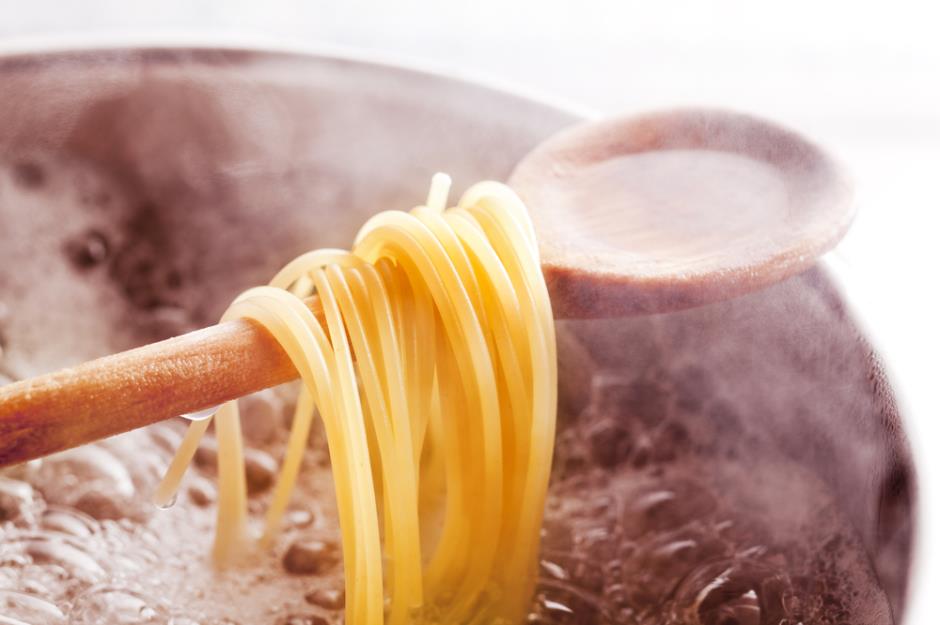
Serve immediately...
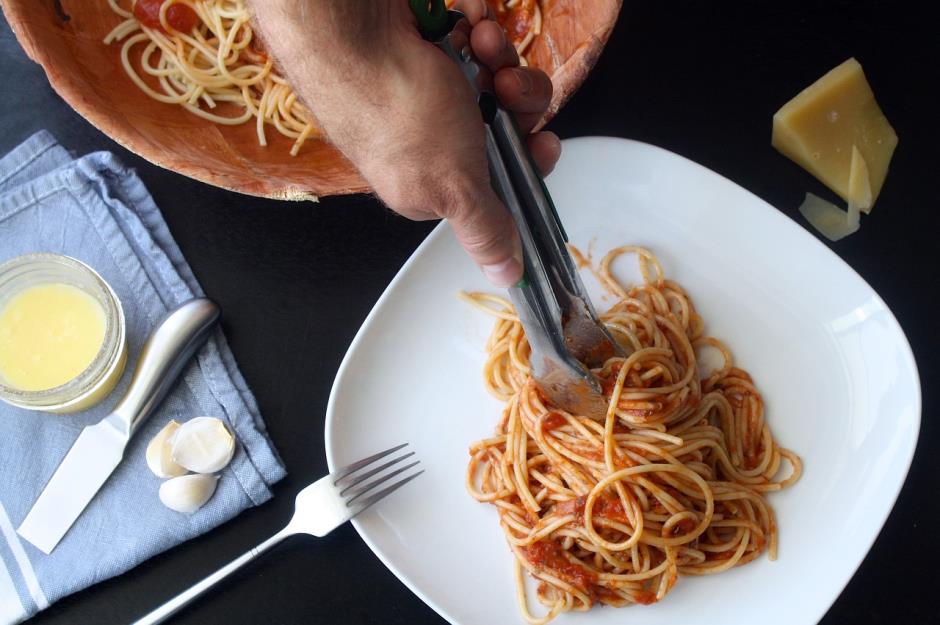
As your pasta cooks, ensure your sauce is ready so you can plate the dish straight away. Pasta always tastes better served fresh from the pan.
Pasta Grannies' spaghetti with lemon pesto recipe is to die for
Sponsored Content
... or serve cold
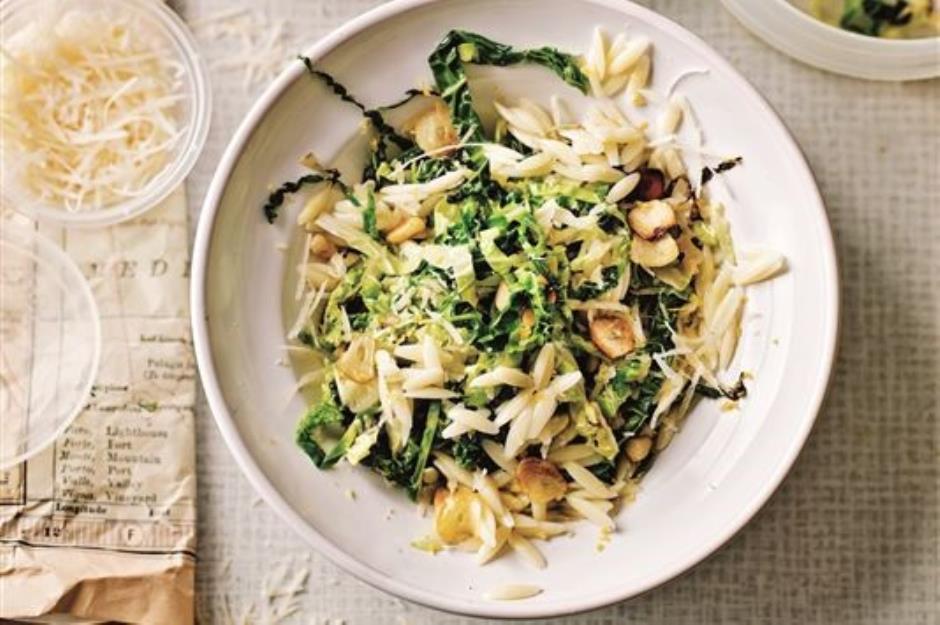
Alternatively, wait until the pasta has cooled and use it in a pasta salad. Orzo works particularly well.