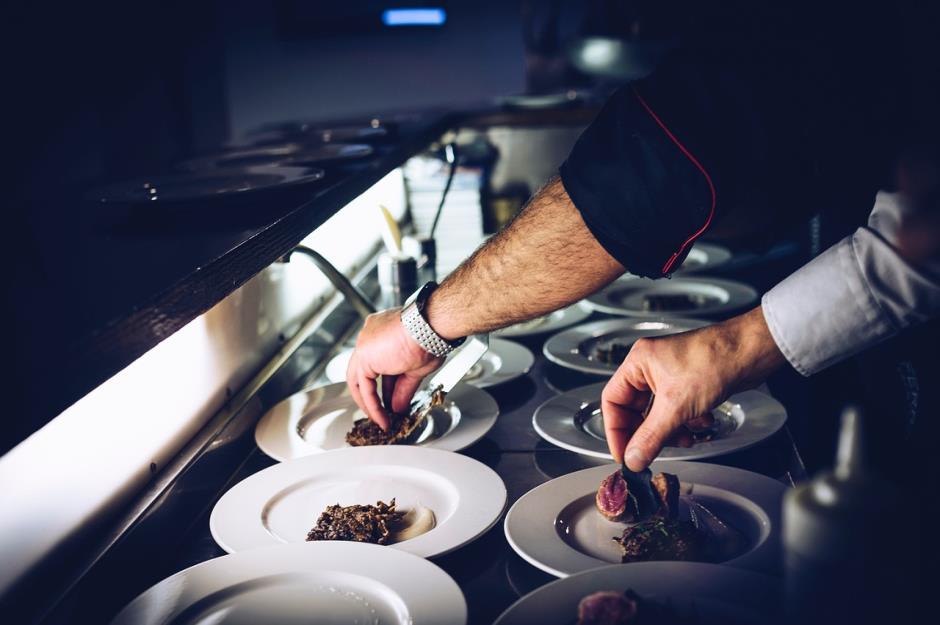
28 professional cookery hacks you need to try at home
Learn from the masters
.jpg)
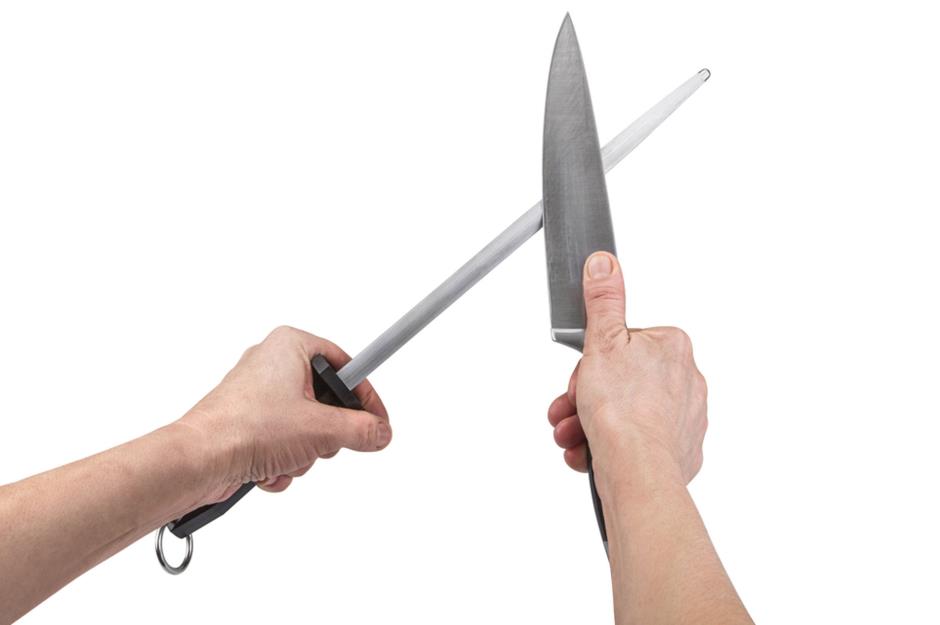
Keep your knives sharp
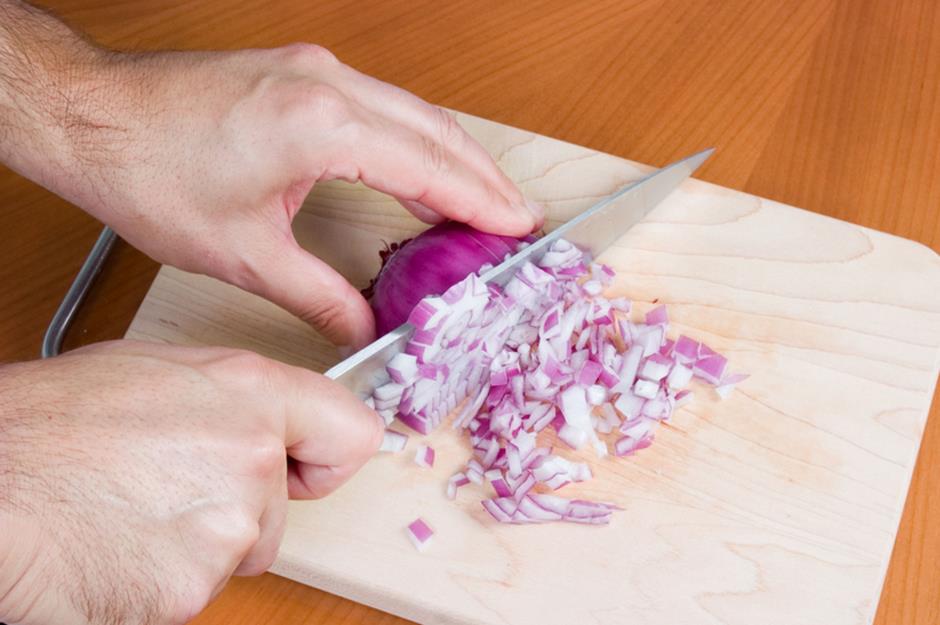
Chop onions the easy way
Sponsored Content
Use ingredients at the right temperature
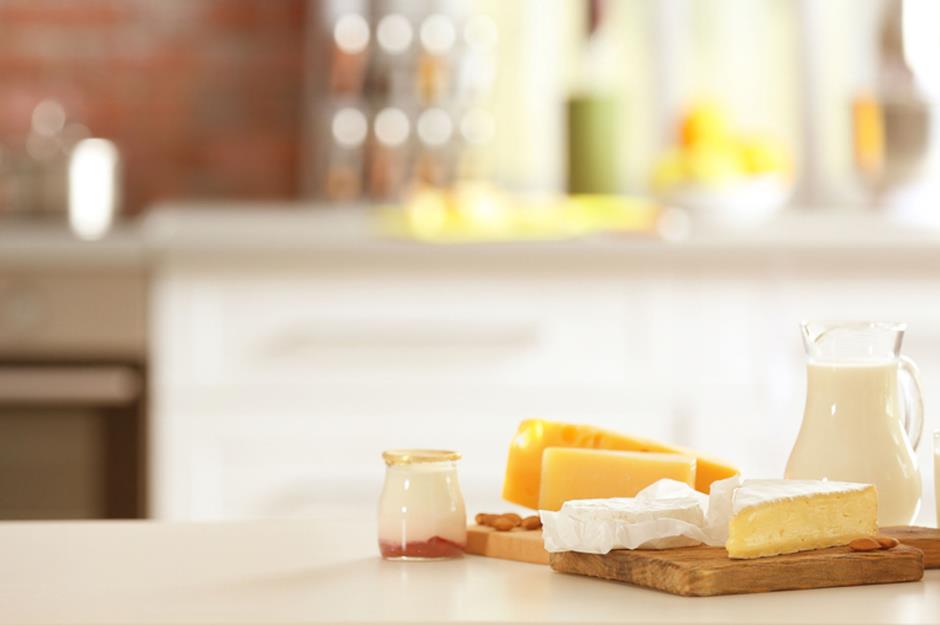
This is a brilliantly easy hack – and one of loveFOOD readers' top baking tips. When baking take any ingredients that are being stored in the fridge and let them come up to room temperature before using. It means that the food will cook evenly, and at the temperature and time stated in the recipe.
Allow time to marinade
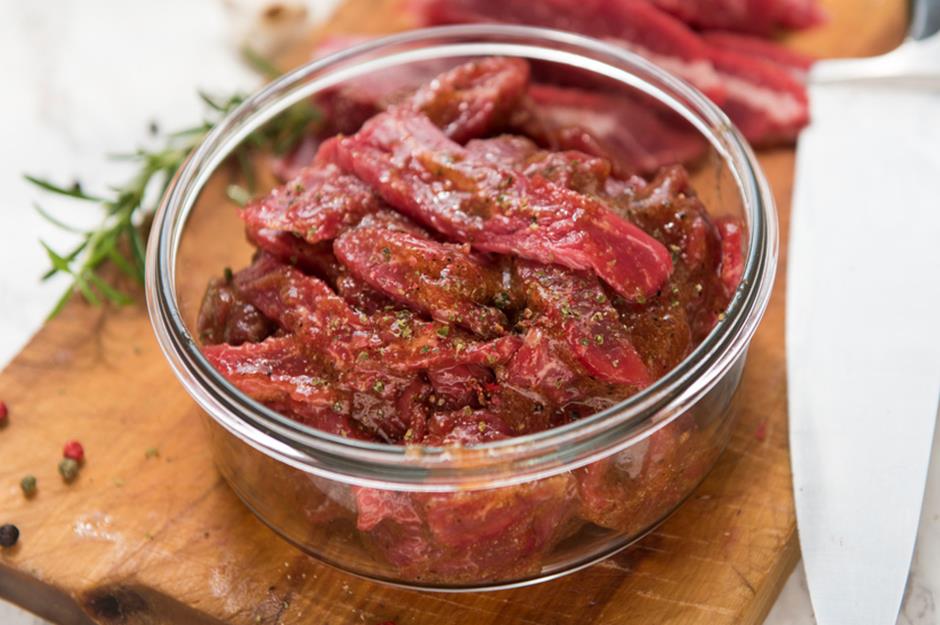
It’s not unusual for chefs to marinade meat up to two days in advance. A marinade acts as a tenderiser resulting in wonderfully soft and juicy meat. Not sure where to start? We've compiled a list of the best marinades for every type of meat and fish.
Sort out your mise en place
Sponsored Content
Score your meat
Skip fiddly garlic peeling
Get perfect steak every time
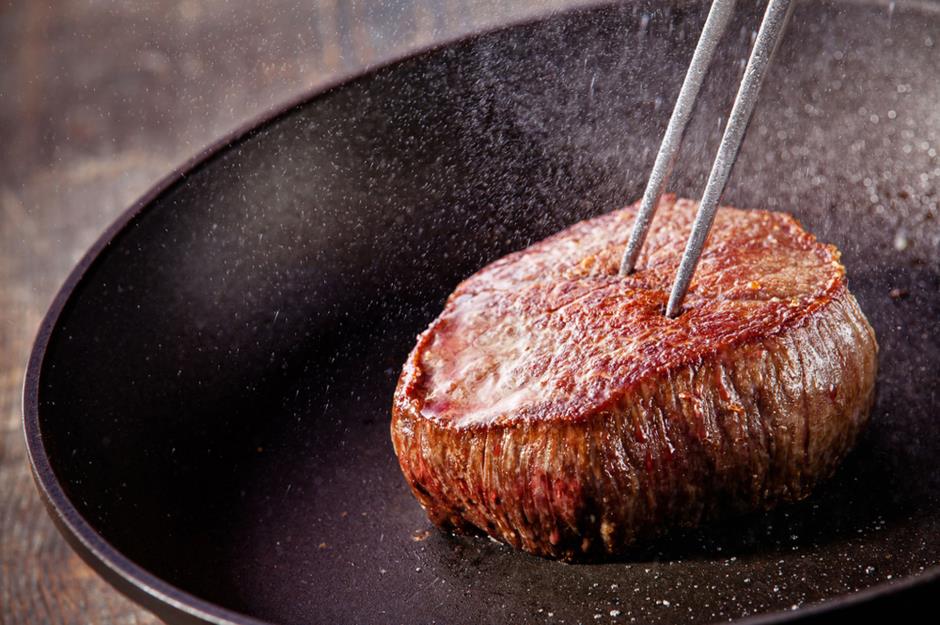
Great chefs agree that steaks benefit from being cooked in a smoking-hot, thick pan, preferably cast iron. Oil and season the steaks (not the pan) then cook – the amount depends on how you like yours but it’s usually between 1½–4½ minutes each side for a 3.5cm thick steak, less for a thinner steak. Always rest the meat for 5–10 minutes, covered loosely in foil, before serving. We've compiled more top tips for cooking steak right every time here.
Sponsored Content
Deglaze your pan
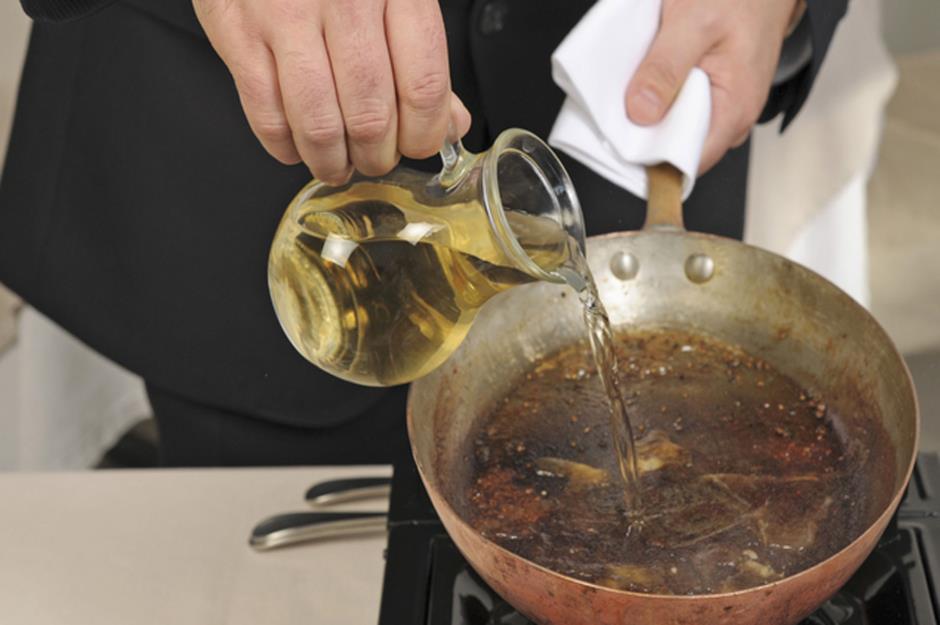
If you like a light but flavorful sauce or jus with your meat then do as the pros do and use the juices and food particles in the pan that are left over from your cooking, in a technique known as deglazing. Heat the pan, add some wine (or stock if you prefer) and warm until the liquid is bubbling nicely, stirring and scraping to incorporate sticky bits into the sauce. Cook for around five minutes, seasoning and tasting as you do. You can also whisk in some butter or olive oil for a richer result.
Crisp your fish skin
Don’t overcrowd a pan
Sponsored Content
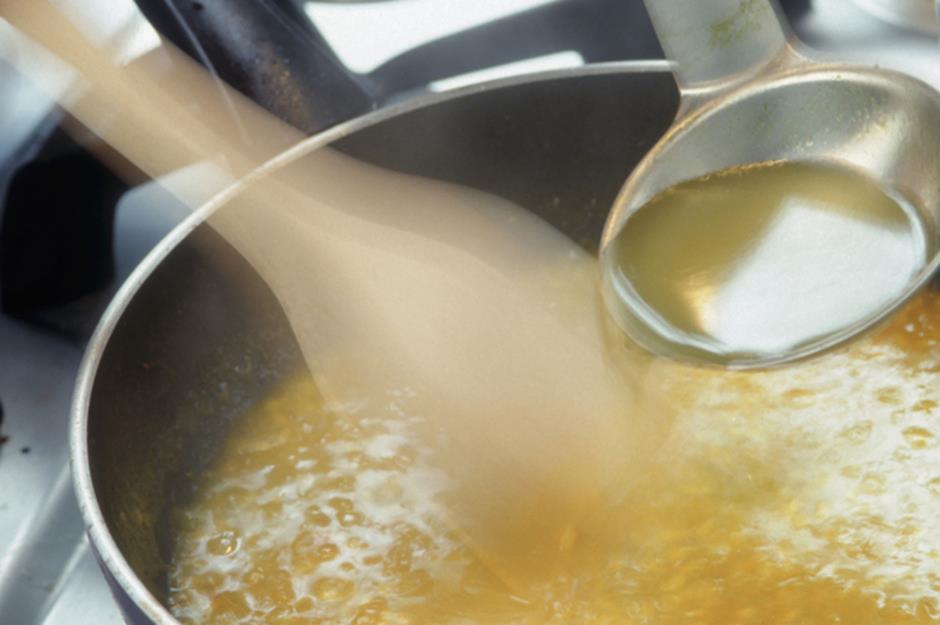
Use hot liquid
Remember herbs are a must
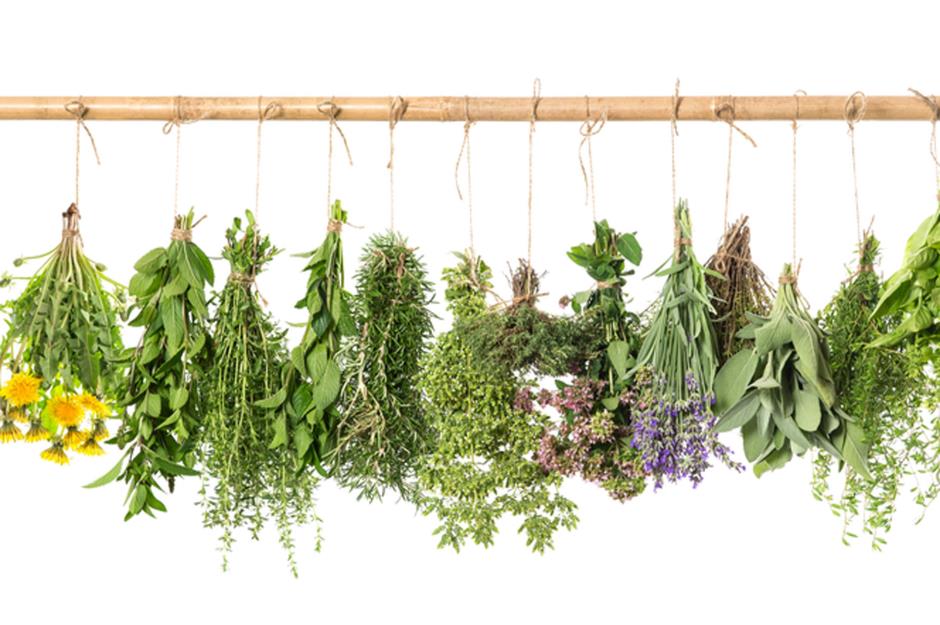
Dried herbs enhance flavour and fresh herbs lighten a dish. Adding tarragon to chicken, basil to tomato sauce, sage to pork, or rosemary to lamb can make a big difference, while many Asian dishes aren't complete without the likes of fresh mint, coriander (cilantro) and Thai (sweet) basil. These are the herbs and spices that should always be in your kitchen.
Keep your herbs dry
Sponsored Content
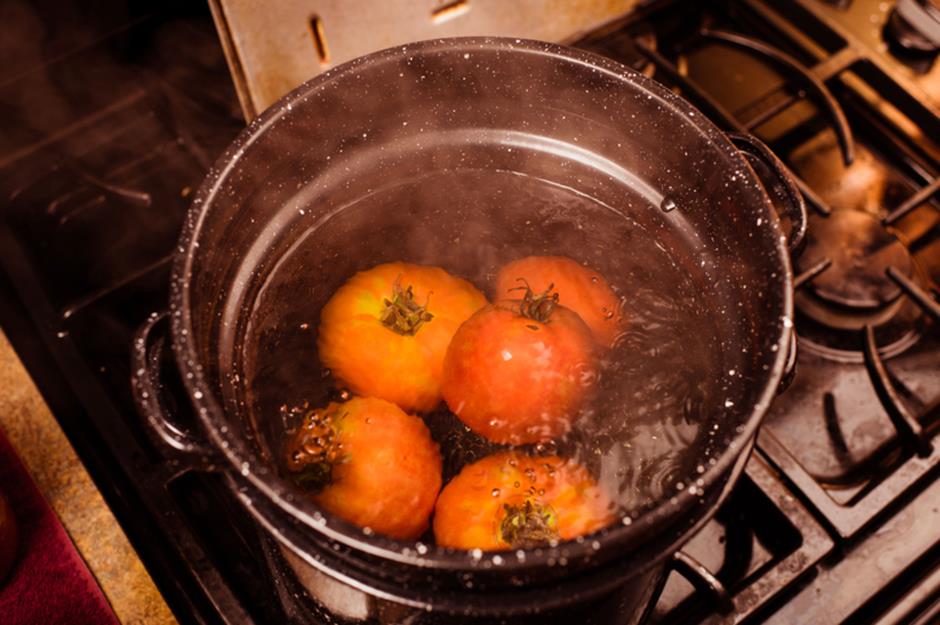
Peel tomatoes like a pro
Learn how to make a decent roux
Make the most of produce
Sponsored Content
Season as you go
Balance salt and sweet
Save dishes that you've over-seasoned
Sponsored Content
Make your own stock
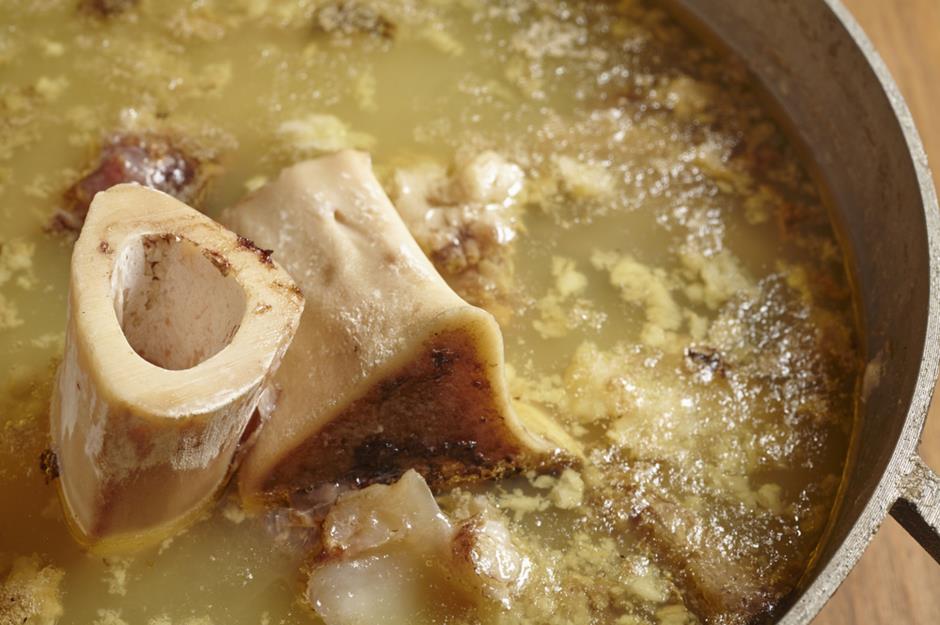
Chefs ensure their stock is rich and flavorful and this is the reason why many home-cooked dishes don’t taste as good as restaurant ones. A mix of slow-roasted and raw meat and/or poultry bones make the best stock, along with fresh vegetables or scraps (onions, carrots, celery), seasoning and a couple of bay leaves, and lots of water. Bring to a boil in a large pan then simmer on a low heat for a few hours – four or more isn’t unusual. If you're vegetarian, don't despair: homemade vegetarian stocks can lift your dishes just as well (try this recipe).
Start blanching
Test cooked vegetables
Sponsored Content
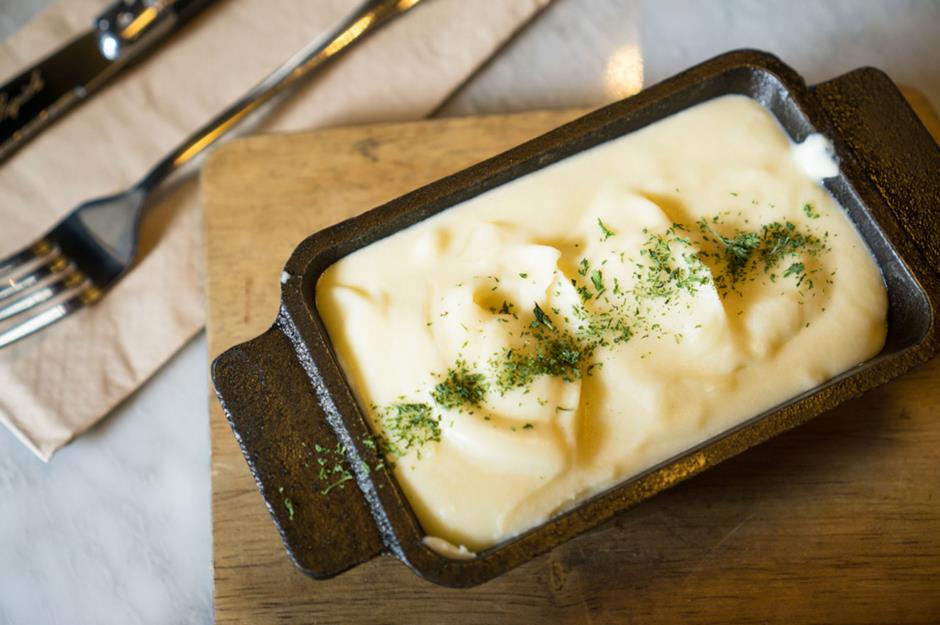
Take your mash to the next level
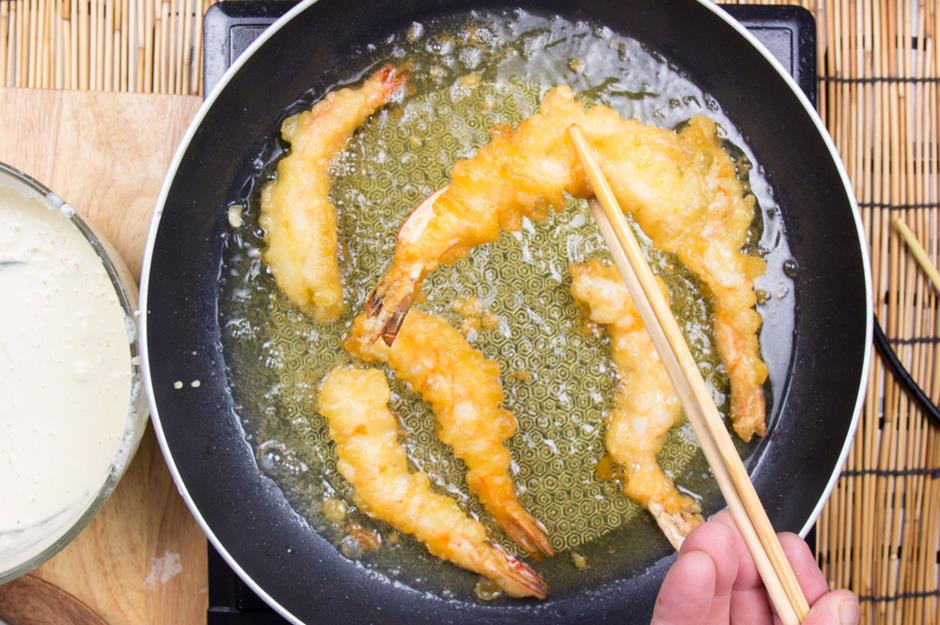
Get your chopsticks at the ready
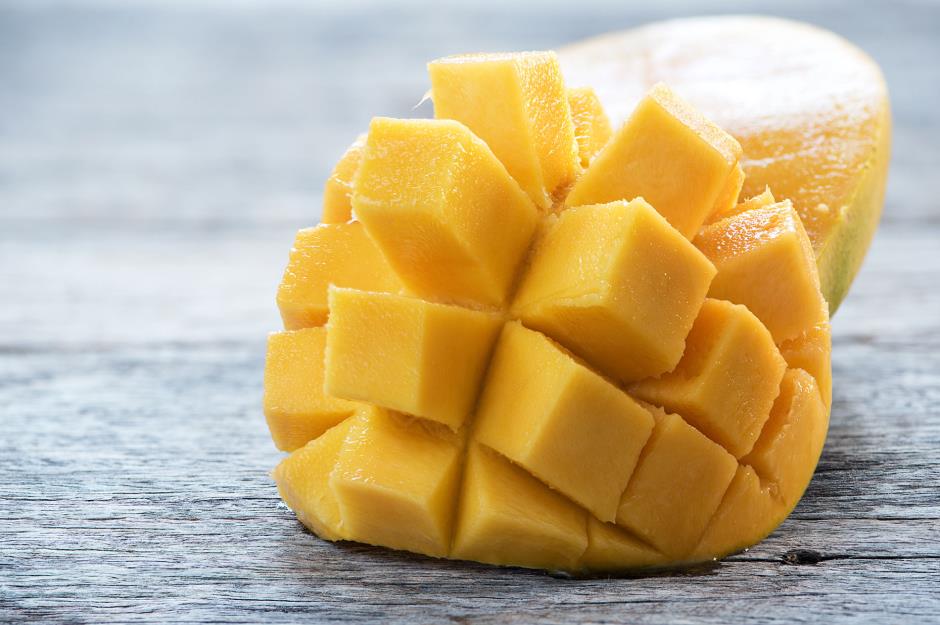
Cut mango with ease
Sponsored Content
Master an omelette
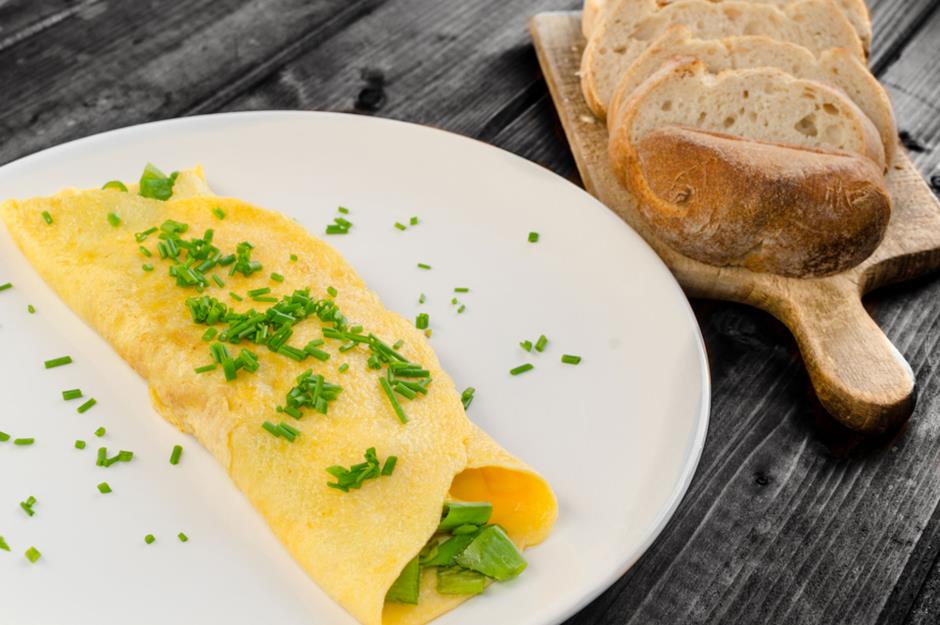
Master one omelette recipe and you can use it as the base for endless variations. Jamie Oliver’s perfect omelette method starts with a 7-inch non-stick pan on a medium heat, with enough olive oil and butter to coat the bottom. Then whisk three eggs, season and add to the pan. For the first 20 seconds or so fold in the mixture from the sides. Move the liquid around so the bottom of the pan is covered then leave to cook on a low heat for no more than a minute. Shake the pan gently to dislodge the omelette, fold each side in with a spatula, and put on a plate.
Don't forget that practice makes perfect