The new minimum wage in every US state may surprise you
Lauren Weymouth
16 January 2017
What is the minimum wage in your state?
In January 2017, 4.3 million American workers saw their wages increase. In total, 29 of the U.S states now pay their workers over and above the $7.25 federal minimum wage. But which states pay their low-wage workers the most and which are lagging behind? We count down to the lowest minimum wage in the US.
Washington D.C: $11.50 an hour
Paying the most to its low-wage workers is the country’s capital, which dishes out $11.50 an hour as a minimum rate. It’s a good job, too, because it doesn’t cost nothing to live in the same city as the President.
Washington: $11 an hour
As of January 2017, Washington’s workers will now earn no less than $11 an hour. This is set to increase to $13.50 by 2020 for lucky Washingtonians under a ballot measure, Initiative 1433, which was recently won with 60% of the vote.
Massachusetts: $11 an hour
The minimum wage in Massachusetts has also increased this year, joining Washington to have the highest minimum wage among all US states. This is a whopping $5.85 an hour more than the state with the lowest minimum wage.
California: $10.50 an hour

California is also near the top of the league when it comes to paying its low-wage workers. And while $10.50 seems pretty good, the National Conference of State Legislatures notes how this is estimated to increase to $11 next year, and a further $1 every year until it reaches $15 in 2022. Even better.
Connecticut: $10.10 an hour
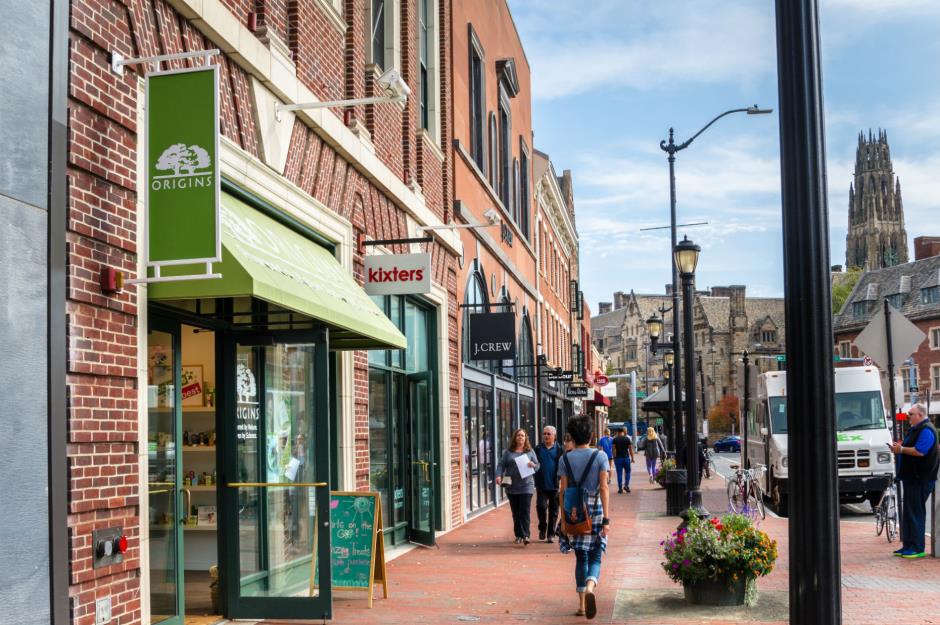
Up from $9.50, Connecticut’s minimum wage was previously branded “unjust”, based on the fact the state has one of the highest standards of living in the US and therefore would leave families living several of thousand dollars below the federal poverty level.
Arizona: $10 an hour
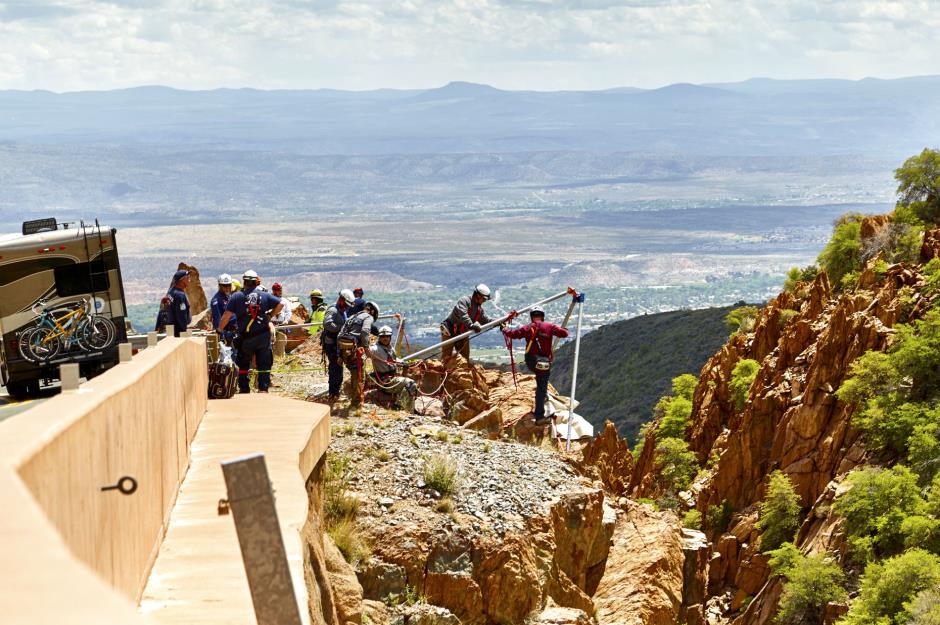
Arizona's low wage workers saw the largest hike to their minimum wage this year as it jumped up by $1.95 to $10 an hour. This is a good job as the cost of living is pricey – utilities and groceries cost above average and house prices are on average around $300,000.
Vermont: $10 an hour

The home state of Ben & Jerry’s has also upped its minimum wage to $10 an hour.
Alaska: $9.80 an hour

The cost of living is relatively high in Alaska as utilities and groceries are among the most expensive in the US. So despite having a higher-than-average minimum wage, low-earning workers are still campaigning for more.
Oregon: $9.75 a hour
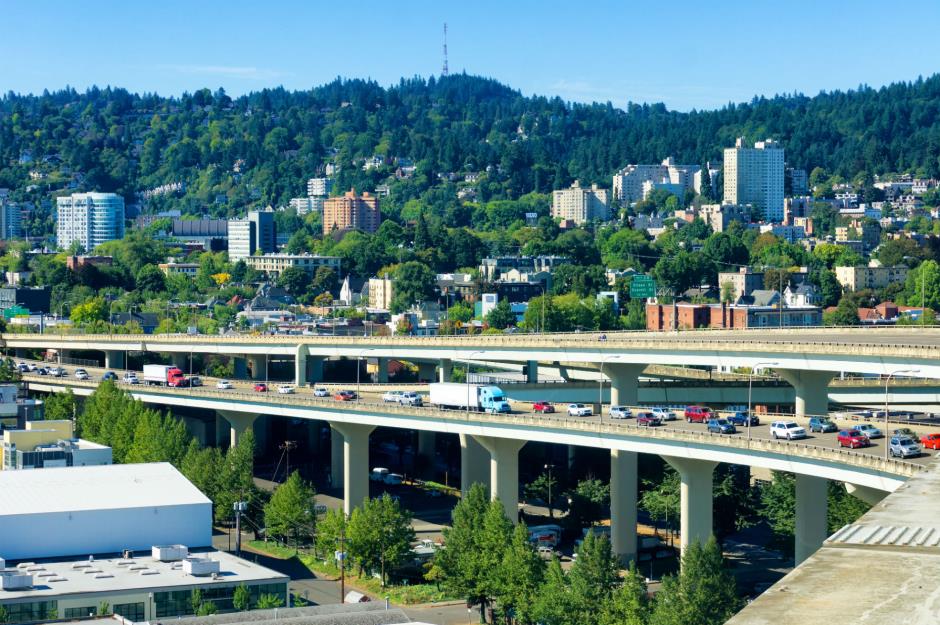
In contrast, the cost of living in Oregon is much lower, meaning this higher-than-average minimum wage is much more beneficial to its workers.
New York: $9.70 an hour
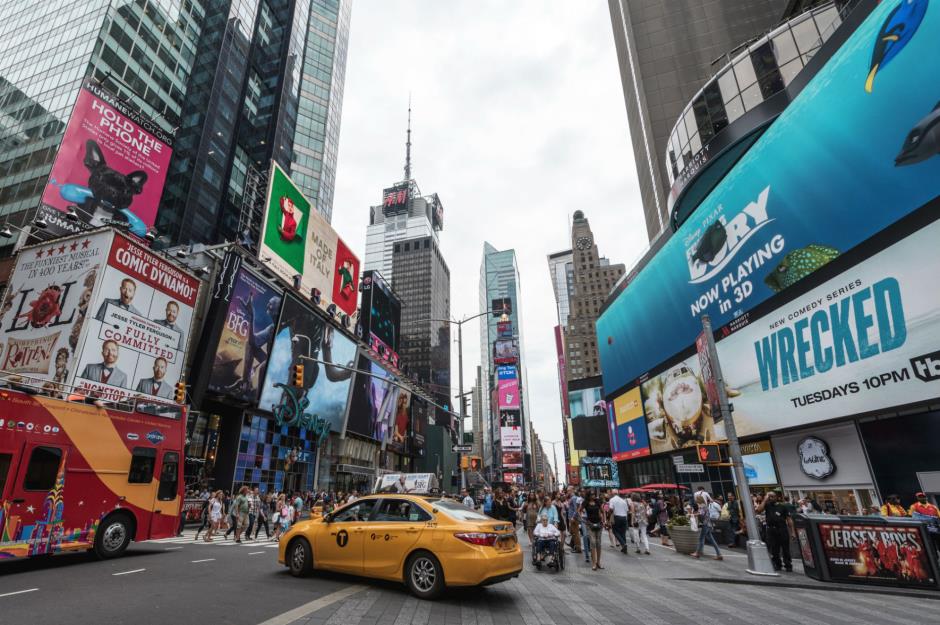
The minimum wage offered in New York is not so generous given the cost of living in this popular state. According to Trulia, the home of the Big Apple is the most desirable state for living and subsequently has some of the highest house prices and utility costs, making the minimum wage that little bit less attractive.
Rhode Island: $9.60 an hour
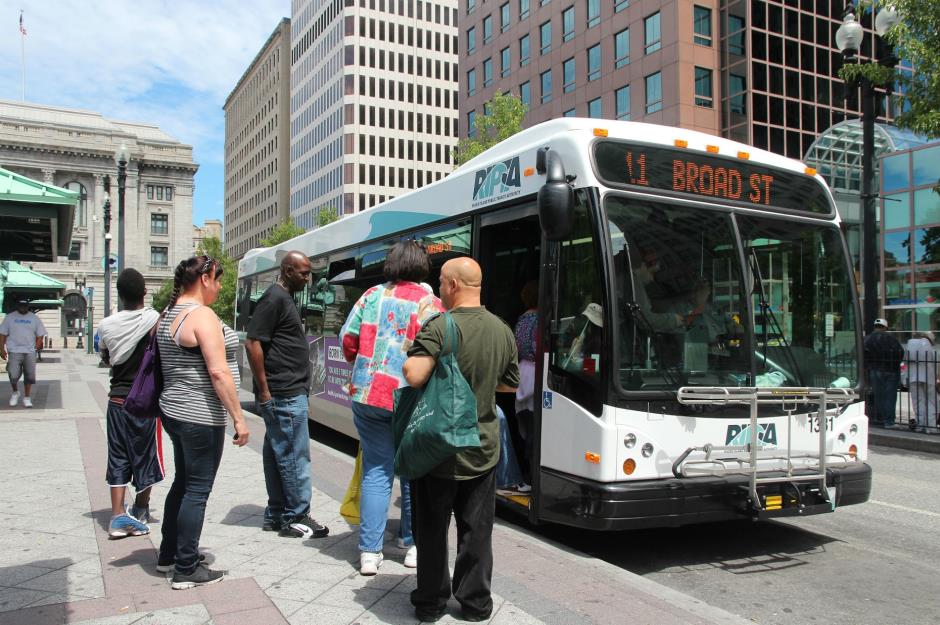
Everything from buying a house to filling it with food is expensive in the Ocean State, meaning the minimum wage is also not as generous as it seems here.
Minnesota: $9.50 an hour
In Minnesota the cost of housing is below average, with the average house price standing at $271,483 for a four-bedroomed house, so this $9.50 minimum wage for low-earning workers is likely to provide a relatively comfortable lifestyle.
Colorado: $9.30 an hour
People living in Colorado voted in favor of raising the minimum wage to $9.30 this year, up from $8.31. While this increase doesn’t seem like much, the vote also means the wage will now increase by 90 cents each year until it reaches $12 in 2020.
Hawaii: $9.25 an hour
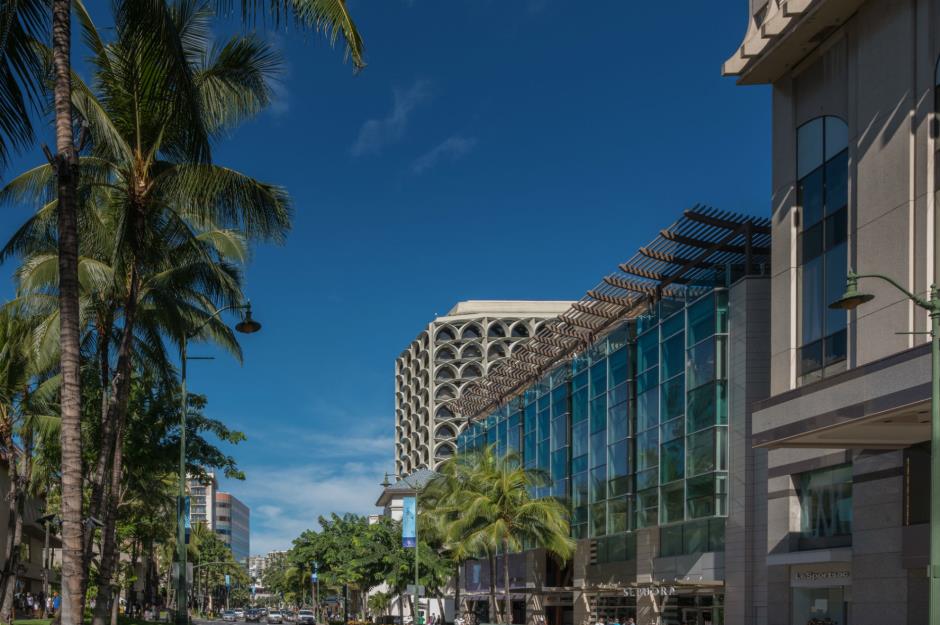
You think this is good? Think again. Hawaii is one of the most expensive states to live in, with house prices averaging $982,312 and groceries and utility prices soaring way above any other. There is a reason why Hawaii is a holiday destination.
Maine: $9 an hour
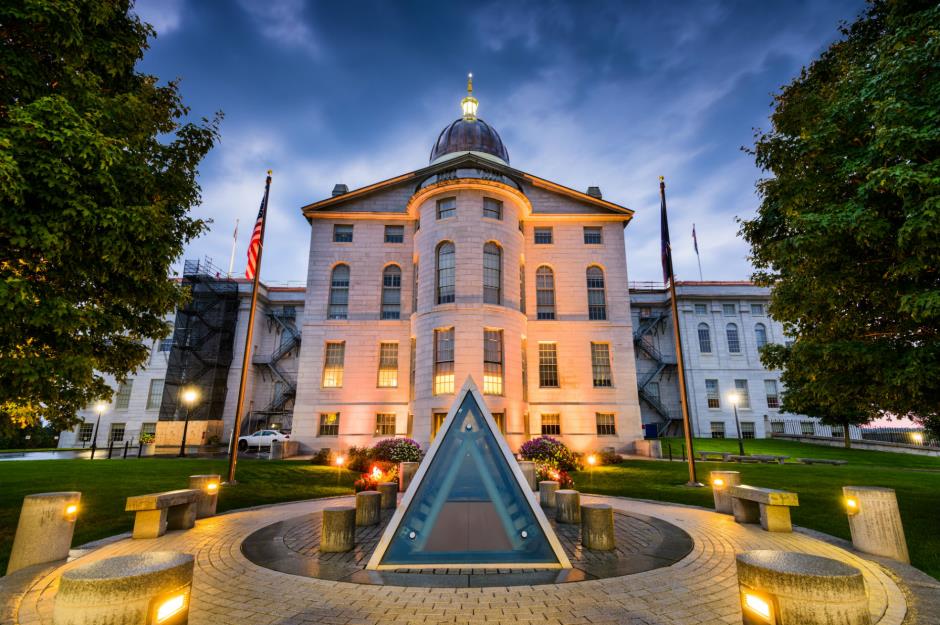
Maine is also an expensive state to live in across the board, so this $9 per hour doesn’t go very far for its low-wage inhabitants.
Nebraska: $9 an hour
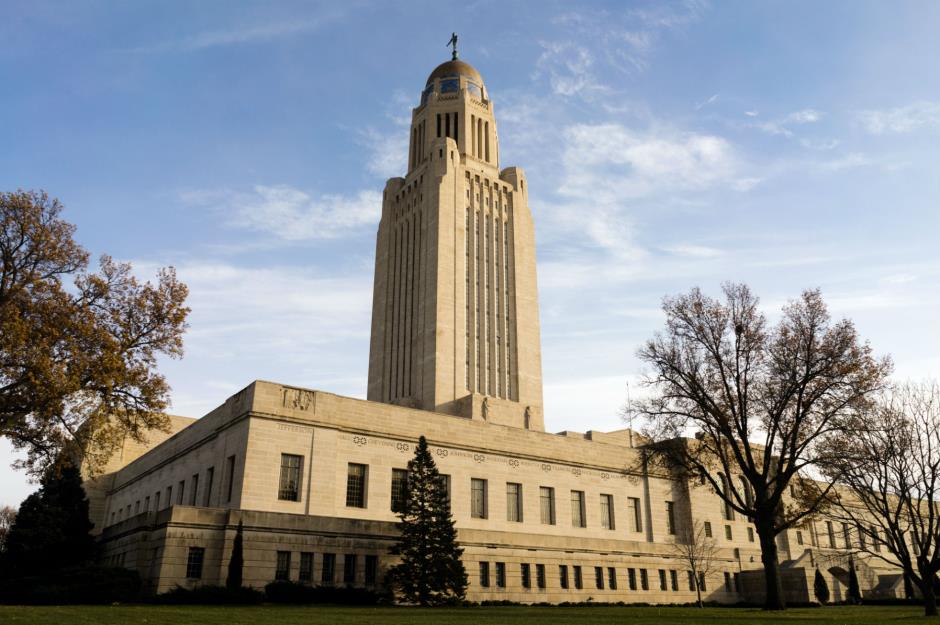
Nebraska’s minimum wage is on the rise due to its extremely low unemployment rate, which means there’s a relative scarcity of available workers. So if employers want to hire employees they will need to be able to offer that little bit more. The rate has increased from $8 in 2015.
Michigan: $8.90 an hour
Low-earning workers in Michigan might not be paid the high rates offered in Washington, but it still trumps the federal minimum. The state average house price stands at around $188,637 and utilities, groceries and transport prices are all relatively low. So for a low cost of living and a higher-than-average minimum wage you get to live comfortably and be surrounded by beautiful lakes – not bad hey?
Maryland: $8.75 an hour
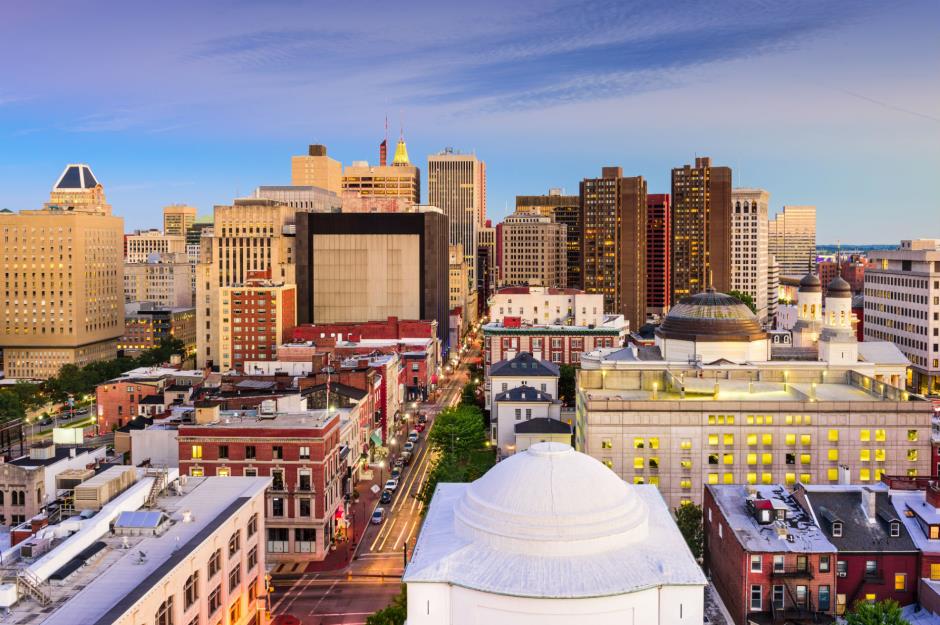
While it’s highly attractive to live in this coastal state, the minimum wage needs to be raised significantly if its low earners want to be able to afford a house as the average house price stands at around $334,029.
West Virginia: $8.75 an hour
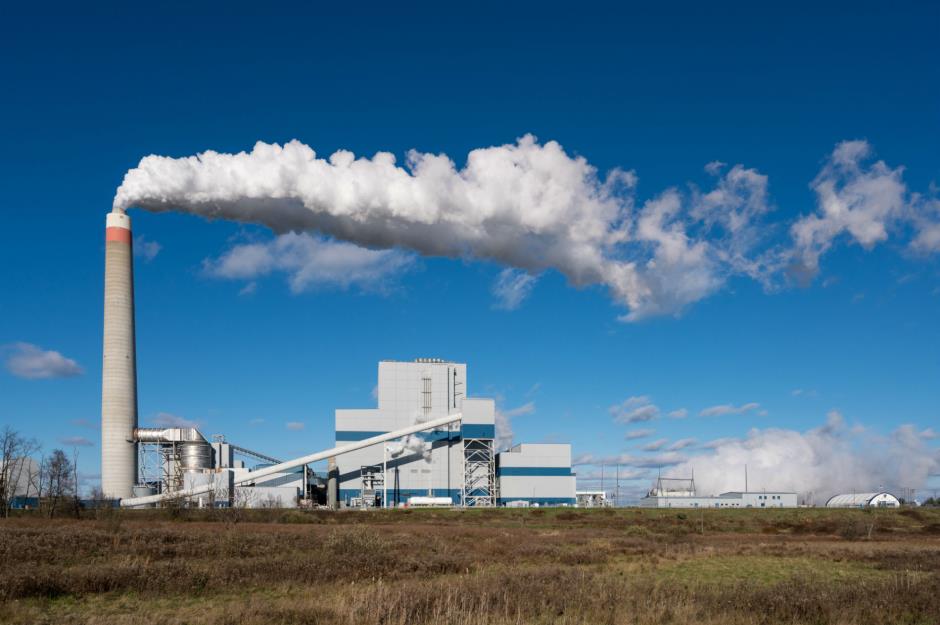
Meanwhile, West Virginia is offering its workers the same minimum rate of pay and house prices are among some of the lowest in the country. However, West Virginia is higher in the grocery and transport cost indices, bringing up the state’s overall cost of living.
South Dakota: $8.65 an hour
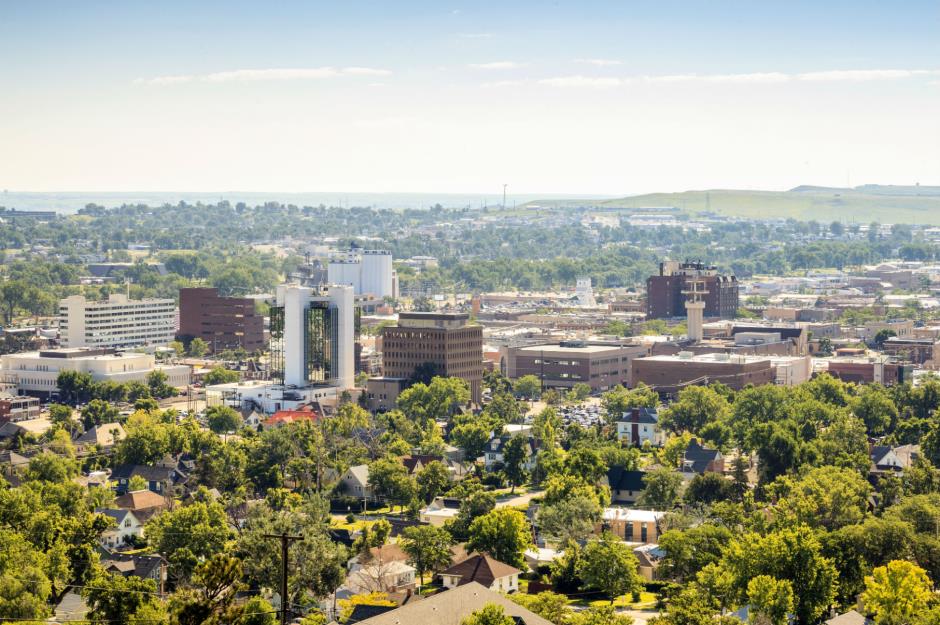
While most states have been looking to increase the minimum wage, South Dakota, on the other hand, has been trying very hard to decrease it. Two years ago, the home of Mount Rushmore increased its minimum wage to $8.55, but residents have been consistently voting to decide whether they want to make it a dollar less. So far the polls have run in favor of lower-paid workers.
Arkansas: $8.50 an hour
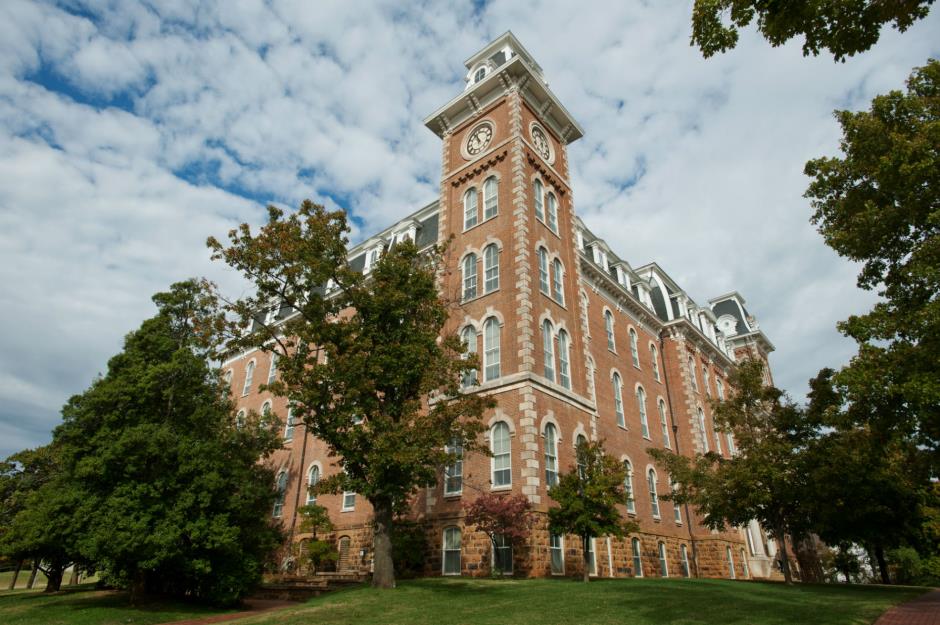
In Arkansas, the minimum wage surged by a dollar this year, making it the highest paying state for lower-wage workers in the mid-south.
New Jersey: $8.44 an hour
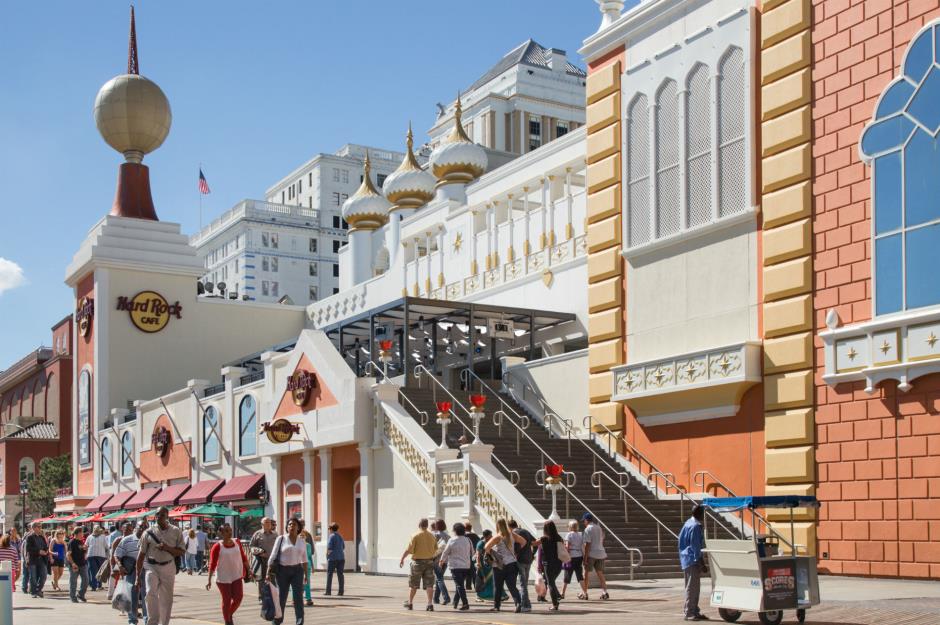
With high house prices averaging $360,742, New Jersey’s residents aren’t likely to be very impressed with their annual increase this year, which has only upped the minimum wage from $8.38 to $8.44.
Delaware: $8.25 an hour
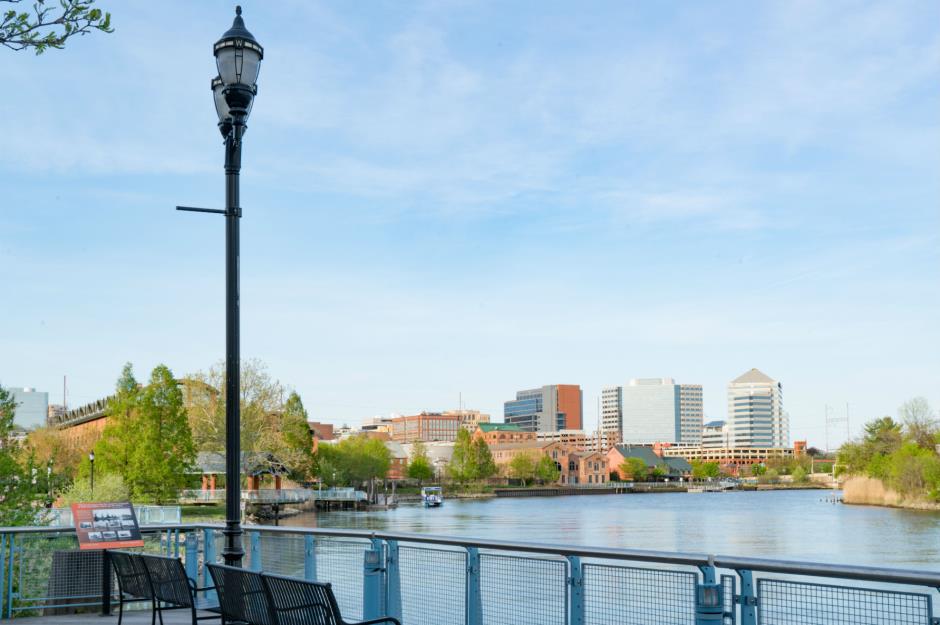
While the minimum wage in Delaware has just bumped up to $8.25, it’s now set to increase to $10.25 an hour by 2020. This is good news for low-paid workers who currently have to manage higher than average living costs.
Illinois: $8.25 an hour
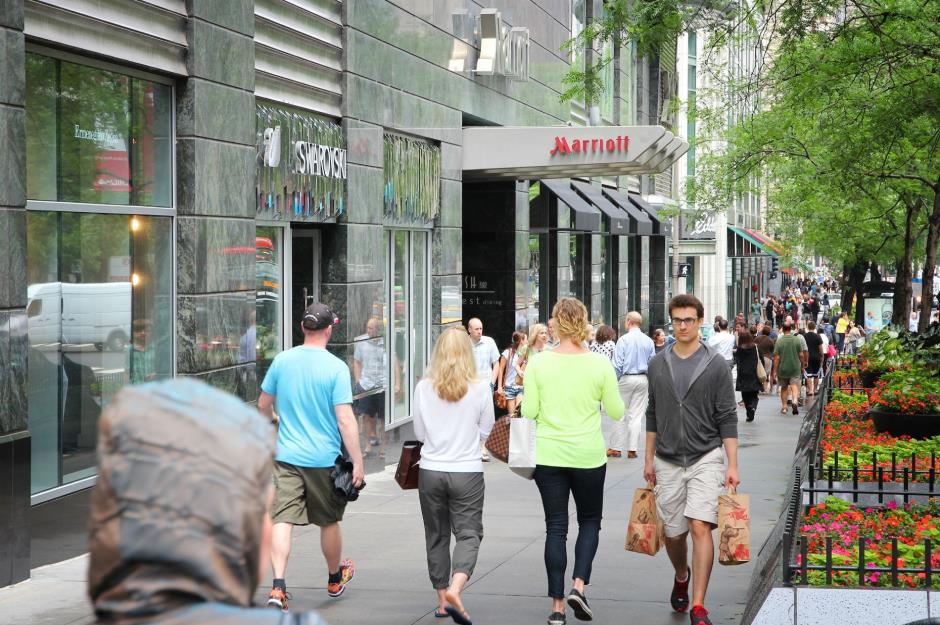
The minimum wage in Illinois is also set to rise, and should be bumped up to $10.75 by 2020, which is good news for commuters, who have to pay some of the most expensive transportation costs in the US.
Nevada: $8.25 an hour
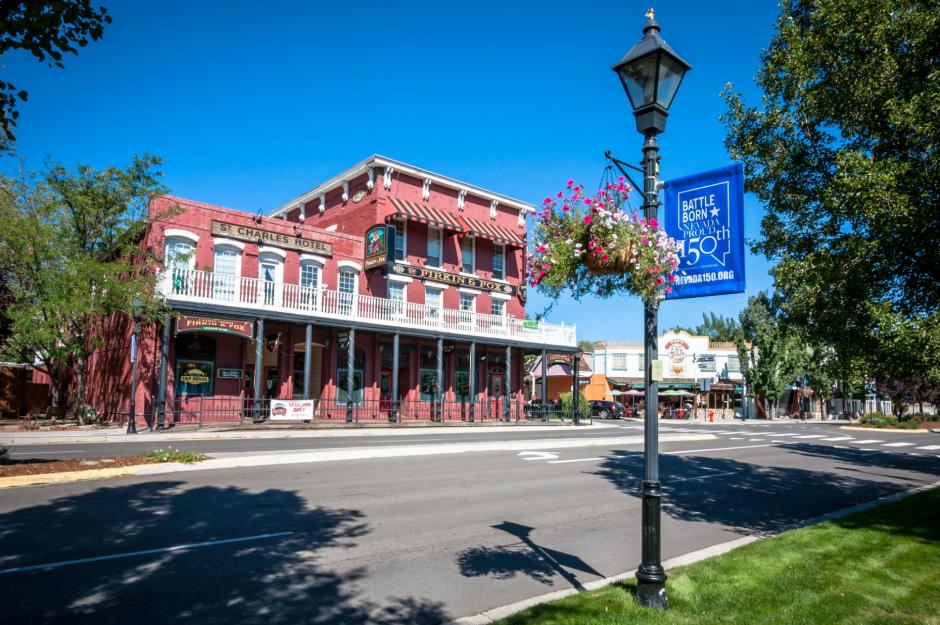
In November 2016, hundreds of protestors gathered together to demand that Nevada’s minimum wage be raised to $15 per hour. It’s not happened just yet but it’s getting there. Why is the demand so high? Because, like Illinois, transportation costs are high and living costs are above average.
Montana: $8.15 an hour
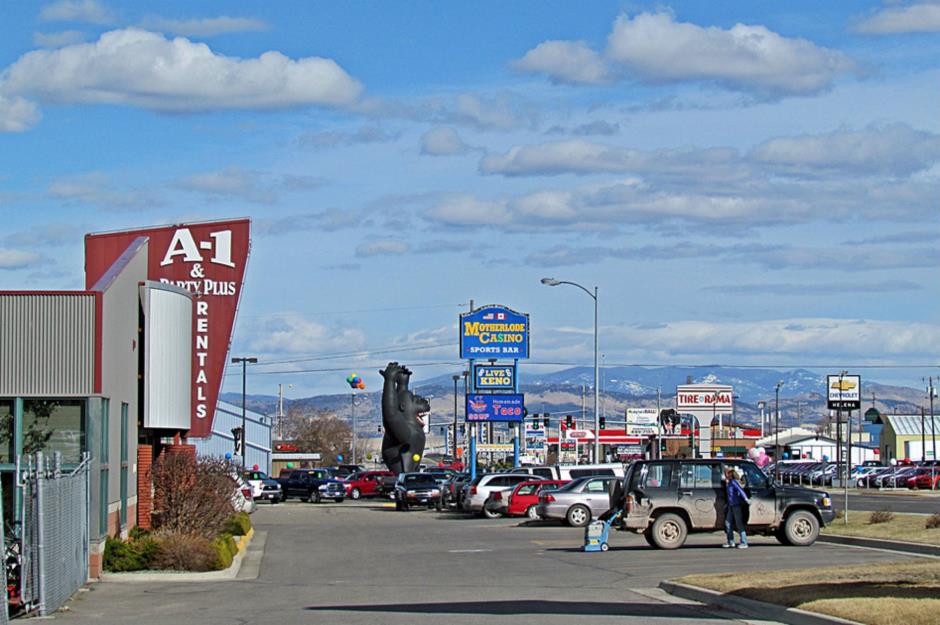
The Treasure State is one of the many states to see its minimum wage increase every year based on indexing. This is a positive step as house prices are above average and general living costs aren’t particularly cheap.
Ohio: $8.15 an hour
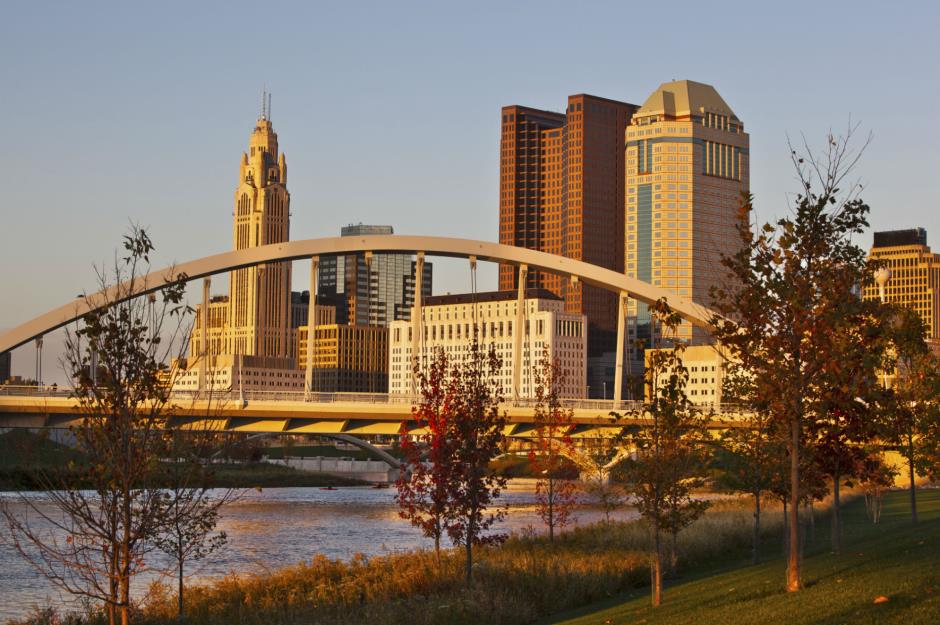
Ohio was another state to see its minimum wage rise, but cities within the state are banned from rising it higher than the statewide minimum. Cleveland, for example, was set to decide in May whether it wants to raise its minimum wage to $15. Now, legislature requires the state to have a standardized minimum wage throughout.
Florida: $8.05 an hour
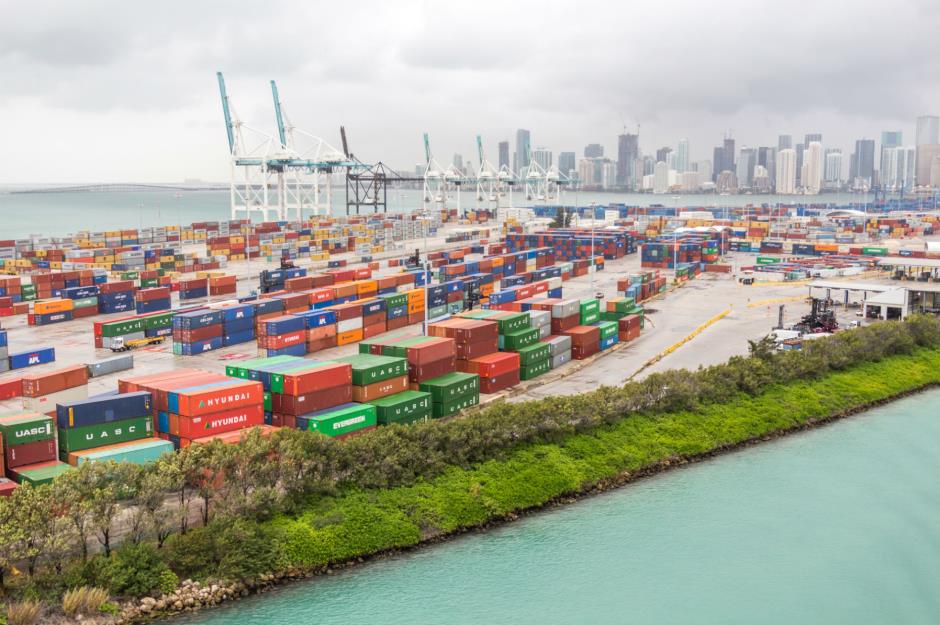
The average price for a spot in the Sunshine State stands at around $373,664, which makes this minimum wage seem like a pittance. However, the cost of utilities and groceries is low, and this rate is, like the rate in many other states, set to increase year-on-year based on indexing.
Missouri: $7.65 an hour
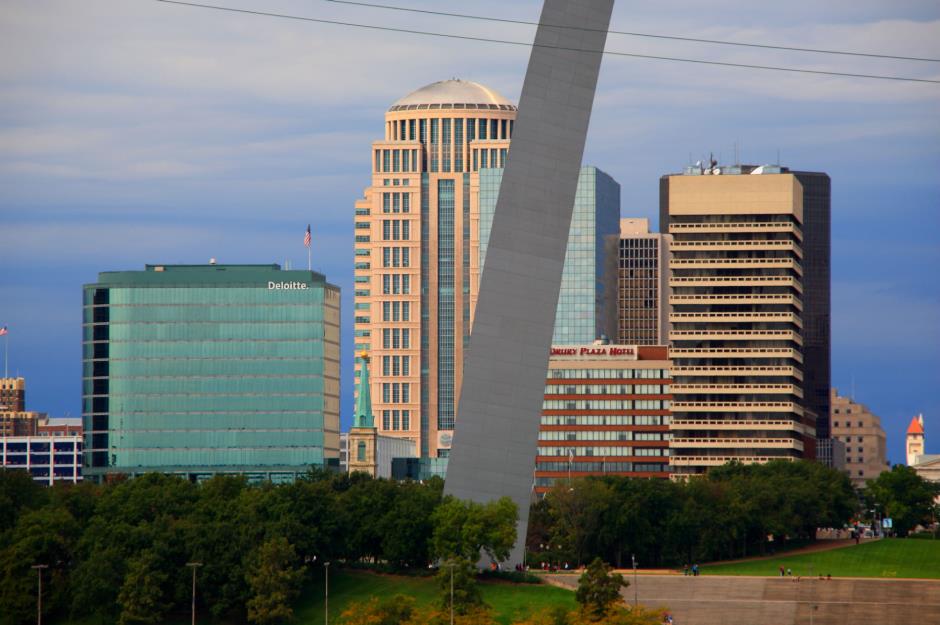
Here we enter the slow burners – the states that have only increased their minimum wages marginally from the federal minimum of $7.25. It’s somewhat relative, though, as a house in Missouri will only set you back an average of $185,061 and the general cost of living remains quite low.
New Mexico: $7.50 an hour
In the Land of Enchantment, however, it’s a different story. Low-wage workers are on just over the bare minimum and everything is markedly more expensive. Groceries are expensive and healthcare is above average too.
Georgia: $7.25 an hour

And now we reach the federal minimum. These are the states that are yet to raise the minimum wage at all. But what affect does it have on workers? In Georgia, the overall cost of living is low – groceries and other miscellaneous costs are among the lowest in the country – but house prices remain relatively high.
Idaho: $7.25 an hour

Idaho’s minimum wage has been set at the federal rate since 2009 and shows no signs of budging any time soon. Fortunately, the state has the cheapest groceries in the country.
Indiana: $7.25 an hour
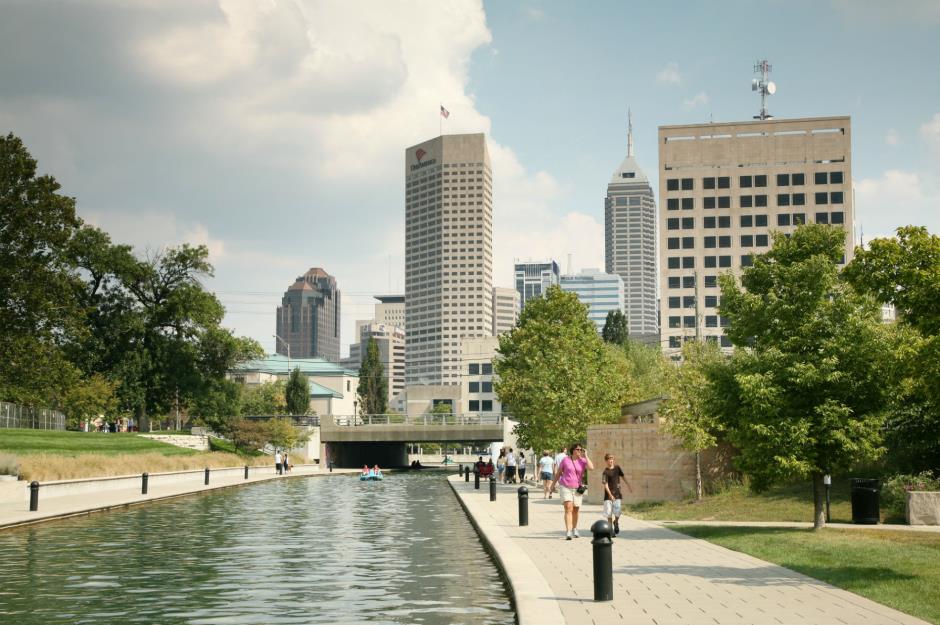
The Hoosier State is similarly stubborn when it comes to the minimum wage, but the average house price hovers around the $169,687 mark and the cost of travel is low, so it’s a little easier to understand why.
Iowa: $7.25 an hour
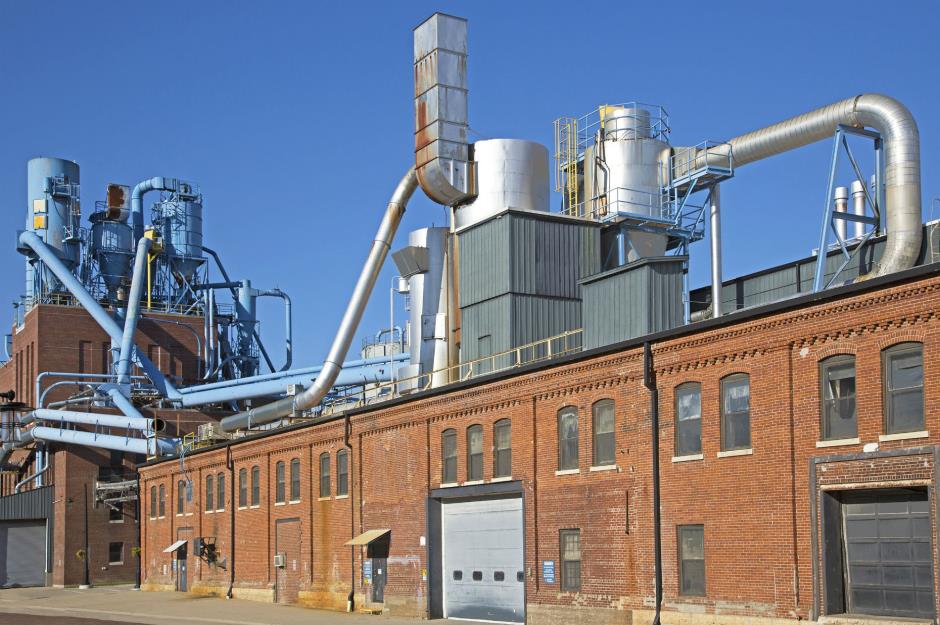
This is similarly the case in Iowa, where house prices sit around the $178,225 mark and the cost of living remains low.
Kansas: $7.25 an hour
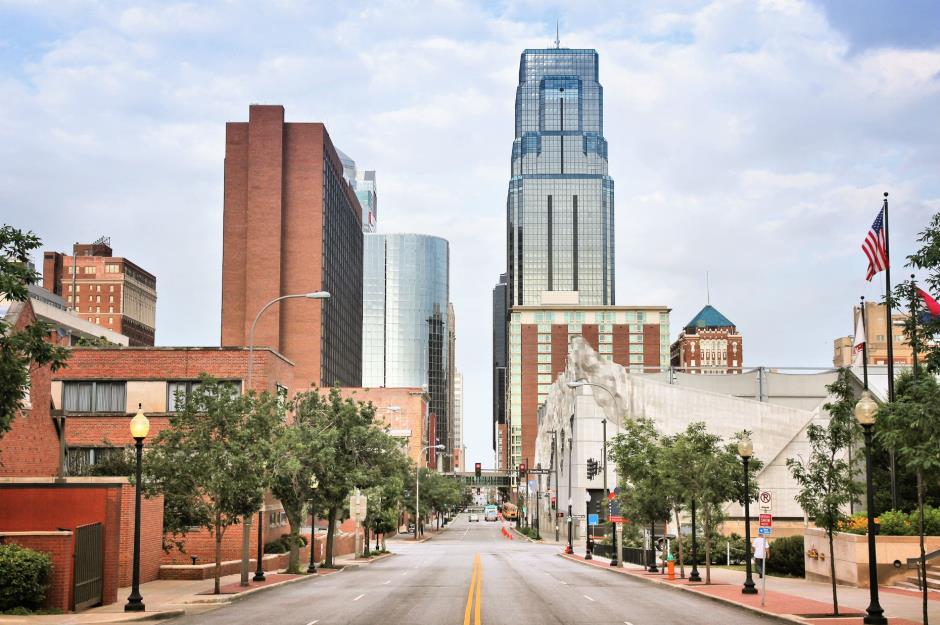
Living costs are even lower in Kansas, where a five-bedroom house costs an average of $168,444. It’s still a lot for somebody earning just over $15,000 though.
Kentucky: $7.25 an hour
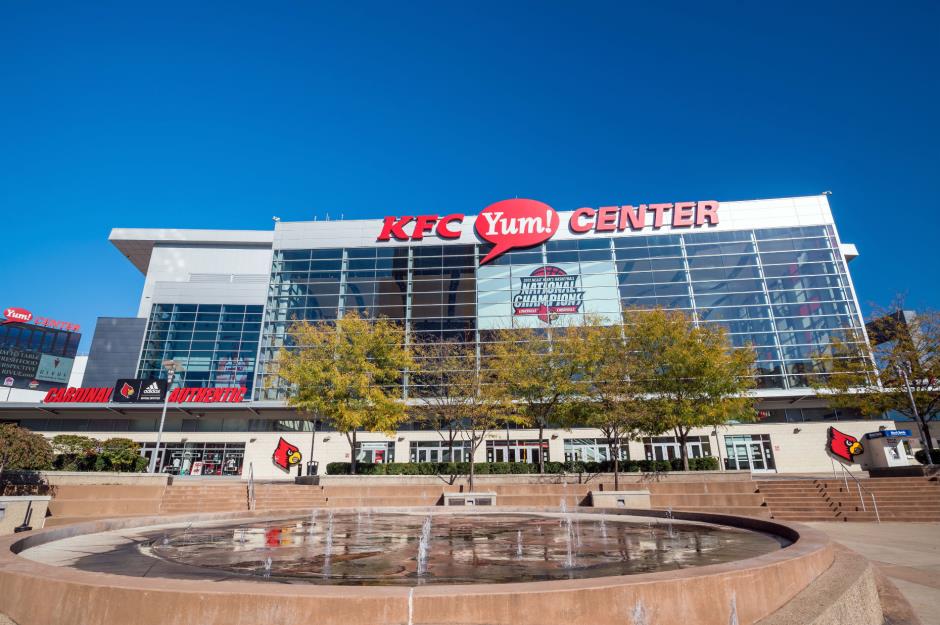
An annual salary of around $15,000 is also substantially low for Kentucky, despite house prices being low and the cost of groceries being the third cheapest in the country. The average house costs just under $200,000 – 13 times a yearly salary on minimum wage.
New Hampshire: $7.25 an hour
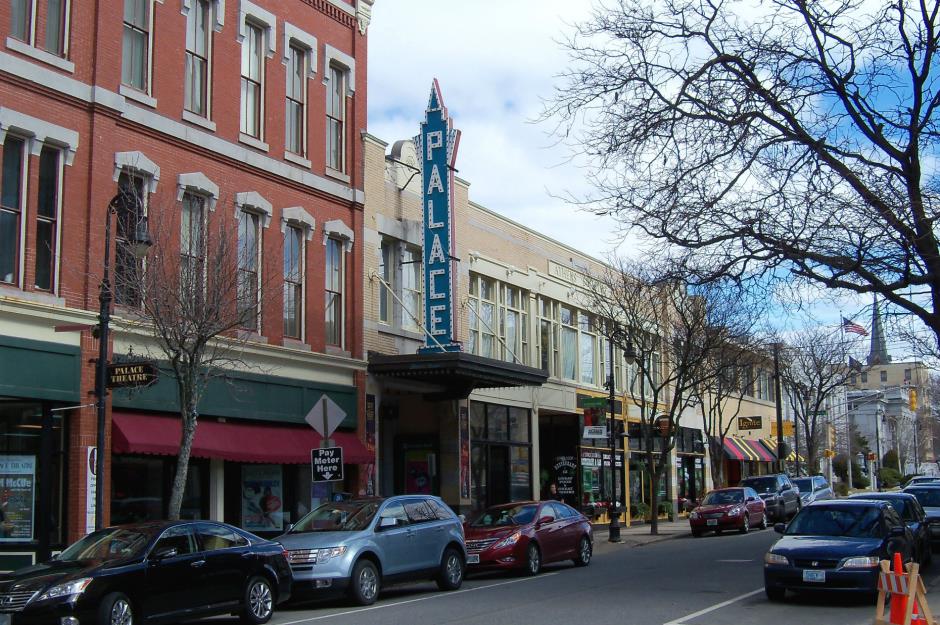
You might have thought the wage was low for Kentucky, but in New Hampshire the average asking price for a house is just under $300,000. And house prices are comparatively low here, as the cost of utilities and groceries are above average. Affording a lifestyle here on the minimum wage isn’t going to be easy.
North Carolina: $7.25 an hour
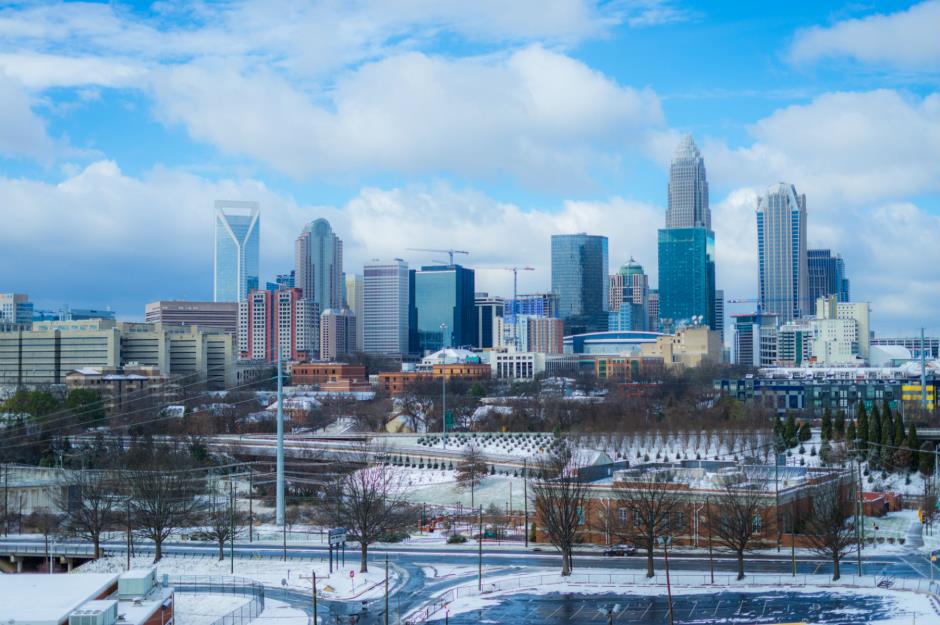
The 10th most popular state for living according to Trulia, North Carolina is also on the more expensive side as the average house price sits at $255,344, meaning the minimum wage won’t go very far for most.
North Dakota: $7.25 an hour
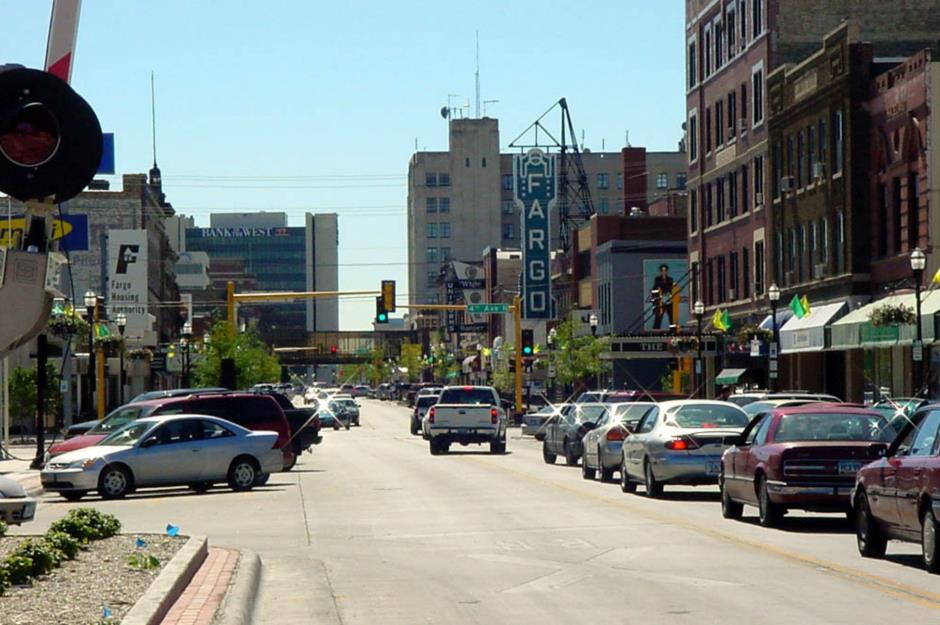
Trulia also claims North Dakota is one of the least popular state to move to, meaning there is a little less competition on the job front. That could be why the state has decided not to increase its minimum wage anytime soon. In the meantime? Let’s hope low-wage workers have enough to afford healthcare, which is said to be among the most expensive in the country.
Oklahoma: $7.25 an hour
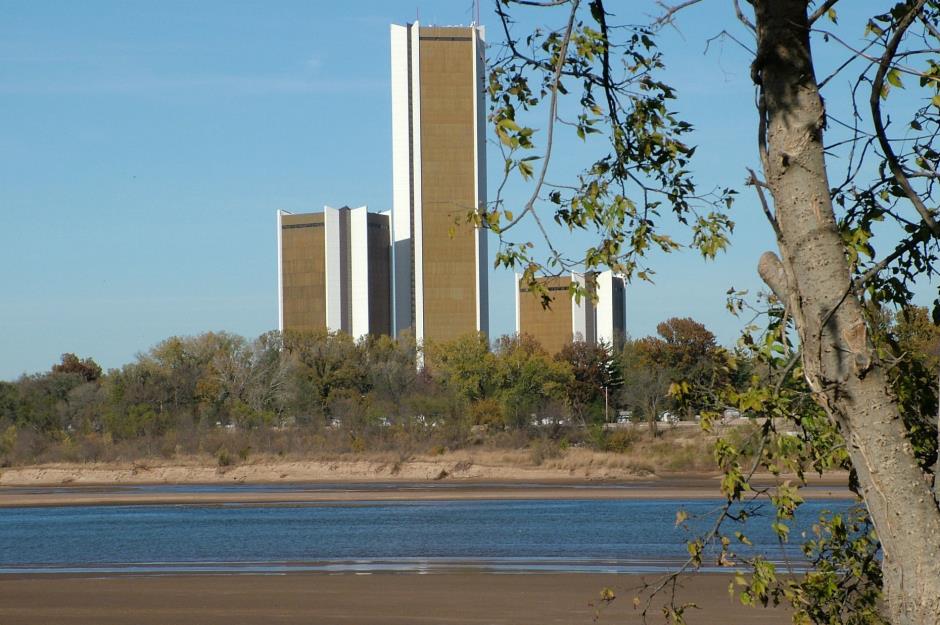
A home in the state of mistletoe shouldn’t set you back much thanks to a relatively cheap property market and an average house price of $192,837. This is a good job as Republican governors have repeatedly banned increases to the federal minimum wage.
Pennsylvania: $7.25 an hour
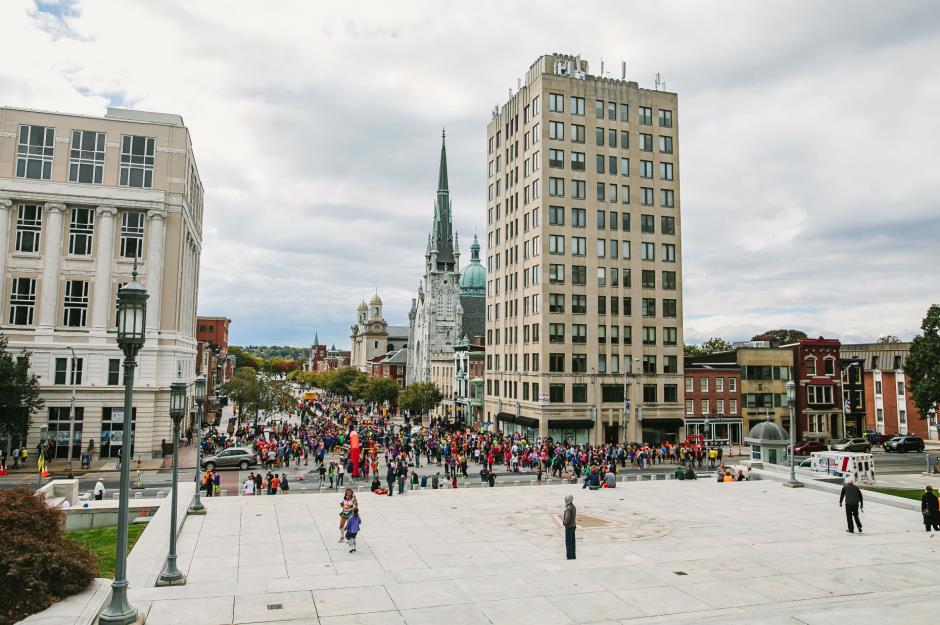
Living costs in Pennsylvania are up there with some of the highest in the country, and the average house price settles around the $214,368 mark. But the lowest-earning employees still only take home with $15,000 a year.
South Carolina: $7.25 an hour
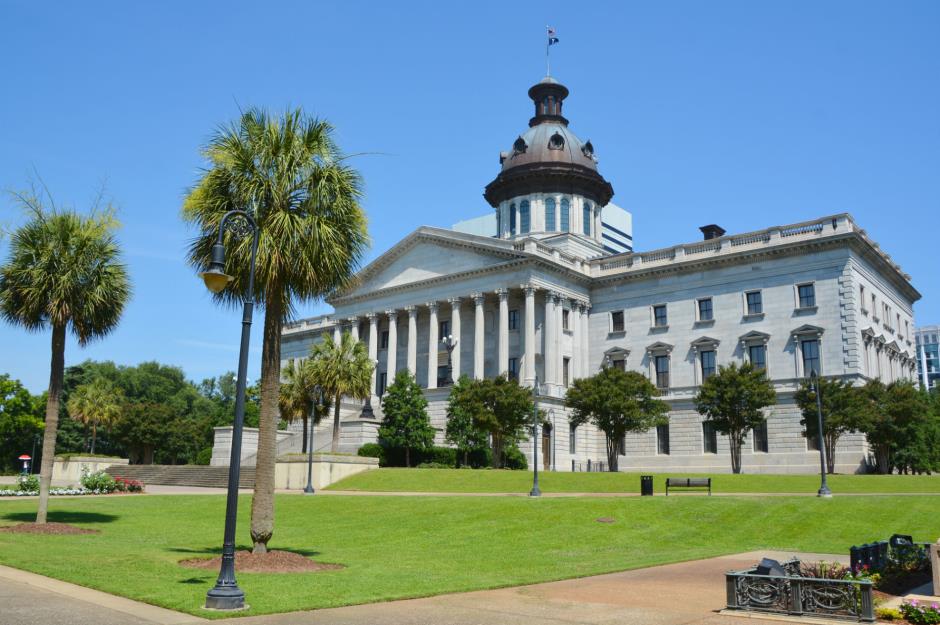
Despite numerous requests to raise the minimum wage in South Carolina, governors just keep on knocking it down. This now means low earners are battling against increasing utility and grocery costs, as well as property prices of anywhere around $273,607, in return for $7.25 an hour.
Texas: $7.25 an hour
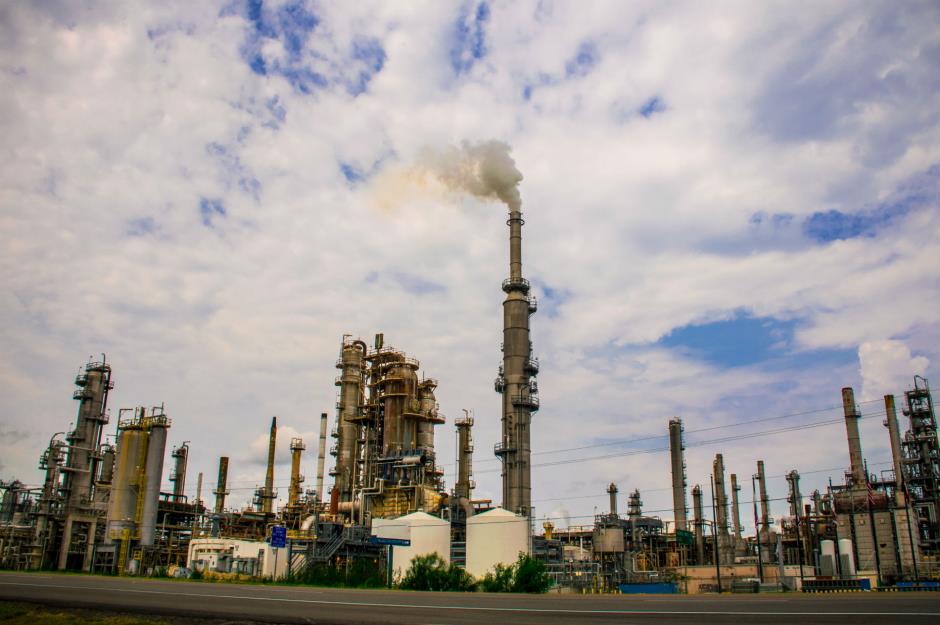
Texas isn’t budging either. Fortunately for Texans, property prices remain relatively low and grocery and utility costs are fairly average.
Utah: $7.25 an hour
The Beehive State also has a relatively low housing index, however, the average listing price stands at around $407,684 – which is far from cheap. Nevertheless, Utah has no plans to raise the minimum wage just yet.
Virginia: $7.25 an hour
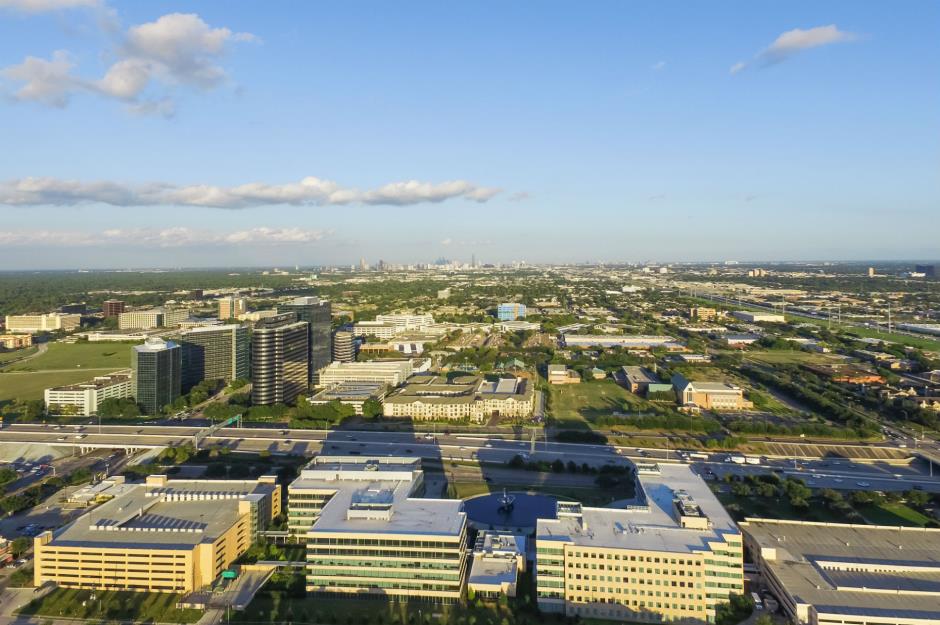
And neither does Virginia, which has a housing cost index of 108.9, the average is 100, and property prices of anywhere around $325,000. Fortunately housing is Virginia’s highest index – the cost of utilities and groceries are much lower than average.
Wisconsin: $7.25 an hour
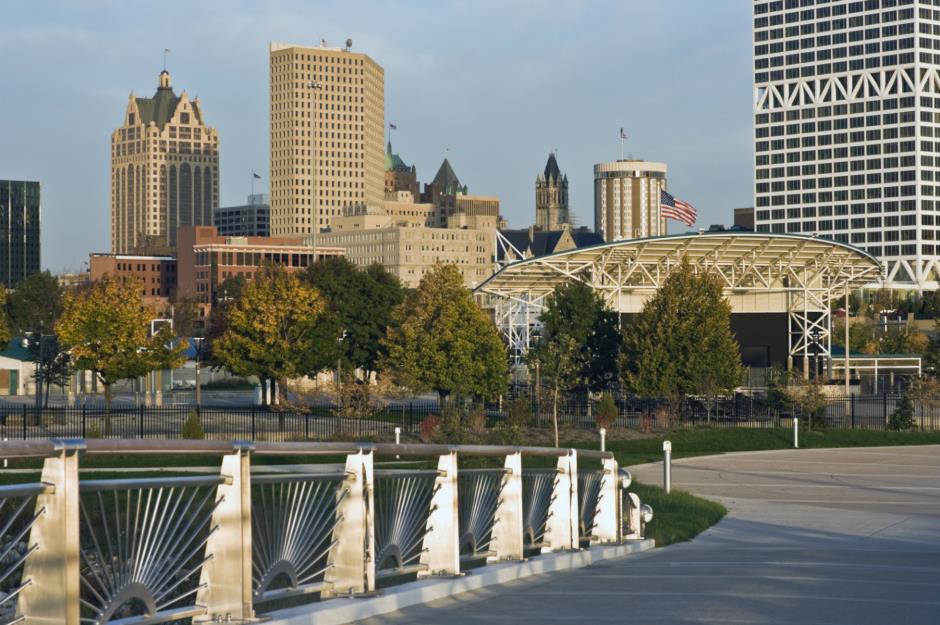
Wisconsin is the last of the states to stick firmly to the federal minimum wage, with no signs of raising it any time soon. The good news is that the Badger State has a lower housing index than most states (85.1), so at least saving for a property is marginally easier.
Wyoming: $5.15 an hour
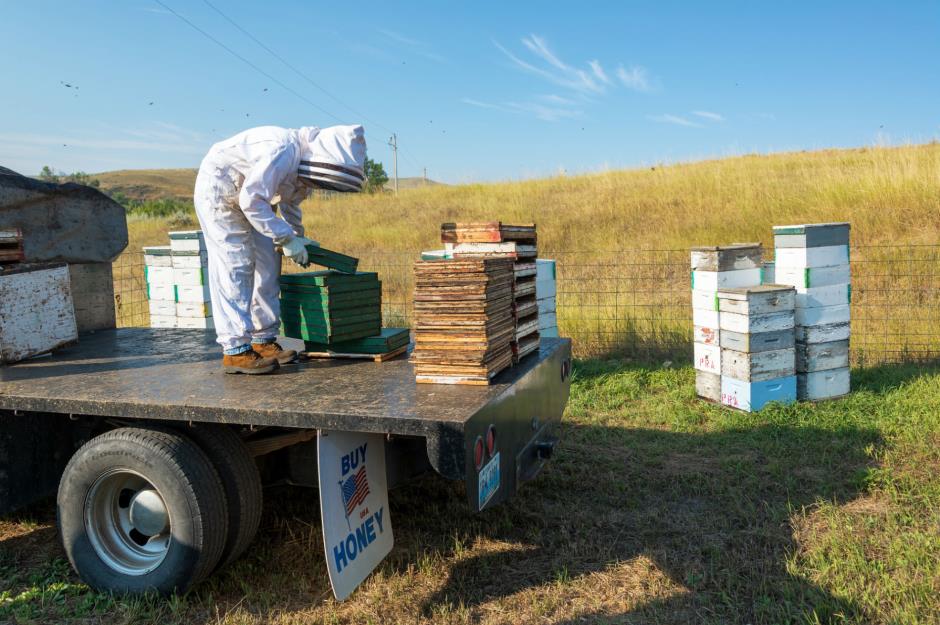
There’s always one. Here in Wyoming, the minimum wage stands at just $5.15 per hour. This is $2.10 less than the federal minimum wage. However, fortunately this amount is obsolete, as the federal minimum wage takes precedent and is applicable to all covered employees.
No minimum wage at all

You thought $5.15 was bad? Alabama, Louisiana, Mississippi and Tennessee have no minimum wage at all. But in these Southern states low earners don’t work for nothing. Workers are still guaranteed the federal minimum of $7.25.
Comments
Be the first to comment
Do you want to comment on this article? You need to be signed in for this feature