Food and drink you should avoid for a good night’s sleep
Eat wisely, sleep well
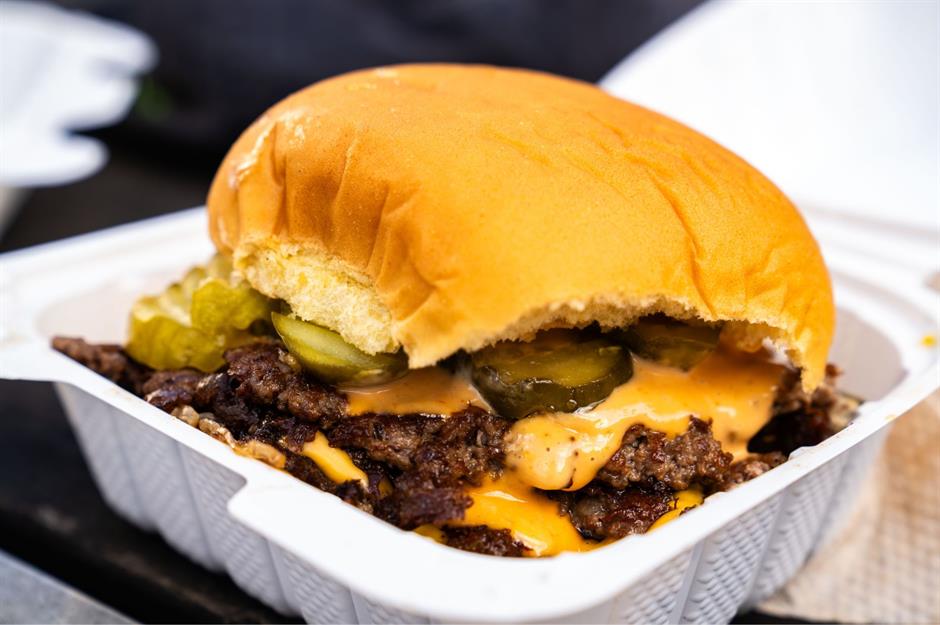
Our diet can play a huge role in how well we sleep at night. If you’re someone who struggles to fall into a deep slumber, there are certain foods you might want to avoid in the late evening. Here, a registered nutritionist reveals the foods and drinks we should keep away from in the lead up to bedtime.
Struggling to sleep? Click or scroll our gallery to discover the 33 foods and drinks you should never eat before bedtime, counting down to the one that has the most impact of all.
We've based our ranking on each food's effects on sleep, and on the opinions of a registered nutritionist. The list is unavoidably subjective.
33. Protein shakes
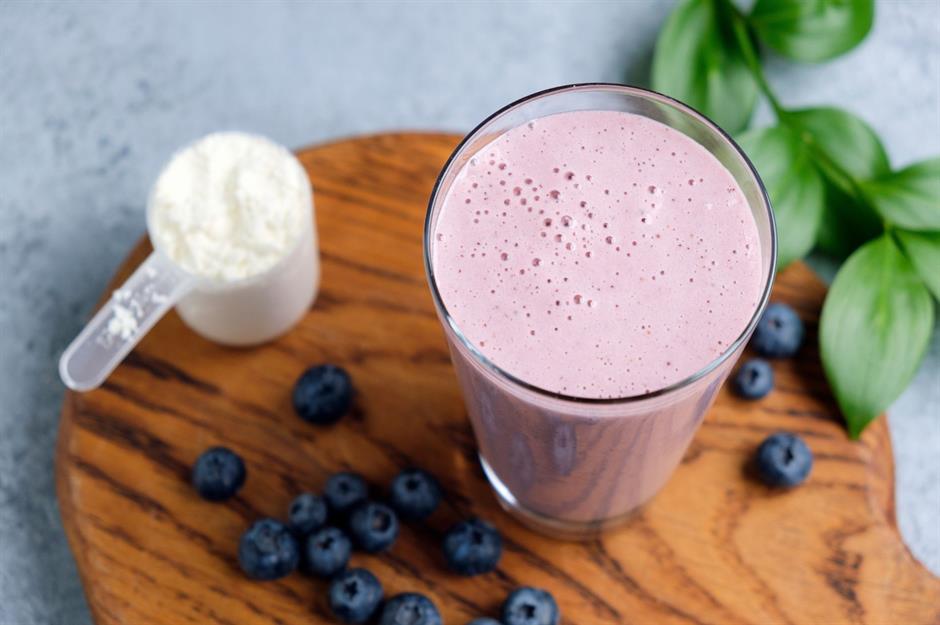
Love to end your evening gym session with a protein shake? You might want to reconsider if you’re hoping for a blissful night’s sleep. “Protein shakes can be helpful for recovery, but having them late at night can keep your digestion active when it should be slowing down,” says Ann Garry, CEO and director of nutrition training at Health Coaches Academy. “It’s best to hit your protein goals earlier in the day, rather than using a shake as a late-night meal replacement.”
32. Popcorn
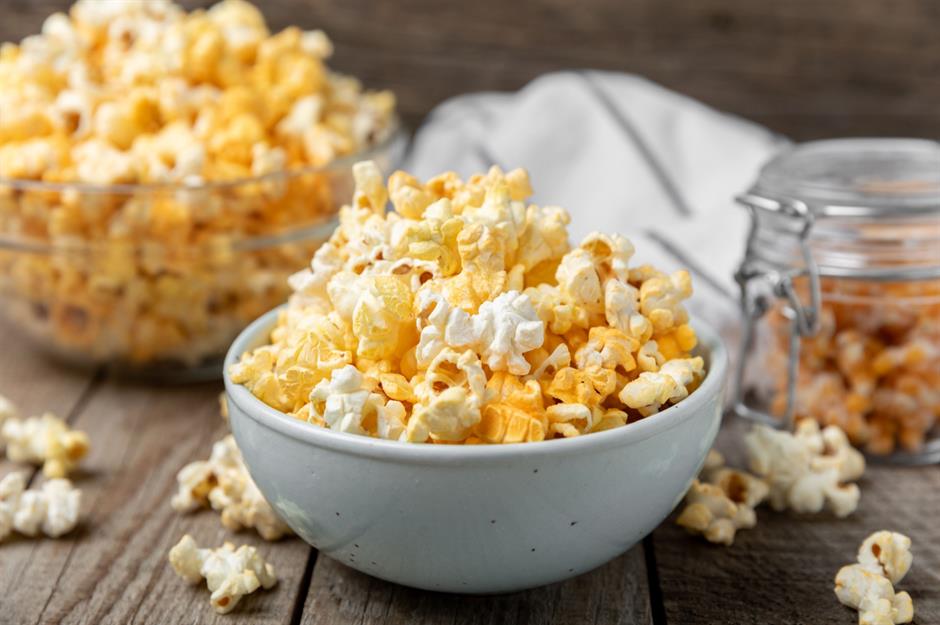
Plain popcorn is a tasty, healthy snack – but you could have trouble sleeping if you add any flavourings to your freshly popped corn. Whether you like it sweet, salty or buttery, flavouring your popcorn usually involves adding extra fat, sugar and salt, all of which can cause issues such as spiked blood sugar, dehydration and stomach discomfort.
Sponsored Content
31. Fermented sauces
Like other aged foods, fermented sauces – including soy sauce, fish sauce and teriyaki sauce – contain high levels of the amino acid tyramine, which boosts production of the brain stimulant norepinephrine, causing alertness. Not only that, but tyramine is also thought to be the culprit behind migraines. While they're undoubtedly delicious and add a depth of rich umami flavour to meals, you should cut down your intake (or simply avoid them too close to bedtime) to ensure you have a restful night.
30. Celery
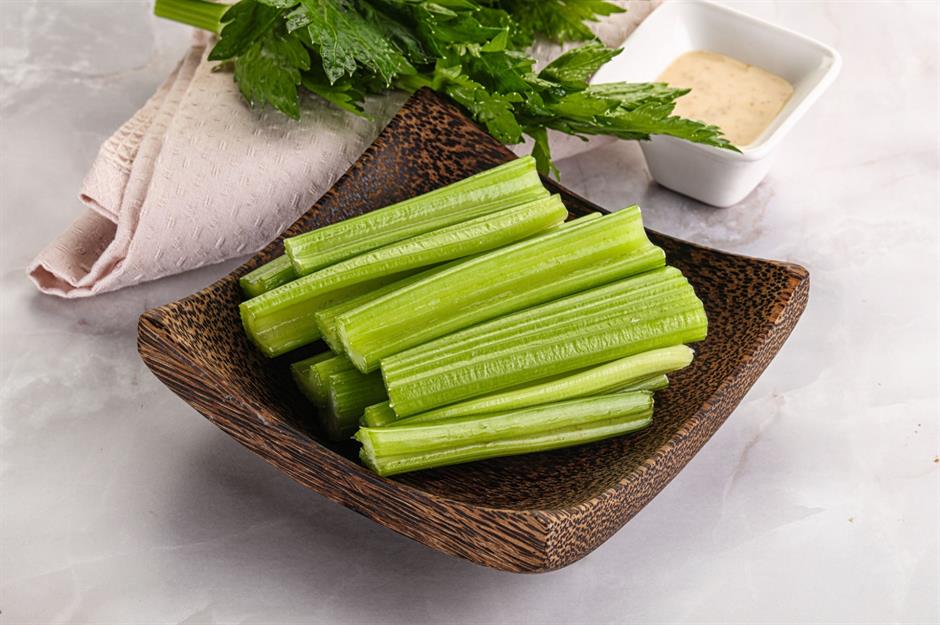
With barely any calories, celery is a healthy snack to nibble on during the day. There’s just one problem that makes it an unwise choice before bed – and that’s its high water content. Though it's perfect for helping you stay hydrated at other times, it could have you getting up in the night to relieve yourself, disrupting your sleep. So, stay away from the crunchy stuff late at night if you want to be under the covers until morning.
29. Dried fruit
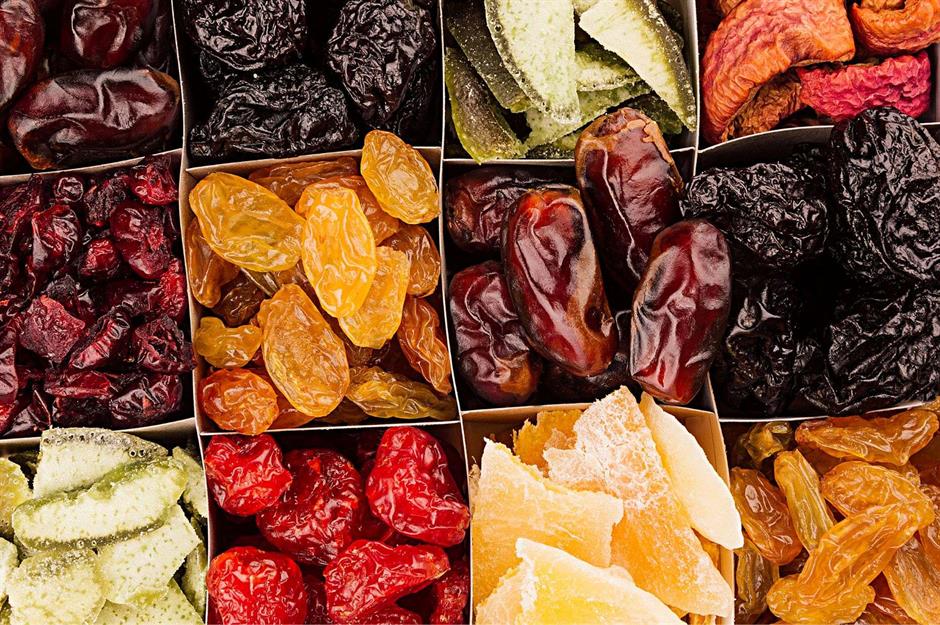
Some dried fruits are perfectly fine to snack on before bedtime – but it's best to check the label on the packet before you indulge. "Dried mango, pineapple and similar fruits are high in natural sugar and fibre, which can ferment in the gut overnight," says Garry. "That process can lead to gas and discomfort that interfere with restful sleep." Choose dried fruits that are high in magnesium, such as prunes, as these can promote relaxation.
Sponsored Content
28. Milk
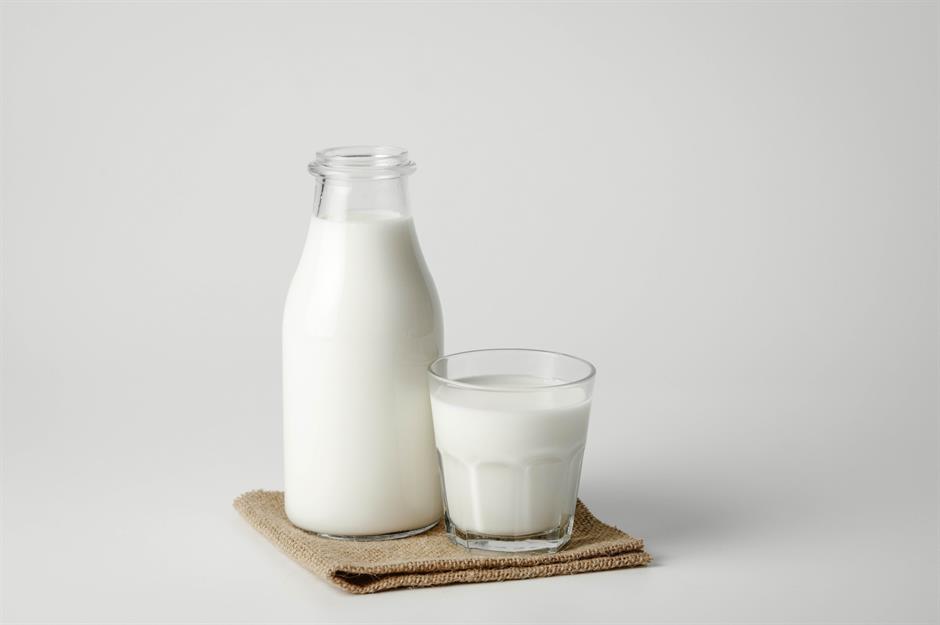
Dairy is best avoided before bed, despite the fact that milk contains tryptophan, a hormone that's often credited for making us sleepy. It’s the fat and protein in milk that might keep you awake, as they can disrupt your digestion. Instead of a glass of milk or hot chocolate, have some water or a decaf tea – but not too close to bedtime, or you might need to get up in the night.
27. Raw onions
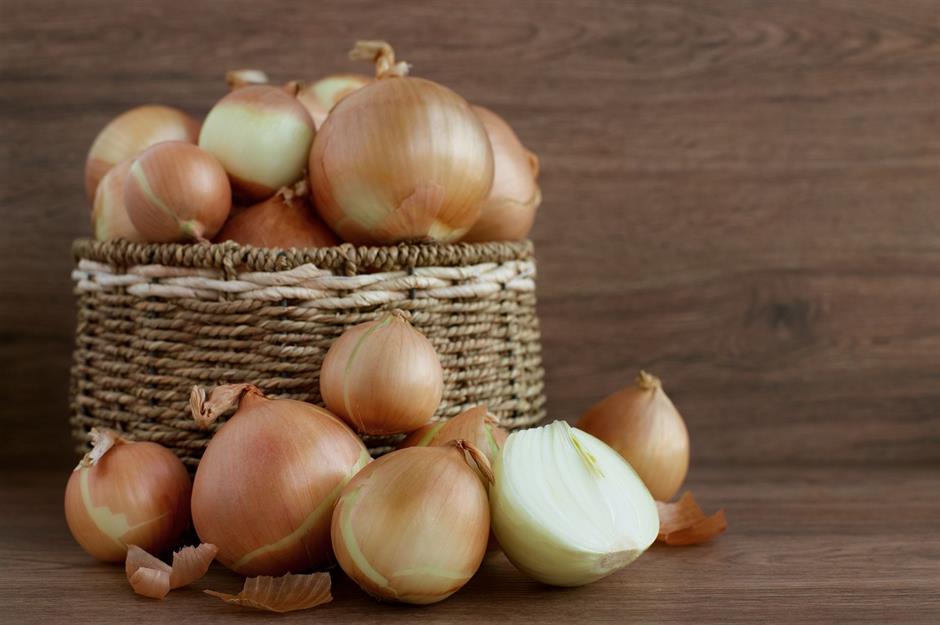
It’s not just bad breath you’ll need to watch out for if you tuck into some raw onions in the evening. Before piling them on top of a hot dog or slicing them into a salad, beware of their power to trigger acid reflux. They could cause heartburn, stomach ache, a sore throat and other problems. As such, they’re best enjoyed at lunchtime or earlier in the day.
26. Citrus fruits
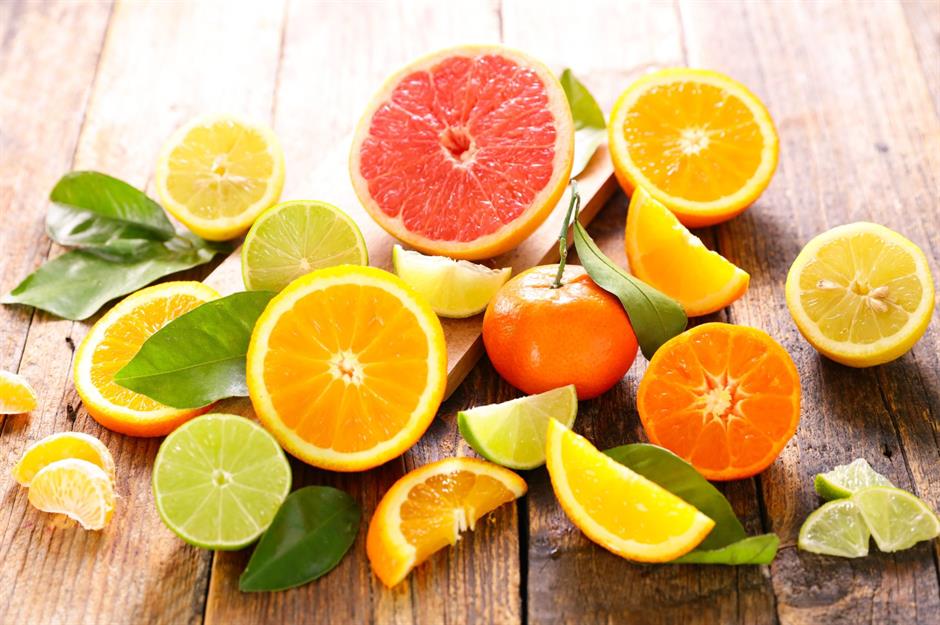
Whether you struggle with acid reflux or not, avoiding oranges, grapefruits, lemons and other citrus fruits before your nightly slumber is recommended due to their intense levels of acidity. "Citrus fruits are highly acidic and can irritate the stomach or oesophagus, particularly for those prone to heartburn," says Garry. "If you notice this, have them earlier in the day or swap to gentler fruits."
Sponsored Content
25. Tomato-based products
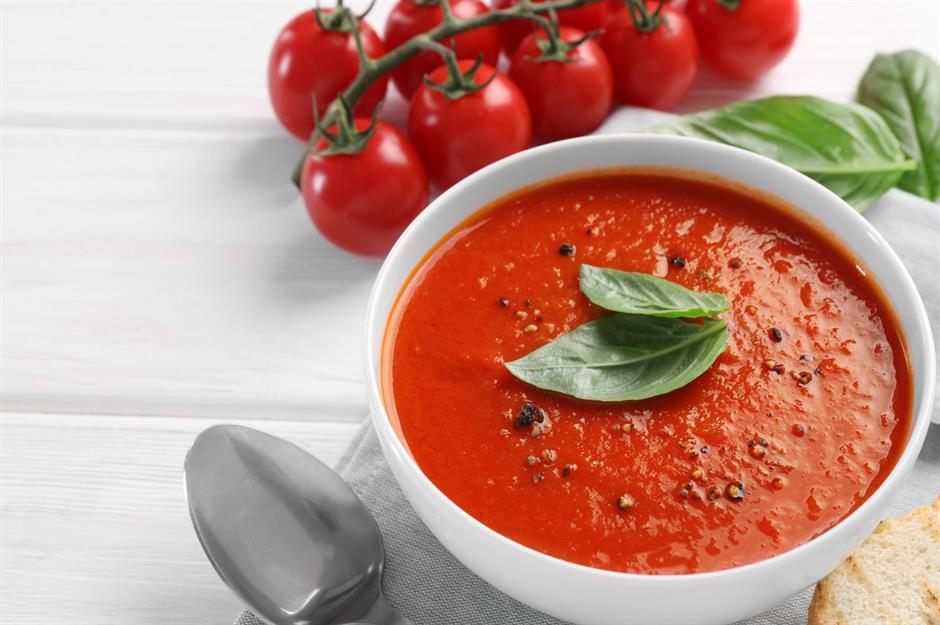
If you suffer from acid reflux, you’ll already be aware of the side effects tomatoes can cause. "Tomatoes and tomato sauces are naturally acidic, which can aggravate reflux or heartburn, particularly if you lie down soon after eating," says Garry. This goes for non-fresh tomato products, too; before bed, you're best off avoiding tomato-based stews, soups, juices and pizza. "For some people, having large portions late in the evening is the main issue, so try to enjoy them earlier in the day,” suggests Garry.
24. Broccoli
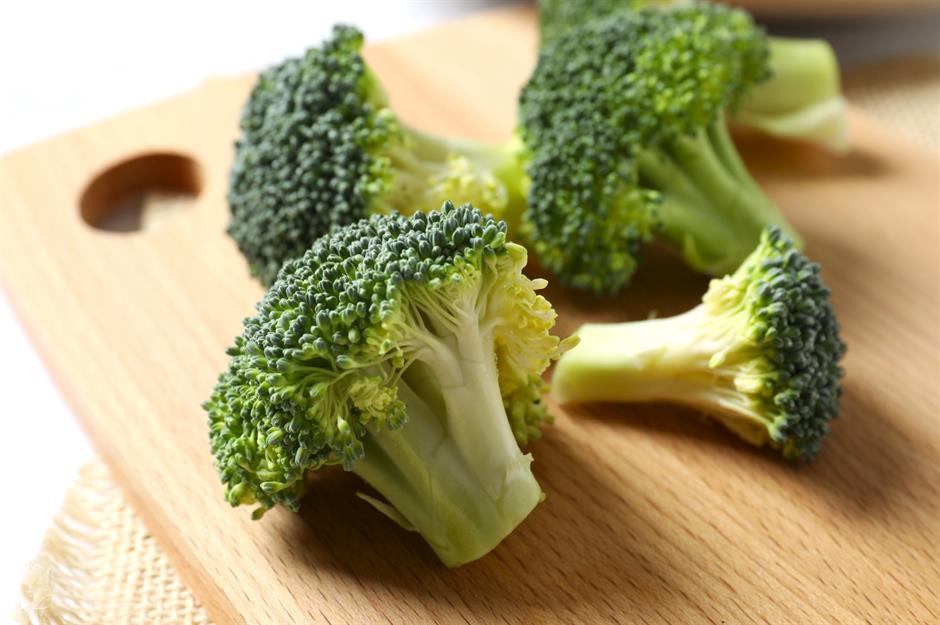
Broccoli is prized for having plenty of fibre, so it's worth adding it to your diet if you want to keep your digestive system moving. Eat it too late in the day, though, and you might not feel the benefit of all that fibre. Instead of healthy digestion, you could be in for flatulence and discomfort when you lie down. It’s fantastic as part of a healthy dinner, but try to eat it a little earlier. The same goes for cauliflower.
23. Ice cream
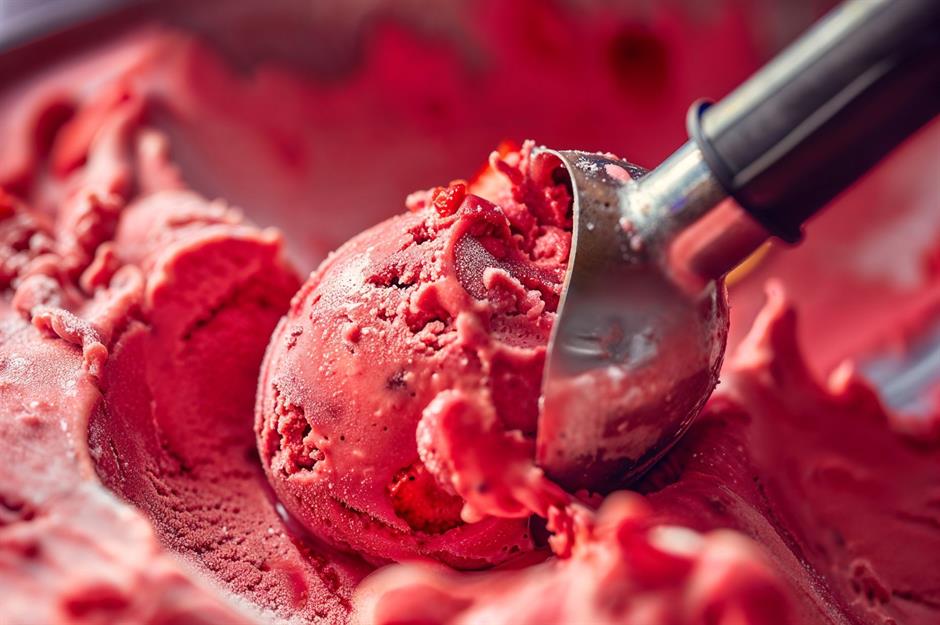
As much as a dreamy scoop of ice cream before bed can be tempting, you might want to have a rethink if it’s your late-night treat of choice. “The combination of sugar and fat in ice cream can cause a short-term rise in blood glucose, followed by a drop that may disrupt sleep," says Garry. "Its high fat content also slows digestion, and for those sensitive to lactose, the dairy can lead to bloating or discomfort." For a similarly sweet and satisfying dessert, try a small bowl of yoghurt with frozen berries as a replacement.
Sponsored Content
22. Too much liquid

While a small glass of room-temperature water before bed can work to hydrate the body after a day’s activity, drinking a large quantity of fluid late in the evening will put a strain on your bladder and cause you to need the toilet throughout the night. Try to drink more fluids during the day, tapering off your intake around two hours before bed.
21. Cucumber
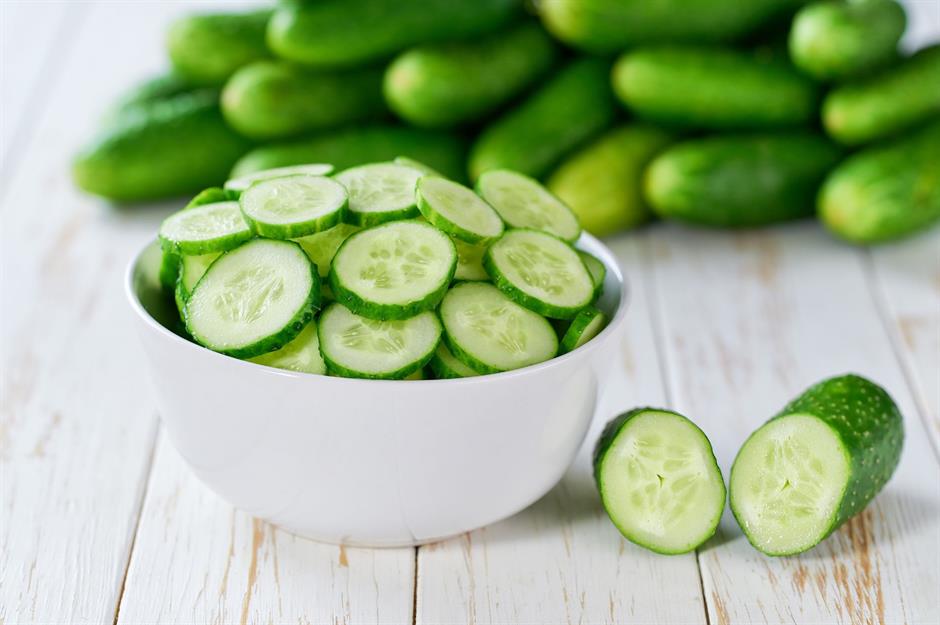
Fresh cucumber is notoriously hydrating – but it can be a little too hydrating. It’s easy to forget about all that liquid when you’re eating it, not drinking it, but it could soon go straight to your bladder. Give cucumber a miss before bed and you’ll be able to stay wrapped in your warm cocoon instead of having to get up to use the toilet in the middle of the night.
20. Aged, fermented and smoked meat
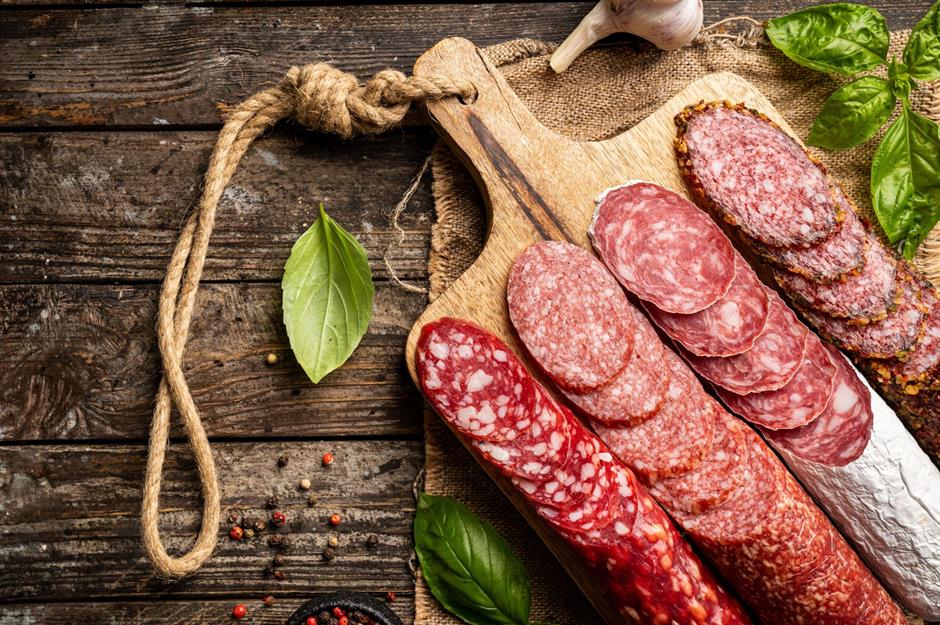
Similar to aged sauces, fermented or smoked meats (such as bacon, chorizo, frankfurters, pepperoni and salami) can hinder your chances of nodding off blissfully at night. These meats also contain the amino acid tyramine, which is thought to induce sleeplessness – so it's best not to indulge in a charcuterie platter, hot dog or bacon sandwich before bed.
Sponsored Content
19. Red meat
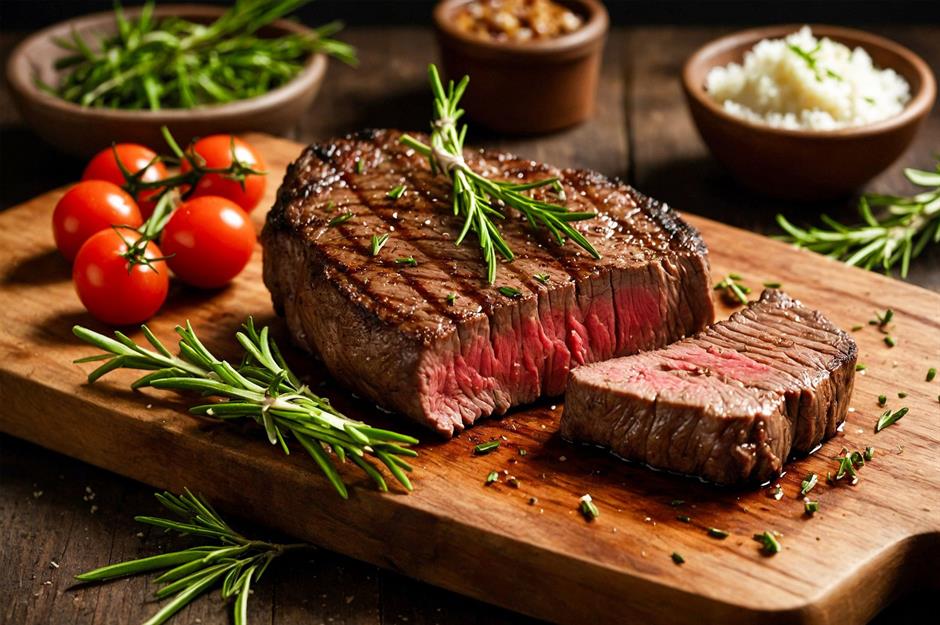
We’re not saying you have to forgo the occasional celebratory sirloin, but devouring red meat too late at night has been linked with disrupted sleep. “Red meat is rich in protein and fat, which can slow digestion and keep your body working when it should be resting," says Garry. Lying down too soon after a heavy meal of steak or lamb will encourage your digestive system to work harder, when it should be slowing down. Cue indigestion and acid reflux – neither of which is ideal when you're trying to drift off. "It’s not about avoiding it entirely. Even leaving just a few hours between your meal and bedtime, or going for a short post-dinner walk, can make a difference,” adds Garry.
18. Aubergine
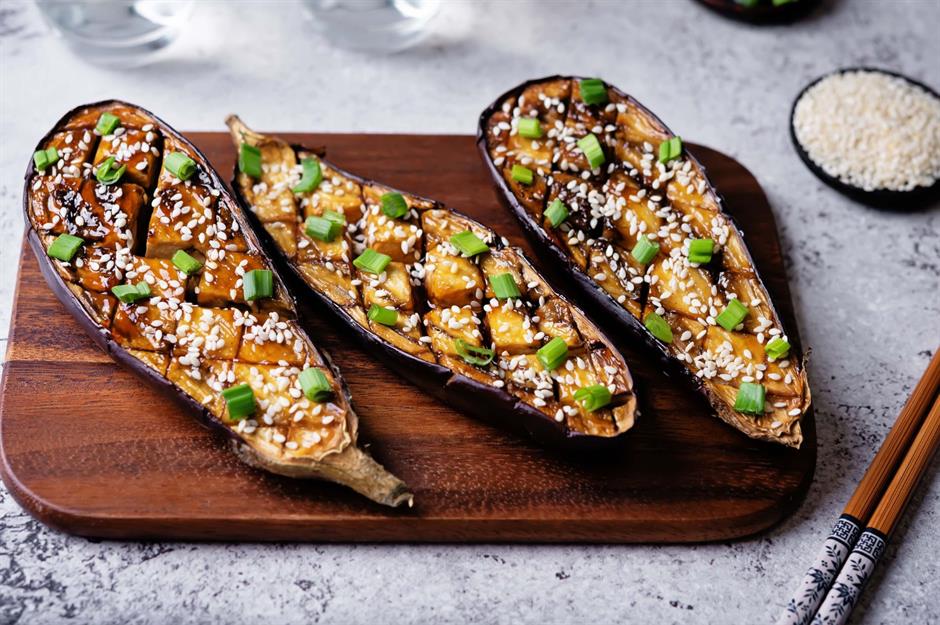
The last time you were lying awake, unable to fall asleep, it could have been baba ghanoush to blame. Healthy aubergine is delicious in a moussaka, but you might want to think twice before you eat it too late in the day. The vegetable contains the amino acid tyramine, which can work as a stimulant, switching on your brain when you really want it to switch off.
17. Salty foods
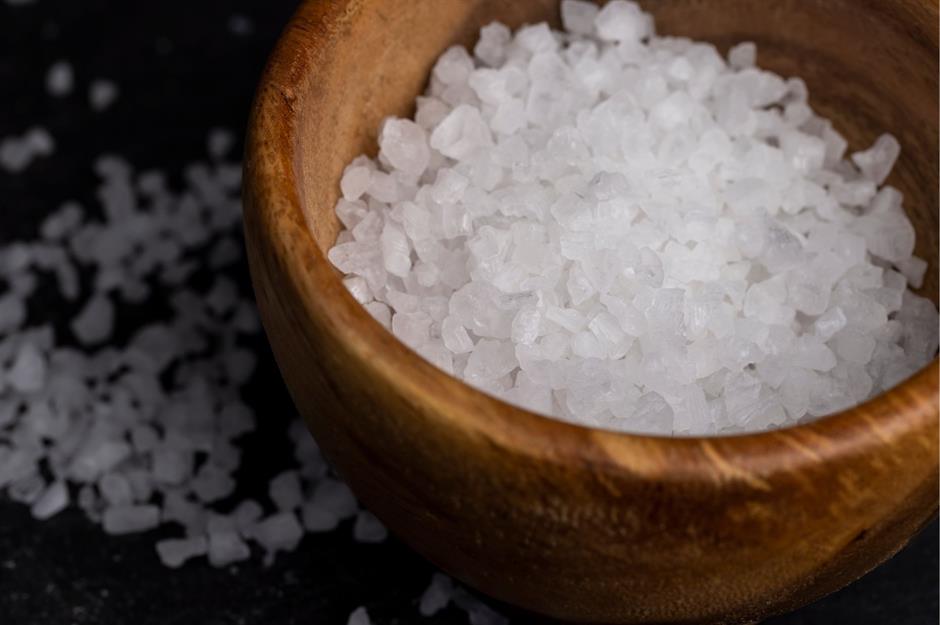
Not only can a high-sodium diet lead to high blood pressure, but salty foods can also disrupt your sleep. Even a late sodium-packed dinner can have an impact, causing restless sleep and water retention – meaning you’re likely to be up and down the corridor to the bathroom all night. While your nightly packet of crisps could be contributing to this, other salty culprits include pizza, bread, crackers, processed snacks and fast foods.
Sponsored Content
16. Stimulant herbal or ‘energy’ drinks
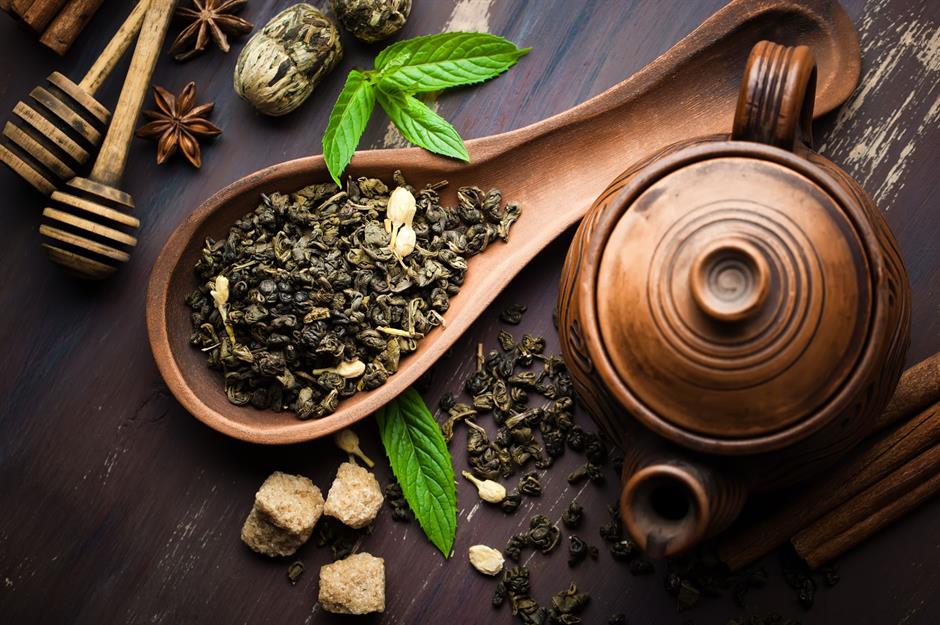
While some herbal teas and drinks are great for sending you off into a blissful slumber, be wary that not all of them will. “Herbal products containing ginseng, guarana or yerba mate act as natural stimulants, even if they’re caffeine-free,” says Garry. “Not everyone reacts the same way, but it’s worth checking labels for these ingredients if you’re having trouble sleeping.”
15. Butter
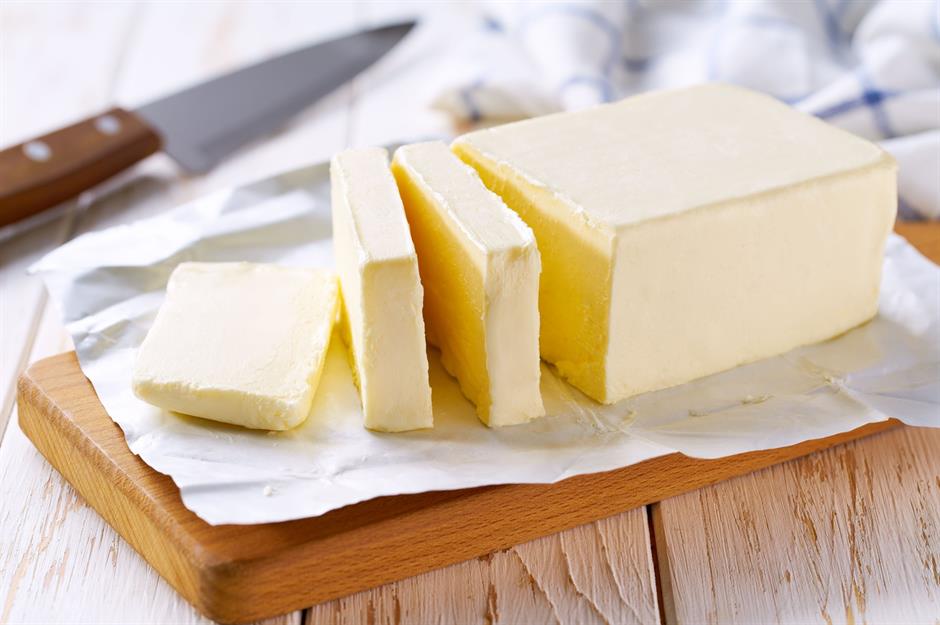
The saturated fats in butter are part of what makes it taste good, but they could also be responsible for keeping you awake for longer after you've turned in for the night. Eating butter too late in the evening could put your stomach in turmoil due to the high amount of fat it contains, so it’s wise to swap it for a spread that's lower in fat next time you feel like a midnight snack.
14. White bread
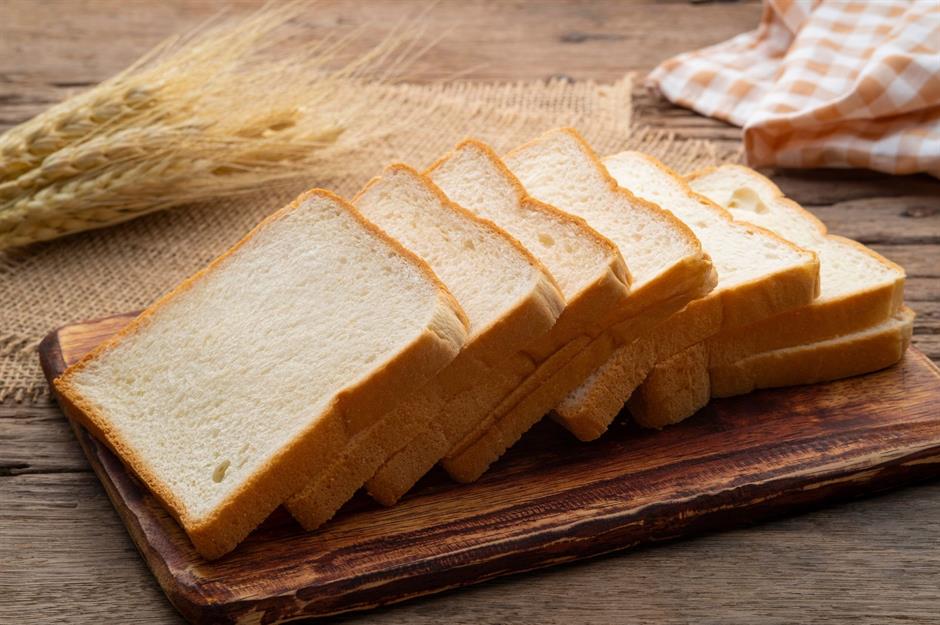
A late-night round of toast with butter can be delicious, but you might want to reconsider your choice of bread next time. “Foods such as white bread and pastries can spike blood sugar, followed by a crash that disrupts sleep," says Garry. "Over time, these fluctuations may also interfere with your circadian rhythm, the body’s internal clock that regulates sleep and wakefulness.” While they may curb those hunger pangs, the influx of energy is likely to cause more harm to your sleep than you realise.
Sponsored Content
13. Aged and fermented cheese
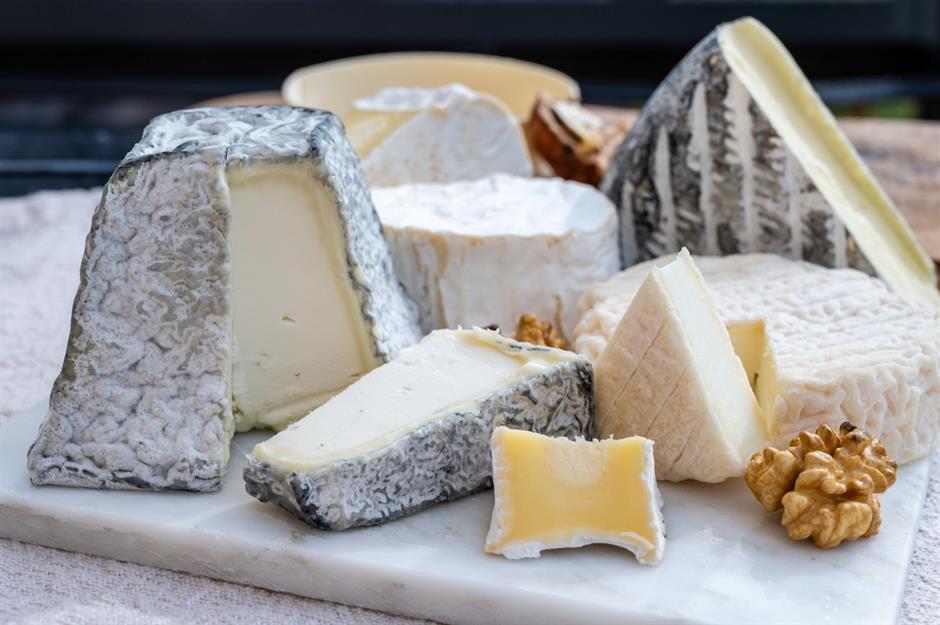
While they won't give you nightmares (as the old wives' tale suggests), it's probably still best to avoid aged cheeses like blue cheese, Brie, Cheddar and Parmesan before going to bed. "Aged cheese, alongside cured meats and fermented sauces, contain compounds that can stimulate the nervous system," says Garry. "If you’re sensitive, having too much of these foods in the evening may make it harder for your body to wind down.” Pick a young cheese, such as cottage cheese, instead; these cheeses contain another amino acid, tryptophan, which promotes sleep.
12. Spicy food
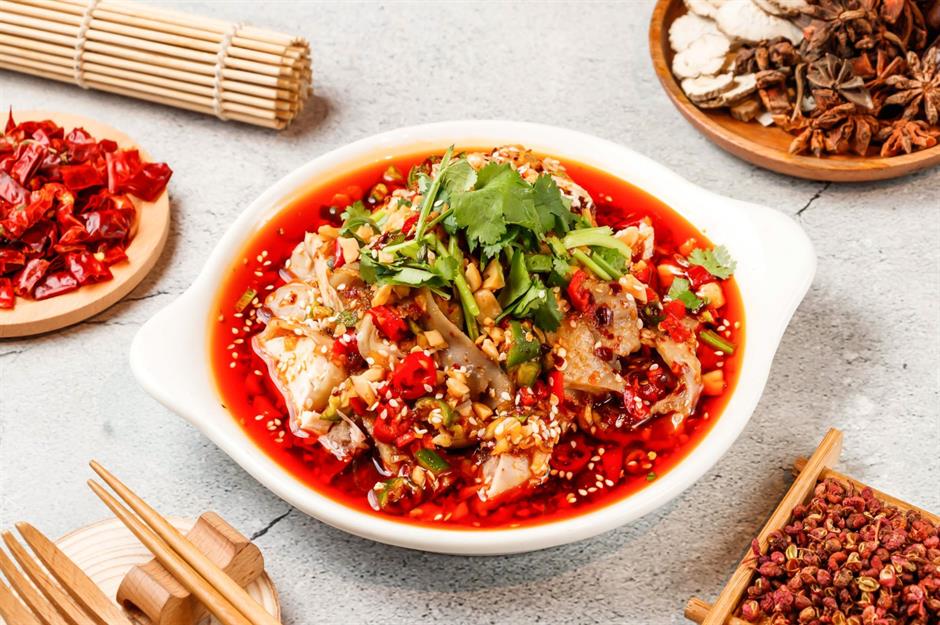
If you suffer from discomforting gastric problems or indigestion, or you're particularly sensitive to chilli peppers, you'd be best off avoiding spicy food before bed. “The capsaicin in chillies can raise body temperature and irritate the stomach, which may make it harder to drift off comfortably," confirms Garry. "If spicy foods tend to trigger reflux for you, it’s best to go easy on them later in the evening and listen to your body.”
11. Fast food
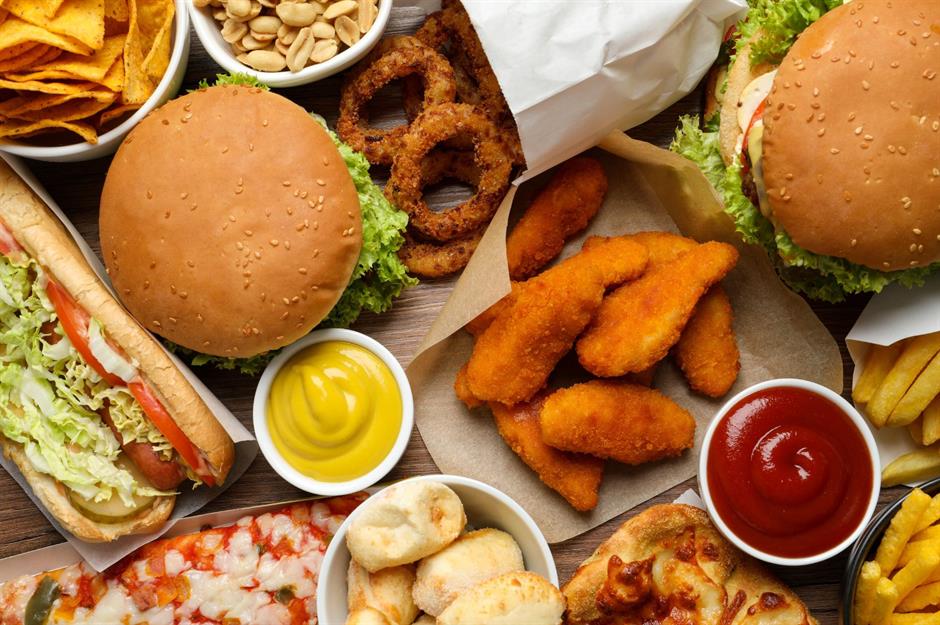
You might want to rethink that late night drive-thru order if you’re hoping to get some good shuteye. While it’s nice as an occasional treat, fast food is known for being heavily processed – and studies of children and adolescents have linked it with poor sleep. No matter your age, curbing your intake of fast food could see you enjoying a more blissful snooze.
Sponsored Content
10. Sugary cereal
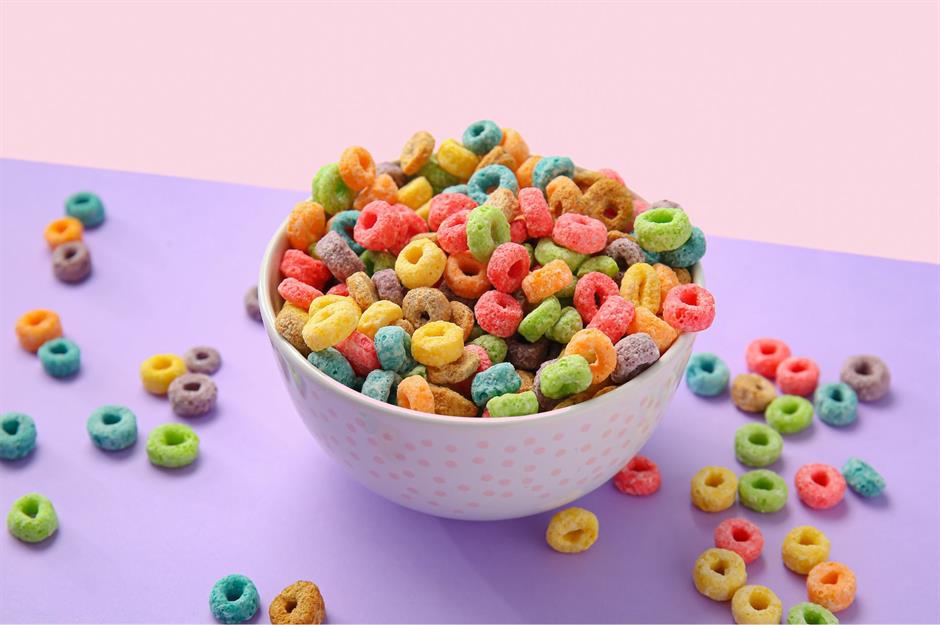
You might want to steer away from your favourite childhood cereal before you hit the hay; it’s likely laced with sugar, not to mention high in artificial flavours and colours, which will do nothing to help you sleep. Sadly, a lot of the major cereal brands aimed at children contain excessive sugars and other undesirable ingredients – so it’s best to check the label and swap to a healthier alternative before devouring a bedtime bowlful.
9. Kidney beans
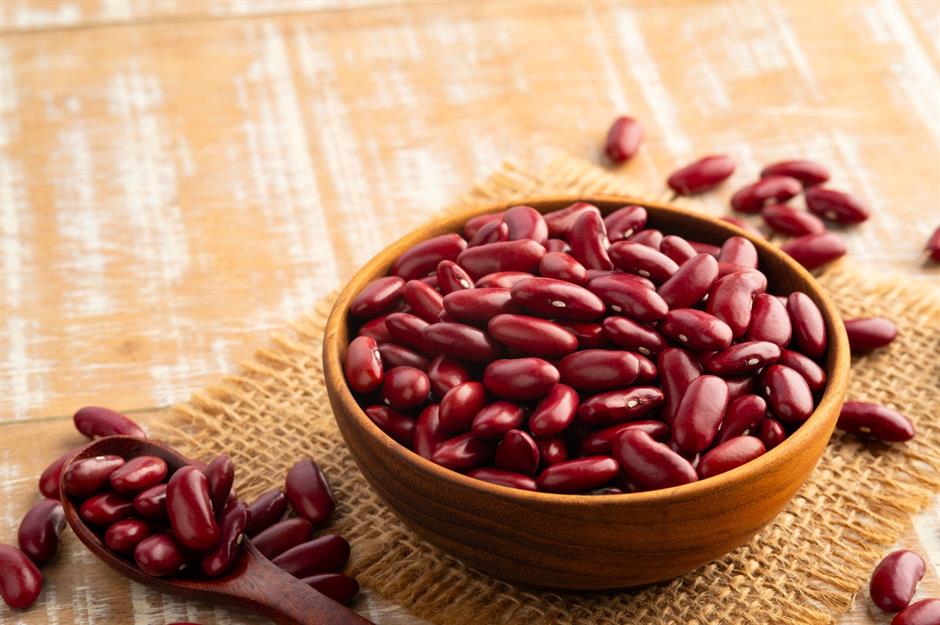
Kidney beans take time to digest, which is great if you’re looking for slow-release energy during the day. At night, their high fibre content is something of a downside; the beans can potentially cause stomach discomfort if they aren't fully digested before you go to bed. Beans have a tendency to cause flatulence, too, making for some windy evenings if you’re not careful.
8. Chocolate
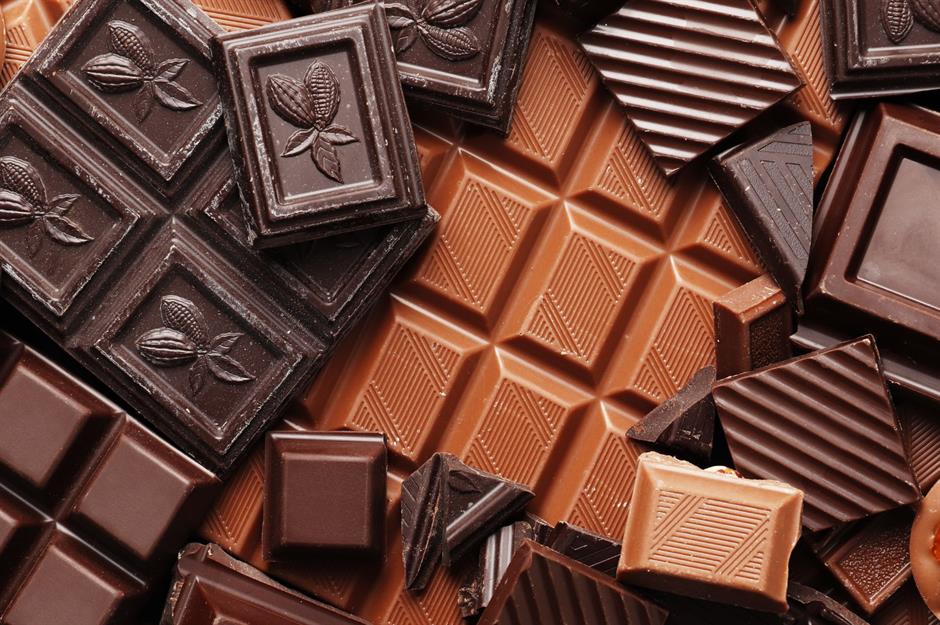
It's always tempting to snap off a couple of squares from a chocolate bar in the evening, but it's a habit that might do you more harm than good. Opt for milk or white chocolate, and you'll find that the bars are usually packed with a hefty amount of sugar. Prefer dark chocolate? "Dark chocolate contains caffeine and other natural stimulants," says Garry. "But, for most people, a small square after dinner don't make much difference. It's larger portions, or eating it close to bedtime, that are more likely to interfere with sleep." Our advice? Keep those late-night snacks to a minimum.
Sponsored Content
7. Alcohol

According to Drinkaware UK, as little as one drink can affect our sleep patterns. On average, our bodies take an hour to process just one unit of alcohol – and the more we drink, the longer it’ll take. “Alcohol may help you fall asleep faster, but it can also reduce the quality of sleep and cause early waking," says Garry. Drinking alcohol is also said to send us into a deep slumber too quickly, reducing rapid eye movement (REM) sleep and resulting in a less refreshed snooze. "Keeping to moderate amounts and allowing time between your last drink and bedtime, as well as making sure to hydrate, can lessen the impact,” adds Garry.
6. Biscuits
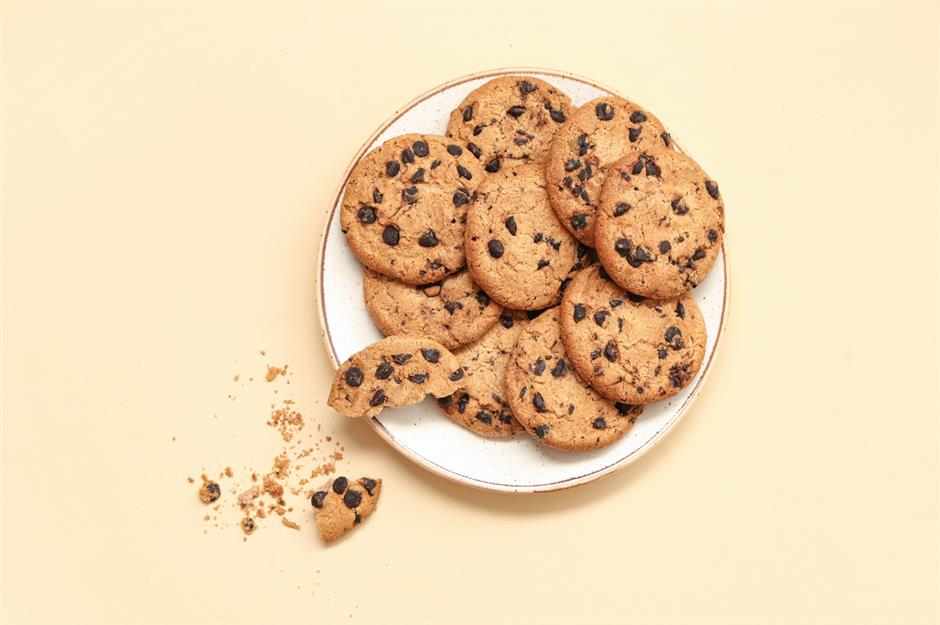
A couple of biscuits with your evening cup of tea might not be the best idea if you’re hoping for a peaceful snooze. Biscuits can spike your blood sugar levels and cause discomfort, all because of the saturated fat in the butter that's used to make them. Chocolatey biscuits are an even greater risk for sleepless nights as they contain naturally occurring caffeine. "A small sweet treat is fine, but larger portions close to bedtime can leave you feeling restless," says Garry.
5. Sweets
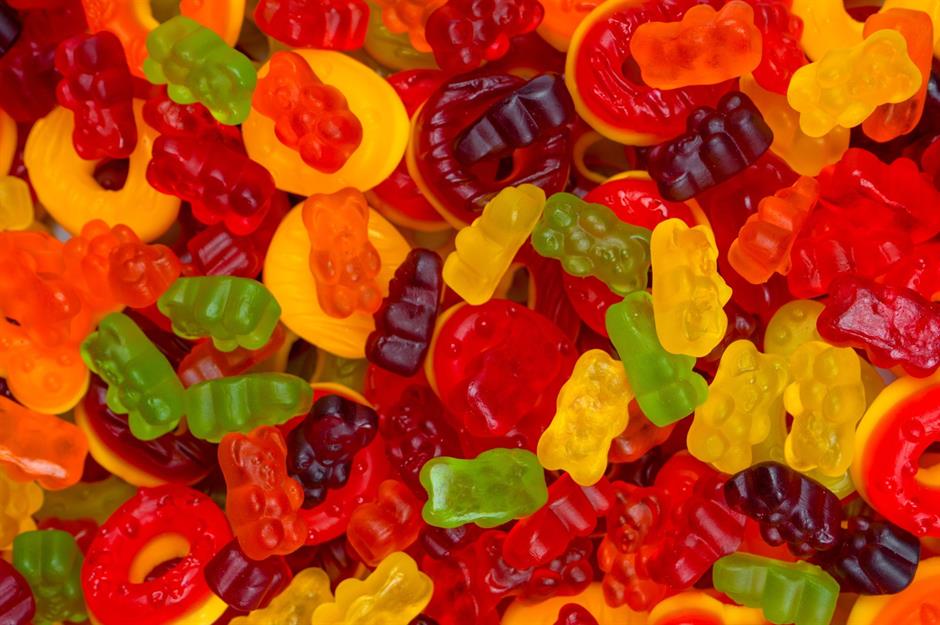
We're all aware of the effects too much sugar can have on our bodies, but consuming it too close to bedtime can seriously disrupt our natural sleepiness. “Refined sugar can cause a sharp rise and fall in blood glucose, which might unsettle your body’s natural rhythm," says Garry. Plus, less sleep at night could lead to you needing to eat more energy-boosting foods during the day. "Instead of sweets, a piece of fruit with a few nuts is a snack which won’t immediately spike your blood sugar,” suggests Garry.
Sponsored Content
4. Fizzy drinks
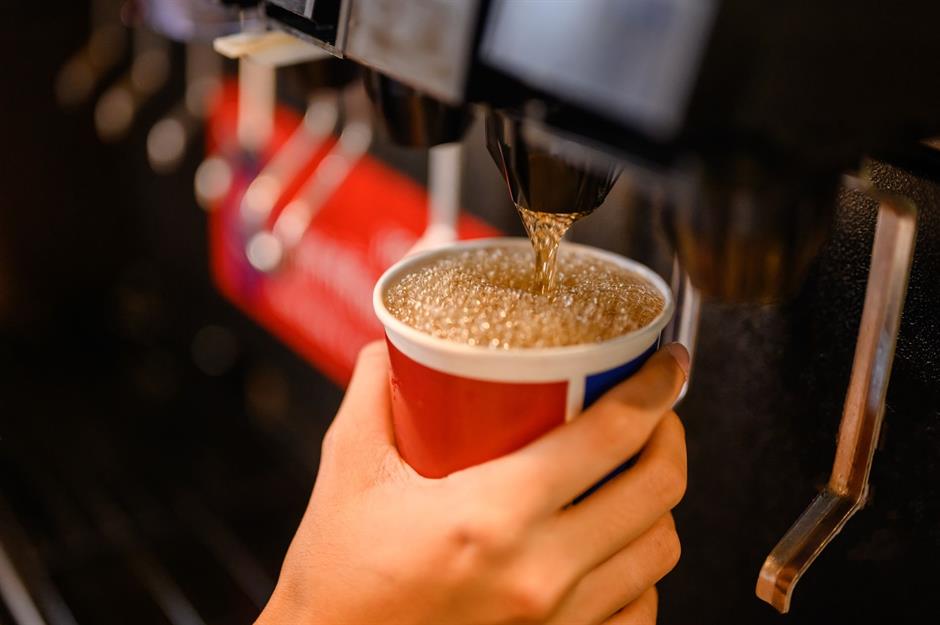
It’s no secret that fizzy drinks usually come loaded with sugar, sweeteners and caffeine – and they can be doing major harm to your sleeping pattern. Consuming large quantities of sugar too close to bedtime is never a good idea, while carbonated drinks with added caffeine are bad news. Caffeine can stay in your system for up to 12 hours, says Garry. "Caffeine delays sleep onset and reduces total sleep time,” she adds.
3. Fatty foods
Eating foods that are high in fats, from deep-fried dishes to processed snacks, is likely to lead to a bad night’s sleep. “Greasy, fatty or very rich meals take longer to digest and can lead to reflux or bloating when you lie down," says Garry. "The issue is often portion size or timing, so lighter evening meals tend to be easier on the stomach.” The occasional indulgence is fine, but reducing your overall intake could result in a more peaceful slumber.
2. Energy drinks
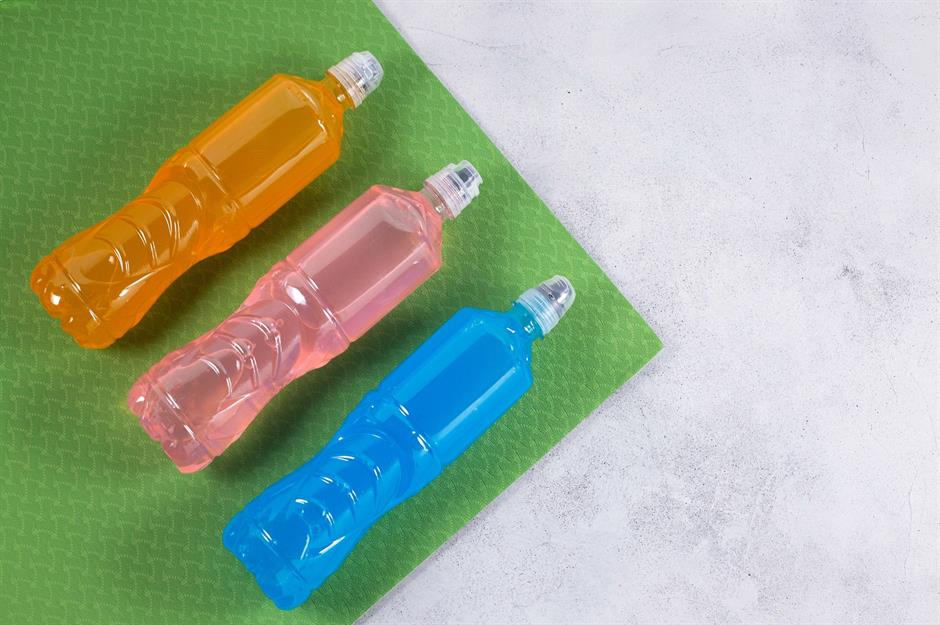
The clue is in the name here. Packed with sugars, sweeteners and caffeine, energy drinks are among the worst liquids to consume before bedtime. While they can be useful in providing a boost when you’re low on energy, they can have a negative effect on sleep if drunk too late in the day. Besides being stacked with sugars, many energy drinks also contain high levels of caffeine, which can take up to six hours to leave the body.
Sponsored Content
1. Coffee
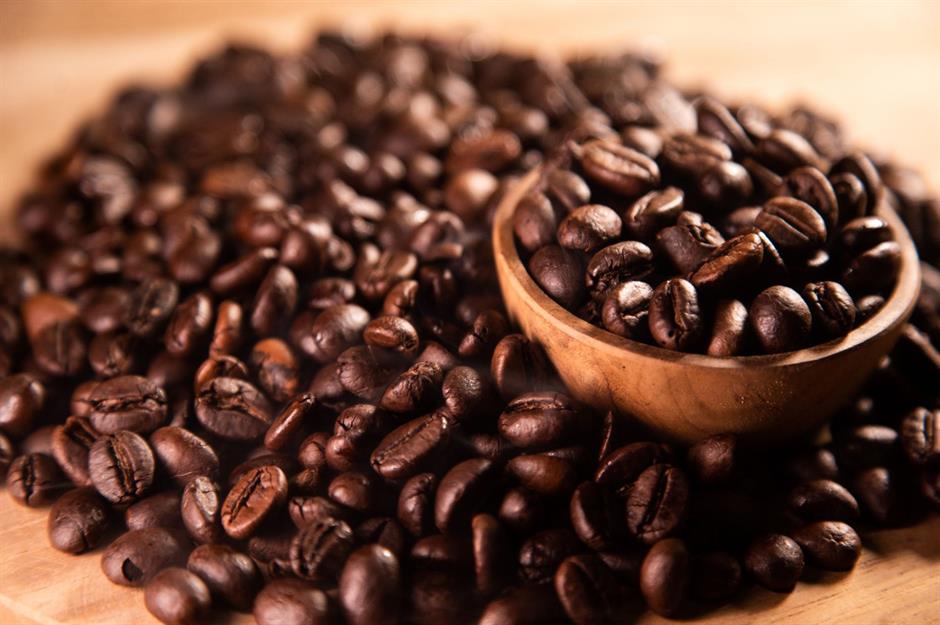
Consuming up to 400mg of caffeine a day can have a positive effect on our bodies, increasing our alertness and concentration. However, caffeine can stay in the body for many hours after consumption, meaning that a post-4pm coffee break could have nighttime repercussions. For reference, an average cup of coffee contains up to 100mg of caffeine, while a cup of black or green tea has up to 50mg. "If you’re finding it hard to nod off, try swapping to decaf or herbal tea after lunch rather than cutting caffeine completely," suggests Garry.
Now discover the foods to eat (and avoid) for a longer, healthier life