29 foods that could be taking years off your life
14 October 2016
29 foods shortening your life

We’ve all read articles about the latest junk foods you should avoid but not all unhealthy foods are classed as junk food. Click through our gallery to see which everyday foods you might want to cut down on…
Microwave popcorn
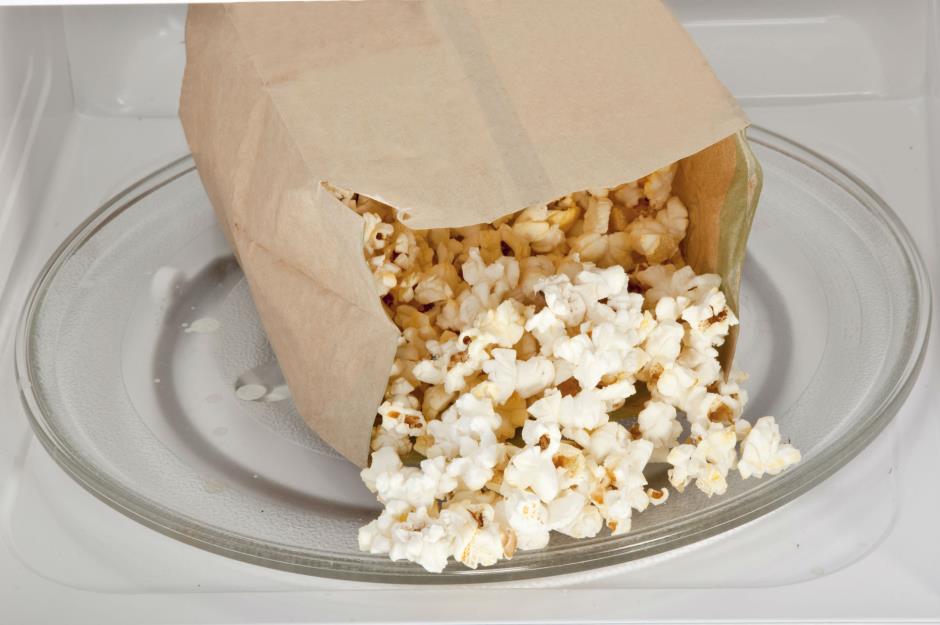
Air-popped kernels turn into little balls of beauty, perfect for a movie. Yet when you open a microwaved packet it emits a chemical with an element of perfluorooctanoic acid, which has been linked to certain cancers in past research. Too much of the microwaved snack will provide you with a diacetyl overdose, which is no good for your lungs.
Dried fruit
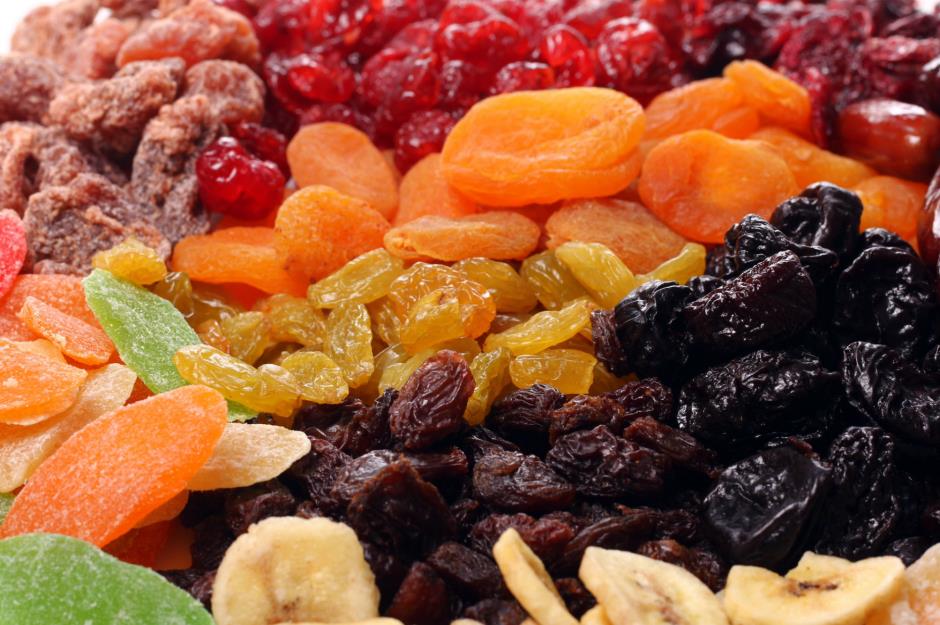
Sulfites are used to keep food fresh and are often added to dried fruit to prolong its life. Asthma sufferers are at greater risk of reactions to the chemical although anybody can break out in hives or suffer a sneezing fit from consuming too much.
Salad dressing
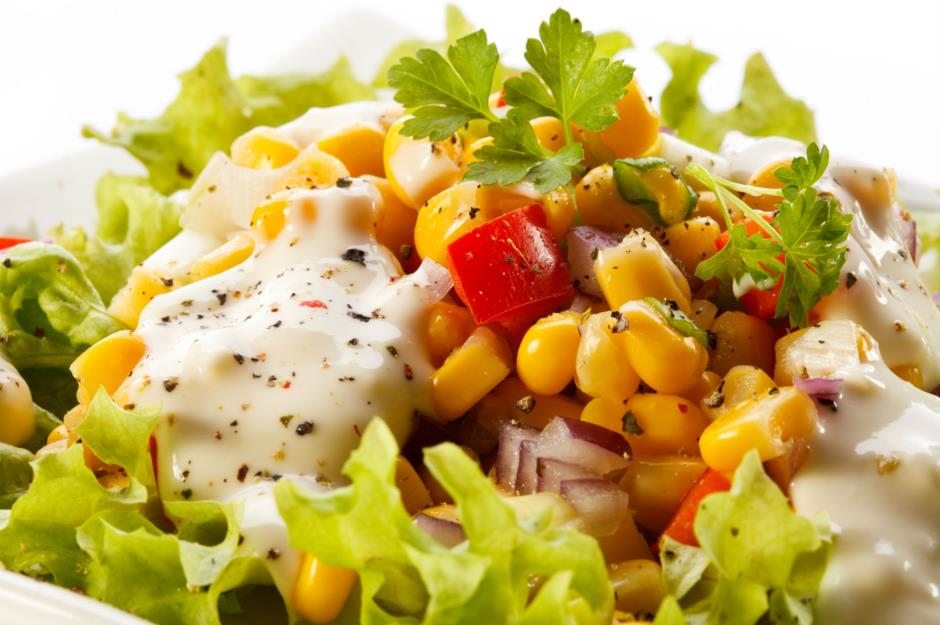
The thickening agent in most store-bought salad dressings contains sodium carboxymethyl cellulose. High levels of the chemical have been linked to cancer.
Mac 'n' Cheese

The coloring agents in the boxed and processed macaroni – according to the Center for Science in the Public Interest – are linked to an array of health allergies.
Tofu
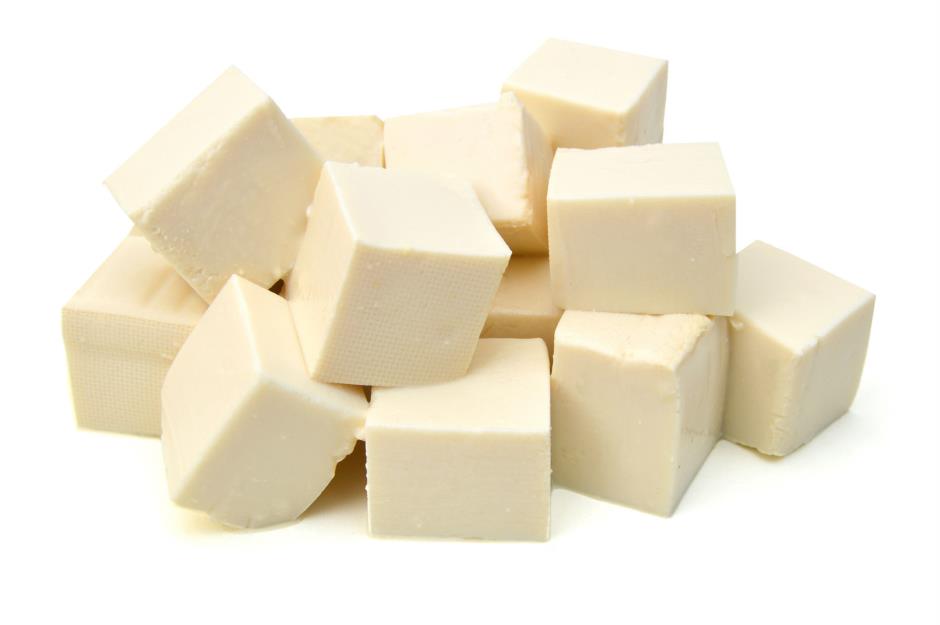
The main ingredient in tofu – soy – can be harmful in large doses, according to some studies. Soy has been linked in research to some thyroid disorders and cancers. Soy is also heavily genetically modified.
Some canned soups
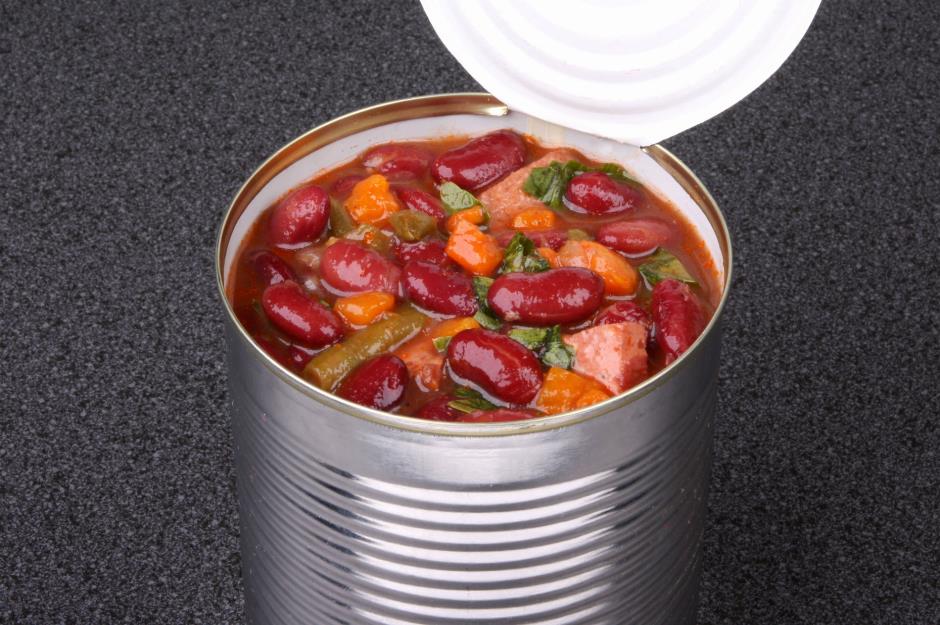
Canned produce is sometimes laced with monosodium glutamate (MSG), which is a flavor-enhancing chemical that also increases your appetite, perhaps causing the consumption of more. Eating a lot of MSG-enriched foods is widely thought to cause health issues such as migraines and nausea.
Pickles
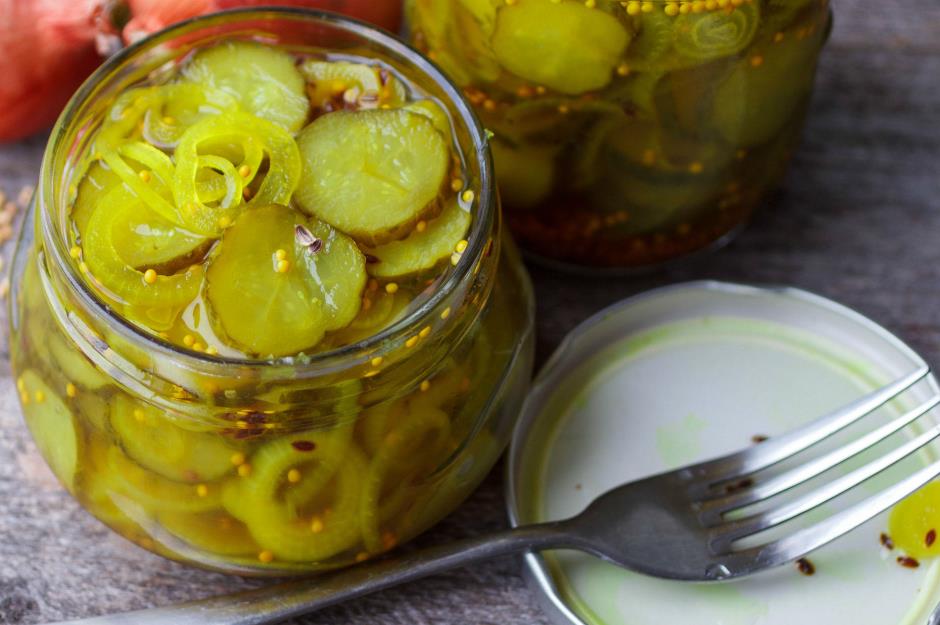
Pickles are just one of the jarred foods laced with sodium benzoate to prevent them from going moldy. Unfortunately, this agent has been linked with mitochondrial damage to yeast cells. Pickles, and specifically pickle juice, can also lead to increased water retention and bloating as well as stomachaches.
Farmed salmon
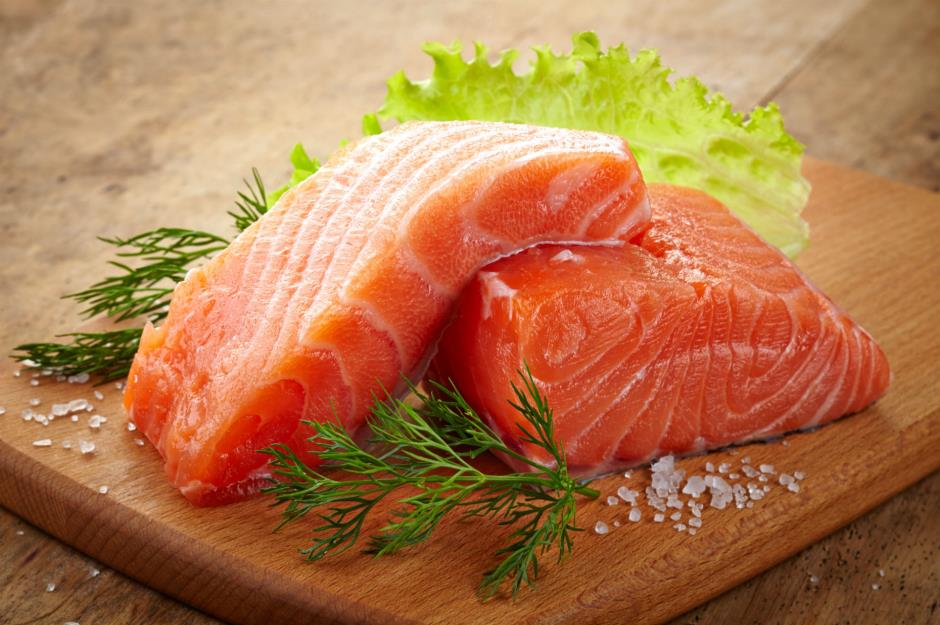
Some farmed salmon has been found to be laden with polychlorinated biphenyls which have been long linked to cancer, causing them to be heavily restricted if not banned in most countries since the late 1970s. Farmed salmon have also been fed soy and have around 1800 milligrams of fatty acid in them, according to Eat This, Eat That.
Processed meats
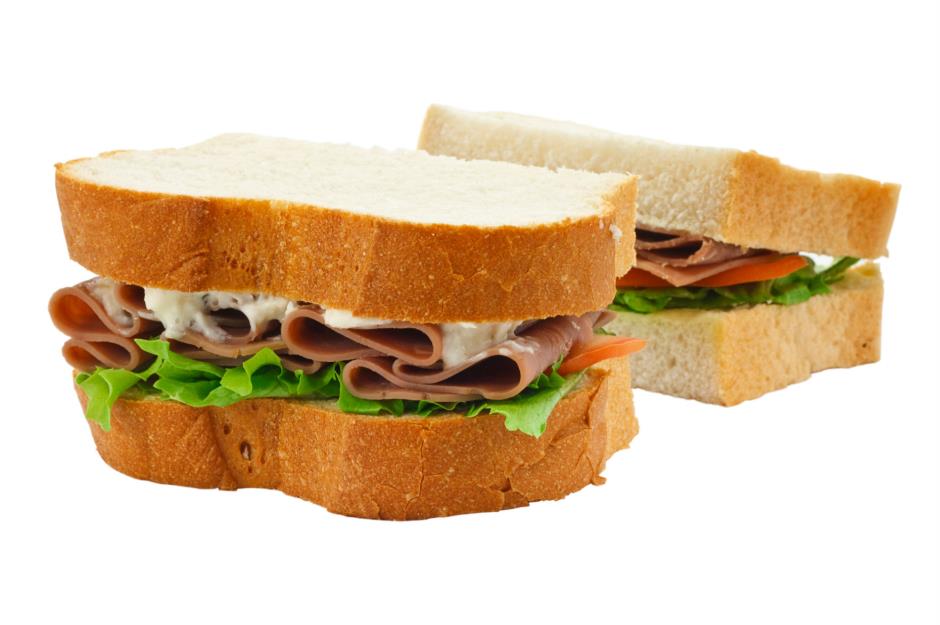
Processed meats found in supermarkets and at your local deli may be riddled with nitrates which increase your risk of health conditions such as diabetes and thyroid disorders. Processed meats have also been linked to types of cancer – along with red meat – and research has said eating too much is as dangerous as excessive drinking and smoking.
Energy drinks
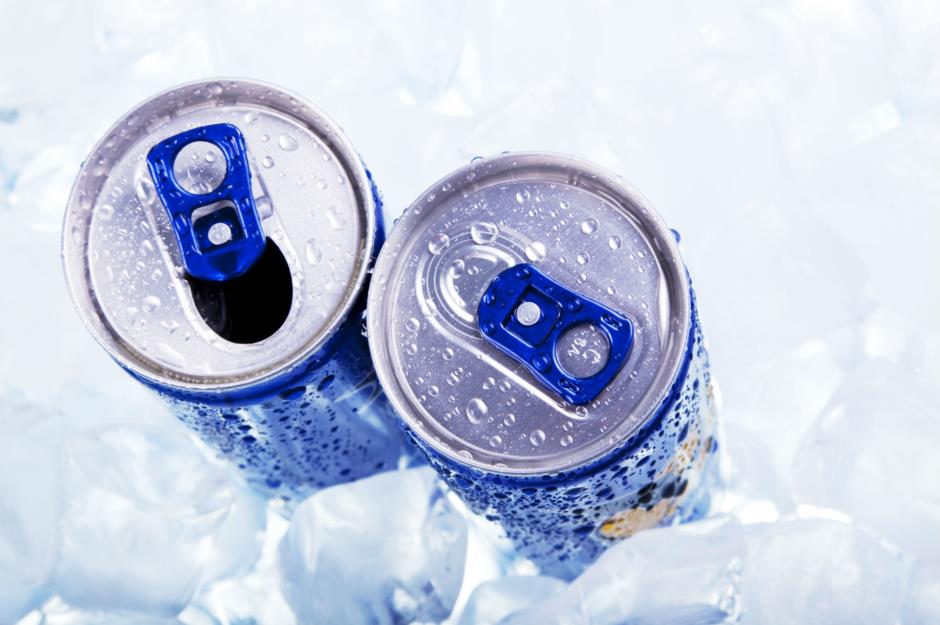
Full of sugar and caffeine (akin to a large coffee), energy drinks have been linked to an array of health problems and illnesses. Consuming too many energy drinks at once can increase the risk of cardiac arrest, especially in people with underlying heart conditions. The drinks can also lead to anxiety, headaches, diabetes, vomiting, insomnia and high blood pressure. If those weren’t enough to warn you off the drinks, they can also cause addiction.
Ice cream
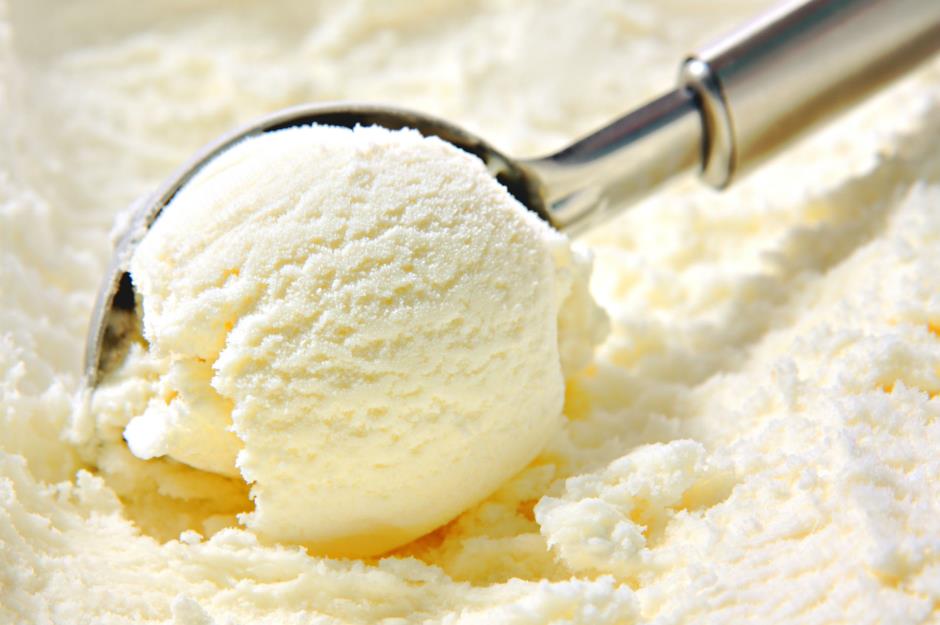
Like many treats, too much ice cream is bad for you. The level of whole milk in ice cream makes it high in fat and saturated fat. Saturated fat is linked to weight gain and cardiovascular problems. Ice cream is also high in sugar and cholesterol.
Smoothies
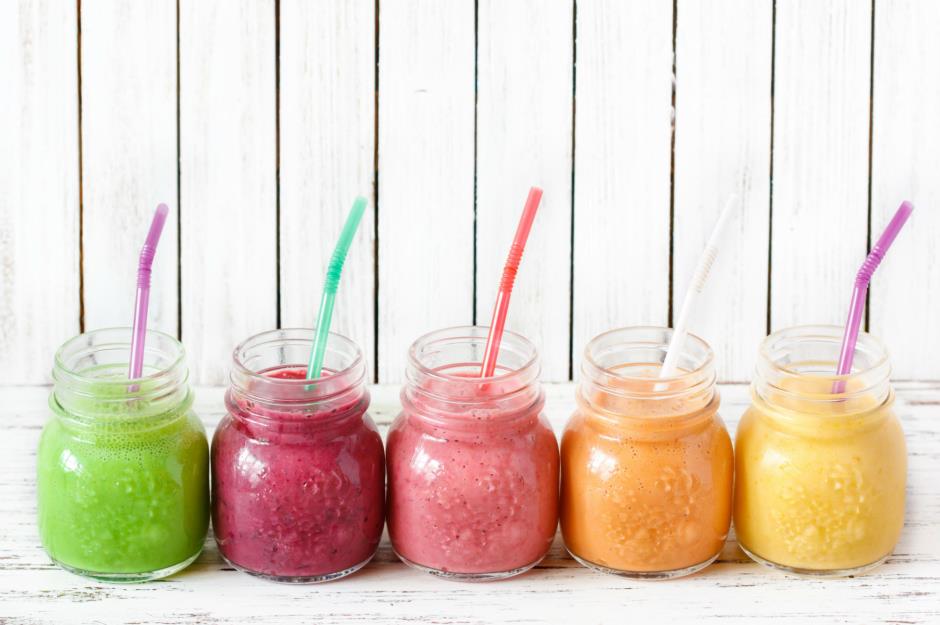
Some shop-bought smoothies are full of sugar and high-calorie ingredients which aren’t good for you. The best advice is to make your own, as that way you control the ingredients.
Frozen dinners

These dinners offering perfectly-portioned meals may seem healthy but are likely to be full of preservatives and sodium.
Pretzels

A light snack that many see as the ‘healthy’ alternative to chips/crisps but the high sodium content in pretzels should see the myth debunked. Also, the white flavor in them is converted to sugar once it enters your bloodstream, causing you to want more and more, but a spike in blood sugar can be very harmful.
Rice cakes
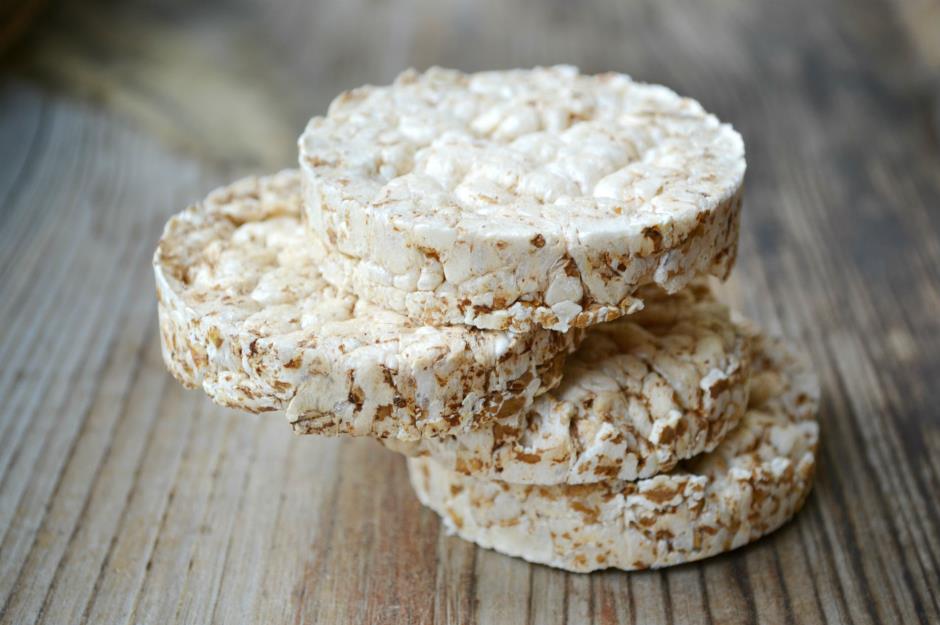
Another light snack with hidden horrors. Rice cakes are high in additives and/or added flavors, neither of which are particularly nutritious. But what makes too many rice cakes dangerous is their high sodium content, which can be up to 5% of the recommended daily sodium intake in just one cake.
Margarine
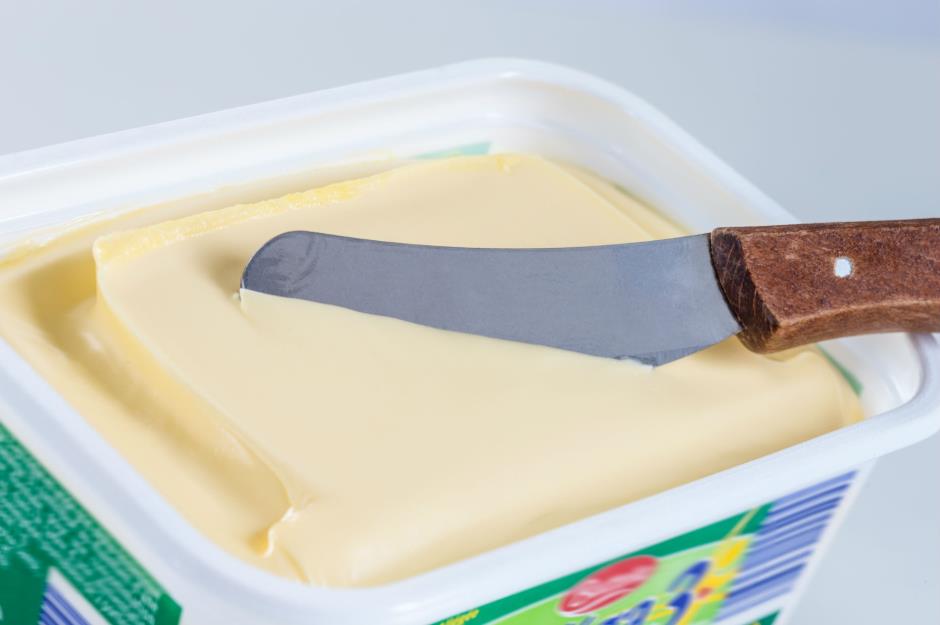
The alternative to butter may not always be as healthy as we think as many margarines can be laced with unhealthy trans fats. Although in most countries the level of these fats – linked to strokes, heart disease and diabetes – has been limited, there are still traces of them in the products. Furthermore, there is little evidence to suggest margarine is better for you than butter in small and sensible doses.
Granola
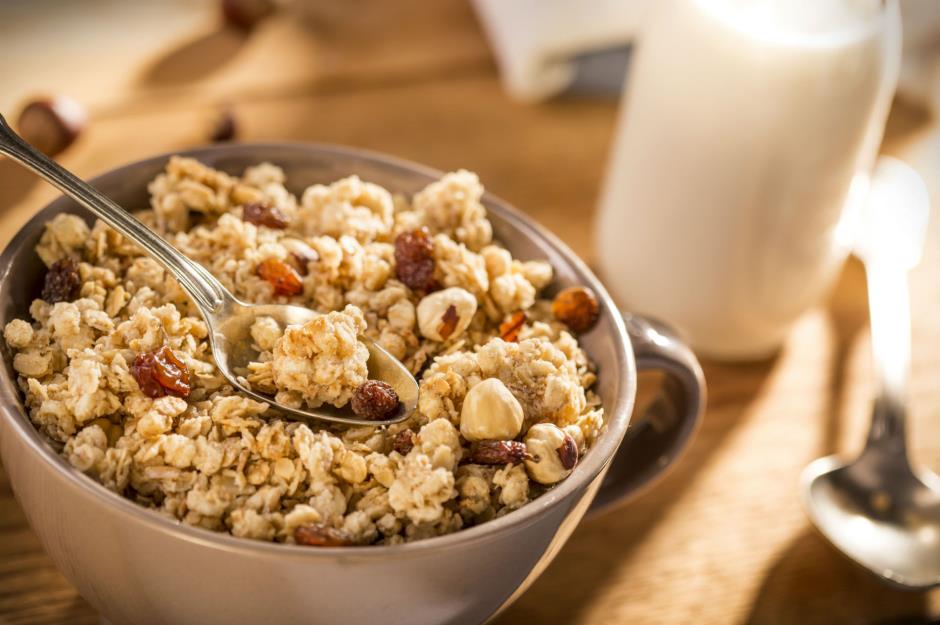
Although a healthy breakfast snack by reputation, some granola cereals are full of sugar and flavor additives. Granola should be consumed in moderation and could actually be higher in sugar than some breakfast cereals on the shelves these days.
Wheat bread
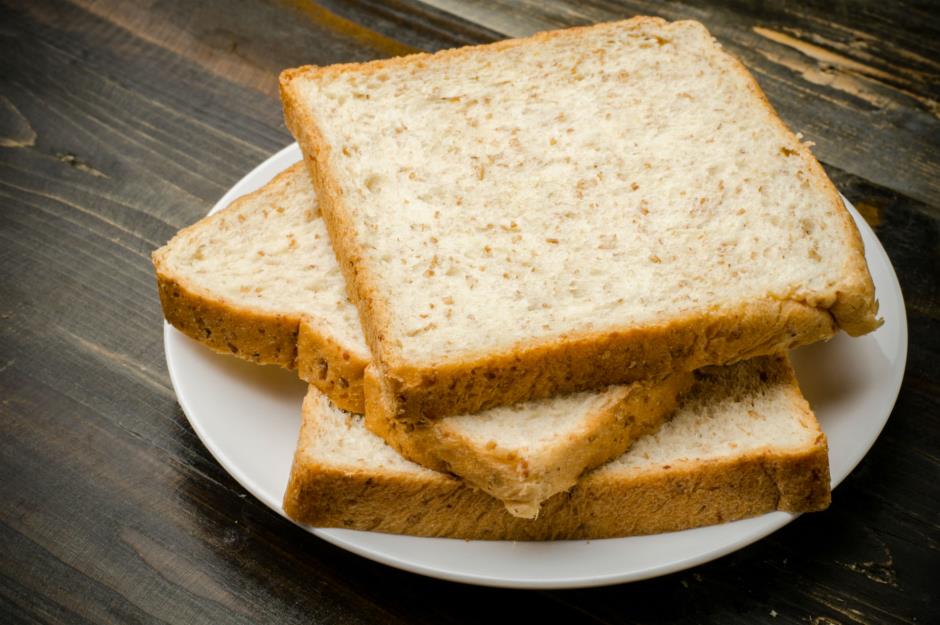
If your wheat bread isn’t 100% whole wheat then it more than likely contains enriched flour which sucks the nutrients out of bread.
Diet soda
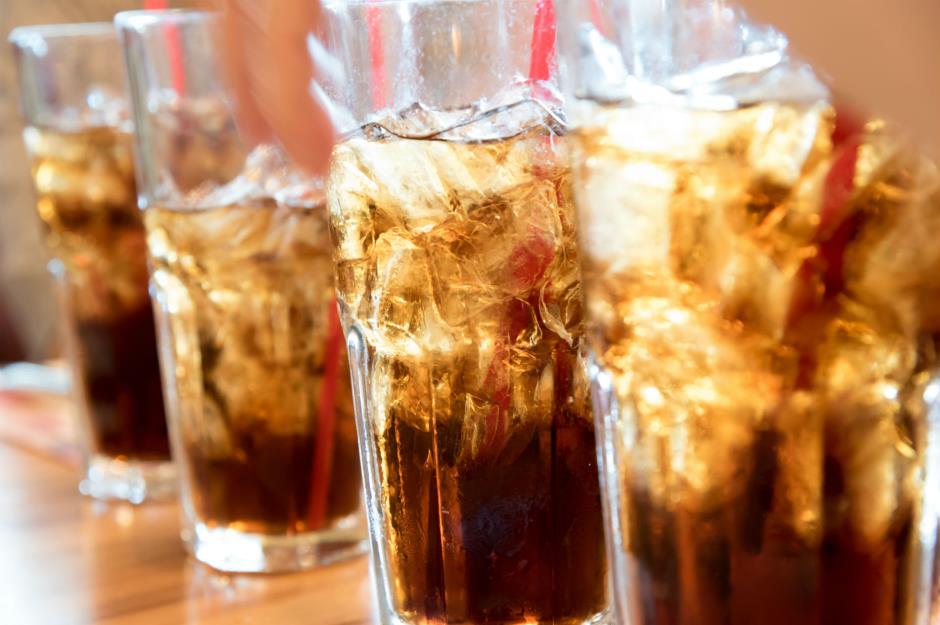
The low-sugar cousins of soda are loaded with aspartame, which raises glucose levels. The liver converts the excess glucose into fat. They have also been linked to causing headaches. Studies have also linked high levels of consumption of diet drinks to Type 2 diabetes.
Coffee creamer

Coffee creamer contains whitening agent titanium dioxide (also found in suncream!) and a review of the chemical suggested it could harm humans and is already proven to be detrimental to the health of mice. Creamers are also full of trans fats.
Maple syrup

The product of boiling down maple sap, maple syrup is one of the few natural sweeteners on the shelves. However, it is also very high in sugar which means that high levels of consumption are dangerous.
Hot dogs

Hot dogs are among the only products in America allowed to use the Orange B food dye – along with sausage casings – because of their contents. High doses of Orange B are linked to liver and bile duct problems.
Dyed oranges
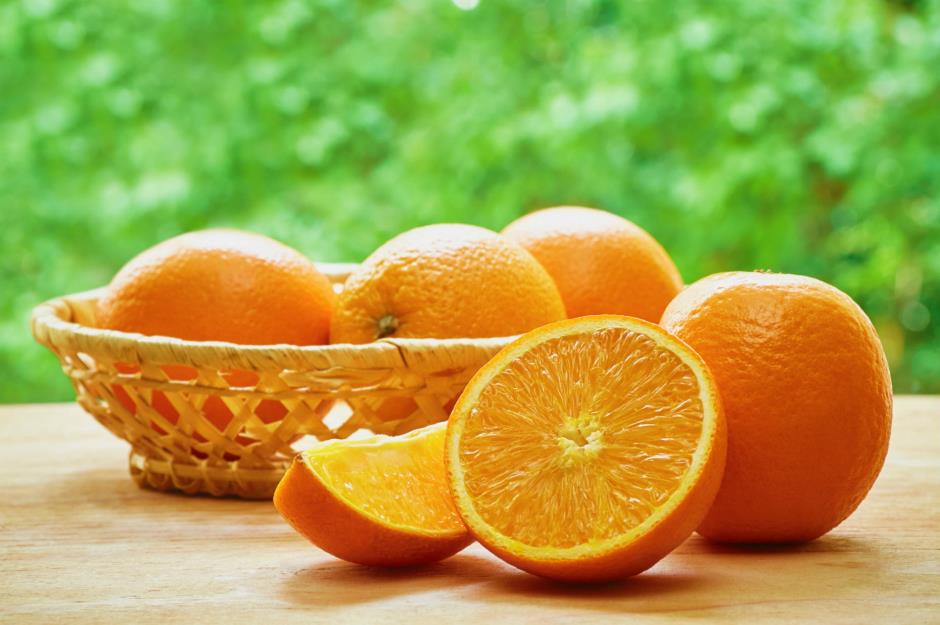
Bright orange oranges fly off the shelves quicker and those oranges lagging a little behind are often dyed to make them look more appealing. Citrus Red 1 and 2 are colored chemicals which, when consumed too often, can lead to cancer and chromosomal damage.
Rhubarb leaves
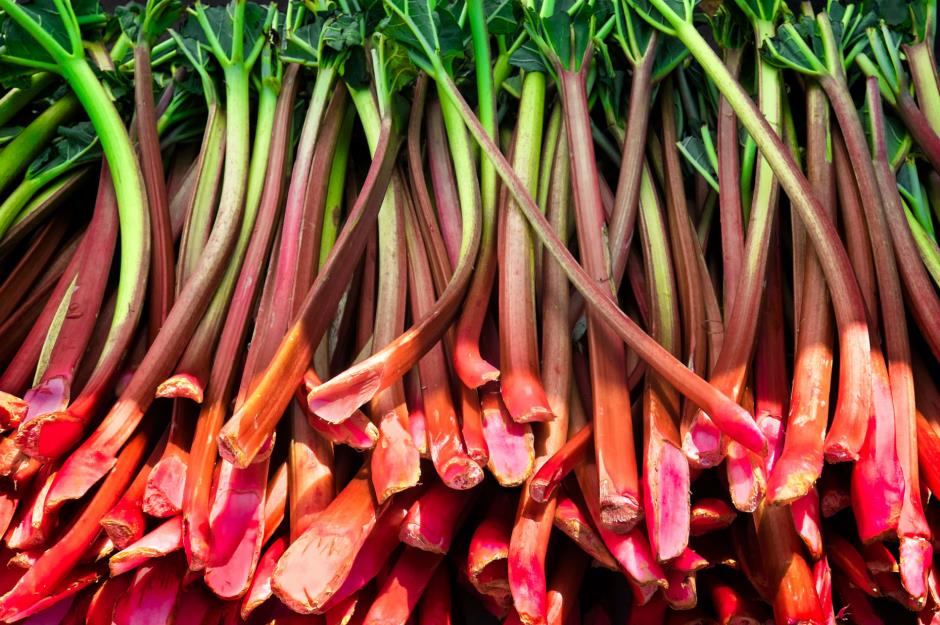
Rhubarb leaves can cause nausea, burning sensations in the mouth and throat, and affect breathing. This is because they contain oxalic acid, which can form oxalate crystals in your kidneys. These can cause kidney failure and a build-up of waste products in the blood.
Cassava
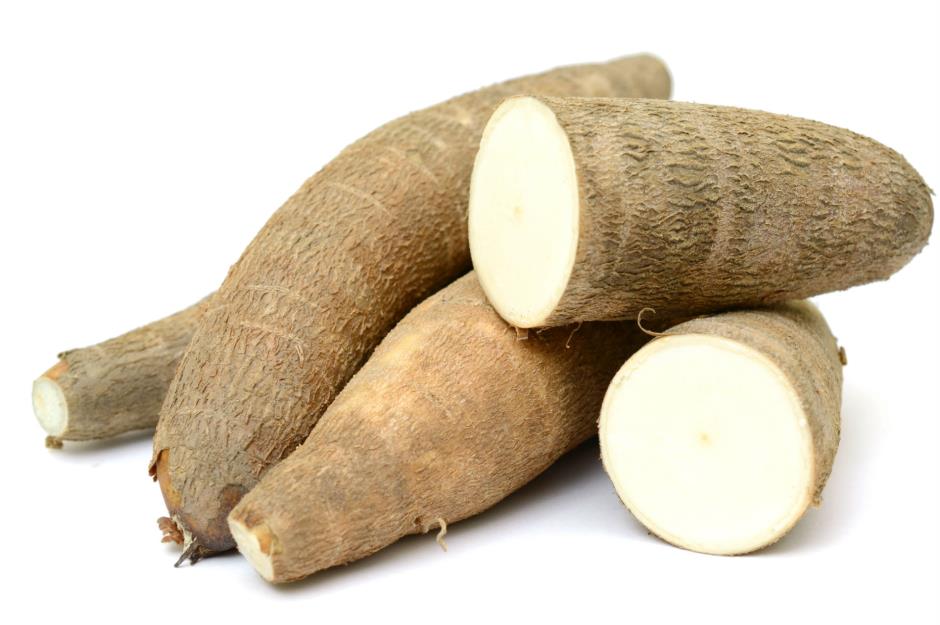
Raw cassava contains linamarin, which turns to cyanide when eaten raw. To make it safe to eat, it must be cooked in one of several ways: by boiling, grilling, or steaming. If the cassava is not prepared correctly, it can be particularly dangerous for children to eat.
Couscous
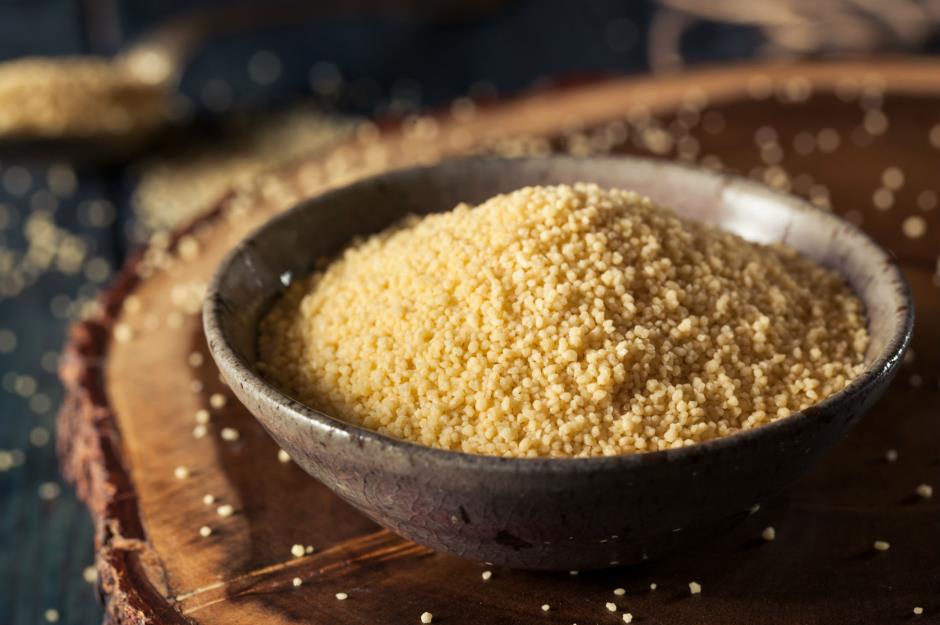
A study by Australian scientists found couscous higher on the glycemic index (65) than other whole grains such as brown rice (5). This links the consumption of too much couscous to fluctuations in blood sugar and insulin within the body. It isn’t particularly nutritious either compared to other grains.
Sports drinks

Replacing electrolytes after a long workout is one thing but sports drinks as a regular beverage should be avoided. The drinks contain artificial dyes and wood rosin, both additives linked to cancer. The drinks are also high in sugar and calories.
Iced Tea

Drinking iced tea throughout the day may not always be better than drinking tea, particularly if you’re drinking a premade drink with a high sugar content or you’re adding sugar yourself. A small dose of caffeine isn’t bad for us and so iced tea can be better than a soda, tea or coffee but drinking it constantly during a day means you’re consuming too much caffeine.
Chewing gum
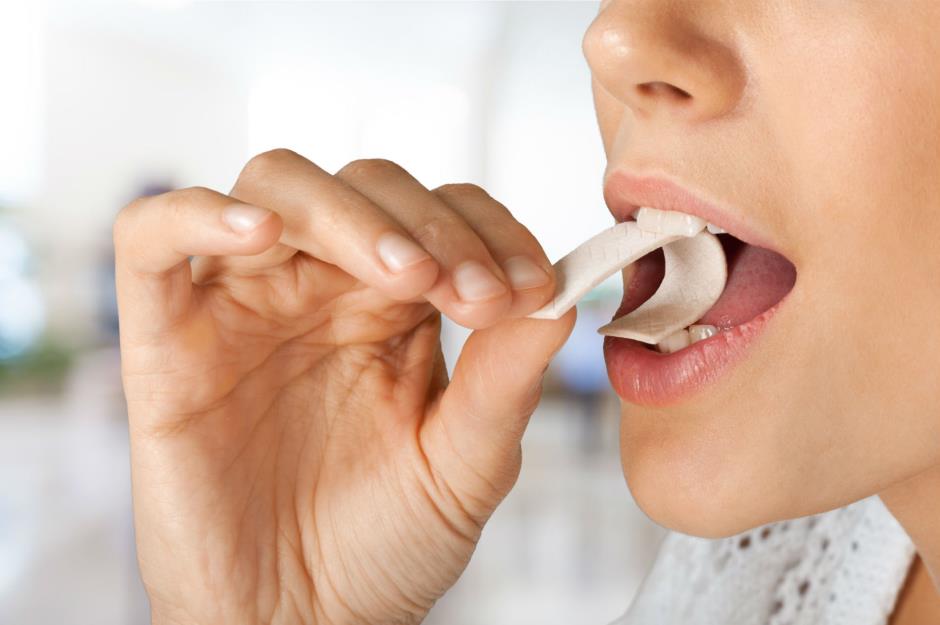
Although not technically food, chewing gum when you can’t eat is likely to trash your diet. It has been reported that chewers are more likely to then snack on junk food like chocolate and crisps than fruit and vegetables, possibly because of the aftertaste left by the gum. Chewing also increases your air intake, which can lead to bowel and bloating problems.
Comments
Be the first to comment
Do you want to comment on this article? You need to be signed in for this feature