Spooky foods from around the world
Eerie eats from around the world
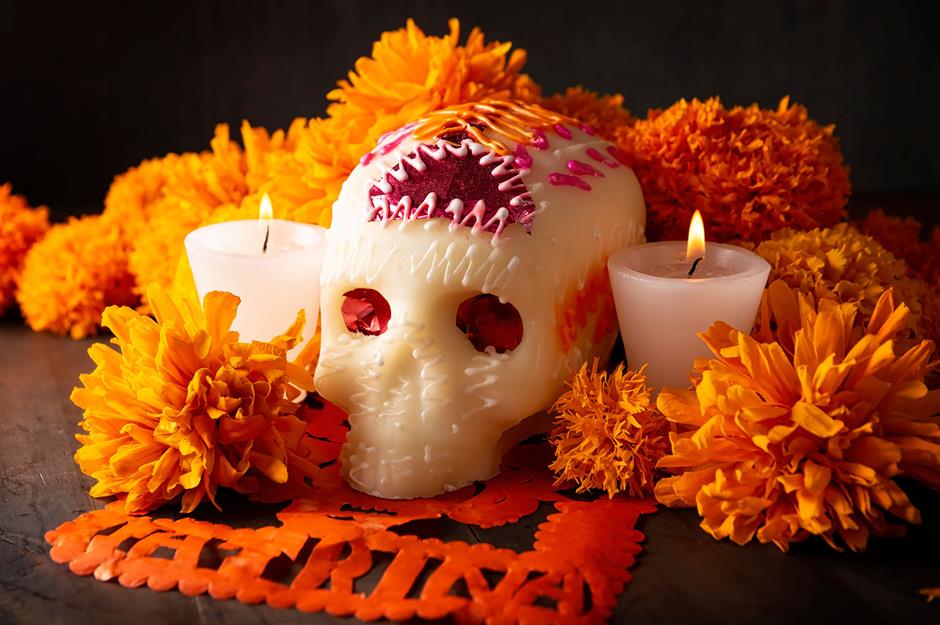
In September, October and November each year, cultures around the world dish up foods linked to saints, spirits and the dearly departed. From Mexico’s sugar skulls to Austria’s braided loaves, this global feast of remembrance blends folklore, faith and the bounty of the harvest. Whether invented to honour ancestors or fend off ghosts, these eerie delicacies show how food can become a way to remember, celebrate and conjure the uncanny.
Click or scroll through our gallery to discover 20 spooky foods from around the world. How many would you dare to try?
Soul cakes, England, UK
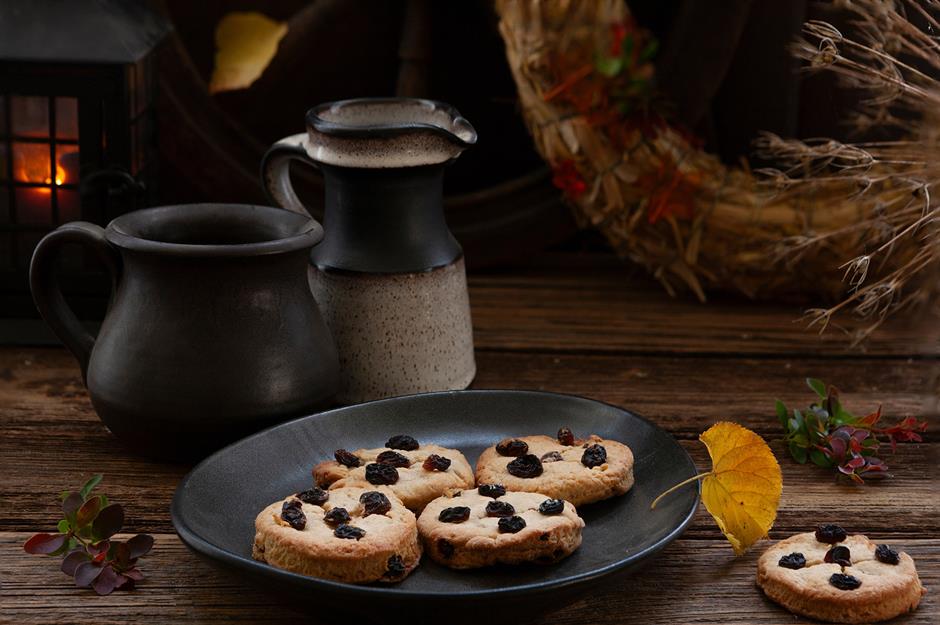
Soul cakes are small spiced buns traditionally baked in England for All Souls’ Day (2 November). Made from simple ingredients – flour, butter, sugar and warming spices like nutmeg – they were given to 'soulers', children or beggars who sang prayers for the dead in exchange for treats. Marked with a cross and often flecked with currants, soul cakes reflect medieval beliefs in charity, remembrance and the afterlife. They’re considered an early ancestor of modern trick-or-treating.
Pan de Muerto, Mexico
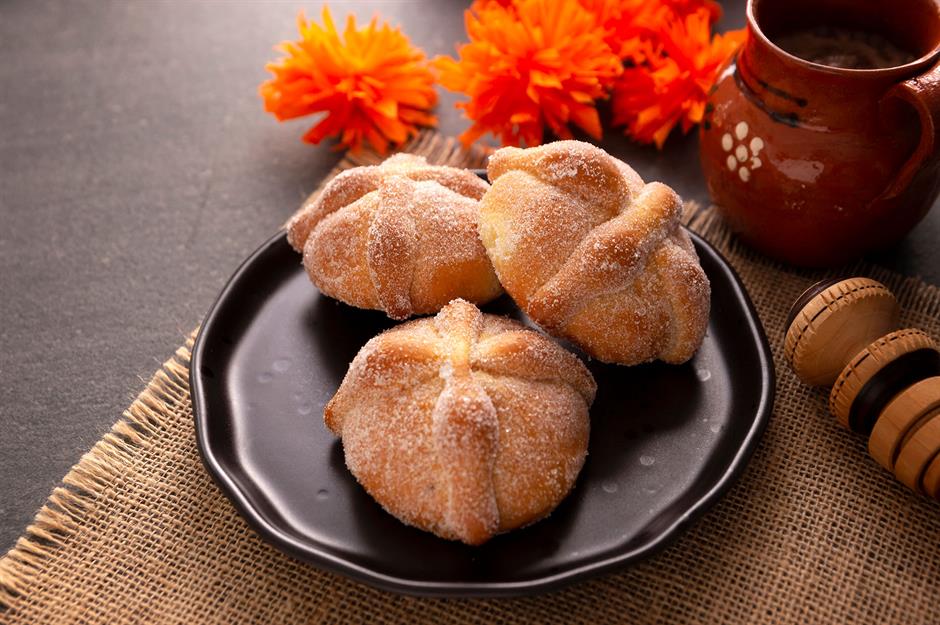
Pan de Muerto is a sweet, round Mexican bread traditionally baked for Día de los Muertos, the Day of the Dead, which is celebrated from 31 October to 2 November each year. Decorated with bone-shaped dough pieces and dusted with sugar, it symbolises the cycle of life and death. Flavoured with orange blossom or anise, it’s placed on altars known as ofrendas to honour deceased loved ones, then shared among family during the celebrations.
Sponsored Content
Black sesame soup, China
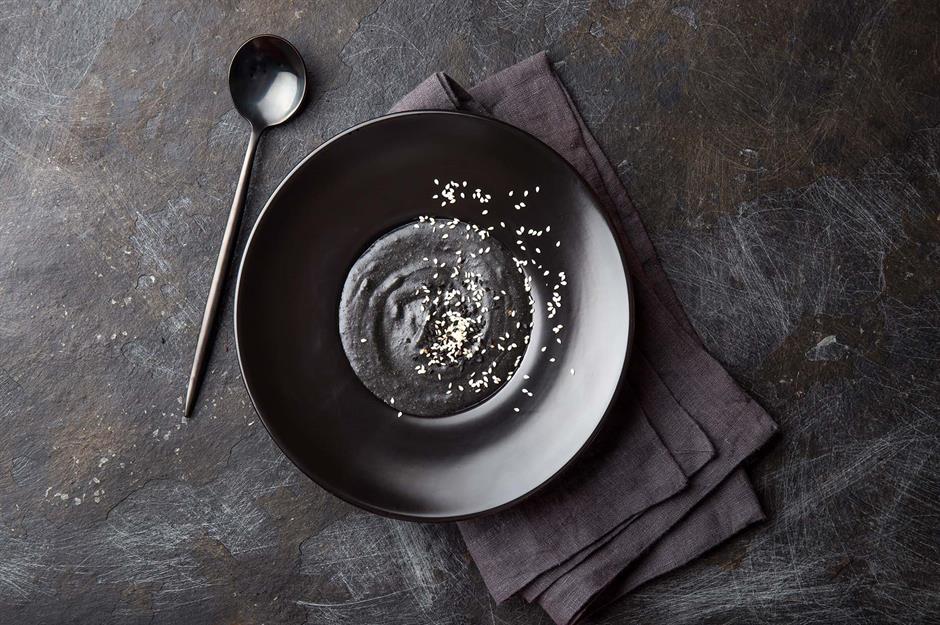
Black sesame soup is a sweet, velvety Chinese dessert made from ground black sesame seeds, rice and water or milk. Traditionally served warm, it’s believed to nourish the kidneys and promote vitality. In Chinese medicine and folklore, black sesame symbolises longevity and strength, and it's often consumed during festivals or rituals honouring ancestors. Thanks to its unusual inky colour, it could be the perfect dessert to serve at your next Halloween-themed dinner party.
Colcannon, Ireland
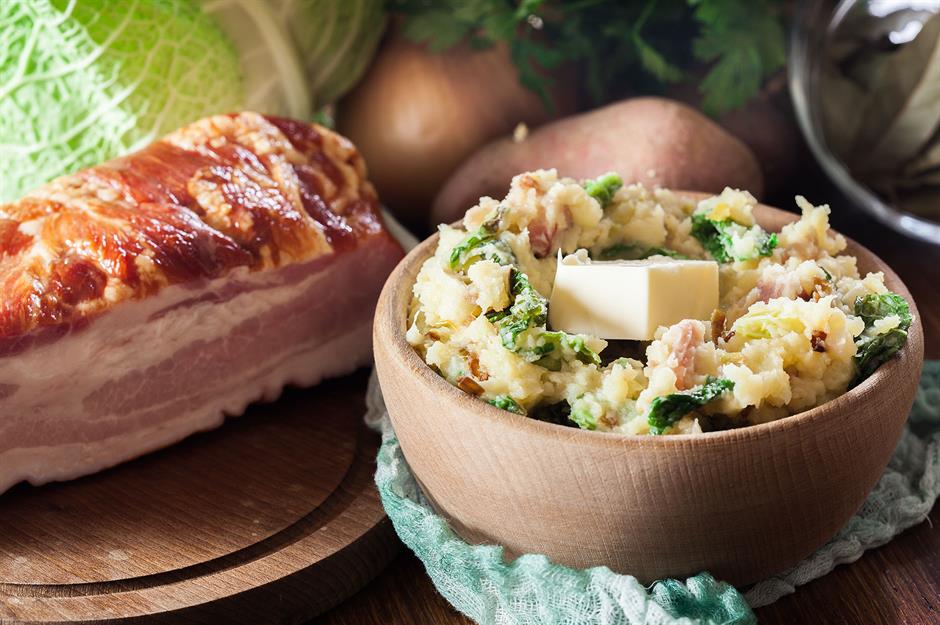
Colcannon is a traditional Irish dish made from mashed potatoes, cabbage or kale, butter and spring onions. It’s especially associated with Samhain, the Celtic festival marking the end of harvest and the beginning of winter. During Samhain, which falls on 31 October, colcannon is studded with hidden charms like coins or rings – items that supposedly foretell luck or marriage. As a hearty seasonal staple, it symbolises sustenance and superstition, linking the living and spirit worlds at this turning point of the year.
Tteok, Korea
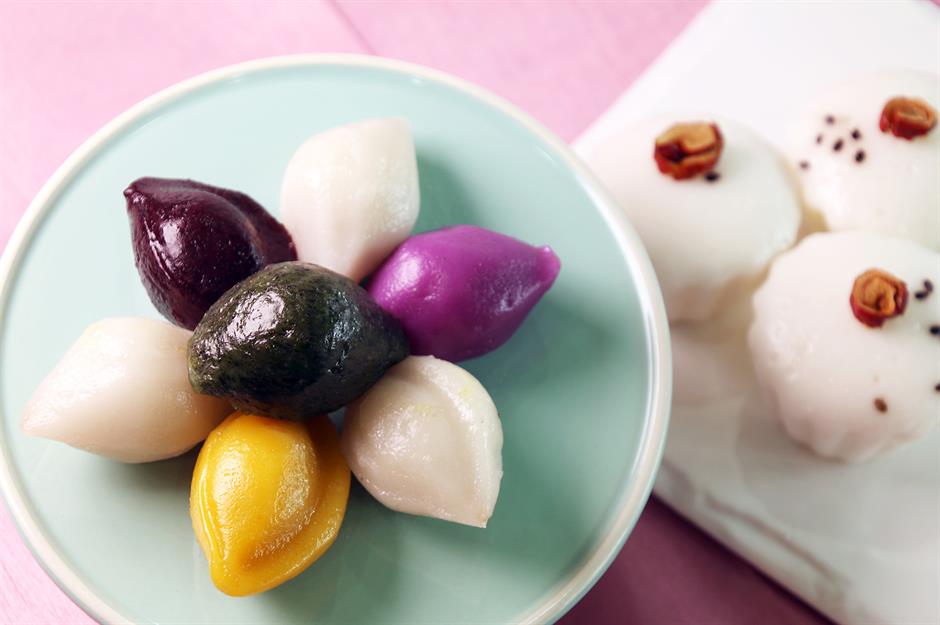
These sweet Korean rice cakes are essential offerings in jesa, ancestral rites held during festivals such as Chuseok, celebrated in September or October, and Lunar New Year (in January or February). Arranged with care on family altars, they symbolise purity, respect and the continuity of lineage. Different types – such as baekseolgi (steamed white tteok) and songpyeon (half-moon tteok) – are chosen for their auspicious meanings. Through jesa, tteok become a spiritual bridge between generations, reinforcing Korea’s deep traditions of remembrance and family ties.
Sponsored Content
Barmbrack, Ireland
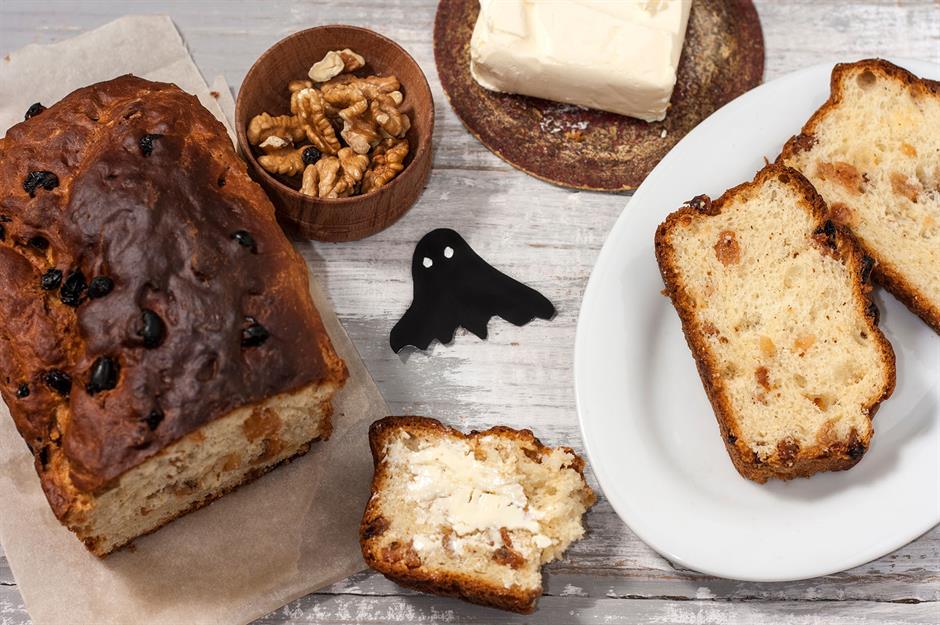
Barmbrack is a spiced Irish fruit loaf traditionally eaten at Halloween, with roots in Samhain customs. Studded with raisins and, like colcannon, often hiding charms like rings or coins, it once served as a fortune-telling treat during autumn gatherings. Each token foretold a different fate – marriage, wealth or hardship – reflecting the season’s mystical mood. These days, it's the perfect treat to enjoy with a hot cup of tea as the dark evenings draw in.
Pampoenkoekies, South Africa
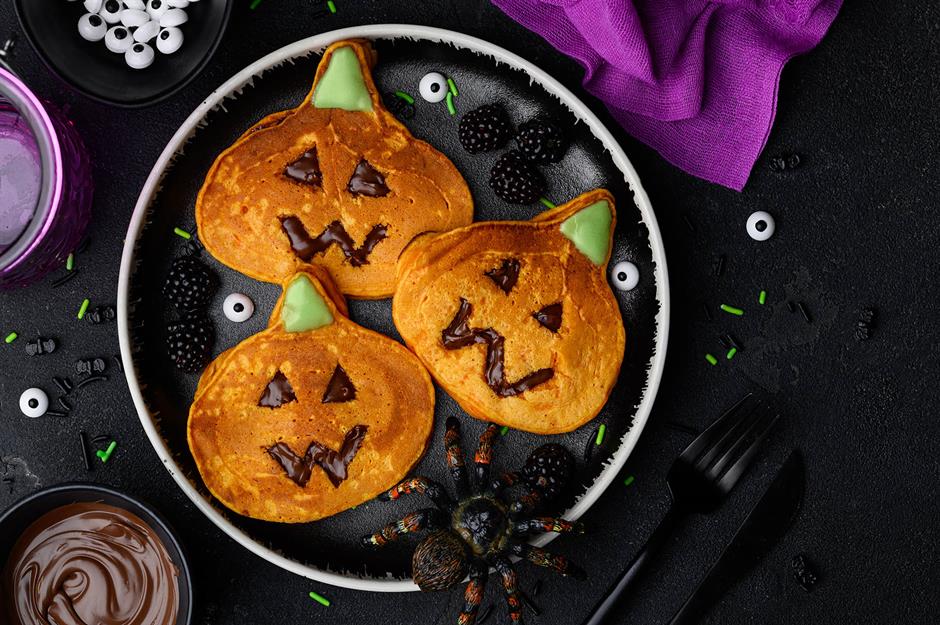
Pampoenkoekies are sweet South African pumpkin fritters enjoyed throughout the spring months, from September to November. Popular in Afrikaans households, they’re made with mashed pumpkin, flour, eggs and cinnamon, then fried until golden and finished with sugar or caramel. Though rooted in traditional harvest cooking, their autumnal flavours resonate with Halloween treats – and as the holiday grows in popularity in South Africa, they make charming party bites when shaped like tiny pumpkins.
Kuri kinton, Japan
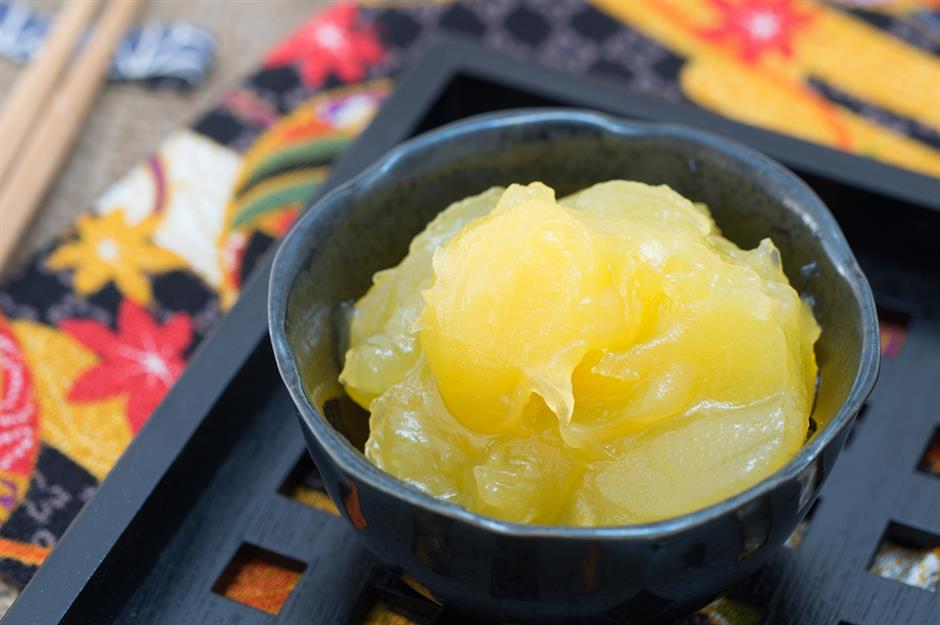
Kuri kinton is a sweet Japanese dish made from candied chestnuts and mashed sweet potatoes, traditionally symbolising prosperity and gratitude. Although it's mostly associated with New Year’s celebrations, it's also served during the festival of Obon (usually in August), when families honour ancestral spirits returning to the world of the living. Graves are cleaned, food is offered, and lanterns are lit to guide spirits home. Kuri kinton's golden colour and comforting sweetness make it an auspicious choice for ancestral altars.
Sponsored Content
Ossobuco, Italy
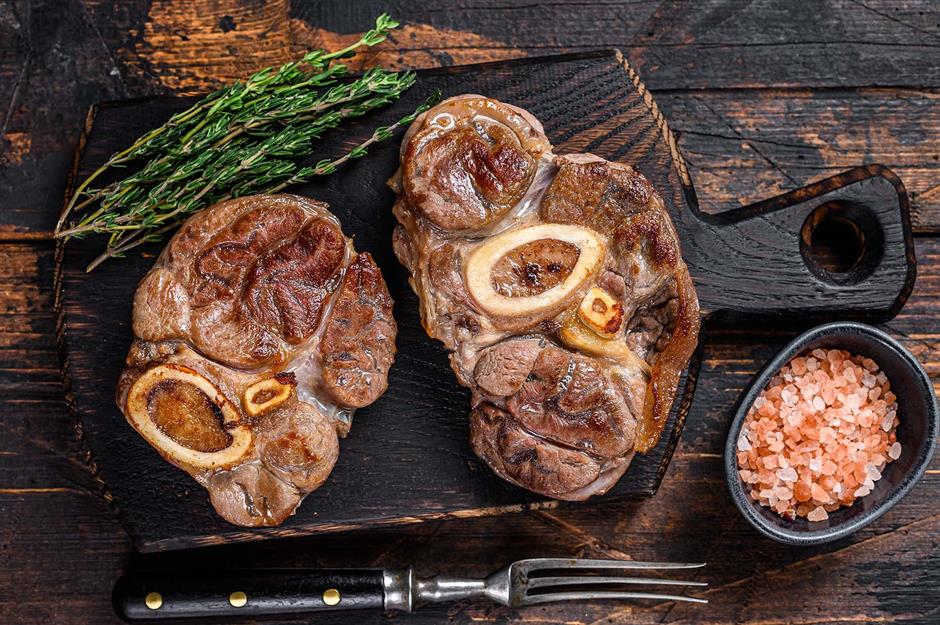
Ossobuco, a traditional Milanese dish of braised veal shanks, has been enjoyed since the Middle Ages. Slow cooked with autumn vegetables like carrots and celery, along with wine, broth and aromatics, it’s beloved for its deep, warming flavours. The name literally means 'bone with a hole', and the marrow-filled bone at the centre gives it a distinctly skeletal look – a deliciously fitting choice for Halloween.
Mooncakes, China and Vietnam
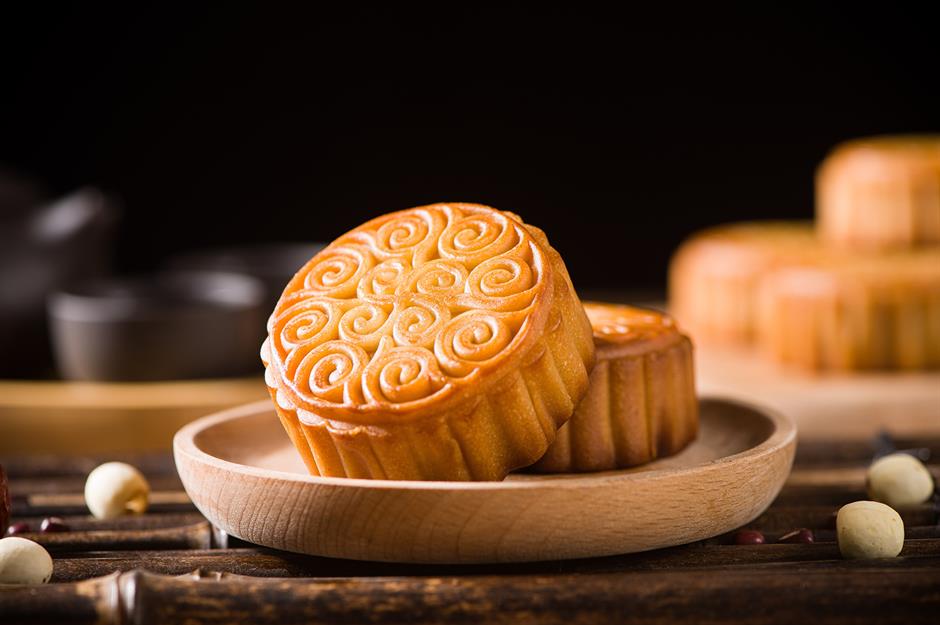
Mooncakes are a central feature of the Mid-Autumn Festival in China and Vietnam, a celebration steeped in legends of immortals and celestial spirits. Traditionally offered to the moon and shared among family, they honour Chang’e, the moon goddess who achieved immortality. Their round shape evokes completeness and the full moon – which may prove popular with all those werewolves out there.
Pindas, India
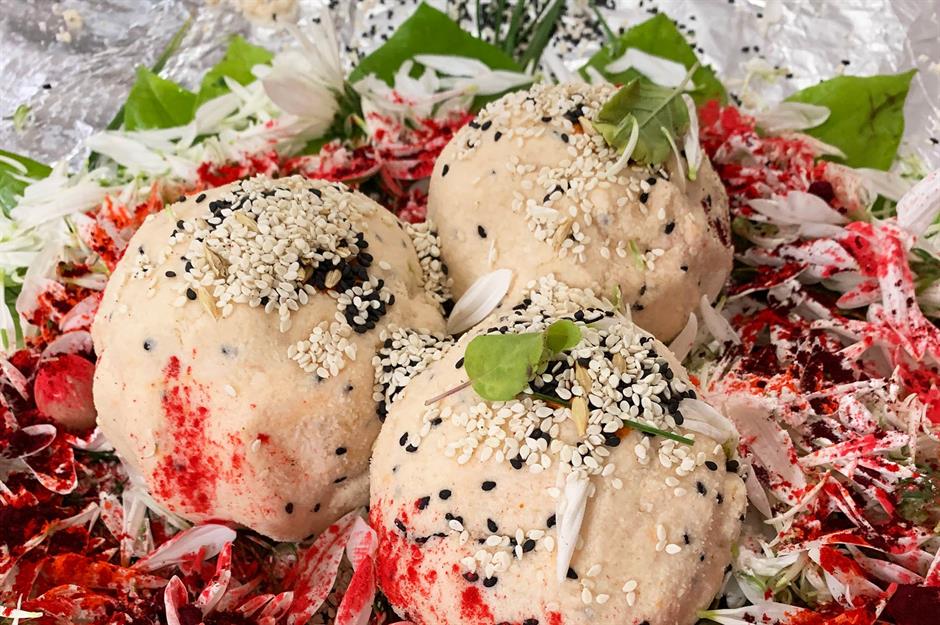
Pindas are small balls of rice, barley flour and sesame offered to ancestors during Hindu funeral rites – and also during the Pitru Paksha period in September. Symbolising the physical body, they're intended to nourish and liberate the spirits of the deceased. In rituals such as Pind Daan, these offerings are placed near sacred rivers, on altars or even inside coffins, helping guide souls towards peace and spiritual rest.
Sponsored Content
Sugar skulls, Mexico
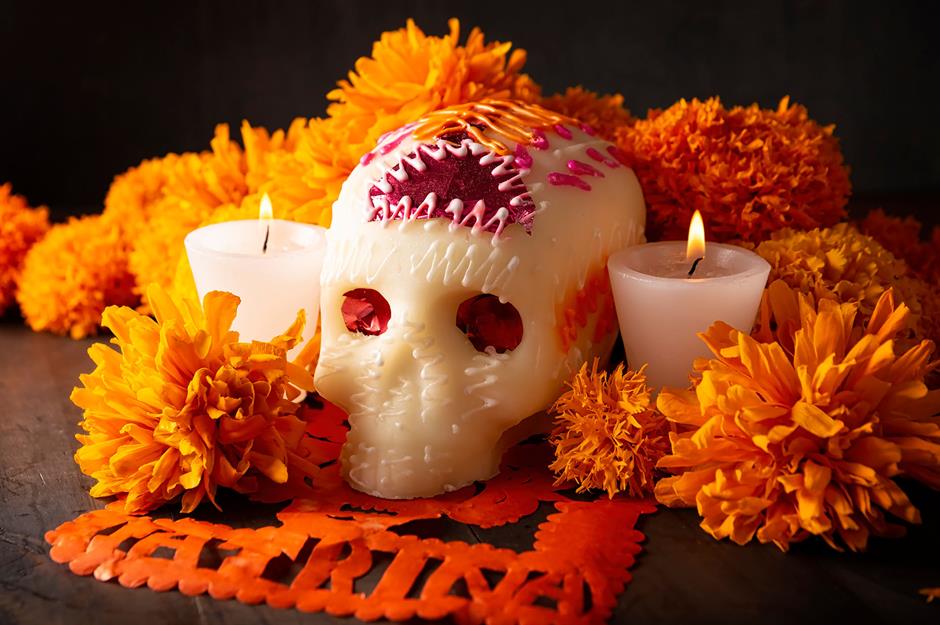
Sugar skulls (calaveras de azúcar) are vibrant, decorative offerings used during Mexico’s Day of the Dead (Día de los Muertos) to honour deceased loved ones. Made from moulded sugar and adorned with colourful icing, foil and beads, they symbolise life's sweetness and each soul's individuality. Often personalised with names, they’re placed on altars as joyful tributes and are not typically eaten – although modern chocolate versions are delicious to nibble on.
Kuih lapis, Indonesia and Malaysia
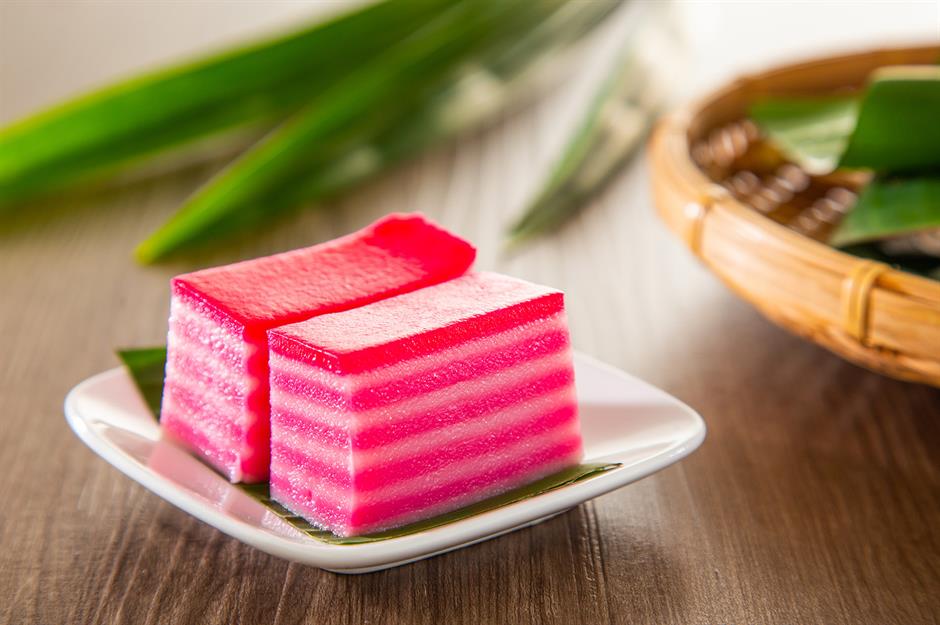
Kuih lapis, a colourful layered cake from Indonesia and Malaysia, is traditionally offered during the Hungry Ghost Festival, held each year in August or September. In parts of East and Southeast Asia, this festival marks a time when the gates of the underworld are believed to open, allowing the spirits of the dead to return. To comfort and appease them, families prepare visually appealing and auspicious treats like kuih lapis, alongside steamed rice, noodles, roasted meats, fruit and childhood snacks.
Huesos de Santo, Spain
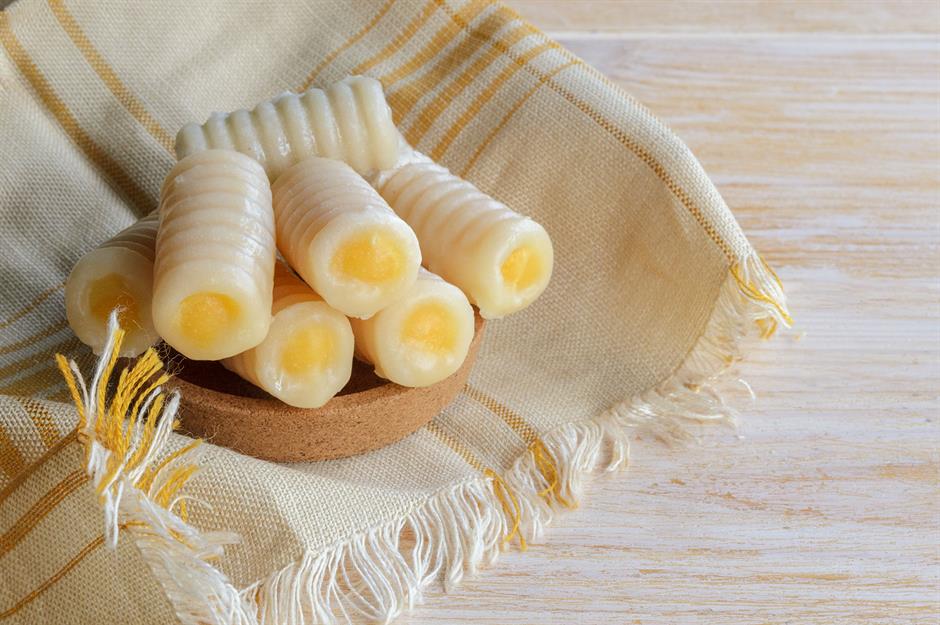
Huesos de Santo, or Saints’ Bones, are traditional Spanish marzipan sweets shaped like bones and filled with rich egg yolk cream. Eaten on All Saints’ Day (1 November), they honour the dead with a touch of sweetness. Their skeletal shape reflects mortality, while their sugary filling represents the soul’s enduring sweetness. Originating in 17th-century Madrid, they’re now enjoyed across Spain in various flavours, including chocolate and coconut.
Sponsored Content
Borscht, Ukraine
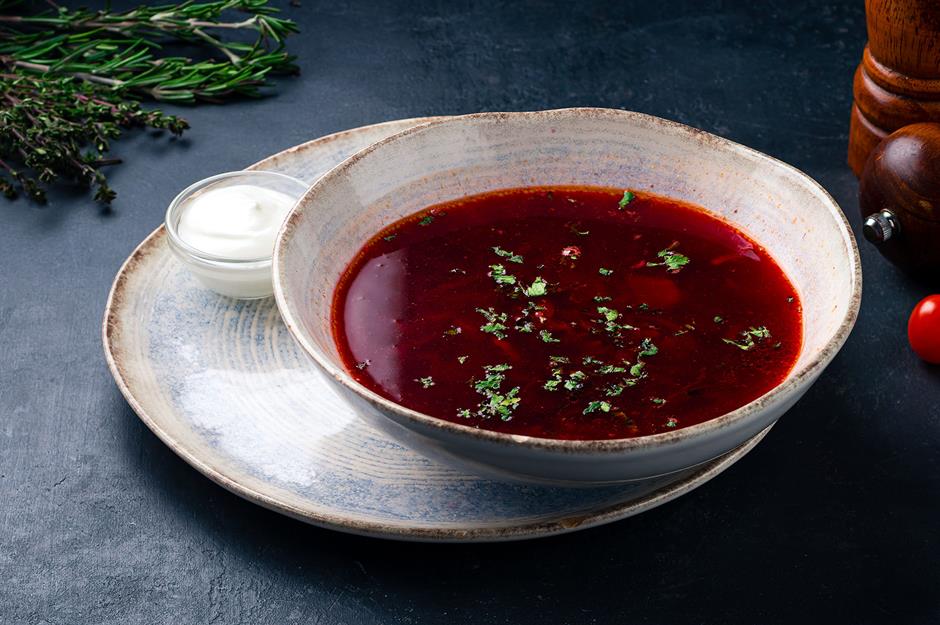
Borscht is a vibrant beetroot soup rooted in Ukrainian and Eastern European tradition. Made with beetroot, cabbage, carrots and sometimes meat, it's traditionally eaten with sour cream and rye bread. As its deep red colour resembles blood, it's sometimes given a spooky twist for Halloween; playful versions are served in cauldrons, garnished with sour cream cobwebs or floating eyeballs made from eggs or balls of mozzarella.
Pumpkin tempura, Japan
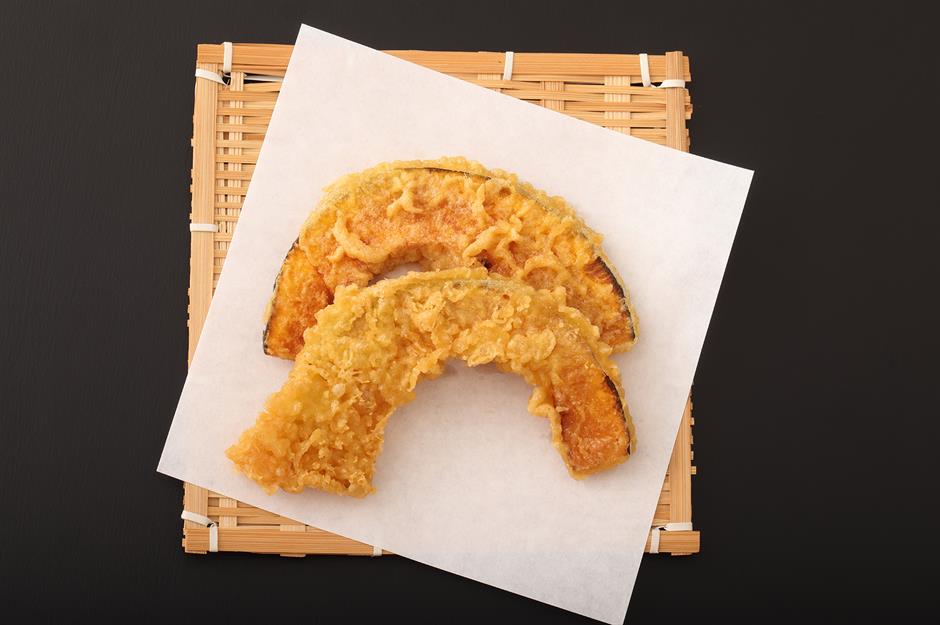
Japanese pumpkin tempura is a crispy, golden treat made by deep frying slices of sweet squash in a light batter. Traditionally served in autumn and during the winter solstice for good health, it offers a novel way to enjoy pumpkin. Its vibrant orange colour and bite-sized shape make it ideal for Halloween-themed platters or spooky bento boxes, especially when paired with blood-red or black dipping sauces and creative garnishes.
Almond fingers, USA
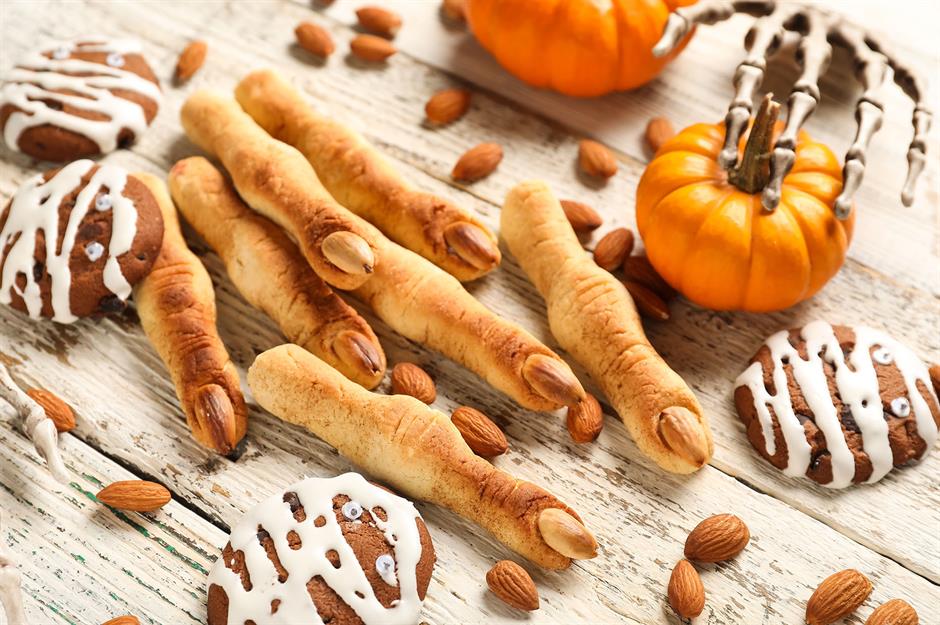
As the birthplace of modern Halloween celebrations, the USA has invented more than its fair share of eerie yet delicious treats – including almond cookies shaped to resemble severed fingers. Made from buttery dough and topped with whole almond 'fingernails', they’re often styled with red gel or jam to mimic blood. Adapted from classic cookie recipes, they’ve become a staple at Halloween parties and trick-or-treat gatherings. Other spooky American treats include hot dogs made to resemble mummies, sheet cakes decorated like graveyards and bell peppers carved like miniature jack-o'-lanterns.
Sponsored Content
Allerheiligenstriezel, Austria and Germany
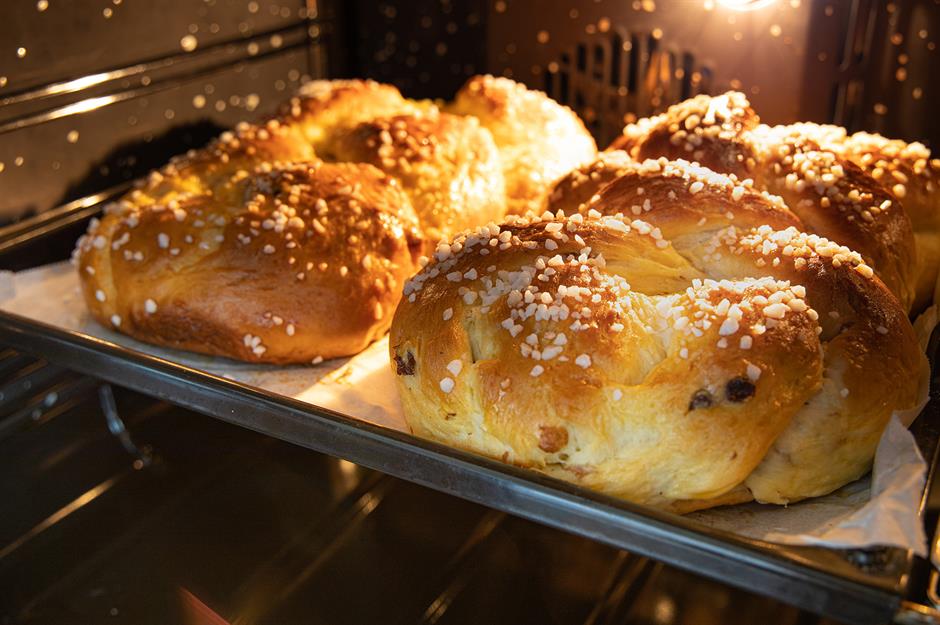
Allerheiligenstriezel is a braided sweet bread traditionally gifted on All Saints’ Day (Allerheiligen) in Austria and Bavaria, symbolising remembrance, blessings and spiritual protection. Its braided shape echoes ancient mourning customs, when hair was cut to honour the dead – a practice later replaced by using bread as a symbolic gesture. In some regions, the bread is placed on graves or given to godchildren. Folklore warns that if the dough fails to rise, misfortune may follow.
Ayote en miel, Guatemala
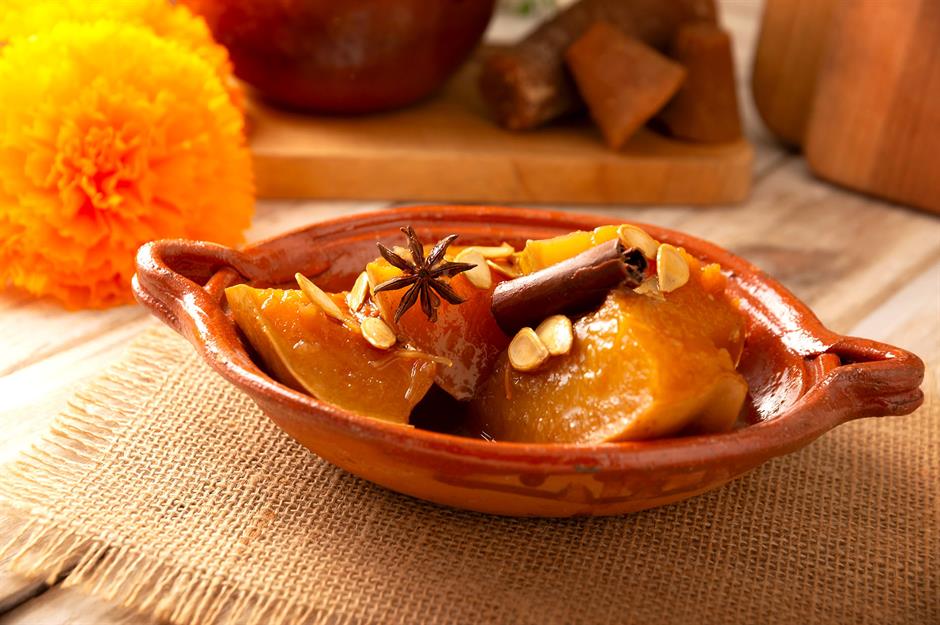
Ayote en miel is a sweet stewed squash dish traditionally prepared in Guatemala for Día de los Muertos. Made by simmering ayote (Chilacayote squash) with cane sugar or honey, cinnamon and cloves, it's offered to honour and nourish returning spirits. Families share it at graves or on altars during All Saints’ and All Souls’ Days, blending Catholic and indigenous customs. It's often served alongside other traditional dishes, such as fiambre, a chilled salad, and jocote en miel, a dessert made from hog plums.
Bonbon siwo, Haiti
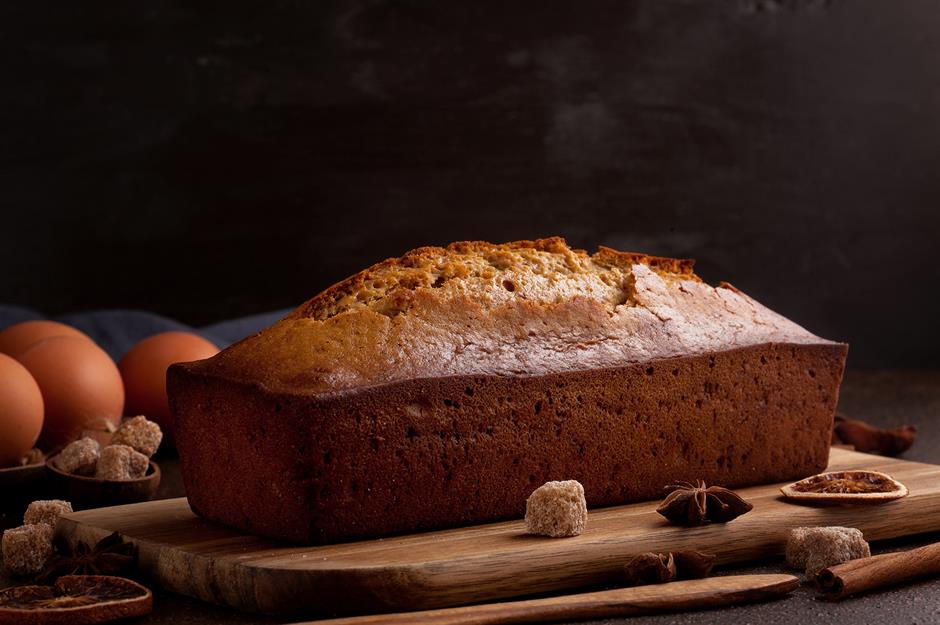
Bonbon siwo is a traditional Haitian gingerbread made from blackstrap molasses, coconut milk, ginger and warm spices. It's especially prepared for la Toussaint, Haiti’s All Saints’ Day, when families honour the dead with food, prayer and visits to cemeteries. Baked over charcoal or in home ovens, its rich flavours and indigenous ingredients reflect the Caribbean’s vibrant culinary heritage. As part of commemorative meals, bonbon siwo serves as both comfort and tribute during this sacred time of year.
Now discover the most eerie and abandoned restaurants in the world