The worst fast food items of all time
Fast food's biggest flops
We all have our fast food favourites, whether it's a longstanding classic, a limited-edition offering that makes rare reappearances or an item that's now disappeared from menus altogether. But what about the worst fast foods ever released? From poorly rated staples to discontinued flops and downright weird creations, we’ve rounded up the world’s least-favourite fast food offerings.
Click or scroll through our gallery to discover the worst fast food items of all time, counting down to the biggest flop of all. How many have you tried?
This list was compiled considering reviews, studies, popular opinion and the opinions of our well-travelled (and well-fed) team. The list is unavoidably subjective.
24. Superbar, Wendy’s, various locations
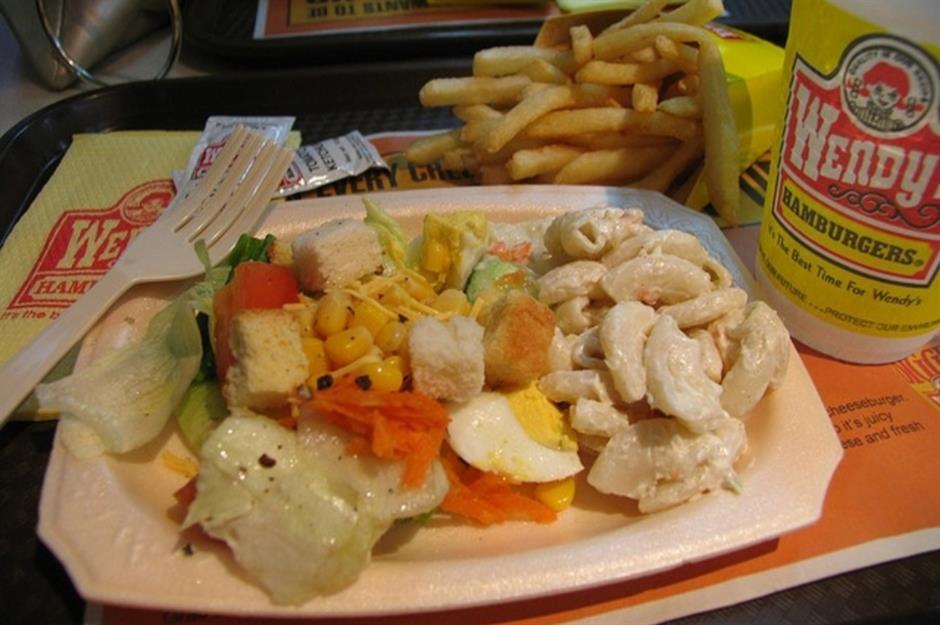
In the late 1980s and early 1990s, Wendy’s customers could fill up their plates at the Superbar buffet, building their own pasta dishes, burritos and salads. Staff often struggled to keep up with replenishing the gigantic selection of foods, resulting in chaos and questionable quality. Still, for many, the Superbar is remembered fondly as a cherished part of childhood.
23. Breeze, Dairy Queen, USA
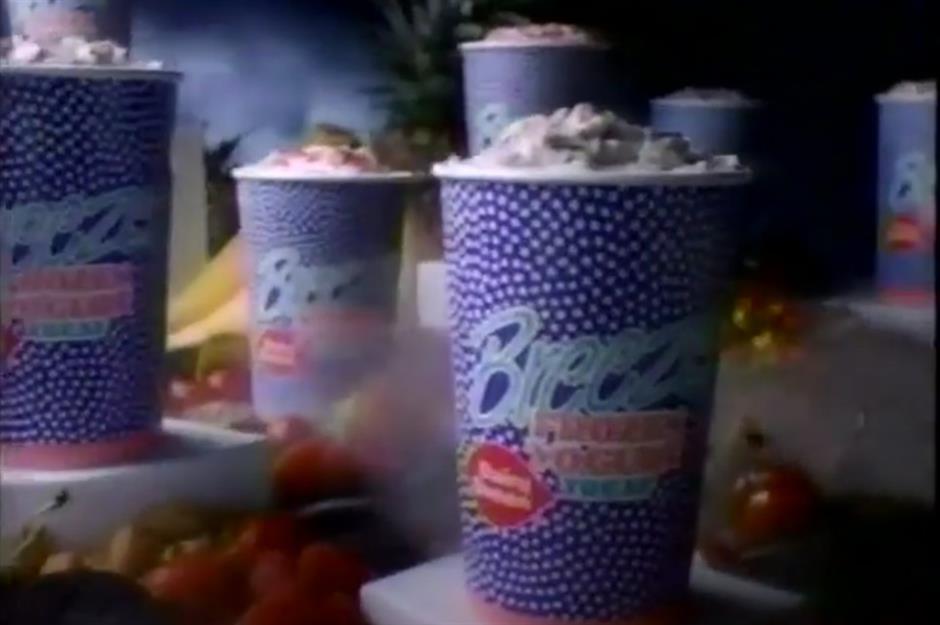
In 1990, Dairy Queen introduced the Breeze, a frozen yogurt alternative to its famous soft serve dessert, the Blizzard. Frozen yogurt was growing in popularity at the time, but sales of the Breeze remained consistently low, with reports that stores often had to dispose of out-of-date stock. Despite this, the Breeze managed to remain on sale for 10 years before finally being discontinued.
Sponsored Content
22. Frings, Jack in the Box, USA
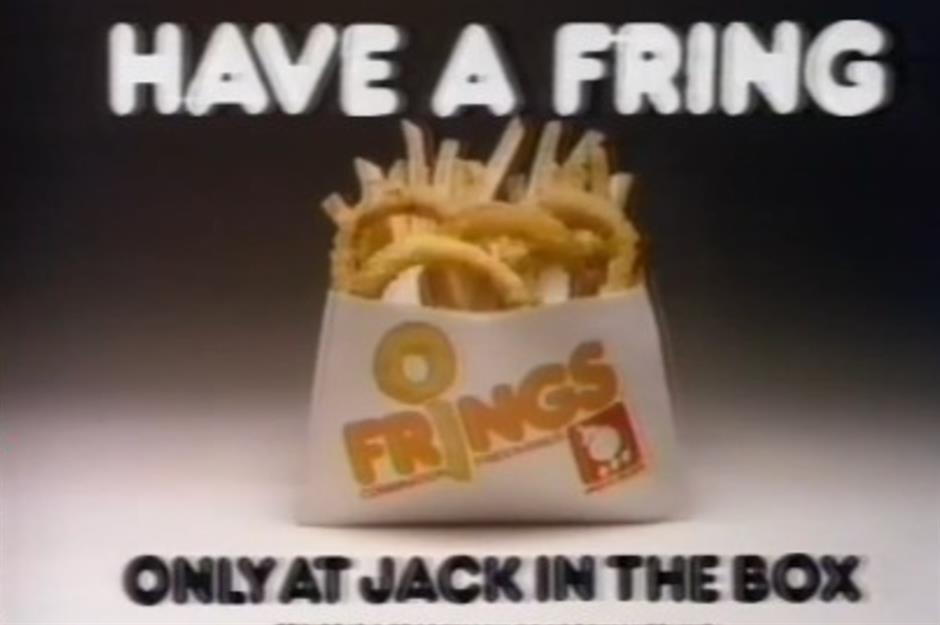
Introduced in 1979, Frings were a mix of fries and onion rings served in the same box, but they were discontinued just a few years later. The concept sounded great in theory, but in practice the fries and rings didn’t mix well – they became soggy when served together in the box, and different cooking times meant that half of the offering was usually cold.
21. Chicken tenders, KFC, various locations
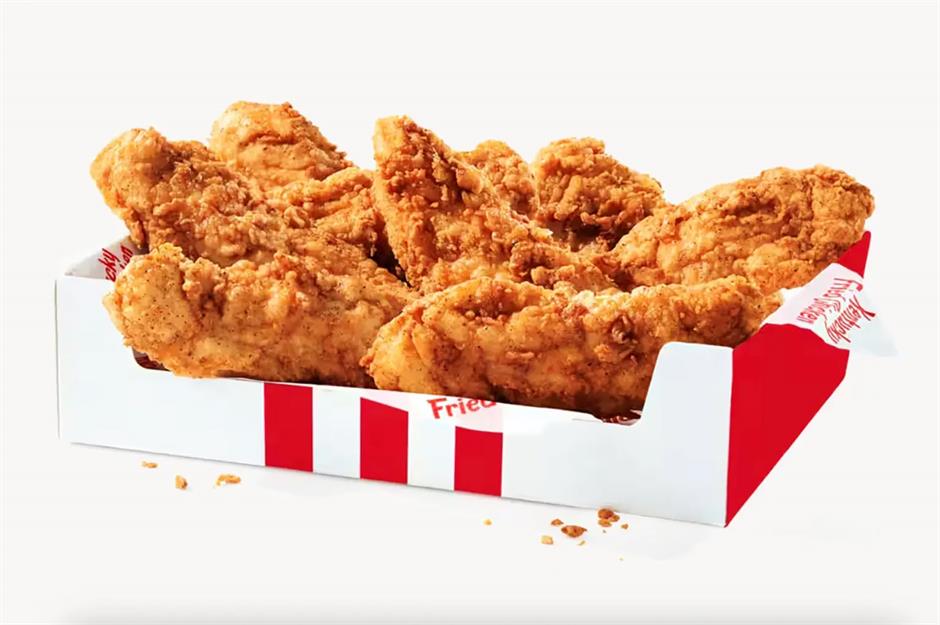
KFC is beloved for its Original Recipe Chicken – but for its chicken tenders? Not so much. In a recent survey conducted by American company Restaurant Furniture Plus, the chain's tenders were ranked as the third-worst fast food menu item in the USA. Reviewers complained that the strips 'weren’t fresh', tasted oddly like fish and looked more like oversized nuggets than true tenders. Hardly the kind of feedback you’d expect for a brand built on chicken.
20. Meatloaf Sandwich, Burger King, various locations
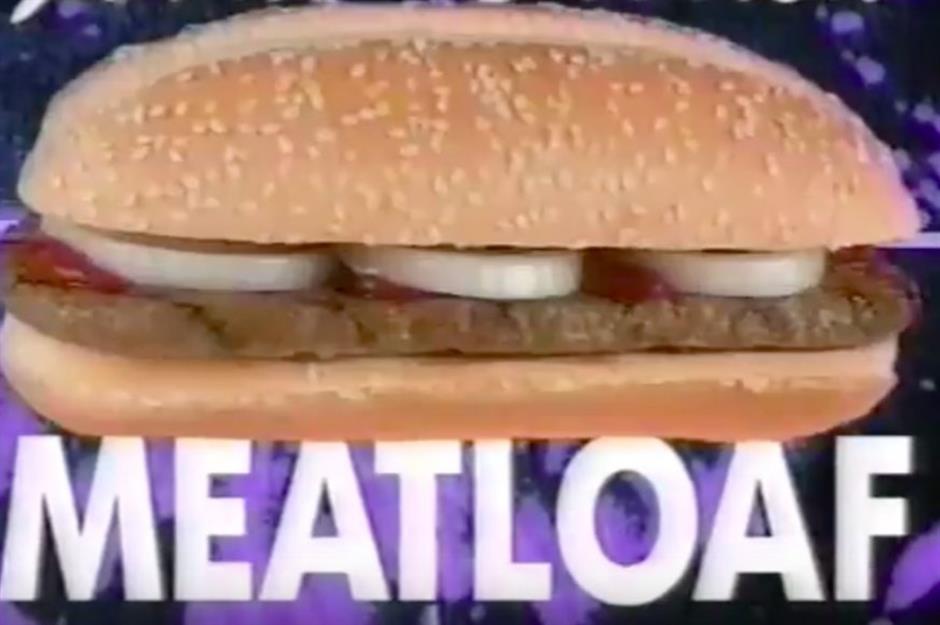
Part of Burger King’s table-service and dinner-basket era of the early 1990s, the Meatloaf Sandwich launched with a massive marketing campaign. It featured a meatloaf patty topped with raw onions and ketchup in a long bun, with the option to swap fries for a baked potato and salad to make it more of a meal. The sandwich was initially popular, but the problem soon became clear – once customers had tried it, they rarely wanted to order it again.
Sponsored Content
19. Seafood Salad, Taco Bell, various locations
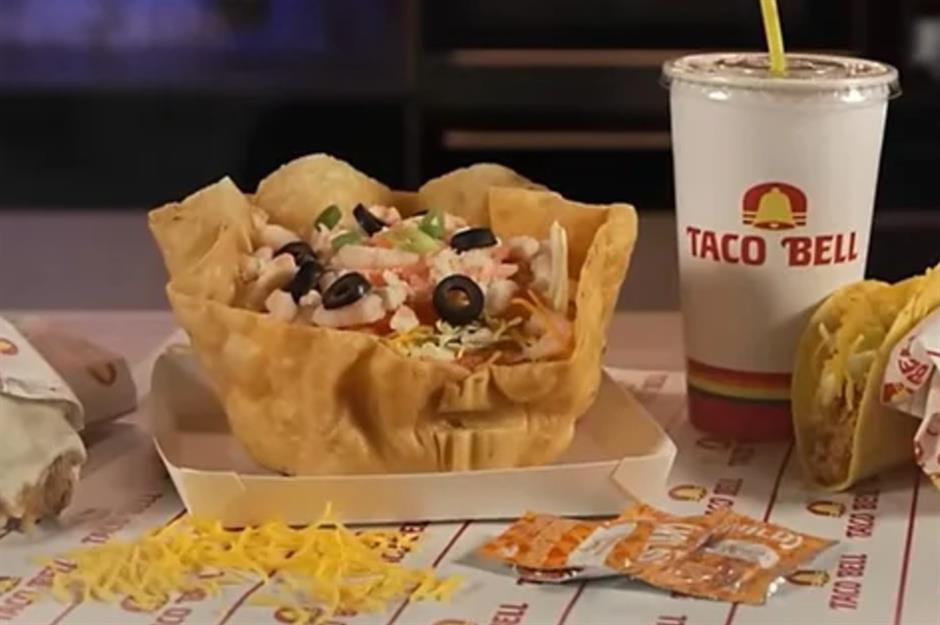
On paper, Taco Bell’s Seafood Salad sounded like a treat for fish lovers: bay shrimp, snow crab, white fish and veggies, all served in a crunchy tortilla bowl. In reality, though, customers found this 1980s dish unappetising in appearance, and rumours circulated that some people even contracted food poisoning after eating it.
18. Rice bowl, Chipotle, USA
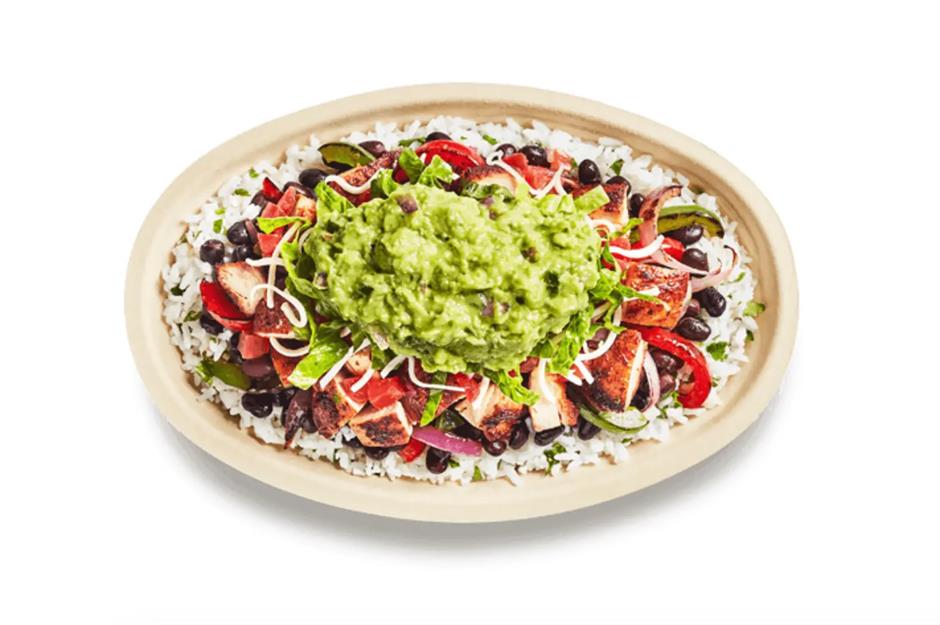
Chipotle's rice bowl was ranked as the second-worst fast food item in America in a recent survey by Restaurant Furniture Plus. Marketed as a lighter, tortilla-free alternative to the burrito, the rice bowl drew heavy criticism from customers who griped that portions were laughably small and that they had to 'search for the protein in each bowl'. Others complained that the rice was undercooked – 'crunchy' and 'hard' – making the whole meal feel underwhelming.
17. Flatizza, Subway, various locations
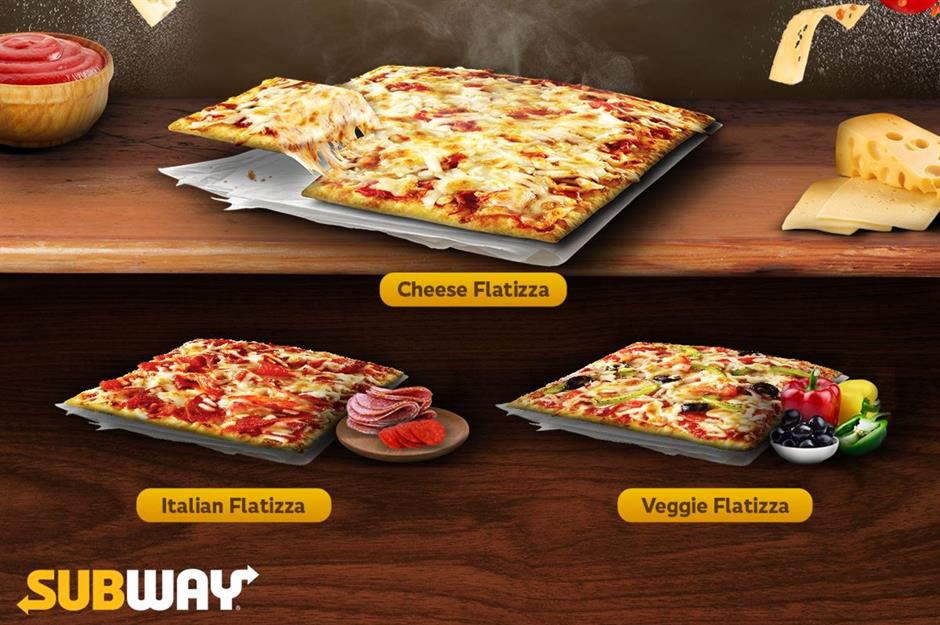
Best known for its footlong sandwiches, Subway briefly introduced the Flatizza in 2014 – a pizza-flatbread hybrid with assorted toppings. The item was discontinued less than a year later, as most customers ignored it in favour of the chain's classic footlongs. Many felt it simply couldn’t compete with a proper pizza and wasn’t what they chose to go to Subway for.
Sponsored Content
16. McLean Deluxe, McDonald’s, Canada and USA
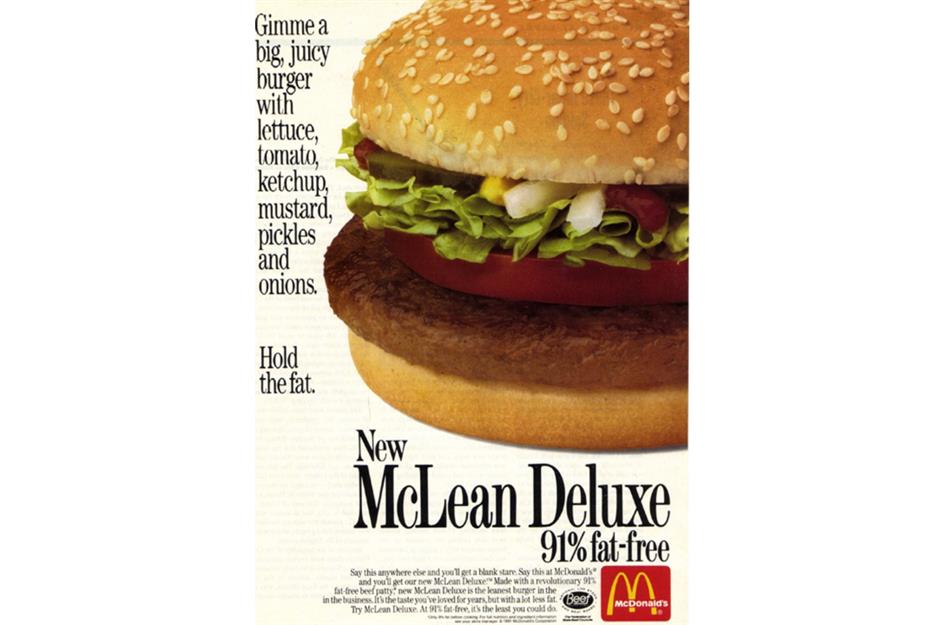
In a bid to tap into the early 1990s diet-food trend, McDonald’s launched the 91% fat-free McLean Deluxe. The burger featured a reduced-fat patty, ketchup, mustard, lettuce, pickles and a tomato slice on a bakery roll – but customers found it flavourless compared to the chain's more calorific offerings. What's more, the patty was only 90% meat, with the rest made up of seaweed-derived carrageenan. The burger was soon dubbed the ‘McFlopper’, and it was pulled from menus.
15. Satisfries, Burger King, USA
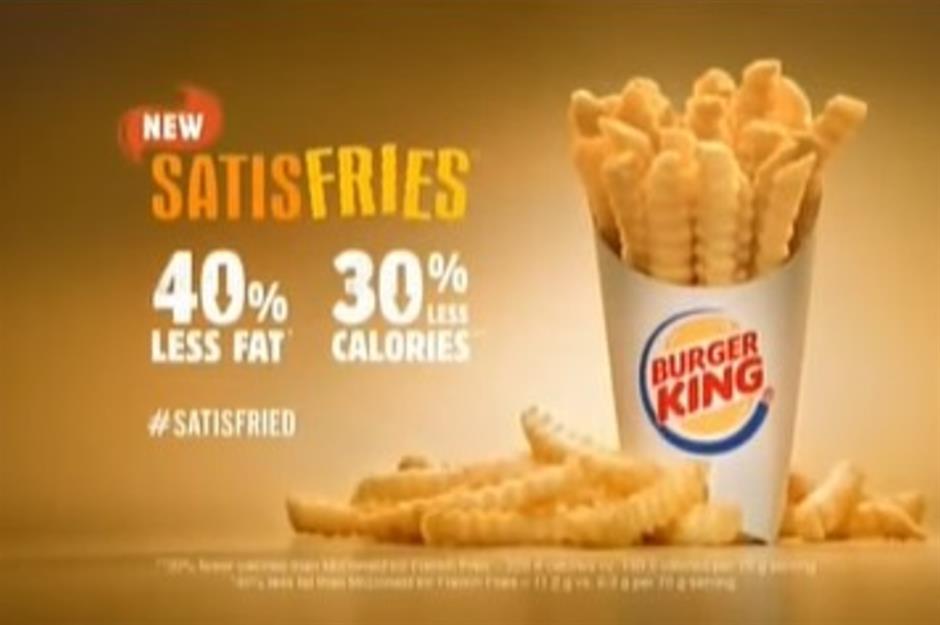
Dubbed 'the saddest fries' in 2013, Burger King’s supposedly healthier Satisfries failed to win over diners. Made with a less porous batter that absorbed less oil during frying, they contained just 4g less fat and 70 fewer calories than the chain’s regular fries – while costing more. To make matters worse, a small serving clocked in at 270 calories, compared to 230 calories for the same size at McDonald’s.
14. Buttermilk chicken tenders, McDonald's, USA
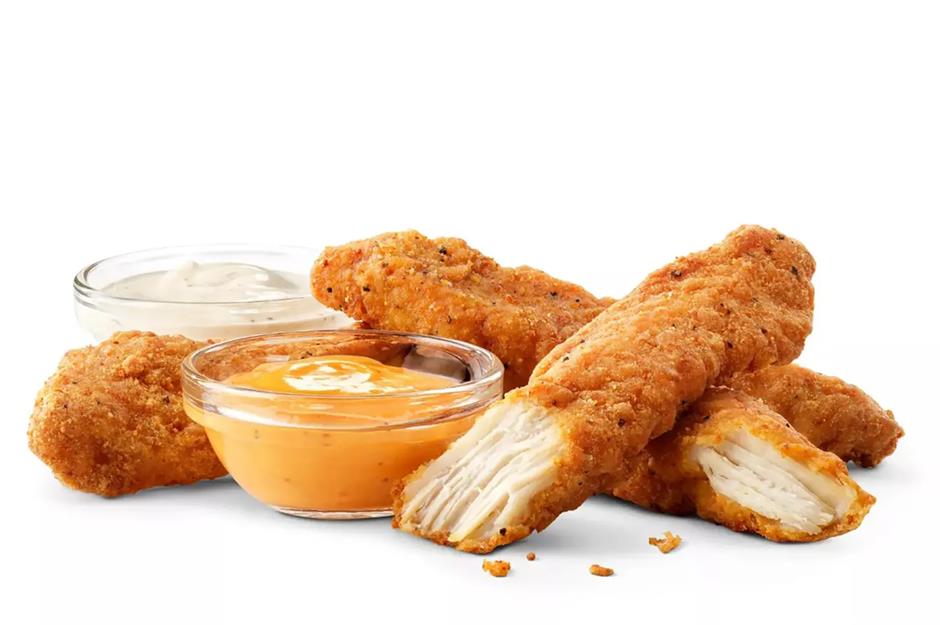
McDonald's buttermilk chicken tenders were introduced in 2017 – much to the delight of fast food fans lamenting the disappearance of Chicken Selects from the chain's US menus. However, a recent survey by Restaurant Furniture Plus analysed the lowest-rated fast food items on Google Reviews, crowning McDonald’s chicken tenders the worst fast food item in America, with reviewers calling them 'chewy' and 'dry'. They've since been discontinued and replaced with a new chicken offering: McCrispy Strips.
Sponsored Content
13. Black Jack Taco, Taco Bell, various locations
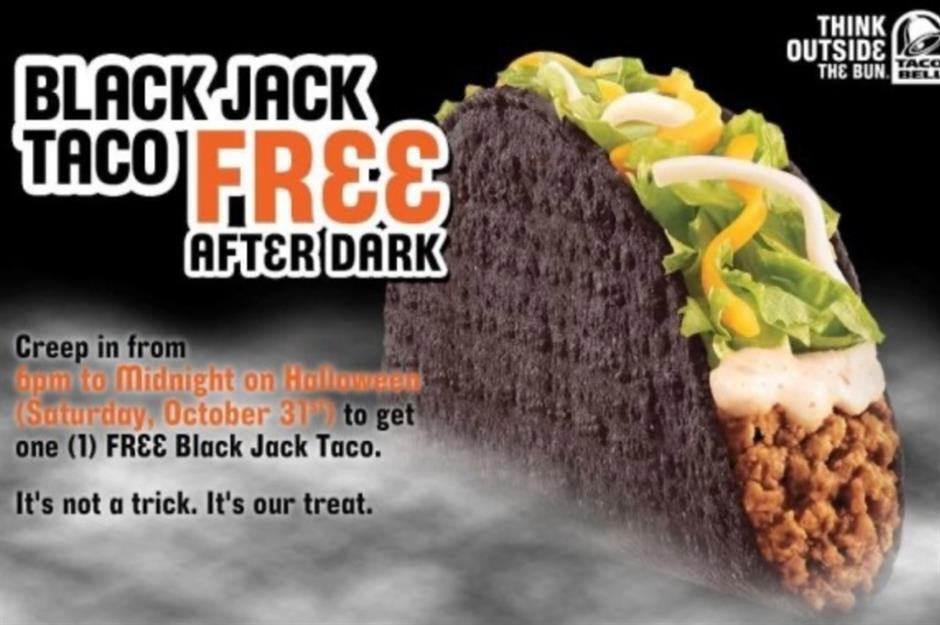
Launched as a Halloween promotion in 2009, the Black Jack Taco featured a black shell filled with beef, Baja sauce, lettuce and a three-cheese blend. What was meant to be a bit of spooky fun, however, turned out to be more trick than treat – diners reported unpleasant digestive side effects after eating it. The taco was quickly discontinued, never to be seen again.
12. McAfrika, McDonald’s, Norway
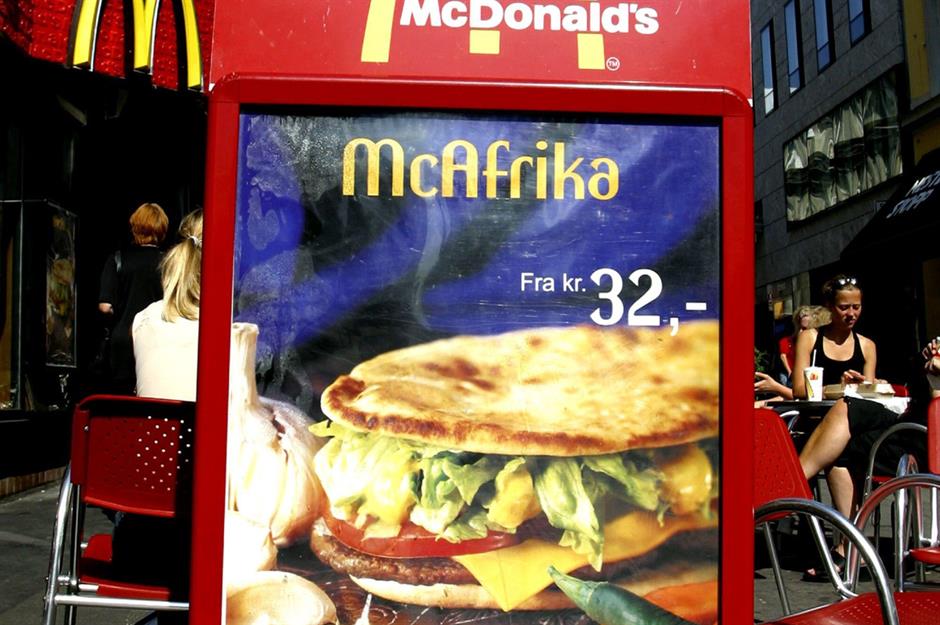
The 2002 launch of the McAfrika sparked outrage and was widely criticised as insensitive and crass. At the time, parts of Africa were experiencing one of the worst famines in history, while Norway – where the burger debuted – was among the world’s wealthiest nations, making the product tone deaf from the start. Part of a promotion for the Olympic Games, the McAfrika featured pitta bread in place of a bun, filled with beef, cheese, tomatoes and what McDonald’s described as an 'authentic African sauce'.
11. Hot Dog Bites Pizza, Pizza Hut, various locations
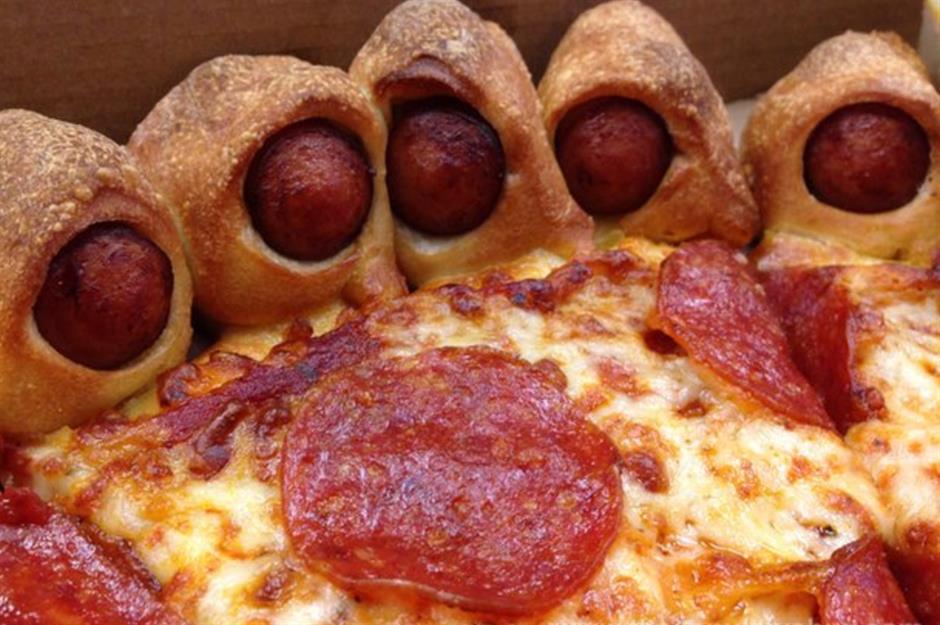
First released in Asia, the UK and Canada in 2012, this over-the-top American-style dish didn’t make it to the US until three years later. Instead of a stuffed crust, the pizza was ringed with small hot dogs, but diners found that even one slice was a challenge to get through. While the gimmick drew some attention, the taste fell short, and the Hot Dog Bites Pizza soon disappeared from menus.
Sponsored Content
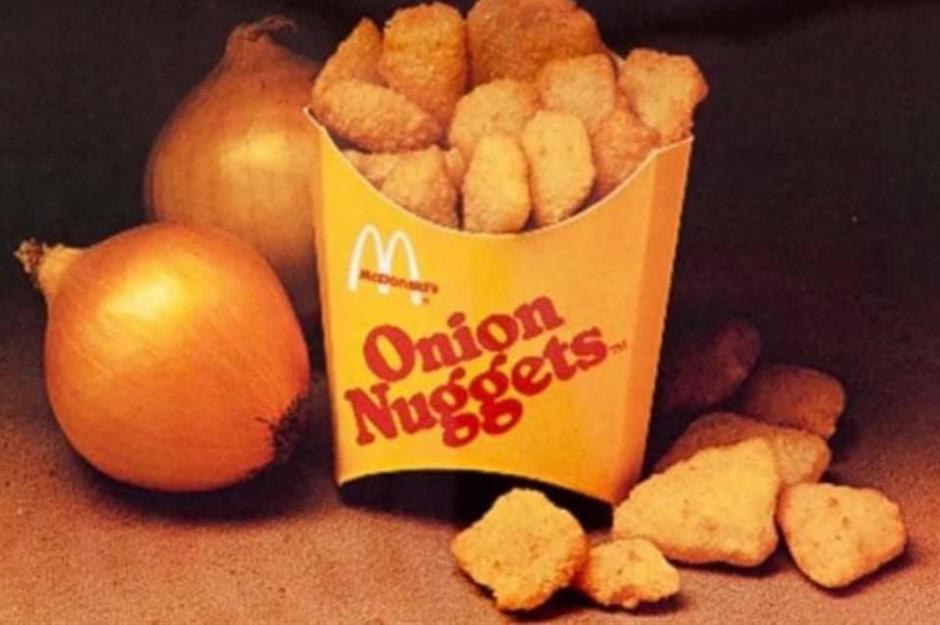
10. Onion Nuggets, McDonald’s, USA
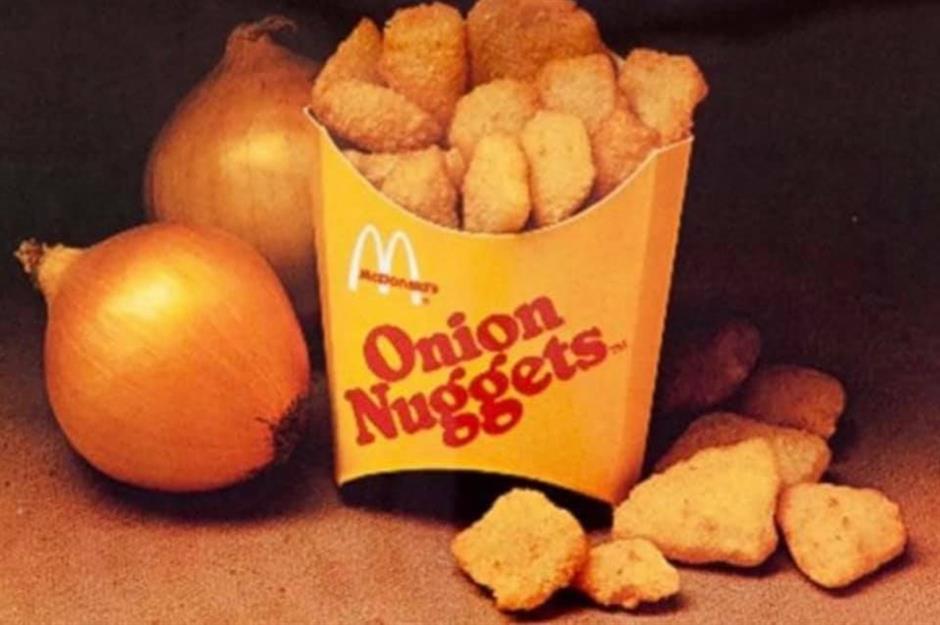
Debuting in 1978 at select locations across America, these deep-fried diced onions in crispy batter were an experiment by McDonald’s before the launch of the globally popular Chicken McNuggets in 1983. However, Onion Nuggets never quite measured up to onion rings, and most customers stuck with classic fries as their side dish of choice.
9. Bacon Sundae, Burger King, various locations
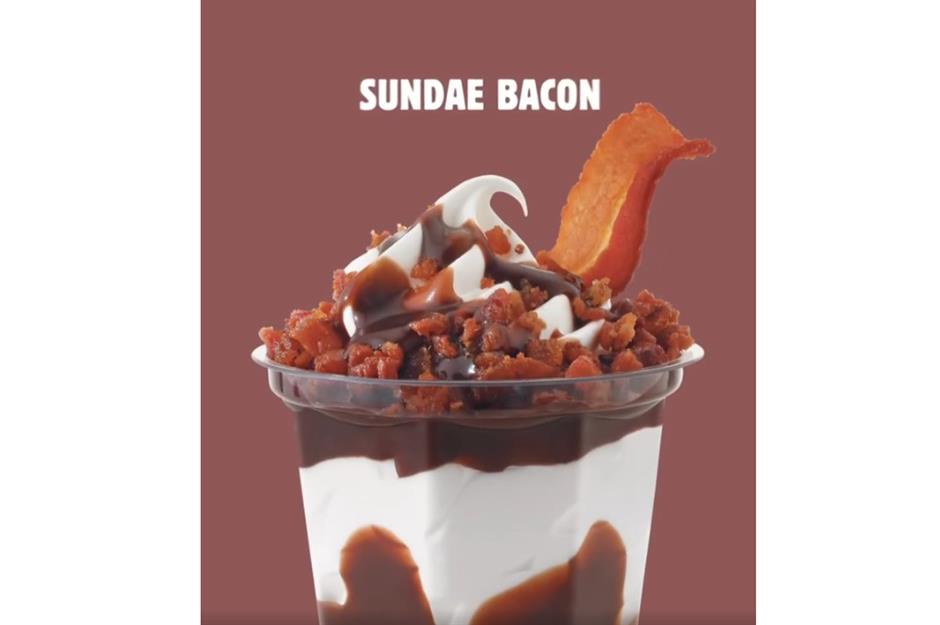
Launched in Nashville, Tennessee in the summer of 2012, the Burger King Bacon Sundae featured vanilla soft serve topped with hot fudge, caramel and smoked bacon. It was later rolled out nationwide in the US and in several other countries, but it was widely seen as a passing fad. The sundae made a brief return in 2017 at Burger King locations in Brazil, but it hasn’t been spotted since.
8. Pickle Juice Slush, Sonic Drive-In, USA
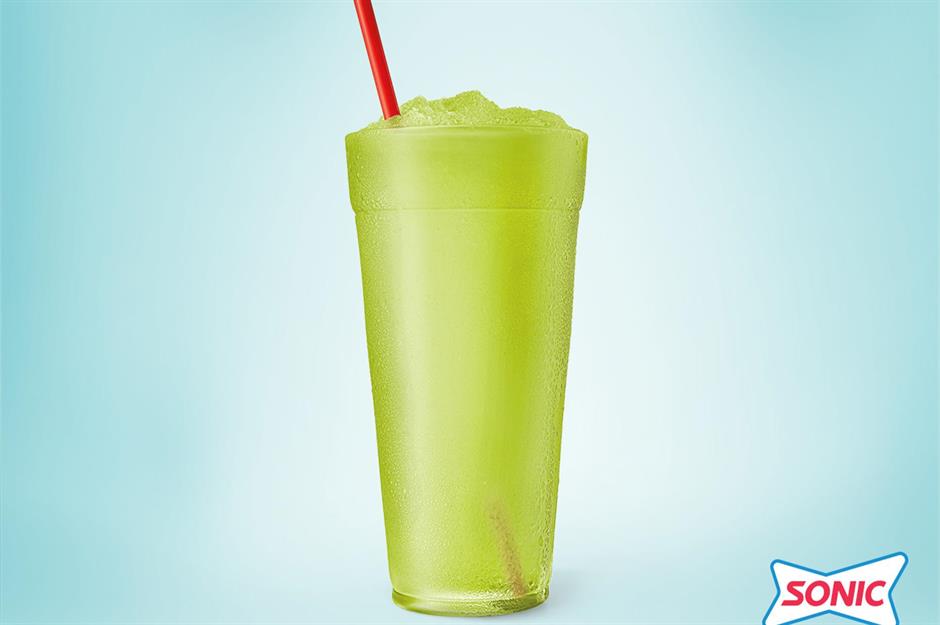
This fluorescent green slushie certainly didn't look all that appetising – and it was an acquired taste, too. A mix of Sonic’s classic sweet slush and salty pickle brine, it debuted on menus in 2018, with Sonic claiming it 'tastes just like you’re sipping out of the pickle jar'. Surprisingly, due to popular demand, it made a comeback in 2022.
Sponsored Content
7. Double Down Burger, KFC, various locations
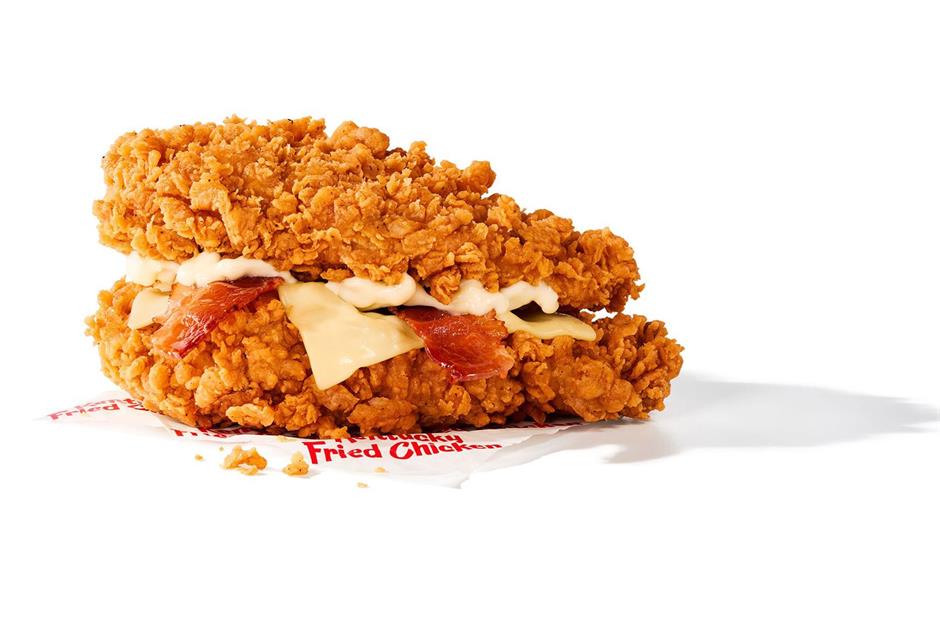
This one is sure to divide opinion. Launched in the US in 2015, the Double Down Burger – two Extra Crispy Chicken Fillets sandwiching two slices of cheese and two pieces of hickory-smoked bacon – has developed a cult following. A limited-edition menu item, it's made several returns to menus in the UK, Australia and the US since its debut, though it's considered too rich and heavy by some.
6. Grilled Cheeseburger Melt, Friendly’s, USA
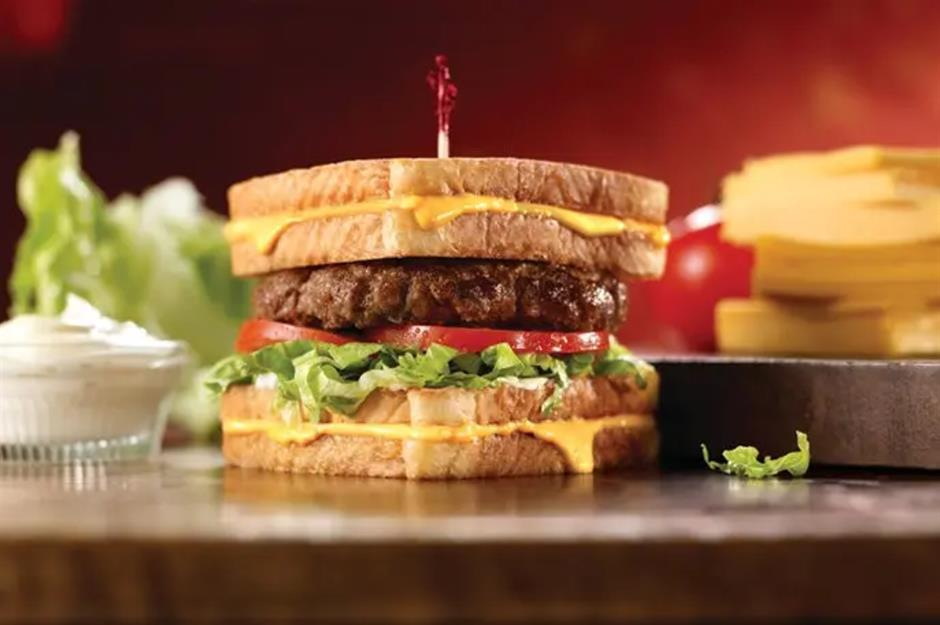
Combining two of America’s favourite foods, this over-the-top creation from US fast food chain Friendly's swapped out the traditional burger bun for a grilled cheese toastie. Launched in 2010, the Grilled Cheeseburger Melt packed a staggering 1,500 calories and 97g of fat. It was soon pulled from menus following complaints from health experts.
5. Priazzo Roma Pie, Pizza Hut, various locations
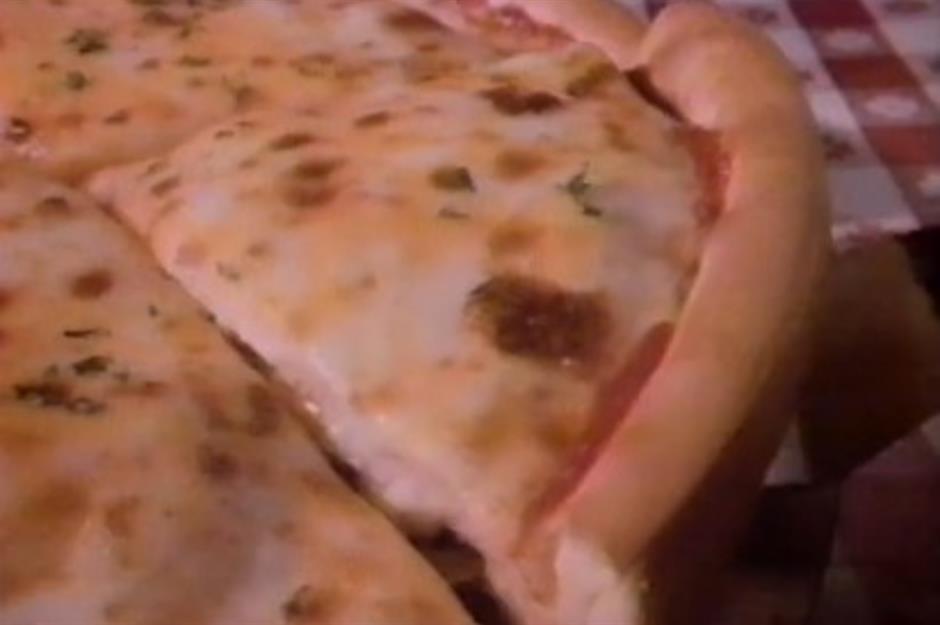
Pizza Hut’s take on a traditional Chicago-style deep-dish pizza was loaded with several types of meat and topped with an extra layer of crust, cheese and tomato. Launched in 1985, the Priazzo Roma Pie wasn't for the faint-hearted, but Pizza Hut was confident it'd be a hit and spent millions on its advertising campaign. Despite its monstrous size, sales were low and, by the 1990s, the Priazzo was no more.
Sponsored Content
4. The Real Cheeseburger, Burger King, Thailand
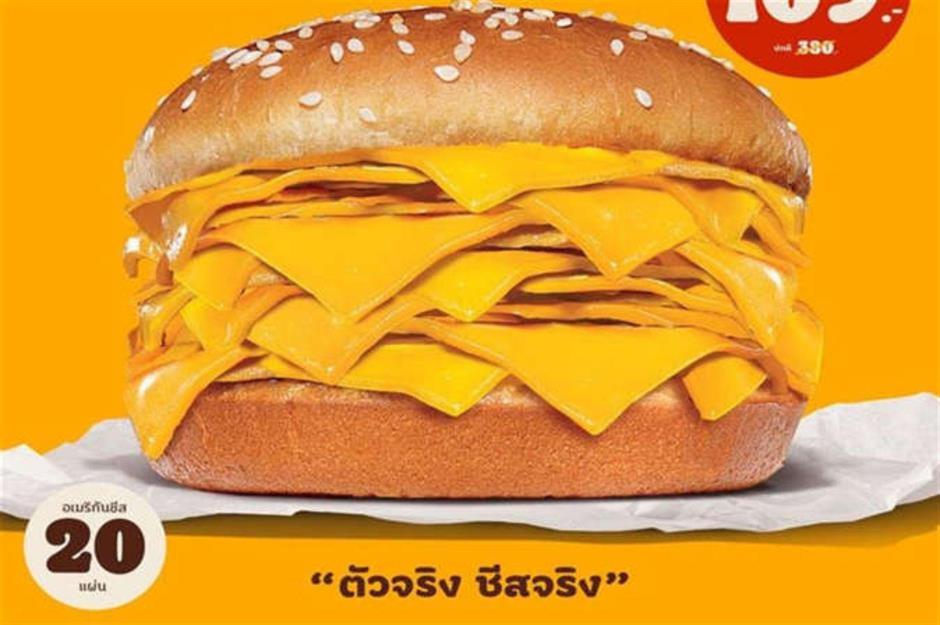
A limited-edition Burger King menu item in 2023, the Real Cheeseburger packed a staggering 20 slices of American cheese into a bun – and nothing else. Customers were horrified by the patty- and sauce-less creation, but the burger went viral (which may have been exactly what Burger King was aiming for all along).
3. Arch Deluxe, McDonald’s, various locations
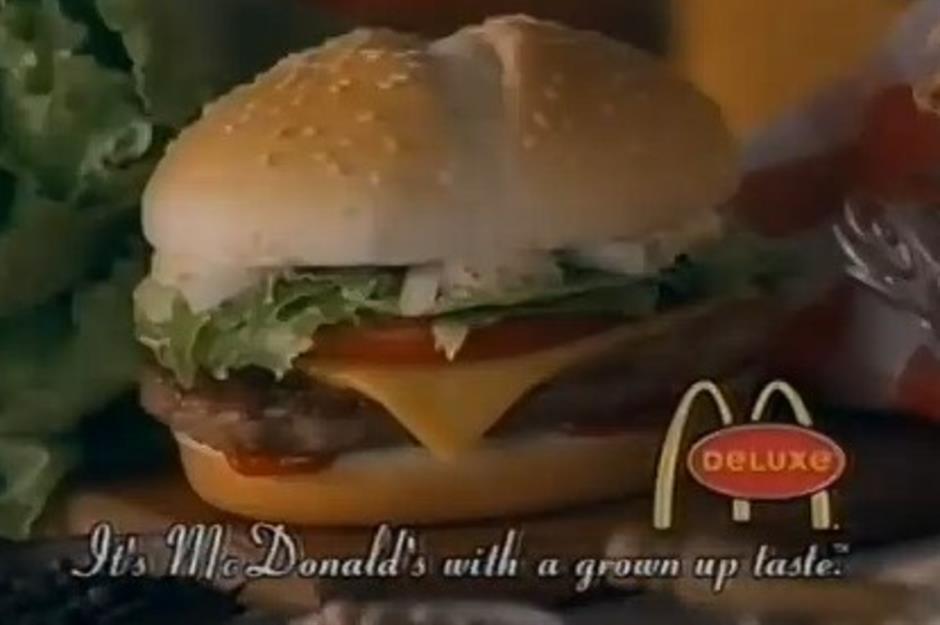
The Arch Deluxe – which turned out to be McDonald's most expensive flop – debuted in 1996 as a supposedly more sophisticated menu option for adults. It featured a quarter-pound beef patty, hickory-smoked bacon, lettuce, tomato, American cheese, onions, ketchup and a secret Arch Sauce, all served in a split-top potato flour bun. Despite having the largest marketing budget for a fast food menu item in history at the time, the expensive burger alienated McDonald’s core audience and was poorly received, leading to its swift discontinuation.
2. Cauliflower Sandwich, Chick-fil-A, USA
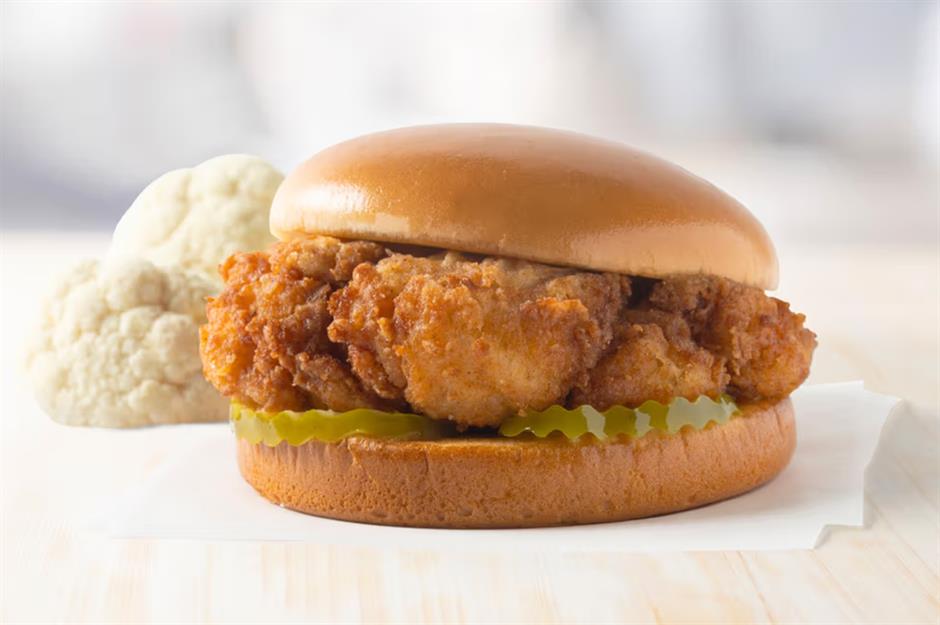
In 2023, Chick-fil-A tested a Cauliflower Sandwich to tap into the growing popularity of plant-based foods. However, it was poorly received – not least because the battered cauliflower was cooked on the same grill as the chain's chicken products, meaning it wasn’t suitable for vegetarians. Chick-fil-A attempted to justify the situation by calling the sandwich 'plant-forward', but customers couldn't be swayed.
Sponsored Content
1. Hula Burger, McDonald’s, USA
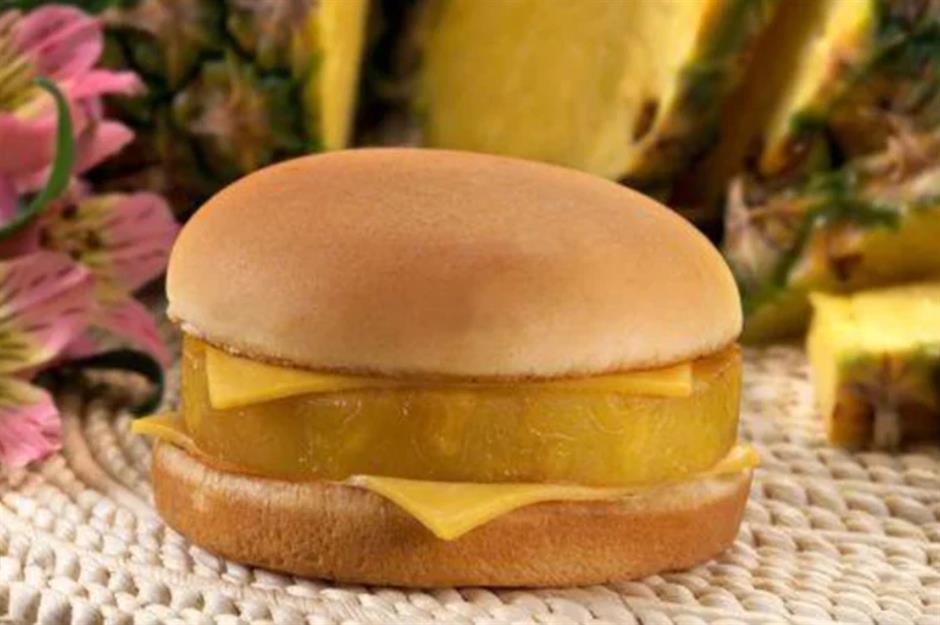
The Hula Burger, created in 1962, consisted of American cheese and a thick slice of pineapple in a bun, and it was marketed to Catholics who avoided meat on Fridays. It was intended as an alternative to the Filet-O-Fish, but it quickly became clear that the fruity burger couldn’t compete with its fishy counterpart – and it was soon phased out.