The surprising histories behind the world’s most luxurious foods
These highly prized delicacies conceal interesting pasts
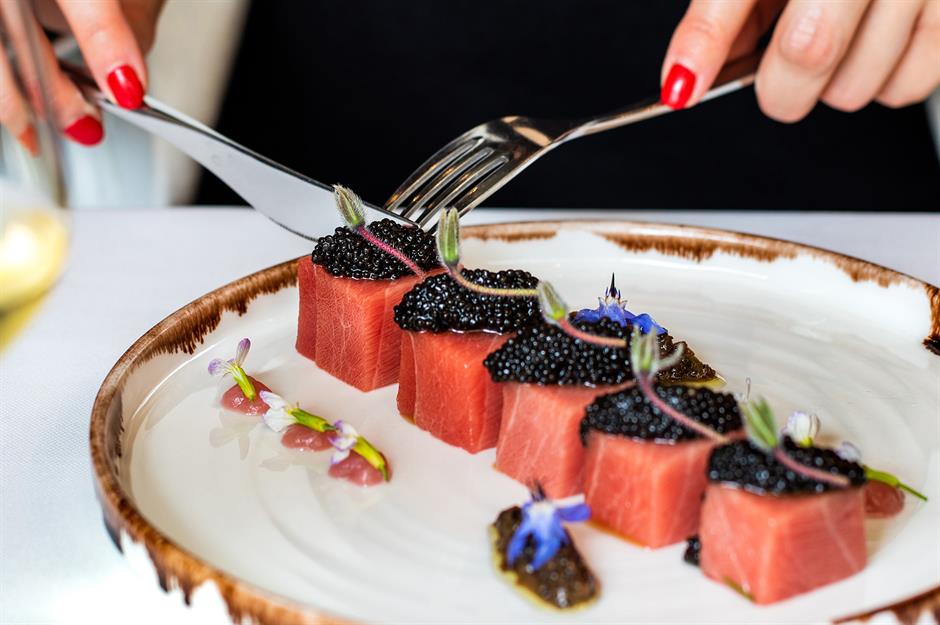
Many of the world’s most luxurious foods have surprisingly modest beginnings, with their current high-end status shaped by culture, scarcity and craftsmanship. From seafood once eaten by prisoners to medicinal mushrooms used by the ancient Greeks, these foods have left their humble roots behind and reached the heady heights of haute cuisine.
Click or scroll through our gallery to discover the origins of some of the priciest ingredients on the planet, counting down to the most surprising story of all.
21. Chocolate
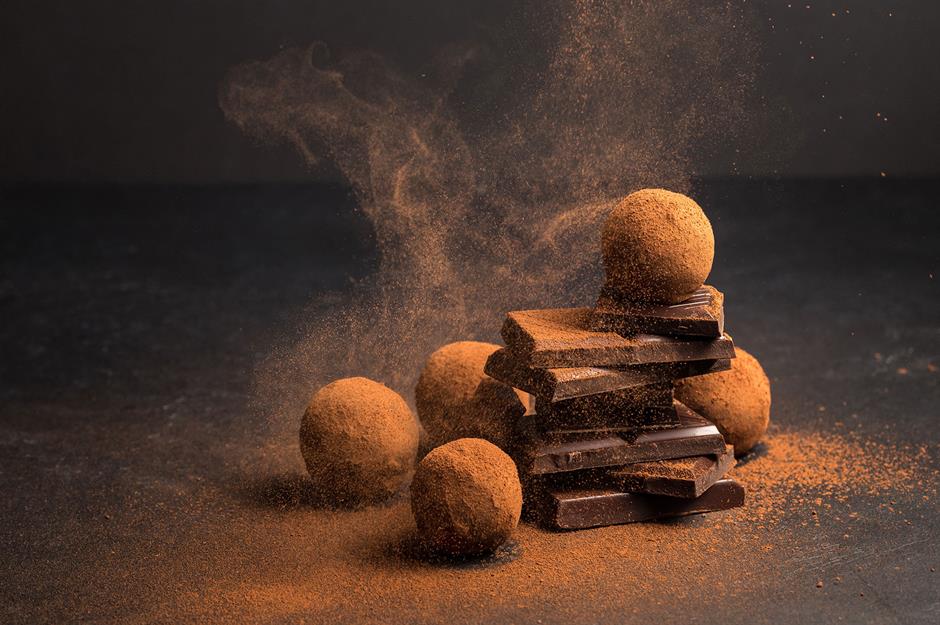
Nowadays, the world's most expensive chocolate reaches up to $490 (£365) for just 1.8oz (50g), but chocolate's story began in Mesoamerica, where the Maya and Aztecs used cacao in sacred rituals, for its energising properties and even as currency. It was only when cacao arrived in Europe in the 16th century that sugar was added, transforming it into a sweet luxury. By the 18th century, chocolate became a symbol of aristocratic indulgence, beloved by Marie-Antoinette. It became more accessible in the 19th century and beyond, but rare varieties still remain prized.
20. Parmigiano Reggiano
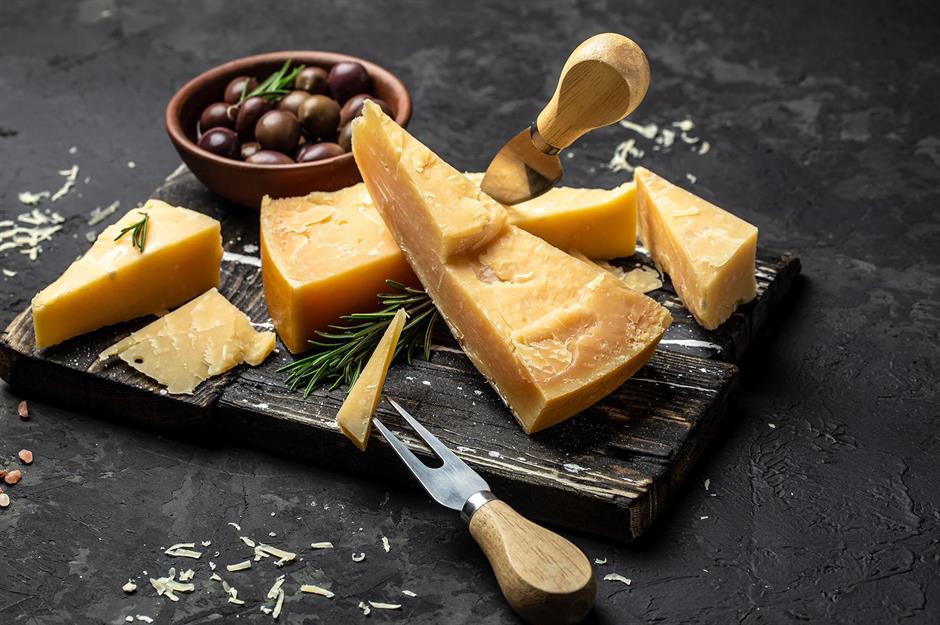
Known today as the 'King of Cheeses', Parmigiano Reggiano originated in medieval Italy around a thousand years ago. It was first crafted by Benedictine and Cistercian monks determined to invent a long-lasting cheese using milk, salt from nearby mines and natural fermentation. In 1612, the Duke of Parma formalised its designation of origin and today its traditional methods remain unchanged. In 1996, it earned protected status, safeguarding its authenticity and global reputation for the future.
Sponsored Content
19. Saffron
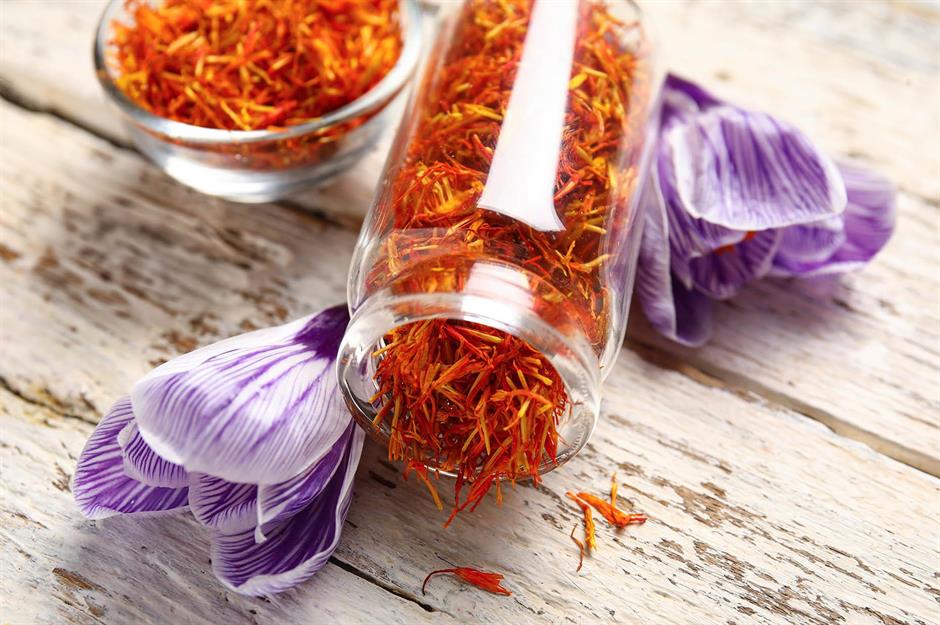
Each crocus sativus flower produces three delicate red stigmas which, once dried, become saffron threads. Harvested entirely by hand, this labour-intensive process has made saffron highly valuable for more than 3,000 years. Originating in Bronze Age Iran, it spread via trade to ancient Greece, Italy and India. Saffron was used not only as a culinary spice but also as perfume, medicine, dye and as a sacred offering. In medieval Europe it was a luxury item, often worth its weight in gold and it later became central to Spanish dishes like paella.
18. Wagyu beef
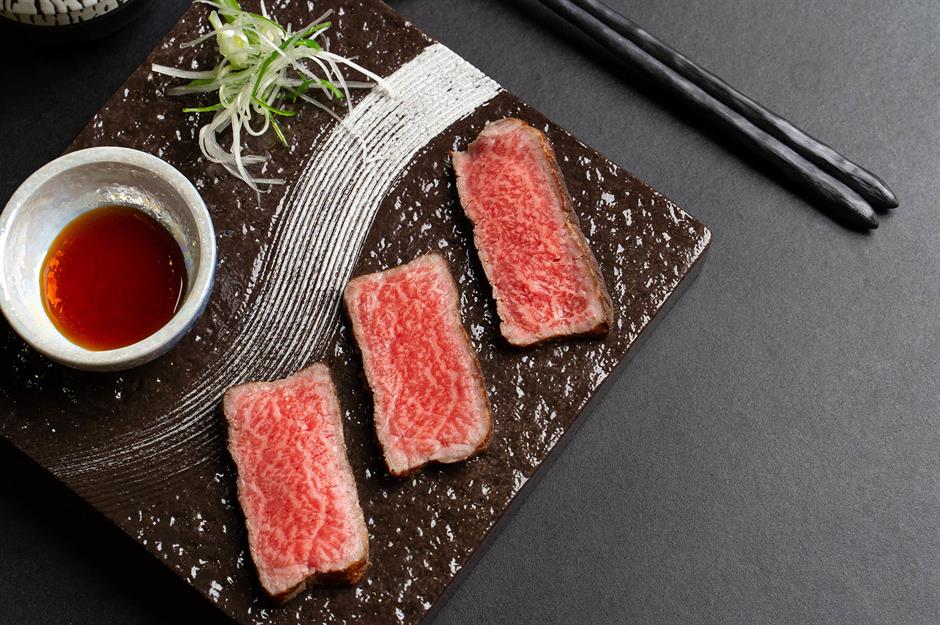
Wagyu originates from Japan, where cattle were traditionally bred for labour, not meat. Its lineage dates back over 35,000 years, but wagyu – meaning Japanese cow – only became popular after a 19th-century emperor ate meat publicly. In 1997, Japan declared wagyu a national treasure and banned live exports, preserving its exclusivity and cultural importance. Kobe is the most expensive type of wagyu and must meet strict criteria in origin and marbling. Only around 3,000 cattle qualify each year, hence the price of $200 (£148) to $500 (£370) per pound (0.45kg).
17. Truffles
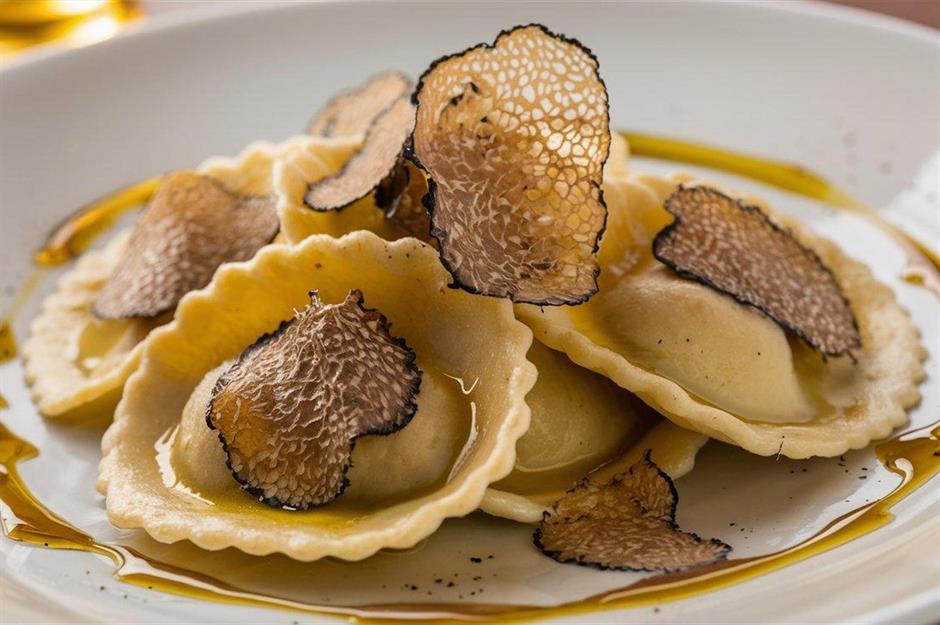
Truffles were first enjoyed by the Sumerians around 4500 BC and were prized by Egyptians, Greeks and Romans for their flavour and supposed aphrodisiac and divine qualities. Ancient thinkers believed truffles were made from thunder and rain and during the Middle Ages they were even linked to the devil. However, they reemerged in Renaissance courts. Cultivation began in 19th-century France and today truffles symbolise culinary luxury, hunted for by trained pigs and dogs in forests throughout Europe.
Sponsored Content
16. Matsutake mushrooms
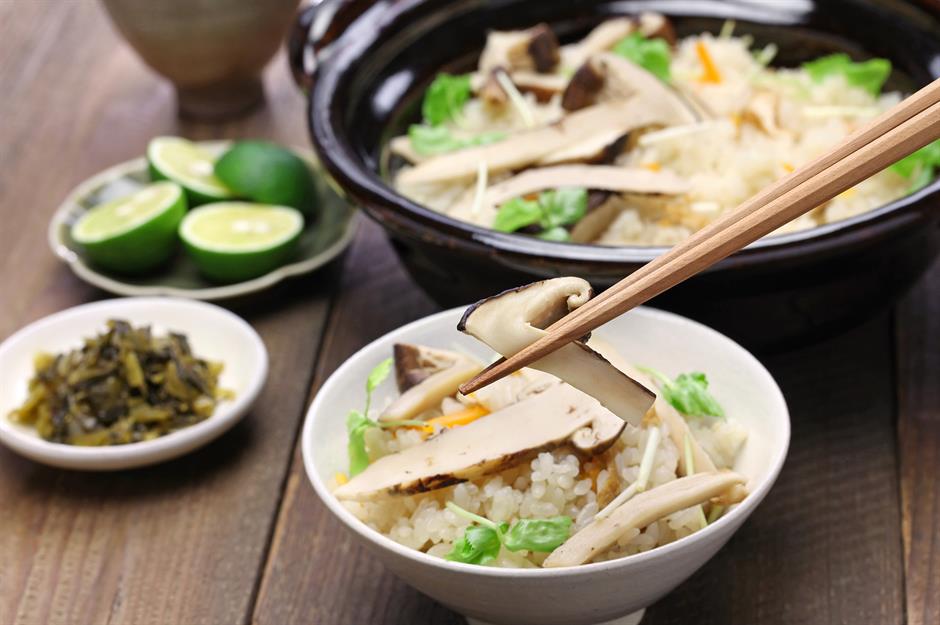
While many foods on this list had humble beginnings, the Matsutake mushroom has been revered in Japan for over 1,300 years. The mushrooms spicy aroma and complex flavour of cinnamon and pine meant they were once reserved for nobility and even featured in 8th-century Japanese poetry. In Japanese, matsutake means 'pine tree mushroom' due to its symbiosis with pines. Thanks to its specific growing requirements the mushroom is tricky to cultivate, driving up the price. They're also found growing wild in China, North America and Europe.
15. Bluefin tuna
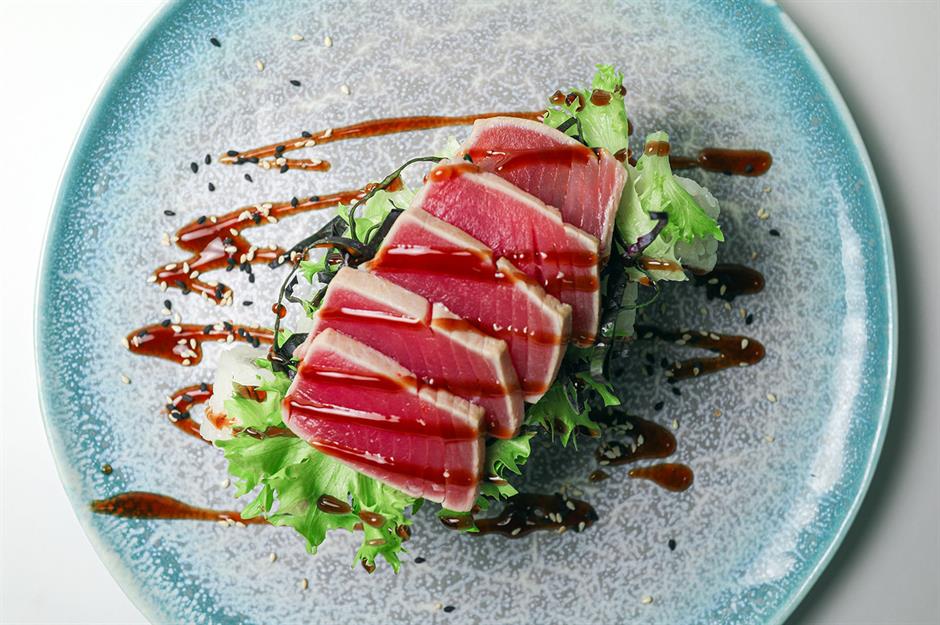
Much like abalone, bluefin tuna has been admired for millennia, but is now threatened by overfishing. Eaten in Asia and the Mediterranean for thousands of years, bluefin's popularity boomed in the 1980s, when sushi became highly fashionable around the world. While conservation efforts have been ongoing since the 1990s, bluefin still remains a luxury today. The most expensive bluefin tuna ever sold was a 612-pound (278kg) fish auctioned for ¥333.6 million ($3.1m/£2.3m) in Tokyo in 2019.
14. Yubari King melon
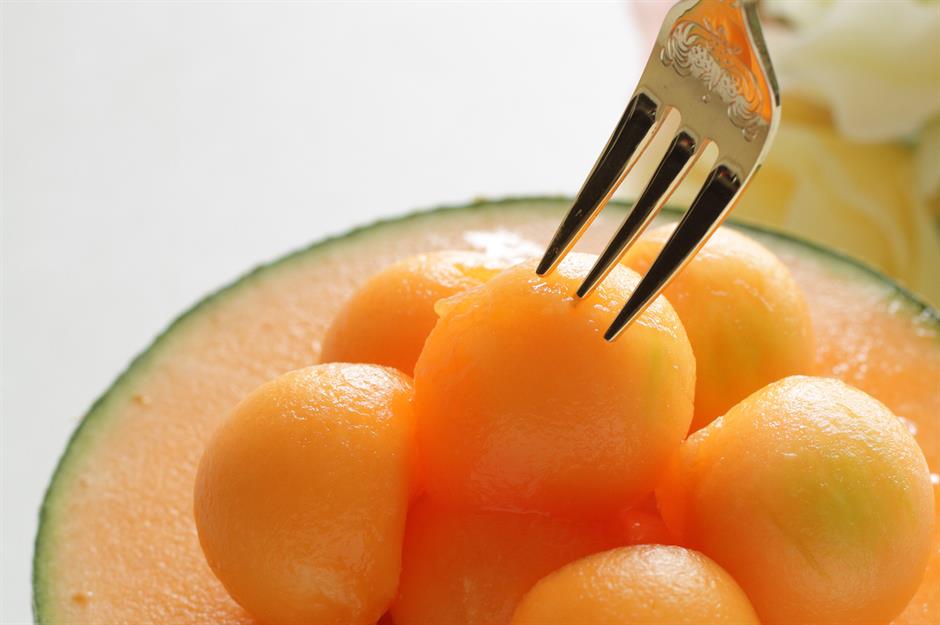
Originally cultivated after World War II to revitalise local agriculture around the Japanese city of Yubari, the Yubari King melon has become one of the world's most desirable fruits. Thanks to their exceptionally sweet orange flesh, perfect shape and delicately patterned skin, they're often given as prestigious gifts. Yubari King melons are now exported around the world, but beware – they can cost up to $300 (£224) each and a perfect pair sold for a staggering ¥5 million ($45k/£33k) in 2019.
Sponsored Content
13. Balsamic vinegar
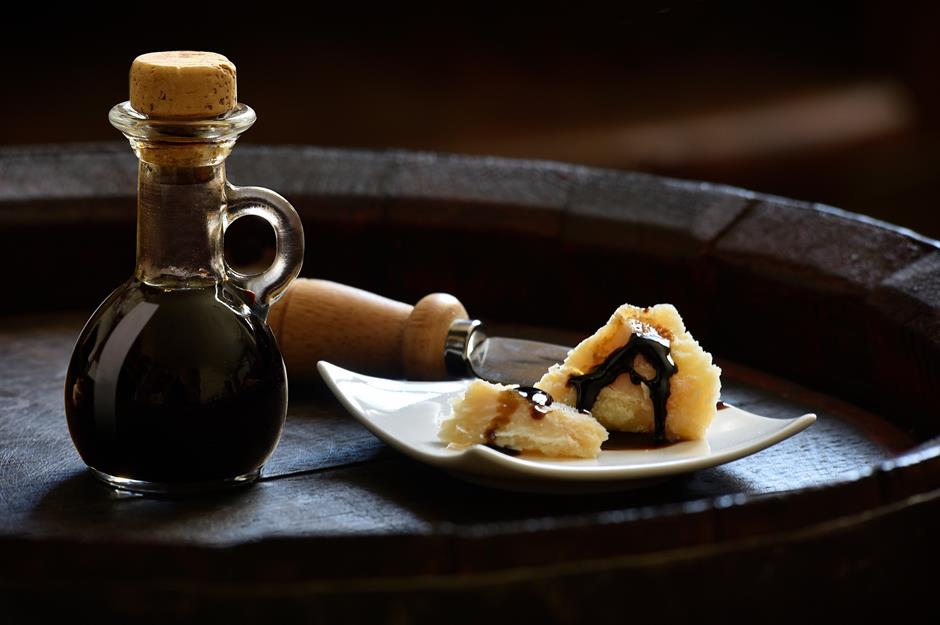
Balsamic vinegar has roots in Roman times, when grape must (the juice from crushed grape stems, seeds and skins) was used medicinally. In the Middle Ages, it was sometimes even included in a bride's dowry. Cooked to concentrate its sweetness, the vinegar is stored in wooden barrels for 12 to 25 years. As it ages, it's moved into smaller barrels, each made from different wood, to enhance the flavour. As a result, bottles with the DOP (Protected Designation of Origin) label can sell for €100 ($116/£87) or more.
12. Pufferfish
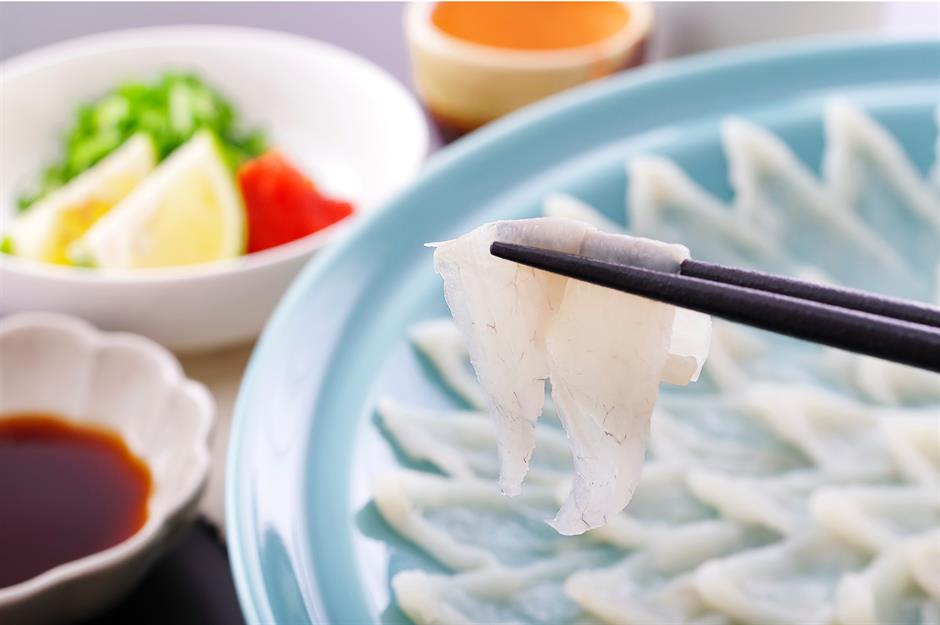
Pufferfish, or fugu, have been consumed in Japan for over 2,800 years, with bones found in ancient shell middens. Despite its deadly tetrodotoxin, the fish became a delicacy until it was outlawed due to poisoning-related deaths in the 16th century. However, the ban was lifted after Prime Minister Ito Hirobumi tried it and praised its taste in the late 19th century. Today, only licensed chefs can prepare fugu and it remains a celebrated, if high-risk, luxury in East Asian cuisine.
11. Foie gras
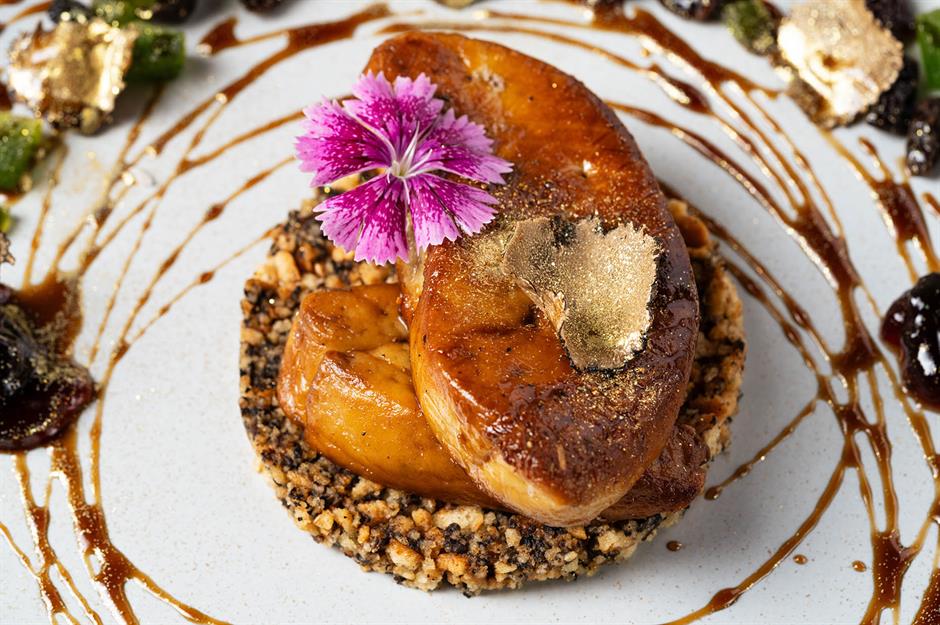
Although foie gras – meaning 'fat liver' – is associated with France, it actually dates back to 2500 BC when Ancient Egyptians force-fed geese to enlarge their livers. The practice spread to Greece and Rome and in medieval times, Jewish communities continued the tradition in order to produce goose fat as an alternative to animal fats banned under religious law. It wasn't until the 18th century that foie gras became a symbol of luxury in French cuisine, particularly in Alsace and the southwest.
Sponsored Content
10. Oysters
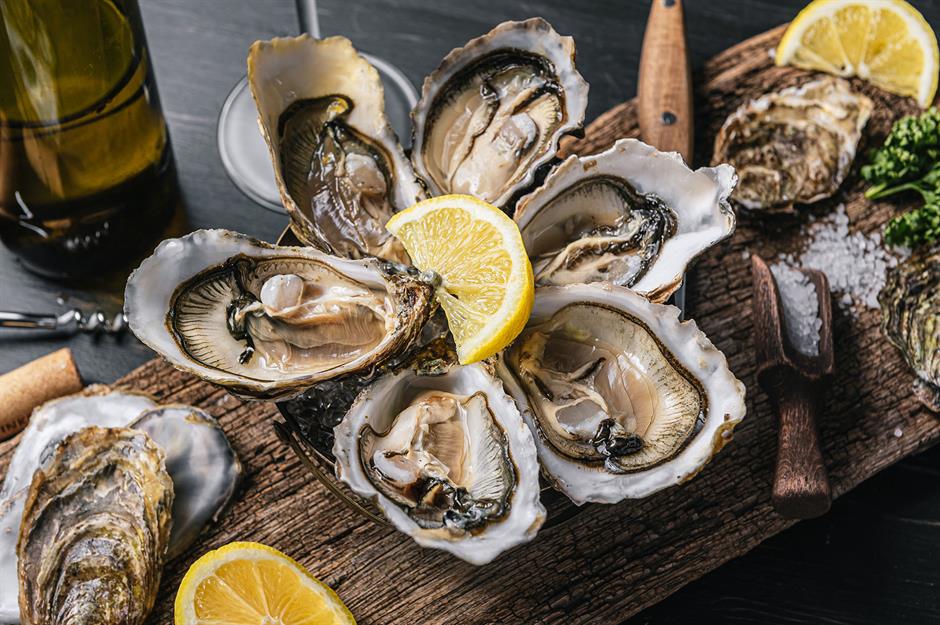
Oysters were prized by the Ancient Romans, who imported them from as far away as Britain. However, some archaeologists believe that early humans regularly ate oysters 164,000 years ago, thanks to piles of discarded shells found in South Africa. In ancient China, they were used medicinally and in medieval Europe they were classed as 'non-meat' and eaten during religious fasts when meat was prohibited. Oysters were a cheap street food in 19th-century London and New York, until overfishing made them the rare treat they are today.
9. Kopi luwak coffee
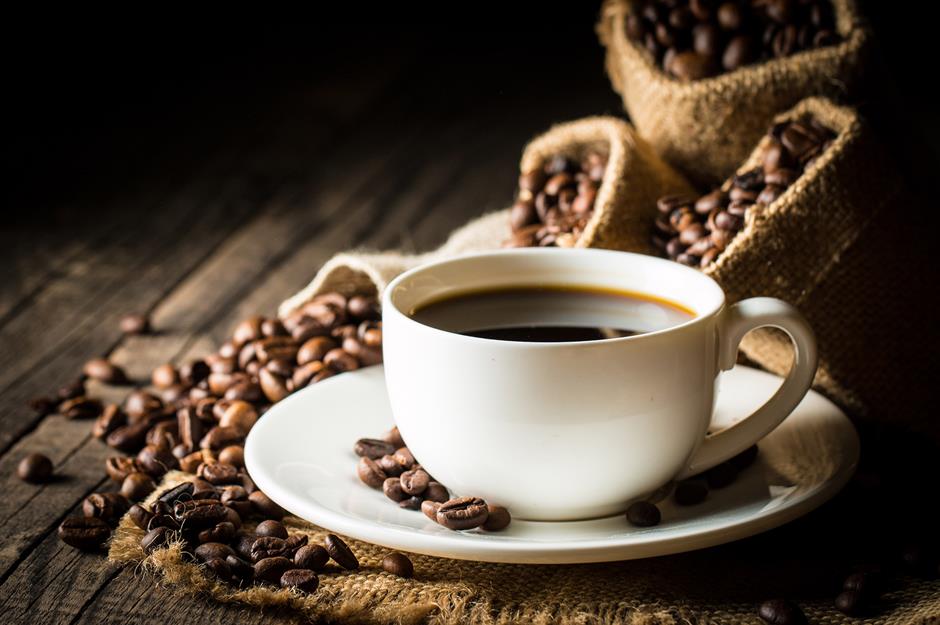
Kopi luwak originated in 19th-century Indonesia under Dutch colonial rule. Locals, banned from consuming harvested coffee, discovered beans excreted by wild Asian palm civets after eating ripe cherries. These beans, fermented in the civet’s digestive tract, are said to produce a smoother, less acidic brew. The coffee gained a global following, although critics credit its novelty value. If you want to try this unusual treat, be sure to buy wild-sourced kopi luwak, not the farmed variety, for which caged civets are force-fed.
8. La Bonnotte potatoes
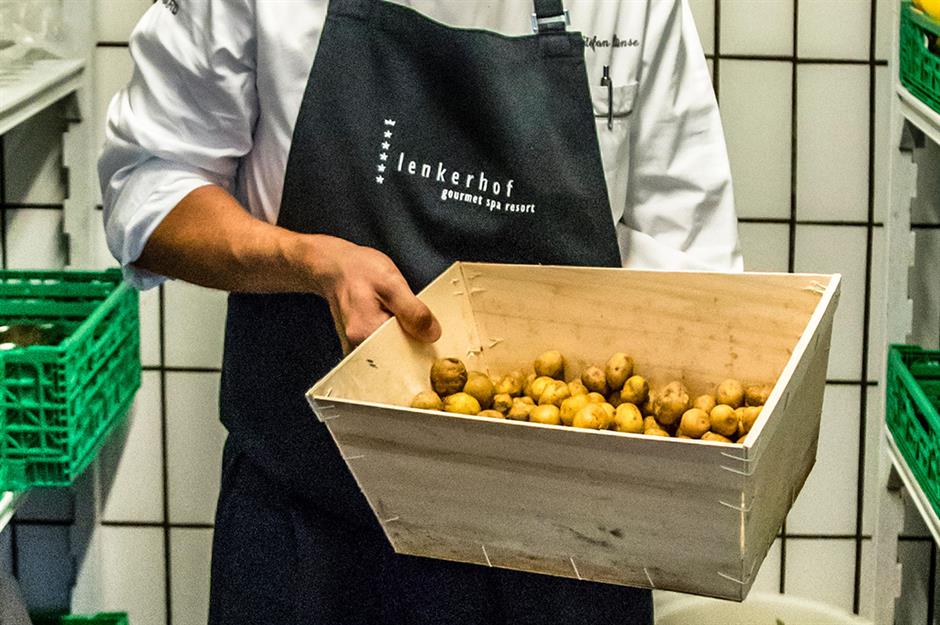
Produced only on Noirmoutier Island off France’s Atlantic coast, La Bonnotte potatoes are grown with seaweed fertiliser and harvested by hand each May. Their nutty flavour and creamy texture mean they're highly prized and are so rare that they can fetch up to €500 ($586/£433) per 2.2lb (1kg). However, they're too fragile to be machine-harvested and were almost extinct by the 1960s. Luckily, they were revived in the 1990s and now enjoy cult status among chefs and foodies.
Sponsored Content
7. Vanilla
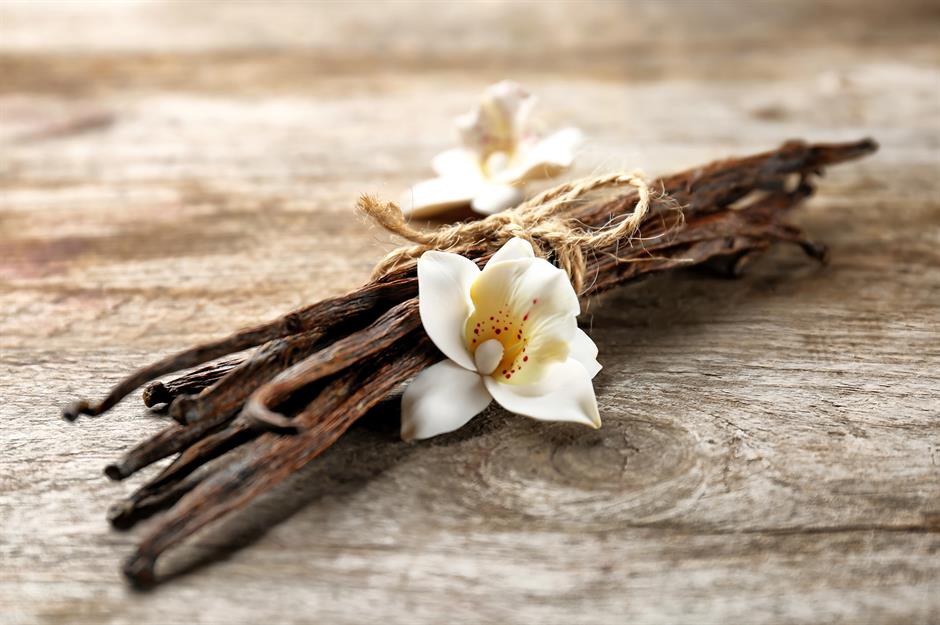
Vanilla originated over 2,000 years ago in Mesoamerica, where the Totonac people cultivated it and the Maya used it to flavour cacao drinks. Spanish explorers brought vanilla to Europe in the 16th century, where it quickly became a luxury item. However, cultivation was extremely difficult until Edmond Albius discovered how to hand-pollinate vanilla orchids in 1841. Today, vanilla is a staple in desserts worldwide, though its labour-intensive cultivation and climate sensitivity make it the world's second most expensive spice.
6. Bamboo salt
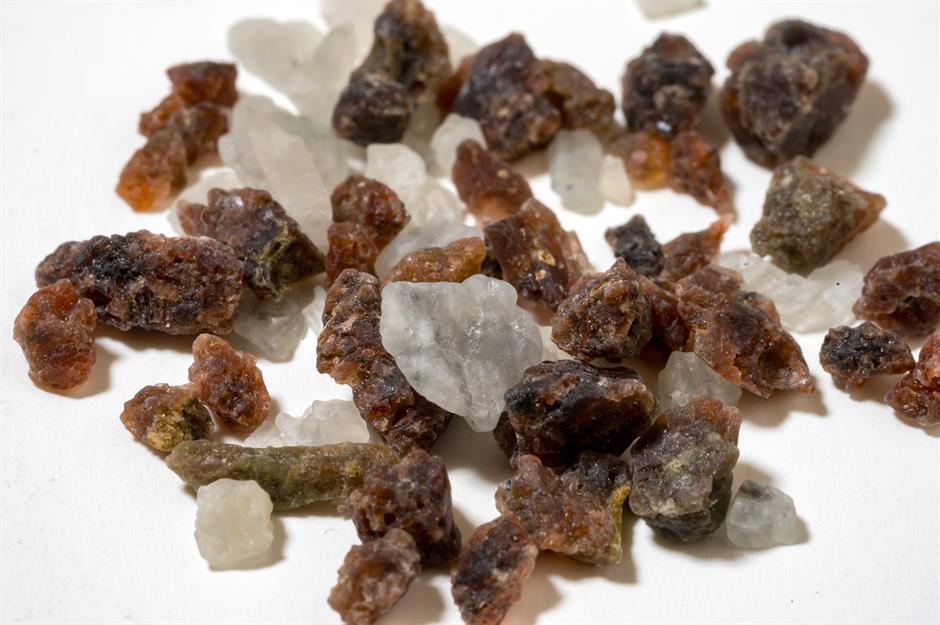
Bamboo salt – or jugyeom – originated in Korea nearly 1,000 years ago, developed by Buddhist monks as a medicinal remedy. It’s made by packing sea salt into bamboo tubes, sealing them with clay and roasting them up to nine times over pinewood fires. This labour-intensive process is said to infuse the salt with minerals and remove impurities. The most expensive variety, Amethyst Bamboo Salt, is roasted nine times and can cost up to $450 (£333) per 2.2lb (1kg). Its deep purple colour and rich mineral content make it prized for both culinary and therapeutic use.
5. Lobster
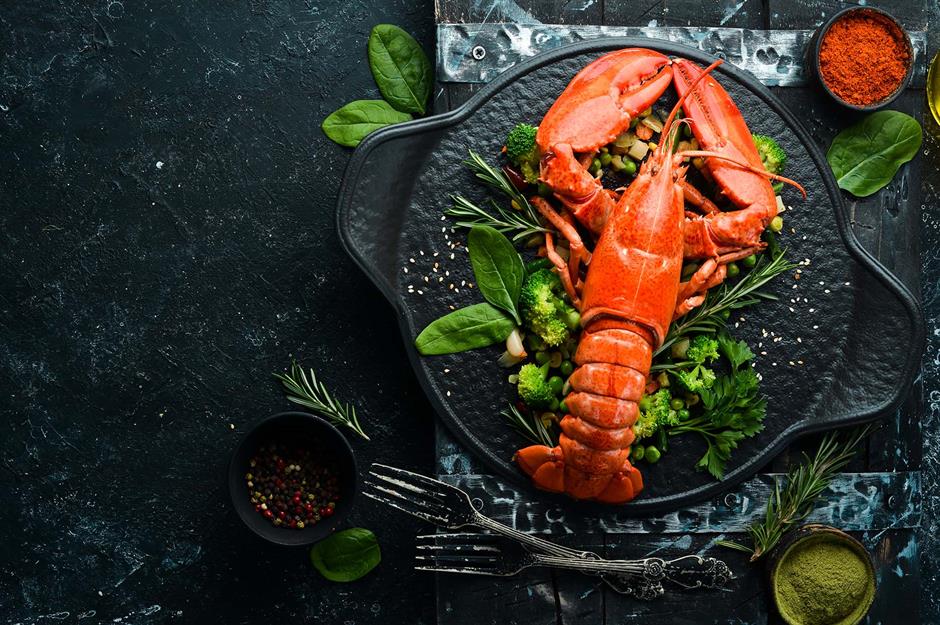
In colonial America, lobster was so abundant along the New England coast that it was considered an inexpensive staple, although reports of it being a low-class food have likely been overblown. Native Americans introduced lobsters to European settlers, who served them to prisoners on occasion. It was even used as fertiliser, fish bait and livestock feed. Today, it’s prized for its sweet, tender meat and features in upscale dishes like lobster thermidor and lobster bisque.
Sponsored Content
4. Beluga caviar
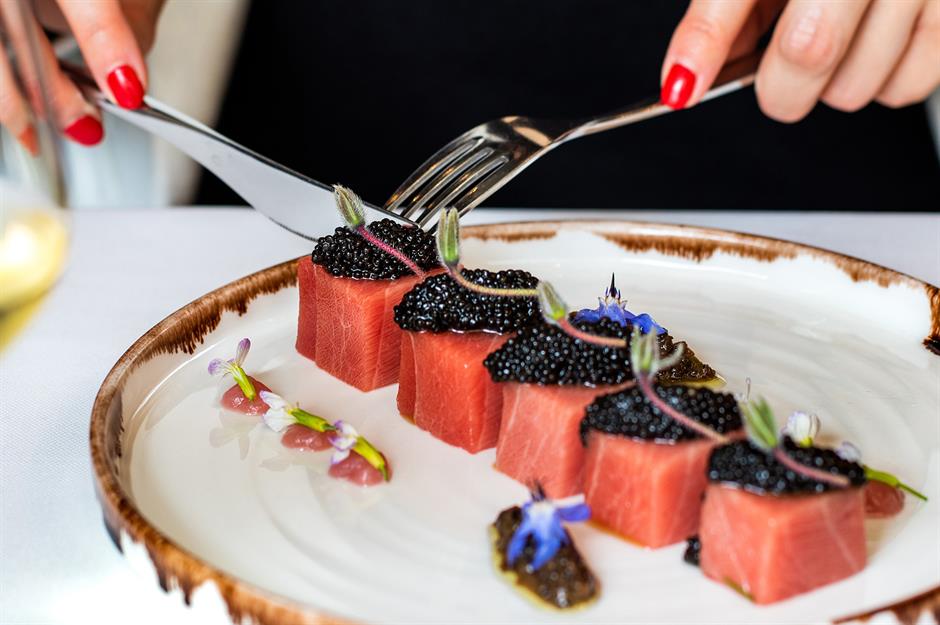
Beluga caviar, sourced from Beluga sturgeon living in the Caspian and Black Seas, has been revered for thousands of years. Ancient Persians prized it for strength and longevity, while Greeks and Romans served it at feasts. In medieval Russia, however, fishermen ate it with porridge as a humble staple. Its status rose when Ivan the Terrible developed a fondness for it and by the 19th century, it became a luxury across Europe. Today, Almas caviar – made from rare albino Beluga – is the most expensive.
3. Elvish honey
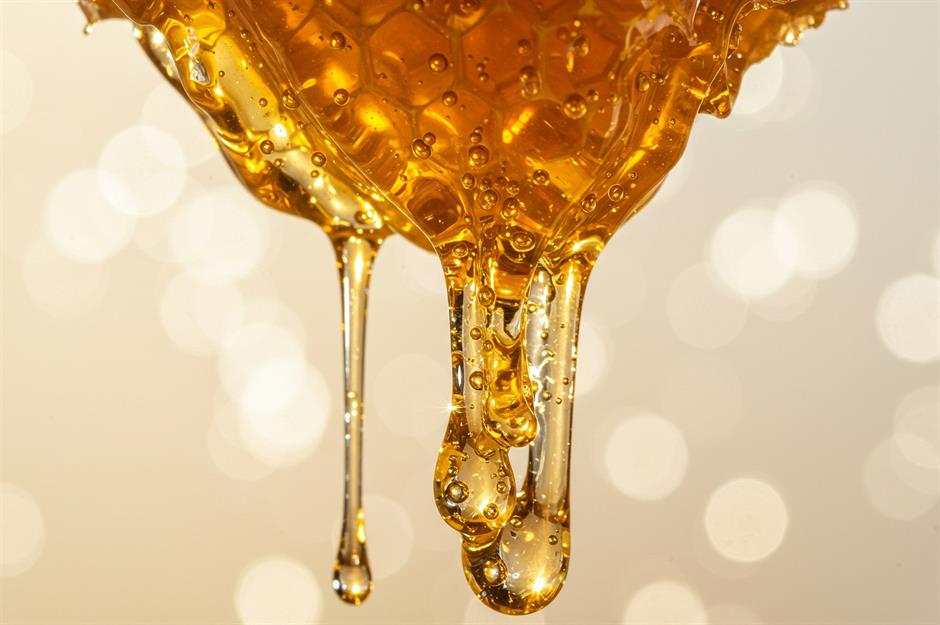
Elvish honey, harvested from deep caves in Artvin, Türkiye, is among the rarest and most expensive honeys in the world. Its production is exceptionally challenging – beekeepers must rappel 5,905 feet (1,800m) into rocky caverns to reach the hives. Made by Caucasian bees foraging on medicinal mountain plants, the honey is rich in minerals and prized for its healing properties. With only a small amount produced annually, it commands prices from $6,800 (£5,028) to over $16,000 (£11,832) per 2.2lb (1kg).
2. Jamón Ibérico de Bellota
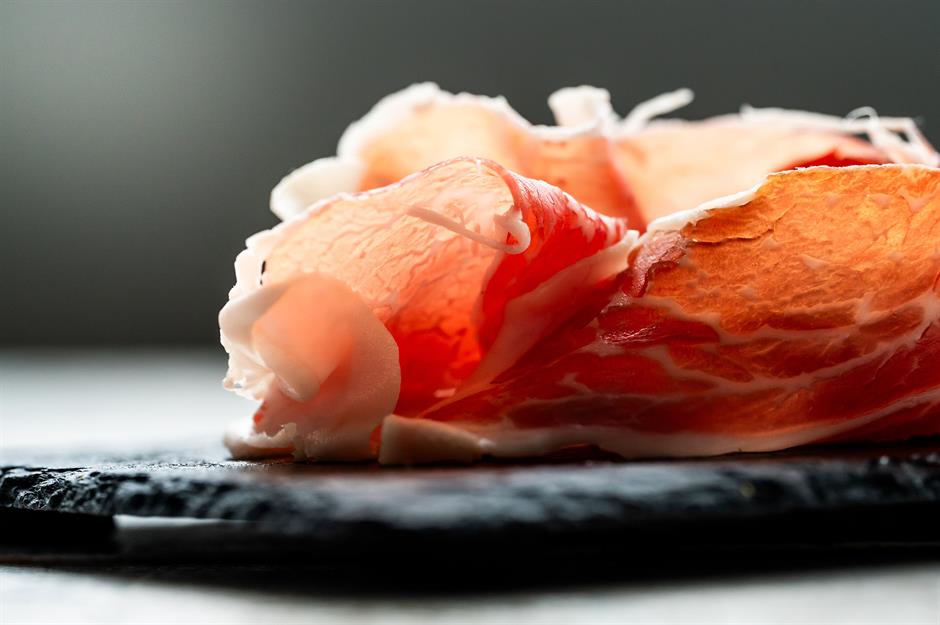
Jamón Ibérico de Bellota, Spanish cured ham, traces its roots back to ancient Iberian traditions. Made from free-range Black Iberian pigs that snuffle through oak forests and feast on acorns (bellotas), the meat is infused with rich, nutty fat thanks to the pigs’ diet and exercise. Cured for up to 48 months, the ham must follow strict rules regarding geographical region, pig breed, diet and curing process. Once a regional speciality, it’s now a global delicacy.
Sponsored Content
1. Abalone
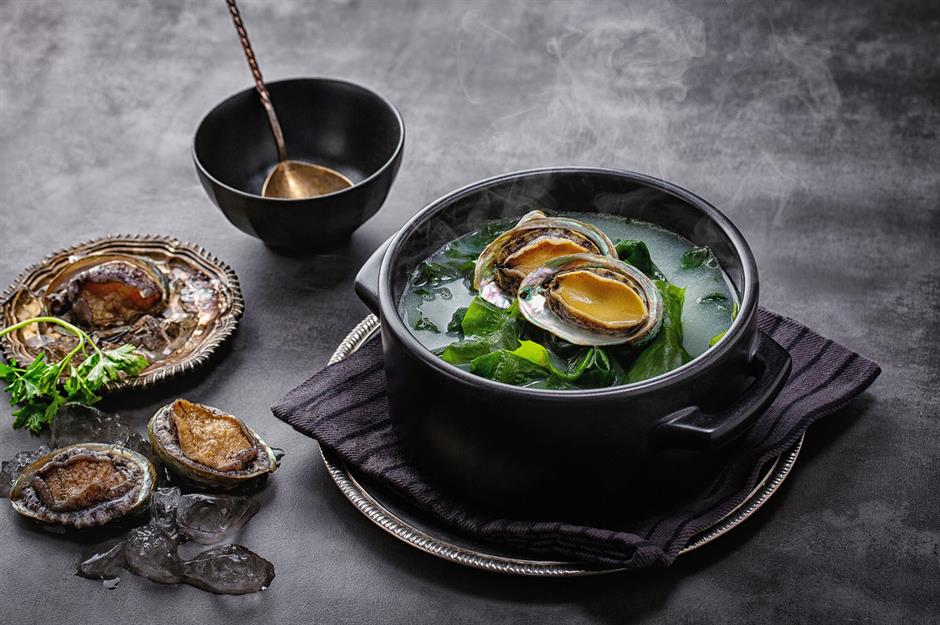
Coveted for its sweet, firm flesh and subtle mineral flavour, abalone has been eaten since prehistoric times in Japan, where female freedivers traditionally harvest the delicious mollusc. It was also a mainstay for generations of indigenous communities living along North America's Pacific coast who used the iridescent shells in art and as tools and ornaments. Unfortunately, overfishing, climate change, pollution and disease have decimated the world's wild abalone population. It's now incredibly rare and expensive, and most of us will only ever taste farmed abalone.
Now learn about the famous sauces that made their inventors rich