Kitchen gadgets that sold big and made a fortune
Gadgets that struck gold
From the cult classics of retro infomercials to today’s viral social media sensations, the bestselling kitchen gadgets of the past few decades haven't just changed how we cook – they've made fortunes. Whether built for health, speed or sheer convenience, each one has turned a clever culinary idea into a commercial goldmine, often pioneering fresh business models and marketing strategies along the way. Here, we spotlight the ingenious devices that prove there’s big money in small appliances.
Click or scroll through our gallery to discover 9 kitchen gadgets that sold big and made millions – and in some cases, billions.
SodaStream
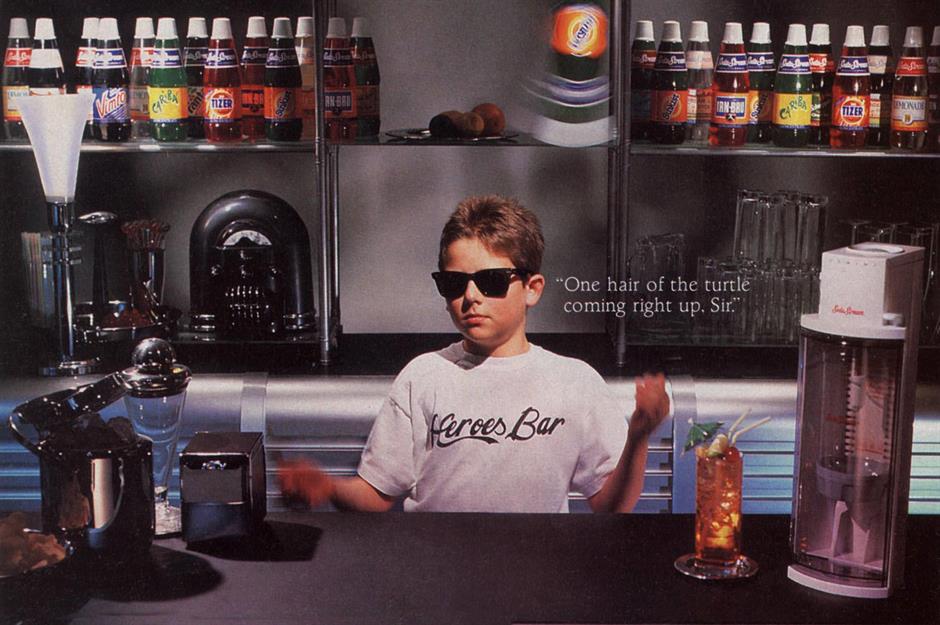
SodaStream’s story began in 1903, when English inventor Guy Hugh Gilbey patented an 'apparatus for aerating liquids' to serve carbonated water to upper-class guests – including members of the royal household. By the 1970s and 1980s, the gadget had gained a devoted following, with compact home versions becoming a fixture in British and Australian kitchens, helped along by the nostalgic slogan 'Get busy with the fizzy'. After a brief stint under Cadbury Schweppes in the 1980s, the brand was acquired by Israeli company Soda-Club in 1998. It was relaunched worldwide with new machines and flavours, reaching 41 countries.
SodaStream
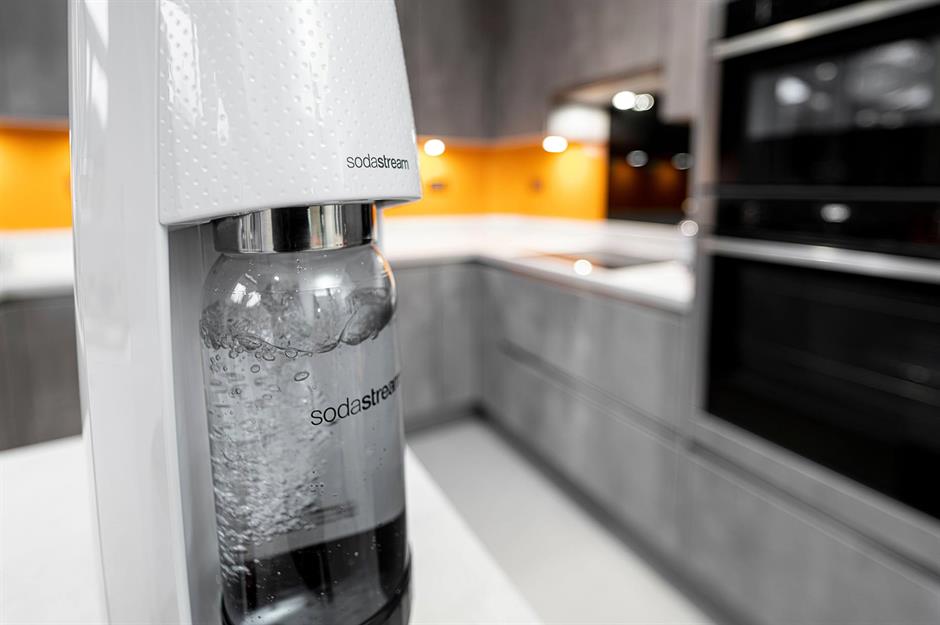
The brand's simple refill model turned carbonated water into a repeat-purchase success while positioning it as an eco-friendly alternative to bottled drinks. SodaStream went public in the United States in 2010, allowing people to buy shares in the company for the first time. Sales surged: in the US, revenue leapt from $4 million in 2007 to $40 million in 2011 (equivalent to about $57 million/£43m today). By 2017, global revenue had soared to $543 million (£407m) – and the following year, PepsiCo acquired the brand for $3.2 billion (£2.4bn).
Sponsored Content
Crock‑Pot
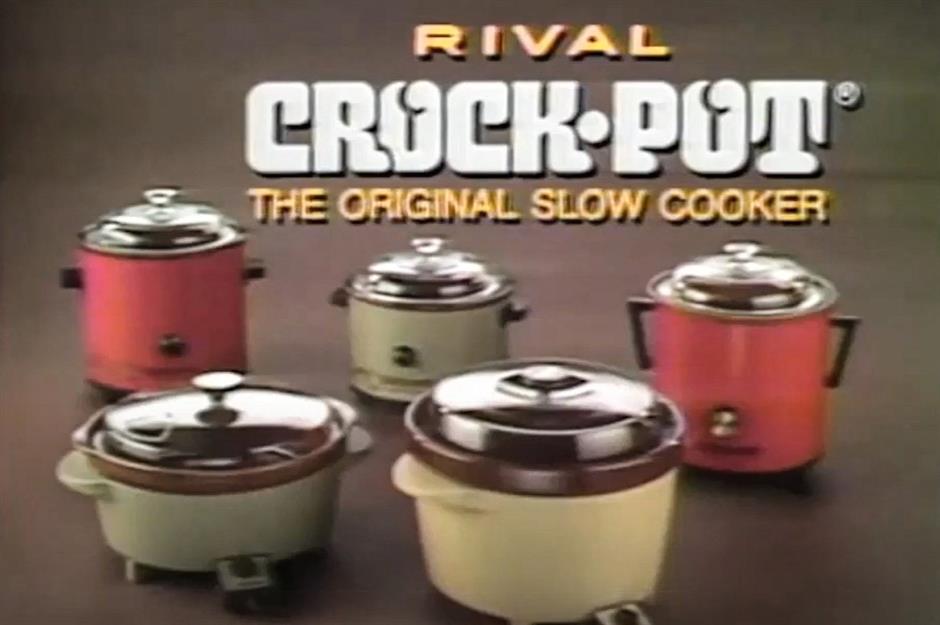
The Crock-Pot’s story began in 1940, when Jewish inventor Irving Naxon patented a slow-cooking device inspired by his grandmother’s memories of cholent – a hearty beef stew left to braise in unstoked bread ovens on the Sabbath. In 1971, Kansas City–based Rival Manufacturing acquired Naxon’s design, rebranded it as the Crock-Pot and debuted it at a houseware show later that year. Available in fashionable shades like harvest gold and avocado, the plug-in pot was marketed with the promise of set-it-and-forget-it cooking, ideal for busy households craving homemade meals without the hassle.
Crock‑Pot
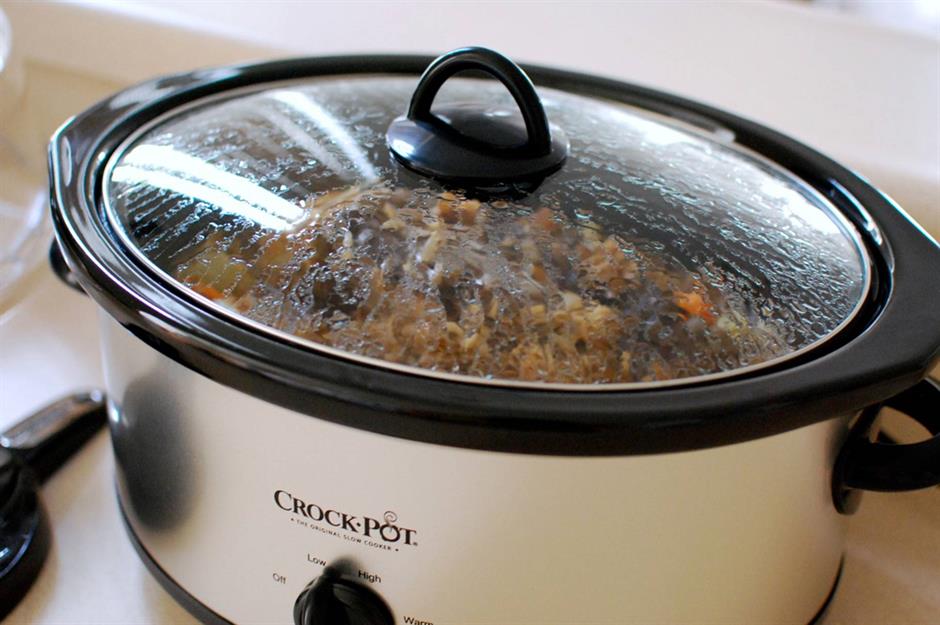
The Crock-Pot was a hit from day one: sales reached $2 million in its first year – about $15.9 million (£11.9m) today – and skyrocketed to $93 million within just four years. Rival fuelled the boom with a full-throttle marketing push, from TV commercials and recipe booklets to glossy print campaigns, showing busy families how to slow cook Midwestern American favourites like brisket and casseroles – along with quirky signature dishes such as Pork Chop Abracadabra and Busy Woman’s Roast Chicken. Today, the global slow-cooker market remains a lucrative business, valued at $1.83 billion (£1.4bn) in 2023 and projected to climb to $2.7 billion (£2bn) by 2030.
Breadmaker
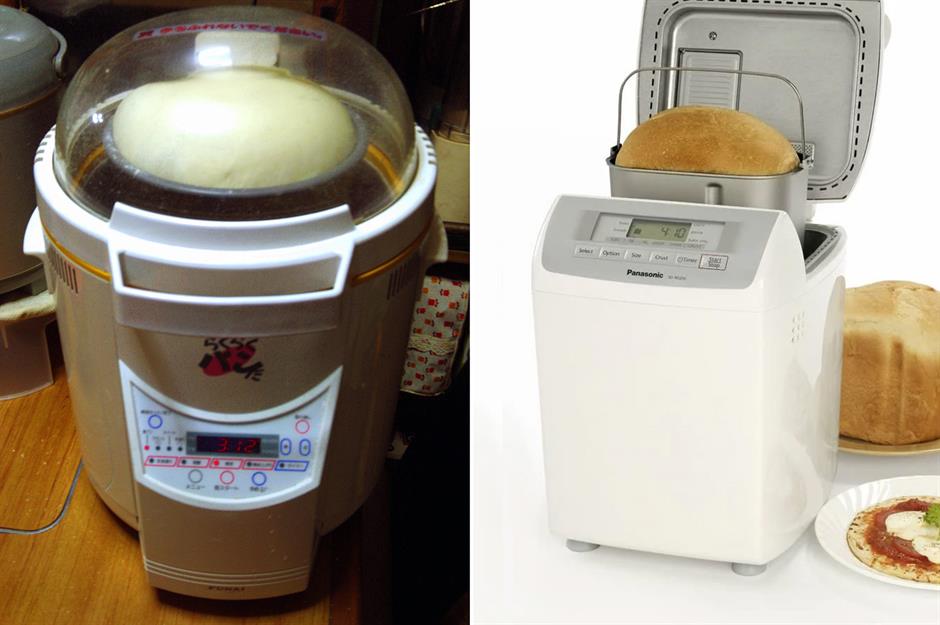
The first at-home bread machine was invented in 1986 by Panasonic (then known as Matsushita Electric) in Japan. Project engineer Ikuko Tanaka oversaw its development after studying traditional baking techniques with the head baker at the Osaka International Hotel. The resulting design featured internal ribs for perfect kneading and a timed stage for dough rising – all in a single countertop unit. It took a few years after launch and a substantial price drop before the breadmaker rose to popularity among households craving fresh, homemade loaves without the elbow grease.
Sponsored Content
Breadmaker
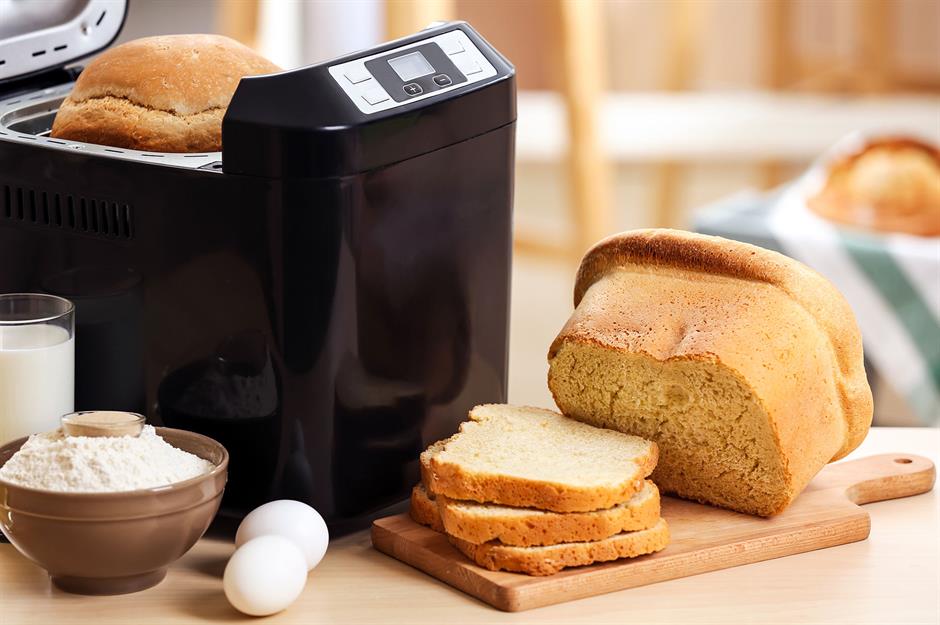
By 1993, breadmakers were selling like hot cakes: an estimated three million units were in American homes, climbing to roughly one in five US households by the late 1990s. Panasonic dominated the early market, later joined by brands such as Zojirushi, Breville and Cuisinart. The early 2000s brought a slump as low-carb and gluten-free trends deflated demand; however, since the COVID-19 pandemic, the appetite for homemade bread has been on the rise again. In 2024, the global breadmaker market was valued at around $440 million (£329m), and it's forecast to exceed $756 million (£566m) by 2034.
Juicer
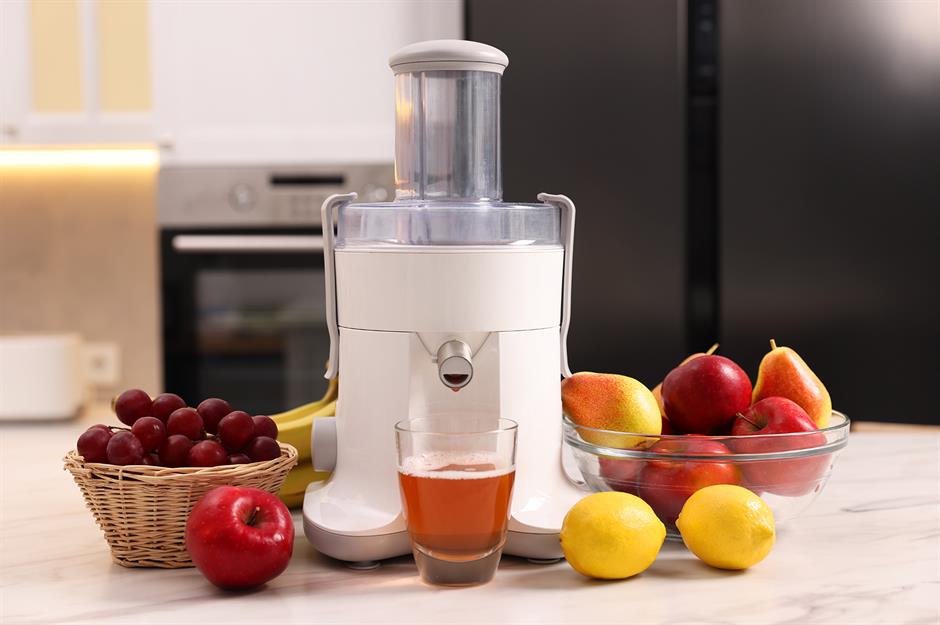
Juicers have been around since the 1930s, but it took the 'Godfather of Fitness' to unlock their money-making potential. In the late 2000s, American fitness and nutrition icon Jack LaLanne became the face of the Power Juicer, sold by Tristar Products, using charisma and catchy slogans to move over two million units via late-night TV. A few years later, Breville’s Juice Fountain brought cold-pressed-style juice to the wellness crowd. Together, these must-have gadgets helped transform juicing from a niche hobby into a billion-dollar trend.
Juicer

Jack LaLanne’s Power Juicer alone sold over two million units in the early 2000s via direct-response TV, while Breville’s Juice Fountain reportedly saw a 100% sales spike after appearing in the 2010 documentary Fat, Sick & Nearly Dead (pictured). As juicing moved from niche to mainstream, brands leaned into wellness messaging and subscription models, proving that when it comes to kitchen gadgets, health sells. In 2023, the global juicer market was valued at $2.6 billion (£1.9bn), and it's projected to nearly double by 2033.
Sponsored Content
George Foreman Grill
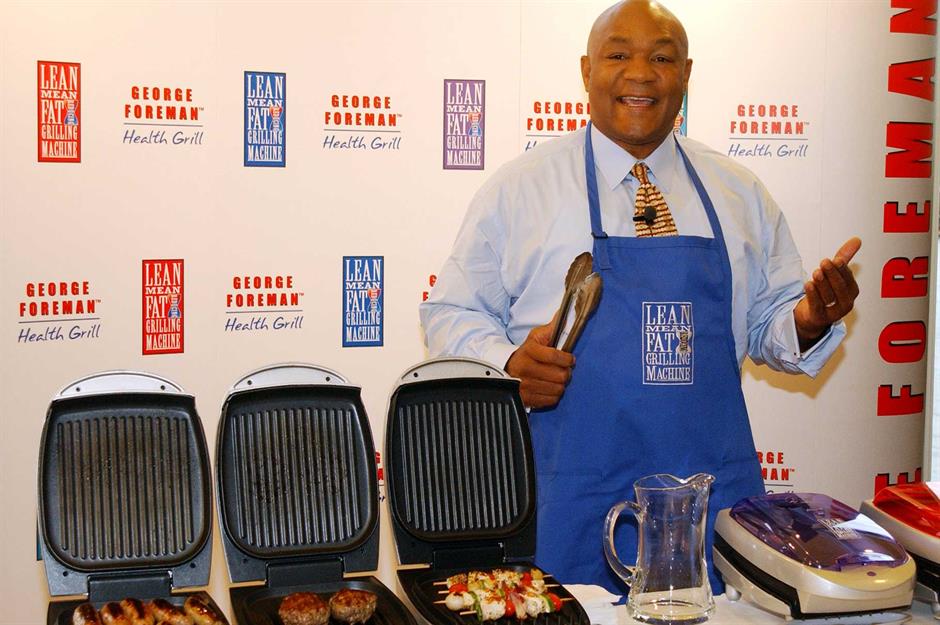
The George Foreman Lean Mean Fat‑Reducing Grilling Machine was invented in 1994 by American entrepreneur Michael W. Boehm in collaboration with Robert W. Johnson. Using a home camcorder, they filmed the grill – then called the Fajita Express – in action and pitched it to appliance giant Salton Inc. Its angled, double-sided hot plates allowed fat to drain away during cooking, making it an instant hit with health-conscious consumers. The grill went global when boxing legend George Foreman came on board as its spokesperson; his infomercials became a cultural phenomenon by the late 1990s, sending sales soaring.
George Foreman Grill
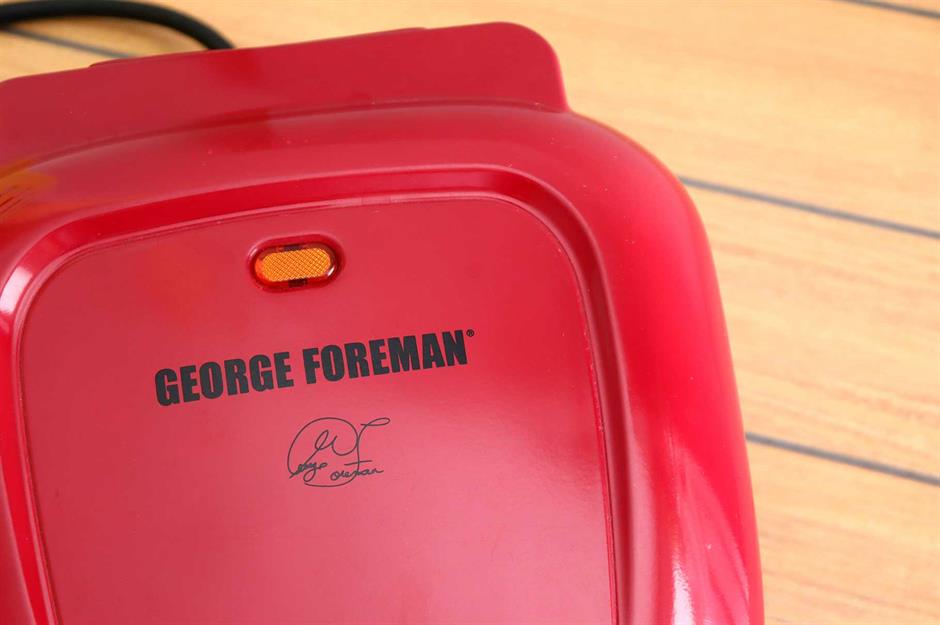
The grill may have trimmed fat, but it seriously padded George Foreman’s bank account. In 1999, Salton paid $138 million (£103m) for the rights to use Foreman’s name in perpetuity – equivalent to roughly $267 million (£200m) today. By the early 2000s, over 100 million grills had reportedly sold worldwide, turning a simple kitchen appliance into a heavyweight success story. Foreman later claimed he earned 'much more' than $200 million (£149m) overall, at one point raking in as much as $8 million (£6m) per month. By 2011, the grill was estimated to be in 15% of American households.
Magic Bullet

Launched in October 2003 by Alchemy Worldwide, the Magic Bullet was essentially the first viral blender. Co-created by home shopping veterans Lenny Sands, Brady Caverly and Jeff Clifford – with Mick Hastie as its charismatic on-screen pitchman – the blender’s compact, upside-down cup design let users whip up smoothies, salsas and muffin batter in just 10 seconds. The product achieved cult status thanks to an unconventional 30-minute infomercial set in a post-barbecue kitchen. Part sitcom, part cooking demo, it featured a cast of quirky characters requesting different drinks and dishes from the hosts. It may have been unorthodox, but turning the ad into a mini TV show paid off in a big way.
Sponsored Content
Magic Bullet
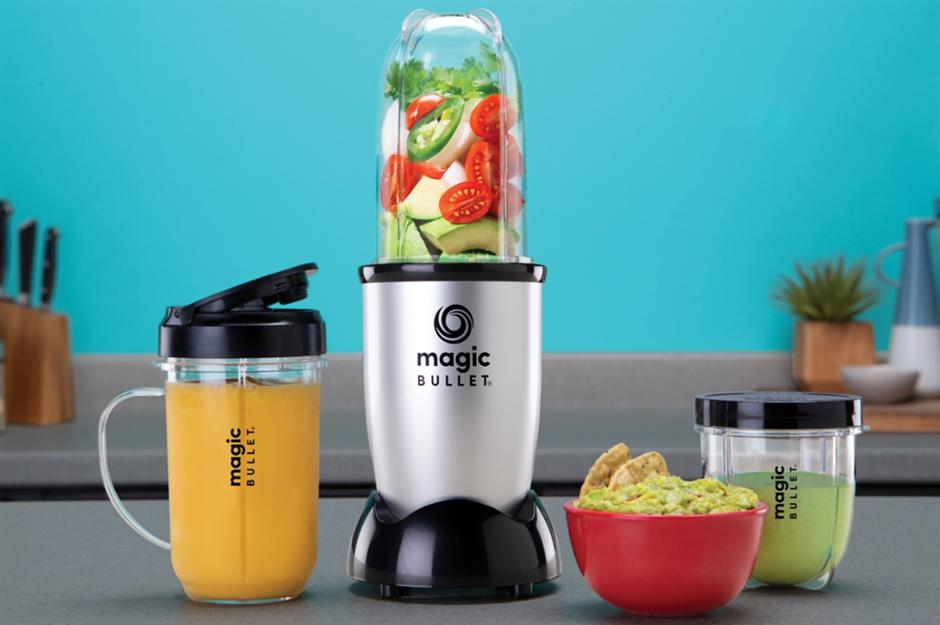
The Magic Bullet wasn’t just a kitchen gadget – it was a direct-to-consumer masterstroke. In just 17 months, it racked up $250 million (£187m) in revenue, fuelled by word of mouth, relentless TV spots and genuine curiosity. By 2016, more than 30 million units had been sold worldwide. Alchemy’s parent company, Homeland Housewares, even spent over $2 million in 2006 ($3.2m adjusted for inflation) chasing counterfeiters looking to cash in on its popularity. Years later, its sleeker, health-focused successor, the NutriBullet, would become the next kitchen obsession.
Instant Pot
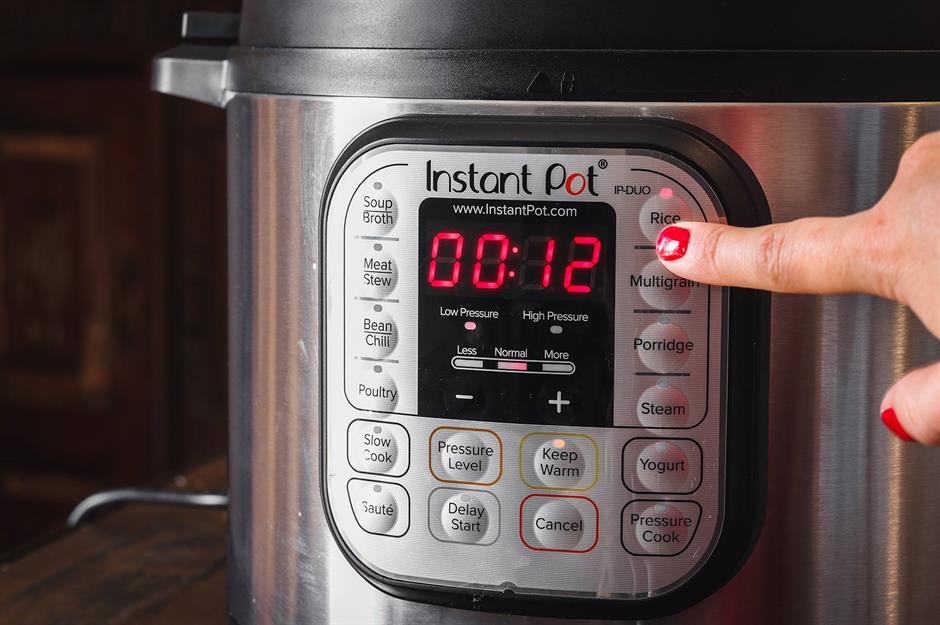
One of the biggest kitchen trends of the 2010s wasn’t cooked up by a chef – it came from a Canadian techie. In 2010, former software engineer Robert Wang teamed up with two friends to invent the Instant Pot. Their goal: to replace half of the average person's kitchen appliances with a single multitasking electric pressure cooker, using improved pressure sensors and microprocessors. The first model had six functions, appealing to a global audience with capabilities ranging from yogurt making to cooking perfect rice. Marketing focused on virality; 200 samples were sent to bloggers, user reviews were chased and aggressive discounts were offered, especially on Black Friday.
Instant Pot
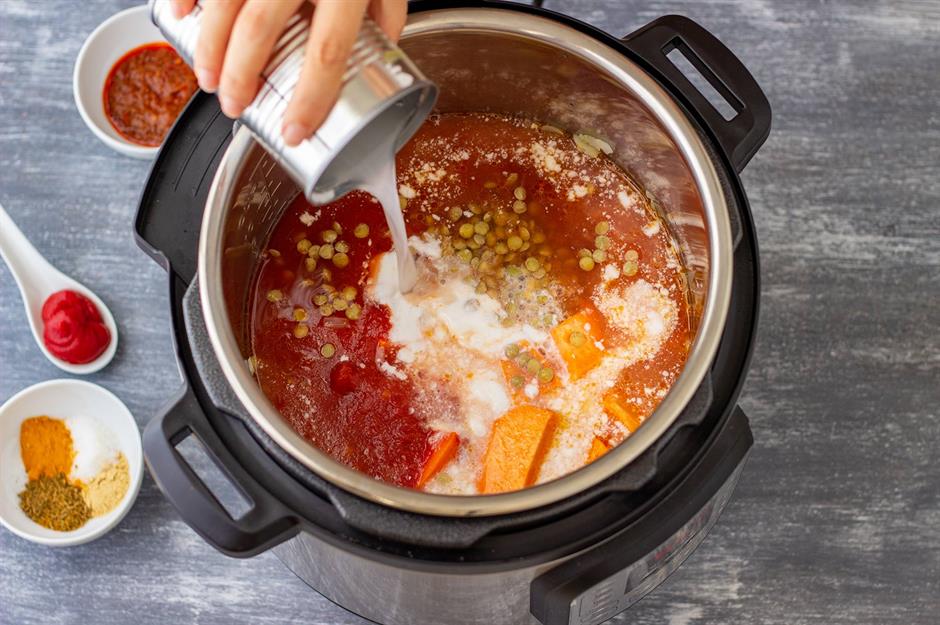
The Instant Pot became a sleeper hit with busy cooks, beloved for its convenience. In 2016, it topped Amazon Prime Day sales, with over 215,000 units sold in a single day – and two years later, it shattered that record, with 300,000 sold in just 36 hours. At its peak, the multicooker market reached $758 million (£590m) in 2020, with the Instant Pot leading the charge. While sales cooled after the COVID-19 pandemic, the brand had already built a full-blown kitchen empire, proving that, sometimes, the best-selling gadgets aren't flashy – they simply make dinner and get out of your way.
Sponsored Content
Air fryer
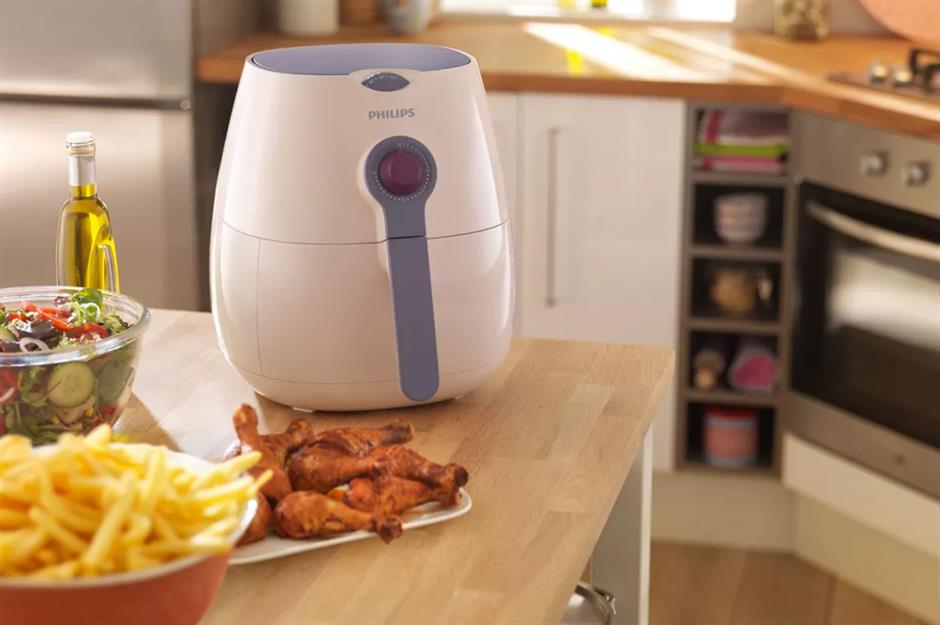
The air fryer was invented in 2010 by Dutch engineer Fred van der Weij, who teamed up with Philips to perfect a method of crisping food using hot, circulating air and minimal oil. Later that year, Philips unveiled the first model at the IFA electronics fair in Berlin, pitching it as a faster, healthier alternative to deep frying. With its compact basket design, easy cleanup and promise of a guilt-free crunch, the gadget quickly won over busy home cooks and health-conscious snackers alike.
Air fryer
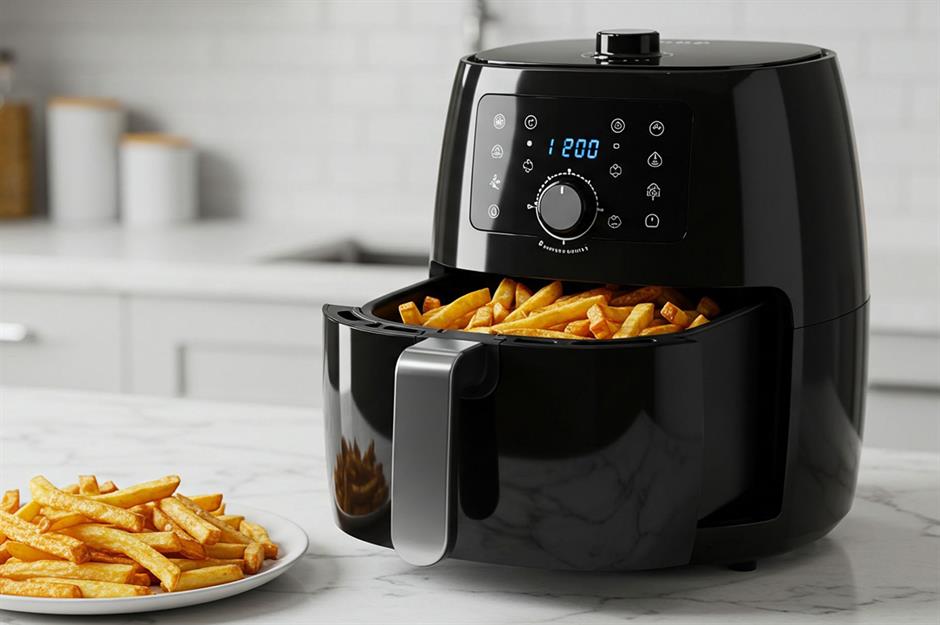
Air fryers became a bona fide blockbuster. Sales surged 76% between 2020 and 2021, with 25.6 million units sold and nearly $1 billion (£750m) in revenue, as home cooks sought healthier alternatives. By 2023, roughly 36% of US households owned one. In 2024, the global air fryer market was estimated at $1.28 billion (£960m), and it's projected to reach $2 billion (£1.5bn) by 2030. With its low-oil promise, ease of use and social media buzz, the air fryer became more than a gadget – it sparked a cooking revolution.
Velvetiser
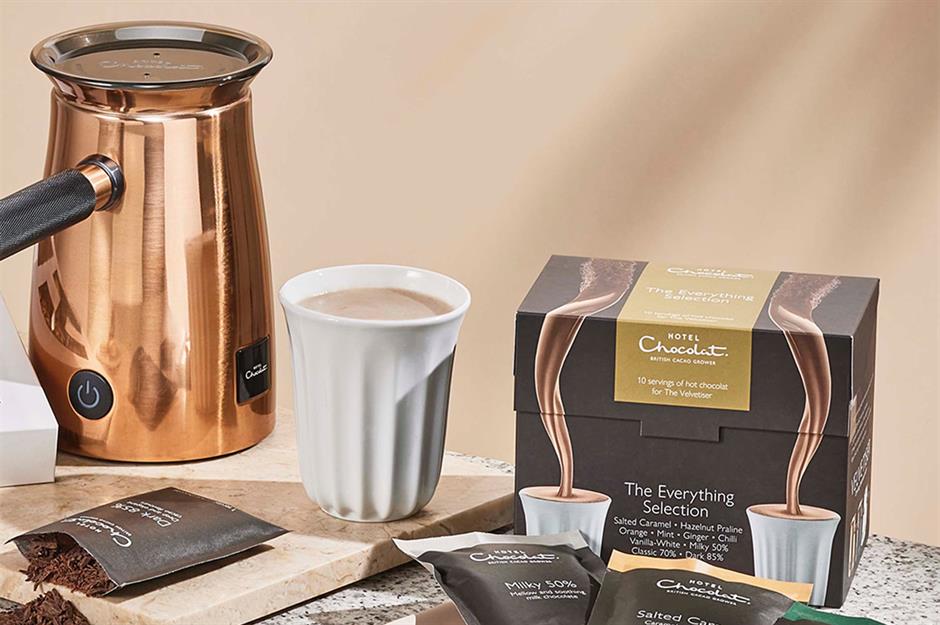
The Velvetiser was developed in 2018 by Hotel Chocolat co-founder Angus Thirlwell, in partnership with British appliance maker Dualit. Designed to create smooth, café-style hot chocolate at home, the $140 (£110) gadget marked the brand’s move into kitchen tech. Its minimalist design and intuitive functionality made an immediate impression. By Christmas 2020, the Velvetiser had become a customer favourite – and thanks to word-of-mouth buzz, it had secured its place as the must-have kitchen gadget, topping foodies’ Christmas lists.
Sponsored Content
Velvetiser
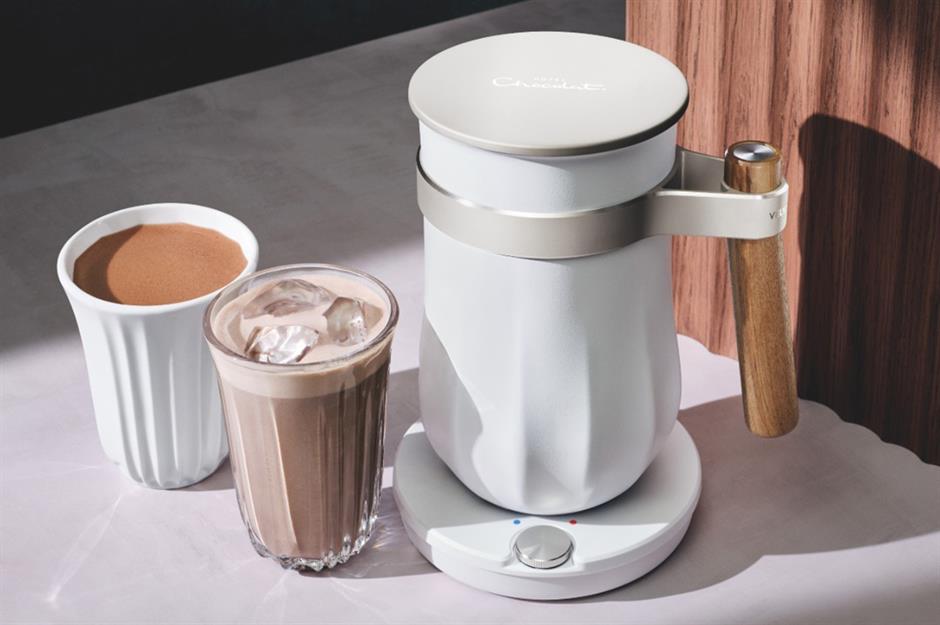
In late 2023, Hotel Chocolat told Forbes that nearly one million UK households owned a Velvetiser, with that number expected to be surpassed within six months. The device helped boost the brand’s revenue to $288 million (£226m) by 2022, up from $168 million (£132m) in 2018. A key factor in its success was the launch of a curated monthly subscription for its signature chocolate flakes, along with new flavours like Dark Mint and a vegan option, encouraging repeat monthly purchases. In 2024, the company was acquired by Mars for $661 million (£534m). A redesigned Velvetiser, featuring a cold drinks functionality, is set to launch in 2025.