20 foods you didn't realise were high in salt
Sneaky sodium
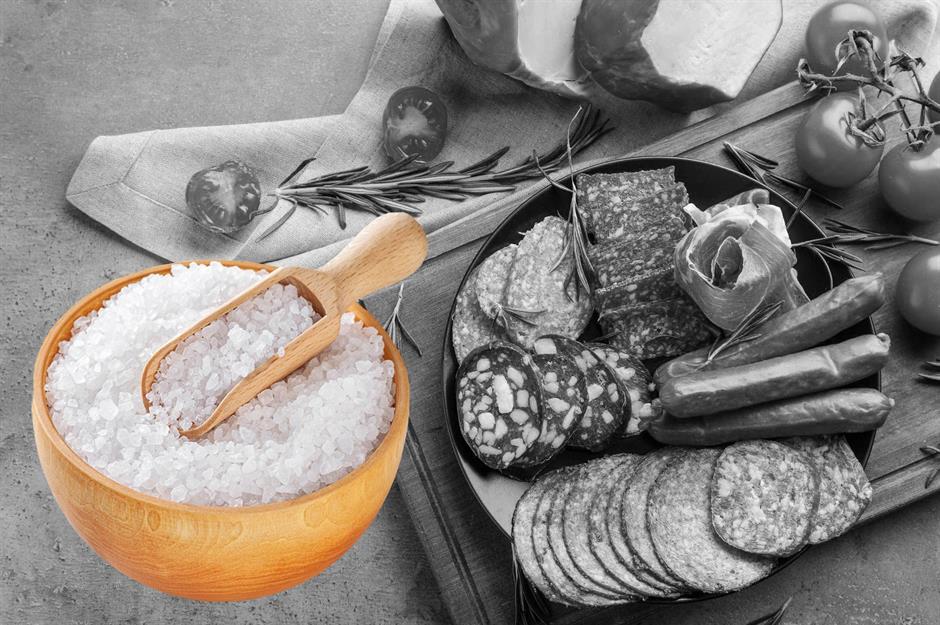
While we all know that crisps are a major culprit when it comes to upping our salt intake, there are a number of other foods that you might not realise are full of added salt and sodium-enhanced additives. Diets with high levels of salt can cause high blood pressure, increasing the risk of heart attacks and strokes, meaning that we should all be wary of consuming these items regularly. From baked beans to breakfast cereals, here we reveal the common foods that are surprisingly high in salt.
Click or scroll through our gallery to discover the everyday foods that are high in salt, counting down to the most unexpected of all.
For this gallery we used UK NHS guidelines for salt intake. The UK recommendation is that an adult should have no more than 0.2oz (6g) of salt a day, and children aged between seven and 10 years no more than 0.1oz (5g). The World Health Organization and FDA guidelines for salt intake are very similar.
20. Instant noodles

Featuring no ‘real’ ingredients, instant noodles can have a harmful effect on the body. Low in fibre and protein and known to cause havoc in the gut, they are packed with sodium, monosodium glutamate (MSG) and other preservatives to increase their shelf life. An average pot of Cup Noodles Original in the US contains a staggering 0.05oz (1.5g) of sodium, while a Pot Noodle Chicken & Mushroom in the UK boasts a whopping 0.07oz (1.9g). Switch to using dried or fresh noodles, quick-to-cook vegetables and non-refined proteins like chicken, tofu and shellfish for a healthier, more nutritious meal.
19. Ready meals
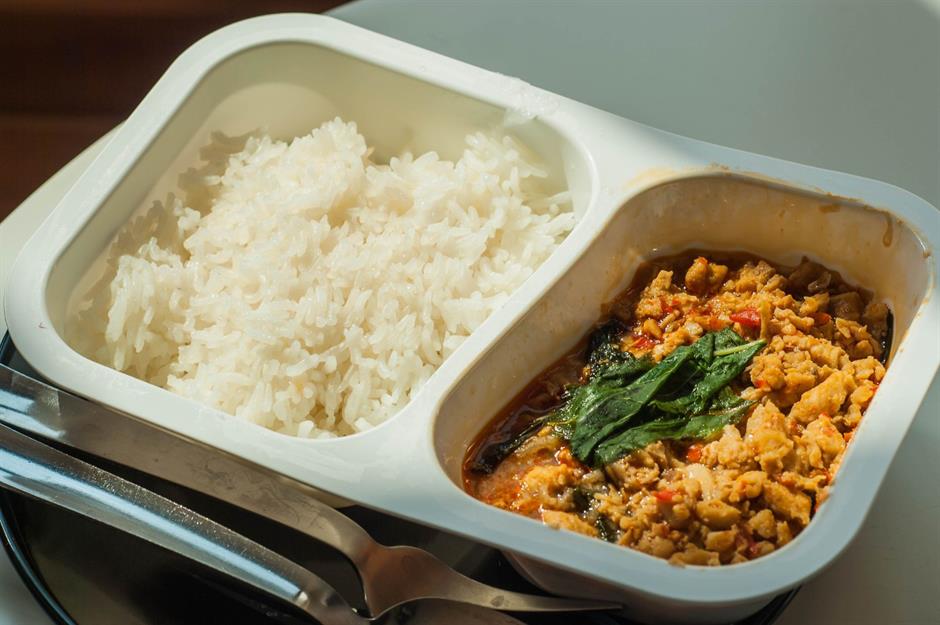
From creamy mac ’n’ cheese to sticky ribs, you can get just about every dish in ready meal format these days – but it’s worth noting that although they are convenient, they can often be loaded with preservatives, emulsifiers and flavour enhancers, not to mention copious amounts of salt and sugar. It’s worth checking labels carefully when shopping for pre-made meals; if a box says it contains 20% DV (daily value) serving of salt, it’s considered high by the FDA (United States Food and Drug Administration).
Sponsored Content
18. Tinned and instant soups

The ultimate sick day pick-me-up, a can of warming soup is pure comfort food for many, but that does come at an alarming price. An average half can portion of Heinz Cream of Tomato Soup in the UK contains 0.04oz (1.1g) of sodium, while the same serving of Campbell’s Cream of Mushroom in the US features 0.05oz (1.3g) of salt. Many individuals don't stick to this serving size either and instead consume a whole can per meal, often alongside bread or salty croutons, taking the sodium count to new heights. Classified as an ultra-processed food, instant soups are even worse for your health.
17. Stock cubes
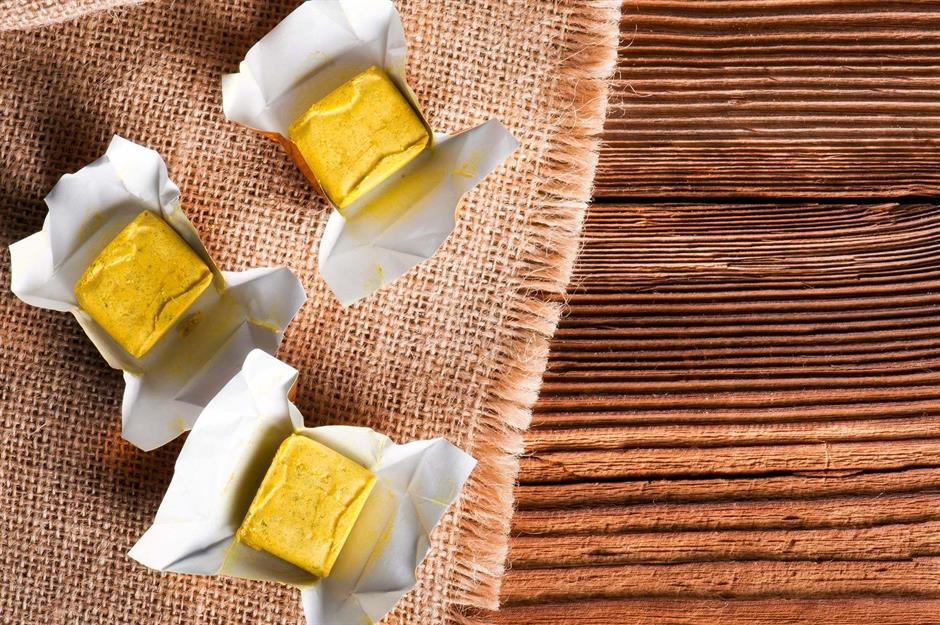
From adding flavour to hearty soups to loosening up thick casseroles, stock cubes can be a lifesaver when you’re in a time pinch – but they’re also packed with ingredients that can be damaging to your health. These store-bought stocks often have an alarming amount of salt and in some instances, a single cube can contain around 0.14oz (4g) of salt (before being diluted). Homemade broths prepared using leftover meat or fish bones, juices from roasting meat and even vegetable scraps are a lot healthier and tastier, and they can be made in advance and frozen until needed.
16. Canned vegetables
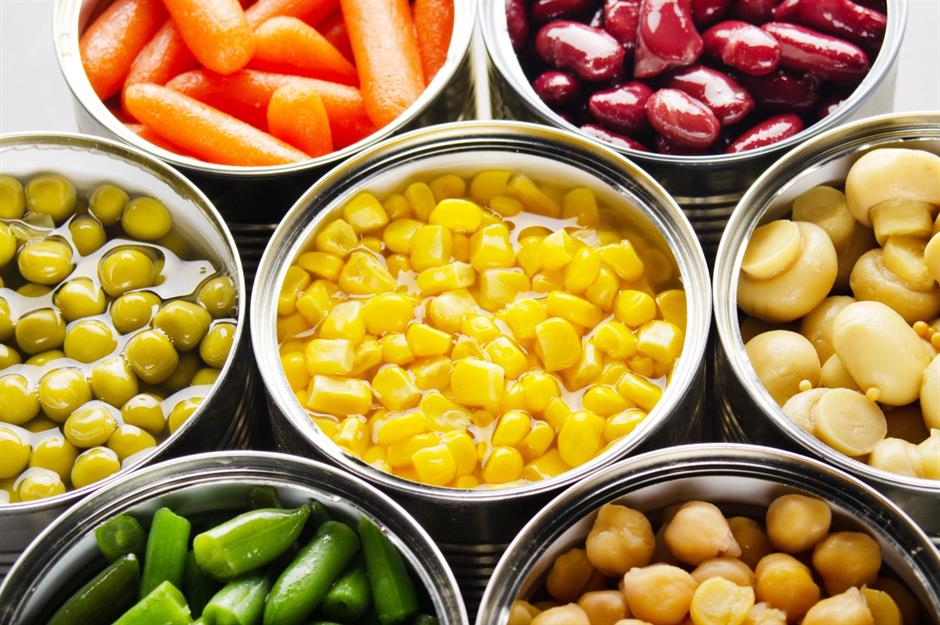
Handy when time is tight and with a longer shelf life than fresh varieties, canned veggies are a convenient option to have in the kitchen cupboard. It’s worth being wary of their salt content, though, as it can be incredibly high. An easy way to reduce the sodium percentage is to drain and rinse the vegetables thoroughly with water before consuming. Alternatively, switch to frozen or fresh veg to dramatically reduce the salt content.
Sponsored Content
15. Gravy granules
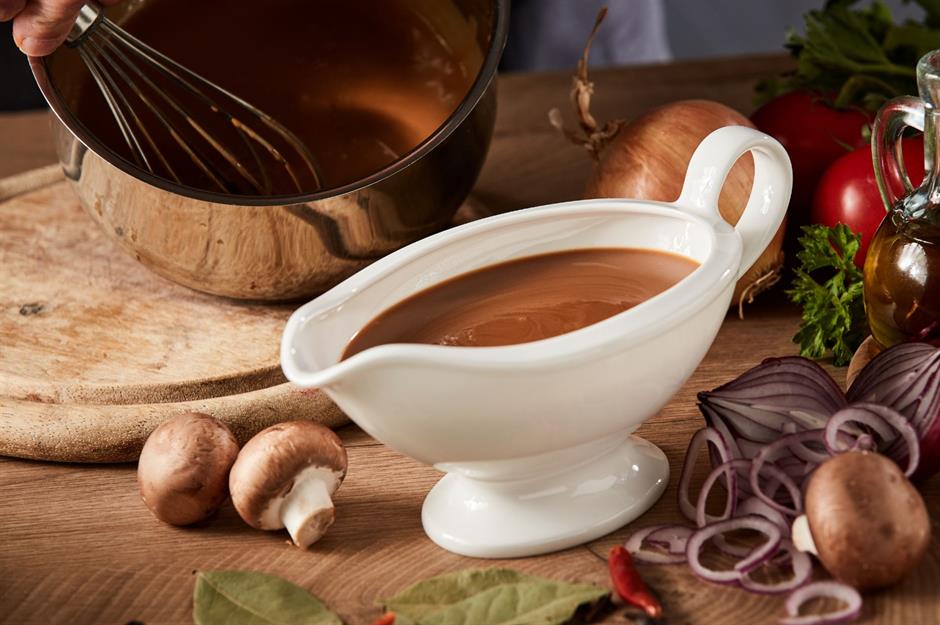
Packed out with pesky emulsifiers, additives and flavour enhancers – including excess salt – instant gravy granules are ultra-processed and can severely disrupt your gut health. While they can be useful when you need to moisten up slow-roasted meats or add depth of flavour to a savoury stew or pie, you’re better off making your own from scratch. Use the juices from your roasted meat joint, thicken up the jus with water and flour, and add in your choice of herbs.
14. Canned meat and fish
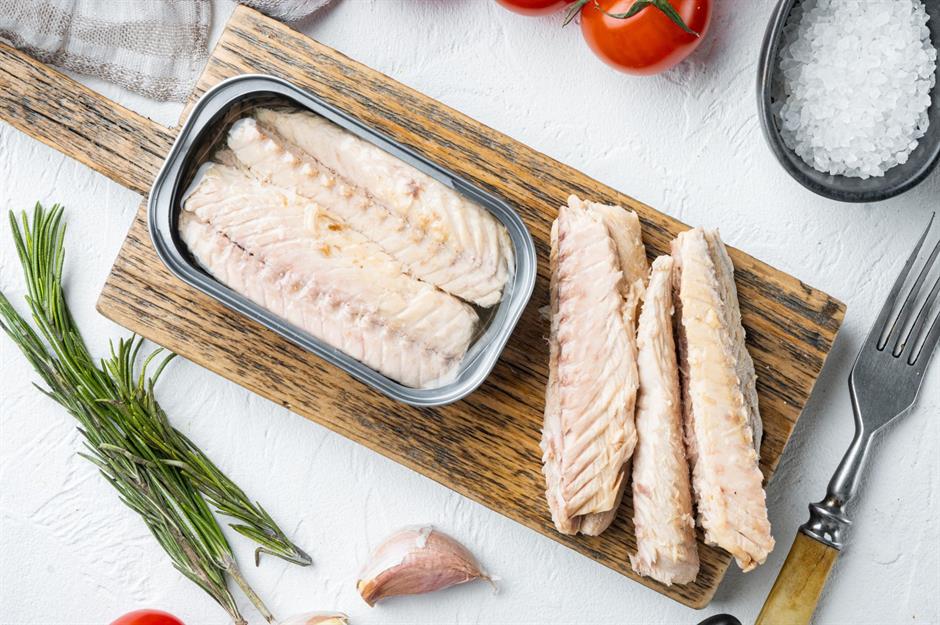
Much like canned vegetables, tins of meat and fish typically contain higher levels of sodium than their fresh counterparts. This is due to the canning process and, in some instances, the use of flavour enhancers. Cured canned meats like SPAM meanwhile tend to be even higher in sodium, with the average 3.5oz (100g) serving containing 0.08oz (2.4g) of salt.
13. Salad dressing
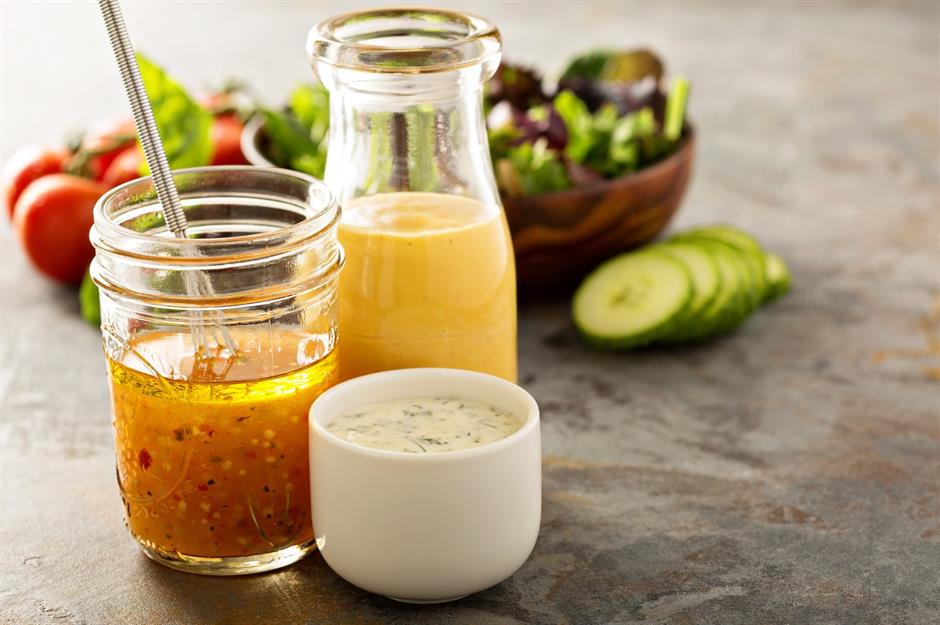
Salad dressing, from sweet honey and mustard to zippy French vinaigrette, can transform a salad, so it’s easy to see why so many of us reach for store-bought bottles to liven up a quick lunch. Sadly, these pre-made options often come with added ingredients to increase shelf life and taste. Some even contain sodium-based additives, like MSG and the inclusion of further salt is often the case in low-fat options, too. Mix up your own at home for a tastier, healthier option – olive oil combined with an acid, such as balsamic vinegar or lemon juice, will do the job perfectly.
Sponsored Content
12. Pre-made sauces
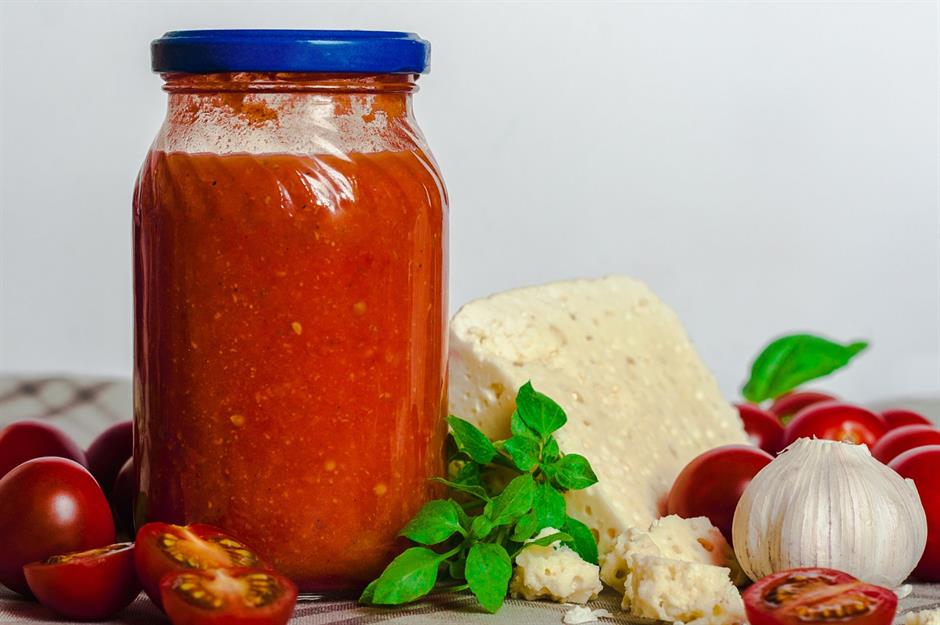
Take a peek inside the average kitchen store cupboard and you’ll likely find a few jars of pasta sauce, packets of stir-fry mix and a can or two of tomato-based pizza sauce lining the shelves. These handy products were created with convenience in mind, but it’s worth taking a good look at the ingredients lists. Pre-made sauces are often crammed with ingredients you won’t recognise, as well as flavour boosters including salt and MSG.
11. Biscuits

Your 3pm tea and biscuit break could be causing you more harm than you realise. Not only are your favourite biscuits and cookies filled with sugar and sweeteners, but they happen to be high in salt, too. According to a study conducted by Action on Salt UK, 90% of the biscuits examined (including major brands) featured the amber colour rating on the nutrition label for salt content (meaning they contain medium levels of salt) and a red (high) colour rating for sugar percentage.
10. Baked beans
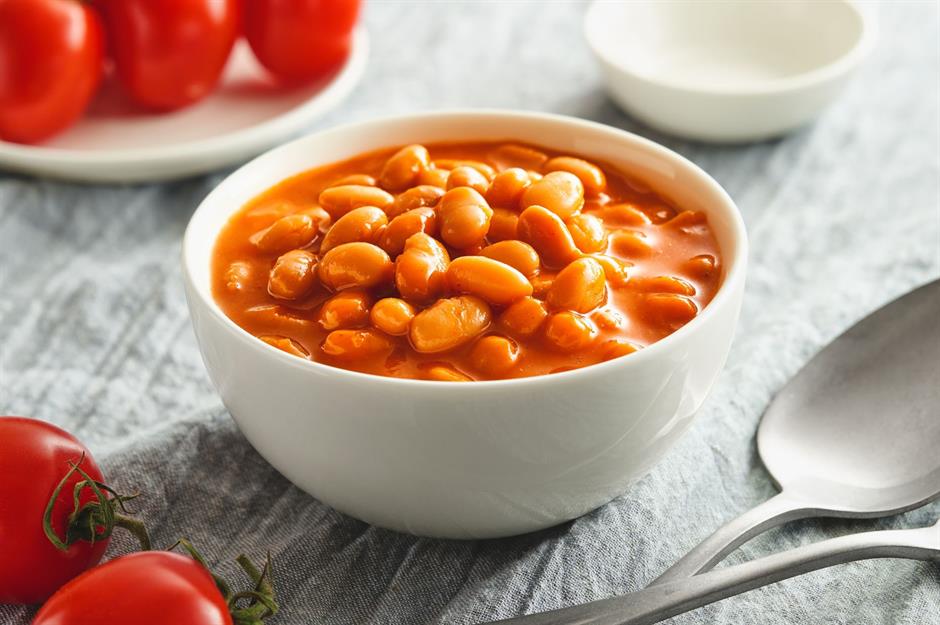
Whether you enjoy yours piled over a crisp-skinned jacket potato or as part of a cooked breakfast, baked beans are high in fibre, protein and nutrients, like magnesium, zinc and vitamin B6. It’s worth being wary of their salt content, though, as an average tin can contain upwards of 0.03oz (1g) of salt; in addition, beans are often eaten alongside other salty foods like white toast, bacon and sausages. Choose options with no added salt or sugar, or try making your own from scratch for better ingredient control.
Sponsored Content
9. Plant-based meats
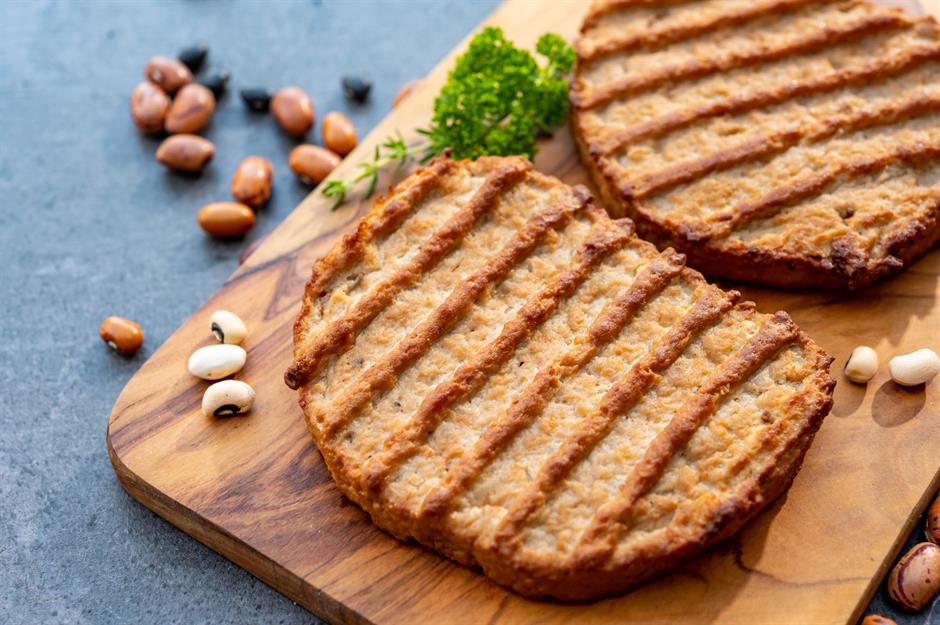
From pea protein–packed burgers to salty ‘bacon’ rashers, the vegan food market is full of innovative meat alternatives. Although they may appear healthier on the surface, a lot of plant-based proteins are overly processed with lengthy ingredient lists and the sodium content is often on the higher side, as it’s used as a flavour enhancer. Instead, play around with plant-based proteins like tofu and lentils and boost their flavour with your favourite herbs and spices.
8. Deli and cured meats
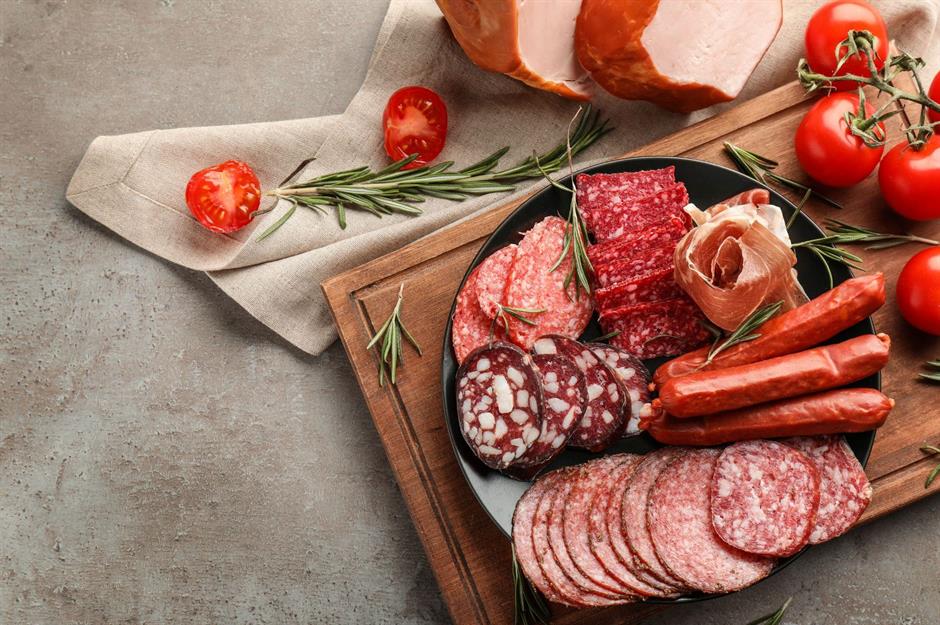
While deli and cured meats like salami are a source of protein, these sandwich fillers have a high salt content. Some luncheon meats even contain sodium-packed additives and preservatives, so you only need to consume a couple of slices for the sodium count to really clock up. Instead, switch to fresh chicken or turkey slices, use up leftover roast meats in your sandwiches, or try out plant-based proteins like tofu.
7. Ketchup
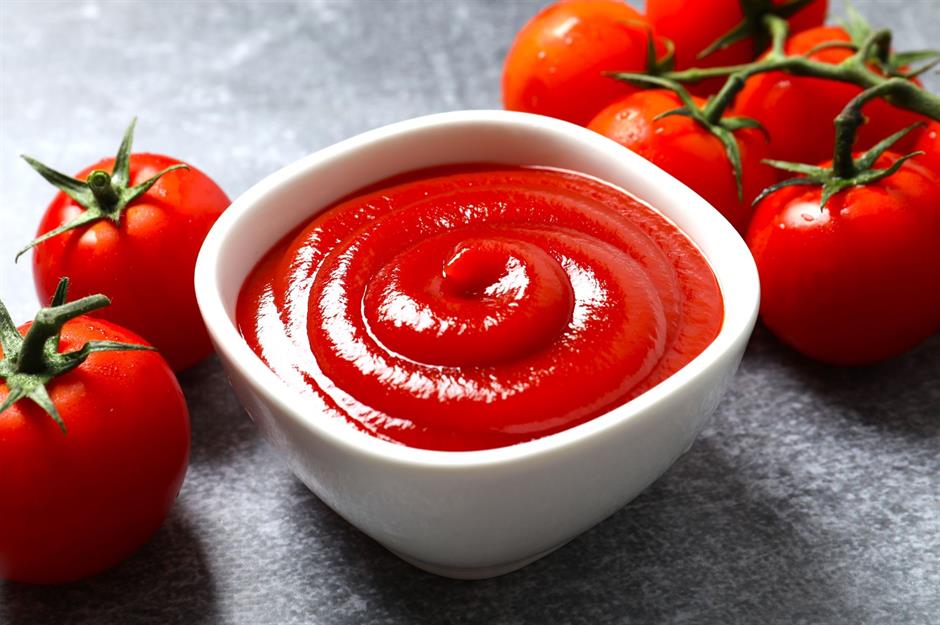
Smothered on a hot dog, slathered across a bacon sandwich, paired with a portion of crisp, golden fries... ketchup is the perfect accompaniment to many of our favourite foods. While it can be enjoyed as part of a healthy diet when eaten in moderation, tomato ketchup, like most processed condiments, is often high in both salt and sugar. In the UK, an average 15g serving of Heinz Ketchup contains 0.01oz (0.3g) salt, which may not sound that much, but it can easily add up after a few squirts. Instead, try lower salt varieties or make your own dipping sauce with real tomatoes, vinegar and herbs.
Sponsored Content
6. Cheese
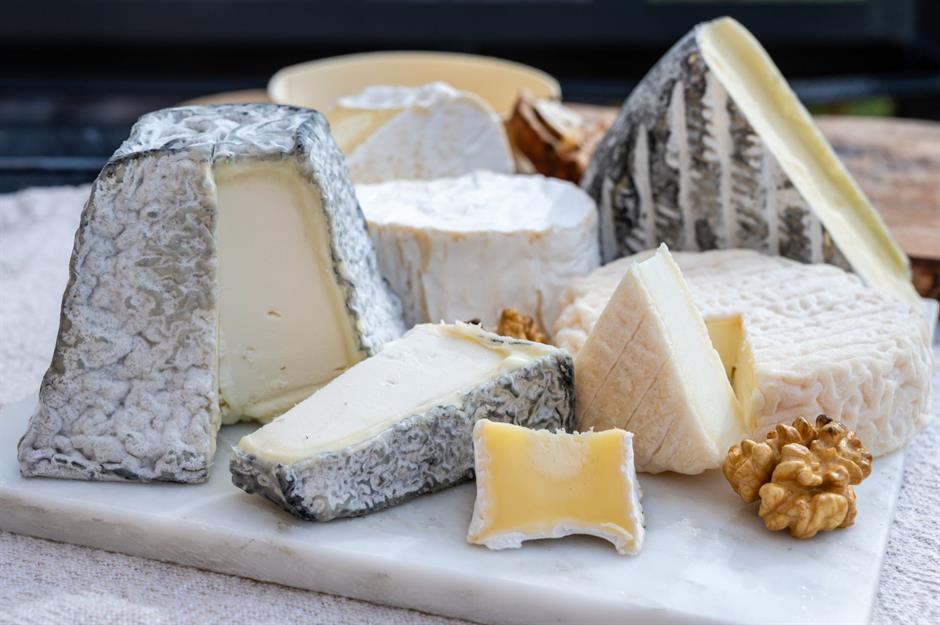
Whether enjoyed sliced in a sandwich, melted into a rich sauce or as part of a cheeseboard, cheese features prominently in many of our diets. The creamy food is made up of four key ingredients (live cultures, rennet, milk and salt), and the use of salt is vital in its production process, helping to stop bacteria growth, improve texture, create a rind and intensify flavours. Some cheeses, such as cottage cheese, feta and halloumi, have a higher salt content than others, so you may want to limit your intake of these styles and switch to lower-sodium varieties like mozzarella and ricotta.
5. Hot dogs

Store-bought hot dogs, whether canned or in packet form, are convenient, affordable and readily available across the globe. Unfortunately, however, these handheld staples often have extremely high levels of sodium, which can increase the risk of high blood pressure – and that’s before you’ve even factored in the bun, toppings and sauces. Studies have also shown that hot dogs – alongside other processed meats like bacon, ham and deli slices – can heighten the risk of certain cancers when consumed regularly.
4. Breakfast cereal
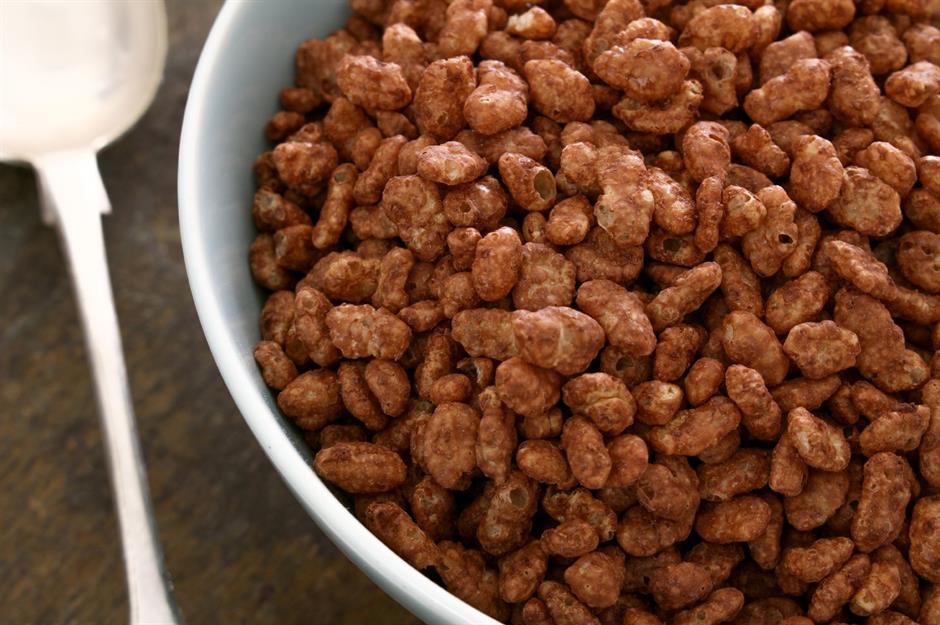
Thought it was the sugar count we had to worry about with breakfast cereals? Turns out we should be looking at how much salt is in each portion, too. Most cereals are low in fat and have added vitamins, but other nasties are often lurking in the shadows, including increased levels of salt. Kellogg’s Corn Flakes contains 0.01oz (0.34g) per 1oz (30g) serving in the UK, for example. Even boxes branded with ‘natural’ and ‘wholegrains’ can be culprits. Try to keep your bowls to the recommended serving size or switch cereal for homemade muesli instead.
Sponsored Content
3. Bread
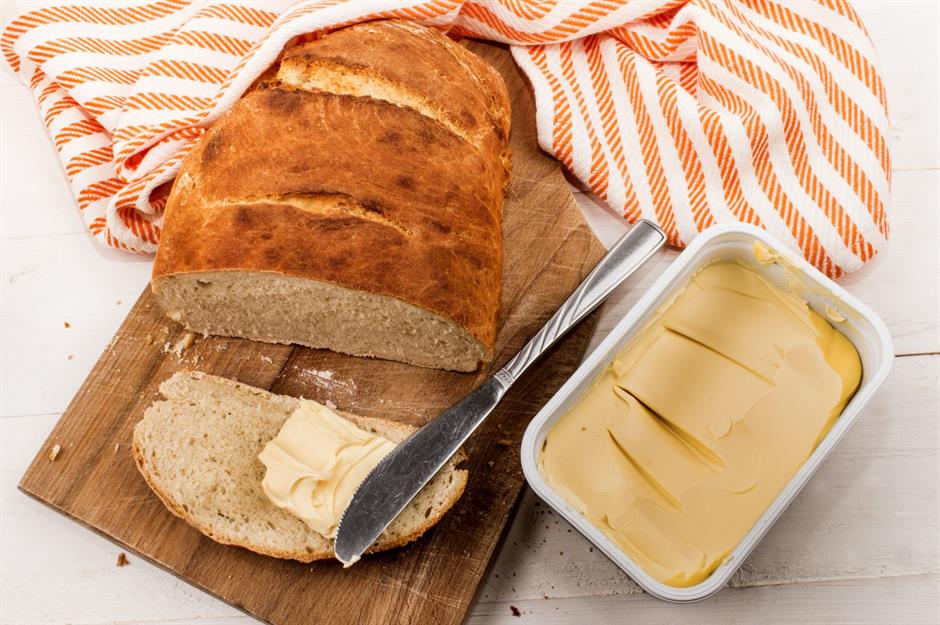
From bagels slathered with cream cheese to sub sandwiches stacked with deli meats and cheese, your daily bread intake can quickly add up. A typical homemade bread recipe may only include a sprinkle of salt, but store-bought styles add extra ingredients, including preservatives and flavour enhancers, to increase the shelf life. Read labels carefully, as some brands list servings based on one slice of bread instead of the usual two. Opt for wholegrain varieties instead, or make your own at home for better ingredient control.
2. Frozen prawns
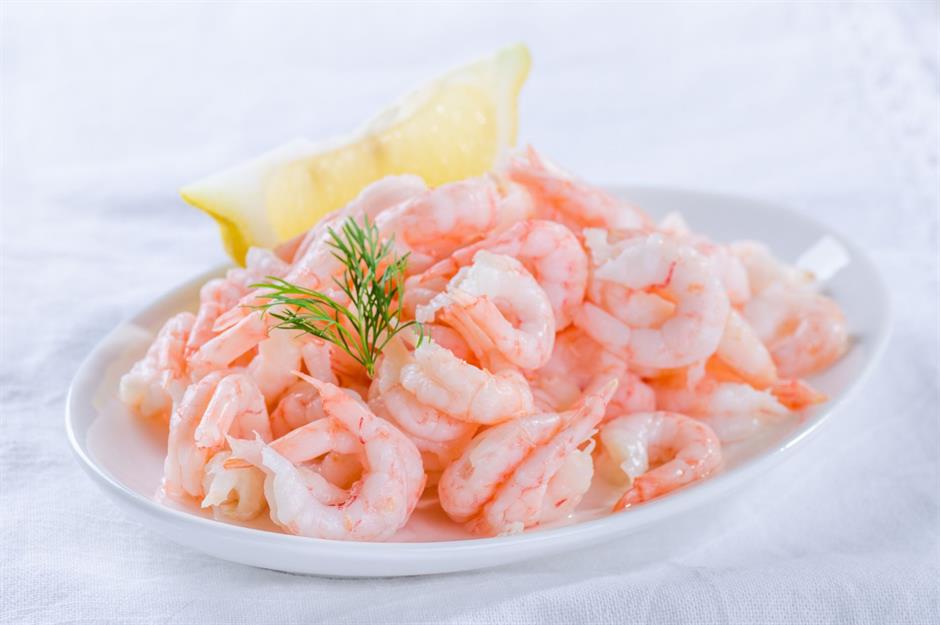
Perfect for throwing into curries, stir-fries and pasta dishes when you’re in a time pinch, it’s always handy to have a bag of frozen prawns stashed in the freezer. But even the plain, non-breaded styles are pumped with added salt and sodium-based preservatives to intensify flavours and prolong shelf life. Some brands can contain up to 0.04oz (1g) of salt per serving, so where possible, look for prawns without additives or use fresh.
1. Vegetable juice
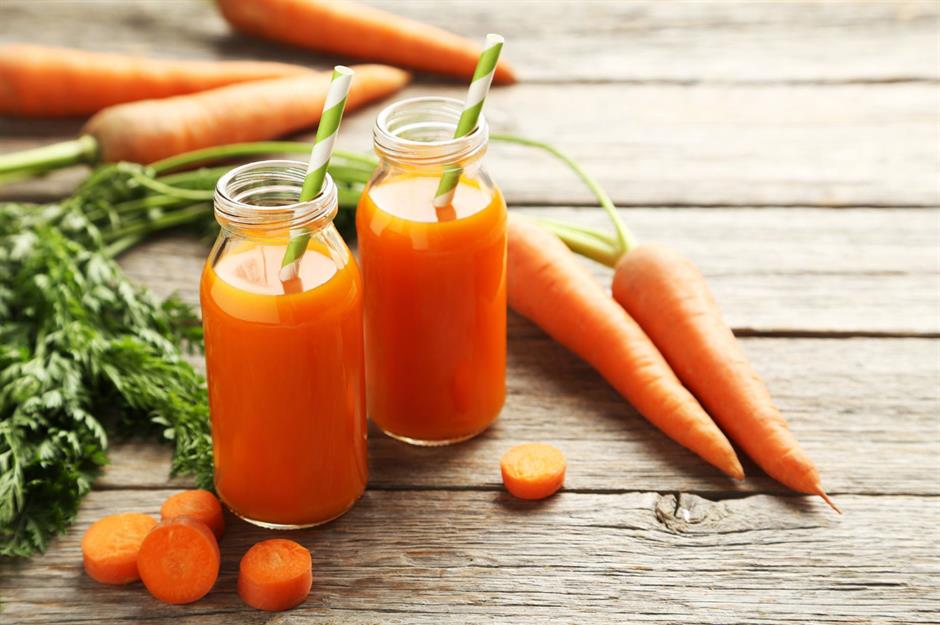
Whether canned, fresh or from a bottle, drinking vegetable juice is an easy way to ensure you’re consuming enough veggies (and getting all of their beneficial nutrients). Store-bought options aren’t always as healthy as they first appear, though, with some products containing soaring levels of sodium (some cans from US brand V8 contain up to 0.04oz (1g) of sodium, for example). With that in mind, it makes sense to switch to low-sodium styles or invest in a juicer and make your own from scratch instead.