Vintage sandwiches that belong in the past
Sandwiches no one should suffer through
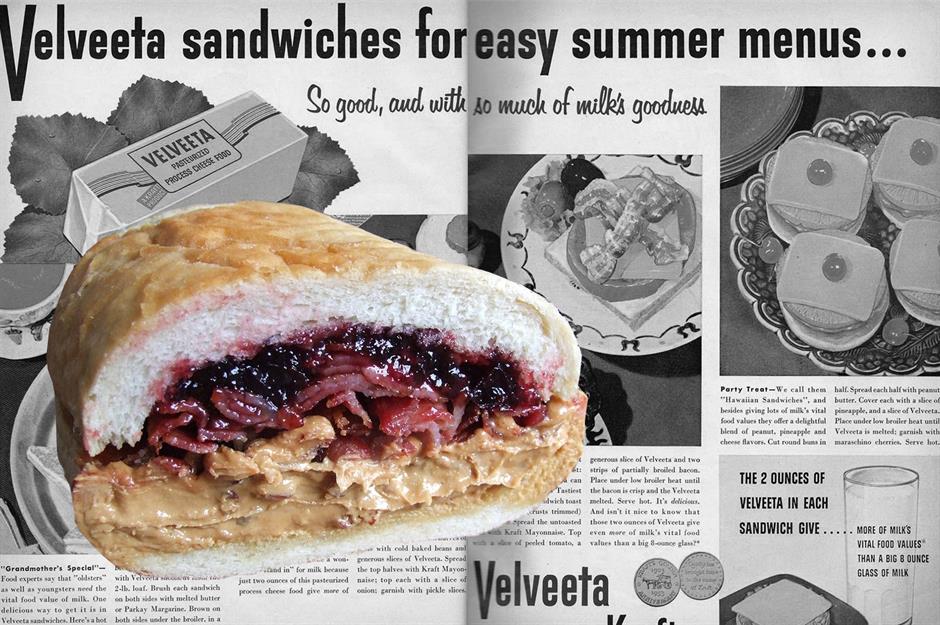
The humble sandwich is a meal or snack with endless possibilities – so many, in fact, that the fillings and toppings chosen can be more than a little questionable. People have done some terrible things with bread throughout the decades, whether it was in the name of being experimental or simply because they were trying to make the most of what they had during times of hardship. Here we reveal some of history's most horrifying sandwiches from around the world.
Click or scroll through our gallery to see the vintage sandwiches we think should be left in the past, ranked to the most divisive of all.
20. Tomato and onion sandwich
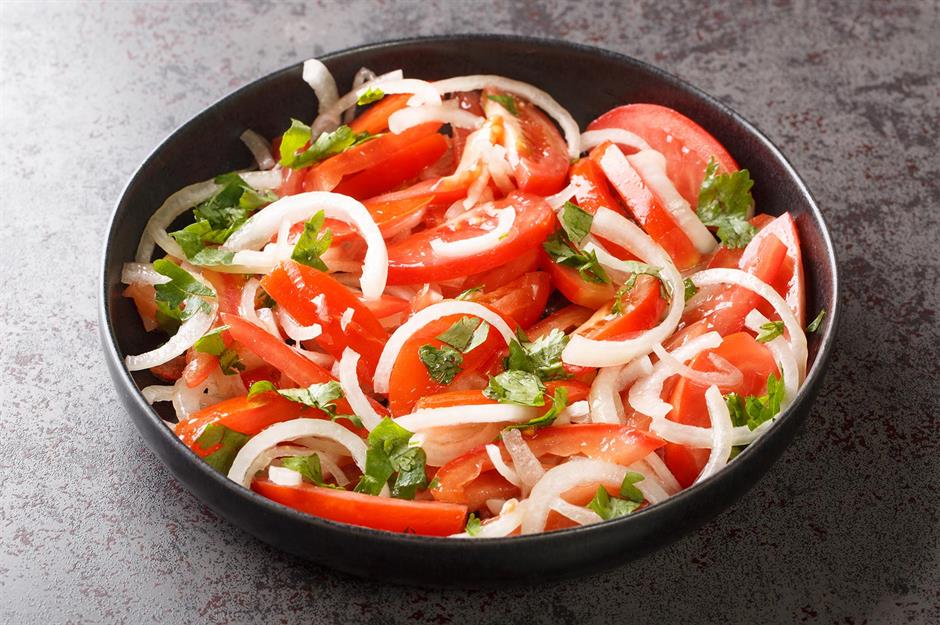
It’s not hard to see the appeal of a tomato sandwich. Often enjoyed in the American South, and popular since at least the early 20th century, it traditionally pairs tomato with a little mayonnaise for a light and simple snack. The addition of onion, however, isn’t so appealing, especially when the sandwich is made not with fresh tomato, but with ketchup (as is sometimes the case). It might be inexpensive, but that’s about all that can be said for this one.
19. Mettbrötchen
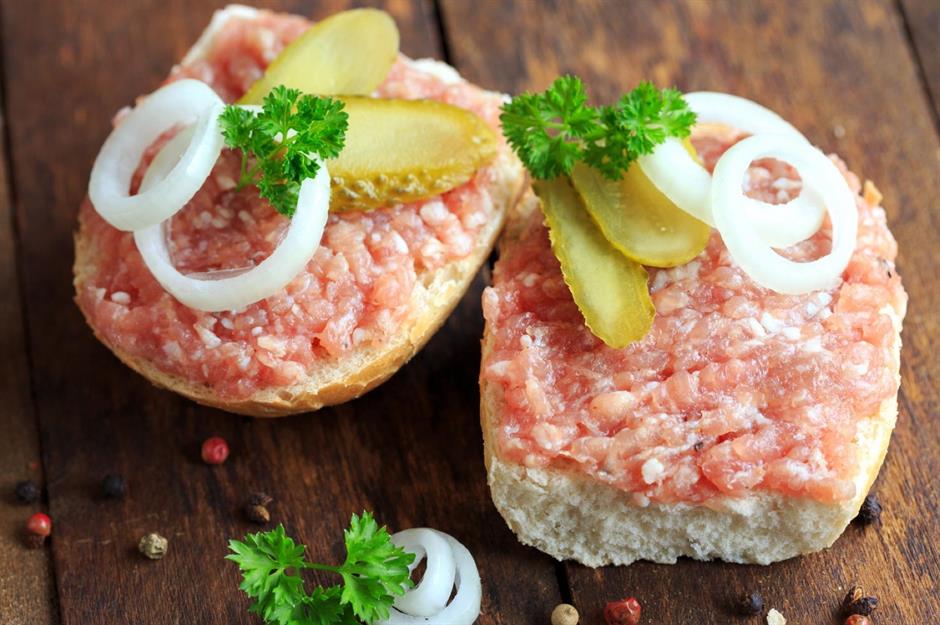
This German classic hasn’t exactly disappeared – it’s still a popular sandwich in some parts of the country, especially in the north. But some agree that the open sandwich, featuring a spread of seasoned raw minced pork (mett), has no place on modern plates. Though it’s divisive today, mett was a common sight at celebratory events between the 1950s and 1970s, when it was whimsically shaped into a hedgehog and decorated with onion and pickles.
Sponsored Content
18. Cannibal sandwich
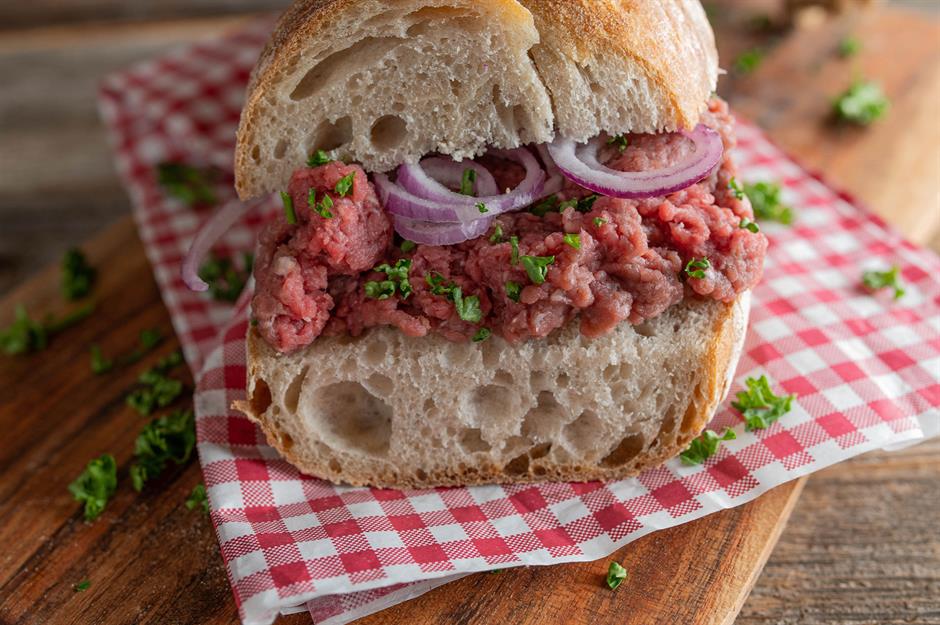
Raw minced beef, raw onions and spices make up the filling of this sandwich, which is traditionally enjoyed in the US state of Wisconsin. If it looks familiar, it’s because it descended from the German mett, made American by the German immigrants who found their home in the US during the 19th century. The cannibal sandwich might not appeal to everyone, but it hasn’t faded into obscurity just yet – many who hail from its home state are still big fans.
17. Dripping and lard sandwiches
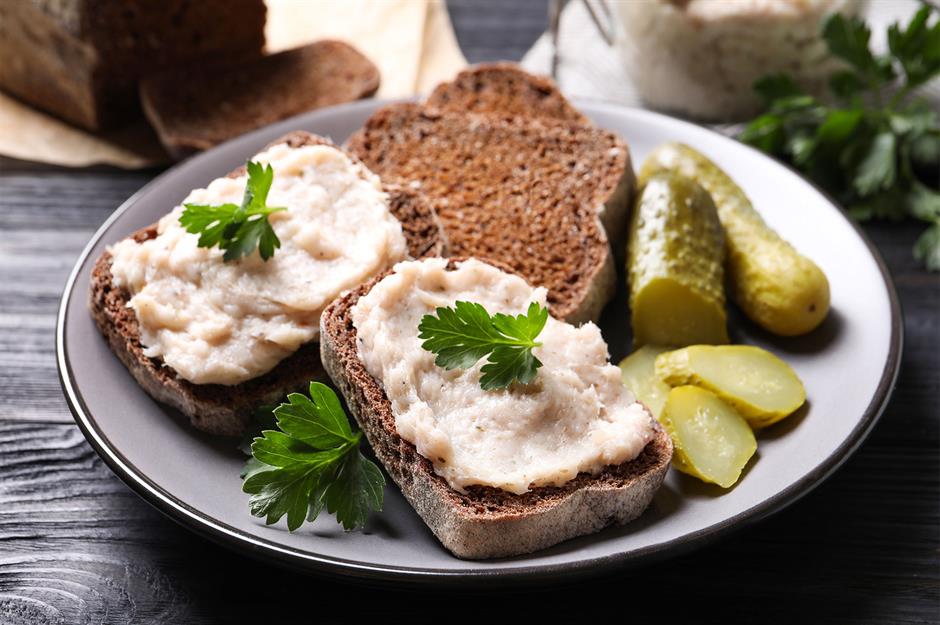
Waste not, want not – that’s the philosophy behind sandwiches made with dripping, lard and other fats, which have been (and in some cases still are) eaten in different parts of the world. If you have bacon dripping or other fats left over from cooking, you might as well spread them on some bread – or so the thinking goes. After all, it helps prevent waste, and there’s plenty of flavour there. Still, it’s not the most exciting (or healthy) thing you can put in a sandwich.
16. Frosted sandwich loaf
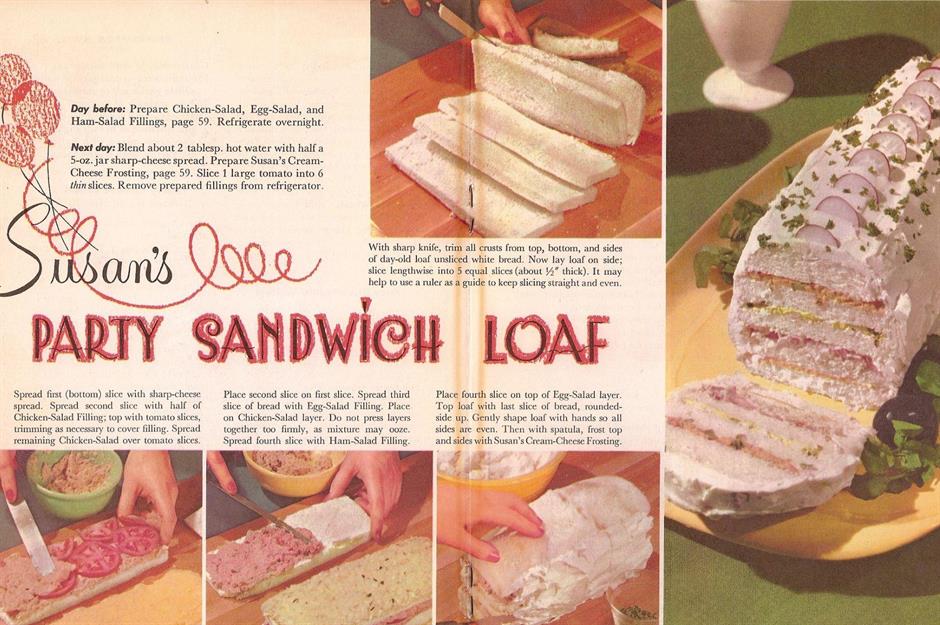
It looks like a cake, and it’s iced like one, but underneath the toppings you'll find all the ingredients you'd expect in a sandwich. Bread and fillings such as ham, chicken, egg and salad were layered in this 1950s sandwich, which would then be frosted with cream cheese and other garnishes. This retro American invention may not seem so strange to people in Sweden – it’s believed to have been inspired by a traditional smörgåstorta (sandwich cake), which is still enjoyed at midsummer feasts today.
Sponsored Content
15. Prune sandwich
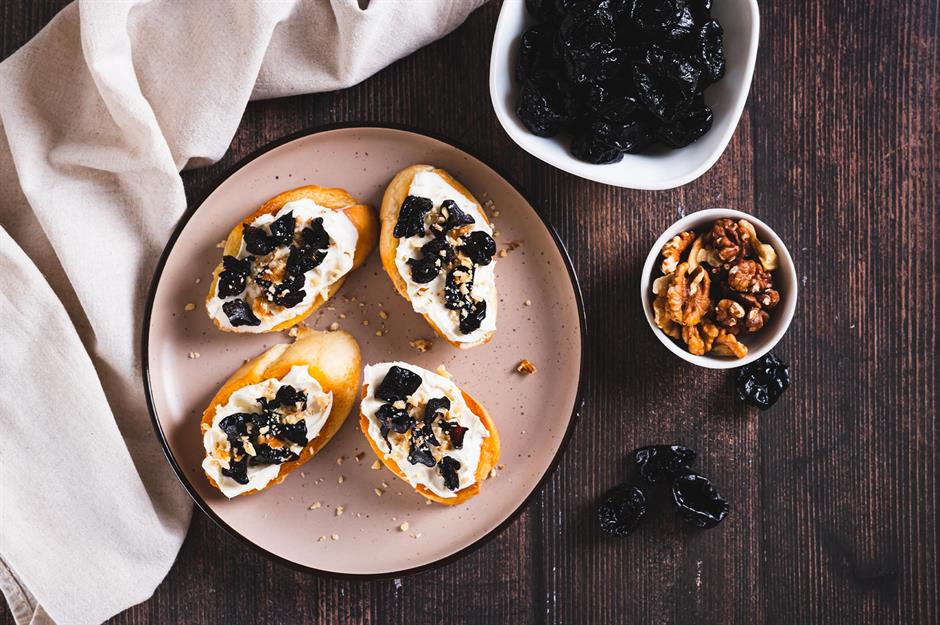
Prunes definitely have their place, but it’s safe to say their popularity has faded since the heyday of the prune sandwich in 1940s and 1950s America. A sandwich containing these dried fruits wouldn’t have solely featured them, either. Instead, they were often combined with meat (such as ham), seasonings and condiments, all blended together to produce a sticky spread.
14. Sandwich spread
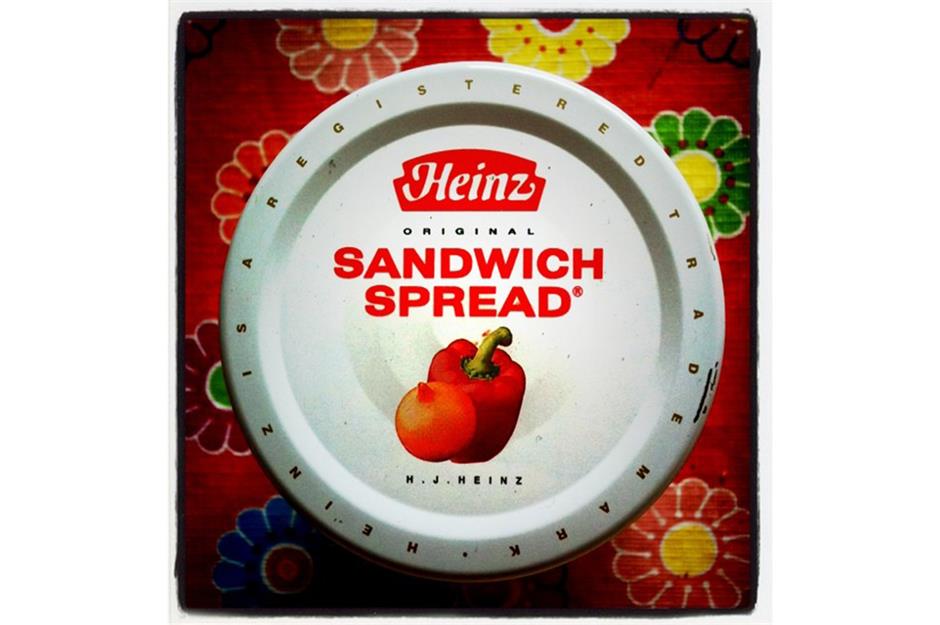
Various sandwich spreads can be found in different countries around the world, made by multiple brands – including a version by Heinz and a product by Crosse and Blackwell (the latter being popular in South Africa). Exactly what’s in them varies, but it’s usually a mix of tangy sauce and finely chopped vegetables. A strong reminder of childhood for older adults, this sandwich choice is practically unheard of among younger generations.
13. Fritz and sauce
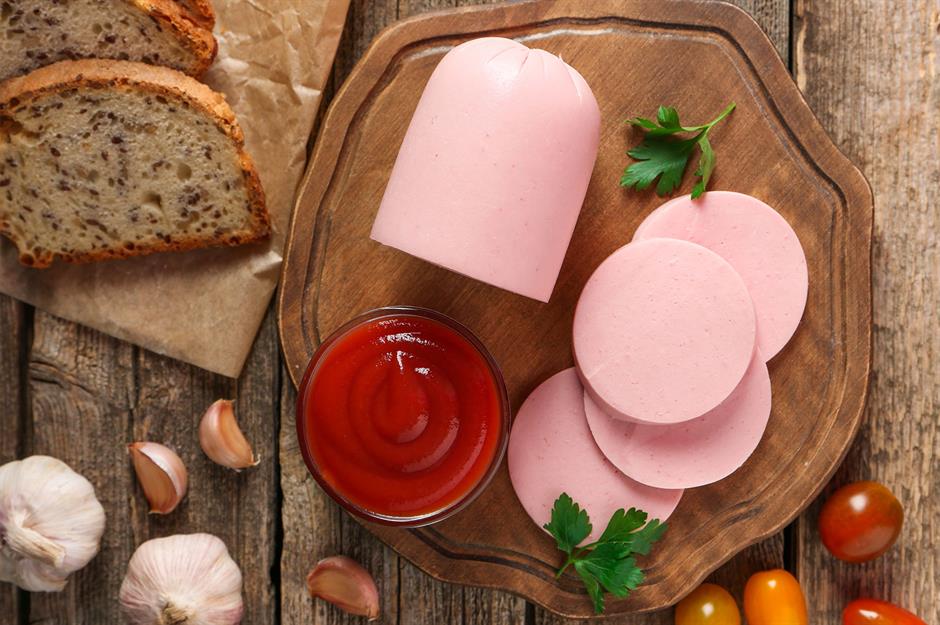
Processed meat product bung fritz is a South Australian favourite, and it's a sandwich ingredient that fills locals with nostalgia. A fritz and sauce sandwich gives the sausage, descended from German-style meats, a tangy kick, all thanks to the addition of tomato ketchup – and it's usually slotted between two slices of buttered bread. It’s still found in select lunchboxes today, and it's sometimes enjoyed as a post-hike snack; however, it's safe to say it’s not the sandwich filling of choice for most people.
Sponsored Content
12. Tuna cheesewhiches
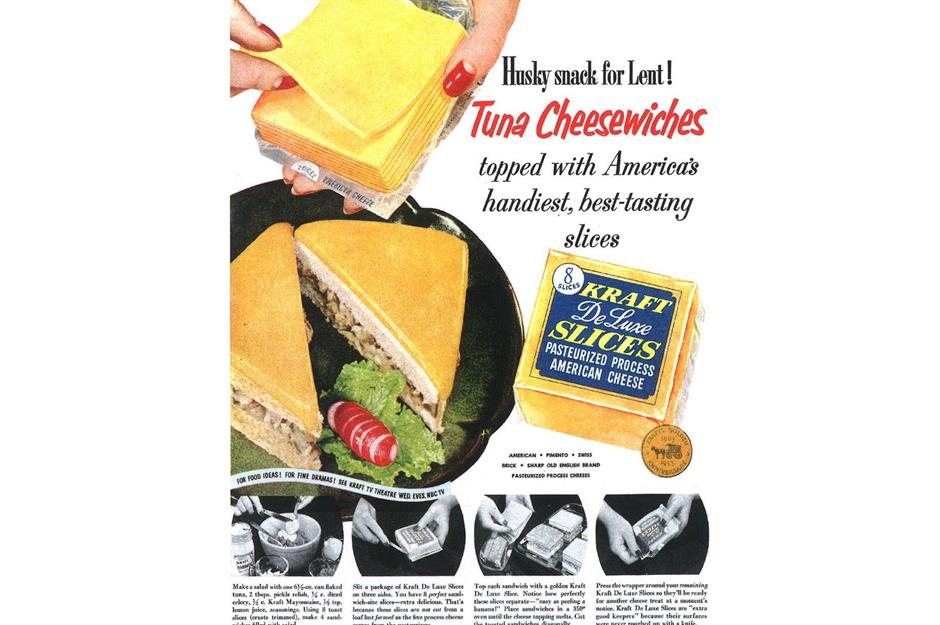
Tuna and cheese are no strangers to each other – tuna melts are a classic for a reason. This especially cheesy 1953 twist from Kraft is a little harder to get on board with, though. It sees mayonnaise and tuna spread between two slices of toast, then topped with single slices of cheese and baked until super melty. While there’s nothing wrong with the flavours, the resulting molten mess doesn’t exactly sound easy to eat, especially without a knife and fork.
11. Chow mein sandwich
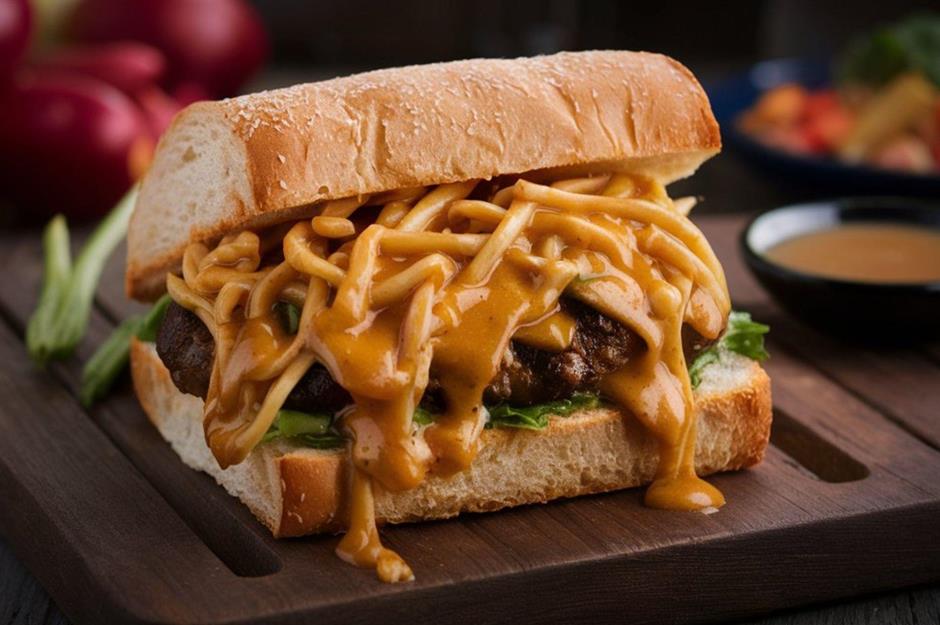
Sometimes fusion food is a wonderful marriage of two or more cuisines – and at other times, the result is a monstrous dish that’s at risk of causing offence. Whether the chow mein sandwich is the former or the latter is up to you, but this carb-on-carb creation, which sees stir-fried noodles, pork, beansprouts, onions and celery drenched in gravy, then stuffed in a hamburger bun, certainly isn’t for the faint-hearted. Invented in Massachusetts by Chinese immigrant Frederick Wong during the Great Depression, it’s still a popular greasy snack in parts of New England.
10. Dagwood sandwich
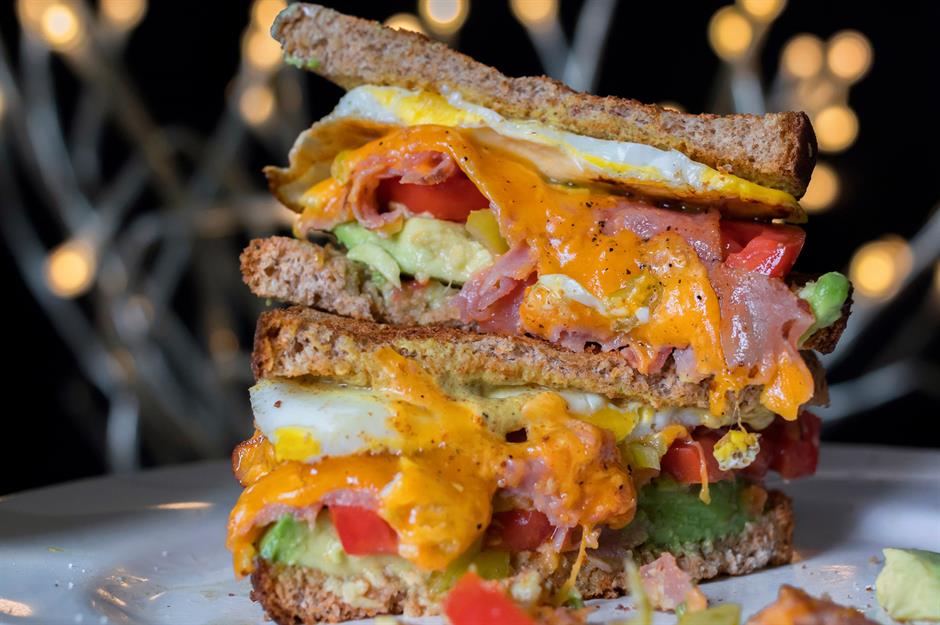
These towering, multi-layered sandwiches aren’t just the stuff of comics and cartoons. Named after the character Dagwood Bumstead from the American comic strip Blondie, which launched in the 1930s, a Dagwood piles multiple ingredients (think meats, cheeses and condiments) into one sandwich to create a ridiculous, larger-than-life meal. Although various eateries have put Dagwoods on menus, it never really caught on as a wider concept.
Sponsored Content
9. Tongue on toast
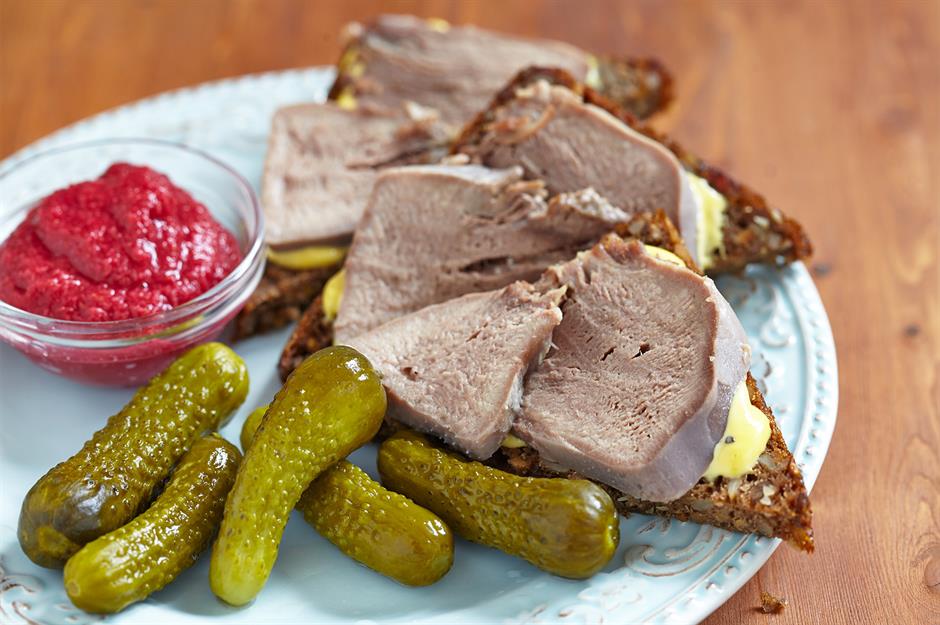
Offal is eaten around the world in a huge range of different forms, and meats like tongue can be made to taste delicious (plus, they’re full of nutrients). However, preparing them in the right way is a must, and we reckon the idea of beef or pork tongue on toast is a hair-raising one. Often sliced and layered with mustard and onions, tongue was once a popular sandwich filler in the US and the UK, but it’s now likely to disgust, rather than delight.
8. Devilled ham and horseradish
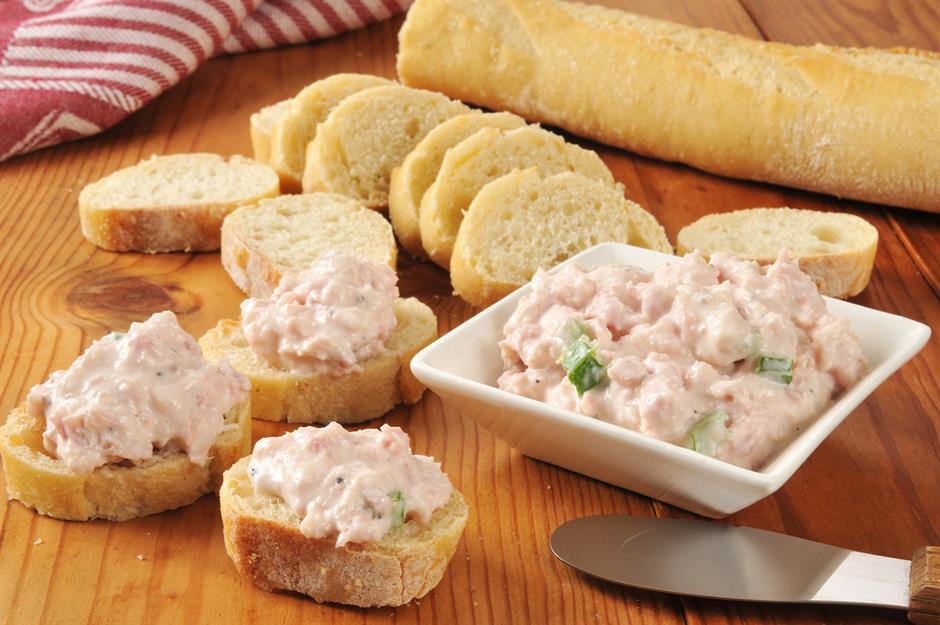
Devilled ham sees finely minced ham mixed with mayonnaise and spices, resulting in a spreadable meat that was once widely used in sandwiches. Already something of an acquired taste, it was made even more divisive with the addition of fiery, sinus-clearing horseradish. Fans of strong flavours might love this one, but we’ll pass.
7. Pineapple sandwich
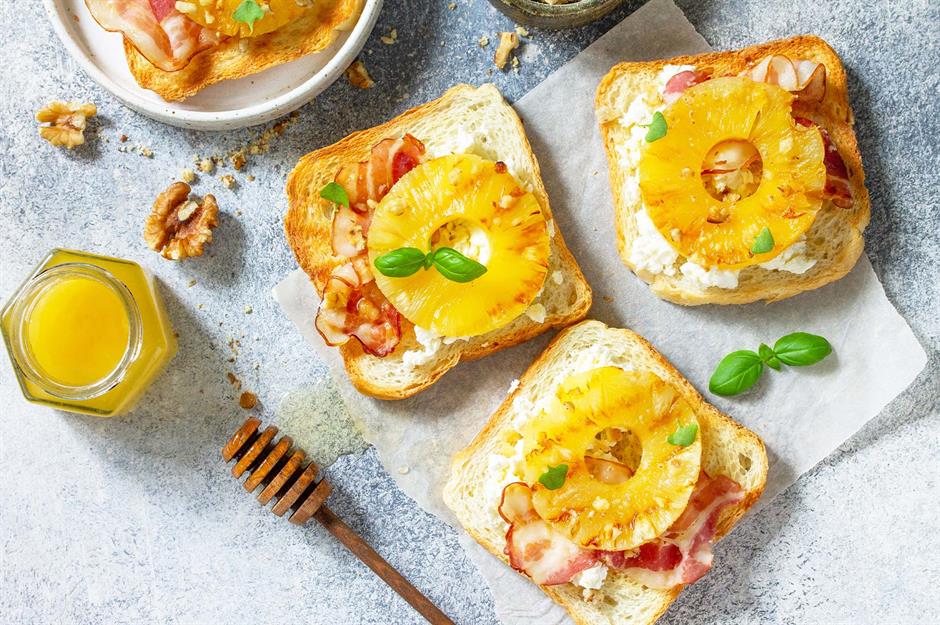
A sweet sandwich isn’t unheard of – the Japanese fruit sando, filled with fresh fruit and whipped cream, is just one popular example. So a pineapple sandwich doesn’t sound too strange, until you consider that it was once enjoyed with tangy mayonnaise. The unusual fruit and condiment pairing was often eaten in the American South, where it would be spread on fluffy white bread. Some still whip up a pineapple sandwich today, but the mayo is (fortunately) a thing of the past.
Sponsored Content
6. Ham banana sandwich
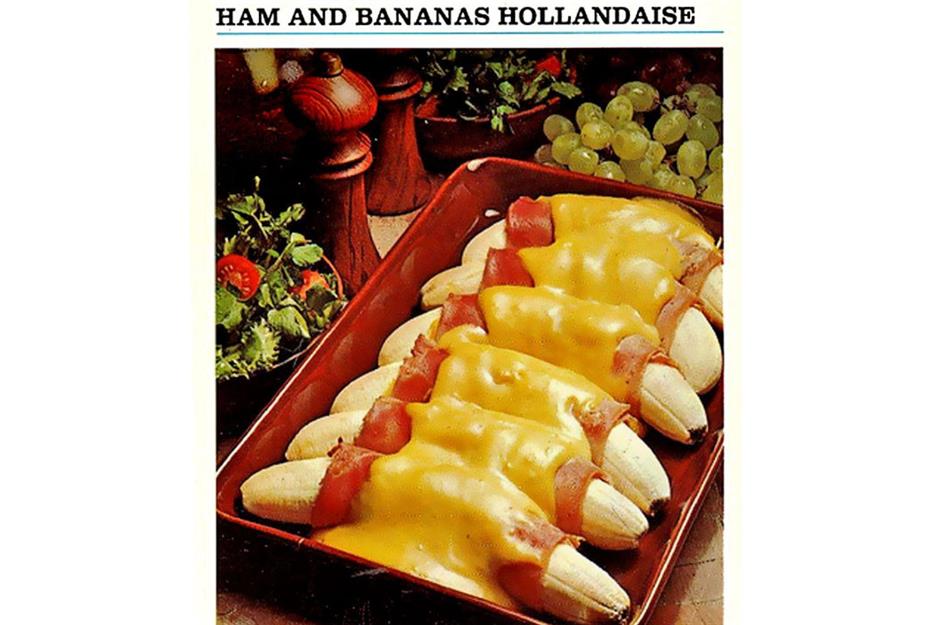
You might have heard of the infamous banana and ham Hollandaise, a 1973 recipe from McCall’s Great American Recipe Card Collection. This sandwich plays on the odd combination by turning similar ingredients into a filling by mashing banana with minced ham and spreading it on buttered bread. Suggested variations, from 1001 Sandwiches by Florence A. Cowle, include sautéing thin slices of banana and placing them on hot buttered toast with devilled ham, then heating it all under the grill.
5. Souper sandwiches
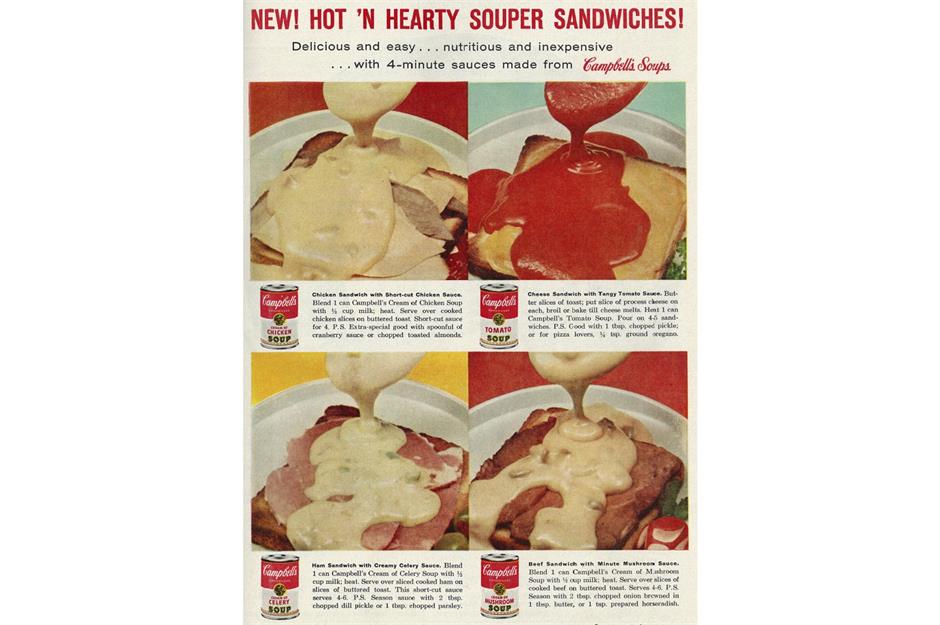
A steaming bowl of soup and a sandwich make a hearty and comforting meal. But topping bread with soup and calling it a sandwich, as suggested by Campbell’s in the 1950s, is an unsettling twist on a classic. Campbell’s offered some different pairing options, trying to convince people that tomato soup on a cheese sandwich (or cream of celery on a ham sandwich) could be the next big thing, but we’re not convinced by what sounds like a soggy mess.
4. Fool’s Gold loaf
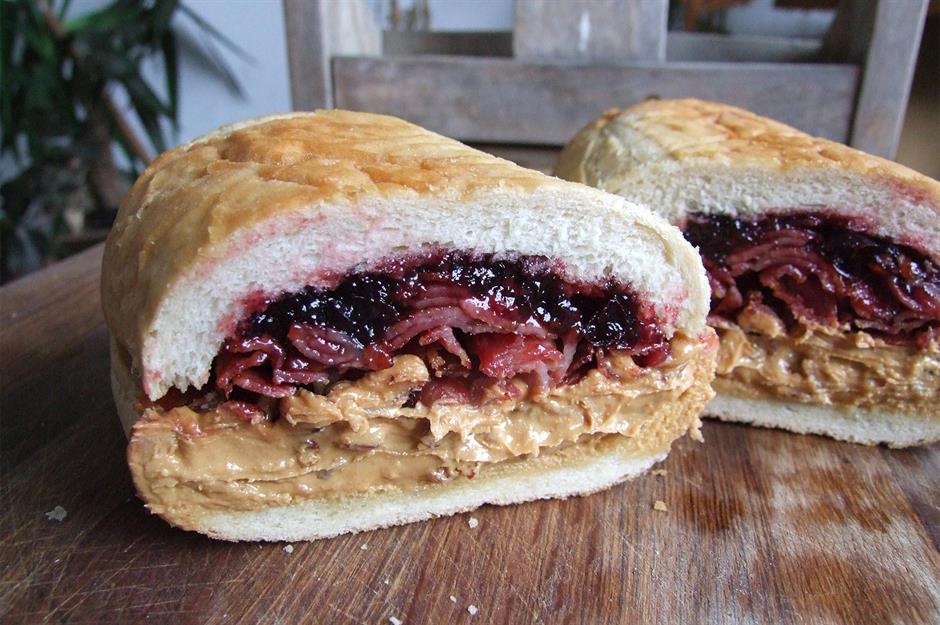
A whole loaf, hollowed out and filled to the brim with peanut butter, jam and bacon, the Fool’s Gold was invented at the Colorado Mine Company, a restaurant in Denver, Colorado. Often associated with legendary singer and actor Elvis Presley, it’s similar to another sandwich named after the King of Rock and Roll, which contains peanut butter, bacon and banana. At over 8,000 calories per loaf, and reportedly able to feed up to 10 people, this one certainly feels out of context in today’s more health-conscious world.
Sponsored Content
3. Jellied chicken sandwich
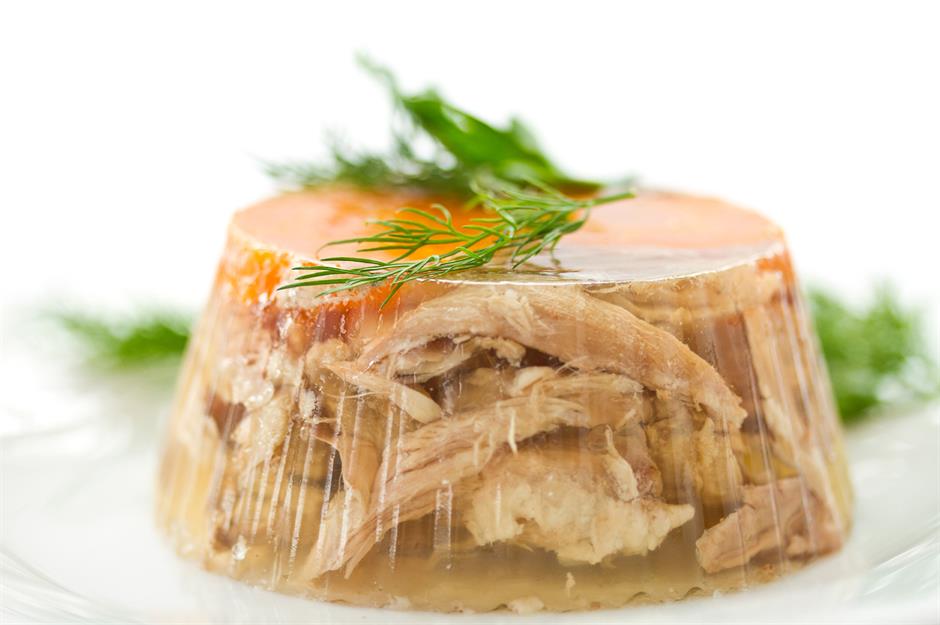
If there’s one thing we know about cooks of the past, it’s that they loved to put things in jelly. If you could jelly it, it would be jellied, whether it was meat, fish, fruit or vegetables. Chicken was no exception and, of course, once it had been encased in meaty gelatine, it was then perfect for slicing and layering between two slices of bread to create what was sure to be a textural delight.
2. Toast sandwich
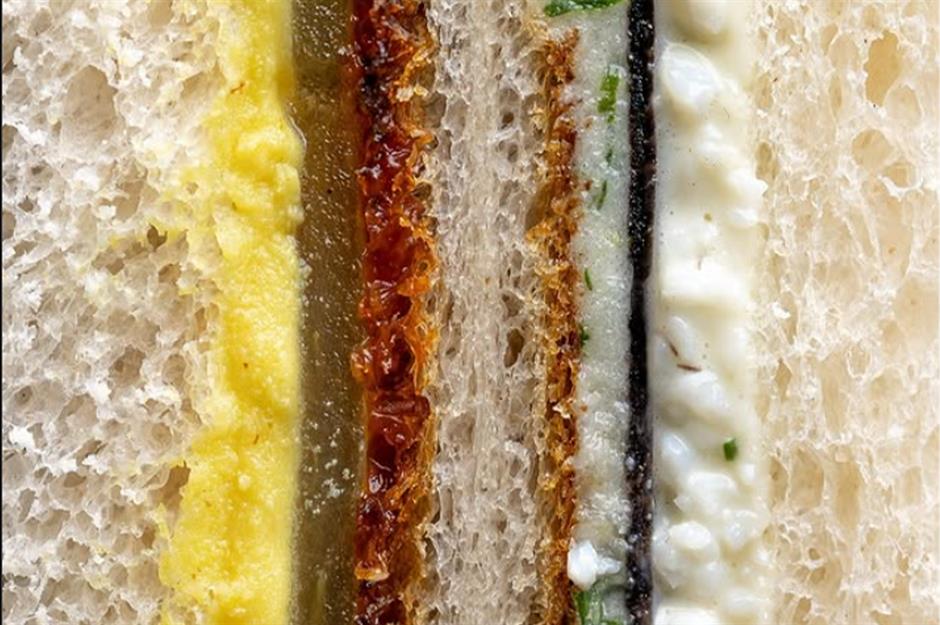
Much ridiculed online, this sandwich, which was popular in Victorian Britain, featured in a book by iconic cook Isabella Beeton. It was, according to Mrs Beeton, intended to be 'very tempting to the appetite of an invalid'. Just as simple as it sounds, it features a slice of toast in between two untoasted pieces of bread. Recent interest in this rather simple sandwich led to renowned British chef Heston Blumenthal giving it a makeover, adding bone marrow salad, egg yolk, a mayonnaise gastrique and tomato ketchup in the process.
1. Baked beans, cheese and mayonnaise
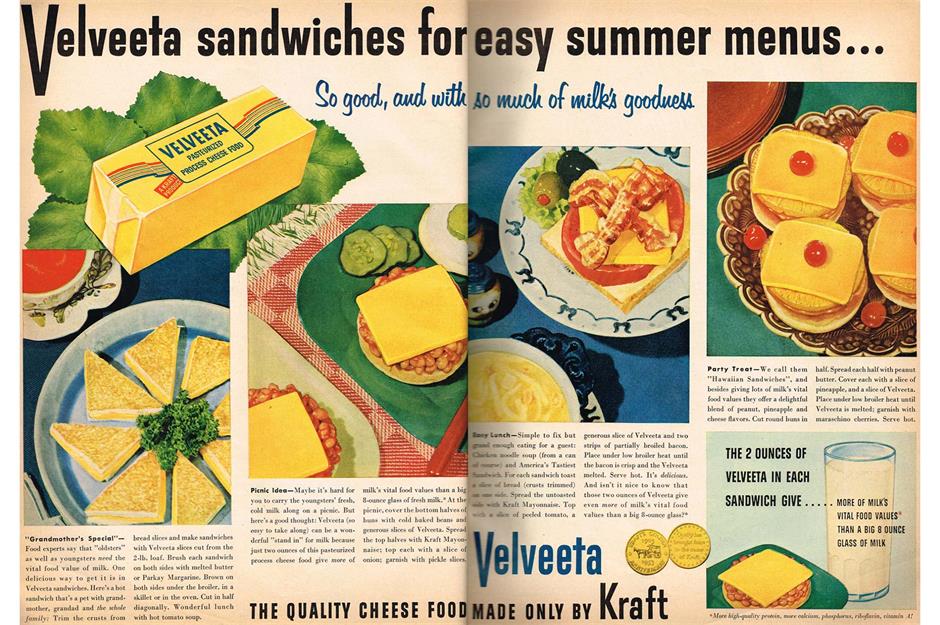
If you find the British penchant for beans on toast horrifying, take a look at this. This suspect sandwich appeared in a 1953 magazine advertisement from American Kraft cheese brand Velveeta – it was suggested that the baked bean, cheese and mayonnaise combination was the perfect picnic food. Velveeta cheese was used to top cold baked beans on a bun, which was then garnished with raw onion, pickles and mayonnaise.