21 Simple Ways To Cut Sugar From Your Diet
Secrets to sweet success
Most of us eat far more sugar than is healthy. In fact, on average, UK adults consume around 50g (12.5tsp) a day of “free sugars” – added sugar and the sugars found in honey, syrups and fruit juices – when the recommended intake is no more than 30g (about 7tsp). A high sugar diet is linked with weight gain and tooth decay. The problem is that sweet things taste delicious, so trying to eat less can be pretty tricky. Nevertheless, you can achieve your goal of reducing your sugar intake with these simple tips.
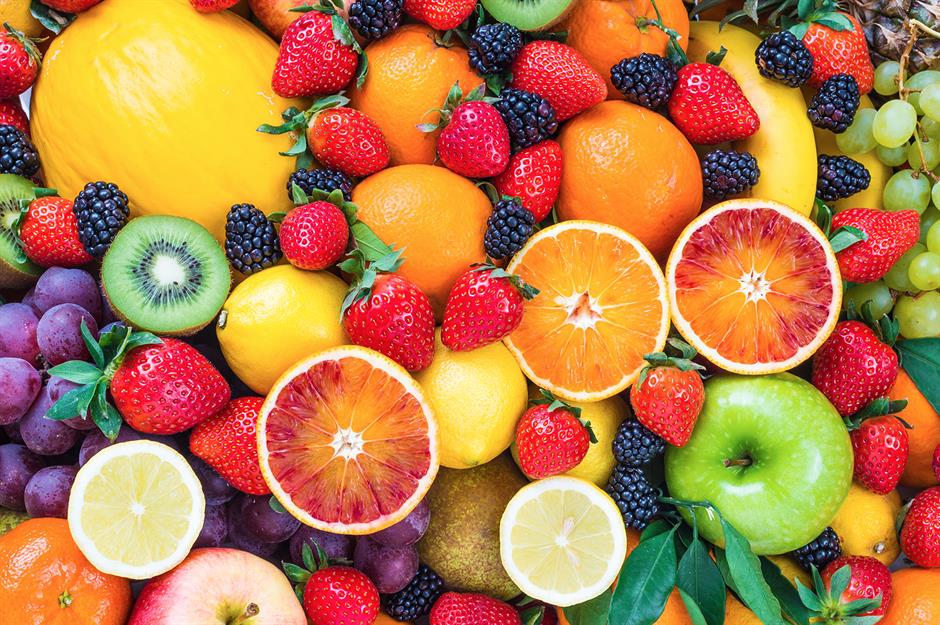
21. Eat whole fruit for your sugar fix
20. Don’t fall for the “healthier” sugar hype

Sponsored Content
19. Know your food labels

UK food labels don't break out "free" or added sugar – they only give a figure for total sugar – but there's still a rough rule of thumb you can use to check if you're getting too much. The NHS says a product is "high" in sugar if it has more than 22.5g of sugars per 100g and "low" in sugar if it has less than 5g per 100g. For foods with traffic lights as a guide, you'll be looking to minimize those reds. In the US, food labels are required to give added sugar content per serving, which makes it easier to track what you're consuming.
18. Go slow and steady

Small steps are usually more successful when you’re weaning yourself off sugar. For example if you still have sugar in your tea or coffee, reduce it by quarter of a teaspoon every couple of days. Cut the amount of cakes, cookies and other sugary foods you eat equally slowly. Eventually, very sweet foods won’t taste as appealing as they once did.
17. Say no to sugary drinks

If there’s one source of sugar you should definitely try to ditch it's full-sugar soft drinks. One 500ml bottle of Coke contains 53g (13.3tsp) sugar, which is 1.8 times your daily limit and provides 210 empty calories. Sugar-sweetened beverages are linked to obesity in both children and adults, research shows.
Sponsored Content
16. Up your exercise

People who are physically active metabolize carbohydrates and sugar better. And a study published in 2020 also found that regularly working out reduced the desire for sweet tastes over time.
15. Rethink your toast toppings

Instead of spreading honey, marmalade or jelly on your toast, go for a topping of peanut butter, Marmite (a popular UK spread available at Walmart in the US) or Vegemite. This simple swap can cut out up to 4tsp sugar (if you typically spread the average amount of honey, which is 20g or two-and-a-half level teaspoons on one slice).
14. Try healthy ices

Switch sugar-laden ice cream or popsicles for frozen red grapes or banana slices – chunks of frozen banana make fab one-ingredient “nice" cream if whizzed in a sturdy blender too. You can also freeze watermelon chunks on sticks to make tasty no-added-sugar granita-style popsicles.
Sponsored Content
13. Move to the dark side

When it comes to chocolate, the higher the cocoa content, the lower the sugar content. If you only like milk chocolate, stick with a few squares from a solid bar, rather than filled chocolates, which can have very sugary centers.
Liking this? Click on the Follow button above for more great stories from loveFOOD
12. Switch your stir fry sauce

Grocery store stir-fry sauces can pack in a pile of sugar – typically a sweet and sour or sweet chili stir fry sauce will have 17-20g (up to 5tsp) free sugars, or two-thirds of your daily recommended limit, in a 60g serving. Plum, oyster and black bean sauces are often not much better either. A dash of reduced-salt soy sauce is a much better bet, containing only a trace of sugar.
11. Save sweets for meals

Sponsored Content
10. Swap cake or cookies for cereal

Though not ideal for breakfast, a small bowl of sweet cereal with milk is a fair option later in the day if it saves you from indulging in cake or confectionery. A 30g bowl of crunchy nut cornflakes with 125ml milk provides 11g (2.5tsp) free sugars (36% less than in one slice of battenberg cake) and has a quarter to a half of the daily recommendation of several B vitamins. It also has a sixth of your daily iron and almost a fifth of your daily calcium.
9. Don’t skip meals

8. Reduced sugar baking tip: use less than the recipe says

When you’re baking, you can often cut the sugar that the recipe calls for by a third without any issues at all. Alternatively, you can replace some or all of the sugar with the same weight of stewed sweet eating apples (such as the Pink Lady variety).
Sponsored Content
7. Reduced sugar baking tip: use spices and extracts

6. Make a lower sugar cupcake topping

Try this simple recipe for a lower sugar cake frosting recipe from dietitian Sian Porter: dissolve 9tsp of granulated sweetener in 2tsp of lemon juice and mix in 150g reduced-fat cream cheese and 2tbsp powdered sugar. This has 29 calories, 3g sugar and 0.9g saturated fat per level tablespoon, compared with 81 calories, 9.1g sugar and 3.1g saturated fat in the same size serving of butter icing.
5. Portion size is key

Sometimes only the full-blown sugary version of your favorite baked goods will do, in which case, enjoying a smaller portion is the way to go. “With cake, stick to a portion the size of your index and middle finger together,” advises Sian Porter.
Sponsored Content
4. Favor fiber

To distinguish between healthier and less healthy sugar-containing foods, check the fiber content. If it is more than a tenth of the total carbohydrate content it’s a great choice. For example there's no need to worry about the sugar content of baked beans as they have 7.7g fiber per 100g, which is a lot more than a tenth of the carbohydrate content (12.5g per 100g). This is because fiber slows the rate at which sugar is released into the bloodstream.
3. Sugary yogurt swap

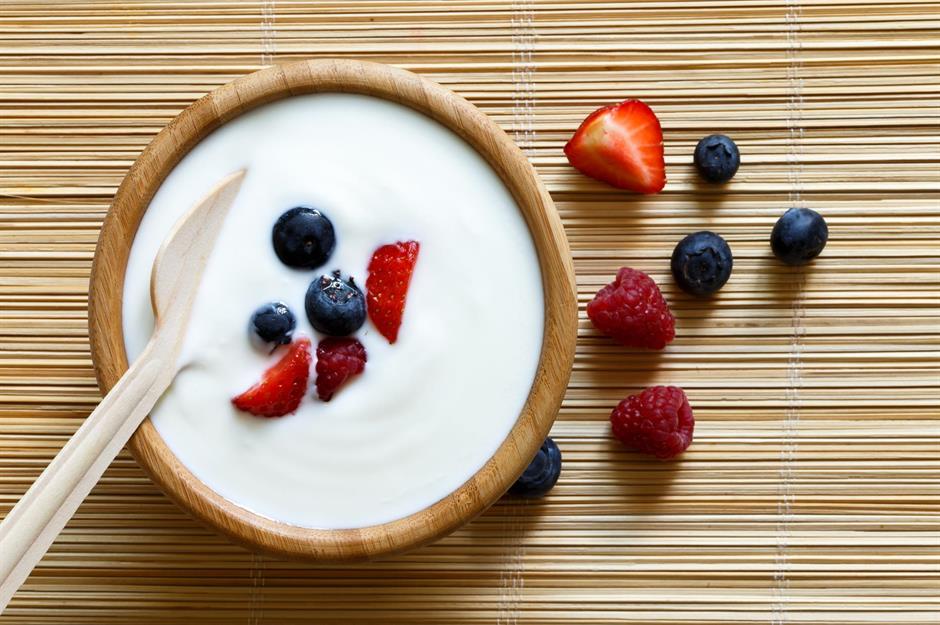
Fruit yogurt averages around 16.6g grams of sugar per 100g, while natural Greek yogurt has just 3g per 100g, all of which is naturally occurring milk sugar that doesn’t harm teeth. Team your yogurt with fruit such as strawberries, cherries or tinned mandarins for a no-added sugar treat that works just as well for breakfast as it does dessert.
2. Chew a stick of gum

There's some evidence that chewing sugar-free gum may reduce your craving for a mid-afternoon sugar boost. In one study, those who chewed gum after lunch ate 10% less of both sugary and salty snacks three hours later. Another good trick to stop snacking on sweets after dinner is to clean your teeth right after finishing your evening meal. The minty taste helps draw a line under your eating for the day.
Sponsored Content
1. Avoid fancy coffees

The best way to get your caffeine fix is from a black coffee or plain latte as they are sugar-free. Some coffees contain more than your daily limit of free sugars – two of the worst offenders are the Caffe Nero Caramelatte with oat milk (a whopping 38.8g sugar), and the Starbucks Grande White Mocha with Original Nut Blend milk (an eye-watering 44.5g sugar).
Liked this? Click on the Follow button above for more great stories from loveFOOD