The greatest pizza toppings of all time, ranked
Pizza perfection
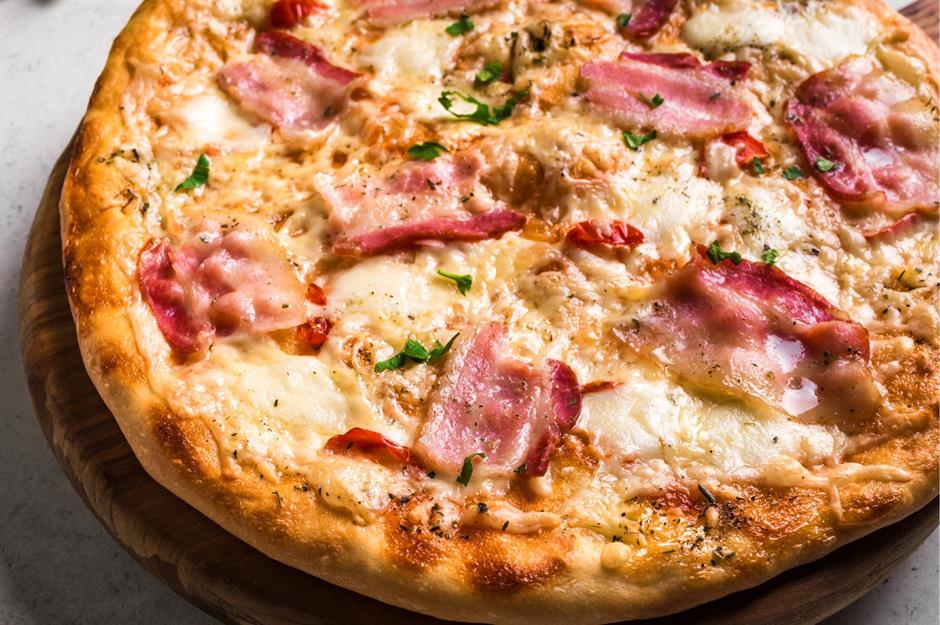
Pizza is a universally adored dish, with an estimated five billion pies sold around the world every year. Part of what makes pizza so popular is, of course, the endless variety of toppings available, from classics like pepperoni and mozzarella to less traditional delights like pineapple – and even clams. Here, we look at the most iconic pizza toppings from around the globe, counting down to the greatest of all.
Click or scroll through our gallery to discover the tastiest pizza toppings of all time – counting down to the very best.
We've based our ranking on the enduring popularity of each pizza topping in its place of origin and beyond, and on the opinions of our well-travelled (and well-fed) team. The list is unavoidably subjective.
35. Ortolana, Italy
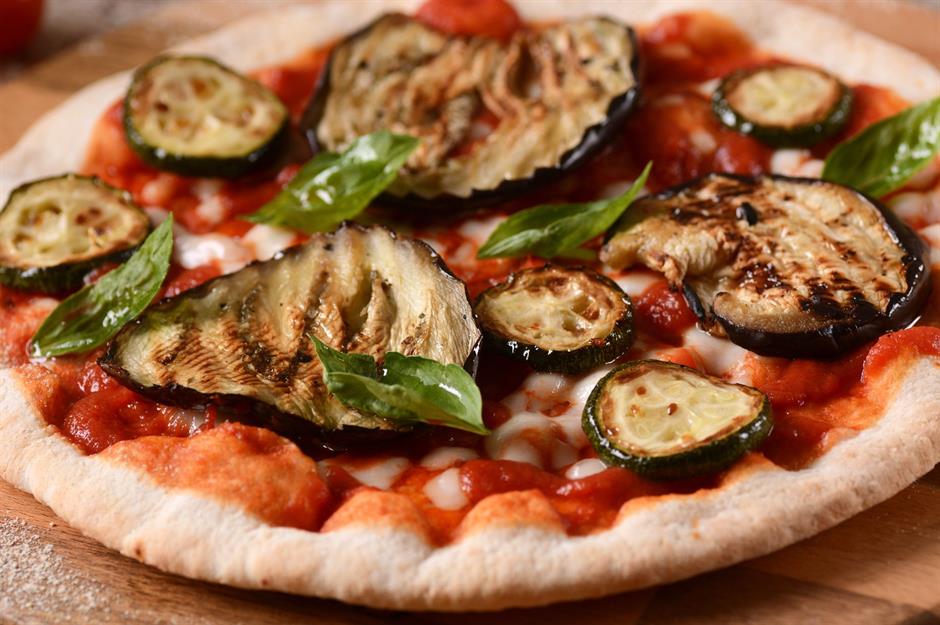
This classic topping is a veggie lover’s dream, not to mention a true taste of an Italian garden. The name literally means ‘gardener’s pizza’, and it’s all about celebrating fresh, seasonal vegetables – usually things like grilled courgettes, aubergines, bell peppers and mushrooms. It’s not just colourful; it’s full of smoky, roasted flavour that pairs perfectly with melty mozzarella and tangy tomato sauce. Born from Italy’s tradition of using whatever’s in season, it’s best served with fresh basil and a generous drizzle of extra virgin olive oil.
34. Tomato pie, USA
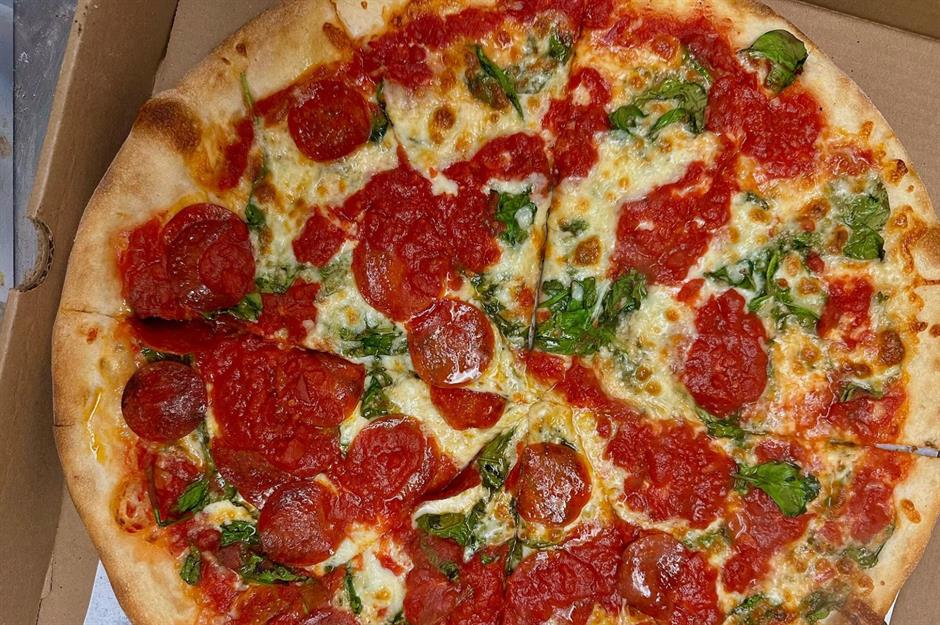
Tomato pie is a New Jersey legend that flips the script on traditional pizza. Unlike most pies, the cheese and toppings go on first, with the tomato sauce ladled on top before baking. The result? A crispier crust – and bright, tangy tomato flavour in every bite. This East Coast favourite was born in Trenton in the early 1900s, with iconic spots like Papa’s Tomato Pies and De Lorenzo’s leading the way. It’s all about balance; less cheese, more sauce, and a thin, crunchy base. It's old-school, unapologetically Jersey and perfect for sauce lovers.
Sponsored Content
33. Kebab, Sweden
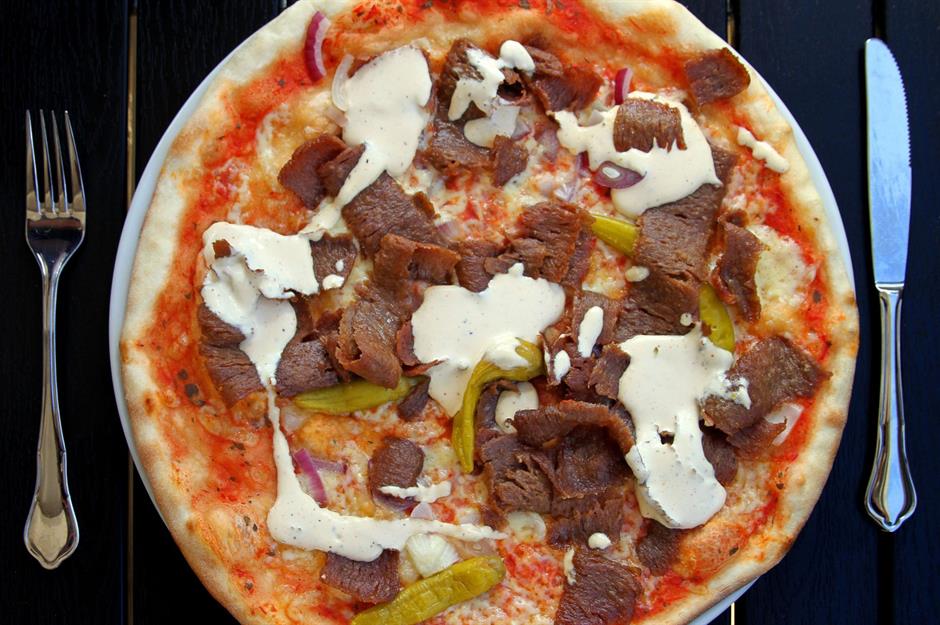
Sweden’s signature pizza topping may not be sophisticated, but it sure is tasty. It features thin slivers of doner kebab meat, mozzarella, sweet peppers and a special kebab sauce (kebabsås), made from a mixture of yogurt and spices. This fusion dish dates back to the 1980s, when kebab and falafel restaurants began to crop up throughout Sweden. It was common for these restaurants to offer both kebabs and pizzas – and at some point, the two items merged into one iconic dish. These days, it’s one of Sweden’s most popular fast food offerings, and it's even spread internationally to the US and Australia.
32. Fig and blue cheese, Italy
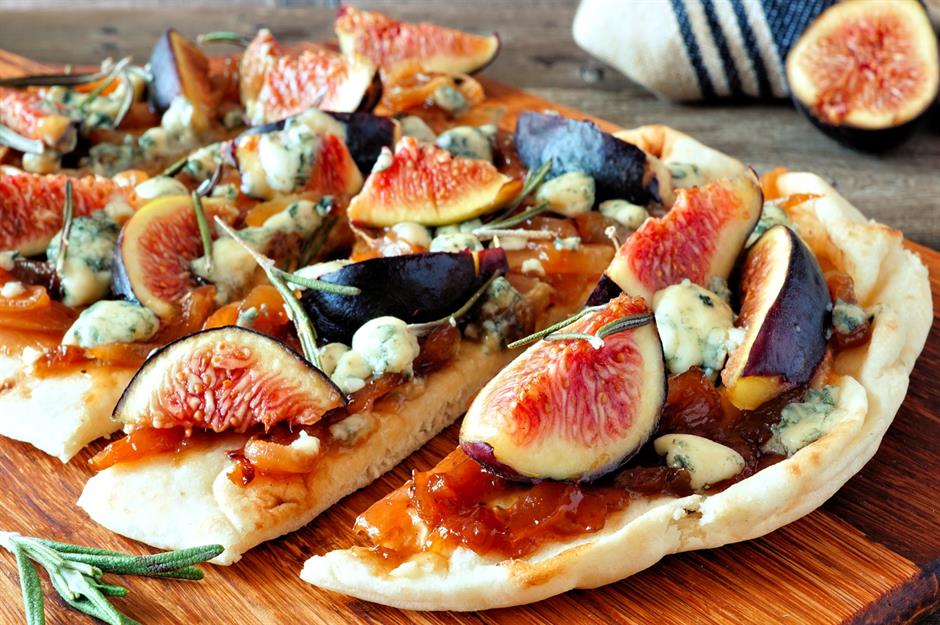
Fig and blue cheese sounds like a modern combination, but the idea actually originated in ancient Rome, when figs and unleavened bread was a common snack. It's unclear when blue cheese entered the picture, but it was an inspired move – the salty cheese (often Gorgonzola) balances the sweetness of the figs beautifully. Most recipes have cream cheese or mascarpone as the base, and prosciutto is also a common addition.
31. Smoked salmon, USA
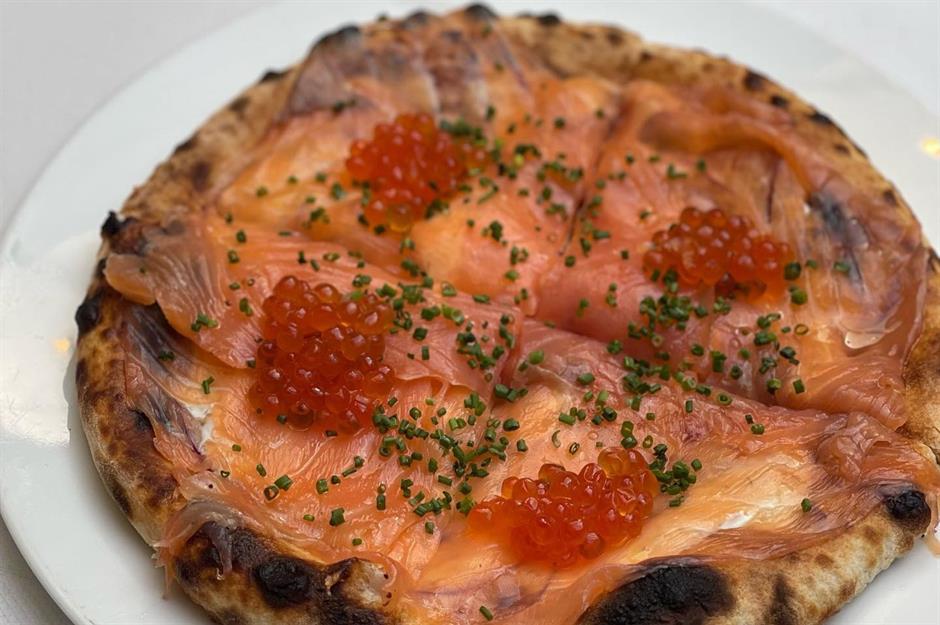
There's nothing Italian about the heritage of this unusual yet elegant topping. It was created in the early 1980s at the famous Spago restaurant in Beverly Hills, California by Austrian American celebrity chef Wolfgang Puck. Made originally for British actor Joan Collins, the luxurious creation features a base of chilli and garlic oils and sliced red onions, and it's topped with dill cream, smoked salmon, chives and generous spoonfuls of caviar. It's still considered one of the chef's signature dishes, and it's gone on to inspire many interpretations.
Sponsored Content
30. Tartufo, Italy
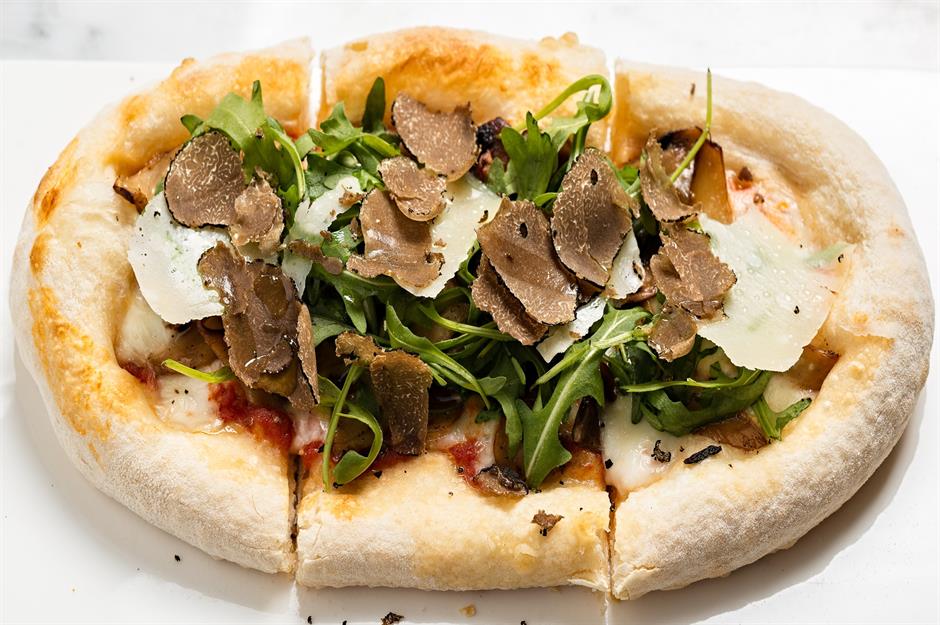
With their pronounced, umami-rich flavour and earthy perfume, truffles are the perfect topping for pizza. The only drawback is that they're among the most expensive ingredients on the planet. Pizza tartufo is a fairly modern invention, born out of a trend from the late 20th and early 21st centuries that saw chefs in Italy experiment with luxurious ingredients to create high-end pizzas. The trend soon spread, and these days you’ll find truffles in various forms on top of pizzas all over the world. Truffle paste or oil makes an economical alternative, though there’s nothing quite like the real thing.
29. Potato and rosemary, Italy
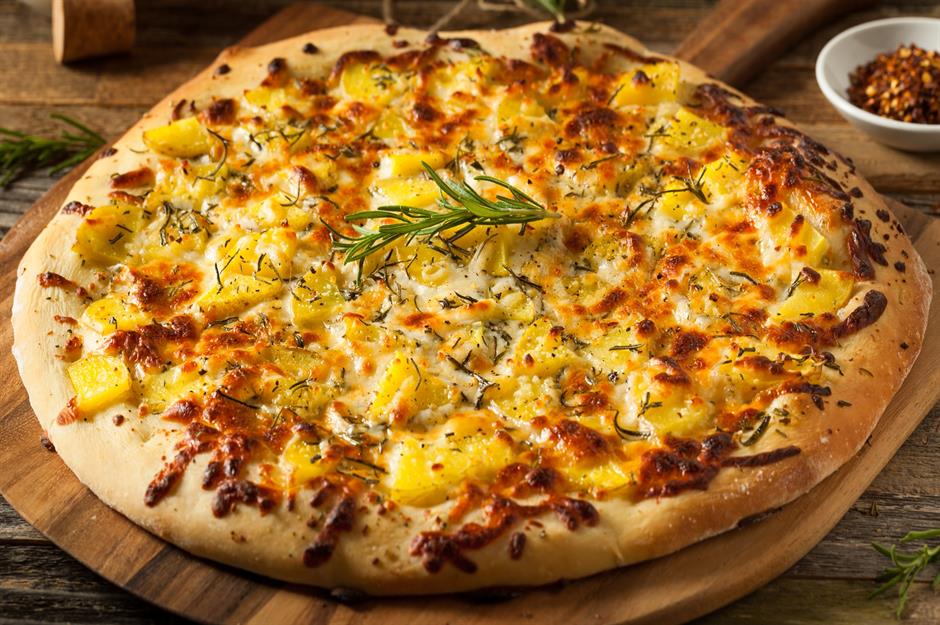
This inexpensive double-carb delight is a Roman speciality that's become popular around the world. It usually features thin slices of potato laid over shredded cheese, often mozzarella or fontina, with chopped rosemary scattered over the top. There are a few regional Italian variations – including an even more potato-y version from southern Italy, whose pizza dough includes mashed potato.
28. Pugliese, Italy
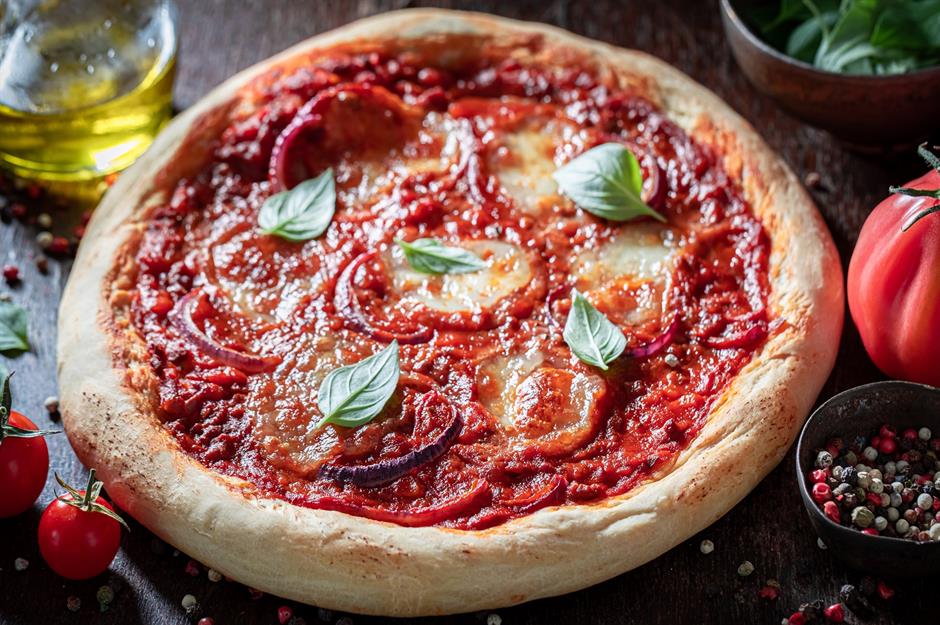
This is a topping for the pizza purists out there, consisting of just tomato sauce, onion and mozzarella. It's named after Puglia on Italy's southern peninsula, where it was invented, and the simplicity of the topping reflects the pared-back culinary style of the region. Variations include local produce such as capers and olives, and provolone or pecorino cheeses are sometimes used instead of mozzarella.
Sponsored Content
27. Sardenara, Italy
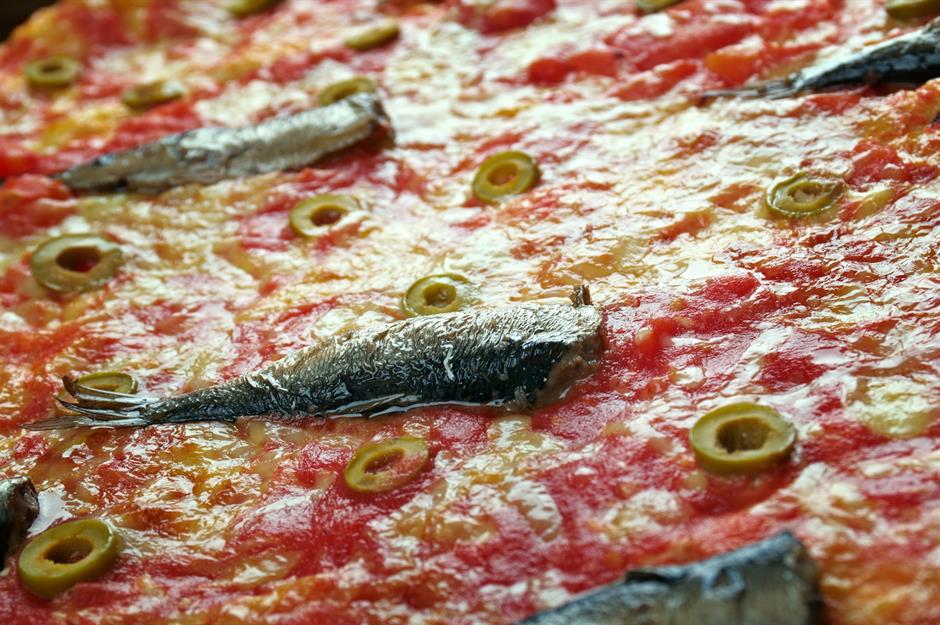
Legendary English food writer Elizabeth David championed this lesser-known Ligurian pizza in her 1952 book Italian Food – she included a recipe for a cheeseless pizza topped with tomato sauce, salted anchovies, black olives and oregano. However, this historic pizza actually goes all the way back to the Middle Ages; the original incarnation featured onions, anchovies, capers, garlic, olives and oregano. It didn't, however, include tomatoes, as they were only introduced to Liguria in the early 1700s.
26. The Aussie, Australia
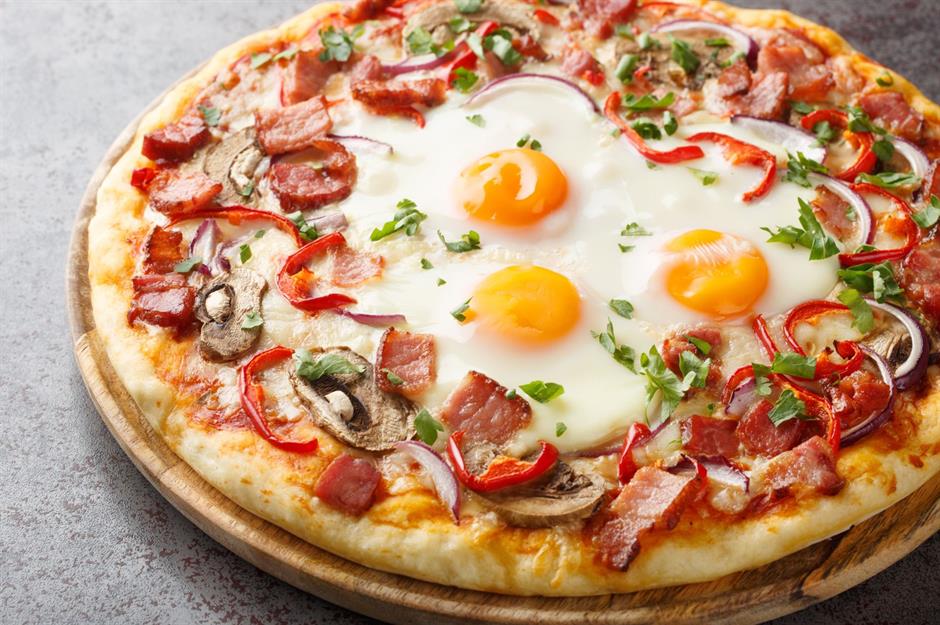
Australia’s contribution to the pizza hall of fame has a distinct breakfast vibe, featuring eggs, bacon, mozzarella and sliced red onions on a base of barbecue sauce. Other common ingredients might also include tomato sauce, ham, chilli, mushrooms and pineapple, but the eggs and bacon are non-negotiable. The dish was invented by the late Salvatore Della Bruna, a pioneer of Australian pizza who founded the country's first pizza parlour, Toto's, in Melbourne's Little Italy. These days, the pizza is as popular as ever, and it remains a symbol of Australia’s diverse culinary culture.
25. Nutella, Italy
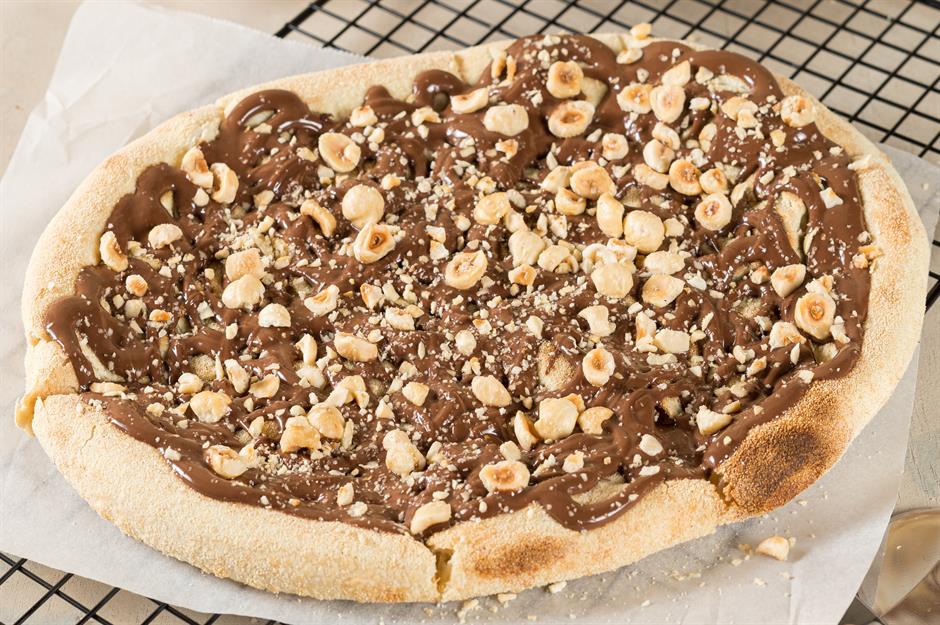
Nutella pizza sounds like a culinary fusion that would appal Italian traditionalists. However, it's a popular dessert served in pizzerias all over the country. And why not? After all, the hazelnut and cocoa spread was invented in 1946 by Italian baker Pietro Ferrero as a more affordable alternative to chocolate, which was in short supply after World War II. It couldn't be easier to make, either: pizza dough is baked and topped with the spread, plus a scattering of chopped hazelnuts. Sometimes, sliced fruits like bananas and strawberries are added too.
Sponsored Content
24. Salami, Italy
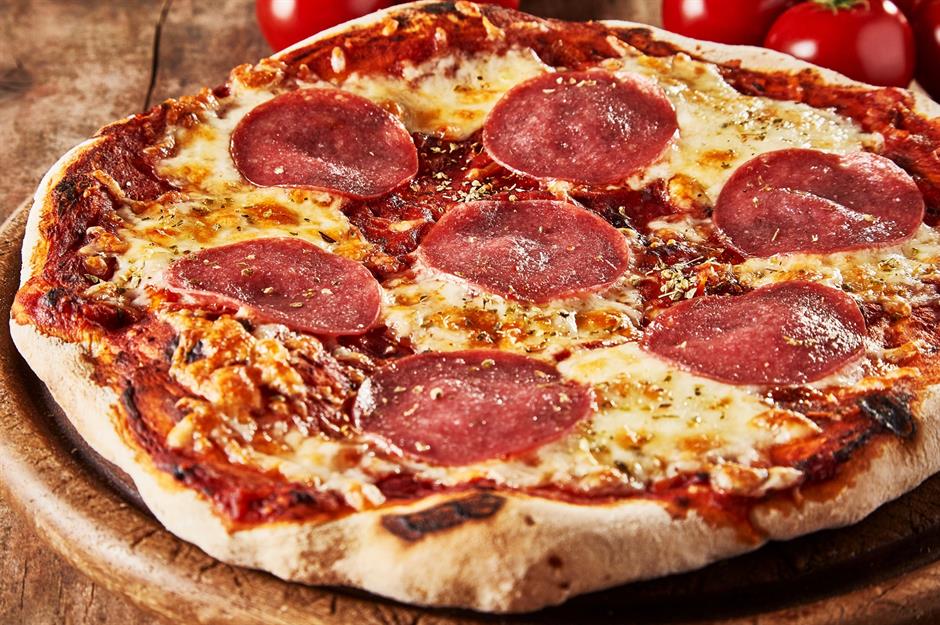
It’s tricky to pin down what exactly a salami pizza is, because salami isn’t a single type of sausage; in fact, it's a whole family of delicious Italian charcuterie. Usually unsmoked, salami can be made from pork, beef or vitellone (young beef, similar to veal), and there are numerous varieties, ranging from mild, garlic-infused Genoa to spicy Napoli from Campania. What’s for certain, though, is that all varieties make excellent pizza toppings, and they can be paired with any number of other ingredients – including red peppers, capers and even a drizzle of honey.
23. Ladenia, Greece
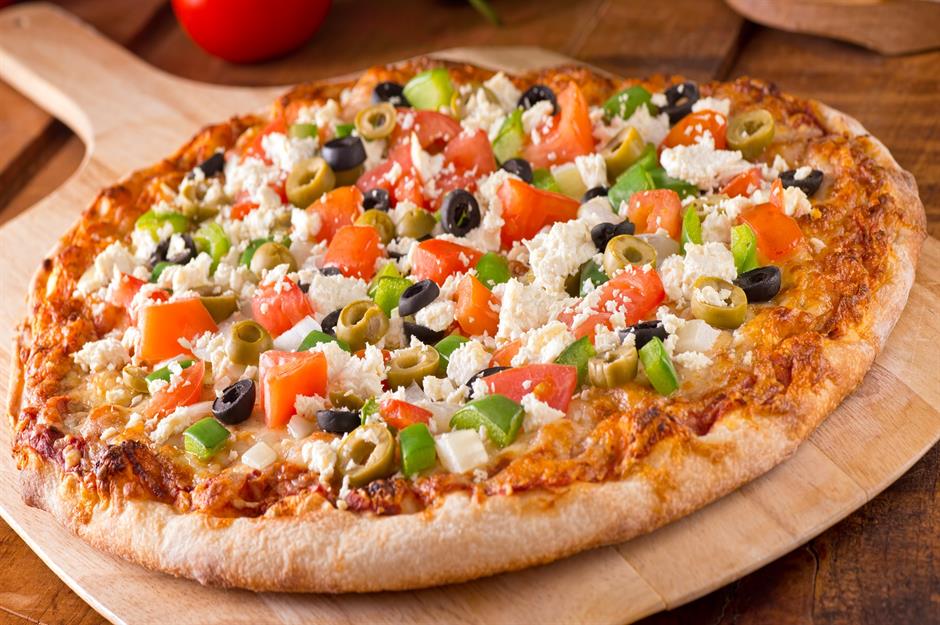
The origins of Ladenia, also known as Greek pizza, lie on the Greek island of Kimolos, where locals have been serving a traditional olive oil–enriched flatbread topped with tomatoes, onions, oregano and olive oil for centuries. Nowadays, you'll find Greek pizza all over the world, often with added feta cheese and olives. Confusingly, Greek pizza also refers to a style of pizza invented in the 1950s in New England, USA, which is cooked in a shallow baking tray.
22. 'Nduja, Italy
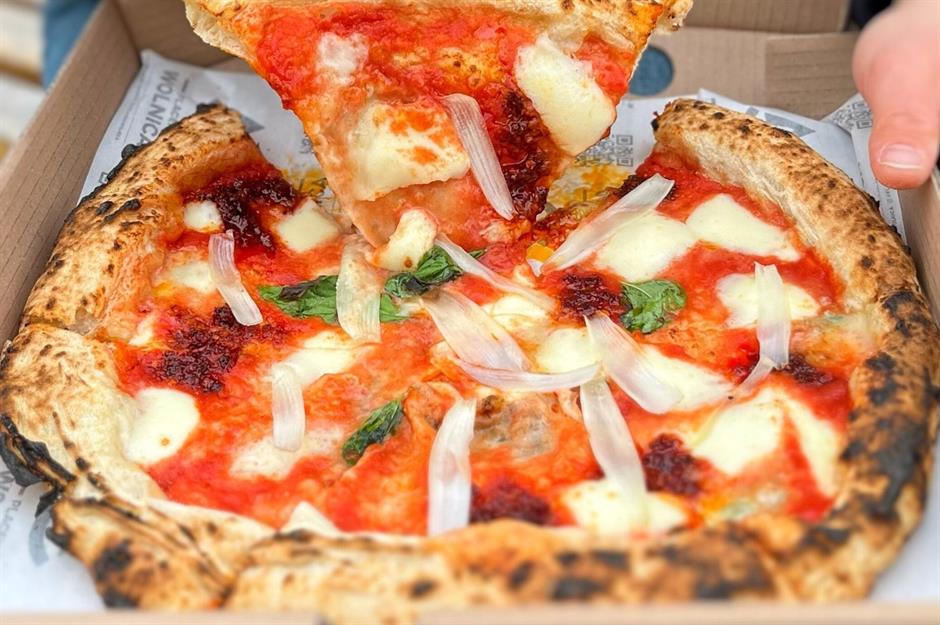
Once the preserve of in-the-know foodies, this spicy, spreadable fermented pork sausage, made with fiery Calabrian chilli, was the hippest pizza topping around in the mid-2010s. Loved for its gooey, melty texture and punchy flavour, 'nduja is a winner when combined with creamy cheeses, fragrant herbs and other cured meats. These days, the topping has gone so mainstream that you can now get a pizza from ubiquitous chain Domino's topped with the stuff.
Sponsored Content
21. Spicy beef, UK
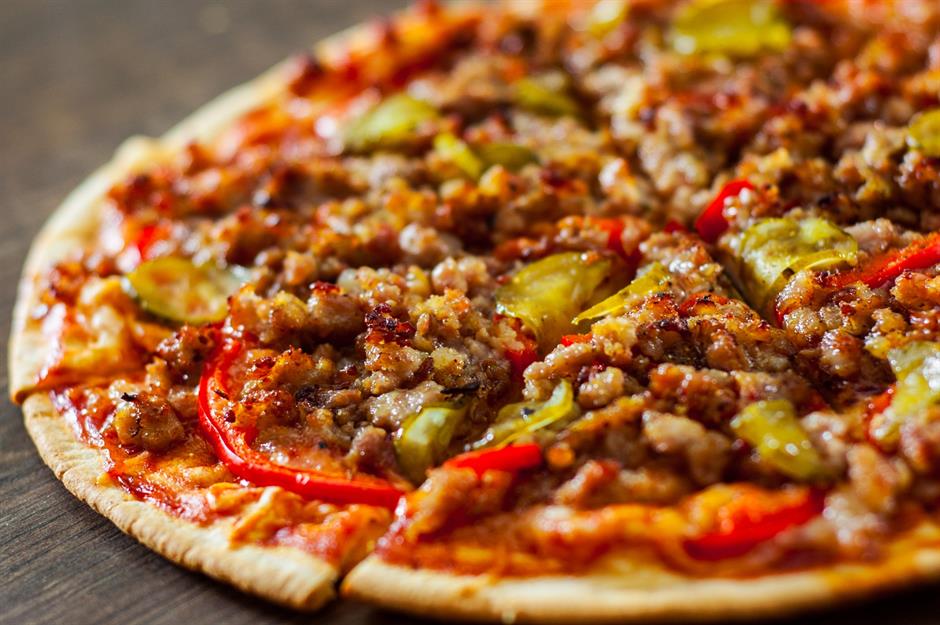
The use of spicy beef (ground beef flavoured with chilli powder, cumin and paprika) as a pizza topping likely has its roots in Turkish snack pide. This traditional boat-shaped flatbread is cooked in a wood-fired oven and topped with tomatoes, cheese and other ingredients, including ground beef. Spicy beef–topped pizza was popularised in the UK in the 1990s by the Pizza Express restaurant chain – its Sloppy Giuseppe (featuring spicy beef, tomato sauce, mozzarella, green peppers, red onion and oregano) is still one of Britain's most iconic pizzas. Today, it's a common topping at many pizzerias.
20. Capricciosa, Italy
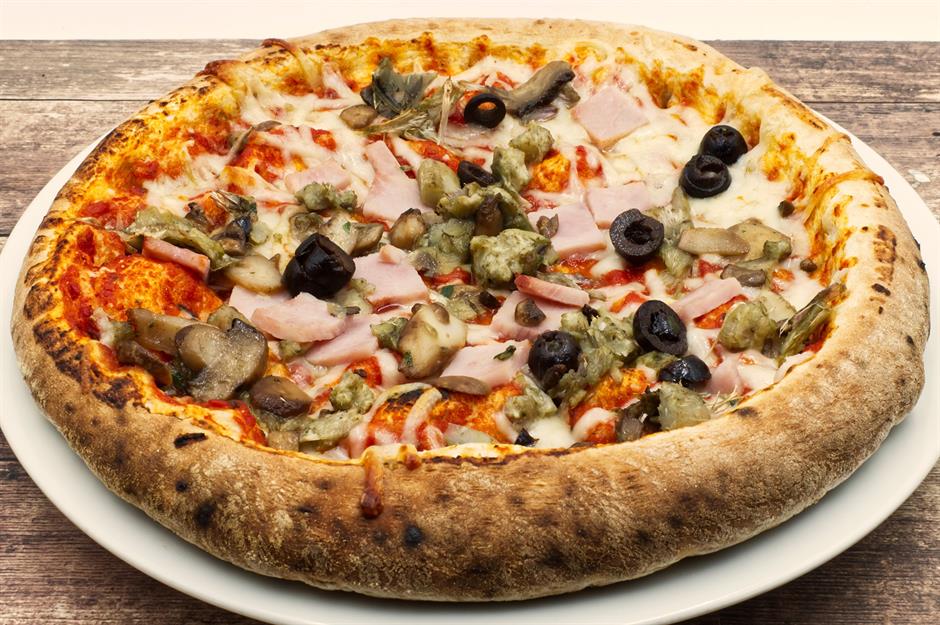
Originating in Naples, capricciosa may translate as capricious, but the super-savoury combination of mozzarella cheese, ham, mushrooms, artichoke and tomato makes perfect umami sense. The toppings are similar to those used for a quattro stagioni, and regional variations can include the addition of black olives and eggs – either hard boiled or cracked on to the pizza just before it's baked.
19. Pesto Genovese, Italy
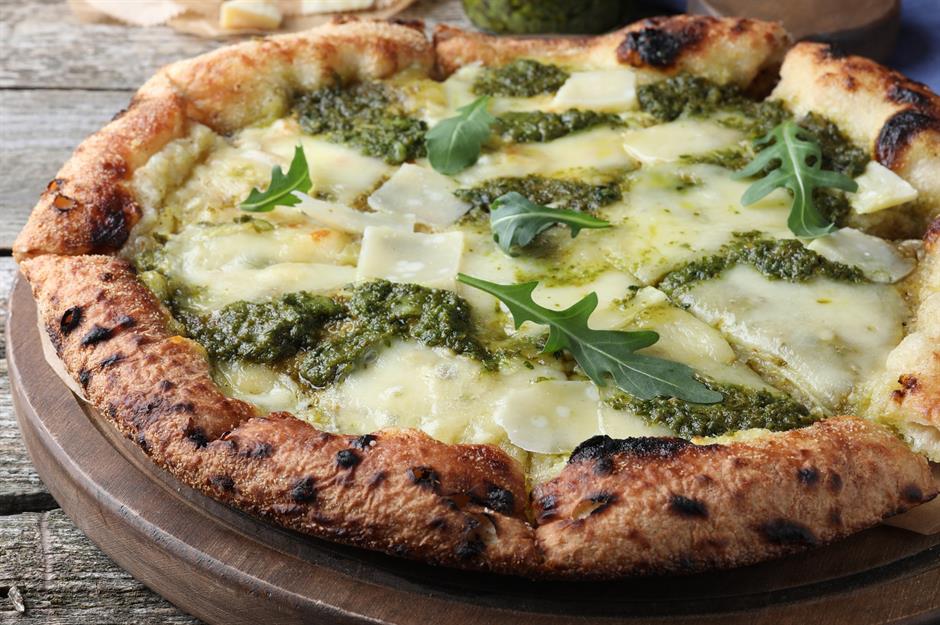
This simple pizza eschews tomatoes as a base in favour of classic pesto Genovese, made with basil, extra virgin olive oil, Parmigiano Reggiano and/or pecorino cheese, pine nuts and garlic. In typically Italian less-is-more fashion, the only other classic topping is buffalo mozzarella, but you'll find plenty of chefs playing fast and loose with the recipe – including Jamie OIiver, who adds potatoes and peas.
Sponsored Content
18. Primavera, USA
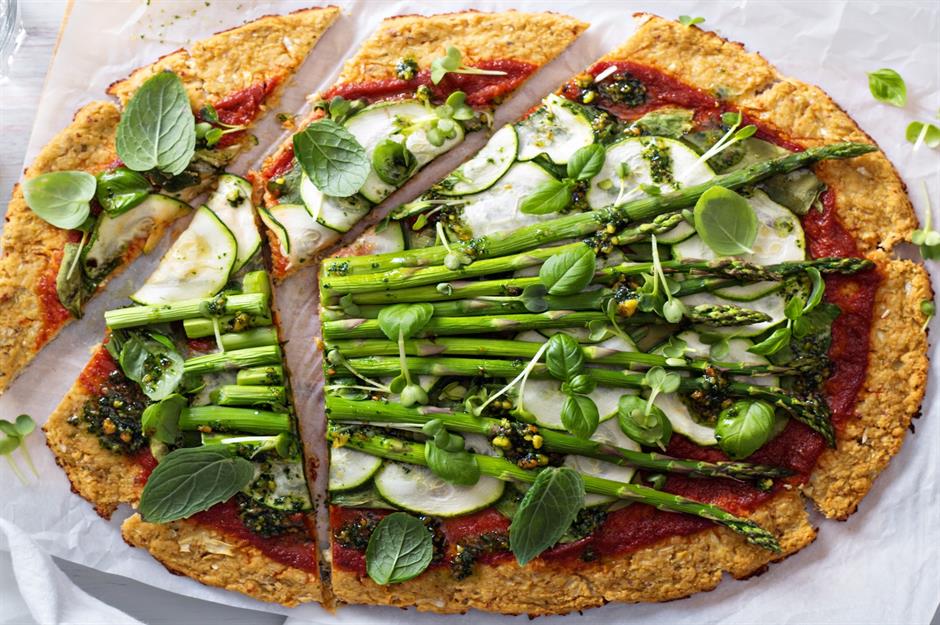
Pizza primavera owes its existence to a pasta dish of the same name, which was created in the mid-1970s by Sirio Maccioni, owner of storied New York City restaurant Le Cirque. Maccioni famously prepared his signature blend of green vegetables, cream and spaghetti tableside. It didn't take long for canny chefs to realise that the fresh and vibrant concoction (minus the pasta) could be adapted as a pizza topping, and so the combination of asparagus, courgette, peas and spinach soon found its way onto pizza crusts all over the US.
17. Marinara, Italy
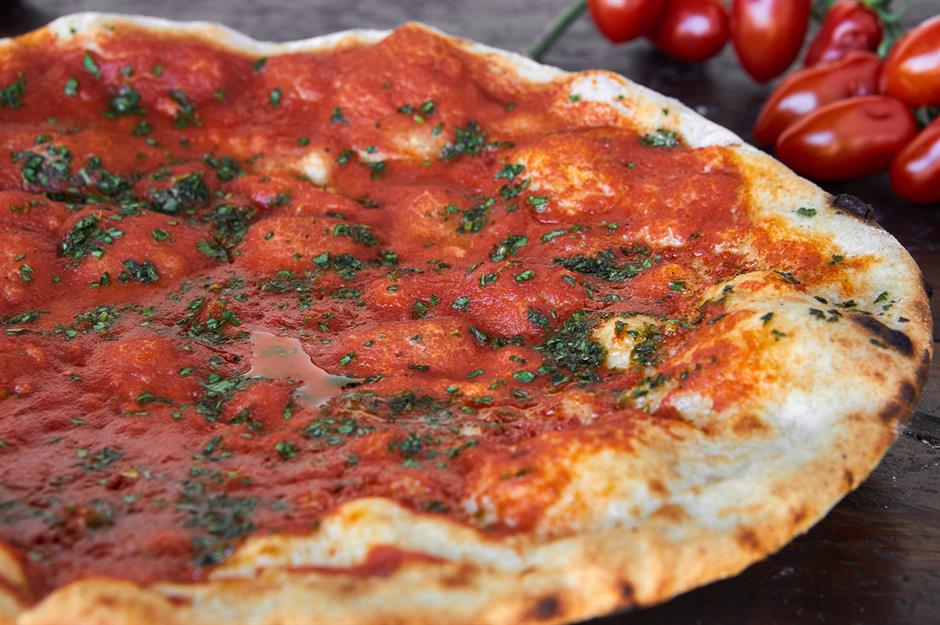
Marinara is a classic Neapolitan pizza topping that's thought to have first been served in Naples in 1735. Under the regulations of the Verace Pizza Napoletana trademark, a true marinara pizza must include just peeled tomatoes, extra virgin olive oil, garlic and oregano, although the organisation concedes that 'the addition of a few basil leaves may be appreciated'.
16. Flammekueche, France and Germany
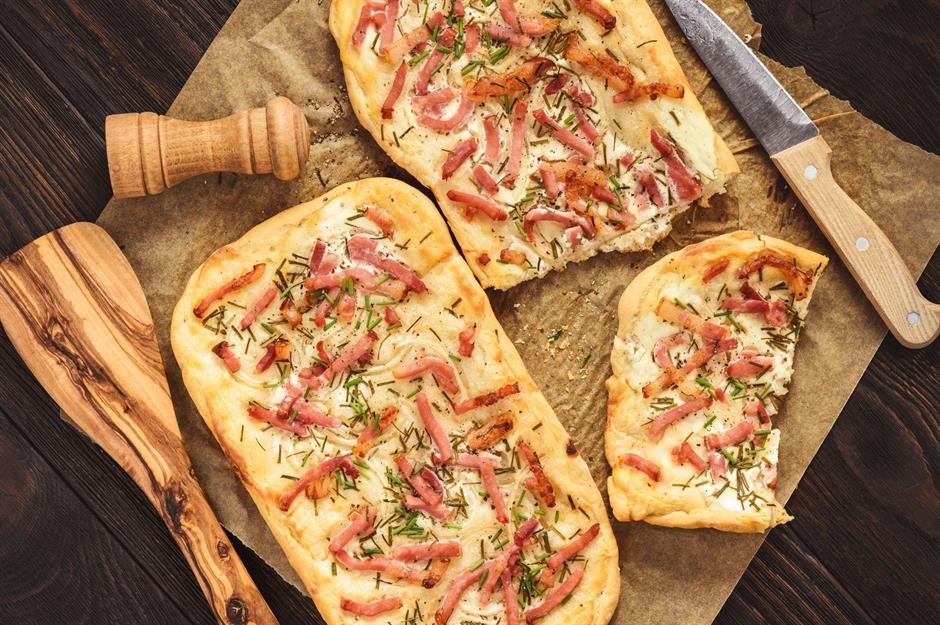
Flammekueche, also known as tarte flambée, is a traditional dish from the Alsace region of France and parts of Germany. It features a thin, crisp pizza crust, and it's traditionally baked in a wood-fired oven. The dough is topped with crème fraîche or fromage blanc, thinly sliced onions and bacon lardons. Historians date the dish to the 16th century, when Alsatian farmers would cook flammekueche in their wood-fired ovens after their bread had been baked to make the most of the heat.
Sponsored Content
15. Pear and Gorgonzola, Italy
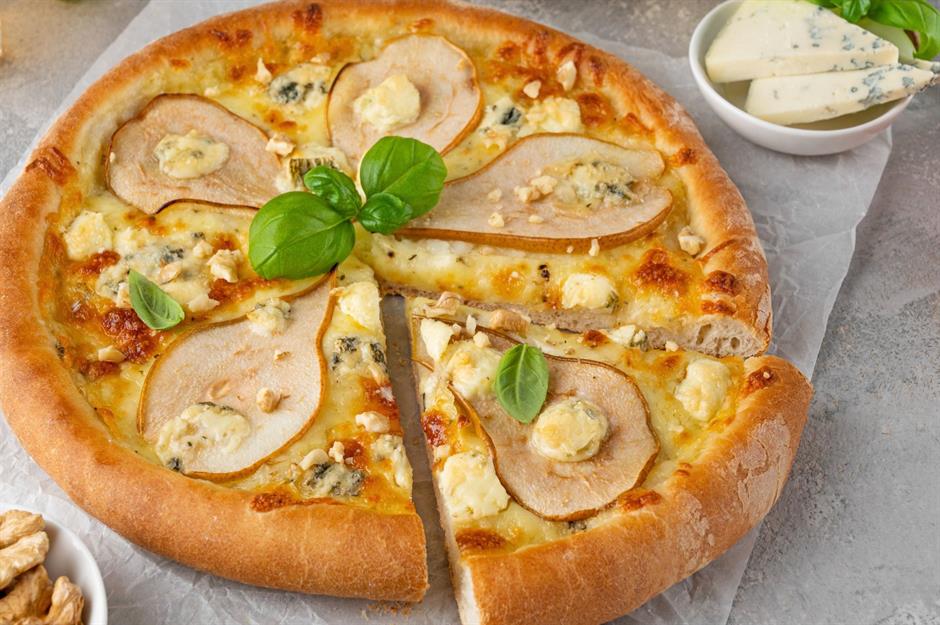
This classic Italian pizza topping draws inspiration from traditional antipasti, Italian nibbles that often include fruit and strong cheeses. Gorgonzola, a blue-veined cows' milk cheese dating back to the 11th century, delivers a pungent, salty bite. When matched with sweet, juicy pear (often poached or thinly sliced) it creates a luxurious balance of sweet and savoury flavours. Often finished with prosciutto, walnuts or honey, it’s a sophisticated topping that transforms pizza into a really refined dish.
14. White clam, USA
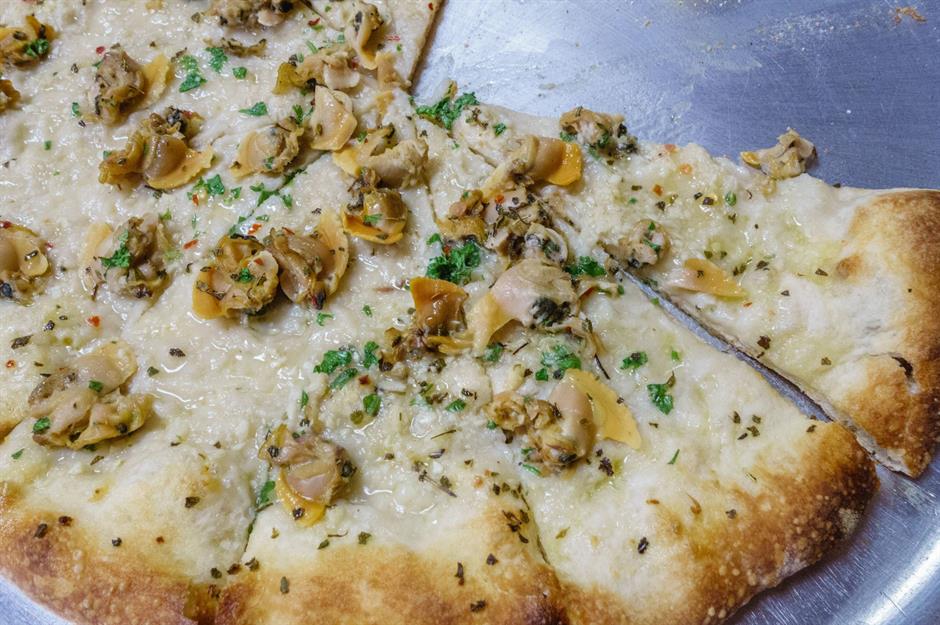
White clam pizza is a beloved regional speciality of New Haven, Connecticut, and it's been served at historic restaurant Frank Pepe Pizzeria since the 1960s. This iconic pizza features a thin, crispy crust topped with fresh littleneck clams, grated pecorino Romano cheese, garlic, oregano and olive oil. Unique for its lack of traditional tomato sauce, the white clam pizza is considered a culinary masterpiece by many, and it offers a briny, garlicky flavour profile that pizza fans travel from far and wide to taste.
13. Barbecue chicken, USA
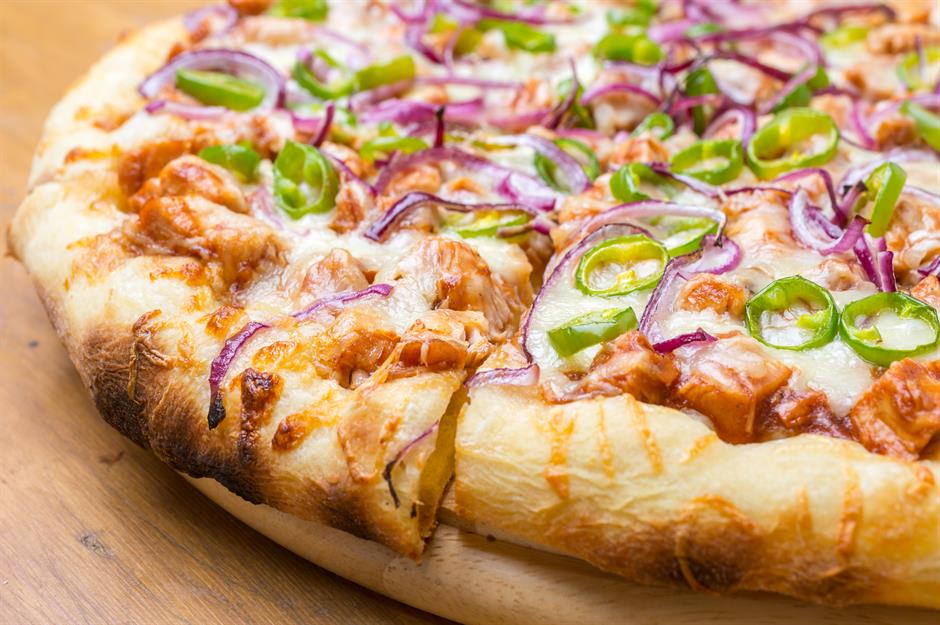
We have late American chef Ed LaDou to thank for inventing this takeaway classic. It first appeared on a menu he created for restaurant chain California Pizza Kitchen in 1985; back then, the toppings included shredded chicken, house-made barbecue sauce, onions, coriander and fontina cheese. The pizza is still served by the international brand today, but it now features smoked Gouda instead of the original fontina.
Sponsored Content
12. Carbonara, Italy
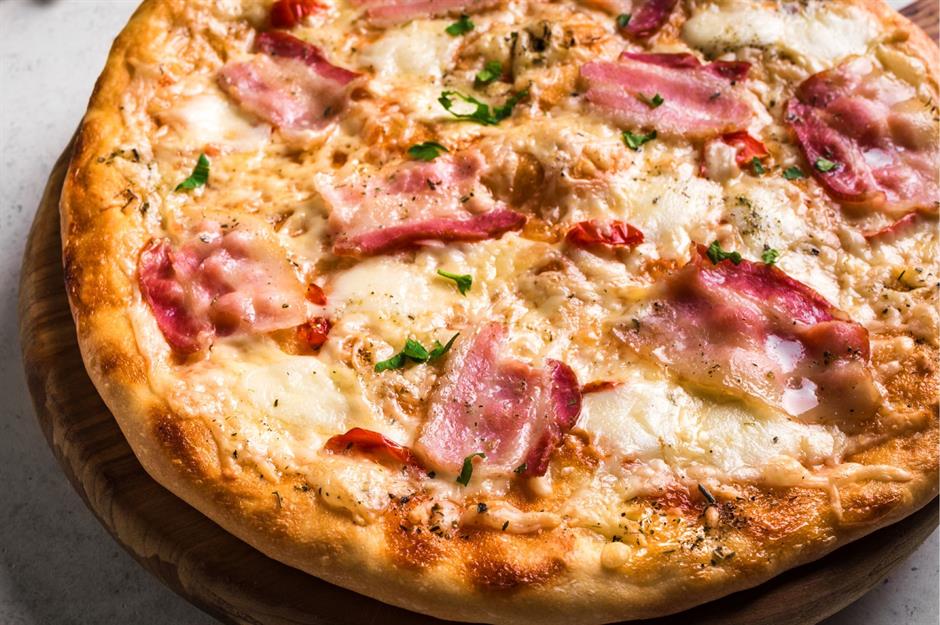
Rich and unashamedly indulgent, carbonara pizza is a relatively modern twist on spaghetti alla carbonara. The dish took hold in Rome’s pizzerias as a natural extension of the iconic pasta dish, made using similar ingredients. It starts with a base of cheese (often mozzarella or pecorino Romano), to which crispy pancetta or guanciale, black pepper and, sometimes, a runny egg are added. It’s especially popular in Rome and Naples, but you’ll find it at pizzerias throughout Europe (and beyond).
11. Fiorentina, Italy
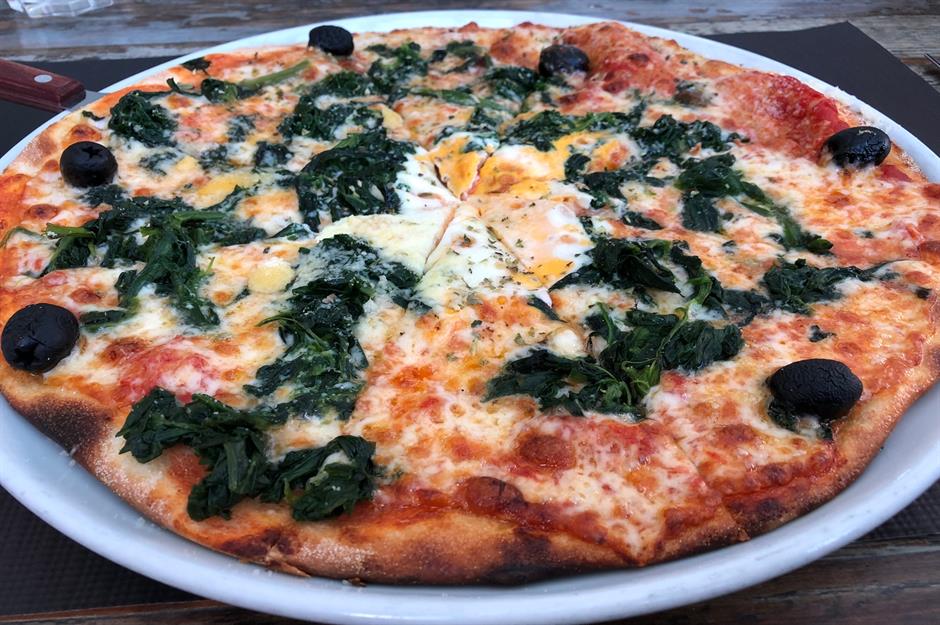
As you might guess from the name, this fresh and light combination of spinach, ricotta and soft-cooked eggs was invented in Florence. It's claimed that the Fiorentina pizza was originally intended to be a breakfast dish, but these days you're unlikely to find many restaurants serving it first thing in the morning. Variations on the traditional topping, which also features tomato and mozzarella, include swapping the soft-cooked eggs for hard-boiled ones.
10. Buffalo mozzarella, Italy
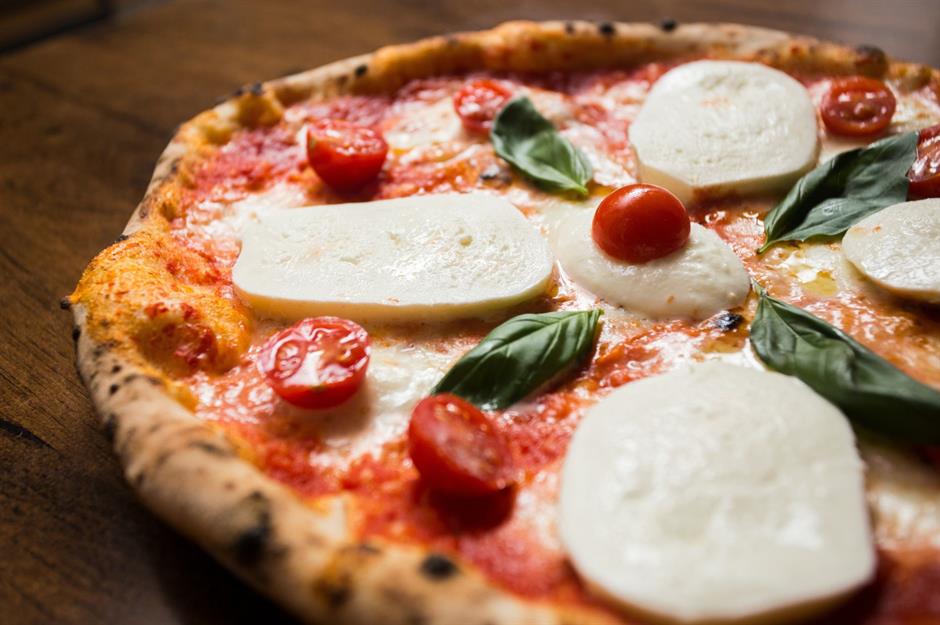
Using mild, creamy and slightly sour buffalo mozzarella in place of the regular variety is a deliciously easy way to elevate any pizza. On most menus, you’ll find this delicate cheese served very simply, with just tomato sauce, basil and a drizzle of extra virgin olive oil. To make the cheese, water buffalo milk is heated and stretched to produce that unmistakable springy, stretchy texture we know and love.
Sponsored Content
9. Hawaiian, Canada
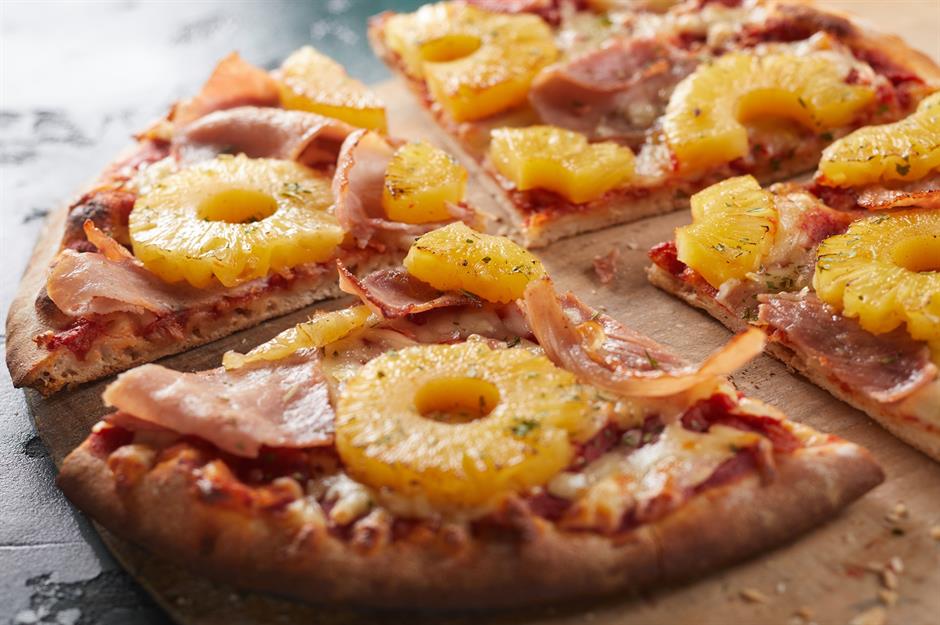
Hawaiian pizza doesn’t have the sun-soaked origins its name suggests. It was actually created thousands of miles away from Honolulu in the Canadian province of Ontario – and its inventor wasn't Hawaiian, but Greek. Sam Panopoulos ran a diner and, in 1962, was inspired by a trip to Naples to add pizza to his menu. Influenced by the tiki craze of the time, he came up with the divisive combination of ham and pineapple, naming his invention after the brand of tinned fruit he used to make it.
8. Lahmacun, Turkey
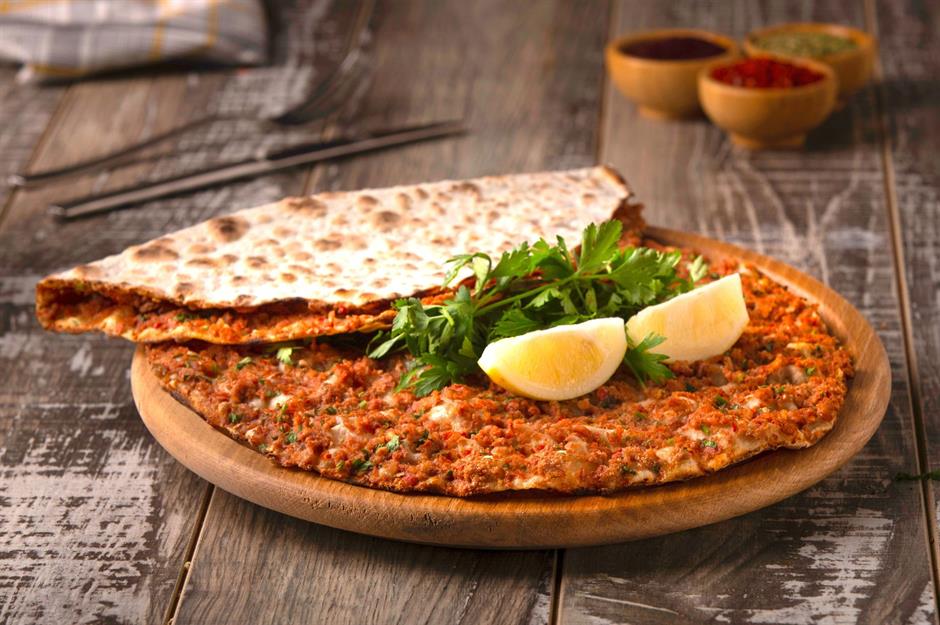
One of the world’s most delicious street food dishes, lahmacun is often referred to as Turkish pizza; however, it was invented over 4,000 years ago, making it significantly older than its Italian counterpart. It’s the rich, flavour-packed topping that makes this flatbread popular all over the Middle East – minced meat, usually lamb or beef, is mixed with finely chopped vegetables such as onions, tomatoes and peppers, along with a blend of herbs and spices. The mixture is spread over a thin dough base, which is then baked until crispy and delicious.
7. Frutti di mare, Italy
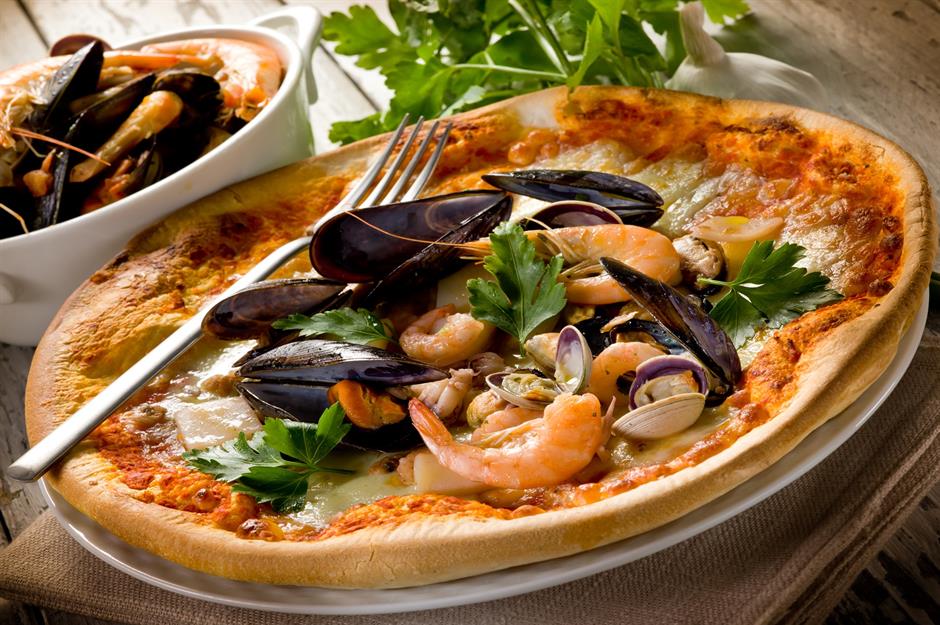
A speciality of the coastal towns on Italy's Adriatic coast, frutti di mare pizza features a variety of seafood – such as mussels, clams, prawns and squid – on a base of tomato and garlic sauce. As is often the case in Italian cuisine where seafood is concerned, cheese isn't involved in the traditional recipe, though it's sometimes added in more modern restaurants. The topping has caught on in many other Mediterranean countries too, including Croatia, where it's particularly popular.
Sponsored Content
6. Meatballs, USA
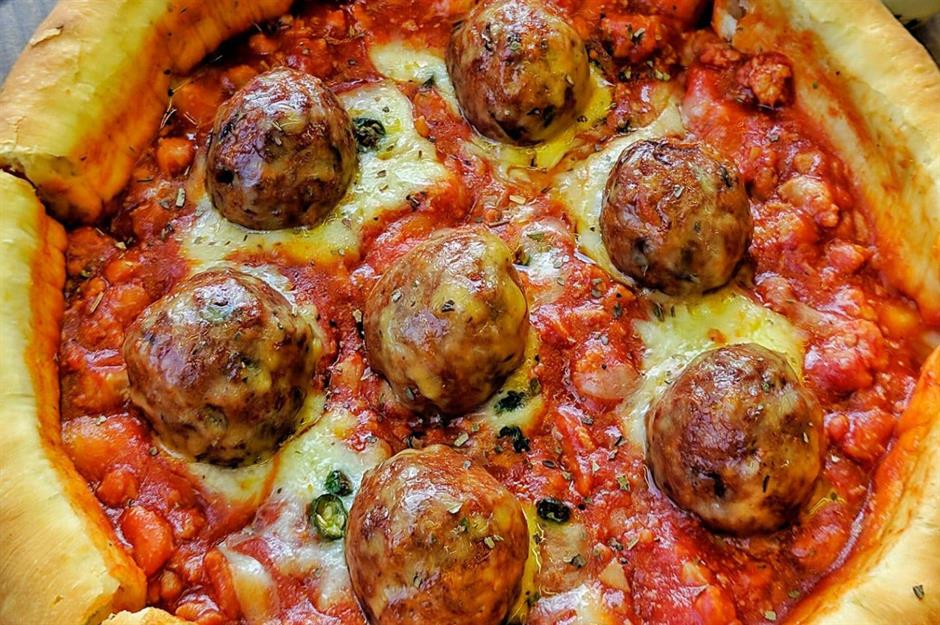
Like pizza primavera, meatball pizza takes its inspiration from a pasta dish: classic Italian American spaghetti and meatballs. According to YouTube chef and cookbook author J. Kenji López-Alt, you'll find the best examples in New York City – including a version served at Neapolitan pizza chain Motorino, featuring pork meatballs, tomato sauce, fior di latte mozzarella, basil and pecorino cheese.
5. Quattro stagioni, Italy
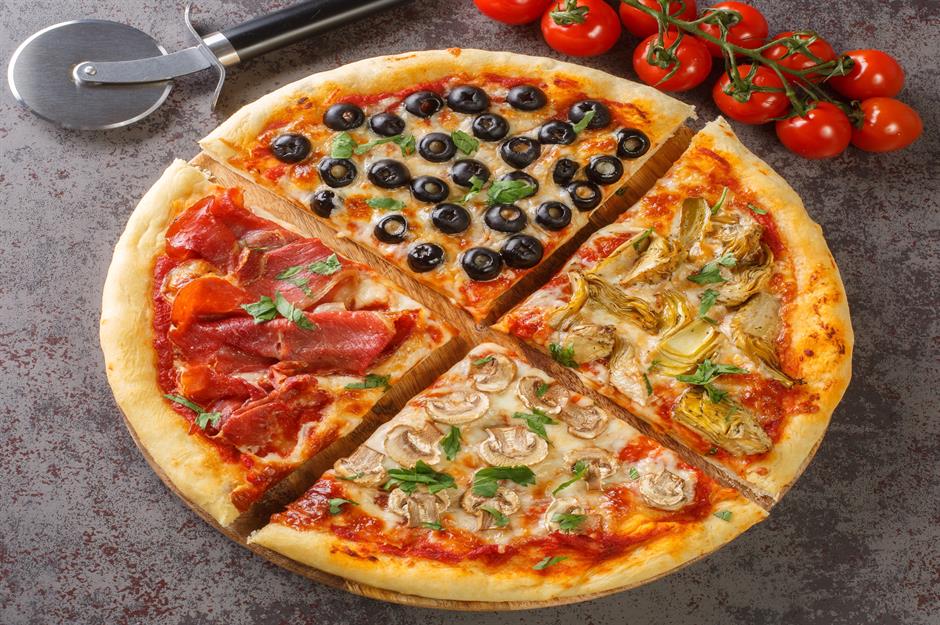
A close relation of capricciosa, quattro staggioni shares similar toppings of mushrooms, artichokes, olives and prosciutto – but it divides them into four 'seasons', with each topping taking up a quarter of the surface of the pizza, rather than being equally distributed. The segregation of the topping ingredients, sometimes marked out with strips of dough acting as a barrier between them, allows each one to be enjoyed on its own.
4. Meat feast, USA
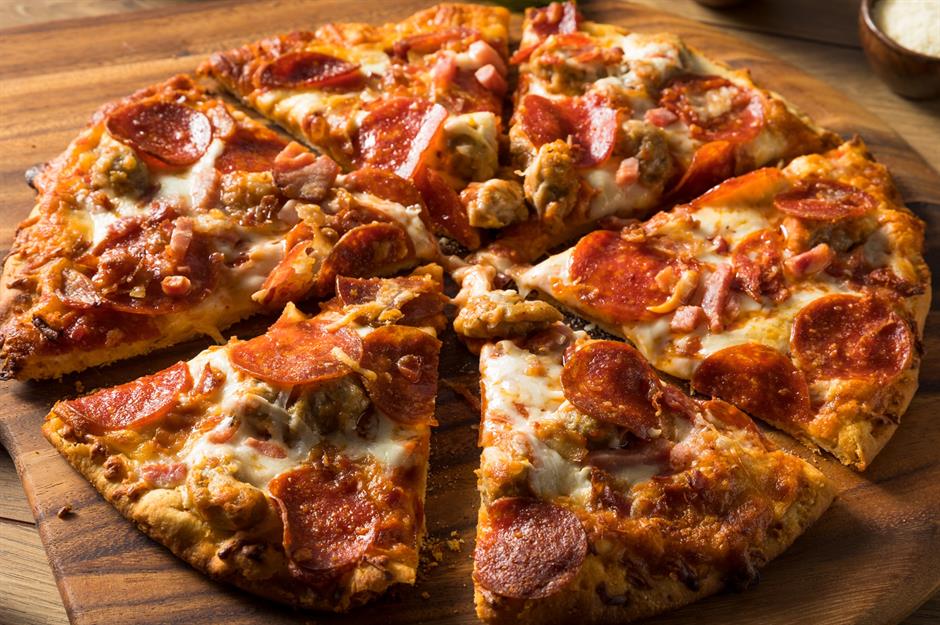
It's not clear where and when the idea of loading a pizza with a combination of meats first appeared, but what we do know is that the term 'Meat Lover's' was trademarked by Pizza Hut in 1989. The chain’s legendary version includes pepperoni, Italian sausage, ham, bacon, seasoned pork and beef. Since then, variations on the idea have popped up on menus all over the world. A survey conducted in 2023 found that the meat feast was the most popular pizza ordered by Australian consumers.
Sponsored Content
3. Quattro formaggi, Italy
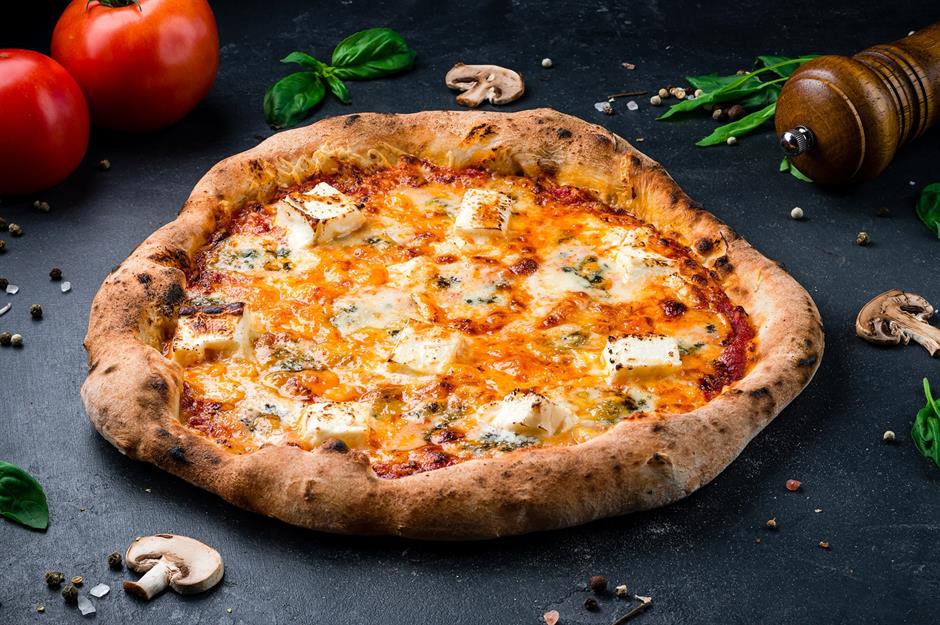
The quattro formaggi is believed to have been created in Central Italy (either Lazio or Campania) in the early 18th century. There's no hard and fast rule about what four cheeses should top this popular pizza, although a common combination is mozzarella, Gorgonzola, fontina and Parmesan. The pizza may or may not include tomato sauce. However, the quattro formaggi isn't the cheesiest pizza ever made. That award goes to the Novantanove Formaggio pizza, which was created by Australian chef Johnny di Francesco, and came topped with an artery-clogging 99 different cheeses.
2. Margherita, Italy
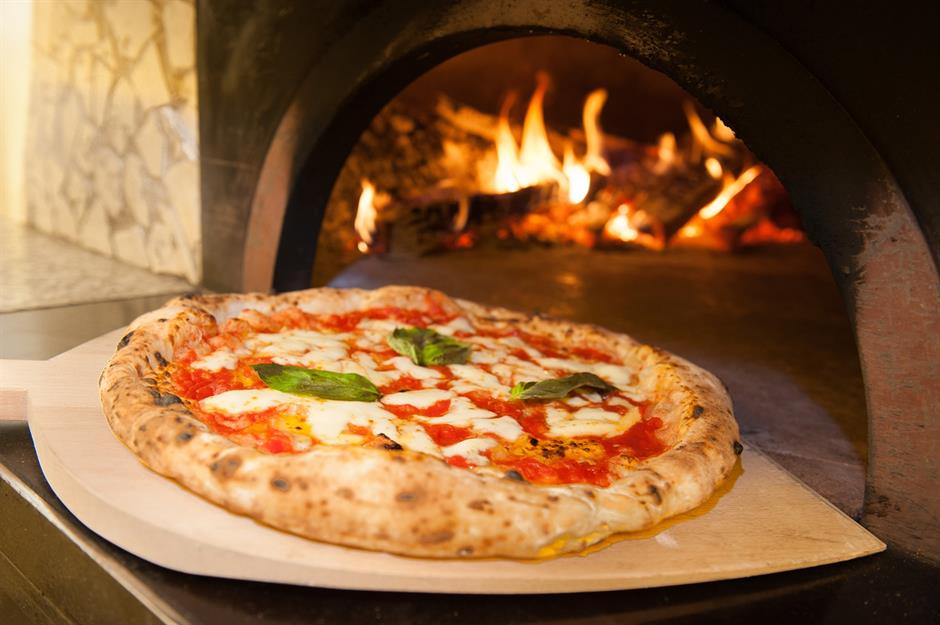
The iconic toppings of tomato, mozzarella and basil first adorned a pizza in 1889. Pizzaiolo Raffaele Esposito created the Margherita in honour of an official visit by King Umberto I and Queen Margherita of Italy to Naples. The royal seal of approval for the toppings (which famously mimic the green, white and red of the Italian flag) helped to establish pizza as a national dish of Italy.
1. Pepperoni, USA
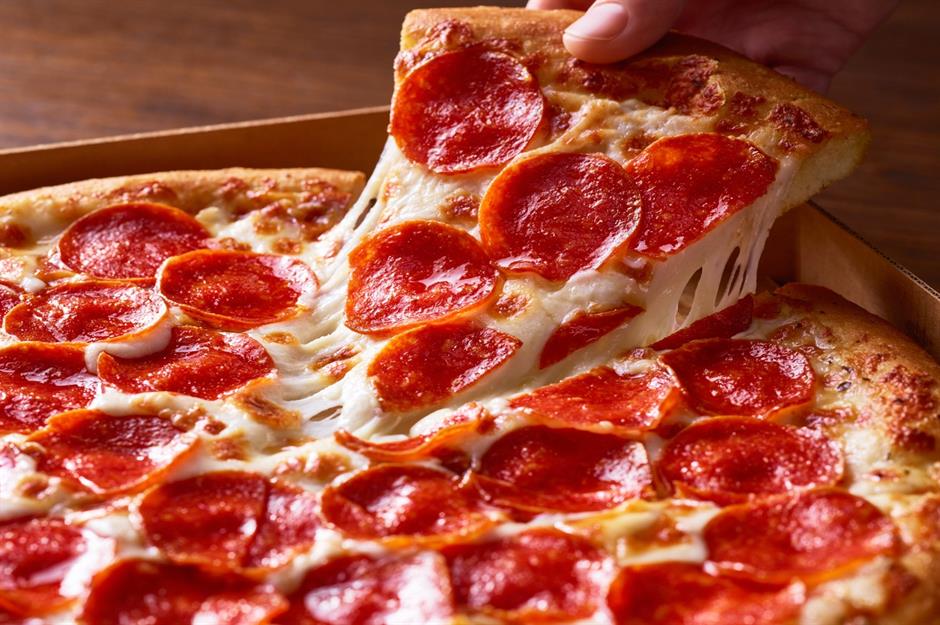
Whisper it, but one of the most popular pizza toppings in the world wasn't invented in Italy. Pepperoni – a spiced, cured, smoked and air-dried sausage usually made from a blend of beef and pork – first appeared on a pizzeria menu at The Spot in New Haven, Connecticut sometime in the 1950s. Since then, it's become the USA's favourite pizza topping, with hungry Americans consuming over 250 million pounds of pepperoni pizzas every year. It's also globally adored, available at fast food chains and pizzerias all over the world.
Now learn more about the incredible history of pizza
Last updated by Natasha Lovell-Smith.