TV Dinner: How The Accidental Invention Changed America Forever
Tasty trays
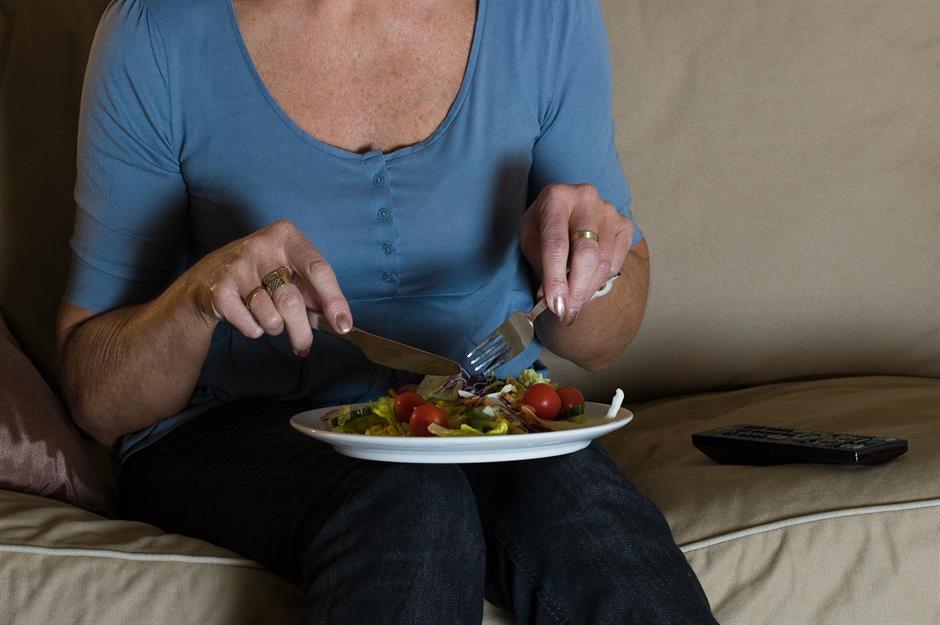
When the TV dinner came onto the scene in the 20th century it would shift the West's approach to dining forever. From the first meat-and-vegetable-filled metal tray to today's creative approaches, we chronicle the life of the TV dinner from the 1940s to the present day.
Take-off
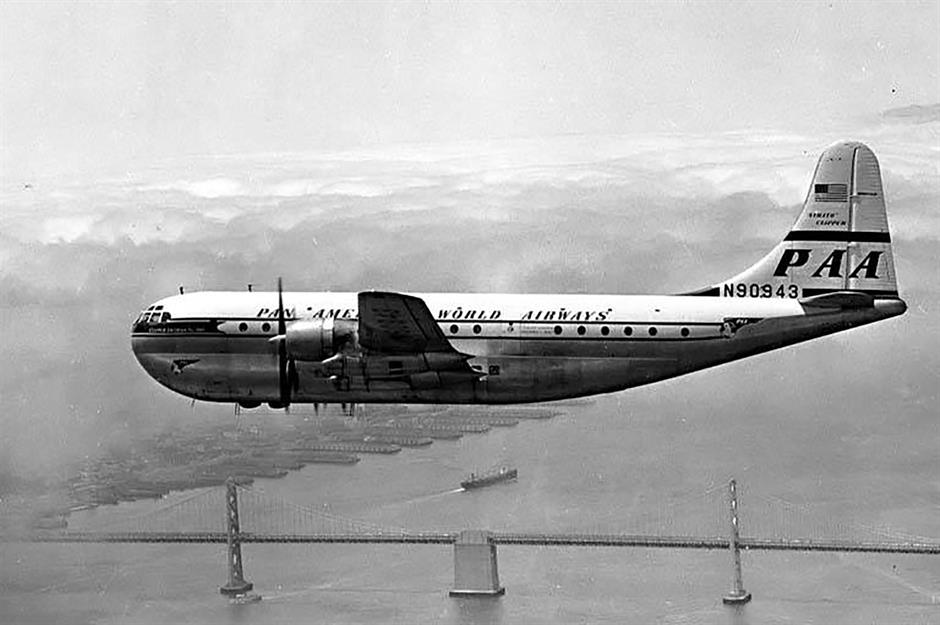
While credit for inventing the beloved TV dinner is usually given to long-standing frozen food company Swanson, there were actually earlier iterations. The very first TV dinner-style meals – including a compartmentalized aluminum tray laden with meat and two vegetables – were manufactured shortly after the Second World War by Maxson Food Systems Inc, and were served on Pan American Airways.
An early iteration

Sponsored Content
Swanson is on the scene

A Thanksgiving mix-up

A neat idea

Sponsored Content
America's first TV dinner

Right on the button

A growing appetite

Sponsored Content
A recipe for success

The TV dinner industry burgeoned from there onward. Other brands took a bite out of the ready meal hype, and by the end of the 1950s Americans were spending some half a billion dollars on these convenience foods each and every year.
A mini Banquet

Something from Stouffer's

Sponsored Content
Beefing things up

A different kind of mealtime

The TV dinner would change the fabric of family life in the States. Previously, dinner was a family affair in which the entire clan would gather around the table and swap stories about their days. The advent of the TV dinner, however, and the rising profile of the TV itself, represented a shift towards screen-time over conversation, and convenience over home cooking. A 2015 study by the Food Marketing Institute showed that, today, almost half of all meals and snacks are consumed in solitude in the USA.
A frozen time saver

But not everyone was happy. Women were the primary housekeepers in this era, spending an average of four hours preparing food and cleaning up afterwards. Swanson was purportedly inundated with angry letters of complaint from husbands, lamenting their being given a TV dinner in place of a home-cooked meal. The TV dinner was a pivotal factor in the changing way households were run. Today, the average American woman spends some 45 minutes cooking and washing up (still more than the typical male's 15 minutes).
Sponsored Content
Across the pond

The TV dinner phenomenon eventually made its way across the pond, though a ready meal craze didn’t truly grip Brits until the late 1960s. This was because many a British kitchen lacked a domestic freezer until then. TV dinners began thriving in Britain through the 1970s and into the early 1980s, with companies such as Birds Eye at the helm. According to the BBC, the growing sales were in part due to rising divorce rates – savvy ready meal companies marketed their products with single men in mind.
A chilled-out approach

However Brits soon fell out of love with the traditional frozen TV dinner, preferring a chilled convenience meal instead – the first of these was launched by M&S in 1979. Today, Britons still eat more ready meals than anywhere else in Europe, consuming on average one per week, followed by France, Germany and Spain. And the appetite for these meals shows no sign of letting up. Across the continent, the market has seen steady growth for years.
Bigger and better

Sponsored Content
A new kind of oven

Getting leaner

By the 1980s, diners were craving something more from their meals, and society was becoming more health conscious. Lean Cuisine (sister brand to Stouffer's, by then owned by Nestle) began in 1981. Its meals were marketed as light alternatives to Stouffer's calorific suppers, with less than 300 calories and a free dieting book thrown in too. The upmarket Le Menu range from Swanson was also born. It matched the meat-and-two-veg template but with options such as orange chicken or pepper steak.
Amy's is born

Sponsored Content
Recognizing an icon

An upscale TV dinner

Screen time

It's clear too, that beyond the nostalgia, the TV dinner has had a lasting impact on society. According to the Statistics Brain Research Institute, two thirds of Americans eat their dinner in front of the television. Meanwhile, a study by Co-op Food showed that in Britain more than half of the population have a screen present during mealtimes, and the average dinnertime lasts just 21 minutes.
Sponsored Content
The end of the TV dinner?

But, despite this, for a long time it looked as though the future might be fresh rather than frozen. After some 60 years of steady growth, frozen dinner sales fell into decline between 2008 and 2016. Harvey Hartman, founder of market research company The Hartman Group, said that the TV dinner is losing relevance in a modern society. He told AdWeek: "Younger consumers want fresh ingredients, mobile use is supplanting TV time and "dinner" increasingly means a late-night snack."
Diners about town

Special delivery

Another factor is the gaining popularity of meal kit delivery services such as Blue Apron and Hello Fresh – some have even dubbed meal kits the modern version of the TV dinner since they couple convenience with the present-day priority of freshness and meals made from scratch. Almost 27% of internet users purchased these kits in 2016, and the industry was then worth $1 billion (£770m) – this is projected to rise to $10 billion (£7.74bn) by 2020.
Sponsored Content
Upping their game

A new brand of TV dinner

The Frozen Food Institute has also stepped up. Its campaign "Frozen: How Fresh Stays Fresh" urges Americans to fall in love with frozen food again. A new crop of 'freshness'-focused TV dinner brands, keen to challenge perceptions, have cropped up too. These include plant-based Sweet Earth, and EVOL, producing antibiotic-free, preservative-free meals. Both were launched in 2002. Devour was started by The Kraft Heinz Company in 2016 and aims to put restaurant-quality meals in frozen packages.
A frozen future?

It seems the effort is working. In 2016, sales of frozen ready meals grew in the USA for the first time in nearly a decade. So it seems that America's love for the TV dinner hasn't thawed just yet...
Discover the surprising reasons why these favorite foods were invented