The REAL Reason Why Food Tastes So Different On Planes
Sky dining
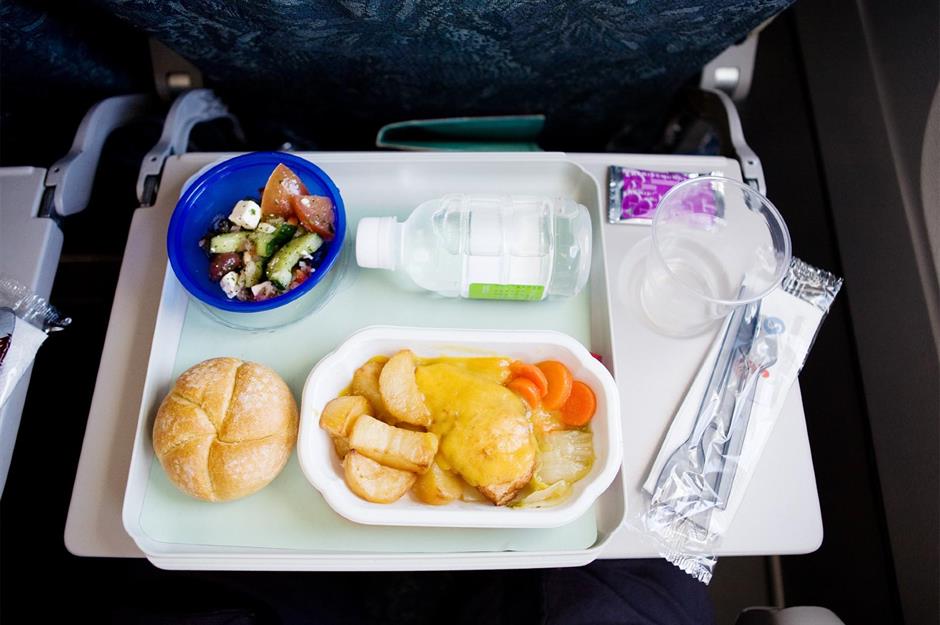
Let's face it – it's not often that food tastes great on an airplane (especially in economy). But why does what's served at 39,000 feet taste so different to what you eat down on solid ground?
Meals are mass-produced

Remember, airplane meals aren't just produced for one planeload of diners at a time, they're made for thousands of customers at once. And as everyone knows, mass-produced food often means a compromise on flavor.
Plastic cutlery means softer foods

Traveling in economy means eating with plastic cutlery: never something to contribute much to your overall dining experience. It also means the food served has to be small or soft enough for it to be easily cut with such flimsy utensils. No wonder, then, the vegetables are overcooked and the meat is sometimes beyond recognition.
Sponsored Content
Tiredness affects how we taste

If you're traveling long-haul on a flight, chances are, by the time you're sat on the plane you've either been up since the crack of dawn or you've already done a full day. You're tired, ready for a sleep and then the familiar rumble of the trolley comes around... Let's face it, when you're ready for your bed, nothing is going to taste particularly good.
The food is often over-salted

Poor-quality ingredients save airlines money

Airlines want to make as much money as possible from their ticket prices, and spending less money on food is one of the easiest ways for them to do this. The result often means using the least expensive ingredients in meals, which in turn means meals are less interesting. And, of course, cheap ingredients often taste cheap, whether you're in the air or on the ground.
Sponsored Content
Food is reheated rather than cooked fresh...

...and reheating can change some foods

Even cold dishes are prepped far in advance

Sponsored Content
Altitude affects our taste buds

Sometimes dishes are intentionally bland

Noise changes how we perceive different tastes

A study by Cornell University revealed our sense of taste – specifically sweet and umami (savory) flavors – is impacted by noisy environments like airplanes. This is just one of the reasons why you'll find that a strongly flavored savory dish like a curry tastes much better than a strawberry cheesecake.
Sponsored Content
Dry air makes it harder to distinguish flavours...

A significant part of how we taste food relies on our sense of smell, but the dry cabin air impacts our noses – at a humidity of less than 12%, it's drier than most deserts. It's thought some flavors can be 30% harder to detect, so already quite bland food loses even more of its appeal by the time we're actually tasting it. Air pressure also affects smell, dulling the senses.
...but can make some things taste sweeter

While most things taste worse on planes, tomato juice tastes better. On the ground it tends to have quite an earthy flavor, while up in the air it's thought the dry cabin air makes it taste lighter and fresher. So next time you fly, consider switching your glass of wine to a bloody mary.
Your brain is in the wrong time zone

Sponsored Content
You're sitting at the back of the plane

You're sitting at the front of the plane

Meals are designed to offer an umami hit

Here's a tip: if one of the meal options offered to you is a curry, choose that one. The intense savoriness (or umami) of curries means that even up in the air they retain a lot of their flavor, and so are usually a better option than pasta or a stew.
Sponsored Content
You may be dehydrated

Airlines add unnecessary sauces

Ever wondered why the food in economy is often smothered in sauces, or why the mashed potatoes are more liquid than solid? It's our old friend reheating again. Food dries out during the reheating process, so airlines counteract this by using more sauces. Unfortunately, however, there's very little that tastes good when it's served soggy.
Liquids expand in the air

Sponsored Content
Stress impacts our enjoyment of food

Food varies wildly between airlines

The airline you fly with can make or break your dining experience at 39,000 feet, so if possible opt to travel with a carrier known for serving better food. Singapore Airlines is often voted one of the best in terms of plane food – yes, even for economy – while many American airlines are considered in need of great improvement.
Airlines' celebrity chefs don't do all the meals

Many of the world's top airlines have tasked well-known chefs with improving the quality of their on-board meals. British Airways had Heston Blumenthal come up with tasting menus for its flights during the London Olympics in 2012, while Peter Gordon has worked with Air New Zealand and Alain Ducasse with Air France. The catch? You usually have to be in first or business class to benefit.
Sponsored Content
The solution: bring your own...

...and remember to suck on something sour

With sweet foods generally lessening in flavor on a plane, you should also consider taking something sour with you if you want something sugary to counteract the taste of airline food. The sour flavor is usually strong enough to still work up in the air, and sucking on a sweet is also a good way to combat ear popping on ascent and descent.
Check out the most decadent airline menus throughout history
Liked this? Click on the Follow button above for more great stories from loveFOOD