The best foods to eat to boost your gut health
Go with your gut
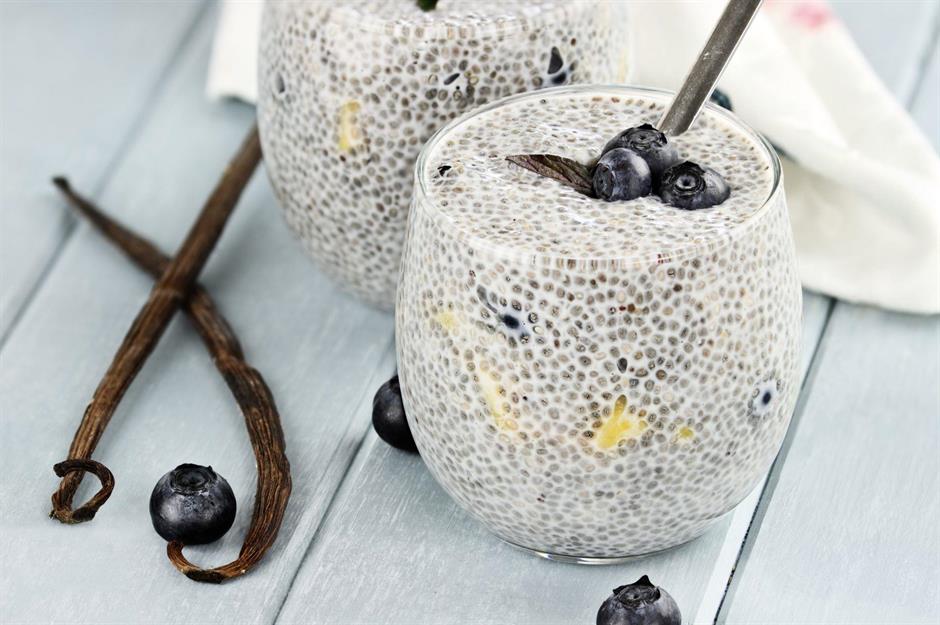
Could eating to feed your gut microbes be the key to better health? Our bodies are home to millions of microorganisms that, according to research, hold the key to how we fight off disease and metabolise food, and even impact how we feel. Studies suggest that a diverse diet is fundamental to maintaining a healthy digestive system, but not all foods are created equal – so we asked a gut microbiome scientist to give us the lowdown on which ones can really have an impact.
Click or scroll through our gallery to discover the foods we should be eating for a healthier gut, counting down to the one that's most beneficial of all.
We've based our ranking on how gut friendly each food is, taking into account expert advice, research and the experience of our team. This list is unavoidably subjective.
34. Jerusalem artichokes
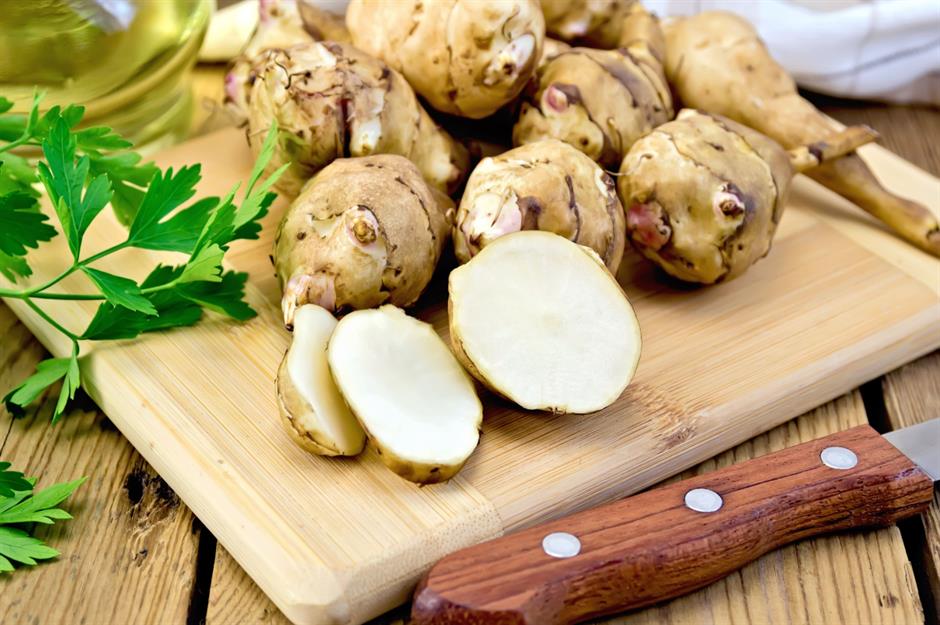
Knobbly Jerusalem artichoke tubers are really worth seeking out because of their prebiotic content: fibre that we can't digest, but that our microbes thrive on. "Jerusalem artichokes are an excellent source of inulin, a type of prebiotic fibre that supports gut health by stimulating the growth of beneficial bacteria, particularly Bifidobacterium," says Dr Miguel Toribio-Mateas, a clinical neuroscientist, nutritionist and gut microbiome scientist specialising in the connection between the gut and mental health.
34. Jerusalem artichokes
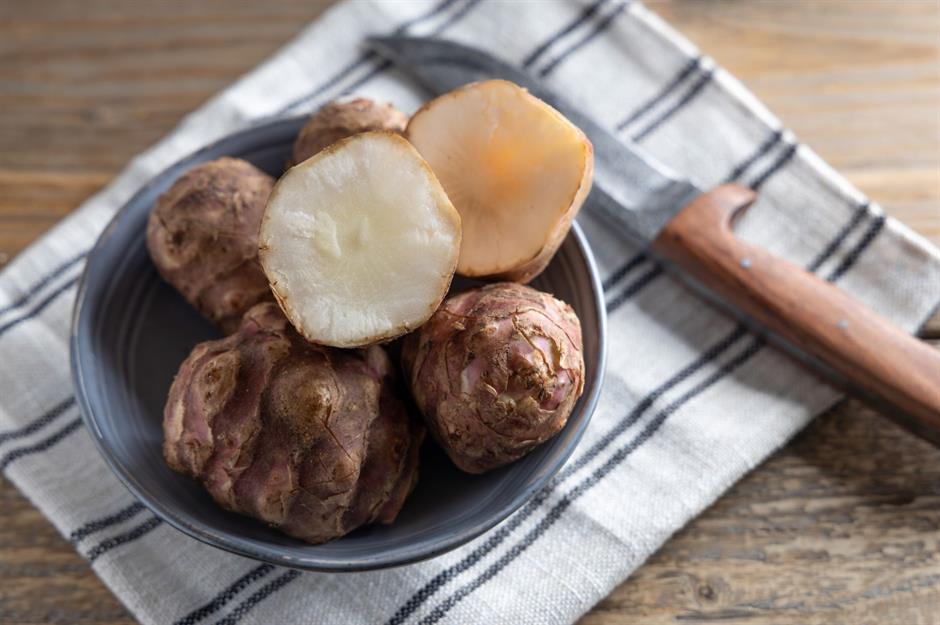
As well as aiding gut health, Jerusalem artichokes help control blood pressure thanks to their potassium content, and they're also effective in reducing high cholesterol. Some research suggests that they can also protect against certain cancers. While they might be a little unusual in appearance and shape, Jerusalem artichokes can be used in a variety of ways. They're crunchy and sweet, and they're equally delicious served raw in a salad or cooked in a soup.
Sponsored Content
33. Wholegrain pasta
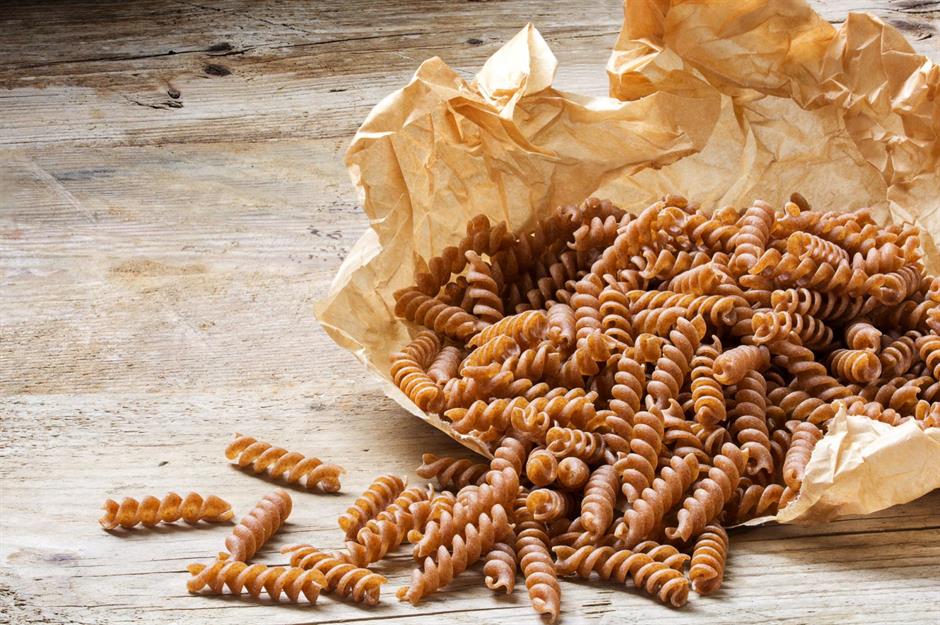
Thought pasta was just full of carbs and little else? Wholegrain pasta is packed out with gut-friendly components. "It's often demonised because of its gluten content, but wholegrain pasta is a robust contender in the quest for gut health," says Toribio-Mateas. "Its fibre content acts as a nurturing ground for the gut microbiome, offering a complex array of polysaccharides and resistant starches."
33. Wholegrain pasta
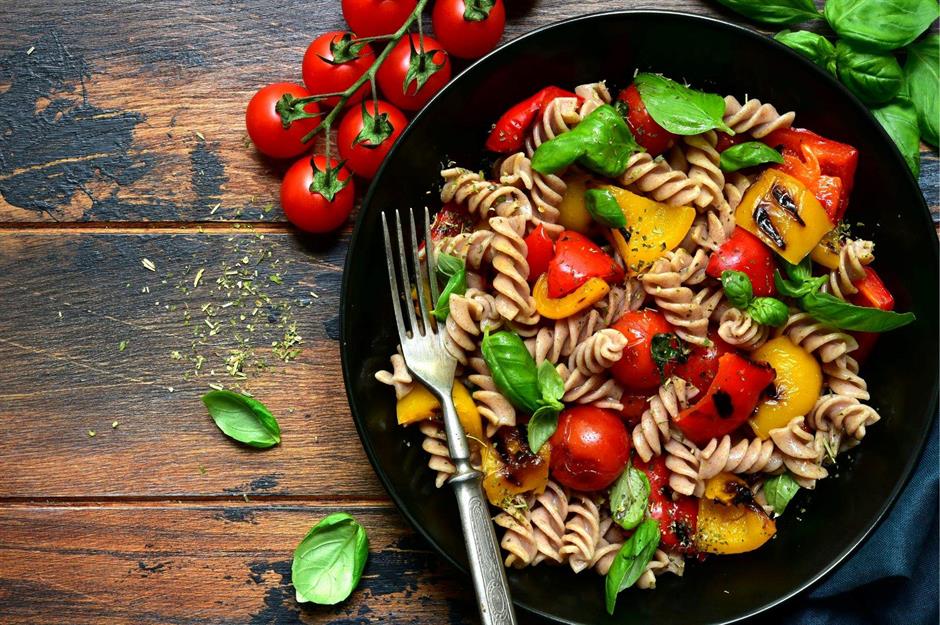
Cooled wholewheat pasta – perhaps thrown into in a salad – is a source of resistant starch that encourages bacteria that produce butyrate, a potent anti-inflammatory. This nutty pasta also has a lower glycaemic index (GI) than its white cousin, and it's filled with more nutrients and minerals, including zinc, iron and vitamin B.
32. Bananas
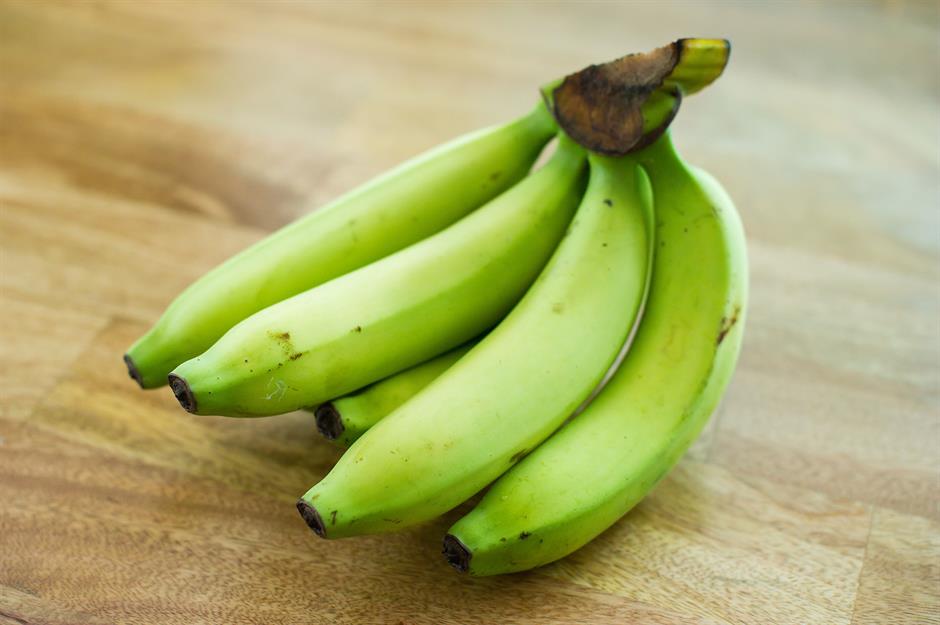
Is there anything bananas can't do? These sweet and nutritious fruits have long been celebrated for their slow-release energy and great potassium content – and they're good for your digestion, too. "Green bananas and plantains contain resistant starch, which acts similarly to fibre, resisting digestion and becoming food for our microbial friends," points out Toribio-Mateas.
Sponsored Content
32. Bananas
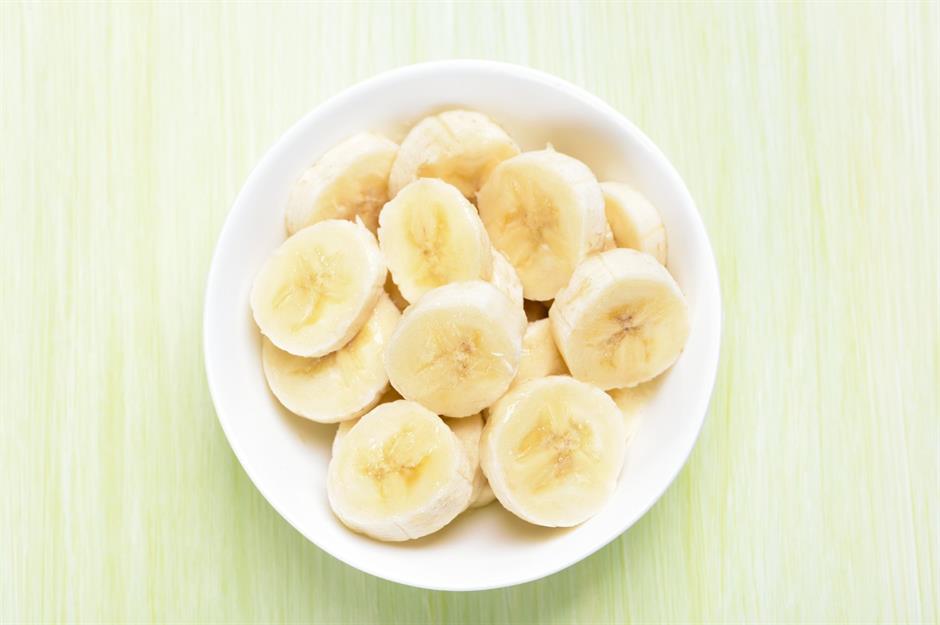
The yellow fruits also contain pectin, a fibre that helps to fight against constipation. Enjoy a banana as a healthy snack on its own, or chop it up and add it to favourite breakfast dishes like porridge, yogurt bowls and smoothies. It also works great in cooked dishes like banana bread and fluffy pancakes.
31. Cheese

When you consider how many of the world's heritage cheeses are made from cultured raw milk, it's not surprising that they're packed with diverse microbiota, ideal for expanding our own gut populations. French research has proven that raw milk cheeses can significantly improve populations of gut microbes following a dose of antibiotics.
31. Cheese

Hard, aged cheeses, such as Cheddar, Gruyère and Parmesan, may be particularly potent – and artisan and farmhouse cheeses are also more likely to be made using wild cultures, too. Although these cheeses are often high in salt and fats, their gut-boosting benefits mean you can enjoy them in moderation without feeling too guilty.
Sponsored Content
30. Black olives
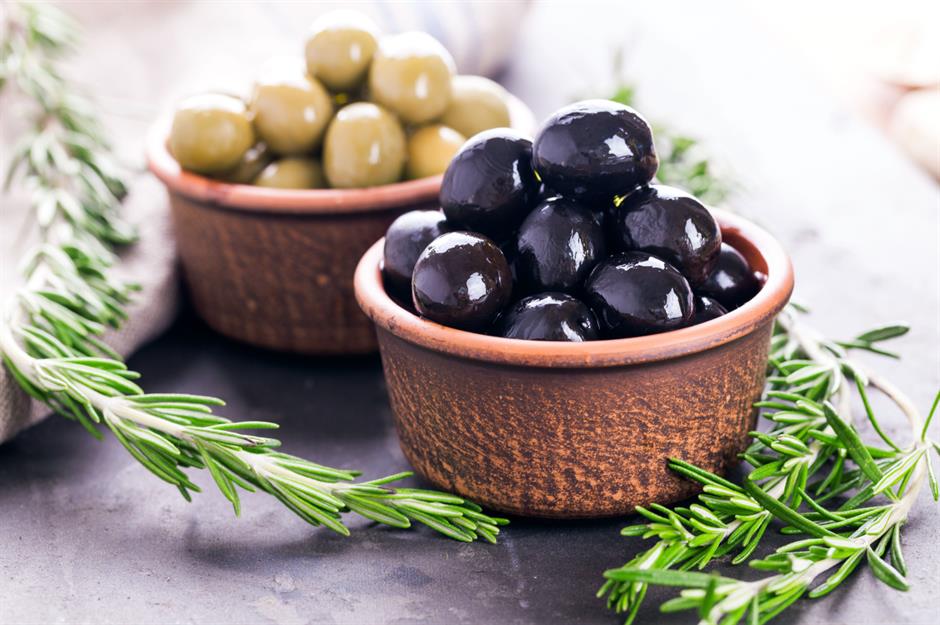
Did you know that the gorgeously salty Greek black olives that pop up on pizzas and in salads are fermented? They're also incredibly high in polyphenols – plant micronutrients that, according to several research studies, interact with our gut microbes to reduce our risk of chronic disease.
30. Black olives
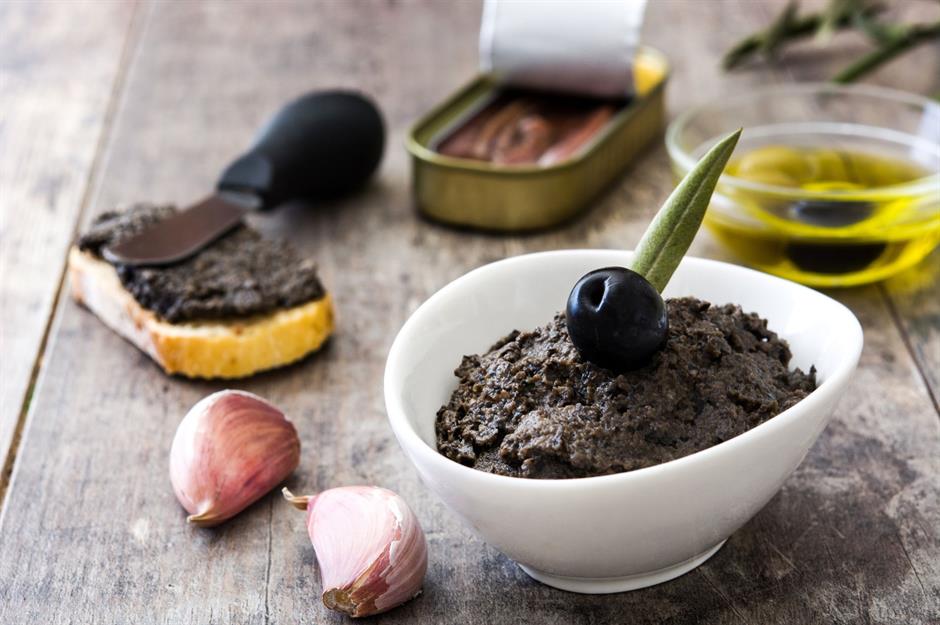
In fact, all naturally processed olives (and good quality olive oils) are brilliant sources of polyphenols, a contributing factor to the overall benefits of the Mediterranean diet. Enjoy black olives on their own, toss them through leafy greens and pasta salads, or try making your own tangy tapenade.
29. Garlic
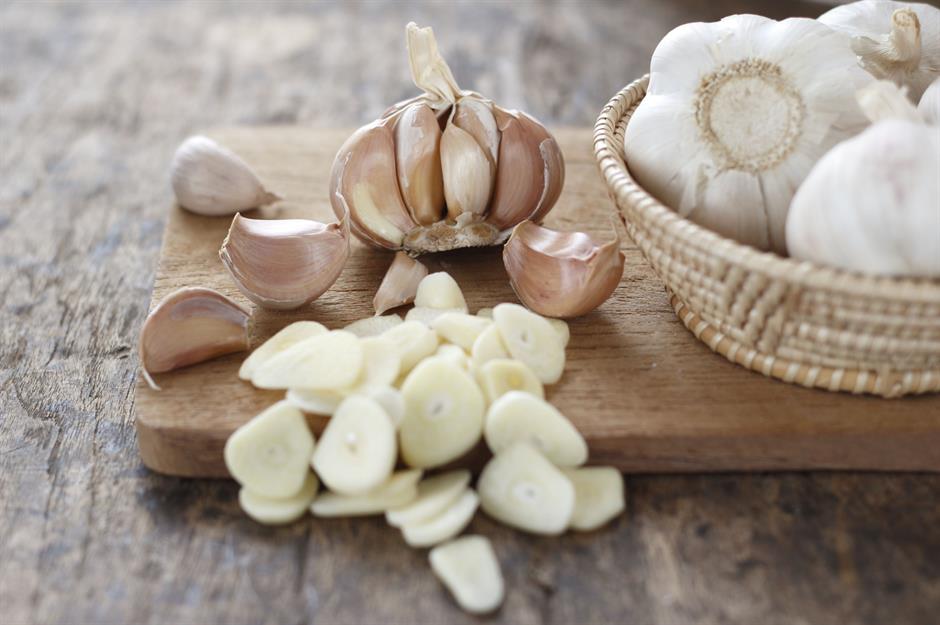
Garlic is packed out with incredible nutrients, including vitamins B6 and C, selenium and manganese. The pungent bulb is also great for your microbiome. "Raw garlic is a rich source of inulin and fructooligosaccharides (FOS), potent prebiotics that stimulate the growth of beneficial gut bacteria," says Toribio-Mateas.
Sponsored Content
29. Garlic
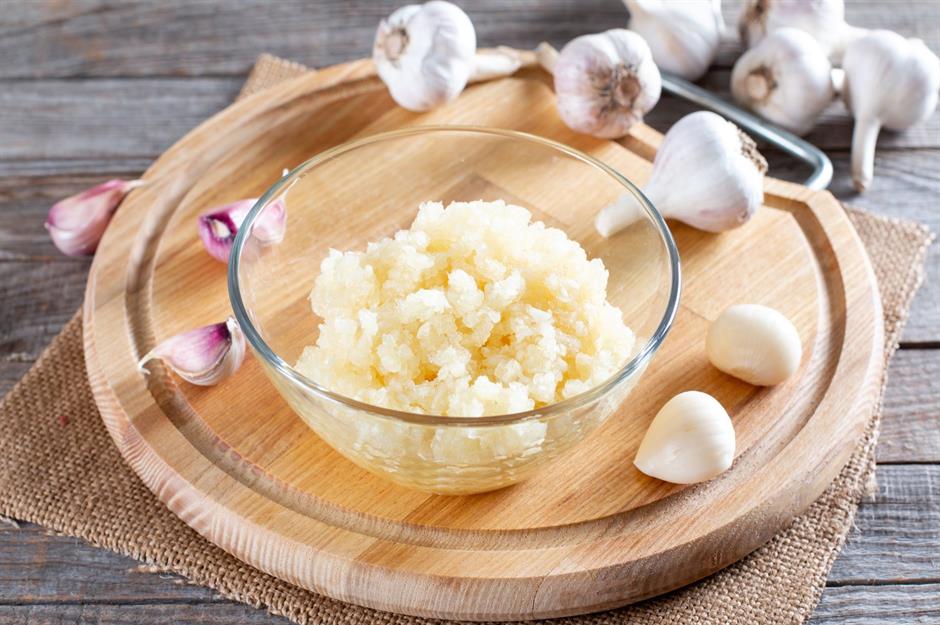
It’s important to know how to cook it correctly to preserve its nutrients. "Cooking garlic can diminish its prebiotic value, as heat can degrade these sensitive compounds,” continues Toribio-Mateas. “But adding it towards the end of the cooking process will help maximise the amount of allicin – a compound with notable health benefits – and minimise the degradation of the prebiotics."
28. Leeks
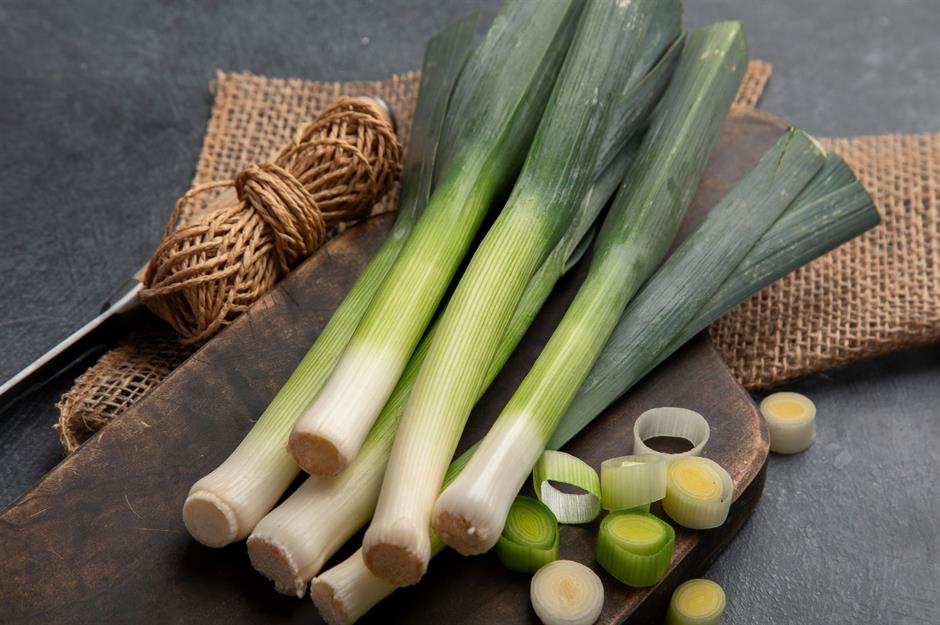
Leeks are nutrient-dense vegetables that contain prebiotics. This key component is important as it helps the growth of beneficial bacteria in the digestive system and, in turn, reduces the risk of inflammation. The green veggie is packed with a number of nutrients, too, including magnesium and vitamins A, C and K.
28. Leeks
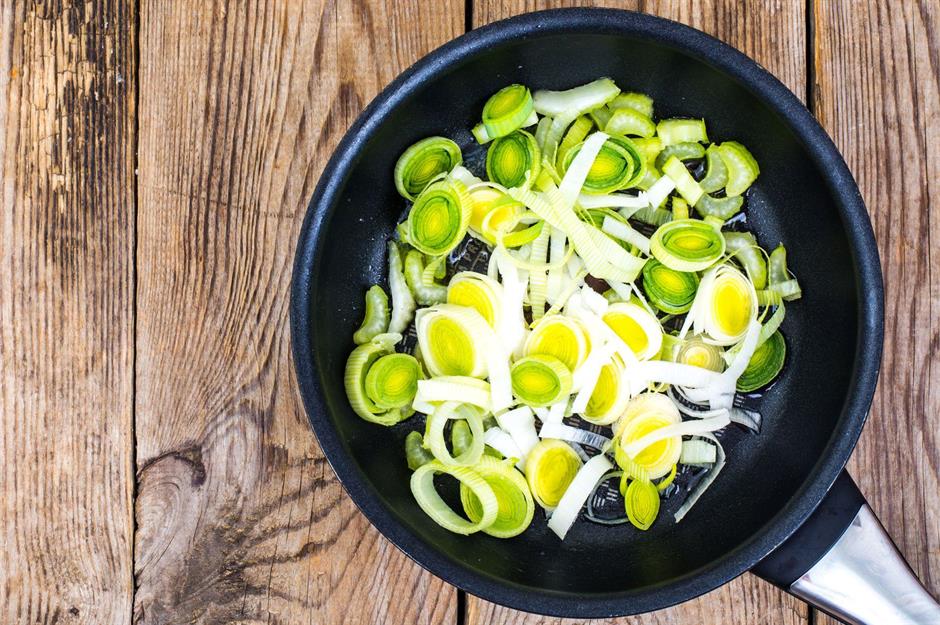
Part of the allium family, leeks have a milder, sweeter flavour than other varieties like onion and garlic, so they can work in a number of dishes. Chop them into small pieces and throw them into stews, soups and risottos – or simply slice them and sauté them with butter to make the most of their full flavour.
Sponsored Content
27. Mushrooms
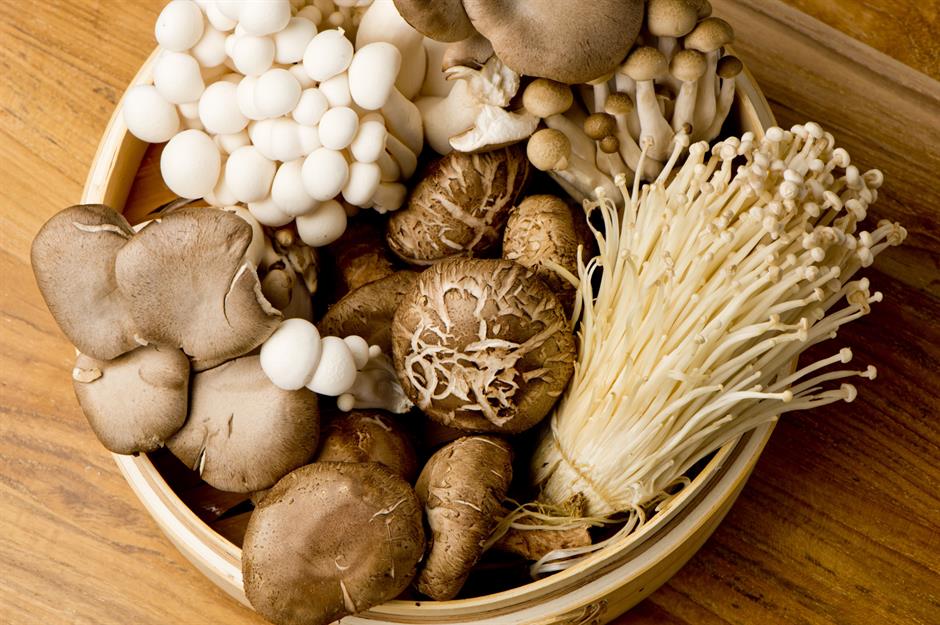
They're delicious, versatile and bring real benefits to our gut health. A Chinese review of scientific research conducted in 2017 found that the prebiotic components in mushrooms help healthy populations of microbiota flourish in the gut, keeping toxic bacteria in check and making a significant impact on our health.
27. Mushrooms
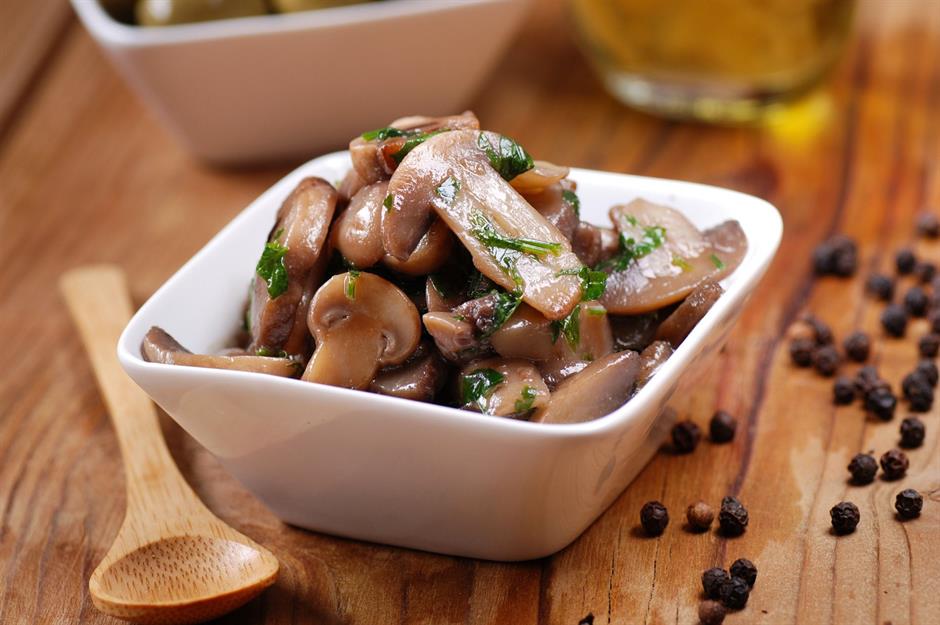
Mushrooms, whether trendy shiitake and lion’s mane or classic chestnut and portobello, are packed with vital nutrients, including potassium, selenium and B vitamins. They’re also high in fibre, which is known to promote gut health. Try them stir-fried on toast, roast them in garlic and butter or stuff them with your favourite herbs and cheese.
26. Lentils
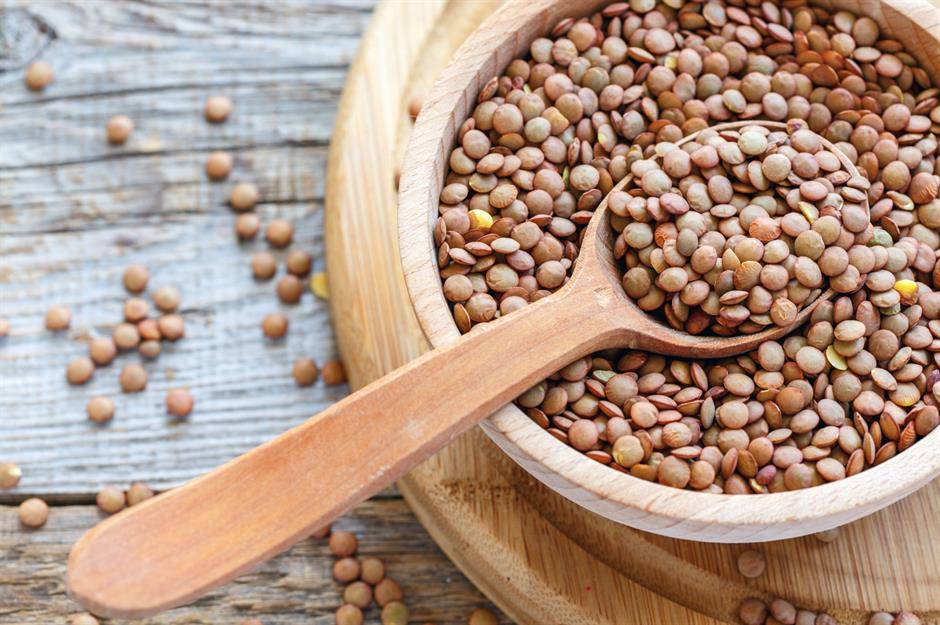
Earthy and nutty in flavour, lentils are absolute powerhouses of gut-friendly nutrients. "They're rich in fibre, which is not just any kind of nutrient; it's the feast upon which our gut microbes thrive," says Toribio-Mateas. "This fibre promotes the growth of beneficial bacteria, leading to a healthier gut environment."
Sponsored Content
26. Lentils

Fabulously versatile, lentils come in a range of styles, from sweeter red types and peppery green types to earthier brown and richer black lentils. They're perfect for bulking out soups, stews and pasta sauces, and you can also put them centre stage in curries, dhals, burgers and salads.
25. Avocado
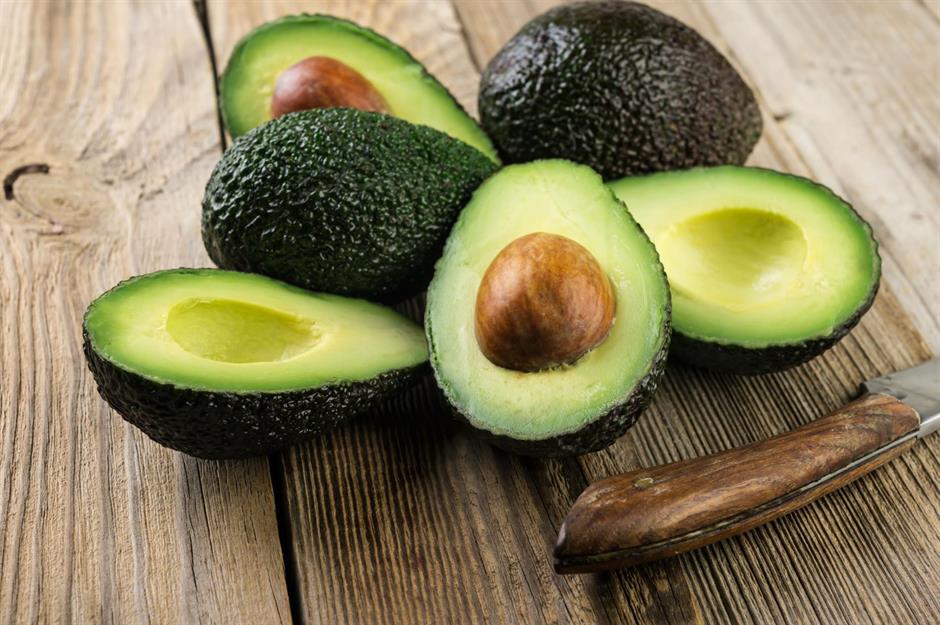
Another source of gut-friendly fibre is avocado, which we know impacts gut health thanks to a 2020 study by the University of Illinois. Researchers found that people who eat an avocado daily have a more diverse gut population than those who don't – good news if your passion for guacamole knows no bounds.
25. Avocado
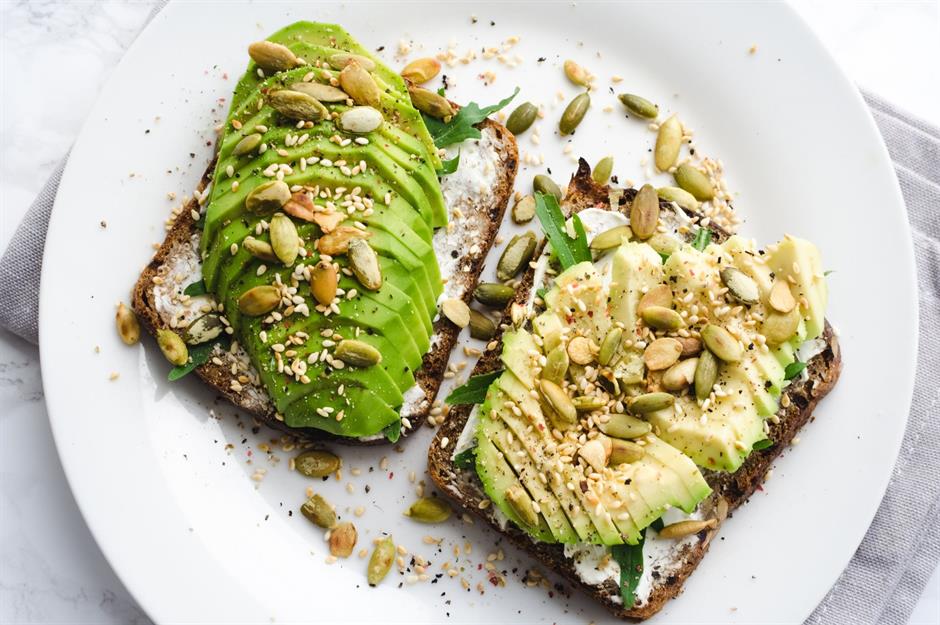
While avocado is high in natural fats, it’s packed with additional health benefits, too – it supports heart and bone health, provides protection against chronic diseases and is a natural detoxifier. If you're not a fan of the fatty fruit, try it in a smoothie; adding fresh berries transforms the flavour and adds even more gut-friendly nutrients.
Sponsored Content
24. Oats
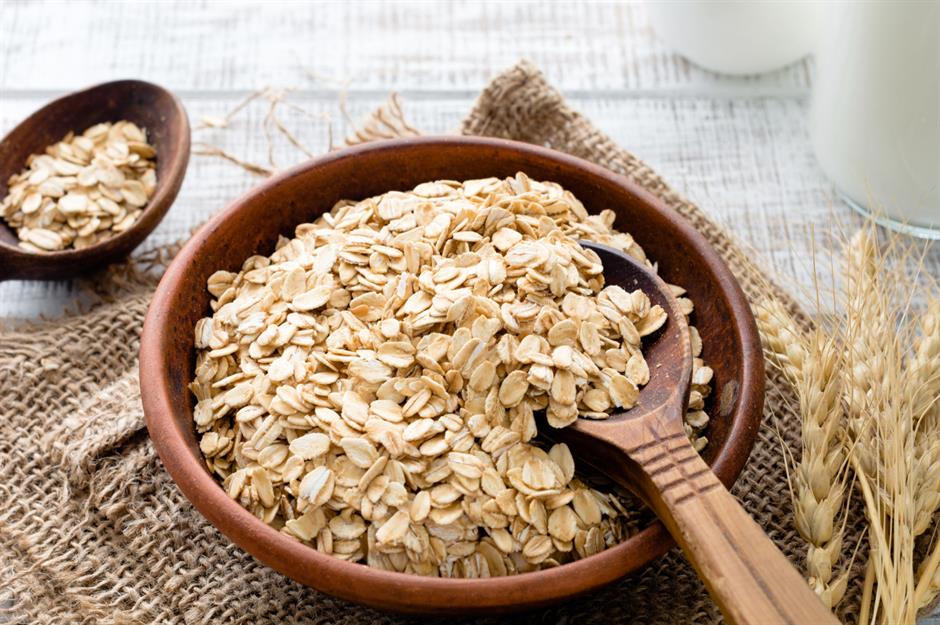
These wholegrains are such a wonder food that we shouldn't be surprised to discover they're great for our digestive health. Research conducted in 2021 proved that the particular forms of fibre found in oats are great at growing good bacteria in the gut and improving symptoms of some digestive diseases.
24. Oats
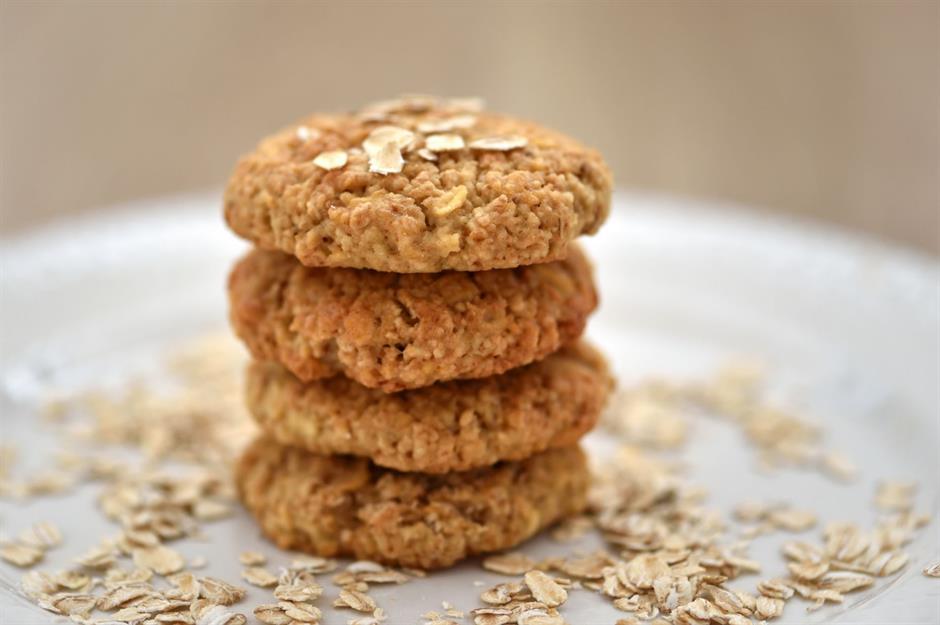
Not only are they gut friendly, but oats also boast high levels of vitamins, minerals and antioxidants, including B vitamins, manganese and copper. That's good news for porridge fans – and oats can be used to up the fibre content in pancakes, cookies, cereal bars, homemade cereals and traybakes, too. Fine oatmeal can even be used instead of refined wheat flour to thicken soups and sauces.
23. Watercress
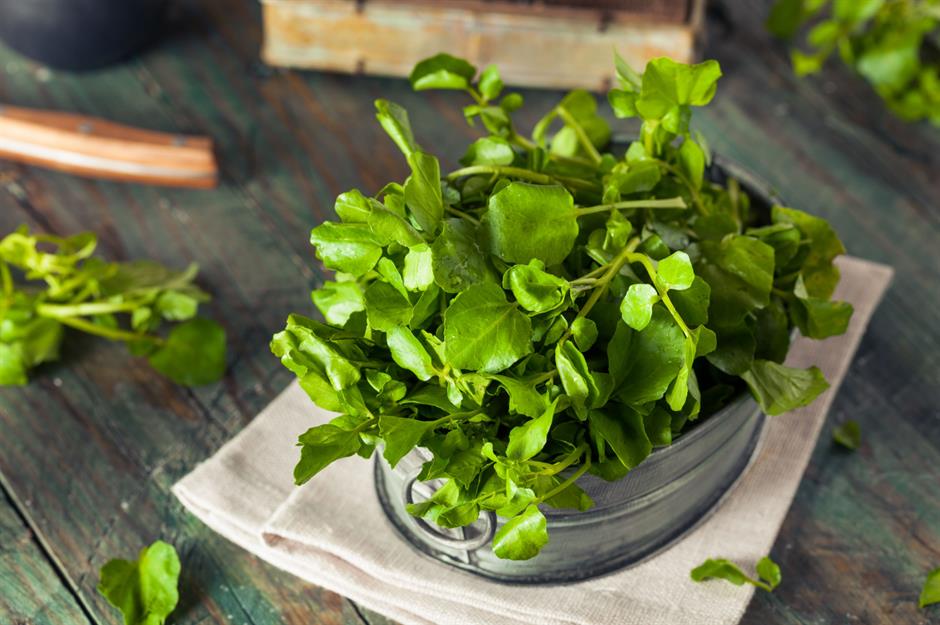
This peppery salad leaf has long been loved for its flavour but, as a study from 2021 confirmed, it's also a powerhouse of flavonoids. That's good news for watercress fans, because the microbes in the gut set to work transforming these nutrients into compounds that regulate the immune system and fight disease.
Sponsored Content
23. Watercress
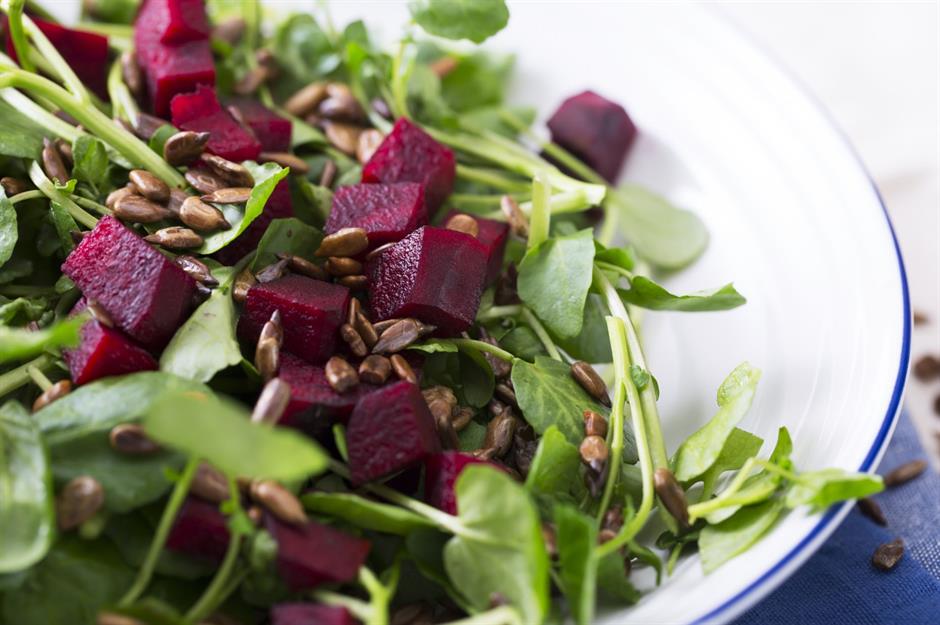
Not only does the leafy green help aid gut health, but it also boasts a variety of other benefits. Watercress is rich in antioxidants and vitamins A, C and K, the latter of which helps to reduce blood clots and promote bone density. Enjoying fresh watercress in a tossed salad is the easiest way to access its nutrients, but a watercress soup, made with gut-boosting fresh green peas, is a real winner, too.
22. Onions
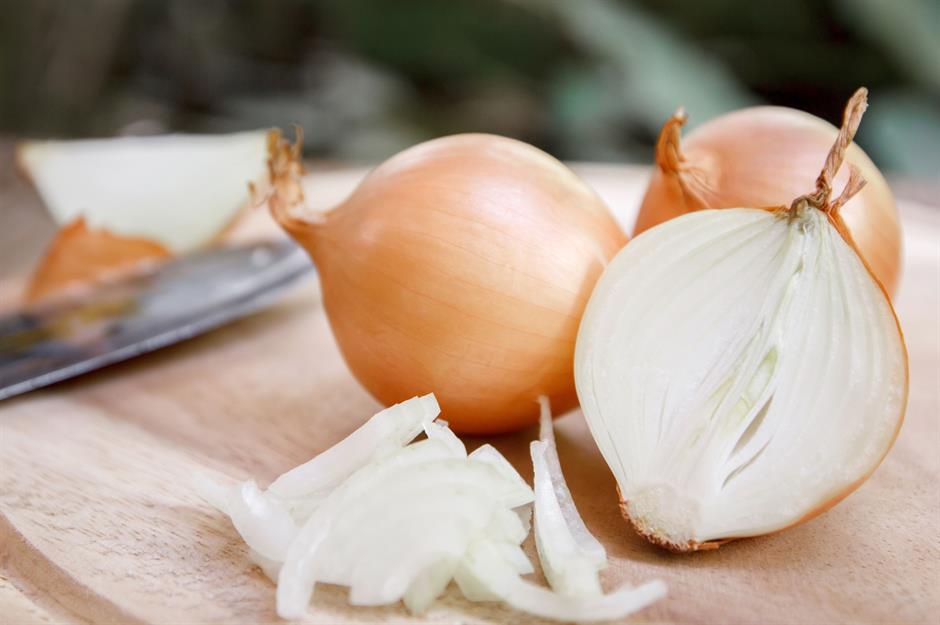
Not a fan of raw onions? Fear not, as cooking the flavourful allium could help your gut out more. "While raw onions are a good source of inulin and fructooligosaccharides (FOS), cooking onions can actually transform their complex carbohydrates into simpler forms that might be more readily available to our gut bacteria," says Toribio-Mateas. "Cooking can also soften the fibres, potentially making them easier to digest, and allowing for better absorption of the prebiotics." Some of us also find cooked onions much tastier, too.
22. Onions
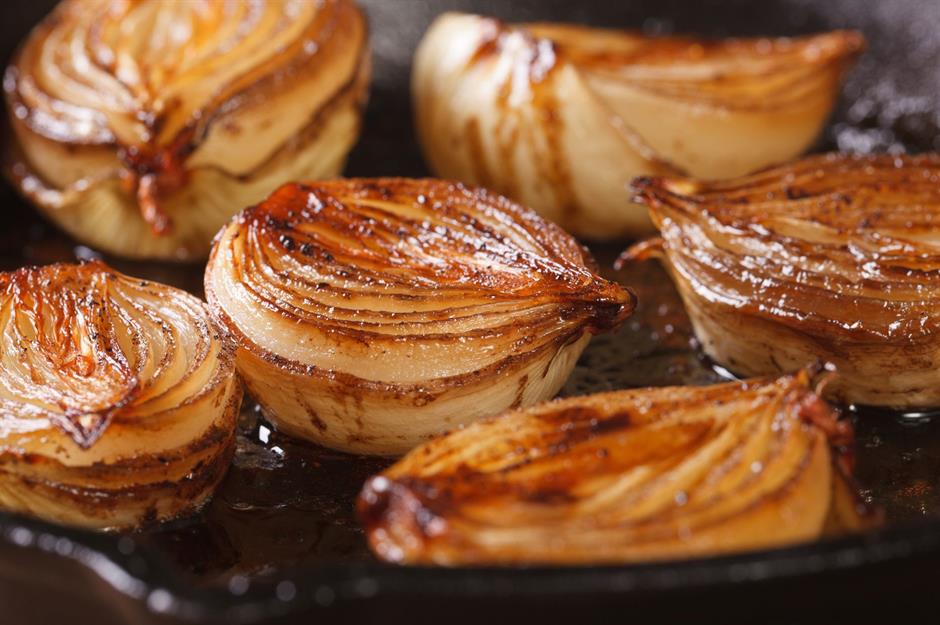
Onions also have antibacterial traits, and they’re known to help regulate your blood sugar levels. You can add them into just about every cooked meal you can imagine, from stir-fries to stews, soups and curries. Slowly sweat them down with butter to bring out their very best caramelised qualities.
Sponsored Content
21. Asparagus
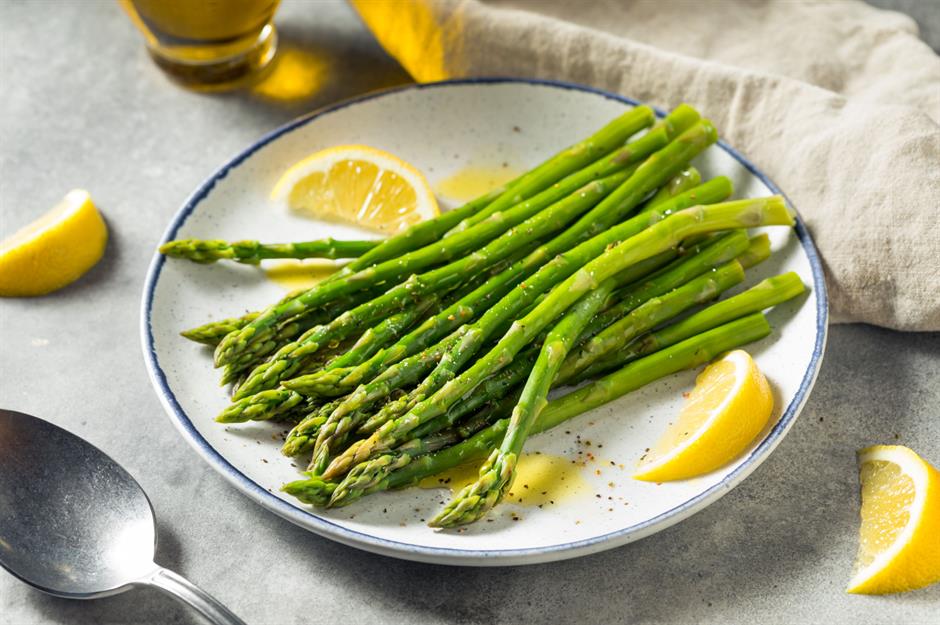
Deliciously light, packed with vital nutrients and full of fresh flavour, this tender spring vegetable is an excellent source of inulin. "Consuming asparagus raw allows for the full intake of its prebiotic fibres, which are particularly effective at boosting levels of beneficial bacteria in the gut," says Toribio-Mateas.
21. Asparagus
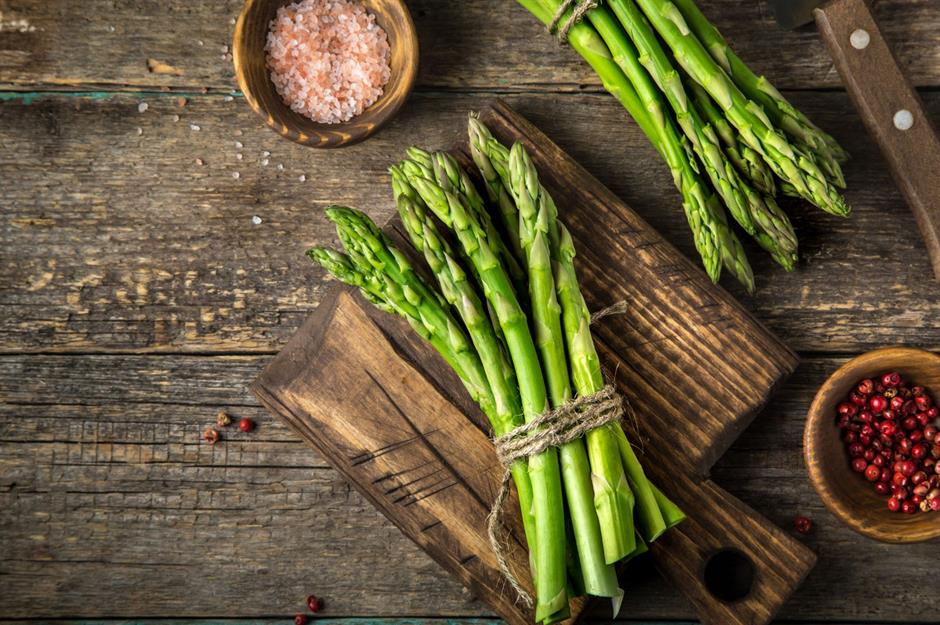
From pan frying and roasting to gently steaming and finishing with a squeeze of fresh lemon, there are various delicious ways to enjoy this green veggie. "Cooking asparagus can break down some of its fibrous content,” adds Toribio-Mateas. “However, lightly steaming may preserve some of its prebiotic benefits while making it easier to digest for those with sensitive digestive systems."
20. Seaweed
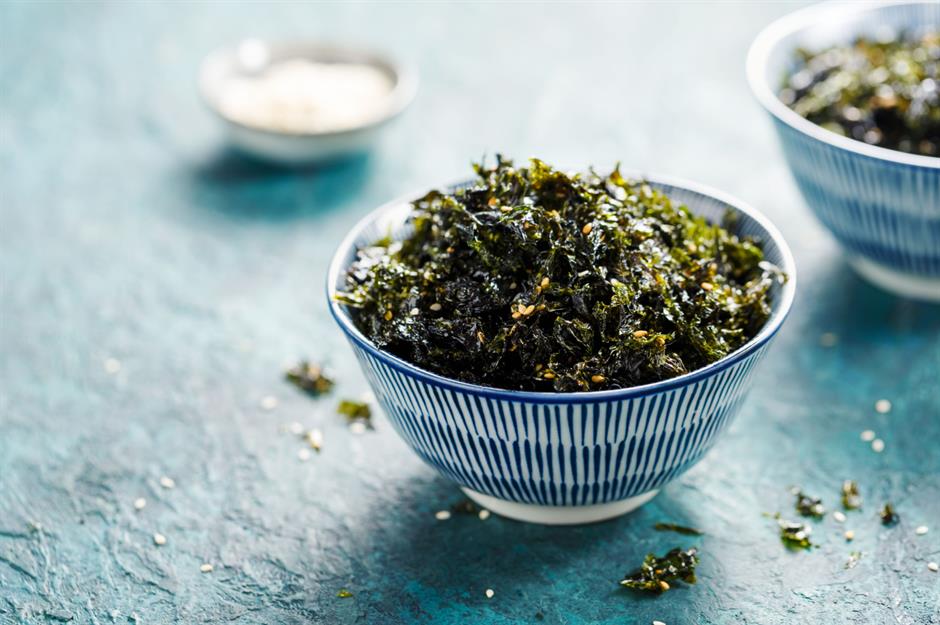
Sea vegetables are real culinary gems, adding delicious umami flavours and silky textures to everything from sushi rolls to salads – and even baked brownies. Not only does seaweed diversify our diets, bringing that variety our microbes love, but it also gets extra marks for beneficial content – complete with nutrients and vitamins that are important for maintaining a healthy lifestyle.
Sponsored Content
20. Seaweed
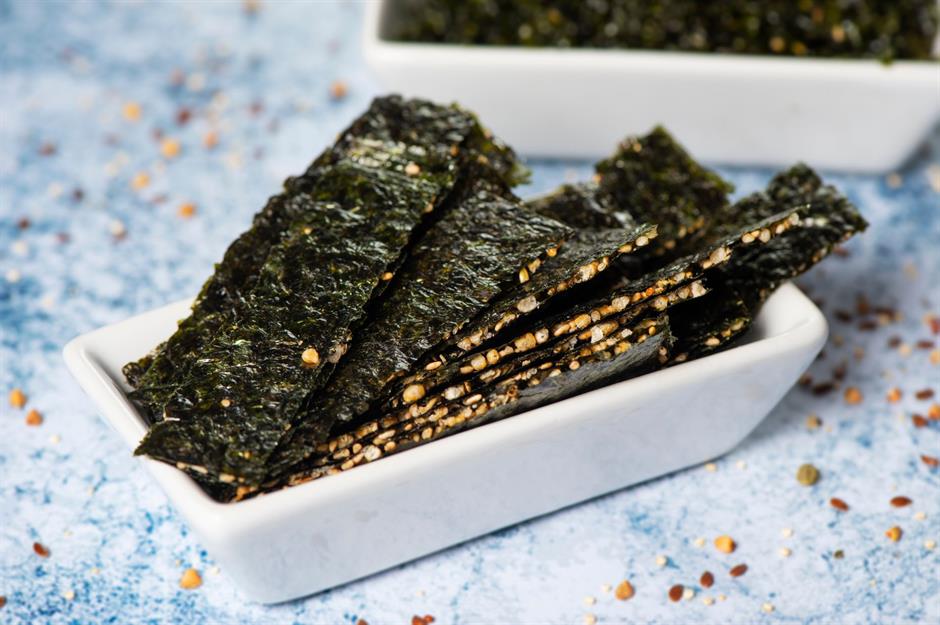
"Seaweed might come as a surprise, but it's packed with unique polysaccharides that benefit our gut flora," says Toribio-Mateas. Research has also shown that it can help aid heart and thyroid health, and it also has anti-inflammatory qualities. It’s an ingredient you can really play around with without any guilt.
19. Sourdough

The industrial yeasts and additives in ultra-processed bread are no friends to our gut microbes, but traditionally leavened bread is a very different story. Sourdough is made when wild yeast cultures are added to a wet wheat or rye dough; these living microbes slowly eat the naturally occurring sugars from the flour, producing airy bubbles as they go.
19. Sourdough

The growing population of microbes brings an addictive sour taste to the dough and pre-digests some of the acids, making this type of bread significantly gentler on our stomachs. Once you’ve made (and nurtured) a sourdough starter, you’ll always have a supply of the tasty bread on hand when you need it – and you’ll never have to resort to store-bought again.
Sponsored Content
18. Broccoli
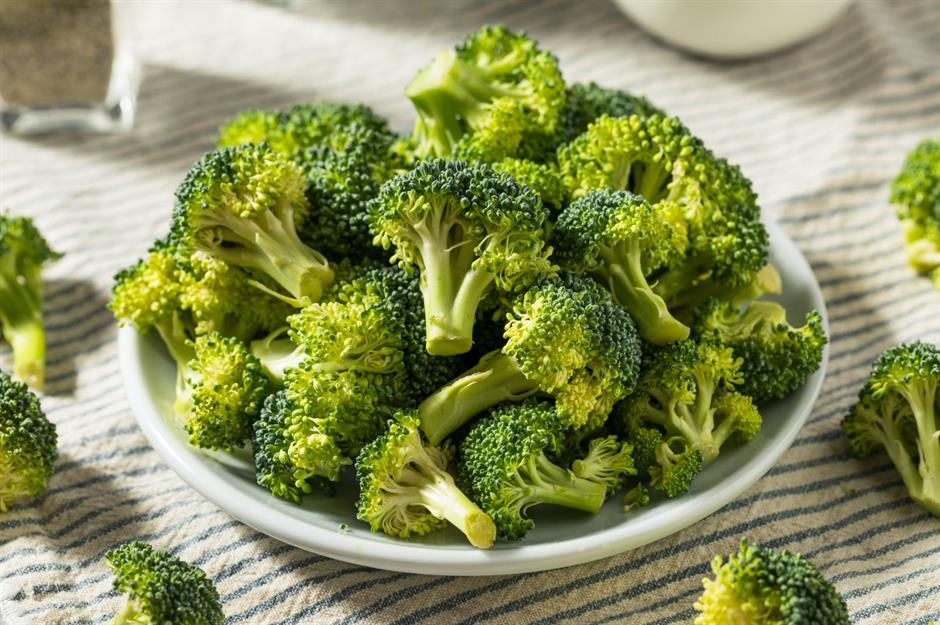
Whether lightly steamed, added to stir-fries or roasted in gut-friendly olive oil, broccoli is a tasty, nutrient-rich veggie worth stocking up on. The green, tree-shaped ingredient is high in fibre and collagen, both key components that are known to help aid digestion. It’s also packed out with vitamins C and K.
18. Broccoli
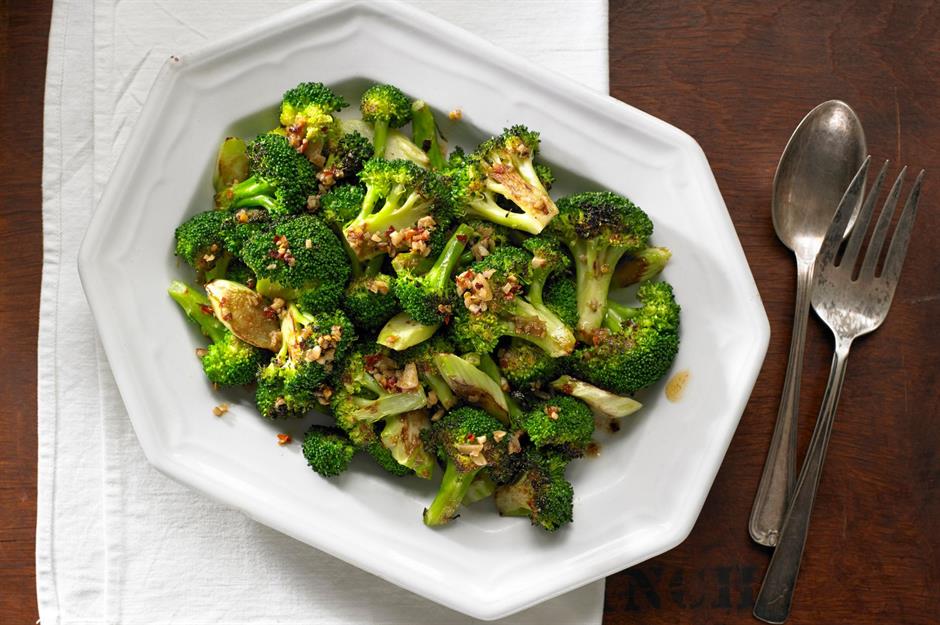
Some researchers are calling for it to be classed as a superfood, as it also contains phytonutrients, a series of compounds that research has shown to have anti-cancer effects. You can of course cook it in a host of delicious ways, but you can also eat it raw – pair it with a creamy ranch dressing, or chop or grate it into zingy salads.
17. Raw nuts
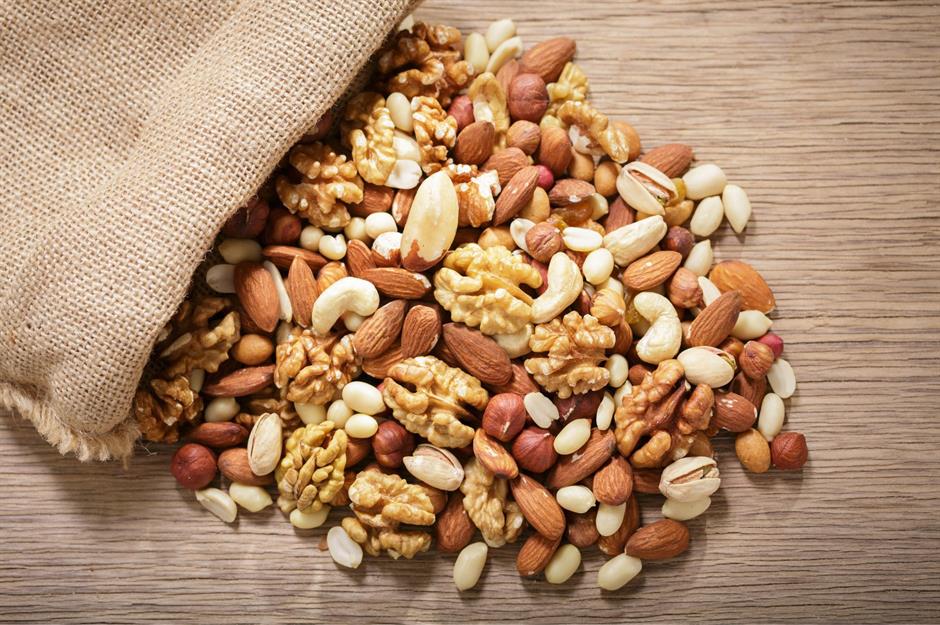
Another household staple proven to aid gut health, raw nuts – such as almonds, pistachios and hazelnuts – are high in fibre. Increasing the fibre in your diet supports your digestion, and there’s also scientific evidence that it reduces the risk of certain chronic diseases. Research has additionally found that raw nuts, including walnuts and Brazil nuts, can reduce inflammation.
Sponsored Content
17. Raw nuts
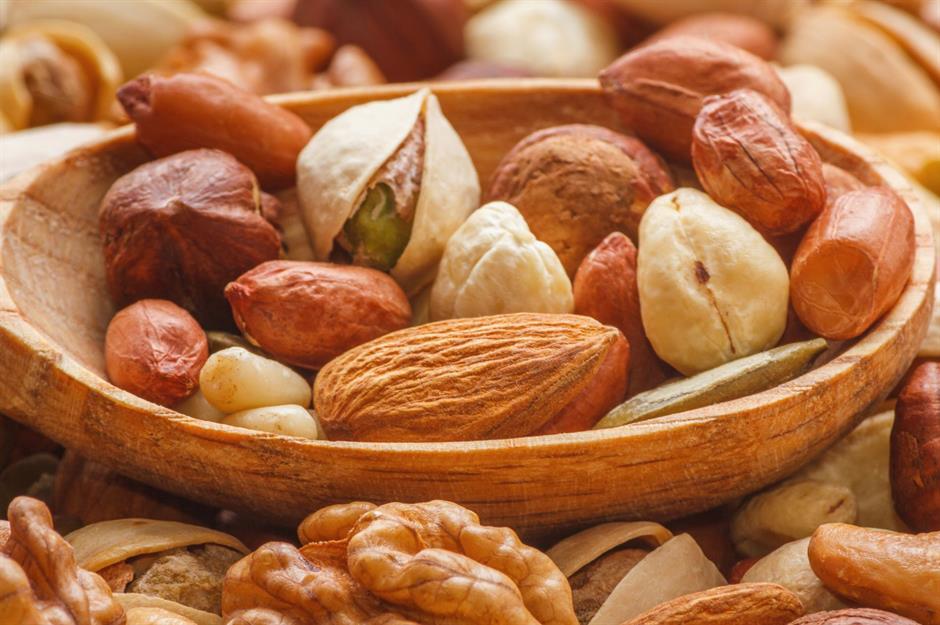
Nuts are loaded with healthy fats, protein and nutrients such as vitamin E, manganese and selenium. Collagen rich and extremely delicious, these handy store cupboard essentials can be added to everything from leafy salads to cakes and brownies – or you could simply enjoy them on their own as part of a healthy diet.
16. Quinoa
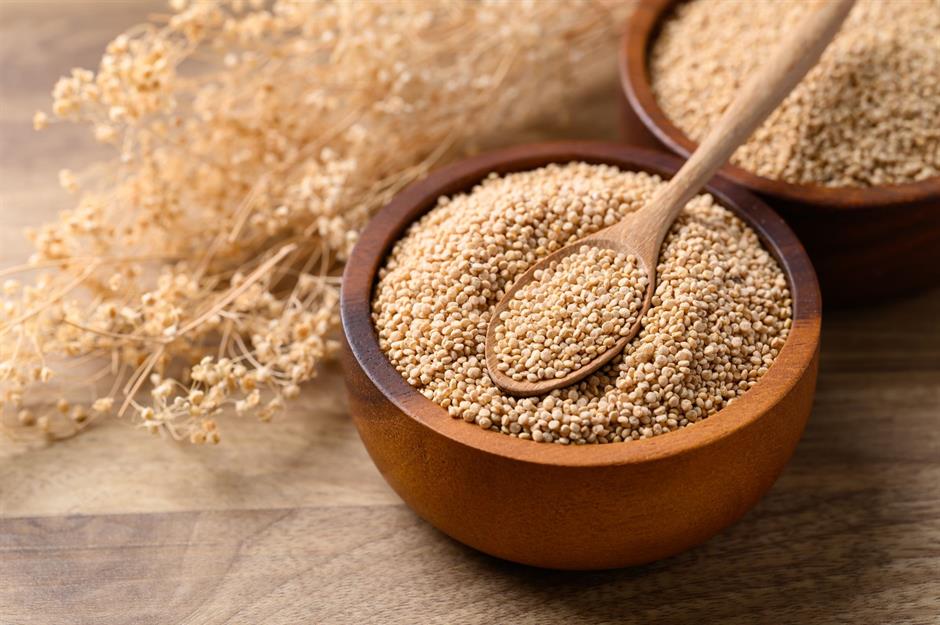
Packed with protein and bursting with all nine essential amino acids, this delicious gluten-free grain is a great one to incorporate into your diet. It’s been a staple in South American diets for centuries, but its popularity has increased in recent years, and it's earned a reputation as a wonder food. Some research studies have suggested it can boost gut health, thanks to its ability to diversify the good bacteria in the gut, and help to reduce inflammation.
16. Quinoa
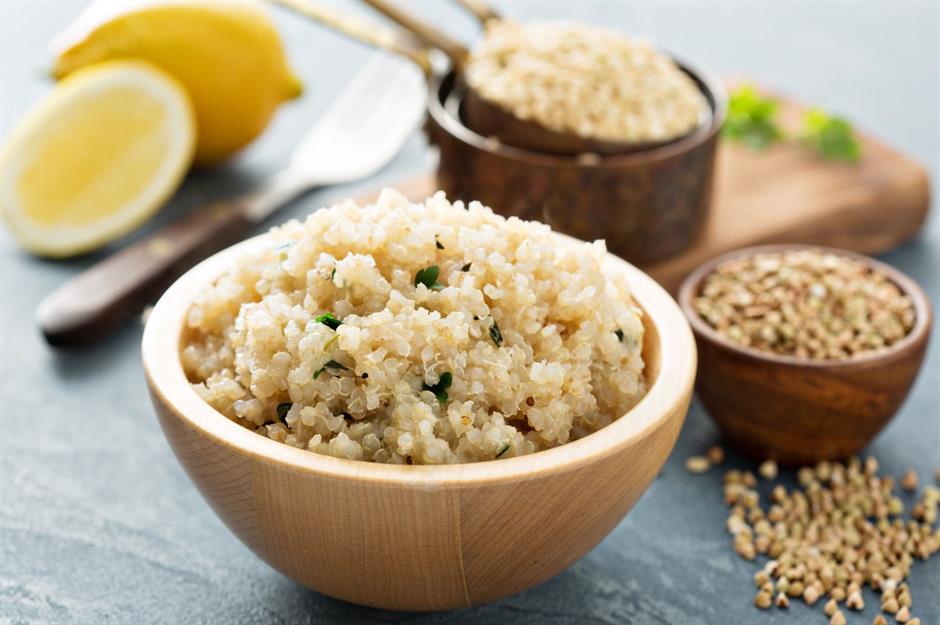
It’s also rich in fibre, meaning it can help support the gut and fight against constipation. To make it, rinse 7oz (200g) quinoa with water, then place it in a saucepan with 13.5fl oz (400ml) cold water and a small pinch of salt. Bring to the boil, then reduce the heat to a simmer and allow the quinoa to cook for 10-15 minutes, or until the grain is fully cooked through and the water has evaporated. Serve it warm or cold in salads or as a replacement for rice.
Sponsored Content
15. Beans
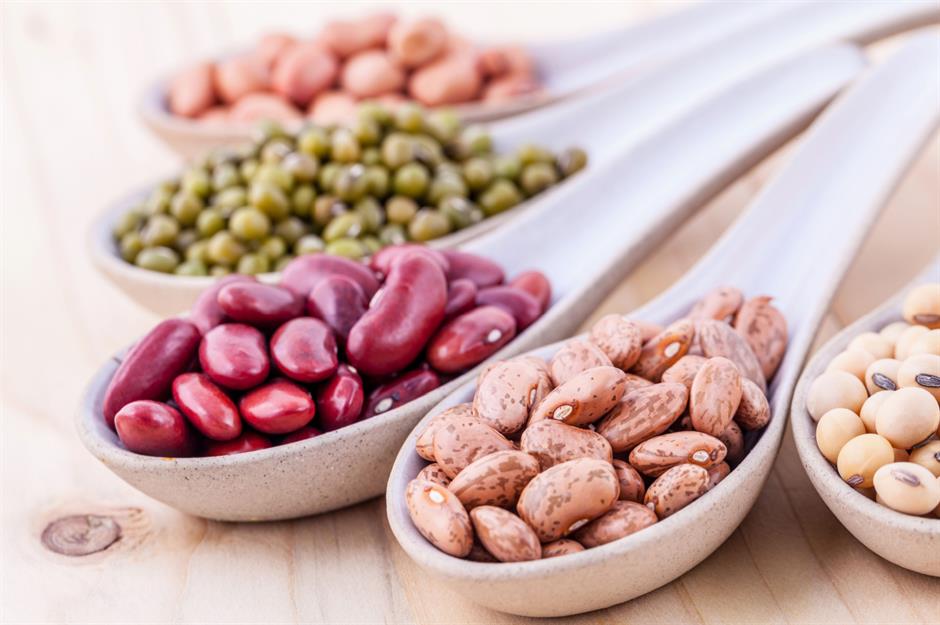
Whether cannellini, kidney, borlotti or haricot, we could all do with getting more beans into our diets. "Legumes are packed with fibre and resistant starches, which are key prebiotics," says Toribio-Mateas. "Cooking them increases the bioavailability of their prebiotic components, breaking down some of the fibres and making them more accessible to gut bacteria."
15. Beans
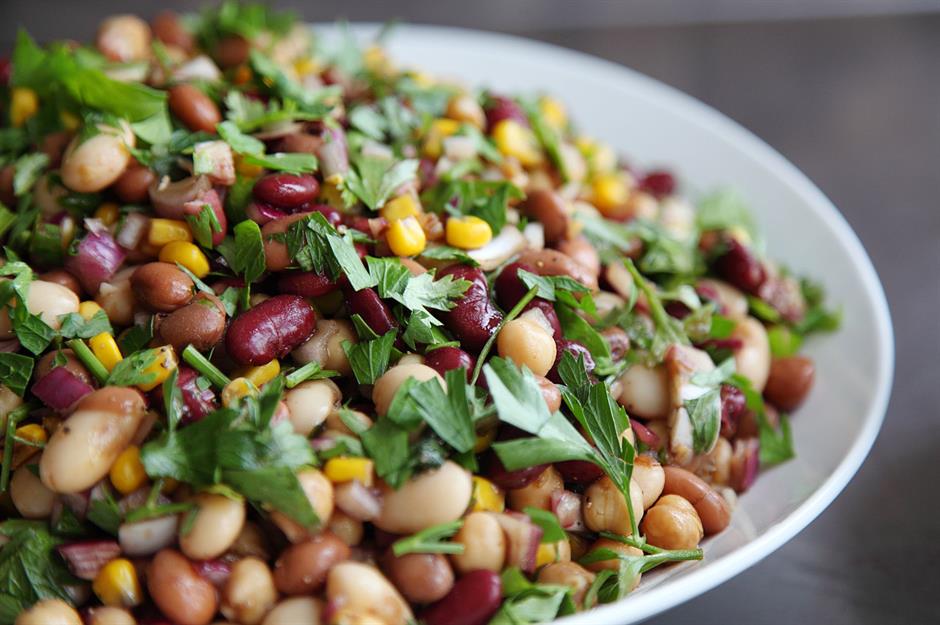
Thankfully, there are so many different types of beans – and ways of enjoying them – that you won’t get bored with them easily. Besides eating them in stews or piled onto toast, try your beans cooled in a salad; this way, their resistant starch content will be even higher.
14. Herbal teas

Enjoy fizzy drinks or squash? "Sugar and artificial sweeteners can disrupt our microbiota, leading to dysbiosis," says Toribio-Mateas. This imbalance of the microbiome is bad news, as it can cause troublesome bacteria to flourish. "Seeking alternatives is wise, and while water is the gold standard for hydration, it doesn't have to be bland. Herbal teas offer a flavourful alternative without the sweeteners, providing hydration and variety.”
Sponsored Content
14. Herbal teas
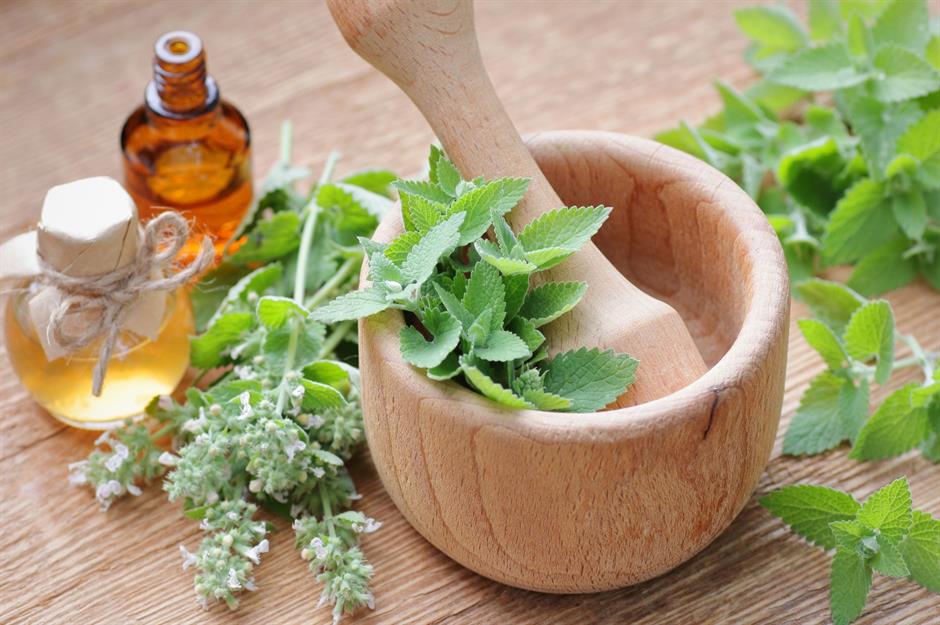
With so many herbal tea options, it’s difficult to know where to start. Peppermint tea is not only flavourful, but it’s great for settling upset stomachs, while ginger tea can help fight against nausea, stomach cramping and bloating. Even black teas, such as English breakfast and Earl Grey, can help alleviate indigestion and prevent stomach ulcers.
13. Peas
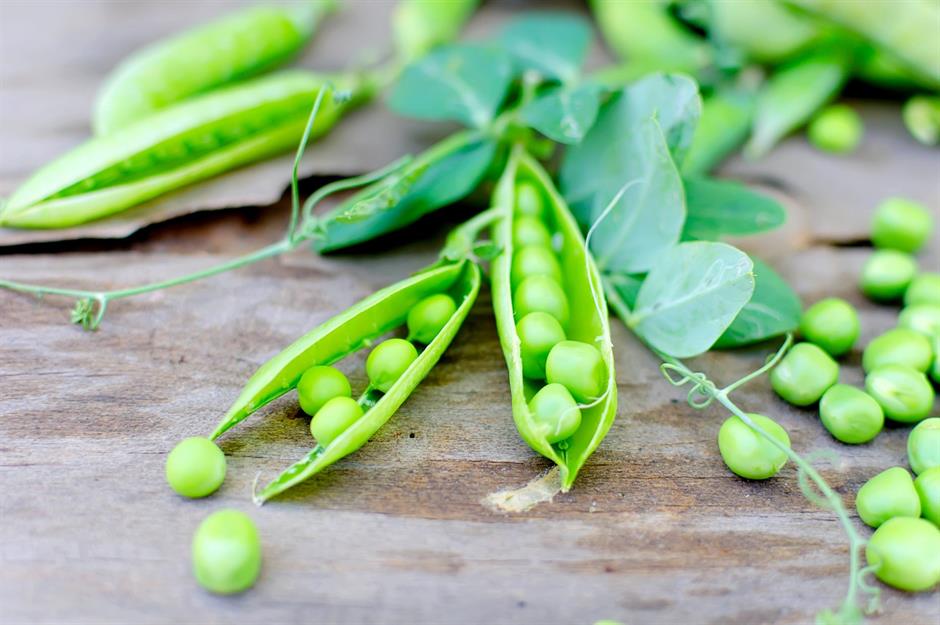
There was a reason your mum nagged you to eat all of the peas on your plate. These tasty green spheres are packed with health benefits. Peas are a great source of plant-based protein, they’re high in iron and they're full of flavonoids and phenols. Peas are also bursting with fibre and contain natural prebiotics, meaning they provide vital support for the gut.
13. Peas
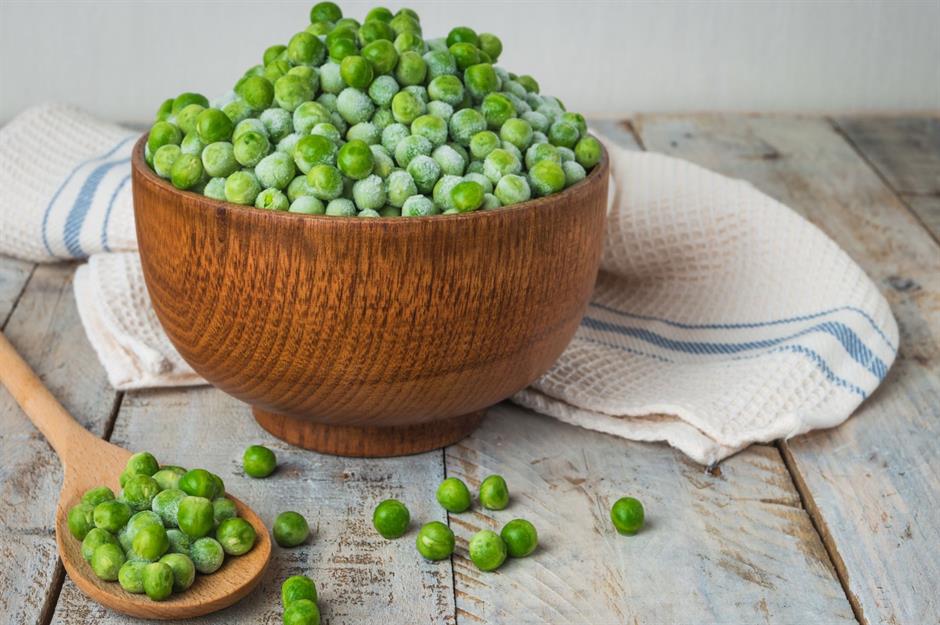
Peas are also loaded with enzymes, including amylase and protease, which help boost your digestive system. You can eat them straight from their pods or frozen, and they work well in everything from soups and stews to creamy risottos and paellas. Peas are also a brilliant accompaniment to protein-and-potato dishes.
Sponsored Content
12. Chia seeds
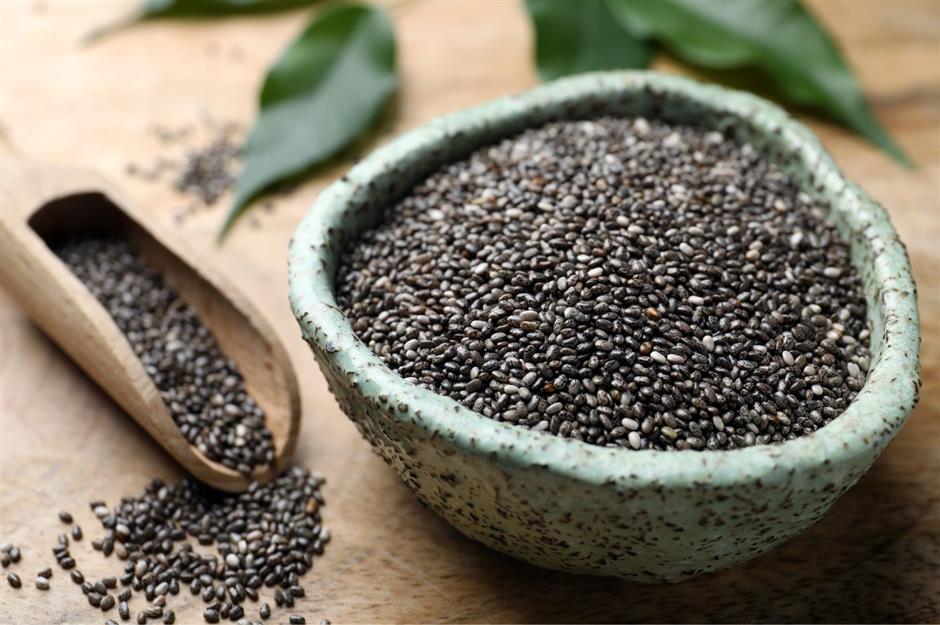
These tiny black seeds may not look like much, but they're actually packed with antioxidants, minerals and Omega-3 fatty acids. These components help to reduce inflammation, increase good bacteria and regulate bowel movements. Chia seeds also happen to be extremely high in fibre, meaning they help aid your gut health and reduce the risk of many chronic diseases.
12. Chia seeds
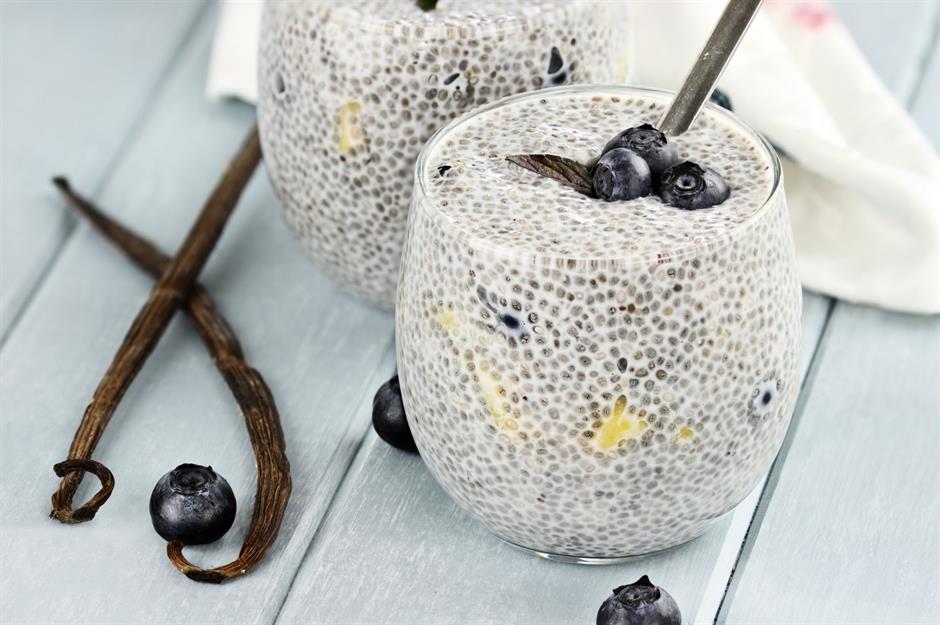
Not sure what to do with them? Chia seeds can be sprinkled over yogurt, salads and cereals or added into smoothies and baked goods. When soaked in water, the nutrient-dense seeds become a gel-like substance that's perfect for adding to homemade desserts and puddings.
11. Tempeh
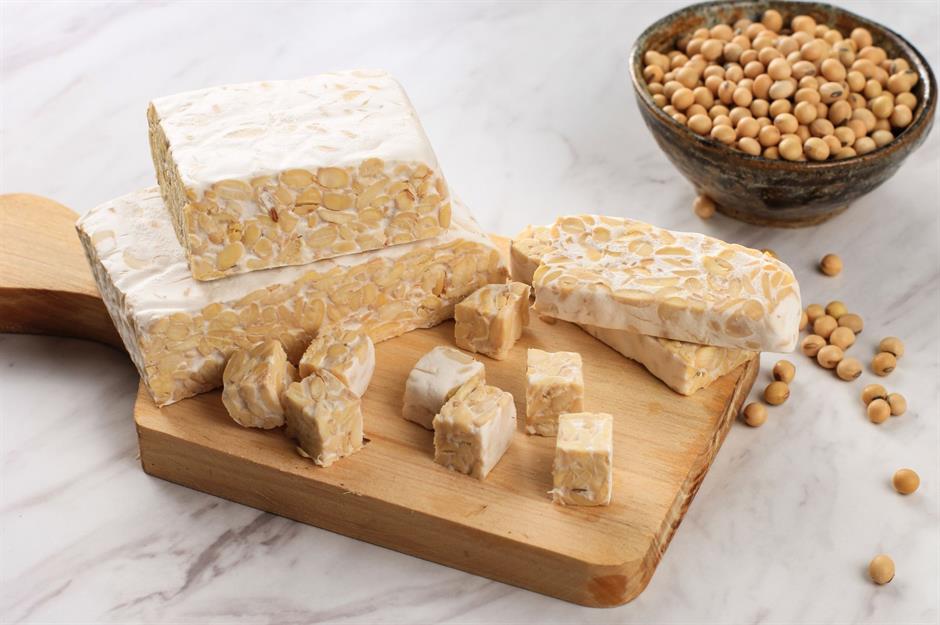
Made from fermented soya beans, tempeh is a plant-based protein that’s been eaten across Southeast Asia for centuries. Its popularity around the globe has increased in recent years – thanks in part to its many health benefits. Research has found that tempeh has cholesterol-lowering properties and can improve both cognitive function and gut health.
Sponsored Content
11. Tempeh

Tempeh is fermented, so it’s full of prebiotics and probiotics, meaning it’s great for your digestive system and can help aid inflammation. Its nutty taste and unusual texture may not be for everyone, but you can marinate it in delicious spices and sauces – from sticky teriyaki to spicy Korean gochujang – to enhance its flavour profile.
10. Apple cider vinegar
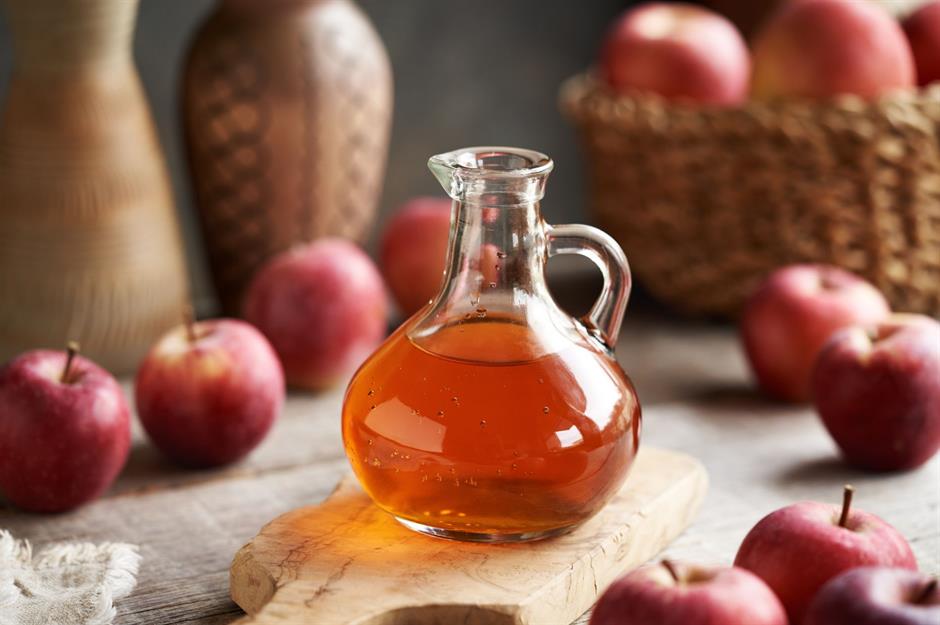
Don't be put off by the cloudy colour and floating bits in your apple cider vinegar bottle – this is actually where all of the gut-friendly benefits come from. It might not be super appealing, but unfiltered vinegar contains the ‘mother’, a gloopy substance that’s made up of beneficial proteins, enzymes and friendly bacteria, all of which are great for the digestive system.
10. Apple cider vinegar
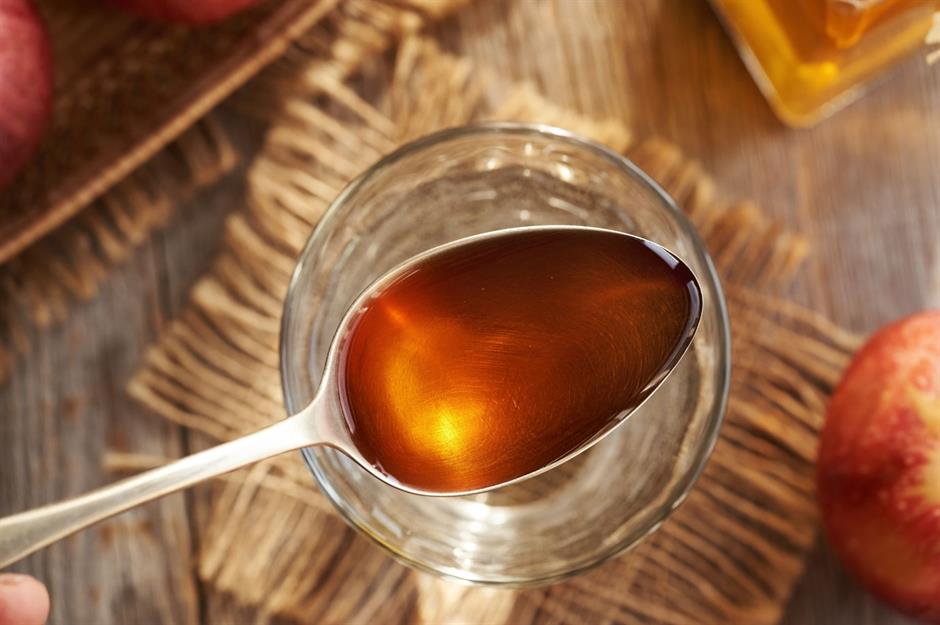
Thanks to its fermentation process and the ‘mother’, this tangy vinegar can help fight against bloating and improve digestion, and some studies have even shown it could help with weight loss. There are a few ways to use apple cider vinegar, but it’s always recommended to dilute it first to avoid any damage to your teeth and throat lining. Dilute it with water and use it in a salad dressing, or combine it with warm water and lemon juice for a gut-friendly drink.
Sponsored Content
9. Water kefir

If you love kombucha but prefer to swerve caffeine, consider its cousin: water kefir. Naturally sparkling thanks to the presence of live microbes, it's a milder, lighter drink that’s great for the body. Loaded with healthy bacteria, water kefir is believed to help support the immune system and fight the risk of intestinal infections.
9. Water kefir
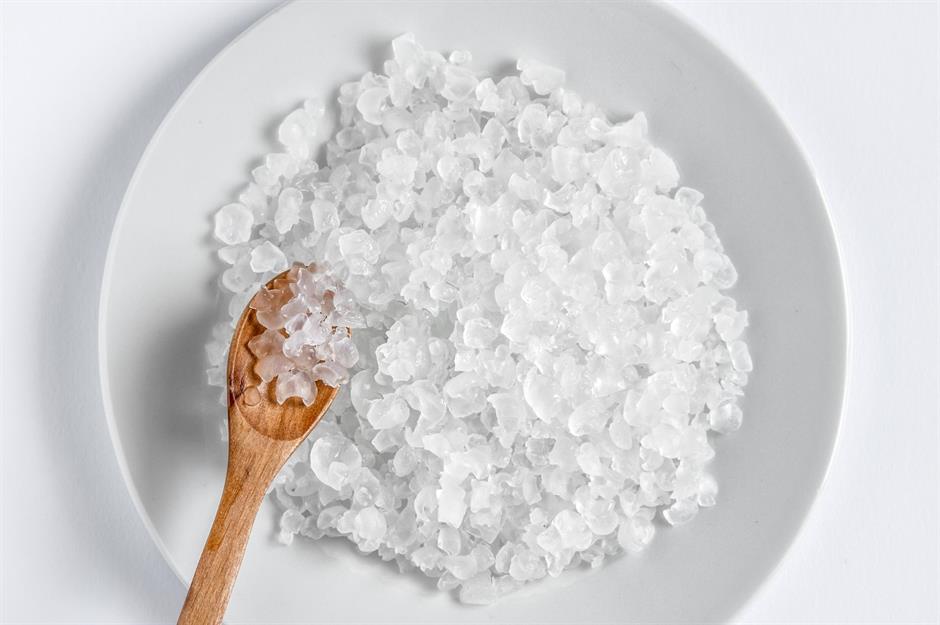
It’s easy (and very cheap) to make at home. Water kefir grains, which are distinct from those used to culture milk, are widely available online and will transform a large jar of water, sugar, lemon and ginger into a delicious probiotic beverage. Caring for the grains can be a bit like attending to a needy pet, though – so finding a local producer could be a real win.
8. Natto
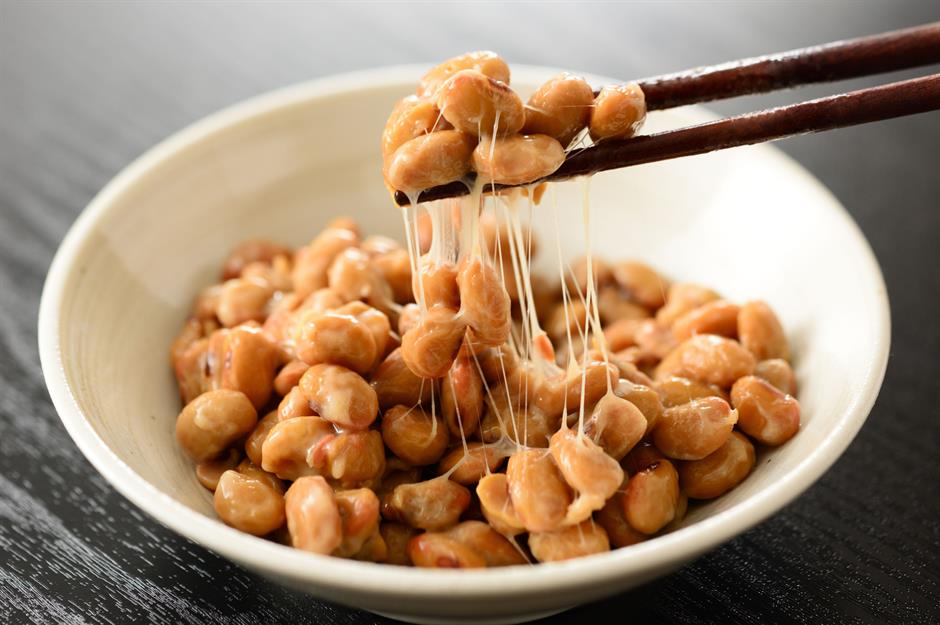
Natto is a Japanese dish made from soya beans – fibre-rich legumes – that have been fermented to bring out their slightly sour and cheesy umami flavours. The process creates a slightly bizarre texture; natto is stringy, rather like melted cheese, but it also has the floury quality of well-cooked beans. As it’s made from soya beans, natto is naturally high in protein, as well as other essential nutrients like magnesium and calcium.
Sponsored Content
8. Natto
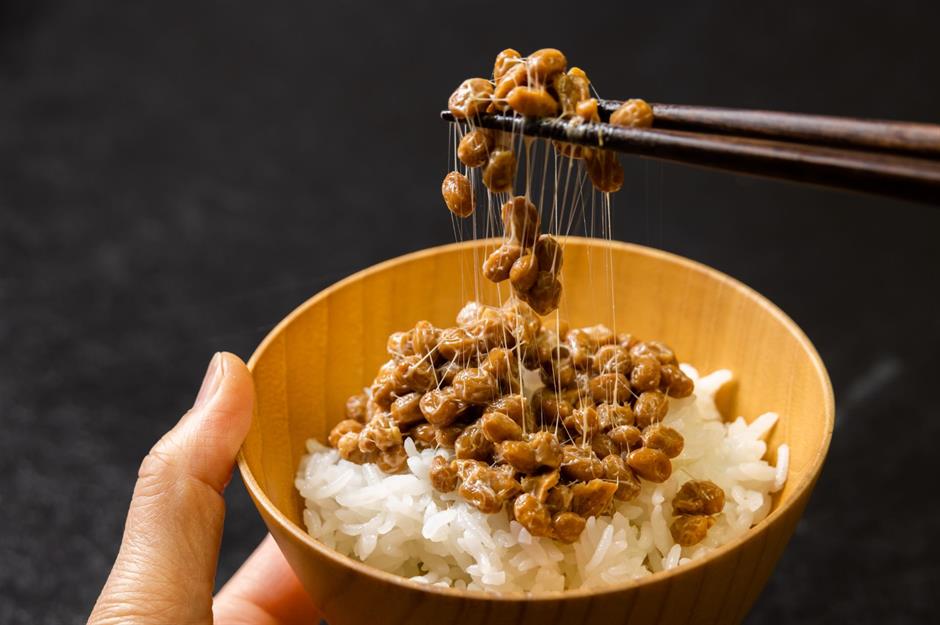
Due to the fermentation process, natto also contains probiotics, which help to fight off toxins and bad bacteria in the digestive system and reduce bloating and constipation symptoms. It makes a great addition to rice, miso soup and steamed vegetables, but be sure to opt for live, unpasteurised beans to benefit from the probiotic qualities as well as the fibre.
7. Miso
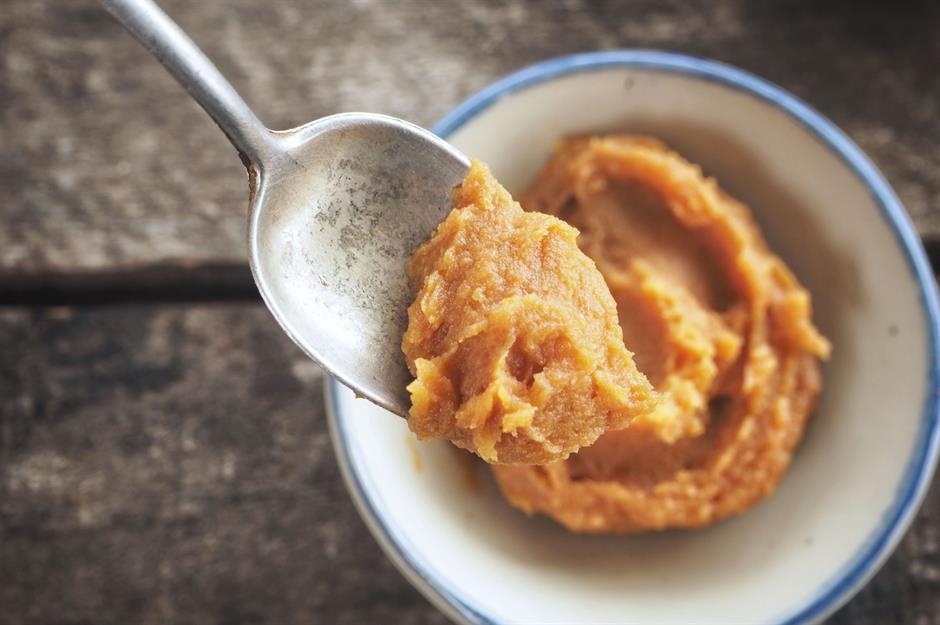
This fermented soya bean paste adds flavour to everything from broths and salad dressings to marinades and even ice cream (miso caramel ice cream is delicious) – so including it in your diet will be no hardship. It's worth the effort, as its natural probiotic content is proven to support healthy digestive function; one US study shows that miso can reduce side effects in people taking antibiotics.
7. Miso
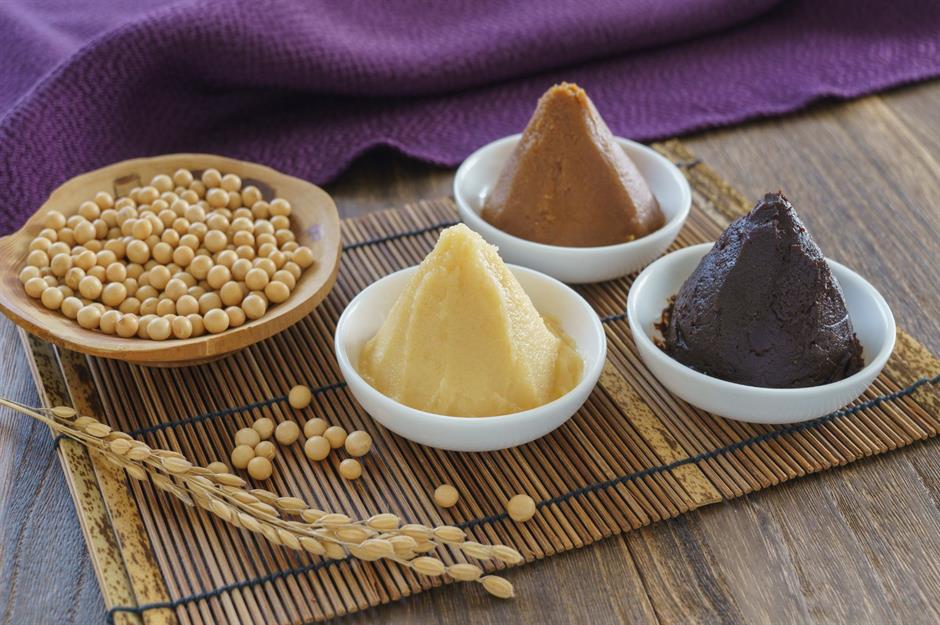
It’s rich in a lot of vitamins, too – including manganese, vitamin K, copper and zinc – all vital for maintaining a healthy lifestyle. To get the best from your miso, always look for unpasteurised pastes. Darker miso is generally fermented for longer than lighter, sweeter varieties. Miso is high in sodium, so it’s best to eat it in moderation.
Sponsored Content
6. Cultured buttermilk
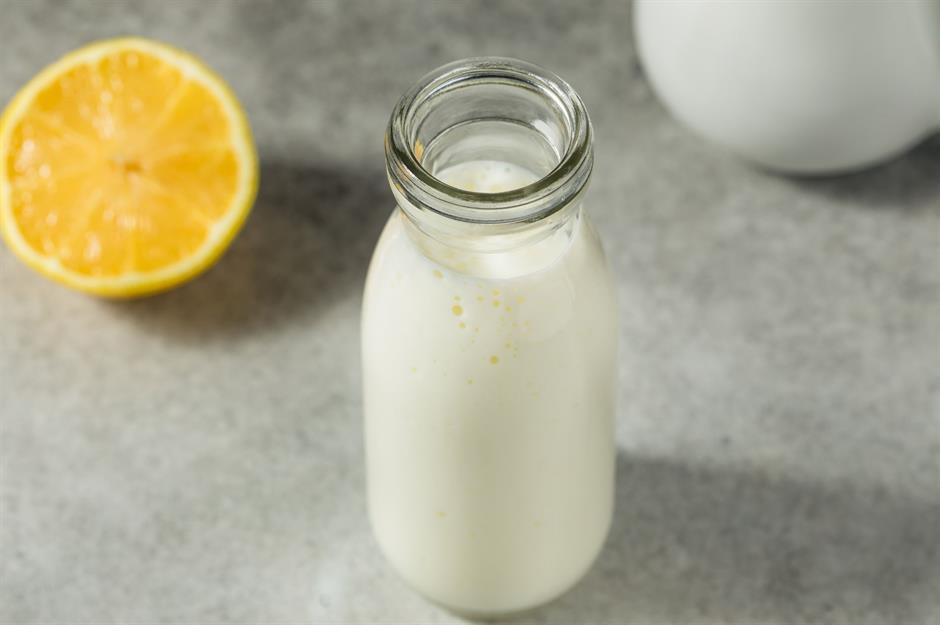
Not all buttermilk is created equal, so if you’re looking to aid your digestive system, you’ll want to look specifically for cultured buttermilk. It’s a byproduct of the liquid left over from churning butter. Unpasteurised, cultured styles are packed with good bacteria, which makes them great for boosting your gut health and keeping your digestive system in check.
6. Cultured buttermilk
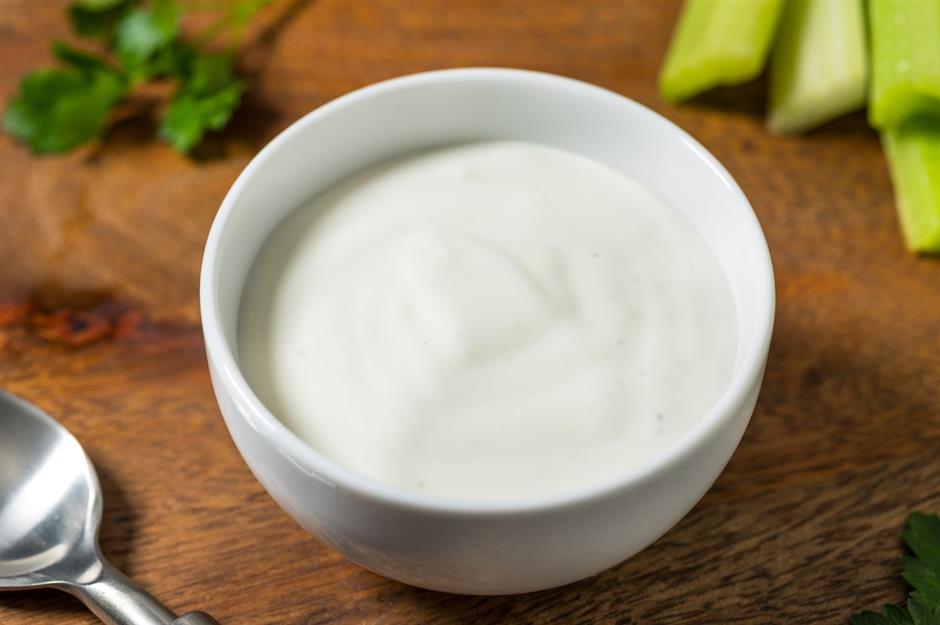
Cultured buttermilk is also high in calcium, protein and other vitamins, including B12 – all of which are essential for a healthy body. If you’re using it regularly in dishes such as fluffy pancakes, creamy ranch and the batter for crispy fried chicken, opt for unpasteurised styles – these are harder to find but will be better for you overall.
5. Yogurt
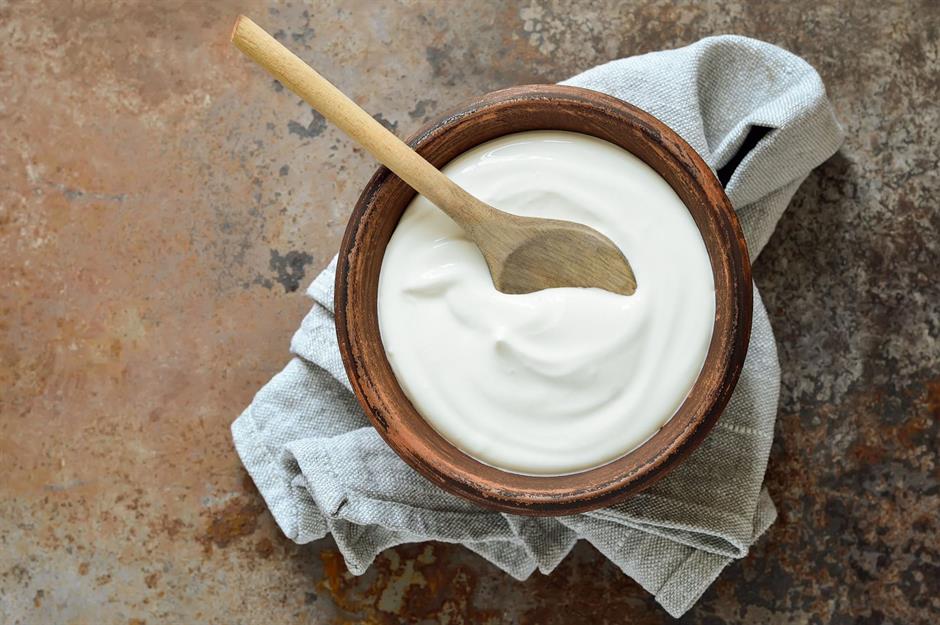
The original live food, yogurt hails from ancient Mesopotamia, and humans have been eating it for around 7,000 years – for very good reason. Studies show its interaction with the microbes in our bodies improves everything from bad breath to yeast infections. Its impact on the gut can help to tackle problems as diverse as type 2 diabetes and high cholesterol. So, whether you're spooning it into a kebab, onto a curry or over some fresh berries, live yogurt is in your corner.
Sponsored Content
5. Yogurt
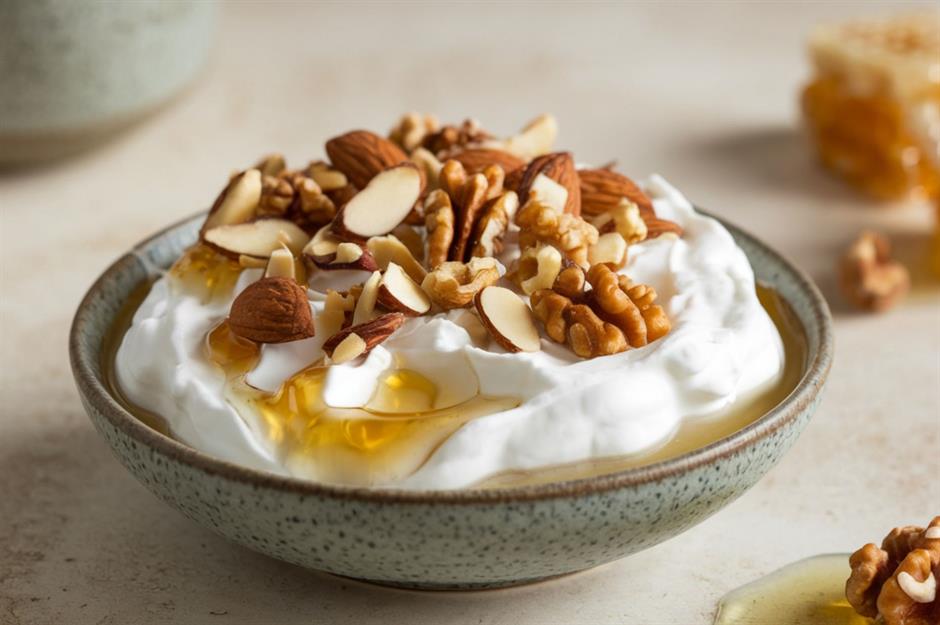
That said, it’s best to steer clear of flavoured yogurts, as these are usually packed out with sugars, sweeteners and thickening agents – all of which can be damaging for the gut microbiome. Instead, stick with plain yogurt and add in berries and fruits to sweeten it to your desired taste.
4. Kombucha

To the uninitiated, kombucha is a slightly strange concept. It's made via an ancient Chinese process that sees very sweet black tea transformed into a sour sparkling drink thanks to the addition of a SCOBY (symbiotic culture of bacteria and yeast) – a floating culture that combines yeasts and bacteria into one rubbery disc.
4. Kombucha

In recent years, kombucha has gained a cult following thanks to its natural fizz, complex flavours and live, probiotic benefits, which a systematic review of research, conducted in 2020, suggests help to support a healthy gut. Further research has shown that it could support liver health, reduce the risk of heart disease and protect against certain cancers.
Sponsored Content
3. Kimchi
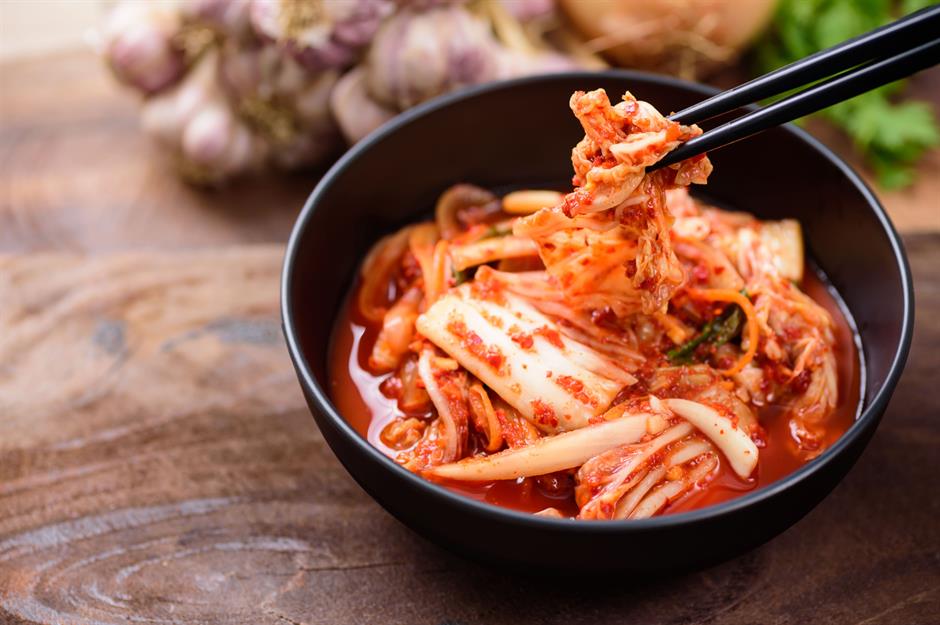
If you're yet to sample this mouthwatering Korean side dish, this is your call to action. Kimchi is made by fermenting vegetables – primarily Chinese leaf, but often white radish, carrot and spring onions, too – in a piquant paste of garlic, ginger, fish sauce, soy, sugar and Korean chilli flakes. It's easy to make at home, and your reward will be a potent probiotic food that's as packed with flavour as it is fibre.
3. Kimchi
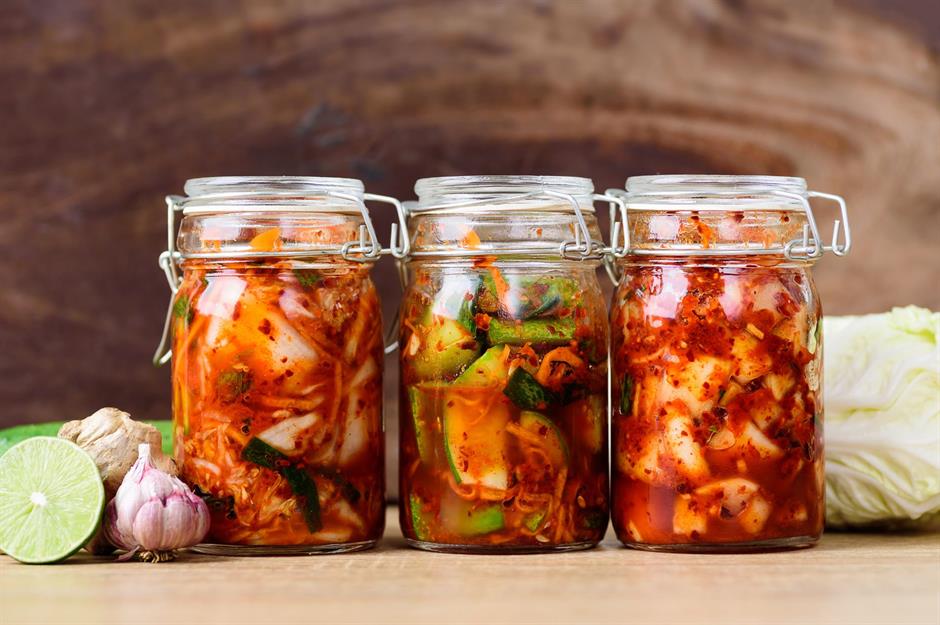
Thanks to its probiotic content, this fiery fermented side dish could help prevent a range of health issues, including constipation, gastrointestinal problems and even some cancer types. Some research studies have shown that it can help reduce inflammation and support heart health, too. Pair kimchi with spicy rice dishes, noodles and Korean stews.
2. Sauerkraut
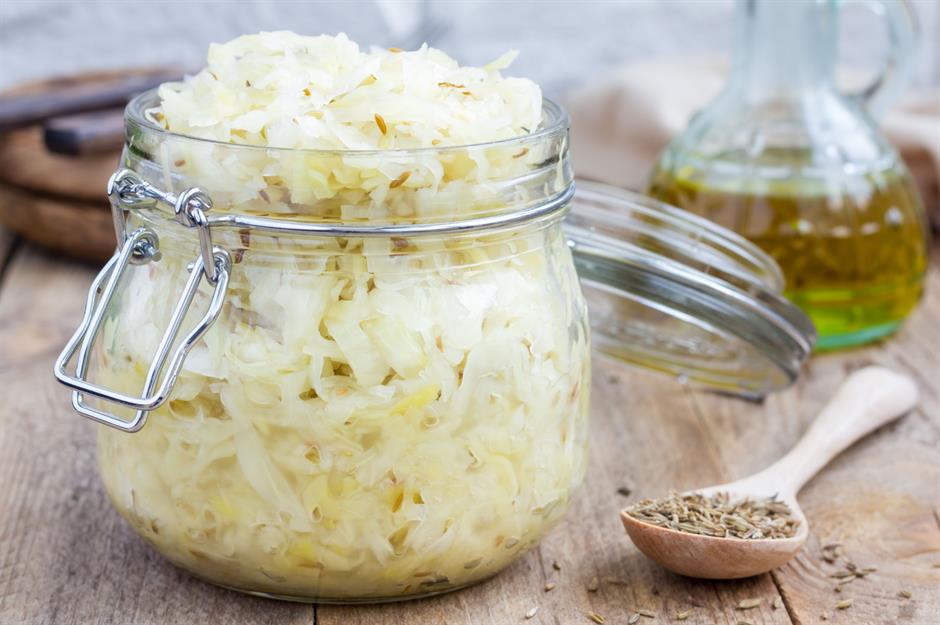
Eastern Europe's fermented cabbage dish is a delicious Iive food that's often deployed alongside fatty meat dishes; its sour crunch cuts through rich sauces and flavours. Classically made with white cabbage, sauerkraut can also incorporate red cabbage, carrot, apple and spices, all of which add to its digestive health benefits.
Sponsored Content
2. Sauerkraut
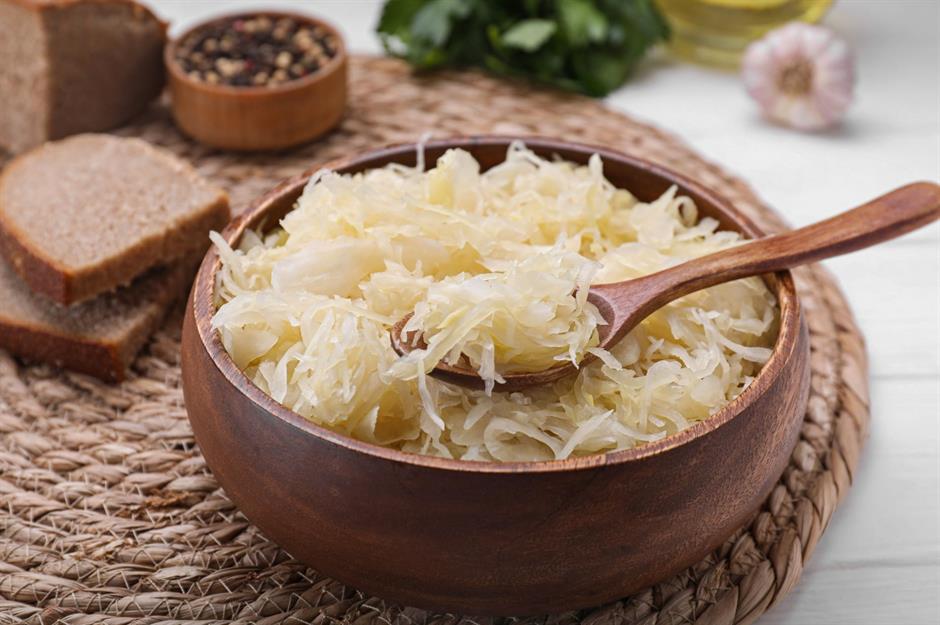
"The gut thrives on variety," says Toribio-Mateas. "Incorporating different fermented foods like sauerkraut introduces different strains of beneficial microbes, enriching our gut microbiome's diversity." Easy to make at home, it's commonly served alongside pork and potatoes, loaded onto burgers and hot dogs, or used to elevate sandwiches.
1. Kefir
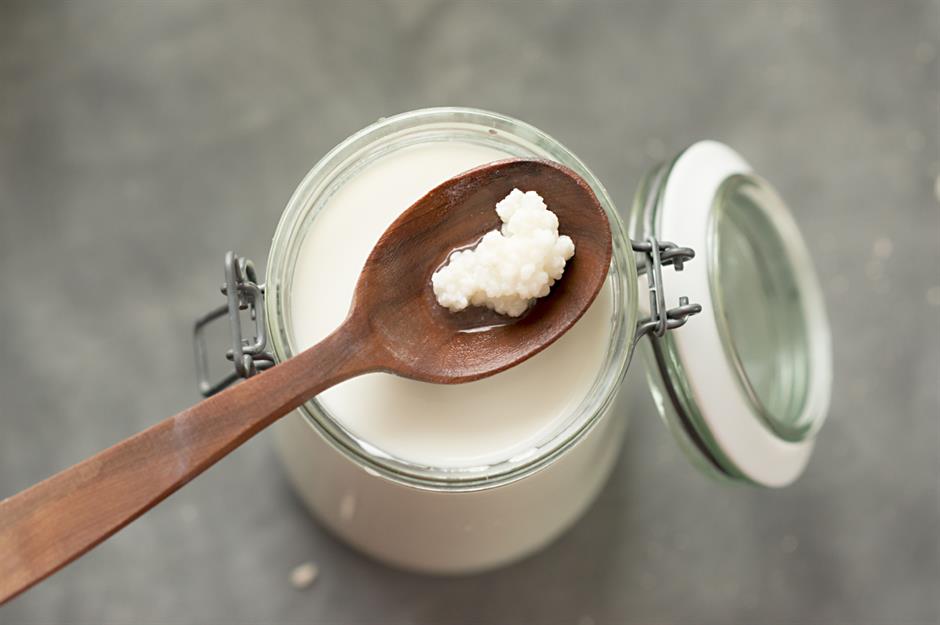
This ancient fermented drink – made by adding jelly-like grains of living cultures to fresh milk – can contain up to five times more live microbes than live yogurt. A slightly fizzy, soured milk isn't to everyone's taste, but you can easily work it into your favourite recipes. "Adding kefir to overnight oats or using it in a yogurt dip is fantastic," says Toribio-Mateas. "Not just for its culinary creativity, but for its probiotic punch."
1. Kefir
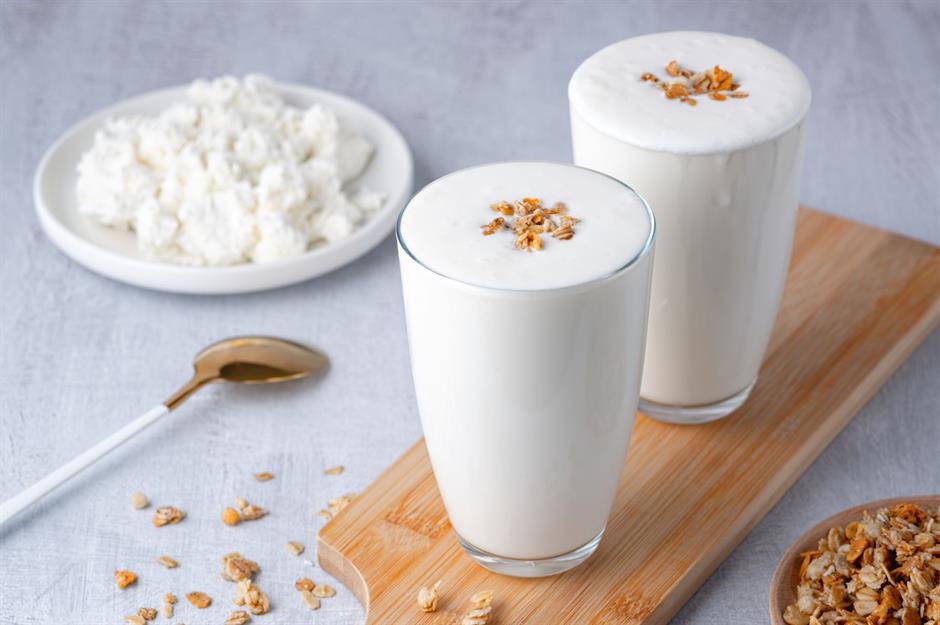
Pay attention to what type of kefir you’re buying from the supermarket, though. Sweetened fruit styles can actually be more damaging to your gut health due to their high sugar content, which can negate the probiotic benefits. Instead, opt for plain kefir and add in fresh fruits instead.
Now discover the foods you should AVOID to boost your gut health
Last updated by Lottie Woodrow.