Bad dieting advice nutritionists say you shouldn’t listen to
Diet tips to completely ignore
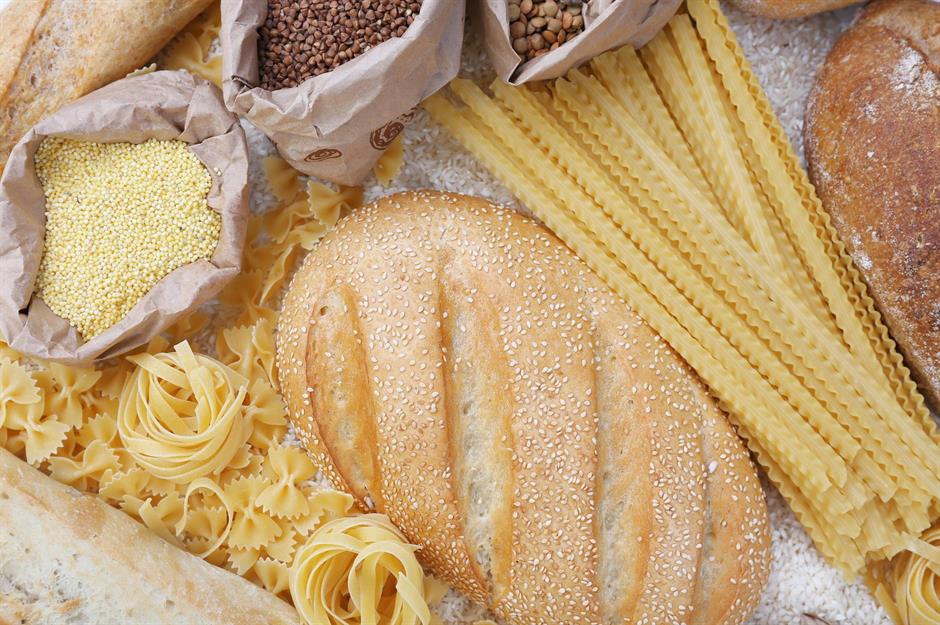
Whether you're trying to lose weight or you want to make a few simple healthy eating changes to your diet, knowing where to start can feel overwhelming. There's a wealth of dieting advice online, but not all of it is actually good – and some should be avoided altogether. To help you wade through the abundance of bad advice, we've called in the experts and asked registered nutritionists to debunk the risky diet tips circulating the internet.
Click or scroll through our gallery to discover the dieting tips and trends that nutritionists say you should avoid – counting down to the most risky of all.
24. Avoid meal replacements – they never work
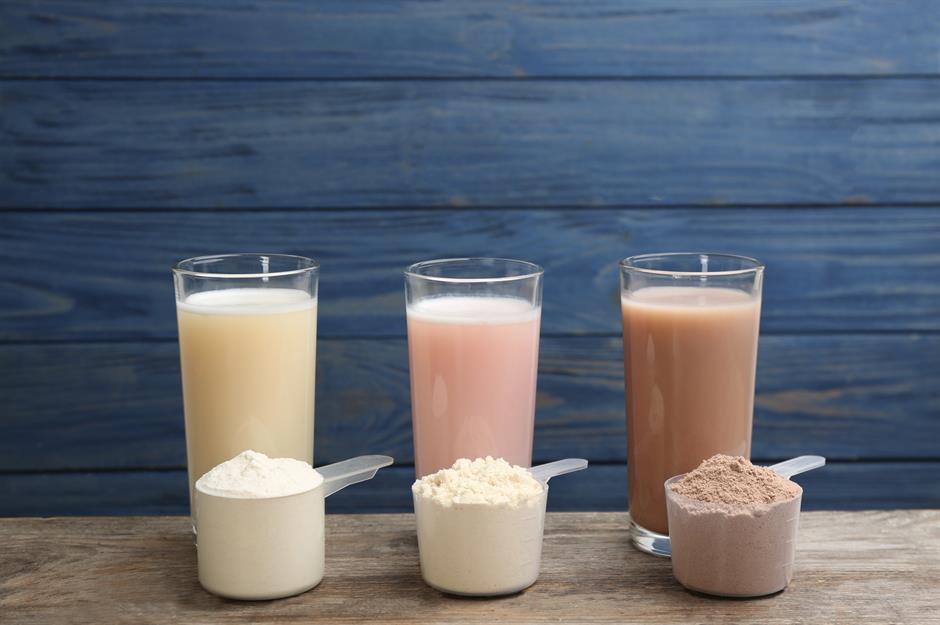
While it's important to be cautious and seek medical advice before trialling them, meal replacement shakes and snacks can be a useful weight loss tool, especially for those struggling with obesity. Oxford University researchers found that, on average, those dieting using meal replacements lost more weight than people using other diets after one year. Strict rules govern the manufacture of weight-loss meal replacements, which must contain a full range of vitamins and minerals and high levels of protein and fibre.
23. Eat a big breakfast
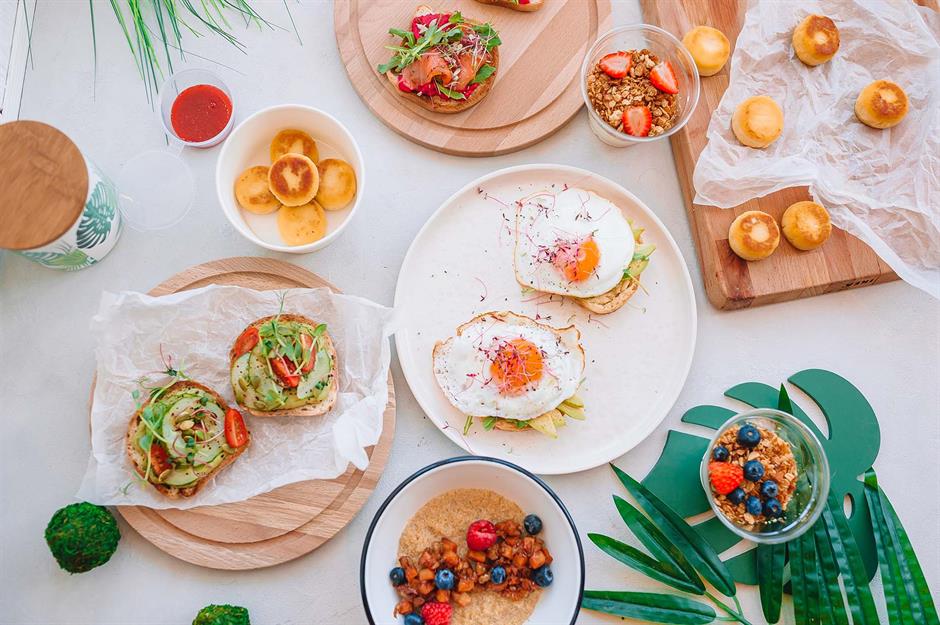
Breakfast eaters tend to eat better overall, but that doesn’t mean a hearty breakfast is a route to weight loss. In fact, a 2011 study at the University of Munich found that people who ate a big breakfast didn’t eat less at lunch and consumed 400 calories more over the whole day. "Not having breakfast is not a nutritional sin if it works for you and you make healthy choices the rest of the day," says Dr Sarah Schenker, author of Eating Fat Will Make You Fat: And Other Human Body Myths Busted.
Sponsored Content
22. Eating late makes you put on weight
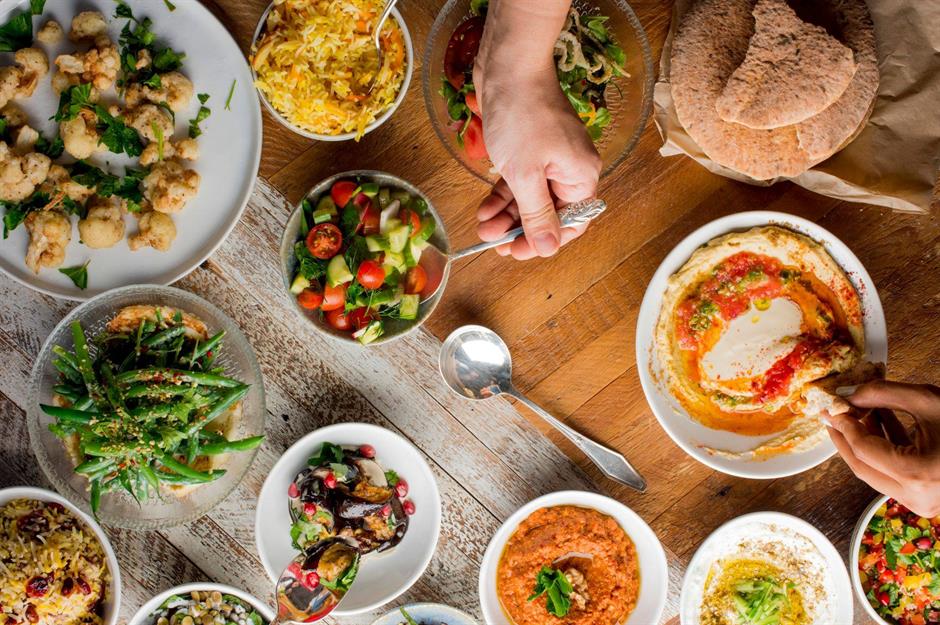
Eating late at night can have some negative side effects, such as increasing the likelihood of acid reflux and disrupting your sleeping patterns – but there’s little conclusive evidence to prove that it’s a contributing factor to weight gain. It’s better to focus on what you’re eating, rather than the time you’re eating it.
21. You must cut out all sugar

Reducing added sugar is a good idea, as it supplies calories without supplying nutrients, but it isn't a guaranteed route to weight loss. Instead, focus on cutting portion sizes and don't deny yourself the occasional sweet treat – it can help to prevent feelings of guilt around food.
20. An hour extra in the gym buys you a chocolate bar

Unfortunately, the calories burned during exercise don’t equal extra calories you should plan to eat afterwards. That’s because many of us compensate, often unconsciously, by eating more or burning fewer calories during the rest of the day on workout days – we may lie down more, fidget less or not walk about as much, for example. In short, the benefits of exercise are huge, but weight loss isn’t something you can necessarily count on.
Sponsored Content
19. Ditch the scales
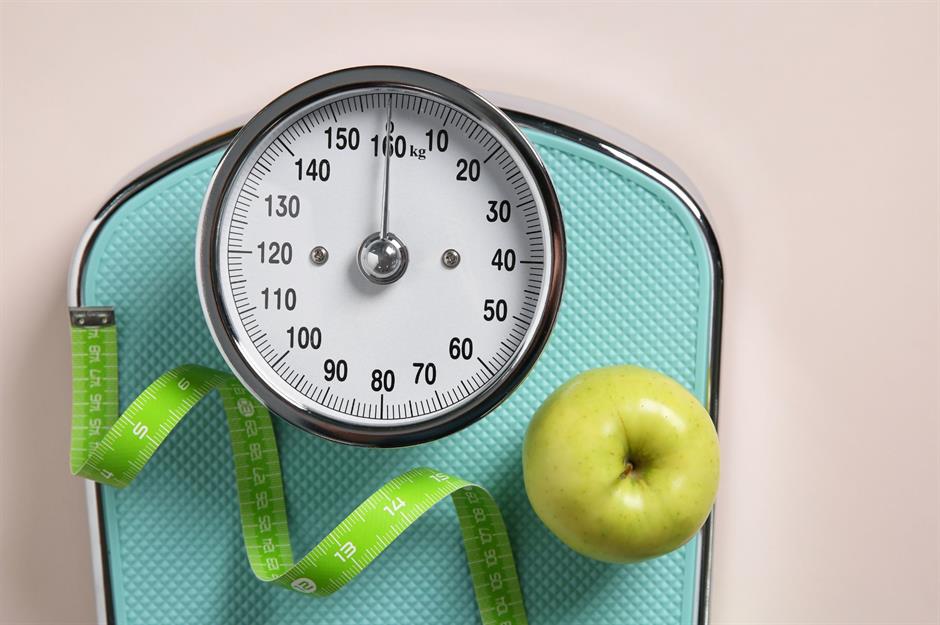
If you have – or have had – a difficult relationship with food, weighing yourself regularly can be triggering and is best avoided to stop any potential issues. But for those who have a healthy relationship with food, using scales regularly – once or twice a week – can be a beneficial way to manage weight gain or loss. It's worth remembering that we are all different, and while one number may be healthy for one person, it may not be for another.
18. Don’t snack
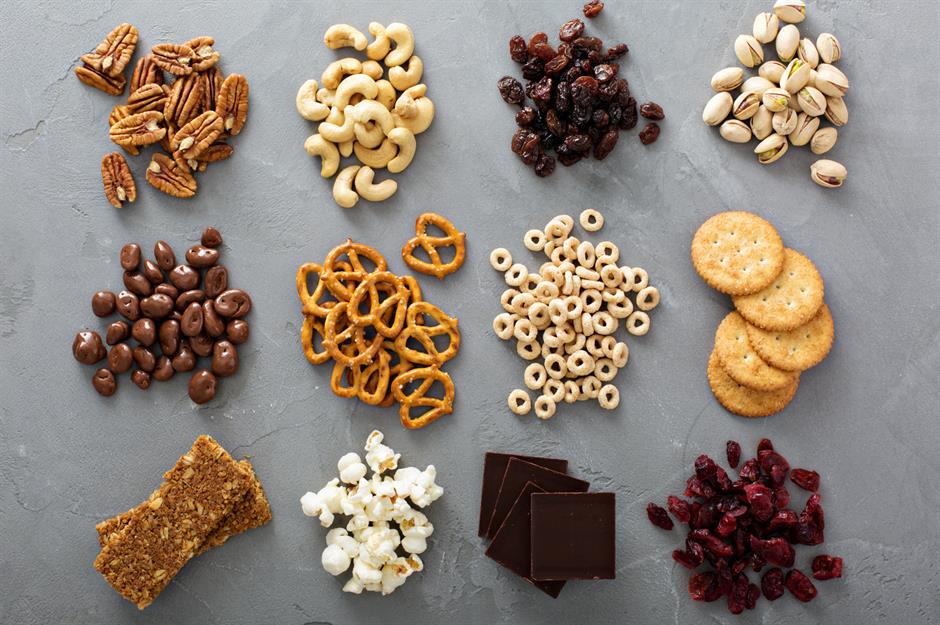
Being a natural snacker doesn’t have to spell disaster for your diet. "Planned, portion-controlled snacks that keep you going between meals can help some people," says nutritionist Helen Bond. The secret is to eat snacks that are filling and rich in nutrients – try a handful of nuts, a couple of tablespoons of hummus with carrot sticks, or your favourite fruit with a dollop of Greek yogurt.
17. Plant-based options are always healthier
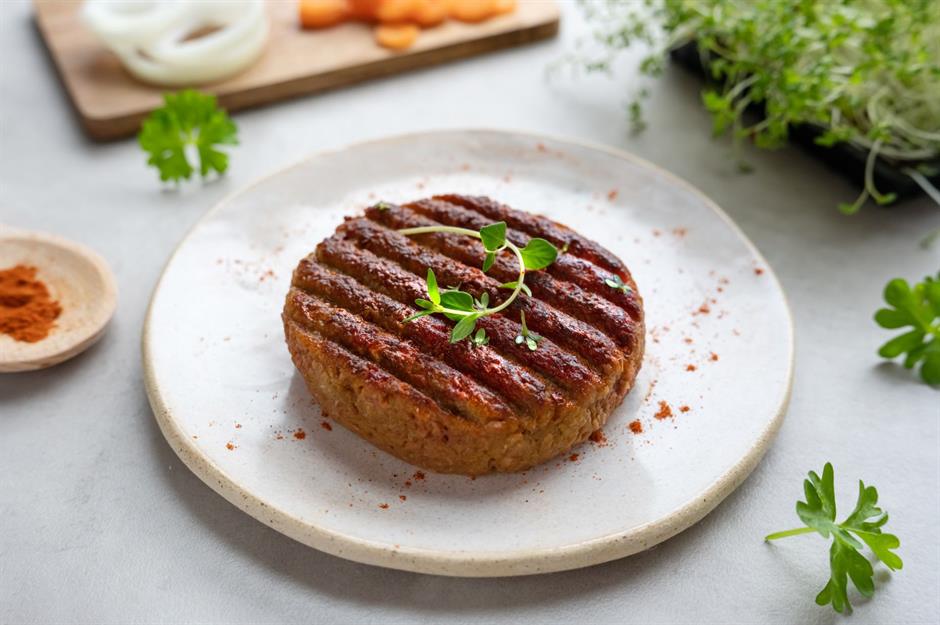
With the rise of vegetarianism and veganism, plant-based products and meat alternatives have started to take over supermarket aisles. While they might look healthier on the surface, it’s important to note that these foods are usually ultra-processed and packed with added sugars, salt and artificial flavourings. Instead, try switching to tofu, tempeh, beans and pulses to boost your protein intake.
Sponsored Content
16. Avoid bananas – they’re sugar bombs
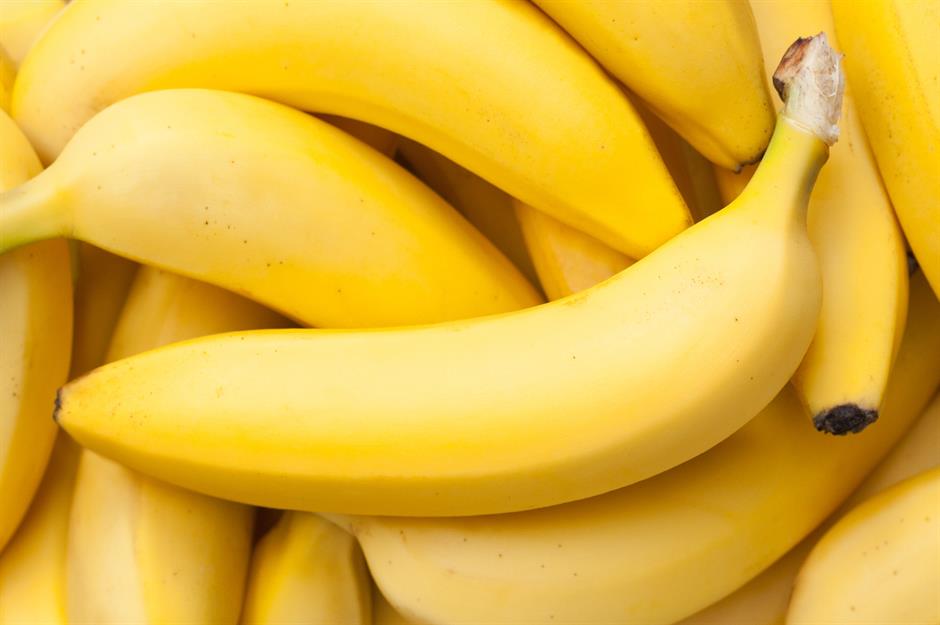
Low-carb extremists claim that eating a banana is equivalent to eating six teaspoons of sugar. But the yellow fruit has a low/medium glycaemic index (GI) – which means the sugars in it release slowly, especially if you eat one just ripe. Bananas also contain lots of potassium, vitamin B6 and fibre. A 2016 Harvard University study looked at the relationship between fruit and vegetable intake and people’s weight; it found that consuming several fruits, including bananas, correlated with less weight gain.
15. Avoid gluten to lose weight
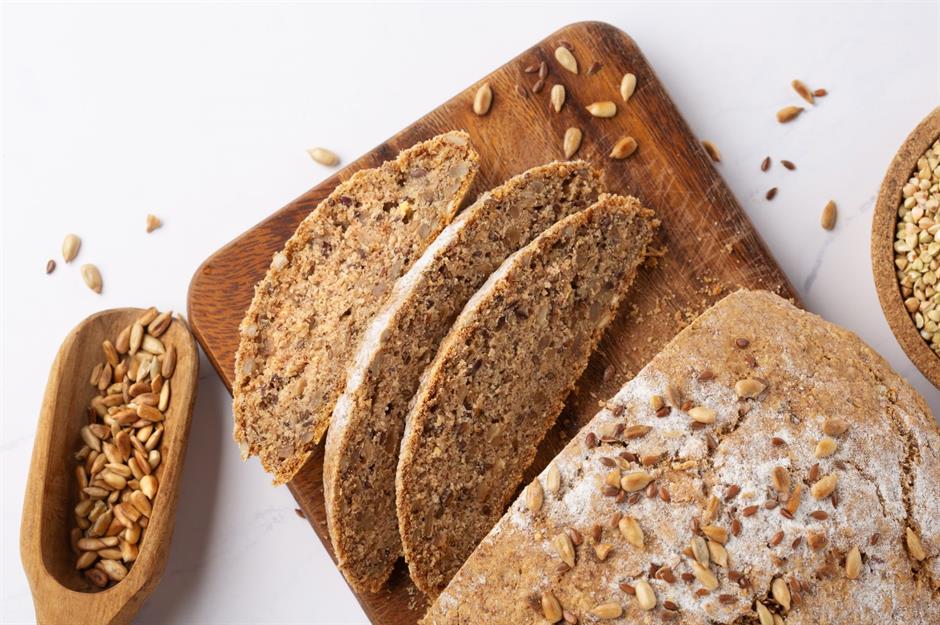
While many people think that avoiding bread and gluten-based products can help you lose weight, there's little evidence to prove this. Gluten-free products tend to be higher in calories and lower in fibre, iron, B vitamins and minerals. That said, those choosing to follow a gluten-free diet are likely to steer clear of ultra-processed foods, opting for healthier alternatives – and over time, this can lead to weight loss.
14. Don’t eat ingredients you can’t pronounce
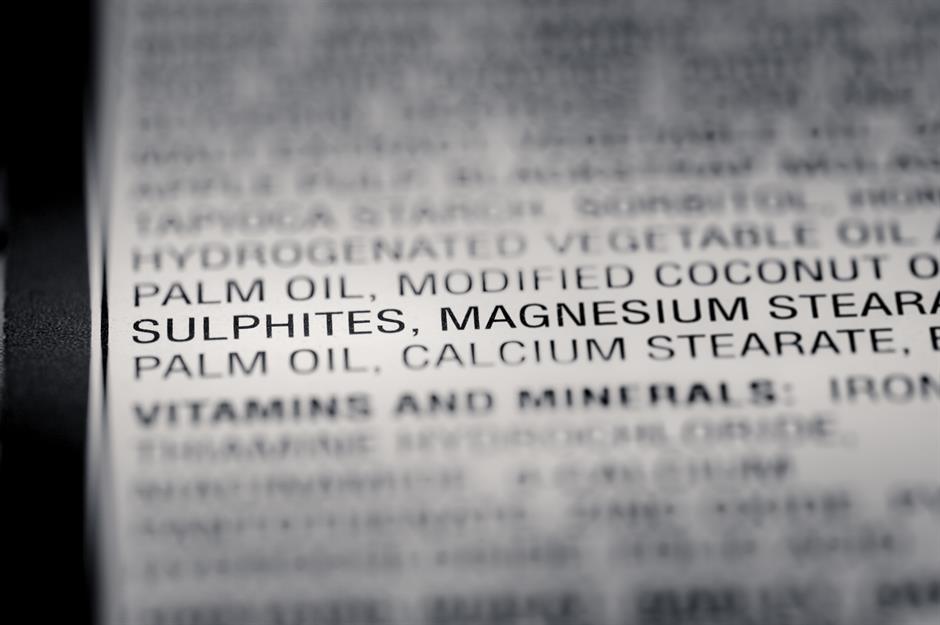
This well-meant advice can stop you from eating an ultra-processed diet (some studies link ultra-processed foods with weight gain and indicate that they heighten the risk of certain diseases and illnesses). However, some tongue-twisting names are perfectly healthy, including added fibre, vitamins and occasionally preservatives, which are often included to prevent food poisoning. The main problem with scouring every ingredient list is that it leads to guilt about foods that aren’t 'clean', creating an unhealthy, obsessive relationship with food.
Sponsored Content
13. Diet foods help you lose weight
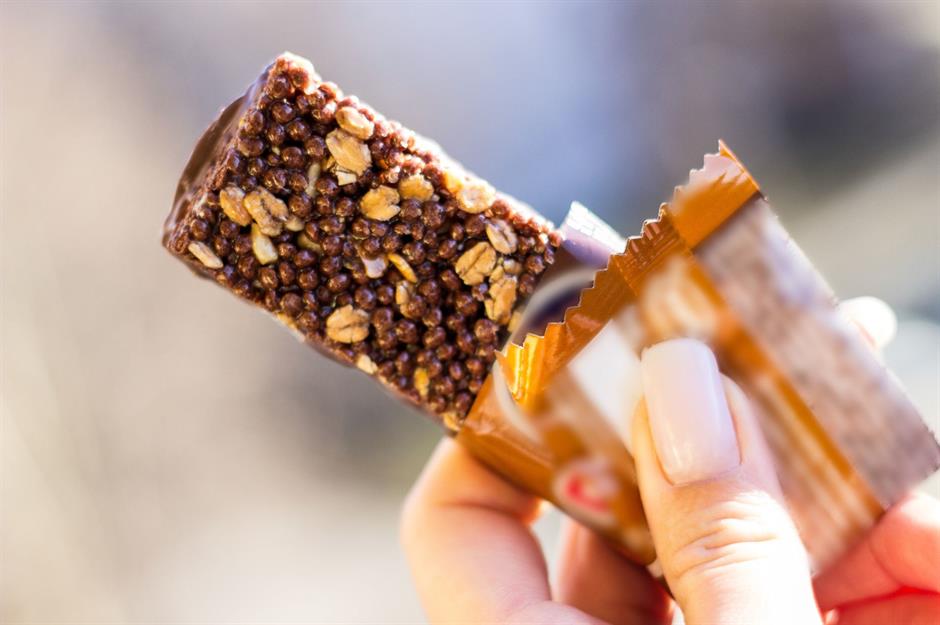
From low-calorie protein bars to sugar-free cereals, diet foods aren’t as beneficial to your body as you’re often led to believe. Look a little closer at the packaging, and you’ll likely notice that these foods are highly processed and contain little to no nutritional value. Instead, you’re better off eating a healthy, balanced diet full of real whole foods, proteins and vegetables.
12. Calories don’t matter at all
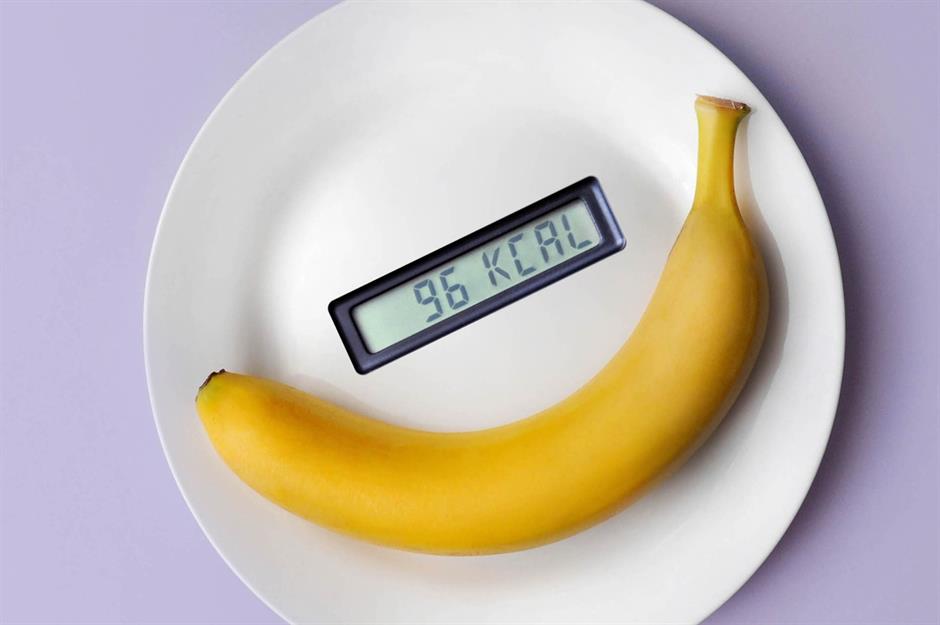
While it's not advisable to solely focus on calorie counting, you can't ignore calories entirely. "It’s a great idea to put the nutritional quality of your diet first and foremost, but you do still have to take calorie intake into account if you want to lose weight," says registered dietitian and nutritionist Dr Schenker. The bottom line? If you're trying to lose weight, you'll see better results when consuming fewer calories than your body uses up.
11. Coconut sugar, agave and raw sugar are better for you
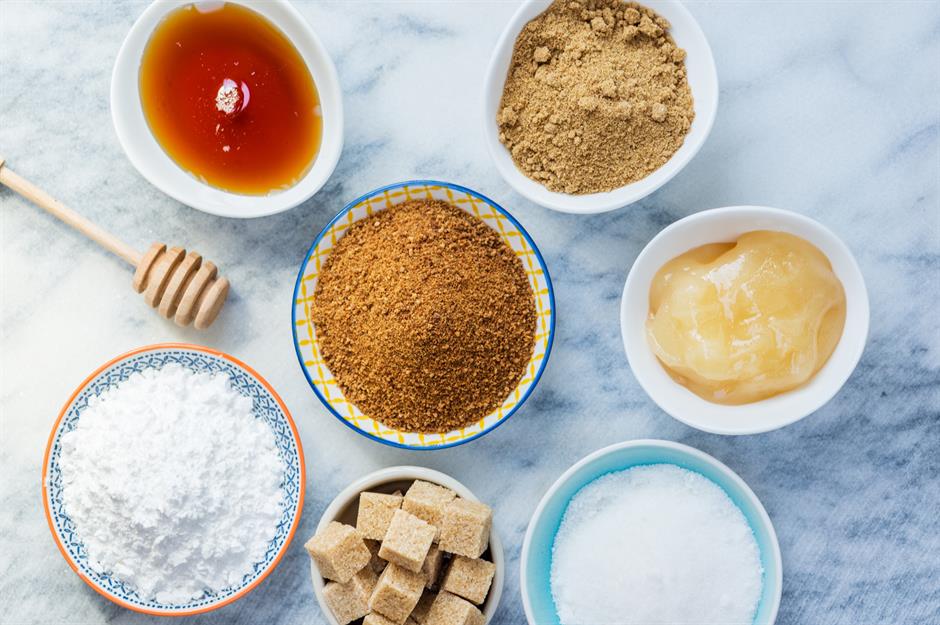
When it comes down to it, sugar is sugar, no matter what form it comes in – and, if you ask the experts, they'll actually tell you that coconut sugar, agave and raw sugar are worse for you than regular sugar. Even if less refined forms do have slightly more nutrients, including potassium and iron, the quantities are really tiny. After all, you don’t eat sugary food for its nutrients.
Sponsored Content
10. The sugar in fruit is bad
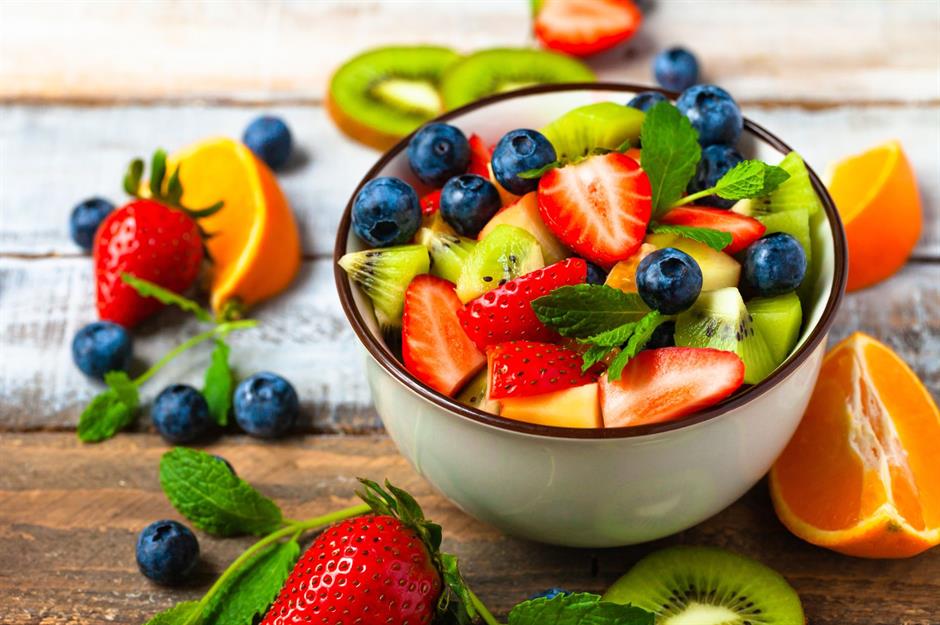
From rosy cherries to tart apples and everything in between, fruit is a vital part of a healthy diet. It has, however, been ostracised by diet culture in recent years due to its high sugar content. Fruit naturally contains fructose, and studies have shown this type of sugar can contribute to various health problems, including heart disease. But it’s important to note that these research trials focus on fructose from added sugars, such as corn syrup, rather than fruit.
9. Eat a tablespoon of coconut oil every day
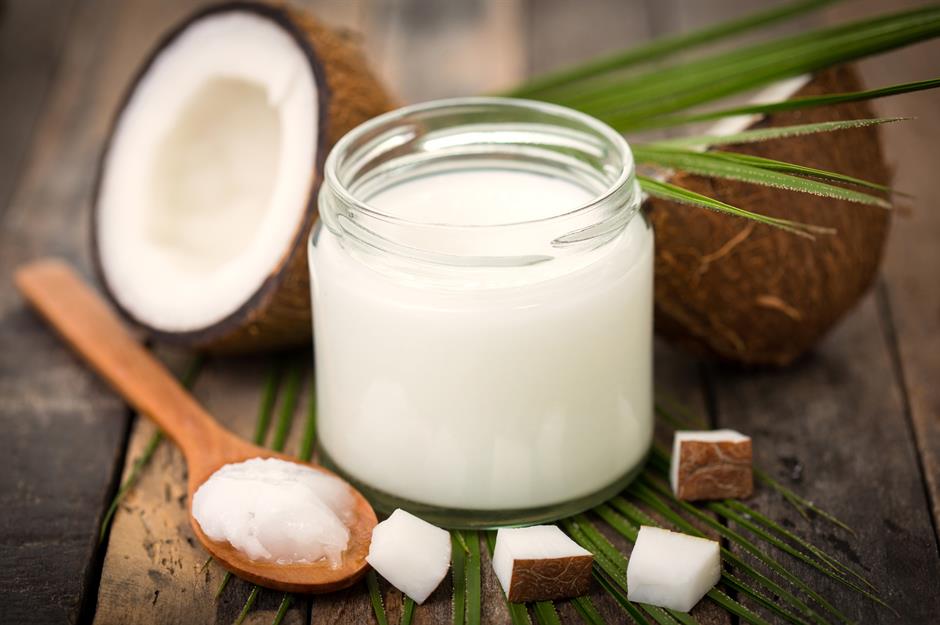
How much coconut oil are you consuming per day? The claim that coconut oil helps weight loss is based on its content of MCTs (medium chain triglycerides), which may boost metabolism slightly. However, most studies conducted to prove this focus on pure MCT oils and not coconut oil, which also contains high amounts of myristic acid, a type of fat that significantly raises cholesterol. Each tablespoon of coconut oil also contains 120 calories, so it won't aid weight loss unless you’re cutting down significantly elsewhere.
8. Do a juice cleanse
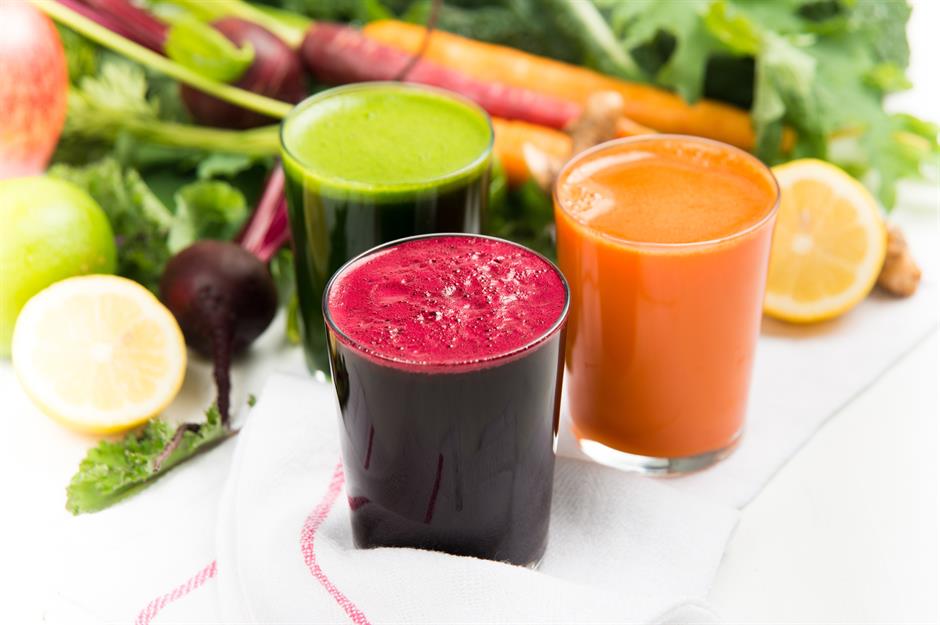
In addition to removing the fibre from fruit and vegetables, juicing also releases the sugars from inside the plant cell walls. These free sugars can harm teeth and raise blood sugar just like added sugar. Similarly, a juice cleanse doesn’t contain enough protein to prevent muscle loss. "5 fl oz (150ml) of juice daily provides vitamin C and phytochemicals, but drinking only juice is not a sensible way to lose weight or be healthy," says registered dietitian and British Dietetic Association spokesperson Helen Bond.
Sponsored Content
7. You must have an alkaline diet
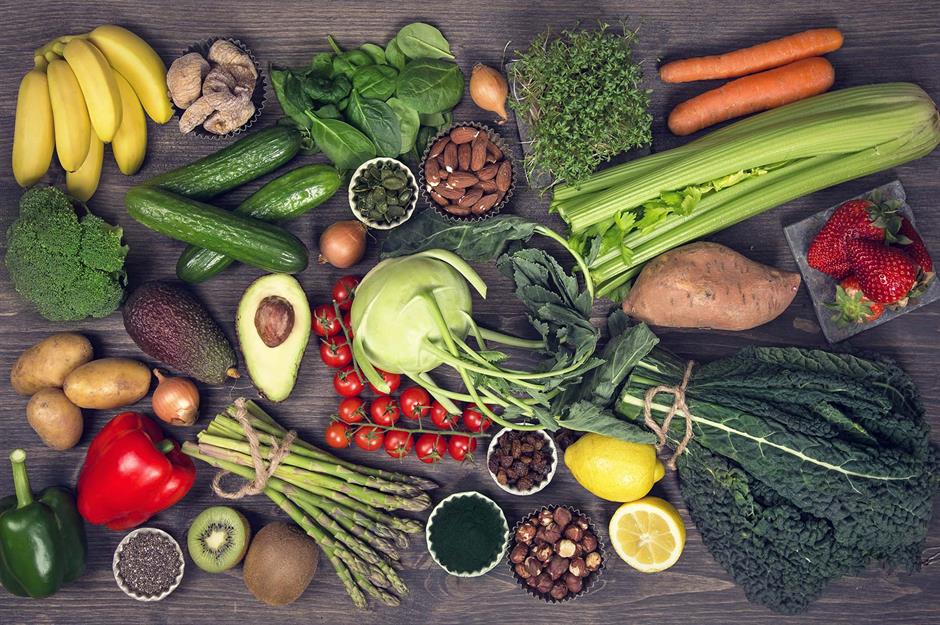
Alkaline diet advocates say you can make your blood more alkaline by eating a specific balance of foods, and that this will help to promote weight loss and reduce the risk of cancer and osteoporosis. But the British Dietetic Association says the alkaline diet is based on a 'basic misunderstanding of human physiology'. The bottom line? You can’t change the pH of your blood, and you shouldn’t want to – it has to be kept within strict limits for good health.
6. Low carb high fat (LCHF) is the best for weight loss
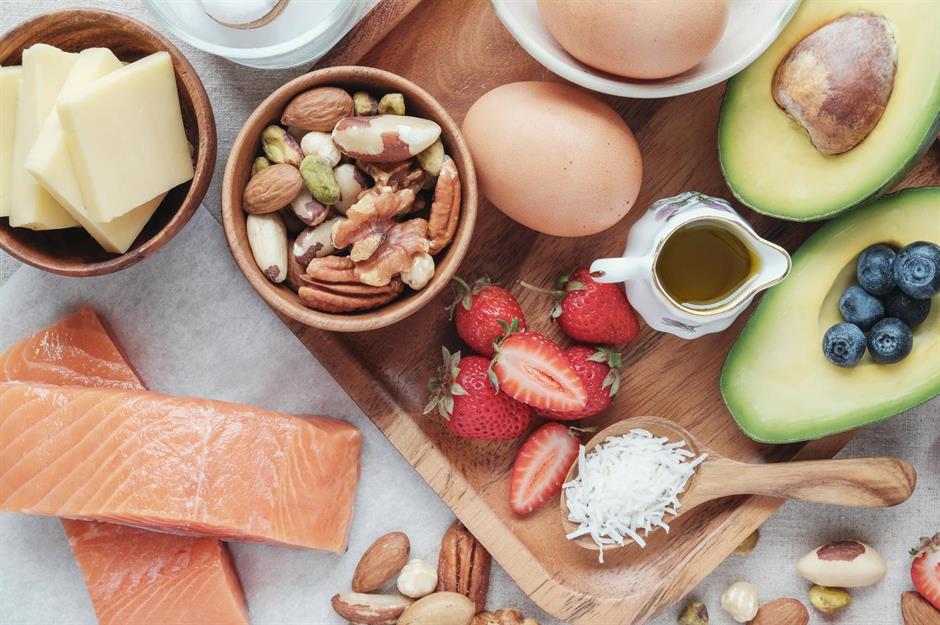
If this way of eating suits you, then that's fine. However, a scientific study conducted by a Dutch university compared diets of equal calories but differing carbohydrate and fat content, and it found that both regimes produced very similar body fat loss. Lower-fat diets with at least 3.5oz (100g) of carbohydrate daily (the typical amount in two slices of bread and a serving of pasta) had the slight edge over LCHF for preventing diabetes and obesity.
5. You need to detox

Keen on trying a cleansing detox? Turns out you don't need to. "You don’t need special cleansing diets and will do much better by just eating a healthy diet with lots of fruit, vegetables, plant proteins and fibre, so your body’s own natural detoxification system can do its job optimally," says dietitian Dr Schenker. A healthy liver and kidneys constantly cleanse the body by filtering the blood and screening out toxins without the need for a detox programme.
Sponsored Content
4. Feeling shame about your weight will help you get slimmer
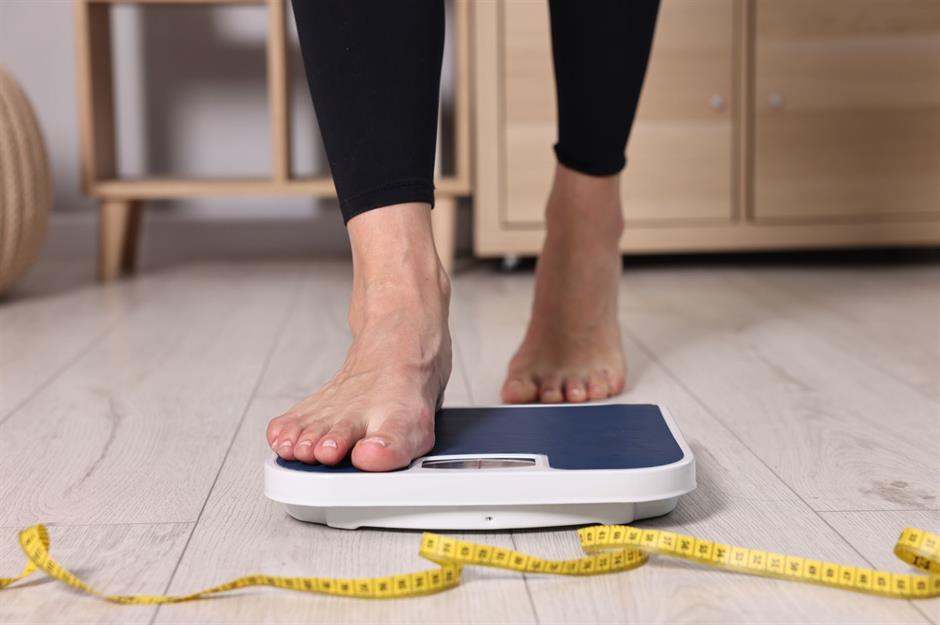
In 2019, US television host Bill Maher suggested on his HBO show Real Time that fat-shaming should make a comeback. The reality? Evidence suggests that fat shaming can make people heavier and sicker, according to an editorial in CMAJ (Canadian Medical Association Journal). Internalised weight bias – the fat-shaming you do to yourself for not looking a certain way – is the most damaging of all, so if you're struggling with this, don't be afraid to seek medical support.
3. Calories are all that matter
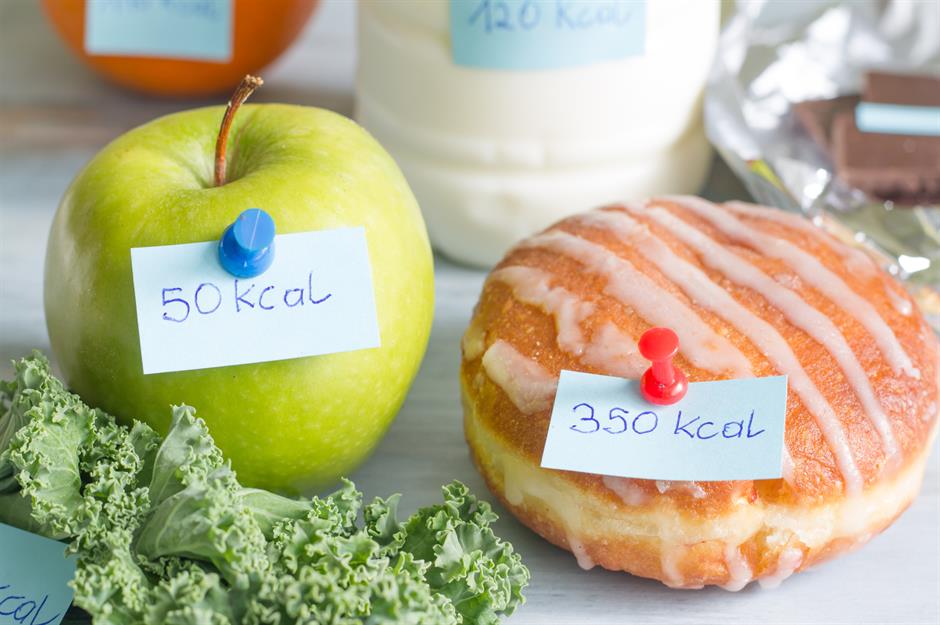
When it comes to how sated you feel and how soon you will want to eat again, two similar calorie counts can have very different effects. "Imagine a croissant versus two poached eggs with grilled mushrooms on a slice of wholegrain toast, and you get the idea," says registered dietitian and nutritionist Dr Schenker. "They both have around 280 calories, but the egg on toast will satisfy for longer and provide much better nutrition, too."
2. The carnivore diet is highly effective
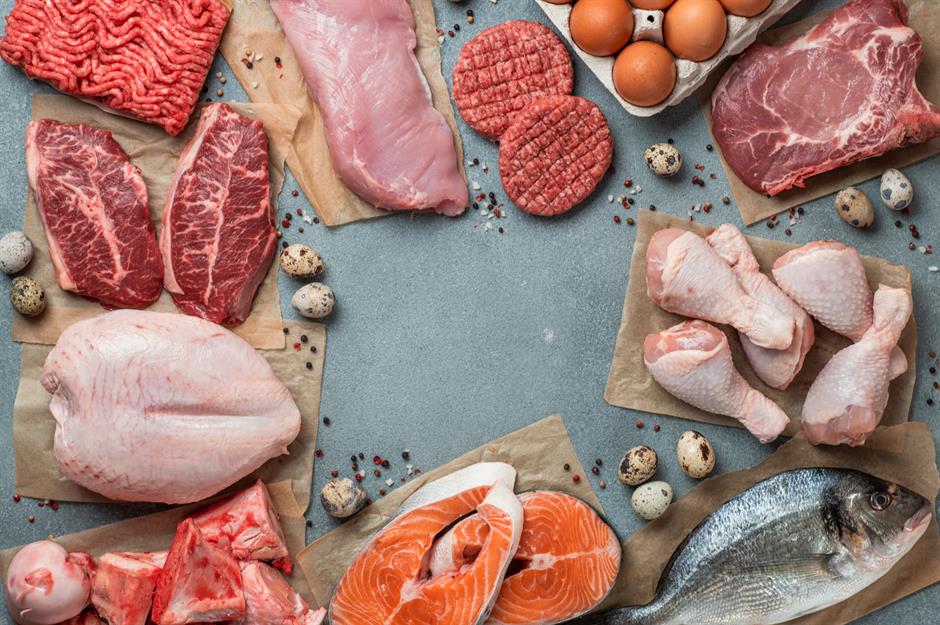
An even more extreme version of LCHF, the carnivore diet is gaining followers online who say it keeps them slim and satiated. It involves eating meat, fish, eggs, cheese and virtually nothing plant-based – but it goes against every possible healthy eating guideline. "You're not getting fibre for a healthy gut, you could miss out on vitamin C, and your saturated fat intake, which is bad for the heart, will be through the roof," says dietitian Helen Bond. In short, it’s a diet to leave well alone.
Sponsored Content
1. Carbohydrates are the enemy
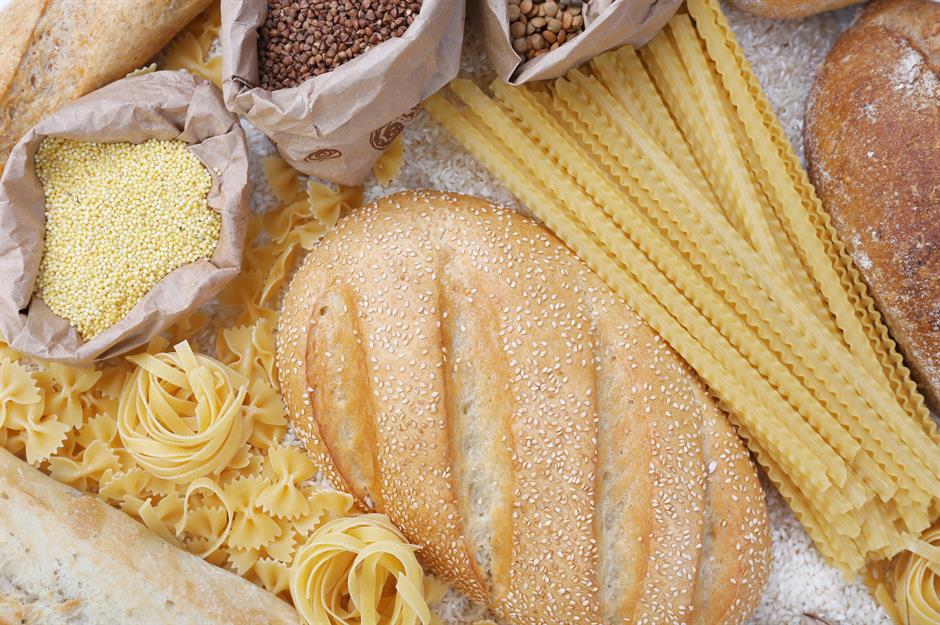
Cutting down your carb portion size – especially white rice, bread and flour – can be a good idea. But some carb-rich foods, including wholegrains, beans and lentils, are rich in phytochemicals and fibre that help maintain a healthy gut microbiome, which in turn can manage weight and support the immune system. A study conducted by the American Journal of Clinical Nutrition found that a wholegrain-rich diet also increases resting metabolic rate and the number of calories you burn.
Now discover the foods you should stop eating to boost your gut health
Last updated by Lottie Woodrow.