The most unusual trademark battles (copy)
High-profile struggles for trademarks
NFL "Super Bowl": approved
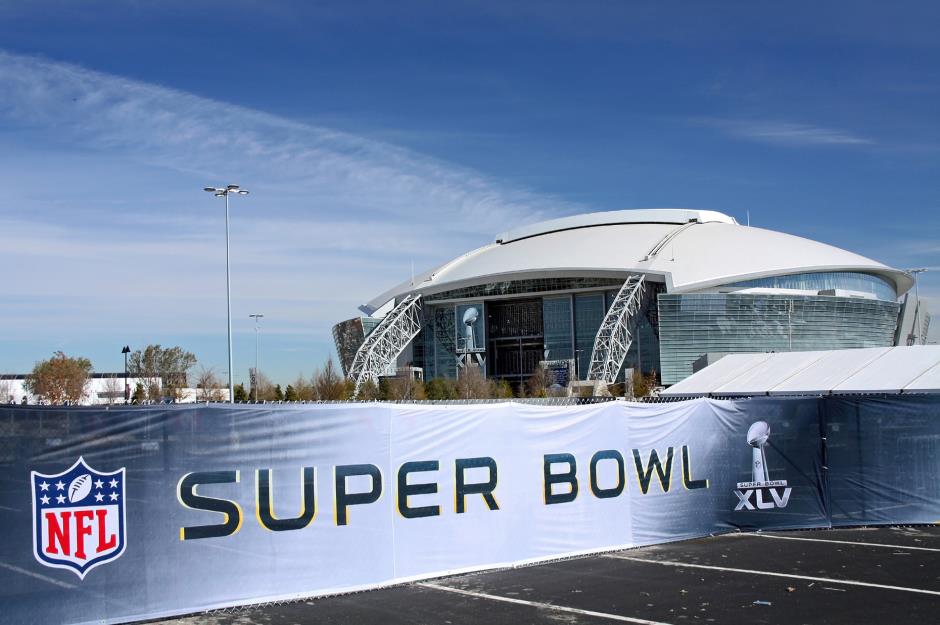
When it comes to protecting their trademarks, no one is more litigious than the NFL, which has owned the rights to the words “Super Bowl” since 1969. It’s no surprise it guards its property zealously. The use of the brand was worth an estimated $663 million (£521m) in 2017. Private citizens are free to use the phrase as they please, but brands are not allowed to use the words to promote their own business.
NFL "Super Bowl": approved
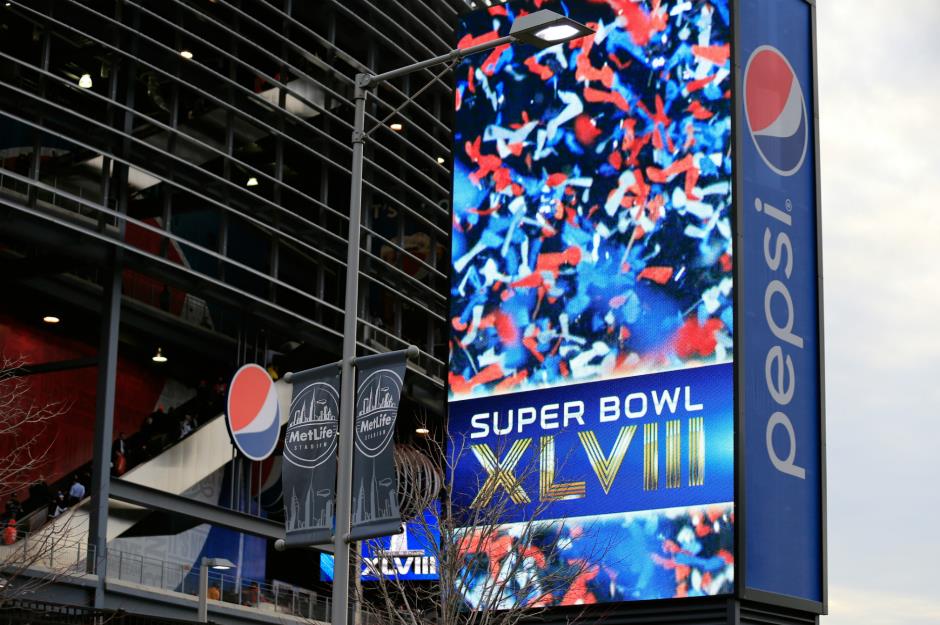
For example, no bars can advertise “Super Bowl” events, and absolutely no non-NFL-approved merchandising is allowed. Not even broadcasters are exempt, with comedian Stephen Colbert referring to the game as the “Superb Owl” on TV’s The Tonight Show.
Sponsored Content
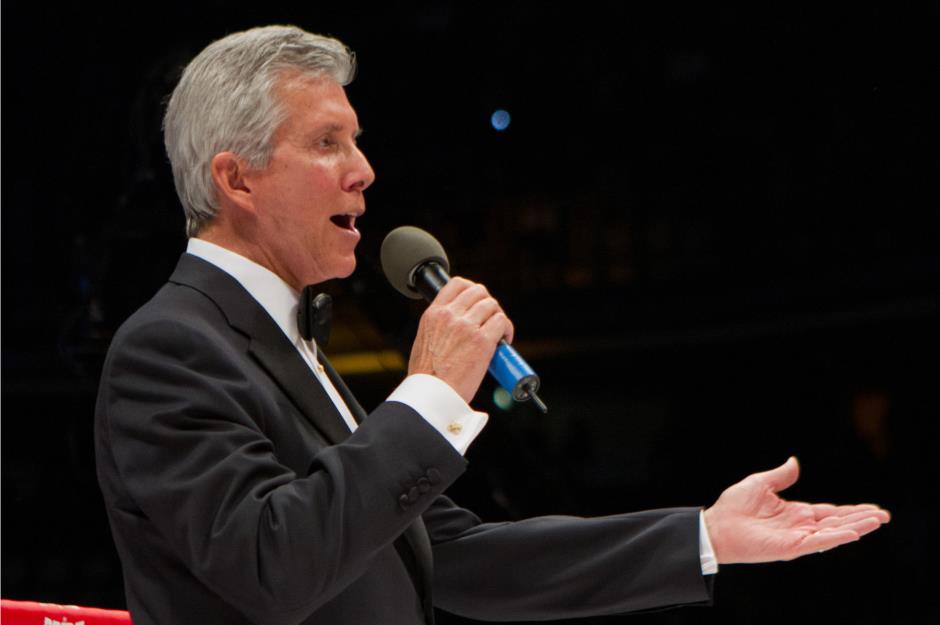
Michael Buffer's "Let’s get ready to rumble": approved
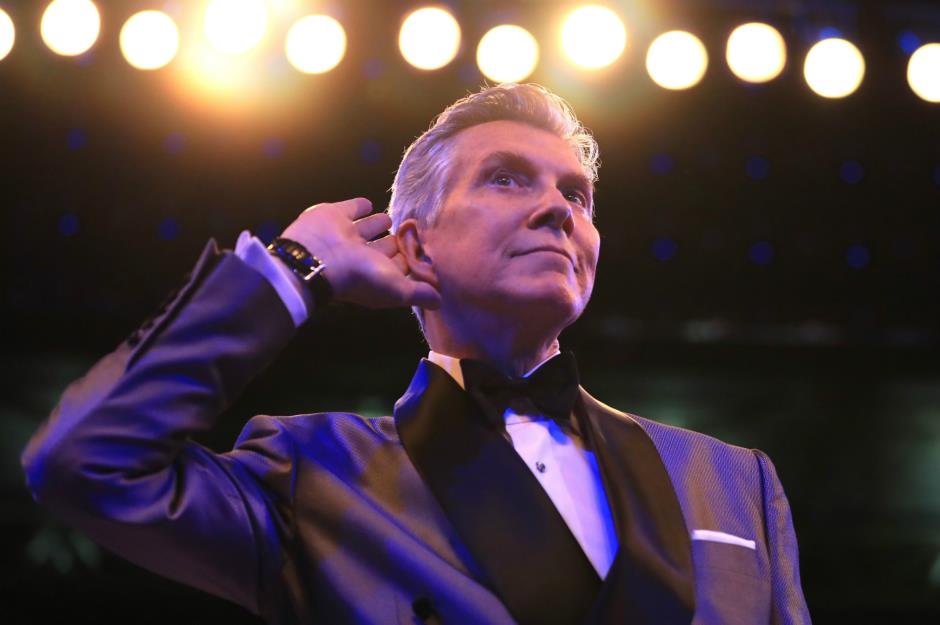
Michael Buffer's "Let’s get ready to rumble": approved
Harley-Davidson, sound of its engines: dropped
Sponsored Content
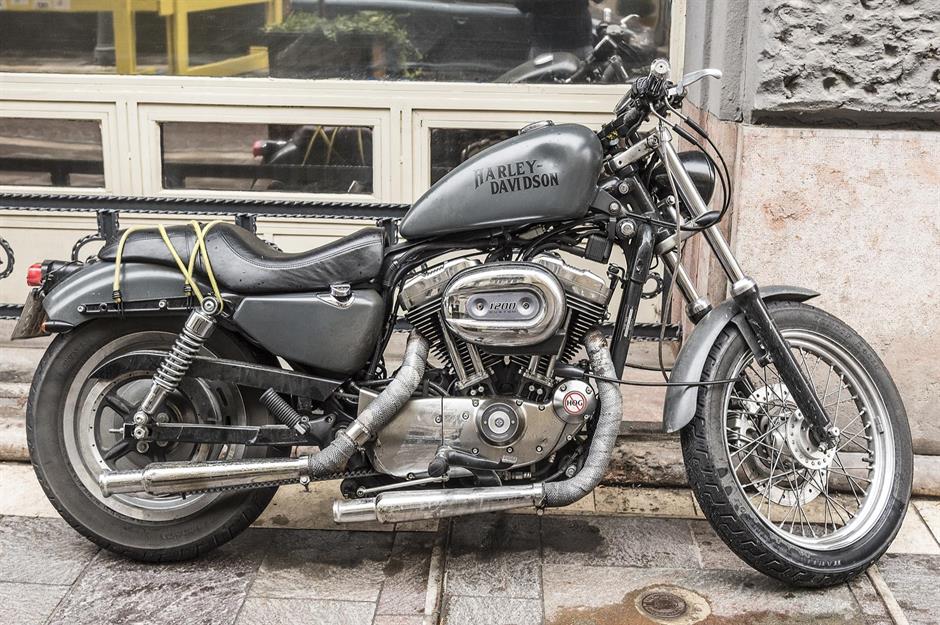
Harley-Davidson, sound of its engines: dropped
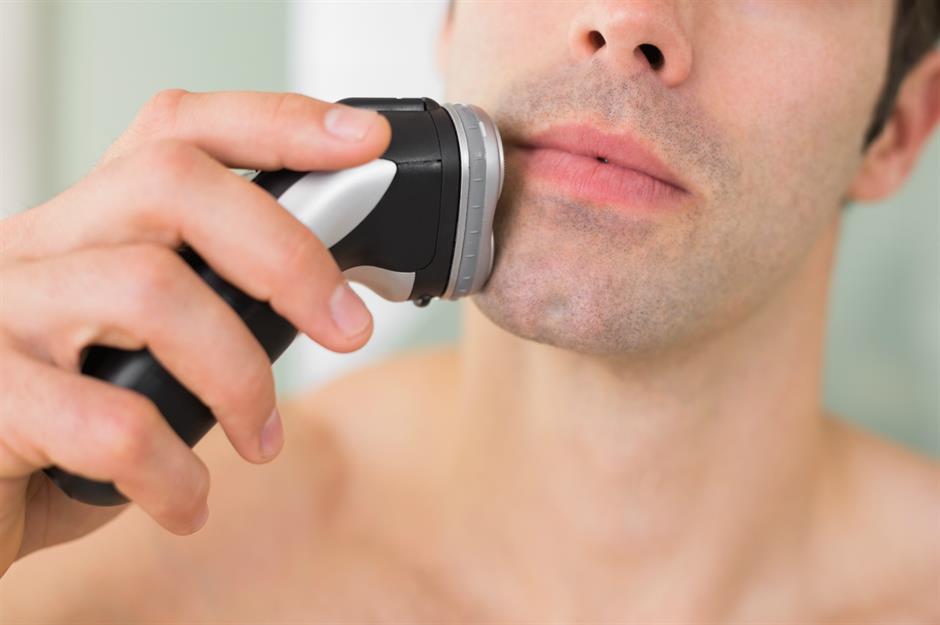
Philips triple-head razor: contested and lost
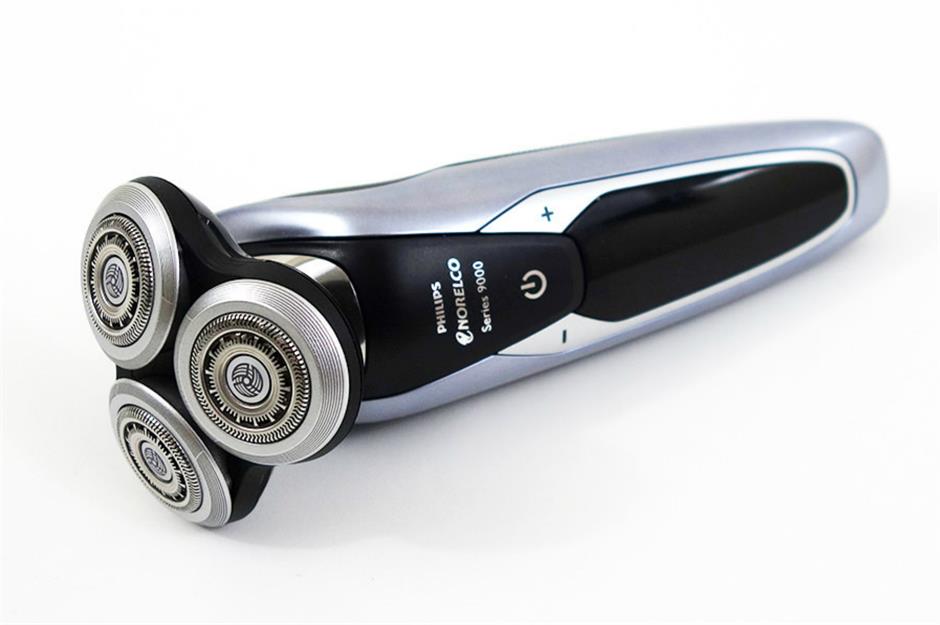
Philips triple-head razor: contested and lost
Sponsored Content
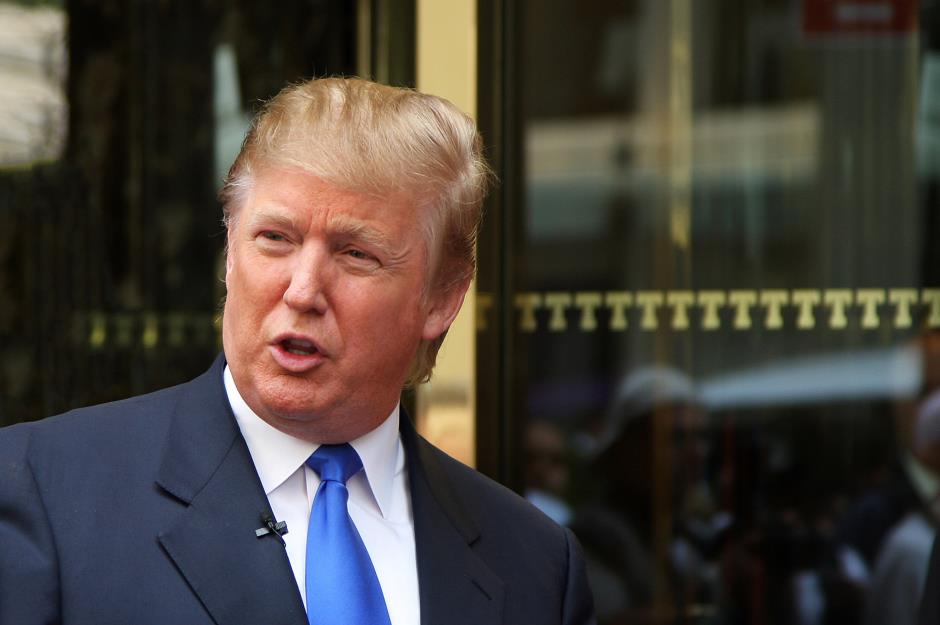
Donald Trump’s "You’re fired": denied
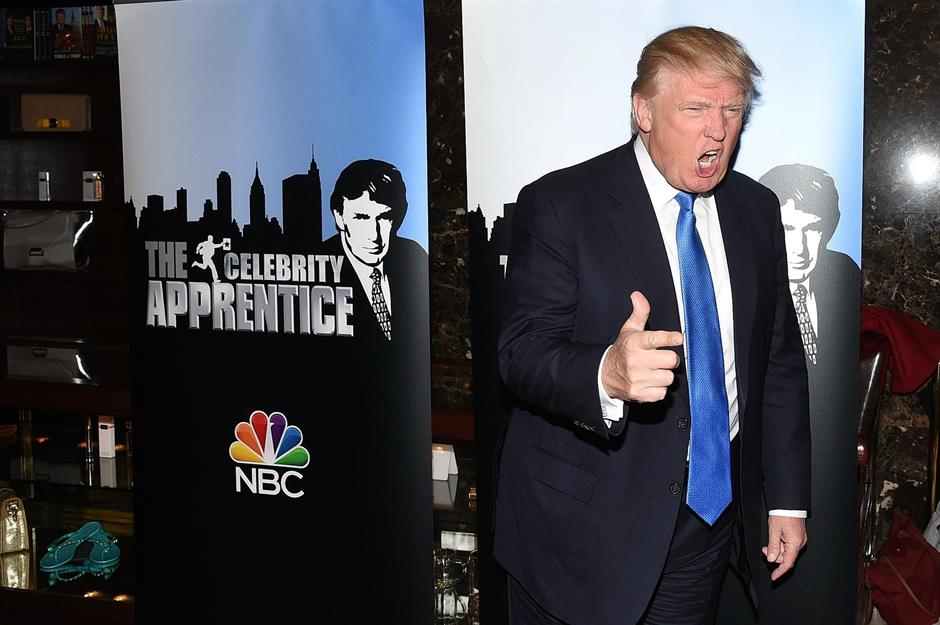
Before Donald Trump occupied the Oval Office as the president of America, he was the leader of cable TV ratings with his show The Apprentice. His catchphrase for dismissing contestants – “You’re fired!” – quickly gained notoriety and began to pop up on merchandising and spoofs.
Donald Trump’s "You’re fired": denied
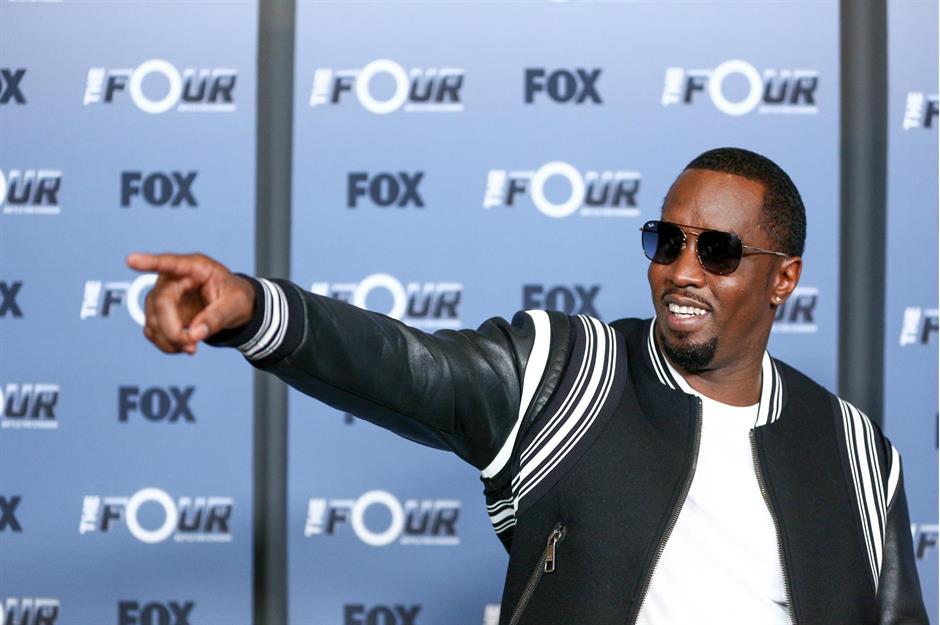
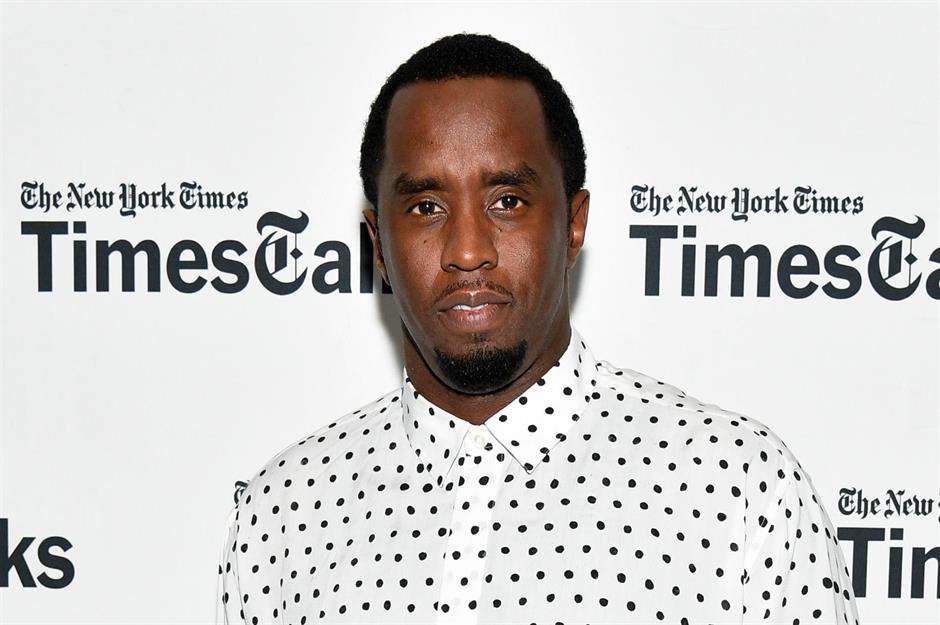
Diddy's name: approved, but only in USA
Sponsored Content
Diddy's name: approved, but only in USA
The acronym SEO: denied

The acronym SEO: denied
Sponsored Content
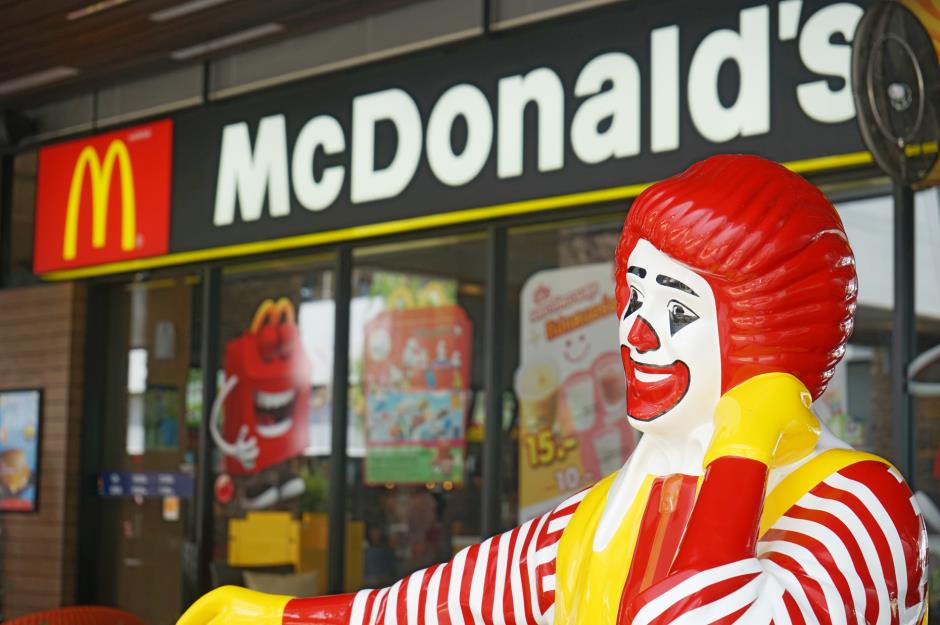
McDonald’s ‘Mc’ prefix: mixed results
McDonald’s ‘Mc’ prefix: mixed results
Facebook's ‘face’: approved for telecommunications services
Sponsored Content
Facebook's ‘face’: approved for telecommunications services
NFL "Who Dat?": challenged and settled out of court
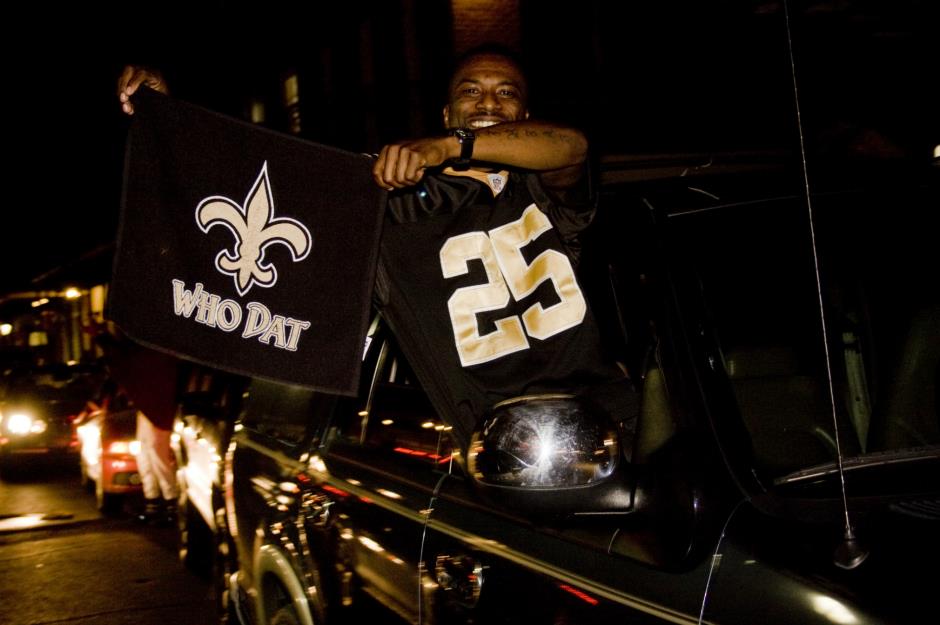
The NFL and the New Orleans Saints football team have been embroiled in litigation against the record company Who Dat? Inc. The business had trademarked the phrase in 1983, but five years later the NFL tried to trademark the same phrase. However, the issue only came to a head in 2010 when the NFL tried to claim royalties and to suppress unauthorised sales of merchandise featuring the Saints’ famous catchphrase when the team reached the Super Bowl. The record company Who Dat? Inc was having none of it, and sued the NFL.
NFL "Who Dat?": challenged and settled out of court
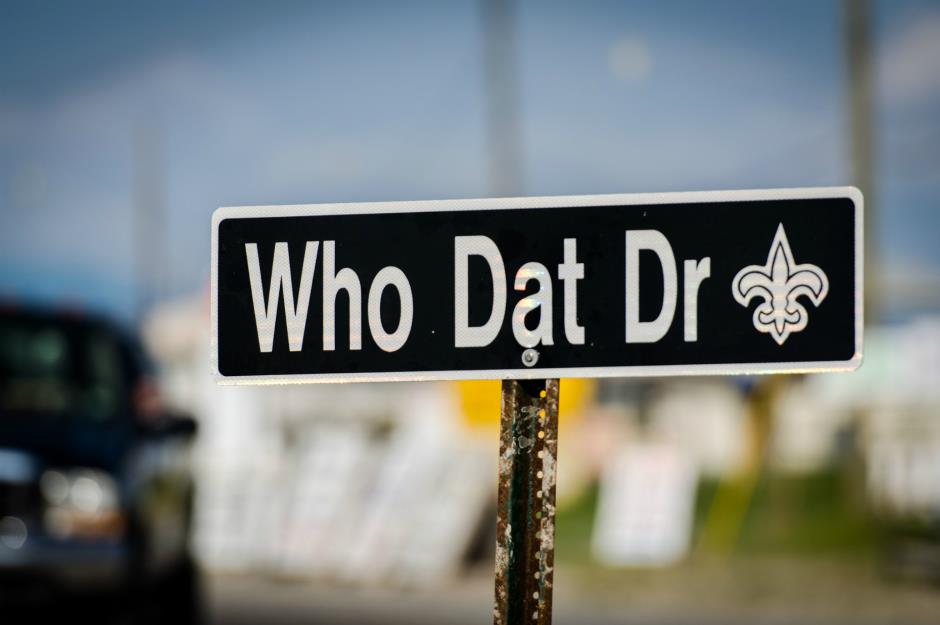
Eventually Who Dat? Inc came to an agreement with the NFL that both sides could use the term, but that didn't stop the record company from also suing two local T-shirt makers and a restaurant over the slogan. Those battles also ended in settlements. Later in 2014 it turned its attention to merchandise store Who Dat Shoppe! of Slidell. While it's not clear how that battle ended, it is known that some merchandise sellers in the area do pay Who Dat? royalties, while others have stopped selling products with the 'Who Dat' slogan.
Sponsored Content
Nintendo's "It’s on like Donkey Kong": approved
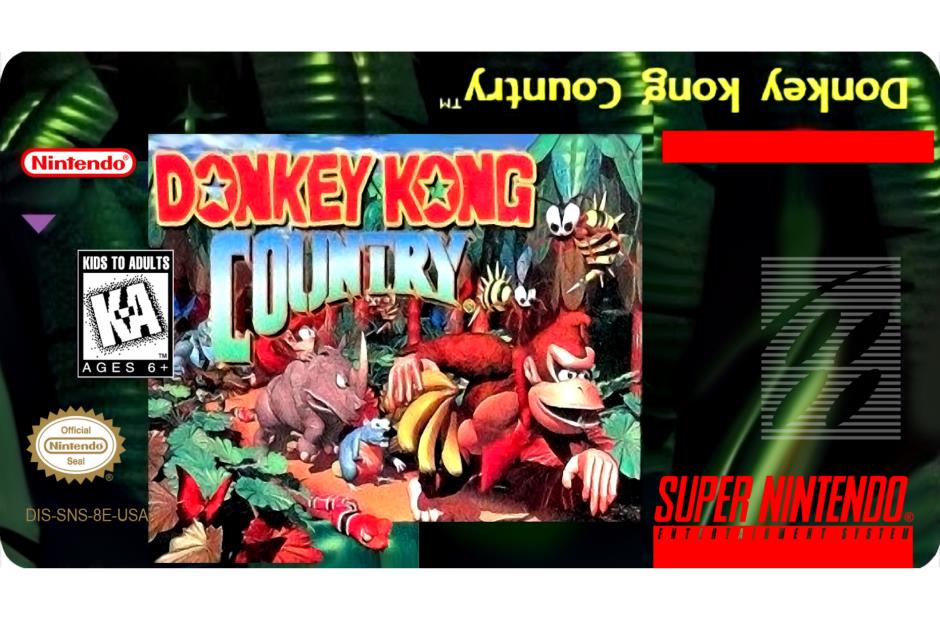
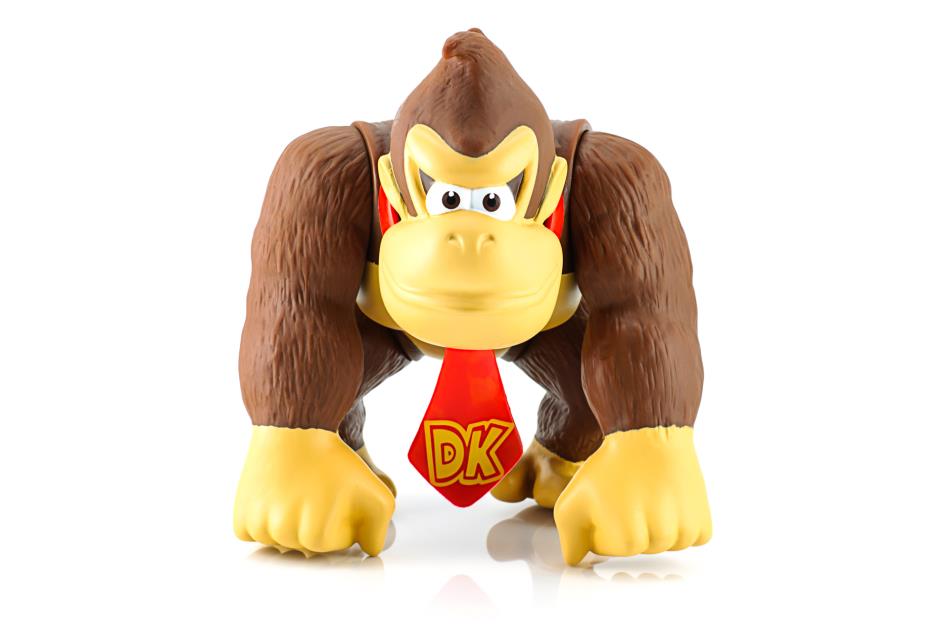
In the maelstrom of press ahead of the release of its much-anticipated Donkey Kong Country Returns Wii game in 2010, Nintendo filed a trademark suit for the phrase “It’s on like Donkey Kong”, which was first used by rapper Ice Cube in the 1992 hit-song Now I Gotta Wet’cha.
Nintendo's "It’s on like Donkey Kong": approved
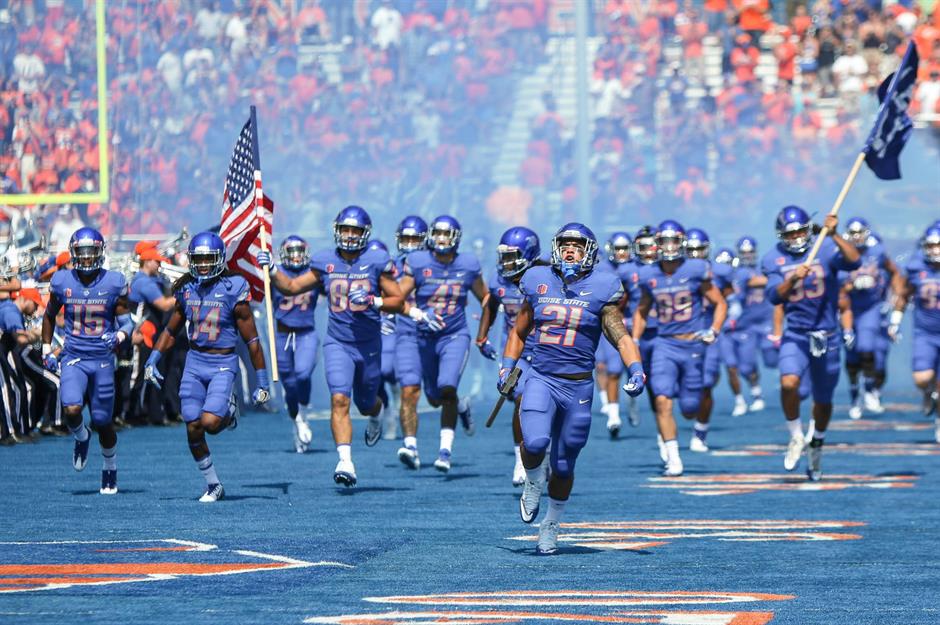
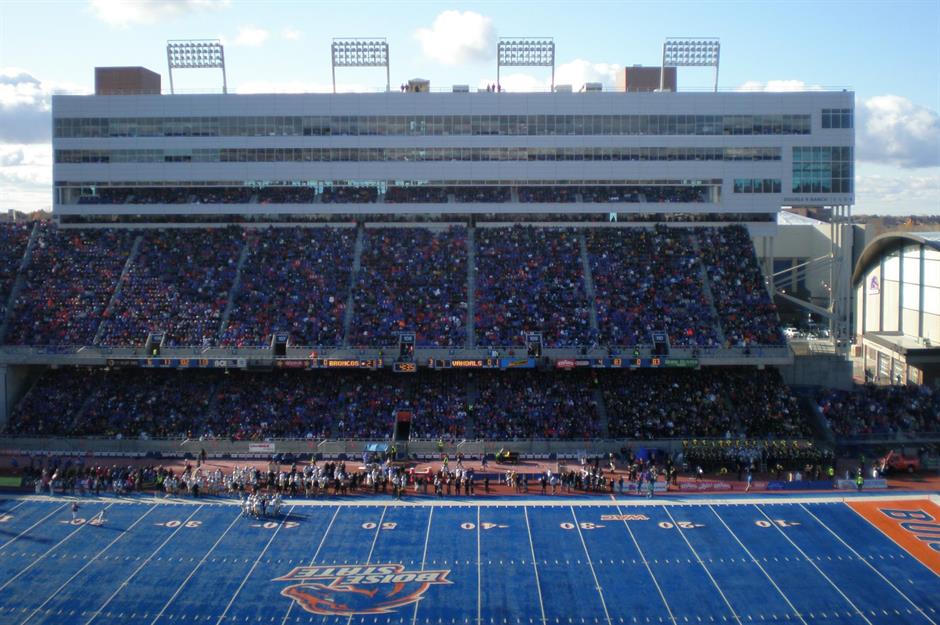
Boise State University blue playing field: approved
Sponsored Content
Boise State University blue playing field: approved
Paris Hilton's "That’s hot!": approved
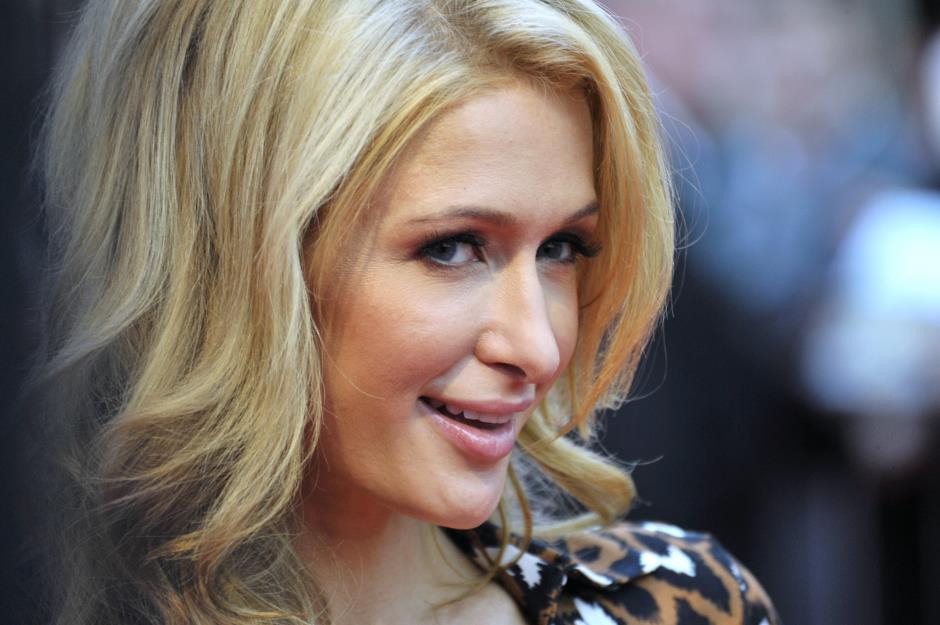
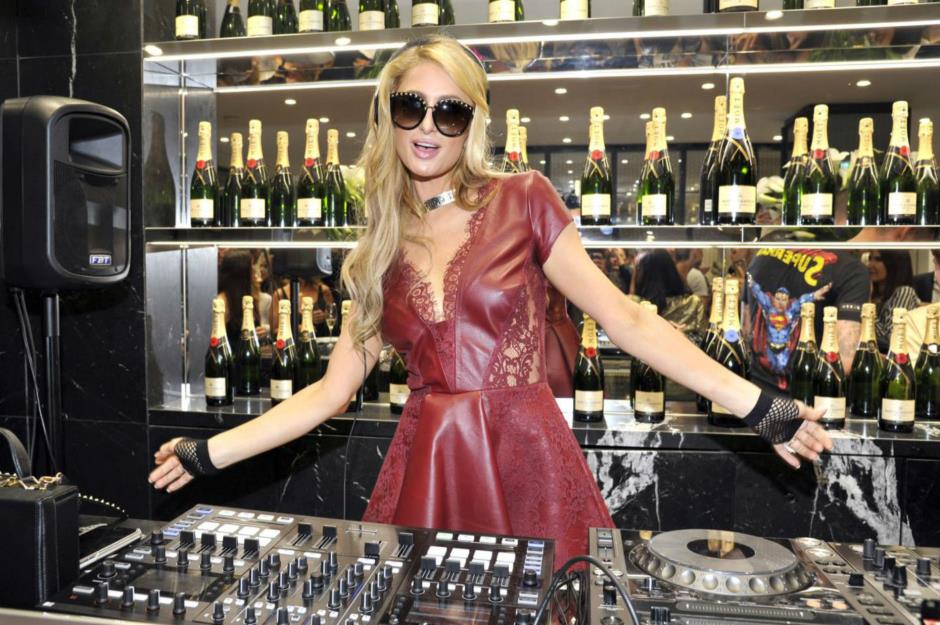
In 2007, Paris Hilton was arguably the most famous woman in the world, thanks to her show The Simple Life and her penchant for publicising her personal life. She trademarked her catchphrase “That’s hot” early on in her career in order to capitalise on her exposure.
Paris Hilton's "That’s hot!": approved
Sponsored Content
Sarah Palin’s name: denied, then accepted
Sarah Palin’s name: denied, then accepted
Walmart smiley face: approved
The yellow smiley face icon had been a huge part of the Walmart brand identity since it opened its doors. But in 2006, the goofy yellow guy mysteriously disappeared from stores and adverts. That’s because Walmart was locked in a legal battle with Brussels-based The Smiley Company, which claimed to have invented the Smiley Face in 1972.
Sponsored Content
Walmart smiley face: approved

Subway ‘footlong’: denied
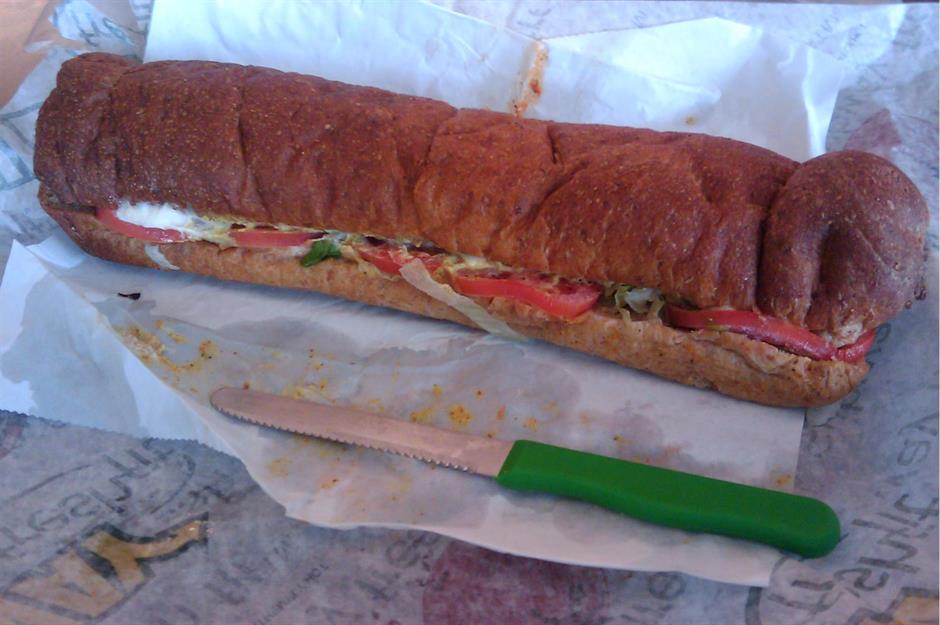
Subway ‘footlong’: denied
Sponsored Content
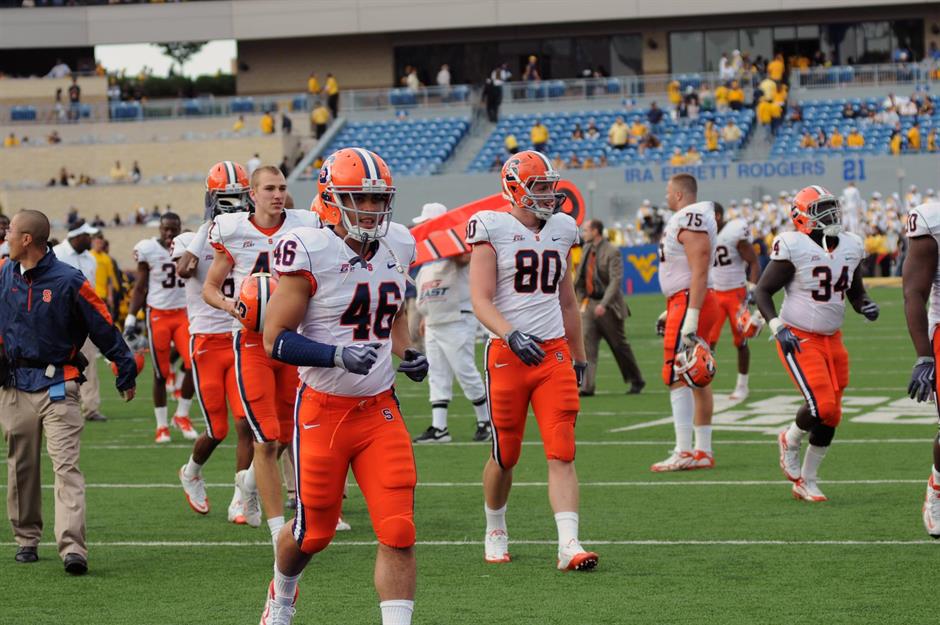
Syracuse University orange: granted
Syracuse University orange: granted
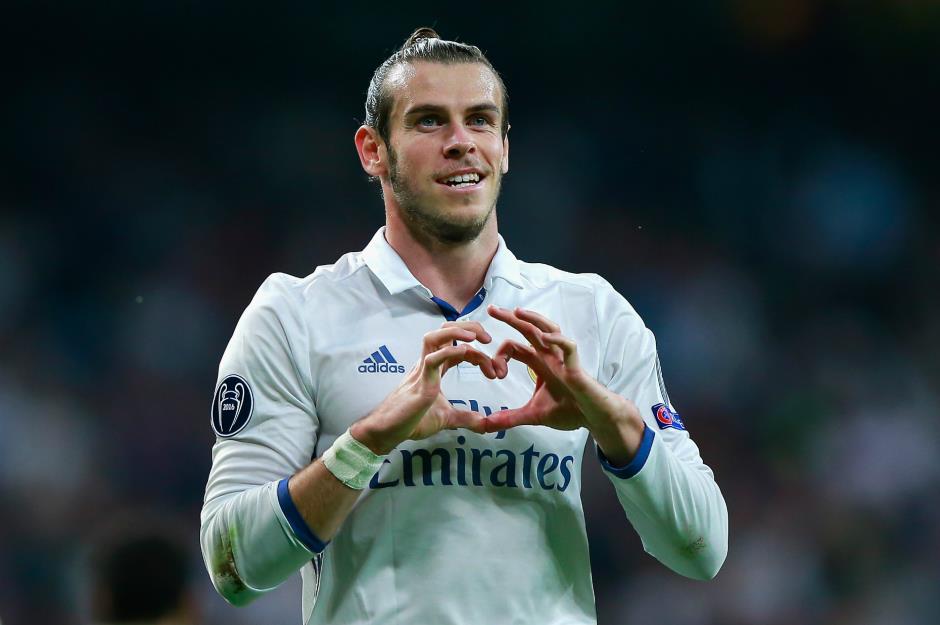
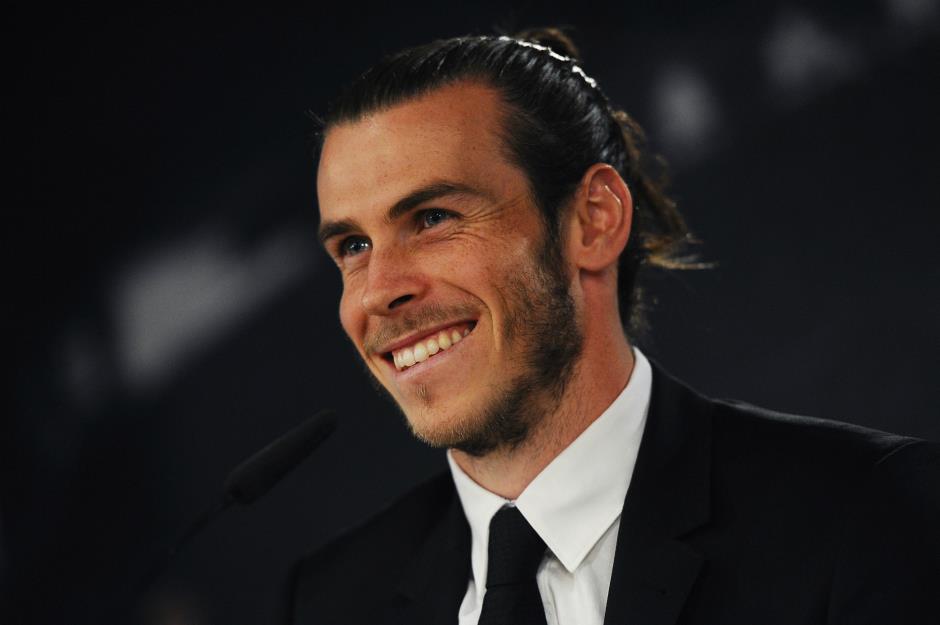
Gareth Bale heart celebration: approved
Sponsored Content
Gareth Bale heart celebration: approved
Apple's App Store: approved but defeated in court

Apple's App Store: approved but defeated in court
Sponsored Content
Taylor Swift's lyrics: approved
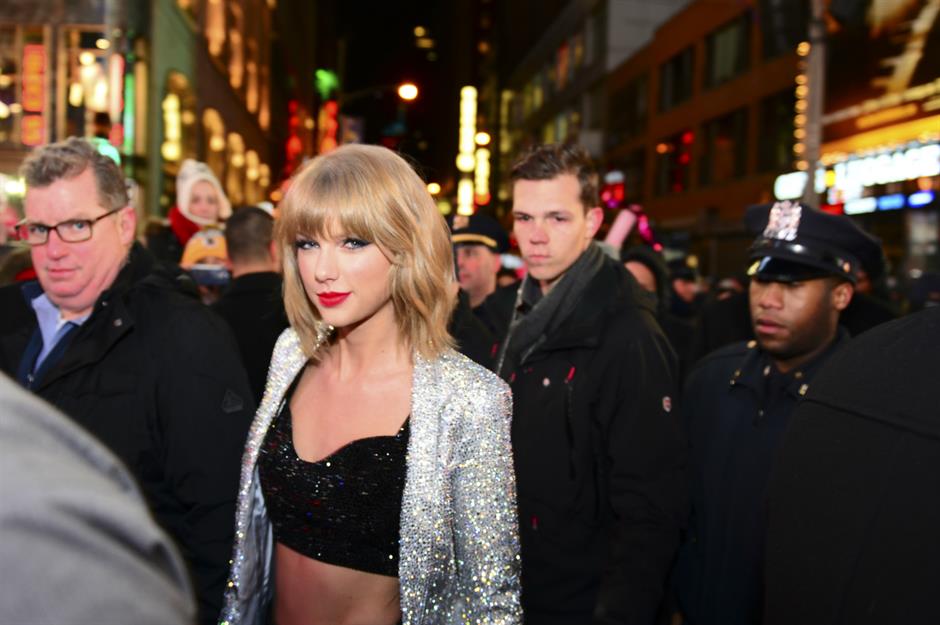
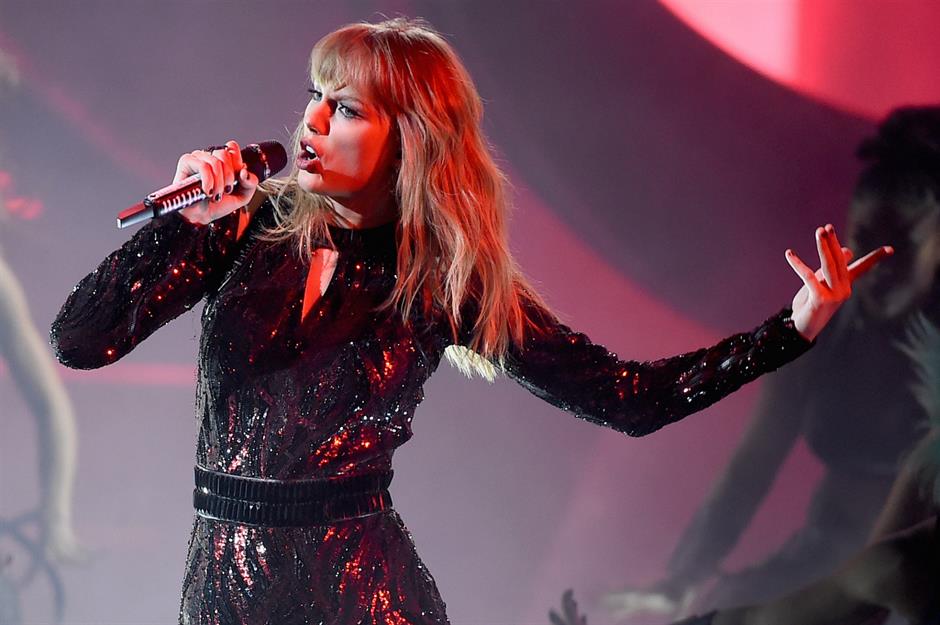
In 2015 Taylor Swift was about to go on her 1989 World Tour, starting in Tokyo. Before that kicked off though, Swift decided to trademark some of her lyrics, such as "this sick beat" from her song Shake It Off, "Nice to meet you, where have you been?", and "Party like it's 1989".
Taylor Swift's lyrics: approved
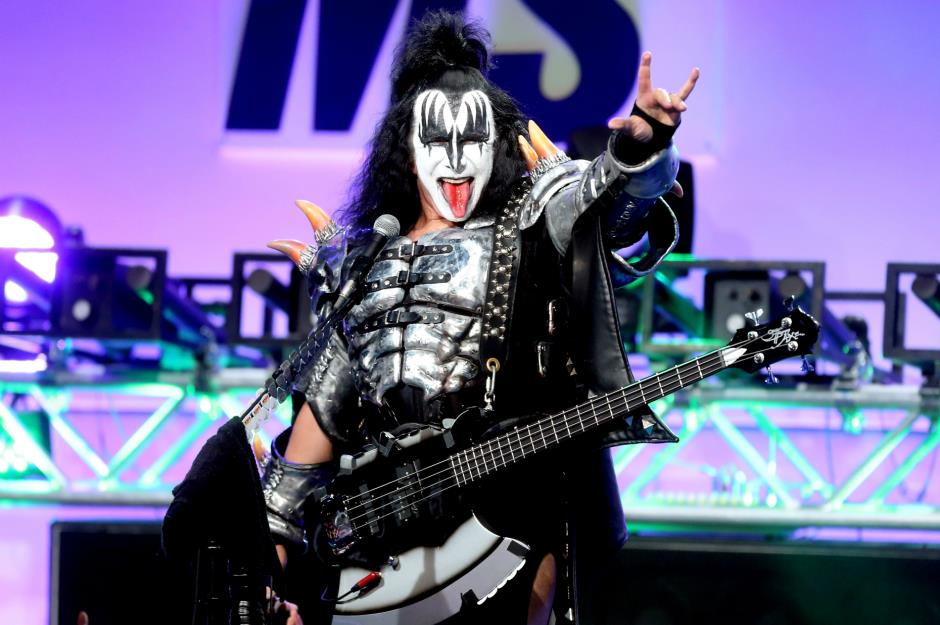
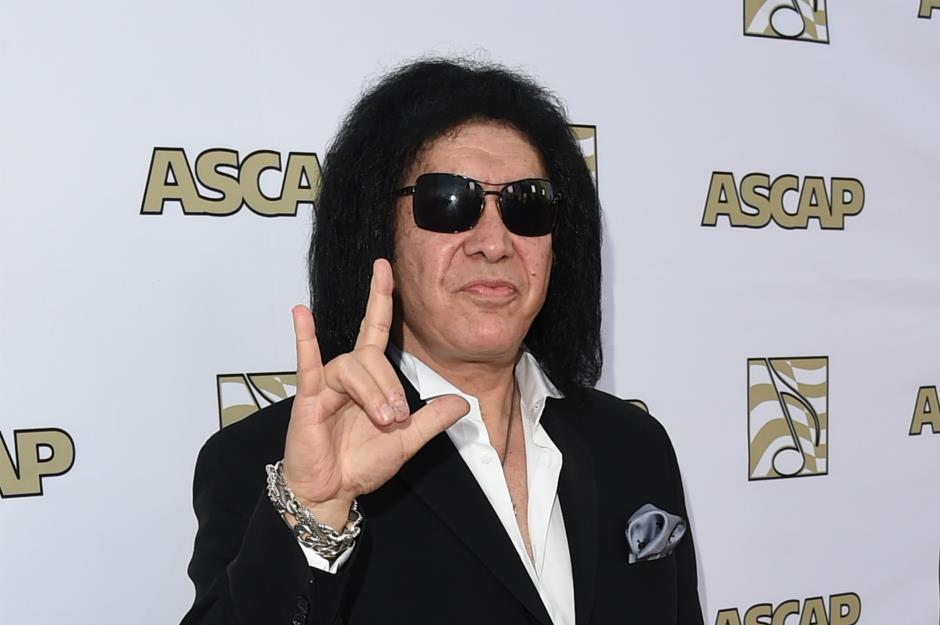
Gene Simmons devil horns: dropped
Sponsored Content
Gene Simmons devil horns: dropped
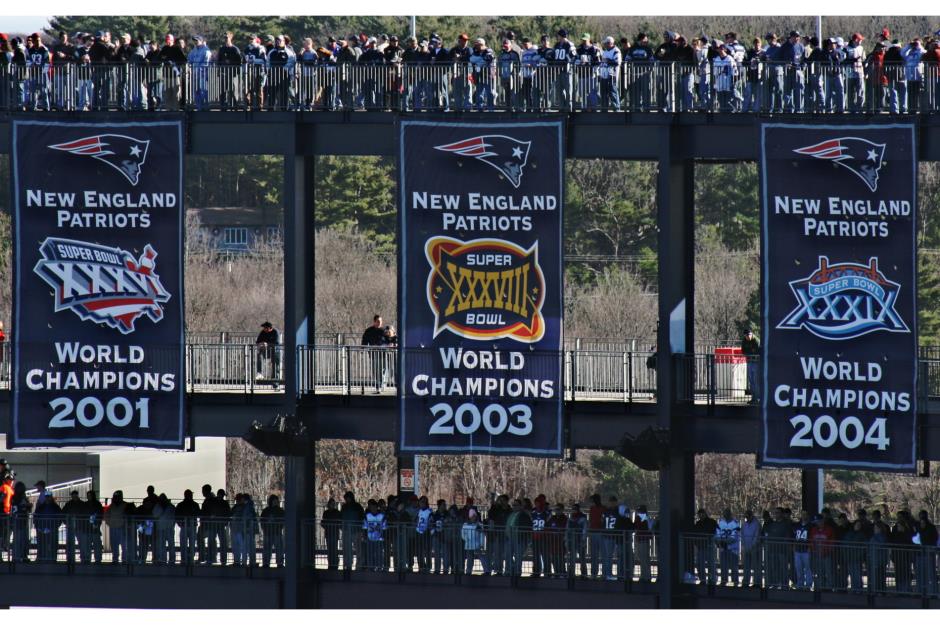
New England Patriots ‘19-0’: approved but with an embarrassing twist
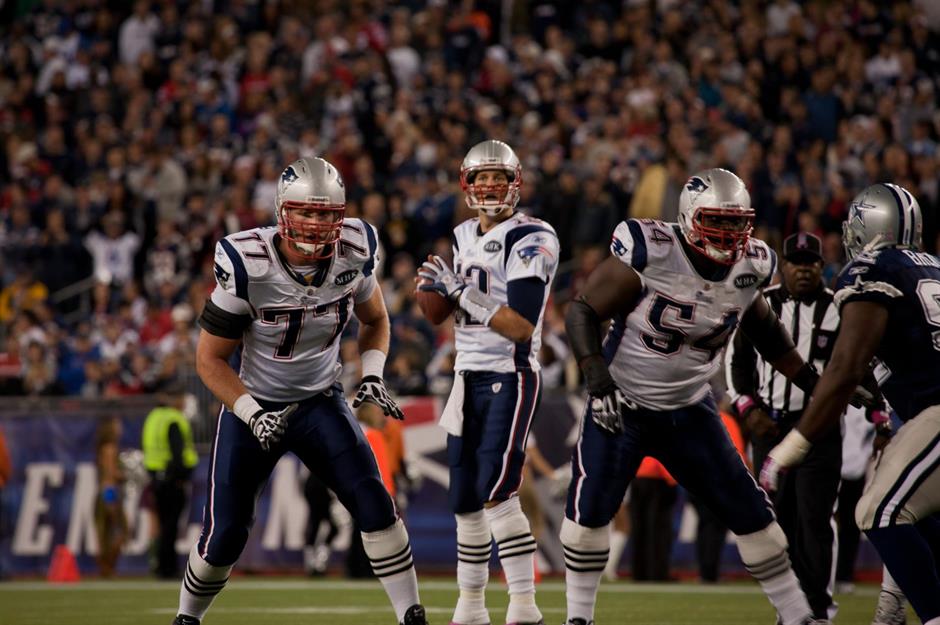
New England Patriots ‘19-0’: approved but with an embarrassing twist
Sponsored Content
Kit Kat's shape: approved, but revoked
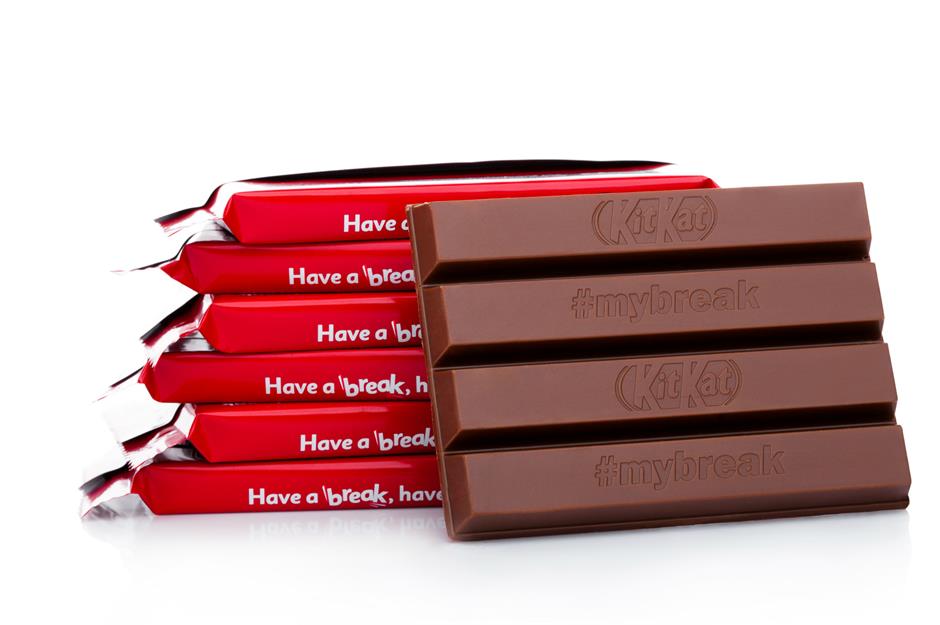
Kit Kat's shape: approved, but revoked
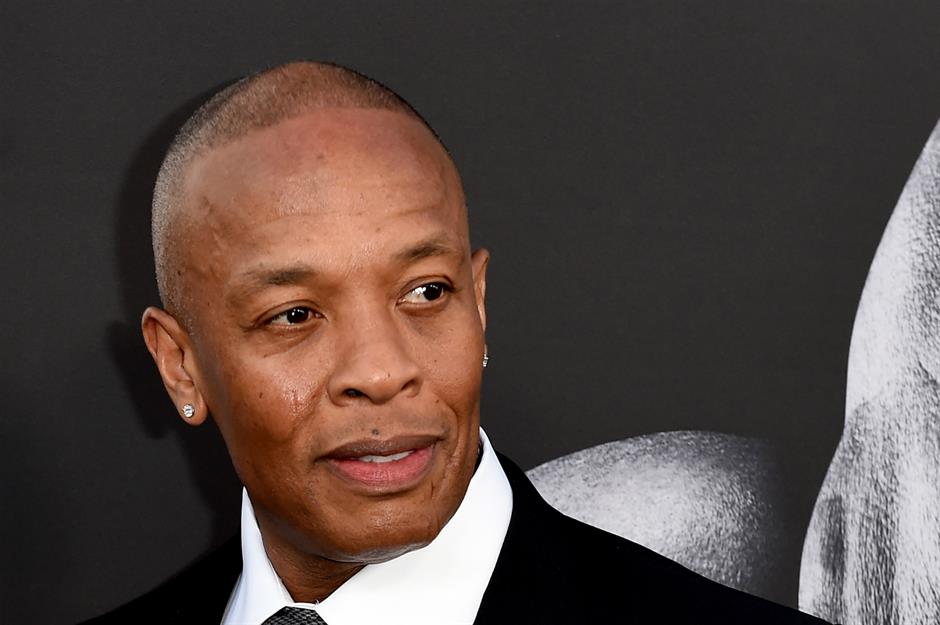
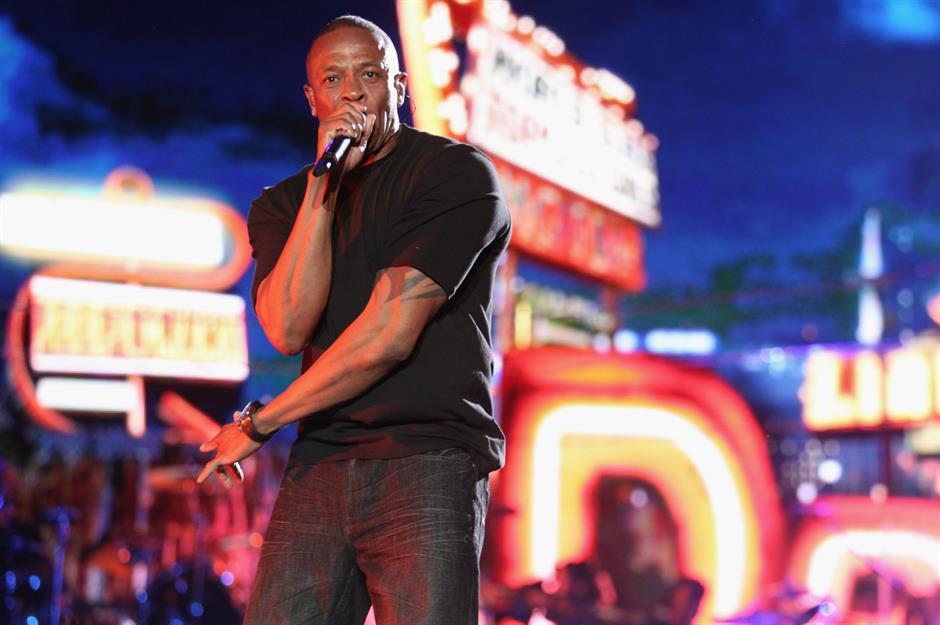
Dr Dre vs Doctor Drai: failed
Sponsored Content
Dr Dre vs Doctor Drai: failed
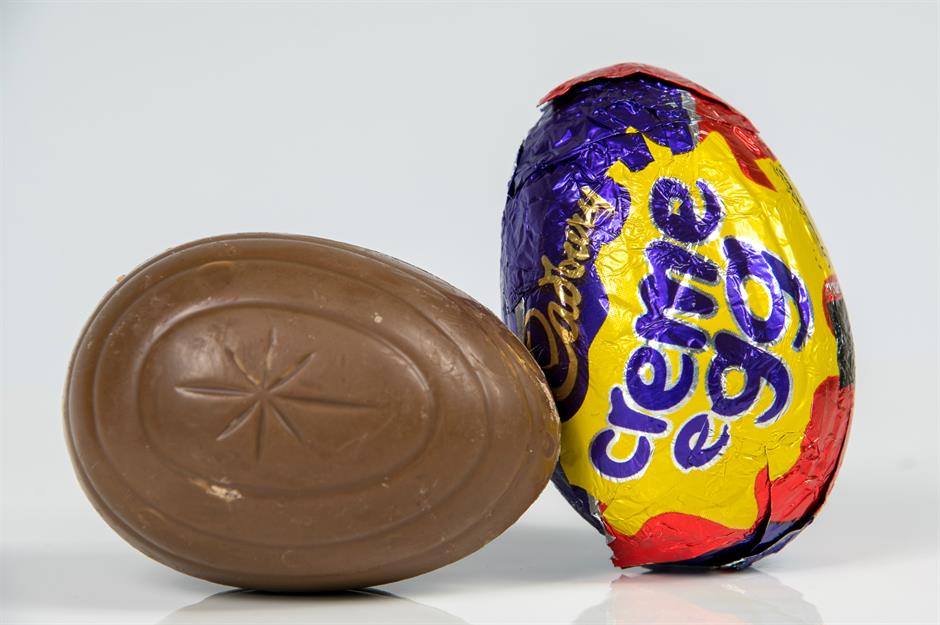
Cadbury purple wrapper: accepted, but lost
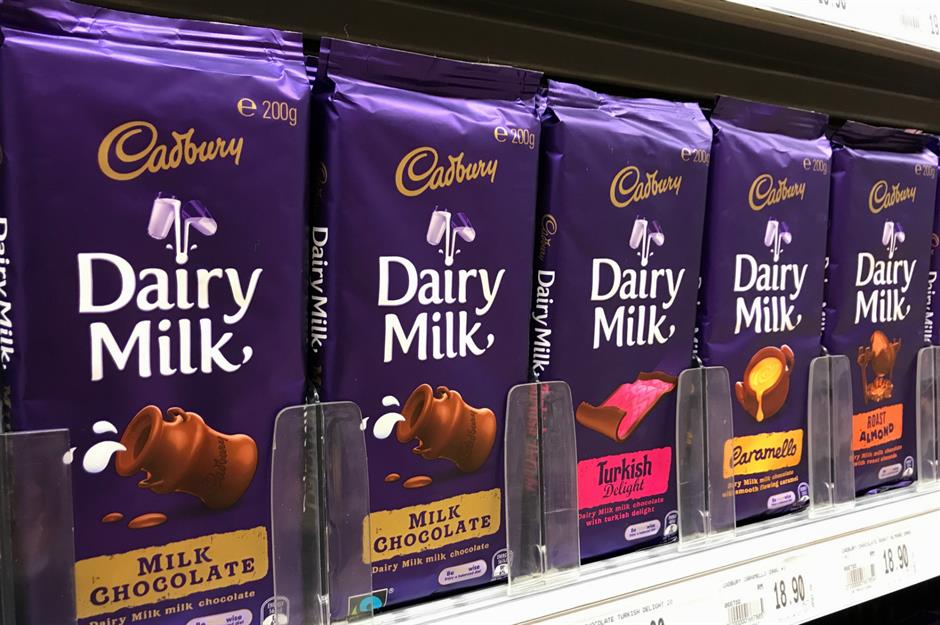
Cadbury purple wrapper: accepted, but lost
Sponsored Content
Netflix's Easy comedy: challenged, but seemingly abandoned
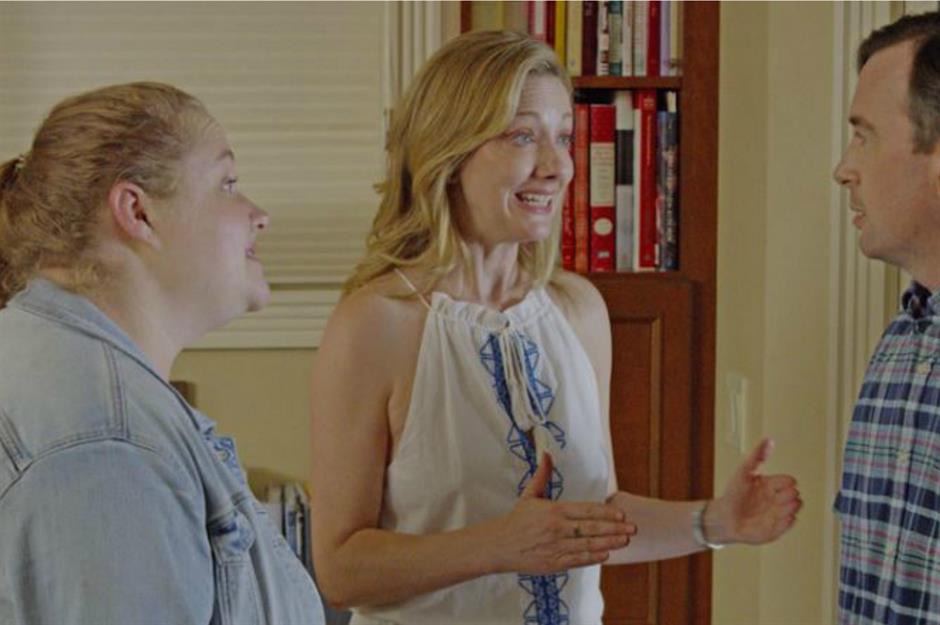
Netflix's comedy series Easy, which has starred Aubrey Plaza and Orlando Bloom, first aired in 2016 and came to an end in 2019. But before it stopped the show became embroiled in a trademark battle, with the easyGroup challenging the use of the Easy title in Europe.
Netflix's Easy comedy: challenged, but seemingly abandoned
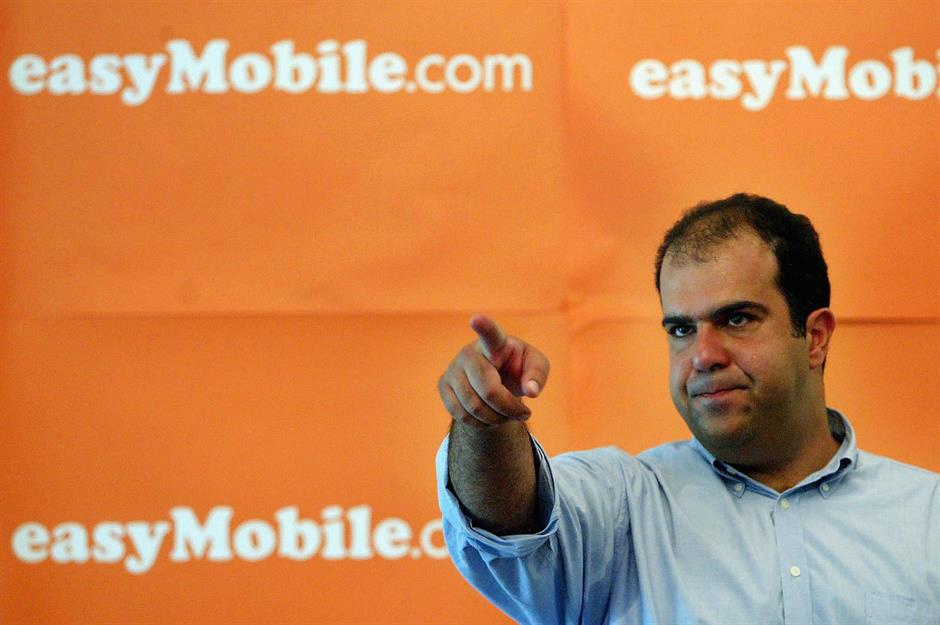
easyJet founder Sir Stelios Haji-Ioannou started his easy brand in 1995 with his airline, and now its easy prefix sits in front of easyHotel, easyBus and easyGym. He challenged Netflix over using Easy in the show's name: "I think this is a case of typically arrogant behaviour by a very large American tech company who never bothered to check what legal rights other companies have outside the US." The battle seems to have petered out now that the show has come to an end, and Easy can still be streamed on the Netflix platform.
Beyoncé, Blue Ivy, Rumi and Sir: approved but challenged
Sponsored Content
Beyoncé, Blue Ivy, Rumi and Sir: approved but challenged
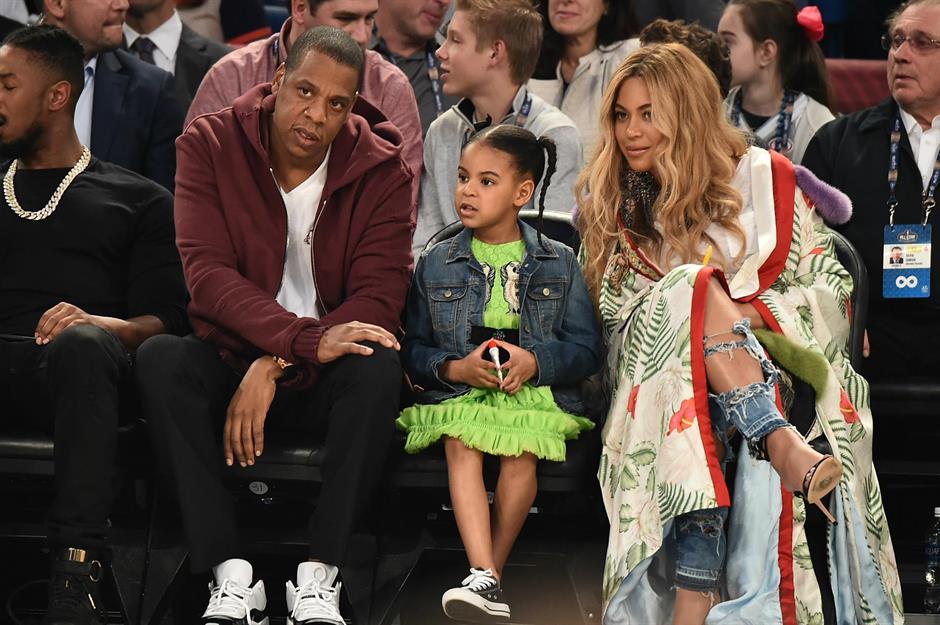
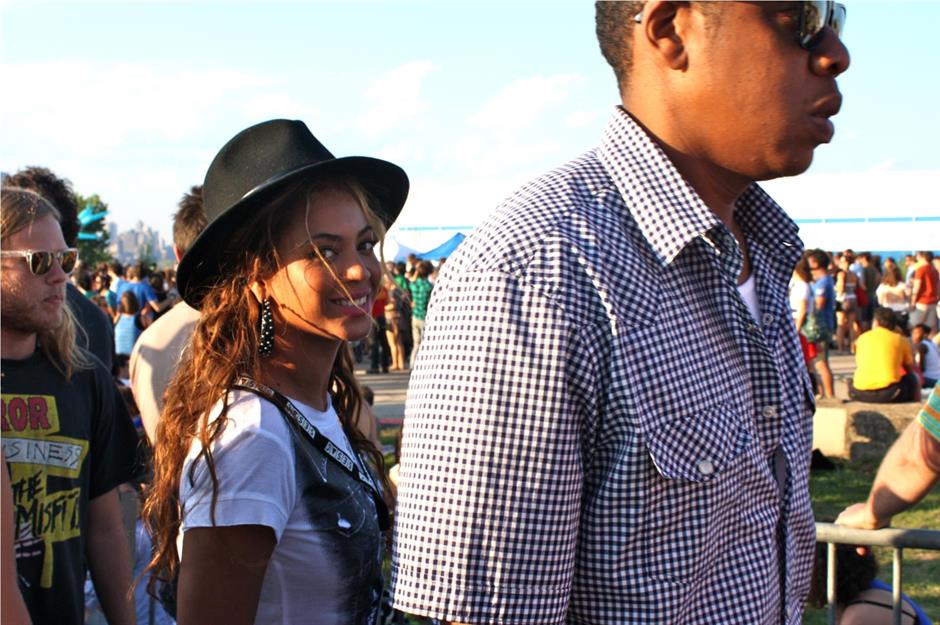
The super-couple tried to trademark their eldest daughter’s name, Blue Ivy, in January 2016, but the application was contested in May 2017 by Veronica Morales, who runs a wedding planning business based in Boston under the name Blue Ivy Events and has had a trademark for Blue Ivy since 2012. Beyoncé and Jay-Z argued that the trademark for "cultural icon" and "mini style star" Blue Ivy Carter as a full name didn't infringe on the wedding planner's business, and after a lengthy battle finally won the case this July.
Now discover the richest family in every state
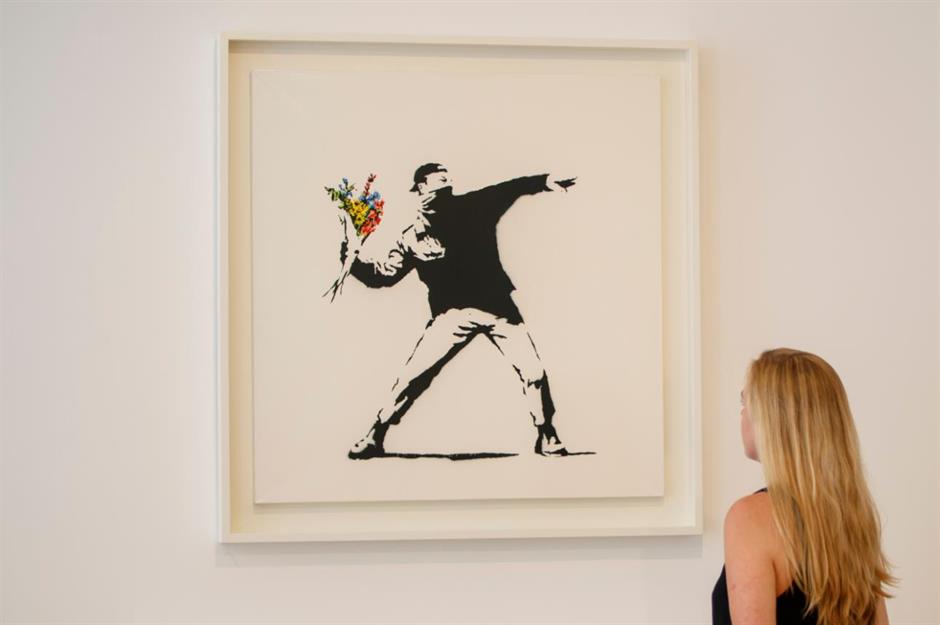
Banksy's "Flower Thrower": approved, but revoked
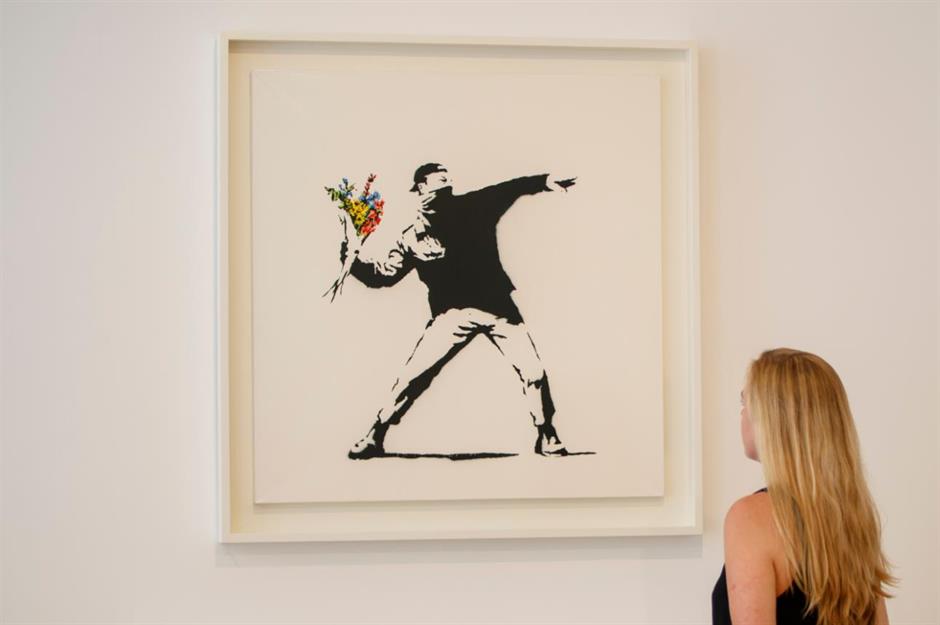
Banksy's "Flower Thrower": approved, but revoked
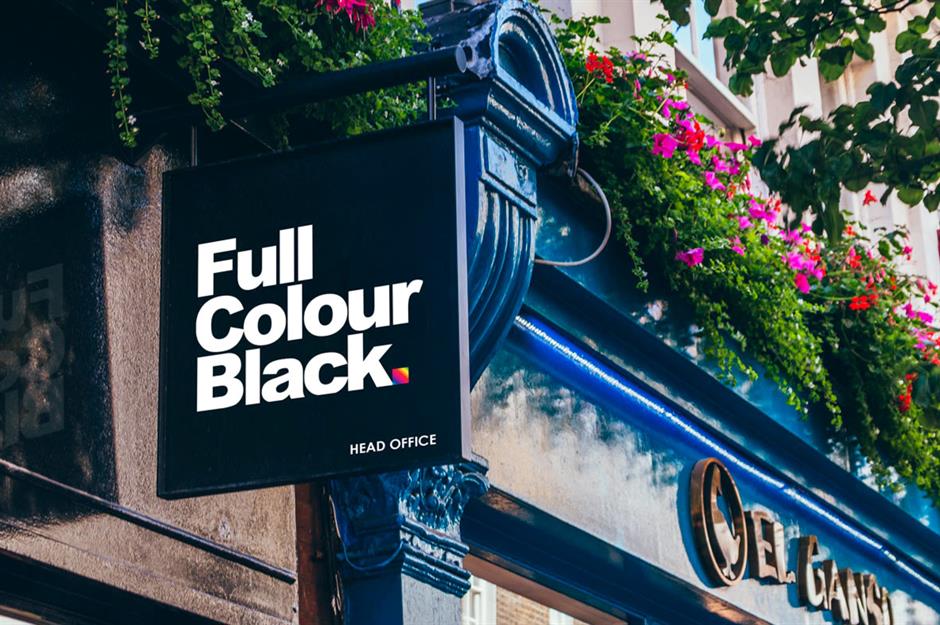
Yet in September this year the European Union Intellectual Property Office stripped Banksy of the trademark on several counts. One of those was that the artist had tried to “circumvent the law” by opening a pop-up store in south London (pictured) to try to keep the intellectual property rights. Another was that in the past the artist had not shown any desire to copyright their work, even once saying that "copyright was for losers". Judges also argued that the artist’s anonymity undermined their case.
Now read about the iconic ad campaigns that changed companies' fortunes around
Sponsored Content
Comments
Be the first to comment
Do you want to comment on this article? You need to be signed in for this feature