How to freeze your excess fruit and vegetables

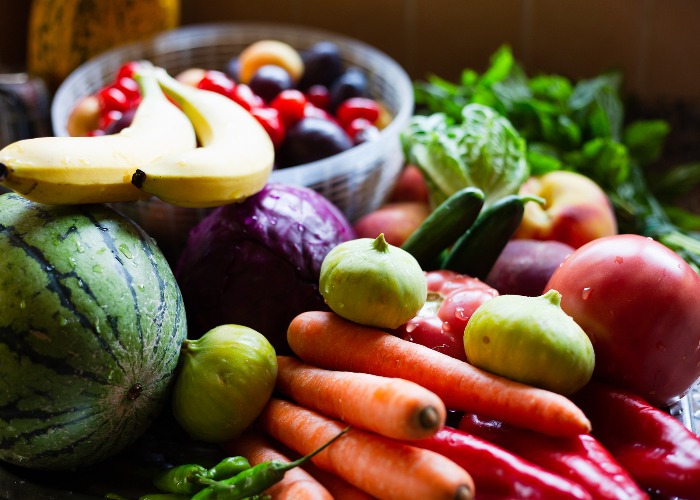
If you've found yourself with too much fresh produce, have no fear – here is how to freeze it
So you’ve got more fresh fruit and veg than you’re able to eat, what next? Sometimes fresh produce is tastier than frozen, but sometimes it can’t be avoided. And after all, frozen is better than wasted. Strawberries might not be as fragrant and cherries won’t be as plump. But when you’re throwing them into smoothies or baking a pie, what difference does it make?
How do you freeze fruit?
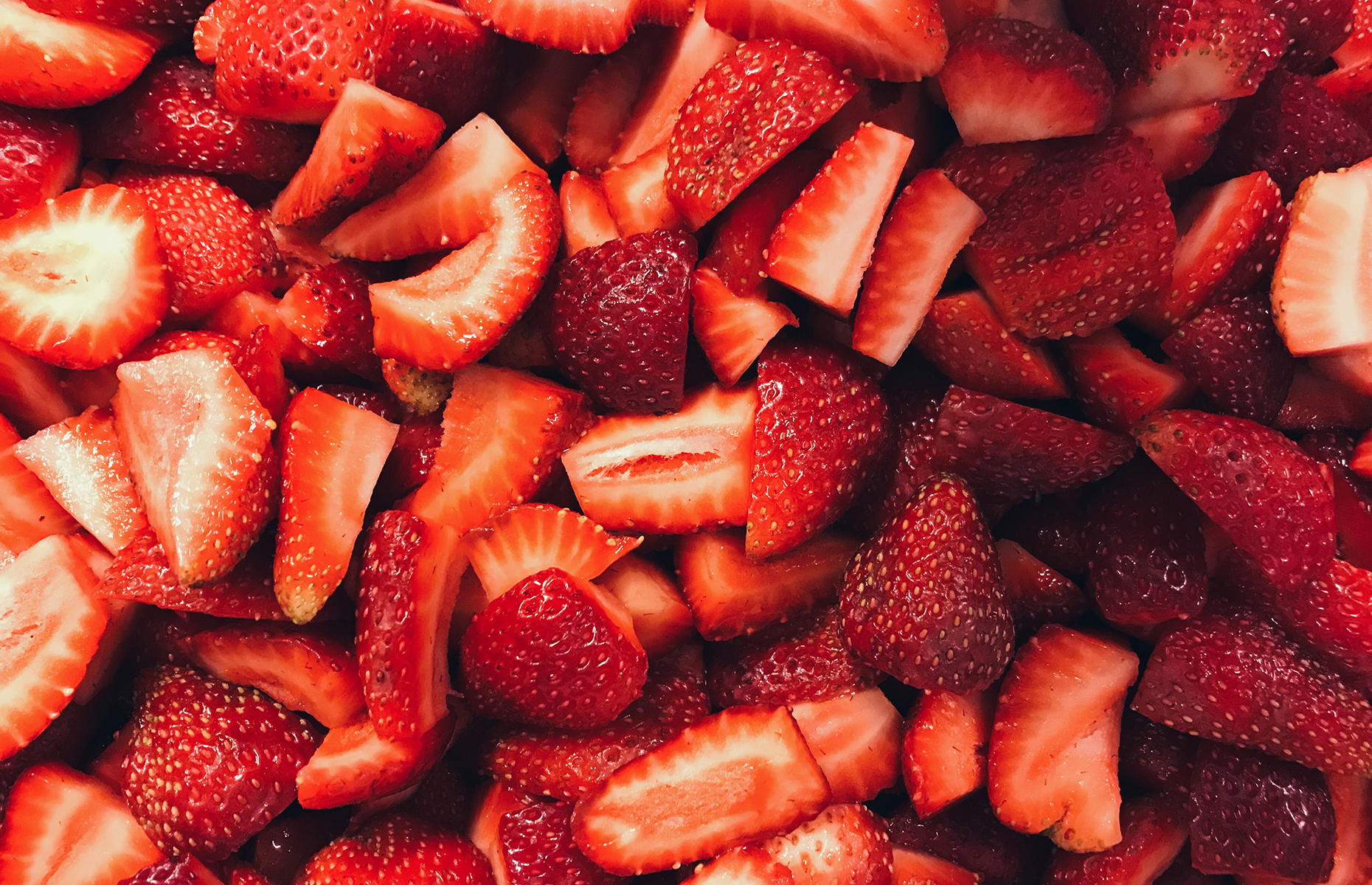
Most fruit can be put in the freezer raw. First wash it and dry it, then prepare it how you plan to use it. It's easier to slice and freeze fruit like apples and strawberries, for when they come out and thaw.
 Merve Aydın/Unsplash
Once prepared, place sliced or whole fruit on a baking tray lined with a baking sheet in the freezer. When they’re solid, transfer to a zip-top freezer bag – this way they won’t stick together. Frozen fruit is best eaten within three months, but can last for longer if kept consistently below -18°C/0°F .
If you’re planning on making a purée or cooking the fruit, you can do this before freezing. For advice on how best to handle specific fruit see below.
READ MORE: Foods you should always have in your freezer
Apples and pears
You can freeze apples and pears whole, but it’s a better idea to slice, dice, make a purée or pie filling before storing them away. To prevent sliced fruit turning brown, steam the pieces for 1–2 minutes first
Berries
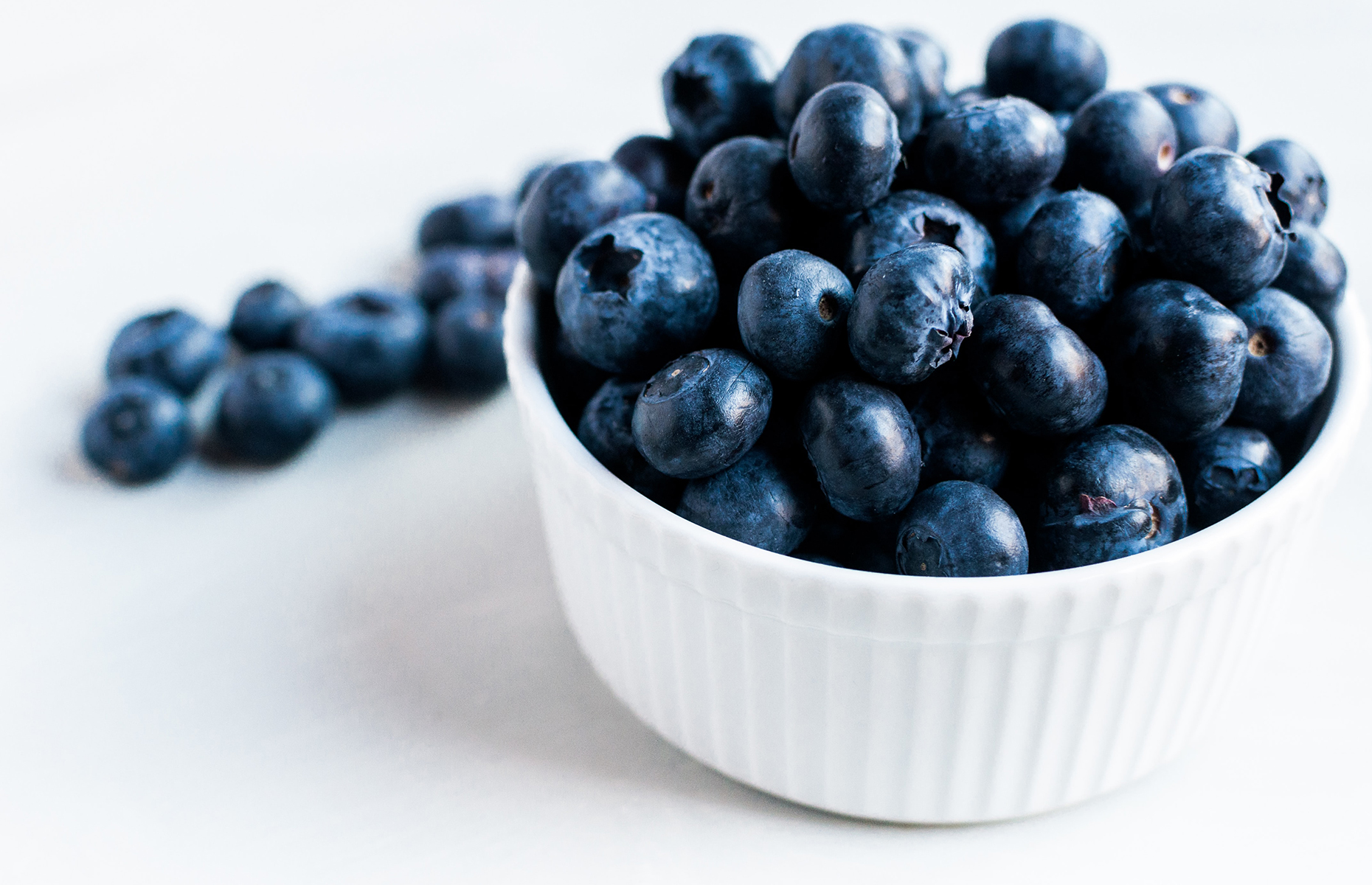
Blackberries, raspberries, blueberries and strawberries can all go into the freezer whole. Throw straight into smoothies and cake batter while still frozen.
 Vanesa conunaese/Unsplash
Bananas
You can put whole bananas in the freezer with their skin on – peel it off once they've thawed. If you're planning on making smoothies or ice cream, peel and chop the bananas before freezing. For these kinds of recipe, you can throw them in frozen.
Stone fruit
Peel the skin off peaches, nectarines, mangoes, apricots and plums, remove the stone, then halve, slice and freeze.
Melon
Cantaloupe, honeydew and watermelon can be cut into cubes and frozen.
Citrus fruit
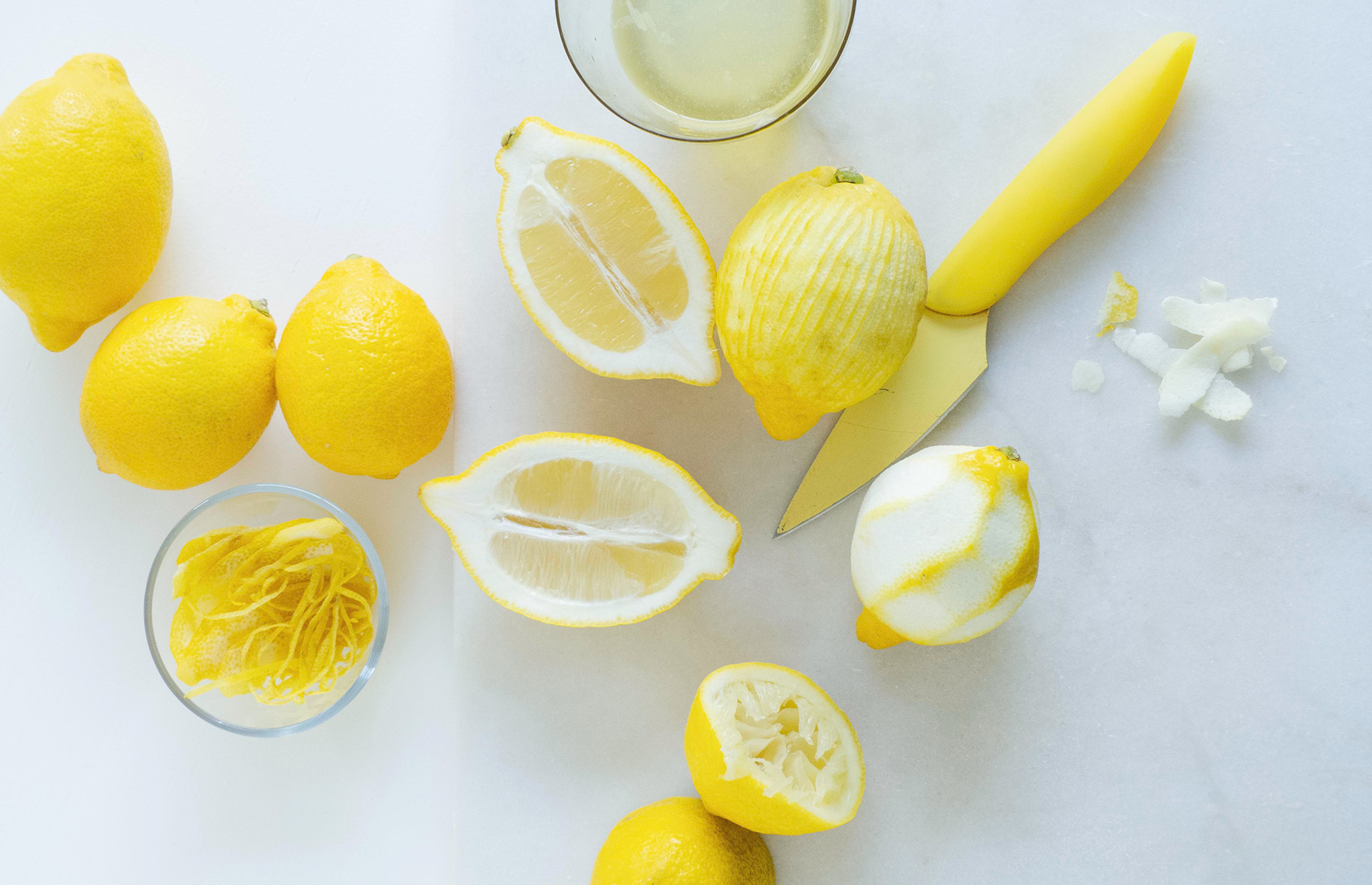
Cut oranges and lemons in half and freeze with the peel on or completely peel the fruit and freeze in sections. Once thawed these can be juiced. Alternatively, juice the fruit first and freeze in an ice cube tray, then transfer to a freezer bag once solid. Zest also freezes well, so store this in a separate freezer bag.
 FOODISM360/Unsplash
How do you use frozen fruit?
If you’ve stored away lemons and zest, dig them back out to make lemon drizzle cake, lemon and pistachio cake or lemon meringue pie. Add lemon wedges and slices to drinks.
Make a rich and sumptuous plum syrup to accompany crêpes, yogurt or ice cream. Or bake frozen pears with prunes, ginger and lemon juice in this hearty cobbler.
Frozen apples go from zero to hero in apple, peach and hazelnut tart and apple and lemon sandwich cake.
 Rebel Recipes/Bloomsbury
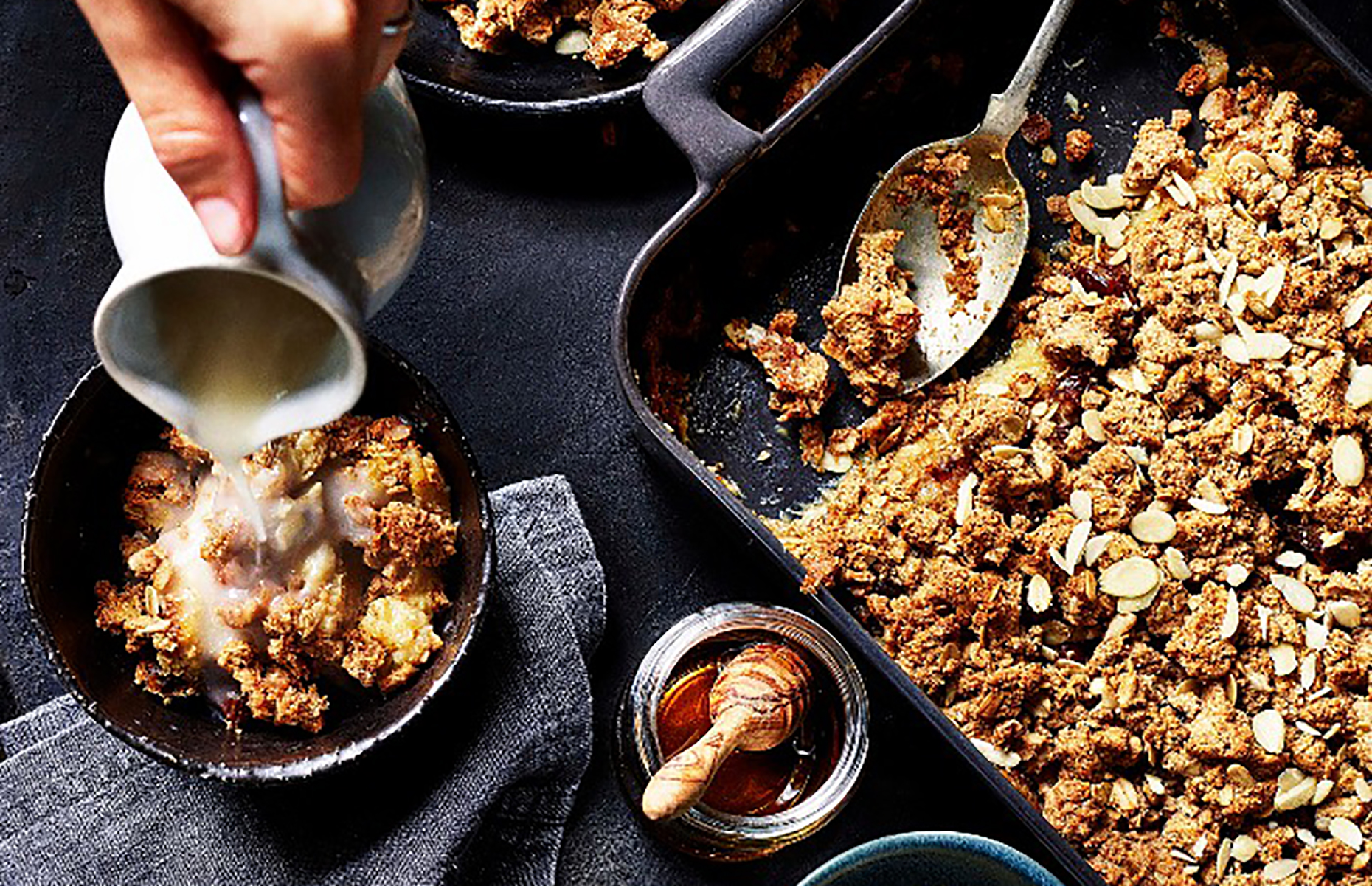
Frozen bananas shine in a caramelised banana crumble, luxurious banana chocolate mousse, moist banana cake and oaty snack bars.
A freezer well-stocked with fruit and veg means healthy smoothies are never far away – use up frozen stone fruit in this nutrient-rich blend.
READ MORE: Freezer-friendly meals you’ll love
How do you freeze vegetables?
Most vegetables benefit from blanching as it keep their colour bright and stops enzymes causing degradation. First chop to the size you need, briefly boil (for two minutes), drain, then dry. Place on a baking tray lined with a baking sheet and freeze. Once solid, transfer to a freezer bag. Frozen veg is best eaten within a few months, but can last up to a year.
Produce you can’t freeze is what you normally eat raw like lettuce and cucumber, as they become too soggy. When vegetables come out the freezer you want to cook with them and most can be cooked from frozen. For details on specific veg see below.
 Elena Veselova/Shutterstock
Tomatoes
If you want chunks of tomato in a recipe, blanch them, refresh in cold water, peel the skin, then freeze. Alternatively, purée or cook into a sauce and store in the freezer.
Broccoli, green beans and okra
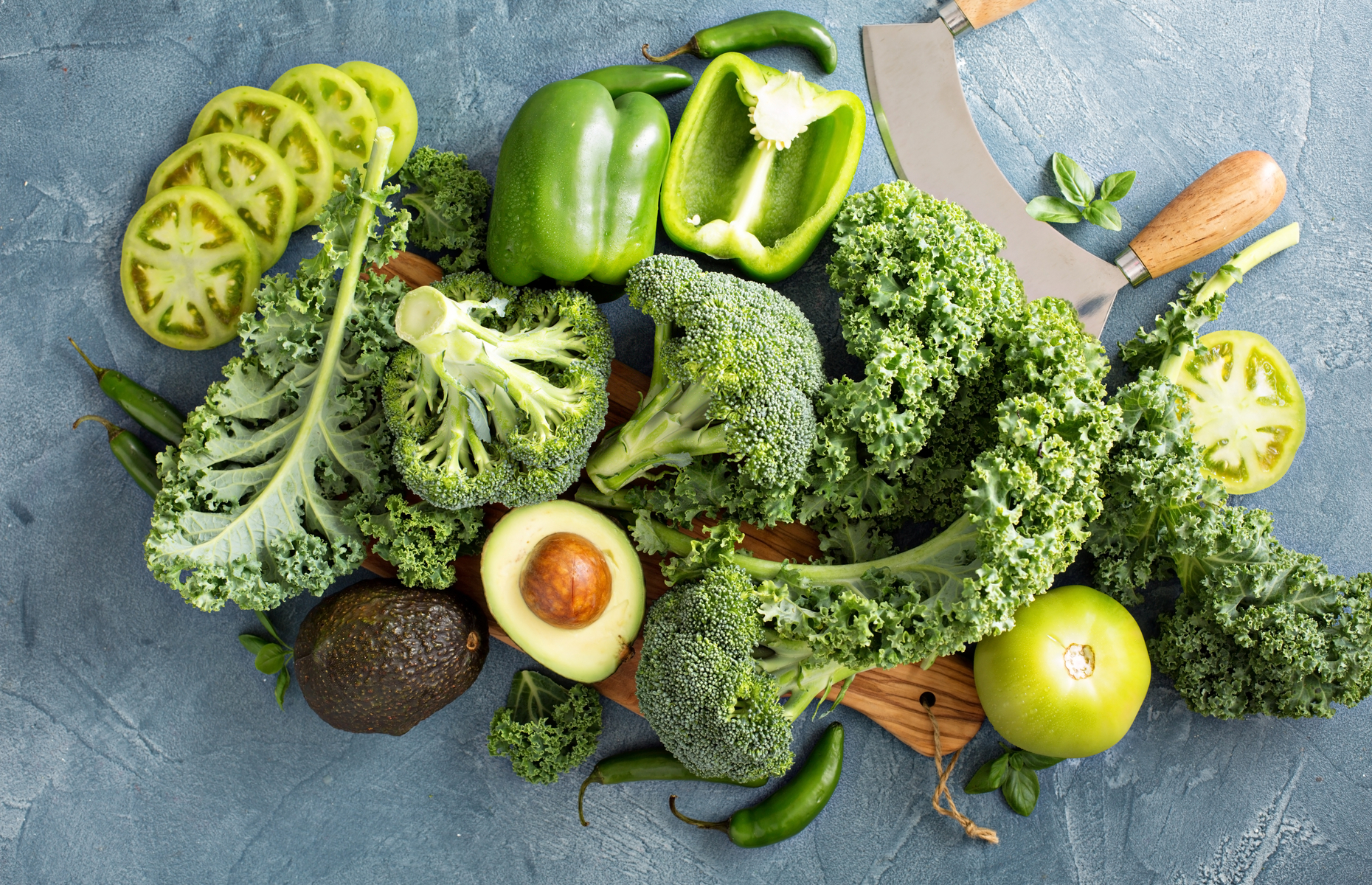
Veg you want to retain a snap, like broccoli, green beans and okra, should be blanched and refreshed in cold water before freezing.
Corn on the cob
Cut the kernels from the cob before blanching, refreshing and freezing.
Dark, leafy greens
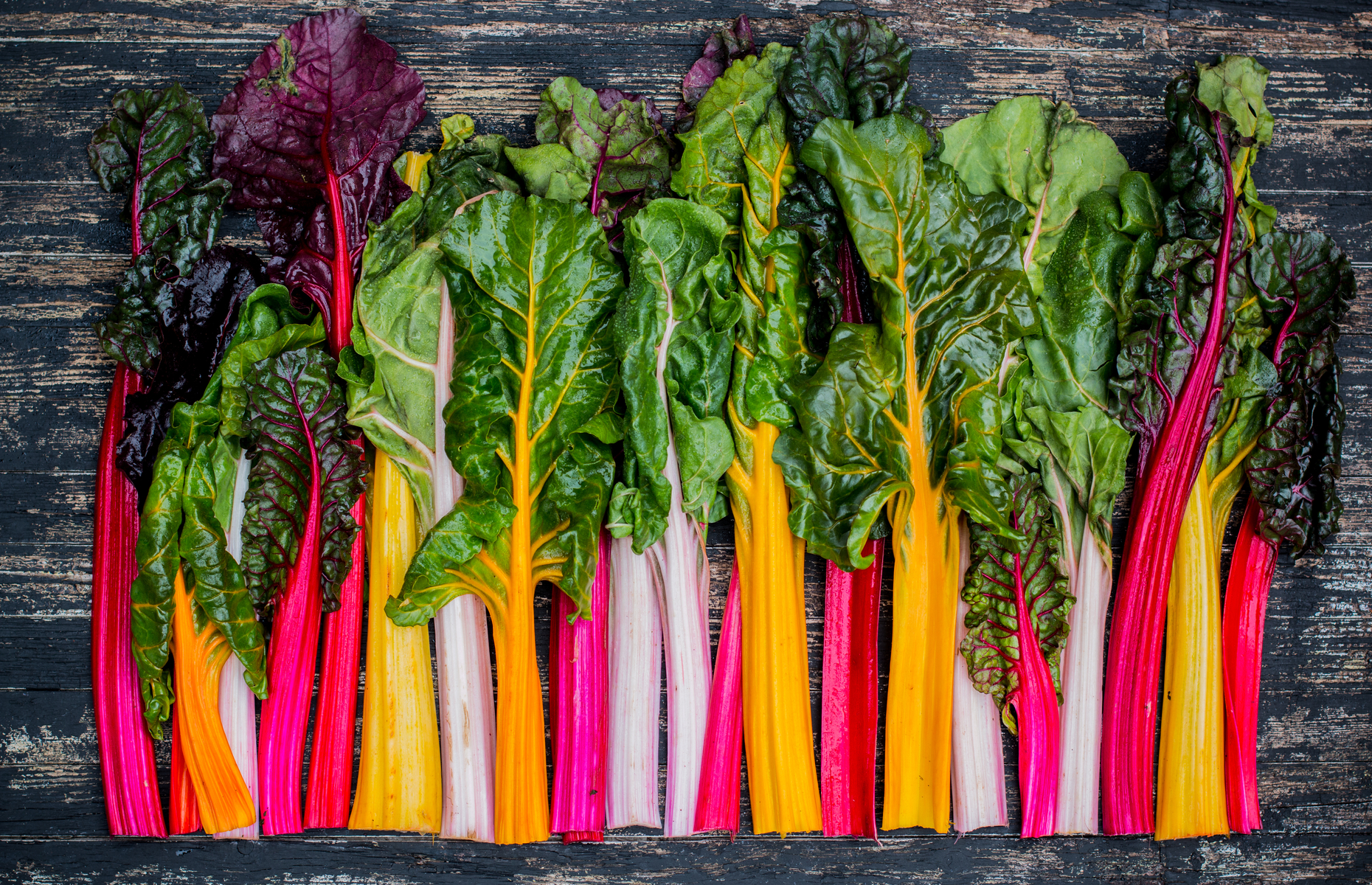
Prepare chard, spinach, and kale for the freezer by blanching the veg and refreshing it in cold water. Squeeze out as much liquid as possible, pack into balls, then store in freezer bags.
 Azdora/Shutterstock
Squash and courgette
These high water content vegetables survive the freezer best if they’re salted to remove excess water, as ice crystals can crush vegetables from the inside. Cut, sprinkle with salt and drain for two hours. Rinse, dry and freeze. Some people like to freeze grated courgette for baking.
Root veg
Potatoes freeze best when cooked so cut into cubes and parboil or freeze mashed potato. Other root veg like carrots, turnips, sweet potato, celeriac and beetroot can be chopped, boiled and frozen, ready to throw into soups and stews.
Aubergine
Roast aubergine slices before freezing or purée cooked aubergine to make baba ghanoush.
Pumpkin
Roast pumpkin, scoop out the flesh, purée and freeze.
 RΛN SHOT FIRST/Unsplash
Avocado
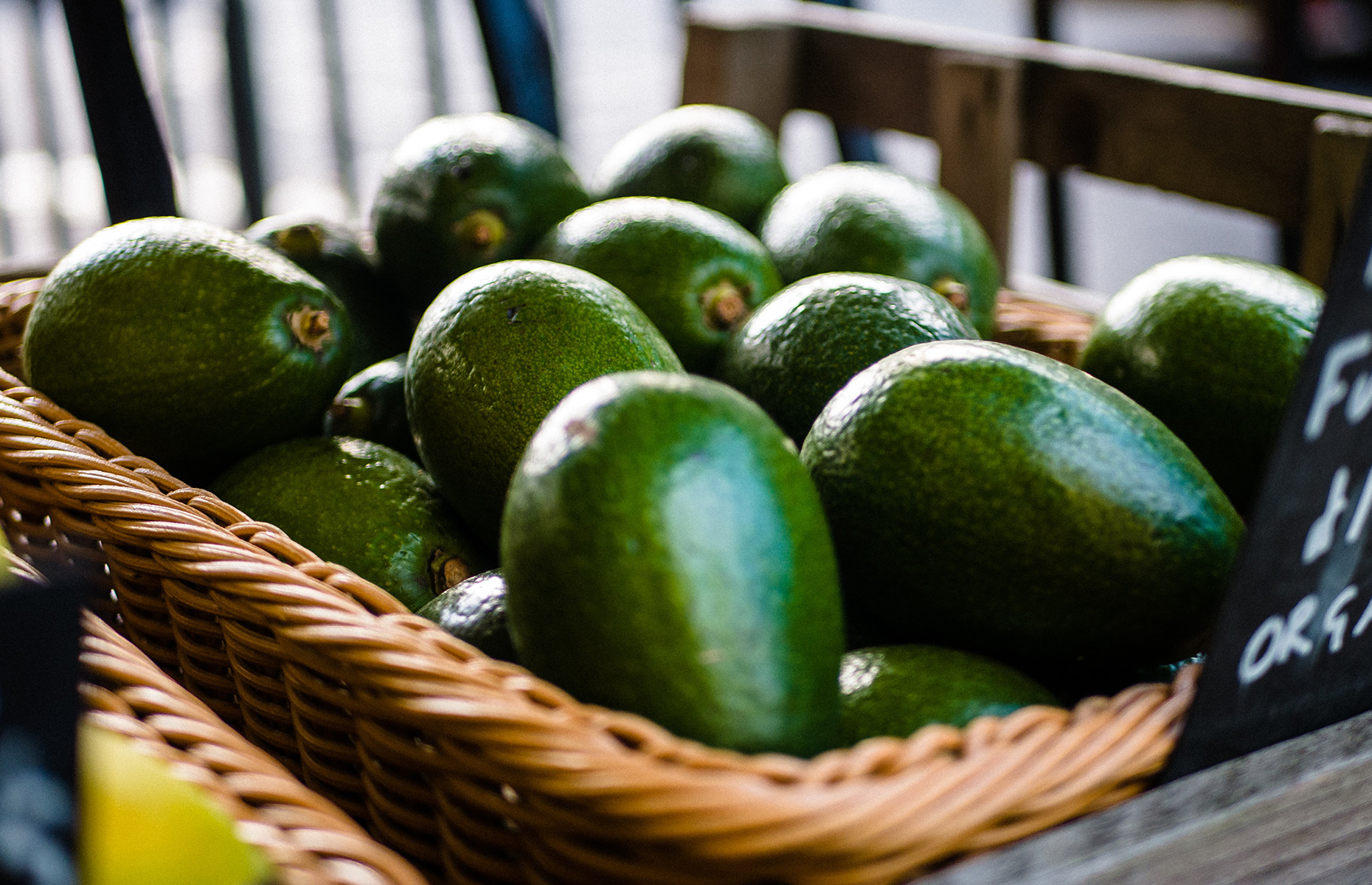
To save avocado for a later date, blitz it into a purée before putting away. It’s not going to make a chunky guacamole when it’s defrosted, but is fine in smoothies and salad dressings.
Onions and bell peppers
Onions and bell peppers don’t need to be blanched. Chop them up and store raw (you should remove the seeds of the pepper). Both can be used straight from frozen.
Chillies
Chillies can be frozen whole or prepared by chopping and removing the seeds. An another option is to freeze chopped chillies in an ice cube tray in water, then transfer to freezer bags.
What not to freeze
You can't freeze high water content vegetables, for example celery, watercress, endive, lettuce, cabbage, cucumbers and radishes. Consider pickling or fermenting instead.
How do you use frozen vegetables?
Frozen spinach balls are ideal for adding to speedy pasta dishes like garlic, spinach and cream orecchiette; making mint, pea and spinach fritters; spinach and ricotta pie; a masala omelette; or green veggie tortilla.
Use frozen veg liberally in soups and stews, for example carrot soup; spiced corn chowder; tomato soup with kale pesto; squash, carrot, parsnip and Brussels sprouts stew; and Irish coddle (a warming pot of carrots, turnips, potatoes, onions, chicken stock, ham and sausage).
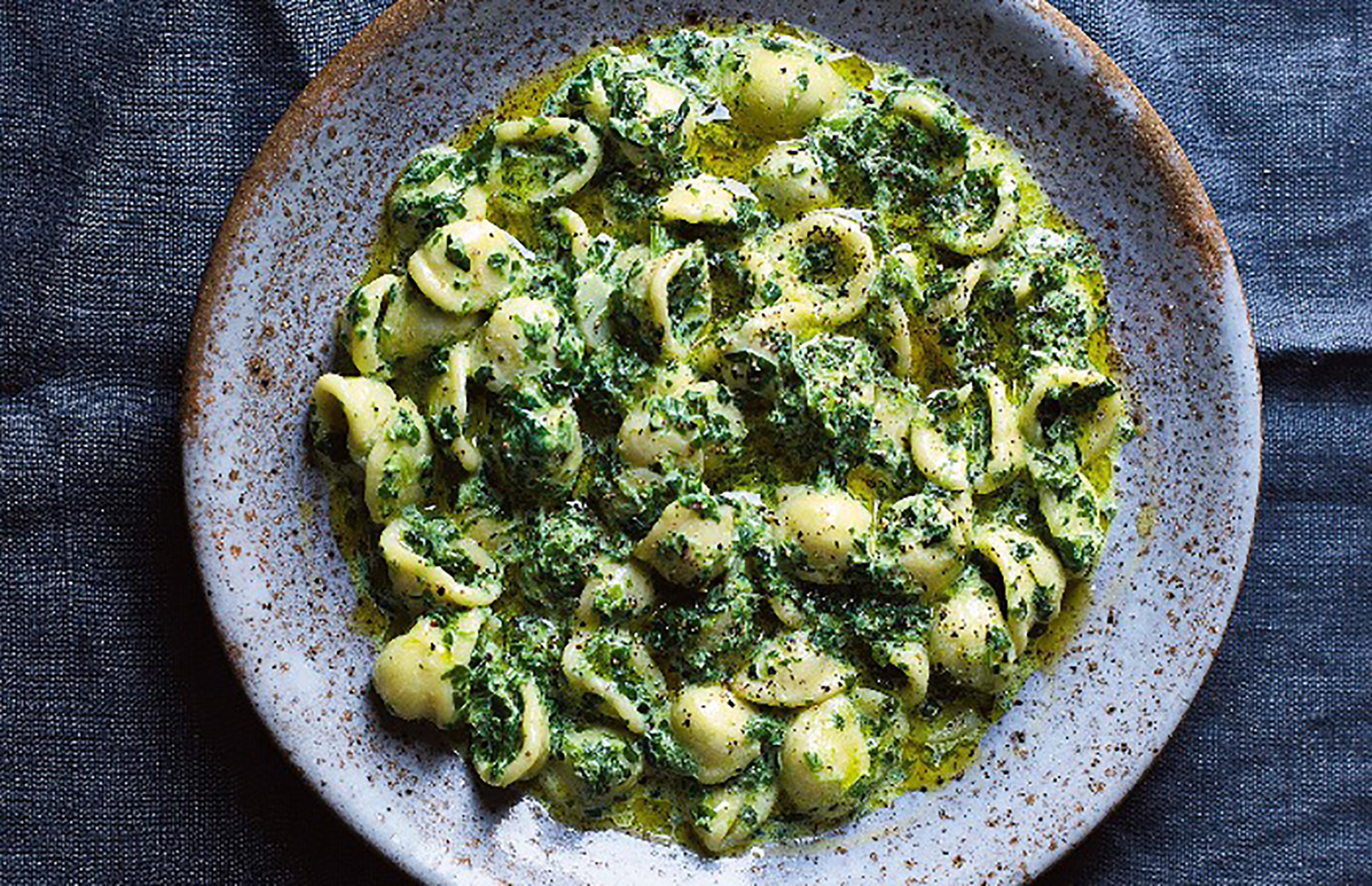 Meat-Free One Pound Meals/Headline Home
Frozen tomato purée can be used in place of tinned tomatoes in plenty of recipes. Have a go at chilli con carne, potato wedges with spicy tomato sauce or you could even make baked beans.
Don’t forget frozen veg isn’t just for savoury dishes. Try your hand at chocolate and courgette cake or an apple, avocado, celery and lime smoothie.
READ MORE: Tried and tested tips to organise your freezer
How do you freeze herbs?
To preserve fresh herbs, chop and place in an ice cube tray, covered in oil or water. Once frozen, pop out and store in a freezer bag. These can be thrown straight into recipes for flavour. Don't use defrosted herbs as a garnish, they’ll look too soggy.
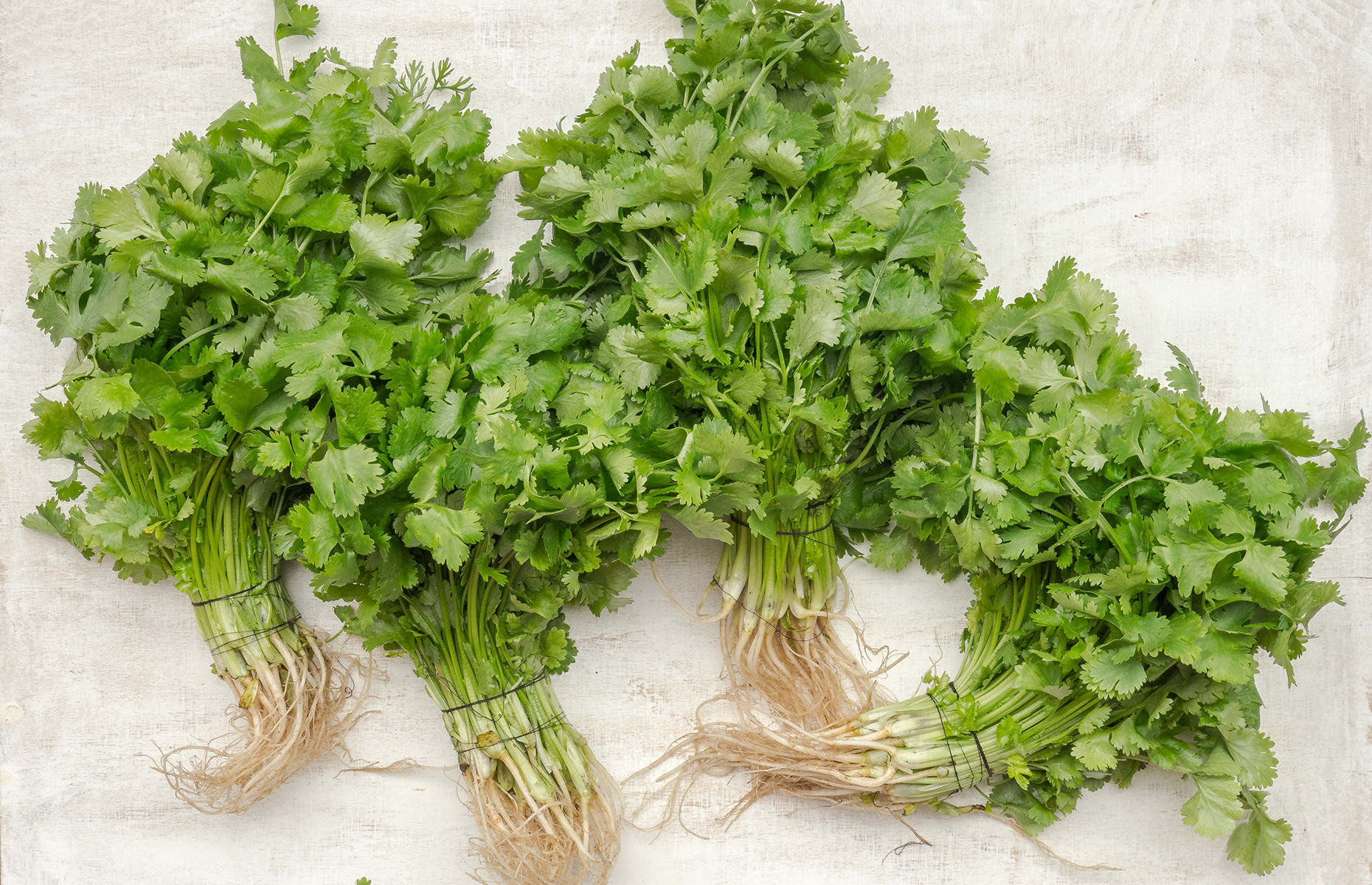 Tomasz Olszewski/Unsplash
Tips for freezing fruit and veg
Freeze fruit and veg at the peak of its ripeness. A hard, crunchy pear won’t ever turn soft and sweet in the deep freeze.
Store food in freezer bags and squeeze as much air out as possible. If you're regularly freezing produce, you could even invest in a vacuum sealer. Label freezer bags with what’s inside and the date.
Make sure cooked veg is cooled before storing, but don’t leave it sitting out either. The quicker fruit and veg freezes, the better quality it will be so set the temperature to -18°C/0°F or below. Once you take fruit and veg out, use it immediately. Don't refreeze food that has been defrosted.
Lead image: denizya/Shutterstock
Comments
Be the first to comment
Do you want to comment on this article? You need to be signed in for this feature